










How to Use a Baby Wrap Carrier Safely
Learn how to choose, tie and use a baby wrap carrier. Simple checks help keep your baby close, supported and breathing freely.

On this page
- What is a wrap carrier?
- How to choose a wrap
- Before you put your baby in
- Fitting and positioning your baby
- Breathing and checks while wearing
- Age and growth stages
- Wraps, ring slings and buckle carriers
- Moving, sitting and daily tasks
- Heat, clothing and comfort
- Common mistakes to avoid
- Official guidance across four countries
- Frequently asked questions
- Sources and further guidance
- Sources
Short answer: A wrap carrier holds your baby close to your body. Choose one that suits your baby's size and your skill. Read its instructions before use. Practise tying it over a bed or with another adult nearby. Keep your baby's face visible, nose and mouth clear, and chin off the chest. Check your baby often. Follow the maker's limits. Stop when your baby reaches them.
Advice on babywearing is available from Product Safety Australia, the UK's Office for Product Safety and Standards, the US Consumer Product Safety Commission, and Health Canada. Their guidance and the wrap maker's instructions can help you use a carrier safely.
What is a wrap carrier?
A wrap carrier is a long piece of fabric tied around your body and your baby. The fabric supports the baby against your chest or back, depending on the wrap and its instructions.
Some wraps use stretchy fabric. Others use woven fabric with little stretch. A stretchy wrap can feel soft and snug. A woven wrap may hold its shape more firmly. The right choice depends on the wrap's design, your baby's size, and what feels manageable to you.
Wraps take practice. They can be harder to tie than a carrier with buckles. A good fit comes from following the steps for your exact wrap. Different wraps may need different ties and positions. Do not copy a tie from a video unless it matches your wrap's instructions.
A wrap is not a car seat, cot, or safe sleep space. It does not replace holding your baby with your hands. Keep a hand near your baby when leaning, moving through crowds, or doing anything that could affect balance.
How to choose a wrap
Start with the product label and instructions. They should say how to use the wrap, which carries it allows, and the baby's size or age limits. Do not assume every wrap suits a newborn or every carrying position.
- Type: Decide whether a stretchy or woven wrap matches your needs. Check the maker's guidance for each type.
- Fit: Check the wrap's length and sizing advice. You should be able to tie it as instructed without loose, trailing fabric.
- Support: Make sure the fabric can hold your baby's body as shown in the instructions. Check seams and fabric for damage.
- Comfort: The wrap should feel secure without painful pressure. Your baby should sit close and supported.
- Care: Read how to wash and dry it. Follow the care label to avoid weakening the fabric.
- Condition: If buying second-hand, inspect for worn fabric, damaged seams, repairs, or missing instructions. Ask the maker whether the wrap can still be used.
- Support: Choose a seller or maker that provides clear instructions and help with fitting.
Do not rely on a badge or broad safety claim alone. Look for the product's instructions, limits, and maker details. Check local recall information. Product Safety Australia provides a guide to baby carriers, wraps, and slings. Check official recall notices before using an unfamiliar or second-hand item.
There is no single wrap that suits every parent and baby. If possible, get hands-on help from a trained babywearing adviser or health professional. Ask them to check your exact wrap and the carry you plan to use.
Before you put your baby in
Read the full instructions while your baby is not in the wrap. Find the maker's video or fitting help if offered. Practise tying the wrap over a bed, with another adult close by. Do not practise a new carry near stairs or hard edges.
Check the wrap each time you use it. Look for holes, thin patches, torn seams, loose threads, stains that hide damage, and any change in stretch. Do not use a wrap that is damaged. Do not use one altered in a way the maker does not approve.
Choose a calm time when you and your baby are settled. Start with a short try at home. Your baby may need time to get used to the closeness. If either of you becomes upset, take a break. Try again later.
Wear clothes that let you feel your baby's position and temperature. Avoid clothing or jewellery that could catch in the fabric. Keep scarves and loose items away from your baby's face.
Baby Carriers & Wraps worth a look
Real products from our catalogue. We don't show star ratings or review counts; check the current price, stock and reviews on Amazon before you buy.

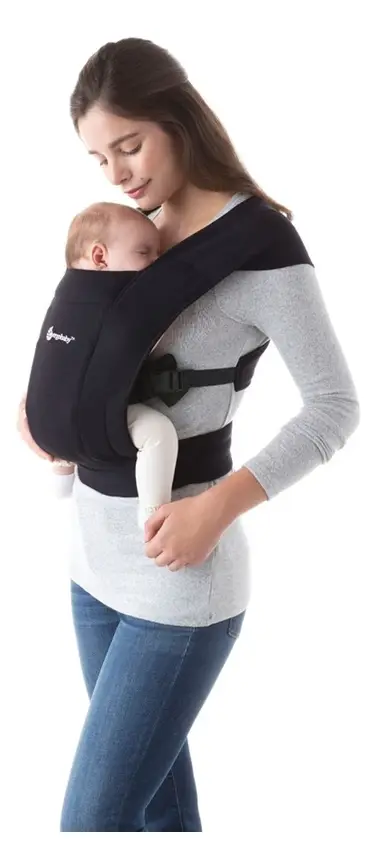


Ergobaby Embrace
A soft knit newborn carrier that buckles on, with no long wrapping.
Read our full review → Reviewed
4baby 3 Way Baby Carrier
A very low-cost carrier with 3 positions, for babies 3.6 to 9 kg.
Read our full review →
BabyBjörn Baby Carrier Mini 3D Jersey
Newborn baby carrier
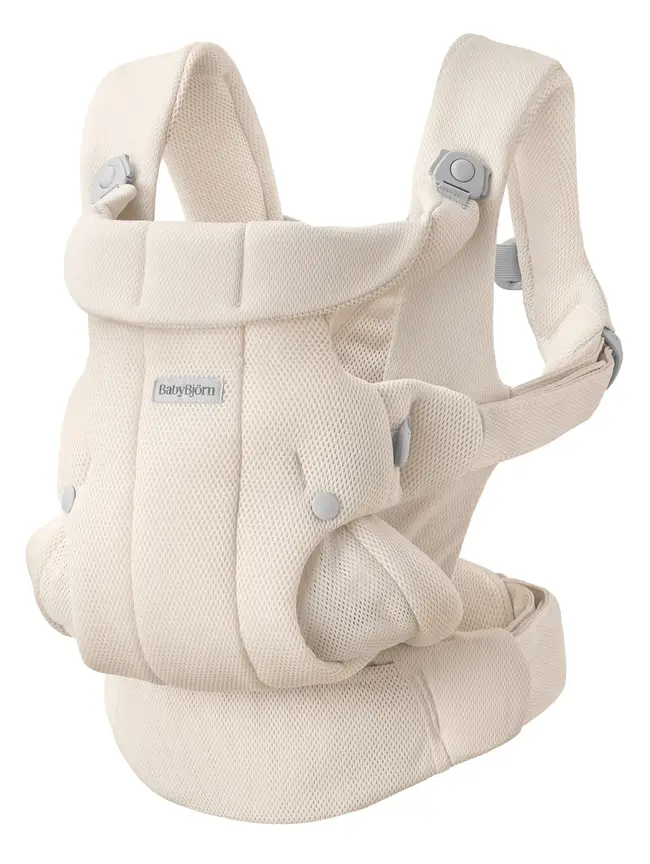
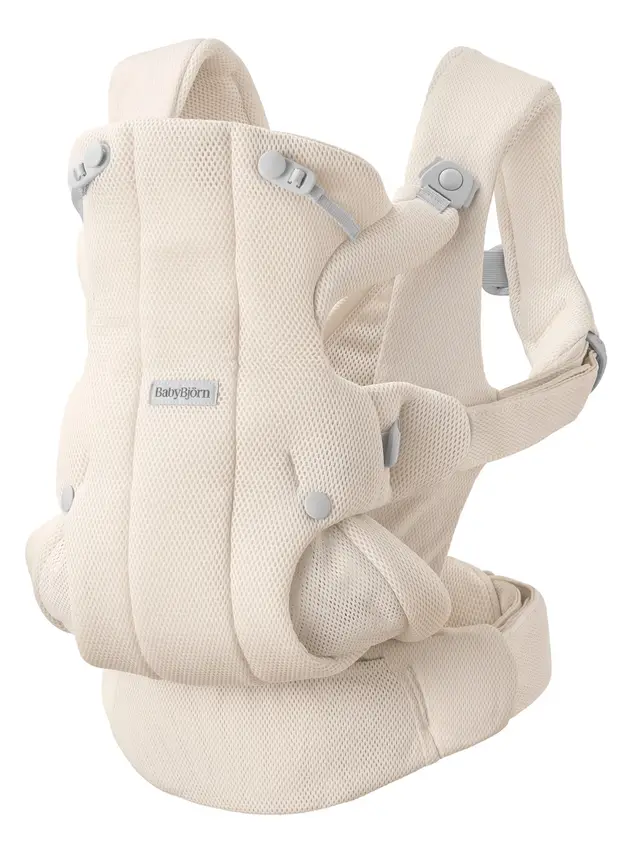
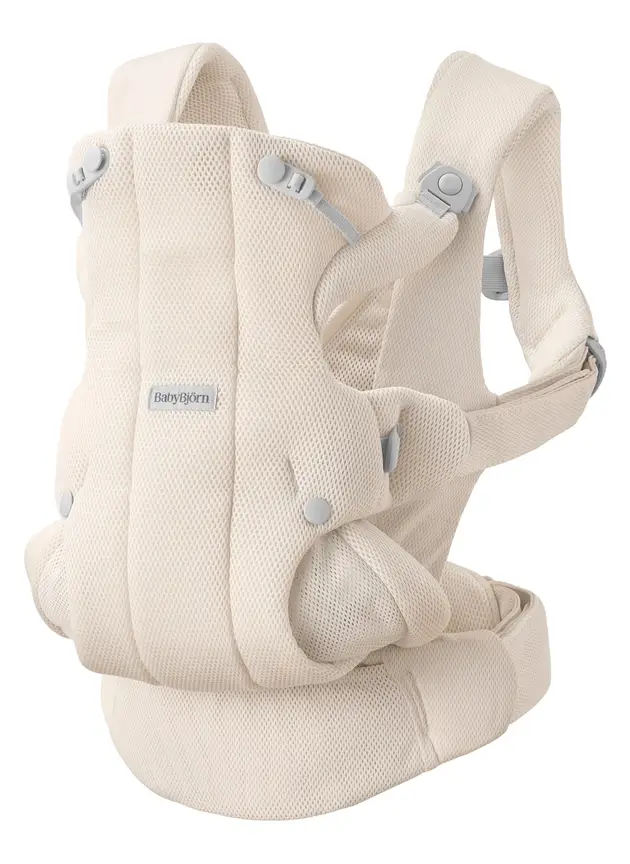
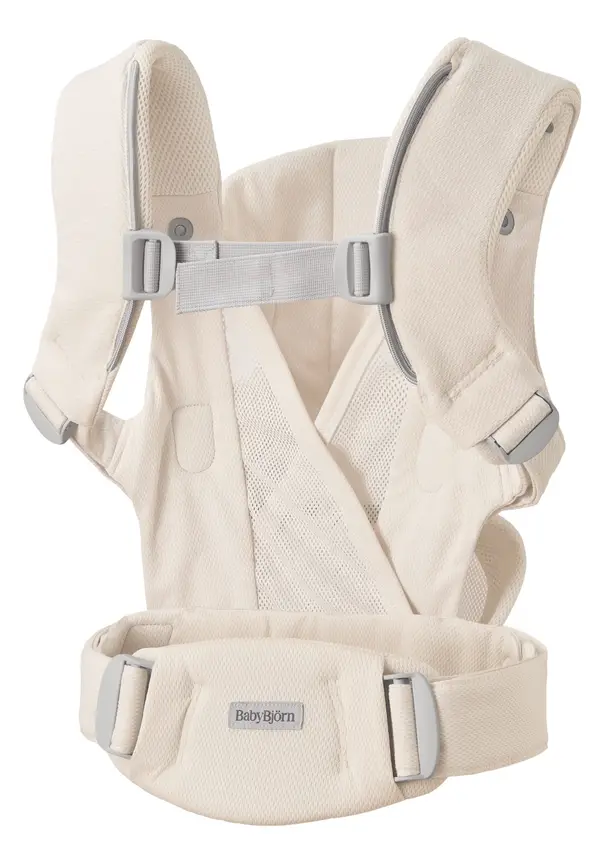
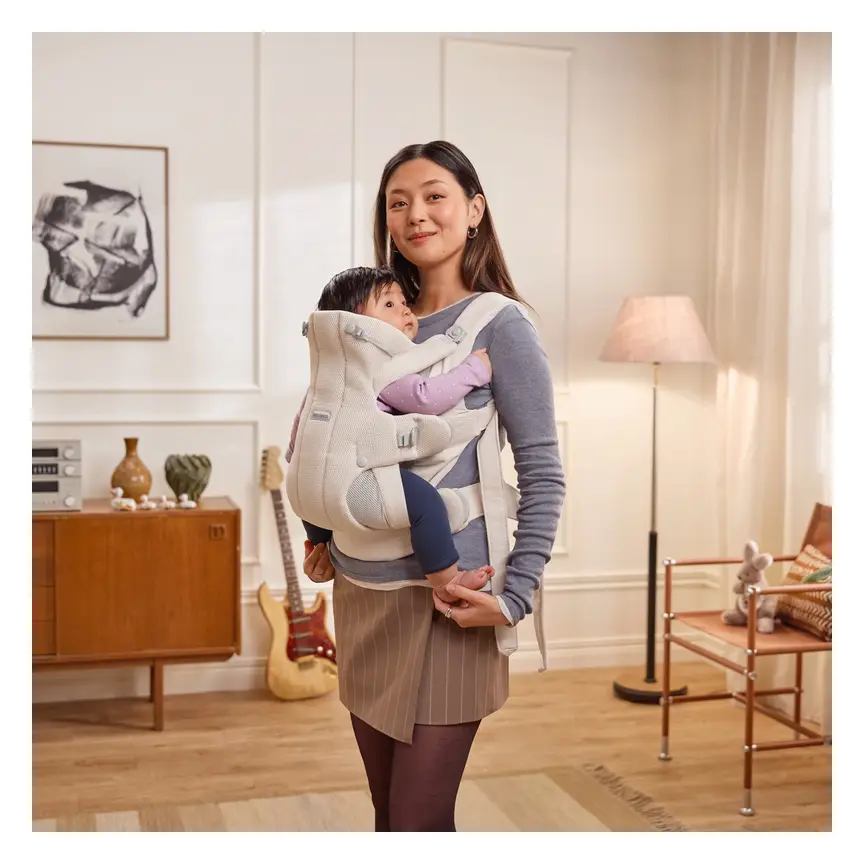


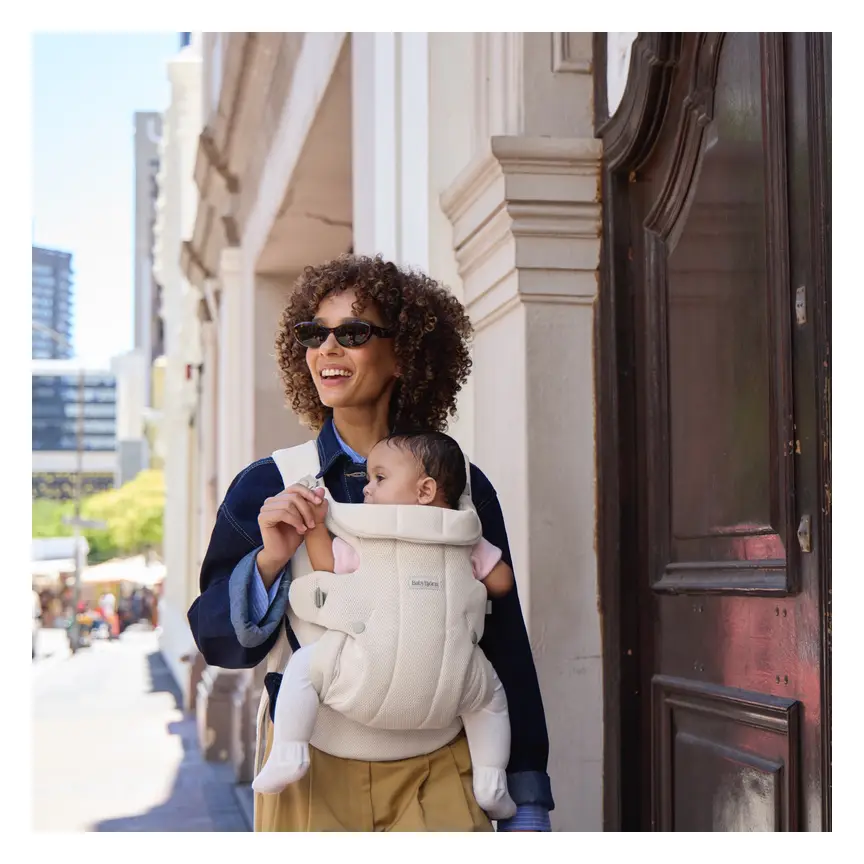
BabyBjörn Baby Carrier Hold
A soft front carrier from newborn to 18 months that fits XS to XXL parents.
Read our full review →Fitting and positioning your baby
Follow your wrap's steps in order. Do not skip a pass or knot because the wrap seems tight enough. The fabric should hold your baby close. It should stop them slumping away from you.
Keep your baby high enough to see and check easily. Their face should remain visible without moving fabric aside. Their head should be close enough for you to kiss the top without bending down far.
Check that your baby's chest and back are supported. The baby's body should not fold into a tight curl. Keep the chin away from the chest. A baby needs a clear, open airway to breathe.
Make sure the fabric does not cover the nose or mouth. Do not let your baby press face-first into your chest or the wrap. Keep the head turned so you can see the face and check breathing.
Many babywearing guides suggest supporting a young baby's thighs and letting the knees bend. The legs may rest apart, with the knees a little higher than the bottom. Do not force a position. Follow the wrap instructions. Ask a health professional if your baby has a hip or leg condition.
Do not wrap fabric over your baby's face to block sun or noise. Use shade and suitable clothing instead. Keep the head uncovered unless a health professional has advised otherwise for a medical reason.
Breathing and checks while wearing
Check your baby often, including when you are walking. Their face should stay visible. Their nose and mouth should remain clear. Their chin should not rest against their chest.
Look for normal colour and easy breathing. If your baby seems limp, unusually quiet, hard to wake, pale, blue, or is struggling to breathe, take them out of the wrap at once. Get urgent medical help if you are worried.
Do not assume a quiet baby is sleeping safely. Keep checking. A young baby may not be able to move their head if their face becomes covered or their chin drops.
If your baby falls asleep in the wrap, keep watching their face and breathing. When practical, move them to a firm, flat sleep space. Place them on their back. Follow safe sleep advice from your local health service.
Do not use a wrap while sleeping, lying down, or resting on a sofa. Do not use it as a substitute for a cot or bassinet. A wrap is for carrying while you are awake and able to monitor your baby.
Age and growth stages
Age alone does not show whether a wrap is safe for your baby. Babies grow at different rates. Use the maker's weight, size, and development limits. A newborn may need more head and neck support than an older baby.
| Stage | What to consider | Practical action |
|---|---|---|
| Newborn | Small body and limited head control | Use only a wrap that allows newborn use. Follow its newborn instructions. Keep the face clear. |
| Growing baby | Changing weight, strength, and movement | Check the fit each time. Make sure the wrap still supports the baby's body as instructed. |
| More active baby | Greater movement may change the fit | Recheck the maker's carry guidance. Keep close watch. Avoid positions not allowed for your baby's stage. |
| At the stated limit | The wrap may no longer fit or support the child as intended | Stop using it when any maker limit is reached. Choose another suitable carrier. |
Premature babies and babies with breathing, muscle, or hip concerns may need individual advice. Ask your baby's doctor, nurse, or other health professional before using a wrap. Take the wrap and instructions to the appointment if that helps.
Wraps, ring slings and buckle carriers
These products all carry a baby close to an adult, but they work differently. Each has its own fit, limits, and learning steps. Follow the instructions for the product you own.
| Type | How it works | What to check |
|---|---|---|
| Wrap | Long fabric is tied around adult and baby | Correct tie, snug support, clear face, and fabric condition |
| Ring sling | Fabric is adjusted through rings over one shoulder | Correct threading, secure rings, and even fabric spread |
| Buckle carrier | Panels and straps fasten with buckles | Fasteners locked, straps adjusted, and baby's size within limits |
A wrap may suit someone who wants a close fit and does not mind tying fabric. A buckle carrier may be quicker to put on, but still needs careful adjustment. A ring sling has a different way of spreading fabric and supporting the baby. None is automatically right for every family.
Side by side: more baby carriers & wraps to compare
Real products from our catalogue. We don't show star ratings or review counts; check the current price, stock and reviews on Amazon before you buy.
 Reviewed
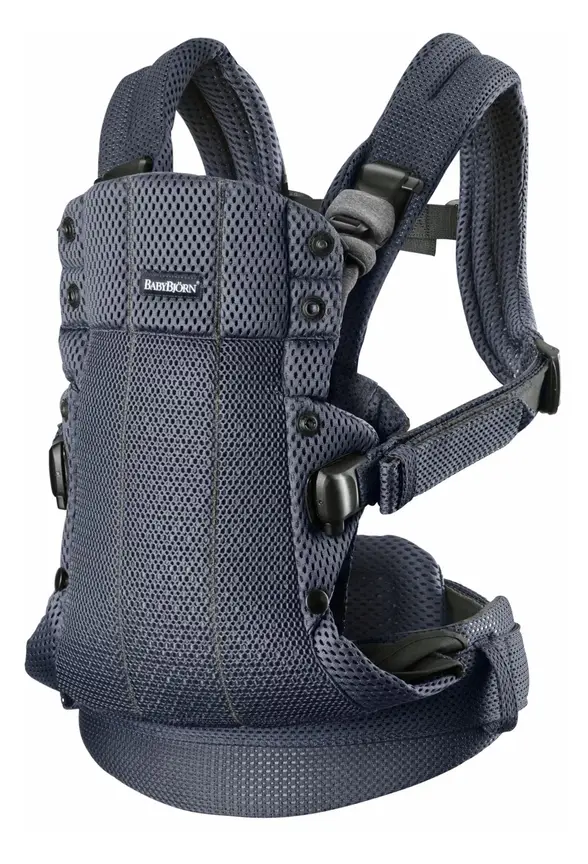
BabyBjörn Baby Carrier Harmony
A premium carrier with four positions, from 3.2 kg newborns to about 3 years.
Read our full review →
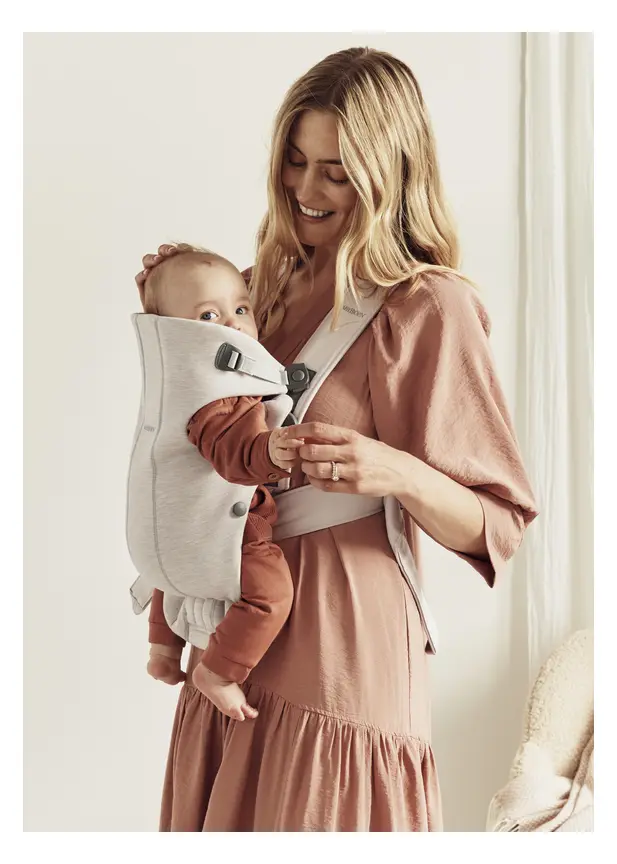
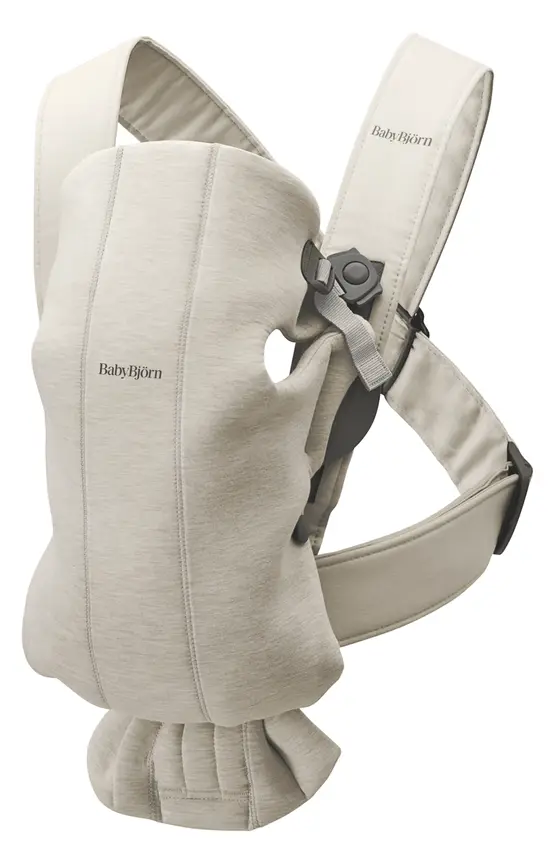
BabyBjörn Baby Carrier Mini
Simple, soft newborn carrier for roughly 0–12 months, with three carrying positions and an easy front opening.
Read our full review →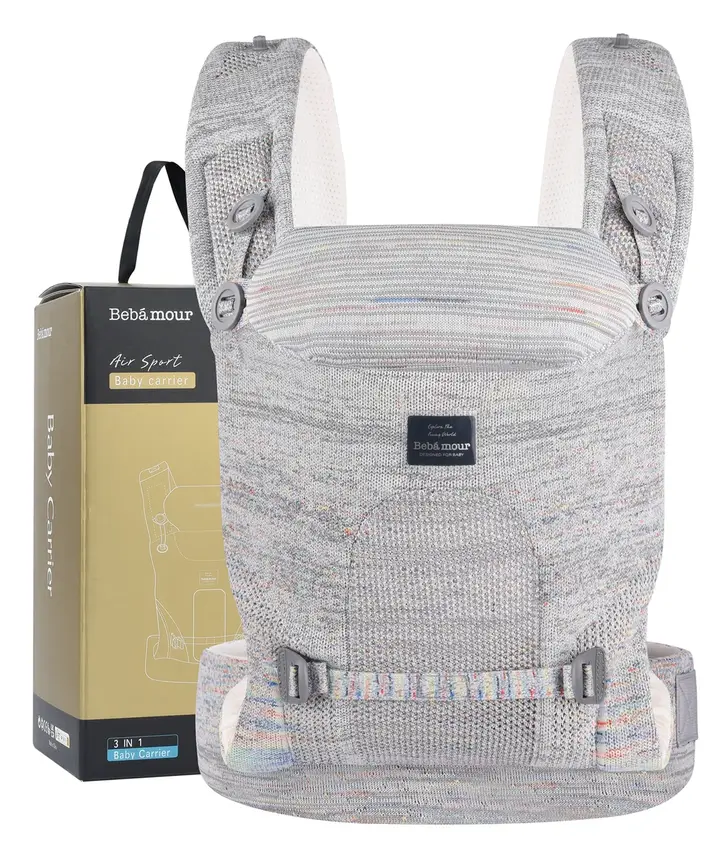
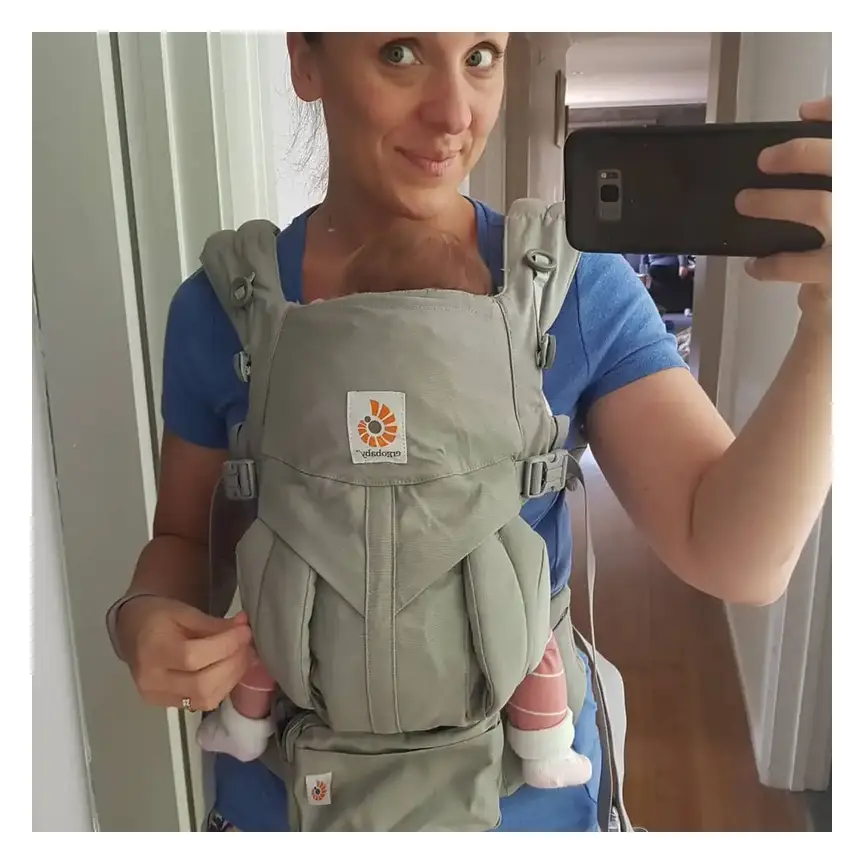
Ergobaby Omni 360 Cool Air Mesh Baby Carrier
All-position carrier
Moving, sitting and daily tasks
Walk on clear ground. Take care on steps, wet floors, and uneven paths. Your balance and view may change when carrying a baby. Hold a handrail on stairs. Avoid running, cycling, or activities that could make you fall.
Do not cook over a hot stove, carry hot drinks, or handle sharp tools with your baby in a wrap. Keep away from flames and other heat sources. Your baby is close to your body and may be harmed by spills or hot surfaces.
Do not bend at the waist to pick things up. If you must reach down, support your baby and bend at the knees. Keep the baby's position secure. Ask someone else to lift heavy items.
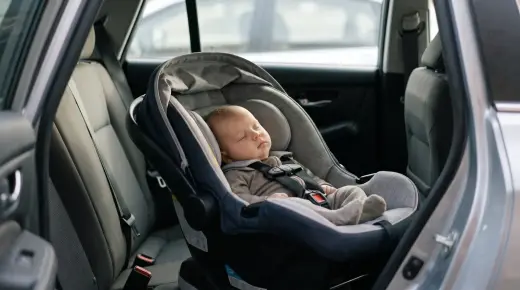
Do not wear your baby in a wrap in a vehicle. Use the correct child car seat. Fit and use it according to its instructions. A wrap cannot protect a baby in a crash.
Do not use a wrap in water or near a pool, bath, or other water. It does not make a baby safe around water. Keep your baby in your arms and within reach. Have another adult watch when needed.
Heat, clothing and comfort
Your body heat and the wrap add warmth. Dress your baby lightly. Check their chest or back for warmth. Do not judge temperature by hands or feet alone. They can feel cooler.
In hot weather, choose shade. Avoid the hottest part of the day when possible. Keep your baby's head uncovered and face clear. Offer feeds as needed. If your baby feels very hot or seems unwell, take them out and cool them safely. Seek medical advice if concerned.
In cold weather, keep your baby's face visible and airway clear. Add layers over the wrap only when they do not cover the face or restrict breathing. Check the baby often. Layers can make them too warm.
Comfort matters for both of you. The wrap should not cause sharp pain, numbness, or trouble breathing. If it does, remove your baby safely. Adjust or stop. Ask for fitting help if discomfort continues.
Common mistakes to avoid
- Loose fabric: A loose fit can let a baby slump. Retie the wrap using its instructions.
- Face covered: Fabric must not cover the nose or mouth. Keep the face visible throughout the carry.
- Chin on chest: Reposition the baby so the chin is away from the chest.
- Wrong tie: Do not use a tie meant for a different wrap or carry.
- Ignoring limits: Stop when the baby reaches the product's stated size or weight limit.
- Using damaged fabric: Do not trust a wrap with worn cloth, broken seams, or unknown repairs.
- Covering the head: Do not pull the wrap over the baby's face for warmth or privacy.
- Doing risky tasks: Avoid cooking, hot drinks, sharp tools, and activities with fall risk.
- Leaving baby unchecked: Keep checking breathing, position, and warmth.
- Treating the wrap as a sleep product: Move a sleeping baby to a safe sleep space when practical.
Official guidance across four countries
Product advice may differ by country, and rules can change. The key practical steps are to follow the product instructions, keep your baby's face visible, and check breathing and position often.
| Country | Official body or guidance | Where to check |
|---|---|---|
| Australia | Product Safety Australia, part of the ACCC | Its guide covers baby carriers, wraps, and slings. |
| United Kingdom | Office for Product Safety and Standards; The Lullaby Trust | Check product safety advice and guidance on slings and carriers. |
| United States | U.S. Consumer Product Safety Commission | See its babywearing safety warning and carrier safety information. |
| Canada | Health Canada | Check consumer product safety advice and recalls. |
These sources do not replace the instructions for your own wrap. If the instructions are missing or unclear, contact the maker before use. Ask a health professional for advice about your baby's health or development.
Frequently asked questions
Can I use a wrap with a newborn?
Some wraps allow newborn use. Check the product's instructions and size limits first. Make sure the wrap gives the support described for a young baby. Keep the face visible and the chin away from the chest.
How tight should a baby wrap be?
It should hold your baby close enough to prevent slumping. It should not press painfully or stop your baby breathing comfortably. Follow the maker's fitting steps. If you cannot get a secure fit, take the baby out and ask for help.
Can my baby sleep in a wrap?
A wrap is not a safe sleep space. If your baby falls asleep, keep watching their face and breathing. Move them to a firm, flat sleep space on their back when practical. Follow local safe sleep advice.
Can I breastfeed in a wrap?
Only do so if the wrap instructions allow it and you can keep your baby's airway clear. Keep watching your baby. After feeding, reposition them upright and secure, with their face visible. Get help if you are unsure.
Can I carry my baby facing out?
Only use a facing-out carry if the wrap maker allows it for your baby's stage and size. Follow its steps exactly. Keep the face visible and check your baby often. Do not use a position that makes breathing hard to check.
How do I know if my baby is too hot?
Feel your baby's chest or back. If it feels hot or damp, remove a layer. Take a break in a cooler place. Keep the face uncovered. Seek medical advice if your baby seems unwell.
Can I buy a used wrap?
You can consider one if you can confirm its maker, instructions, condition, and limits. Check the fabric and seams closely. Look for recalls. Do not use it if the fabric is damaged or its history raises concerns.
What if wearing my baby hurts my back?
Take the baby out and rest. Check that the wrap is tied as instructed and sits comfortably. Ask a trained adviser or health professional to check the fit. Stop using it if pain continues.
Can I wear a wrap in the car?
No. Put your baby in a suitable, correctly fitted car seat for every car trip. A wrap does not protect a baby in a crash.
More options, from budget to premium
Real products from our catalogue. We don't show star ratings or review counts; check the current price, stock and reviews on Amazon before you buy.
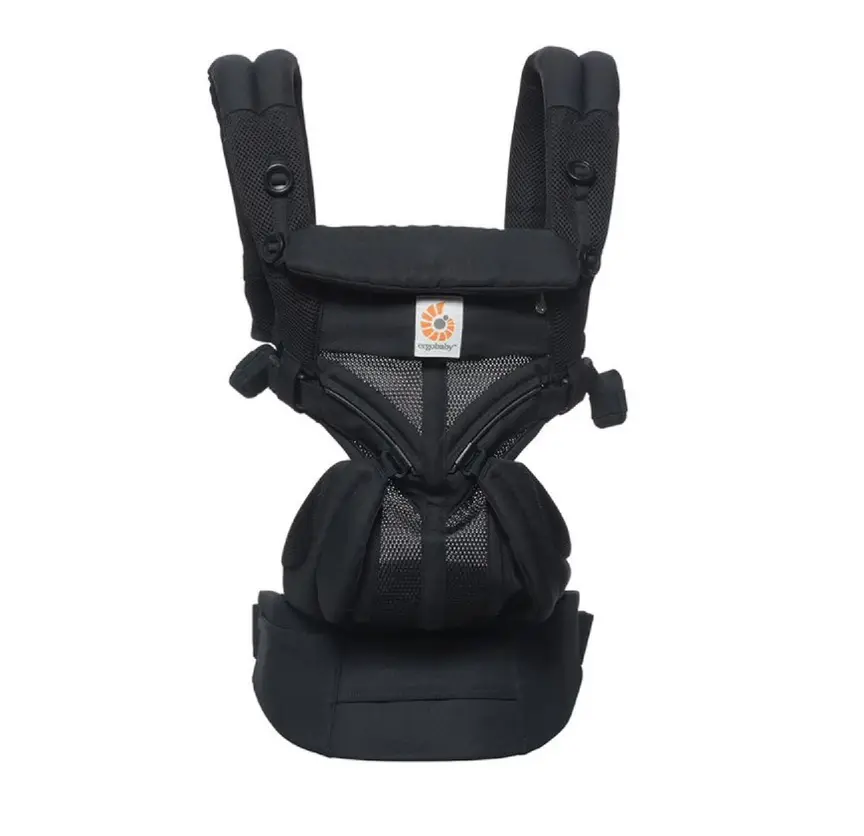 Reviewed
Ergobaby Omni Classic Mesh
An all-position mesh carrier from newborn to toddler with no insert needed.
Read our full review →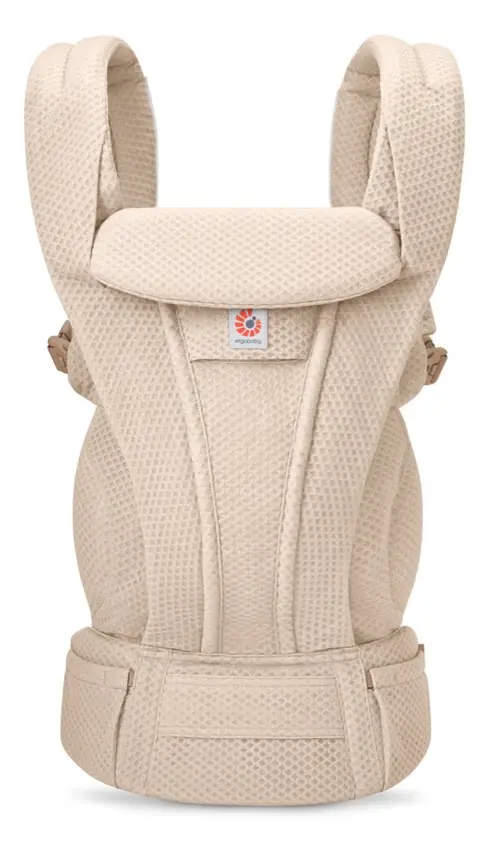 Reviewed
Ergobaby Omni Deluxe Mesh
The top Omni carrier, with 6 storage spots and strap markers that make it easy to swap between parents.
Read our full review →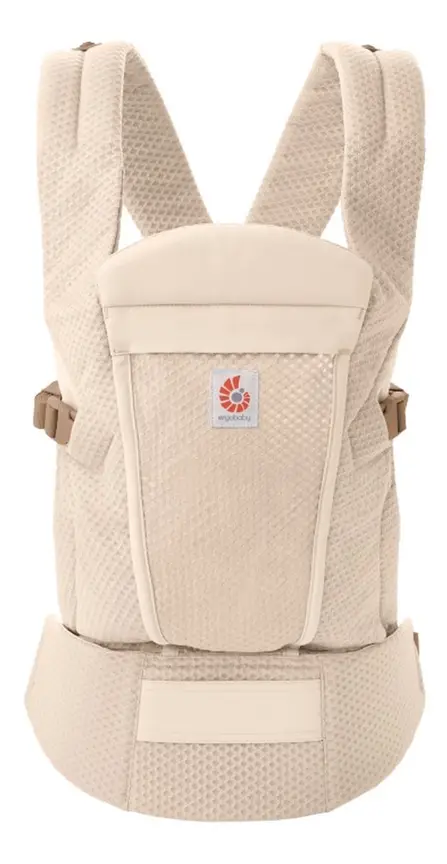
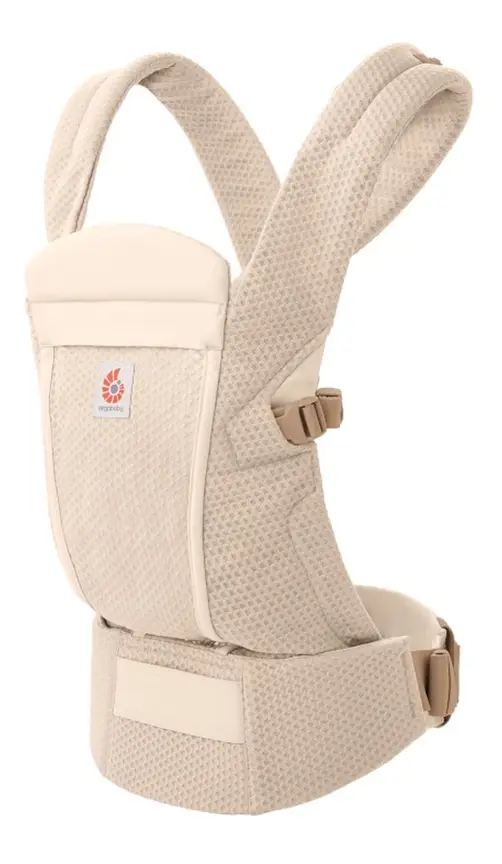

Ergobaby Omni Lite Mesh
A light mesh carrier from newborn to 24 months with cross-back straps.
Read our full review →Sources and further guidance
- Product Safety Australia – Baby carriers, wraps and slings guide
- The Lullaby Trust – Baby slings and carriers
- U.S. CPSC – Safe babywearing and sling warning
- U.S. CPSC – Infant sling carrier safety
- Raising Children Network – Baby carrier, sling and backpack safety
This article is general information, not medical advice. Ask your health professional about your baby's needs. Affiliate links may earn BabyGearFinder a commission at no extra cost to you.
Sources
Related guides
More Clothing & Accessories →
5 Reasons Why a Baby Wrap Carrier Helps Parents (Plus How to Use One Safely)

5 Reasons a Convertible Baby Carrier Helps Busy Parents (and How to Use One Safely)

Baby Wrap Carriers: How to Choose and Use One Safely