









Quick answer
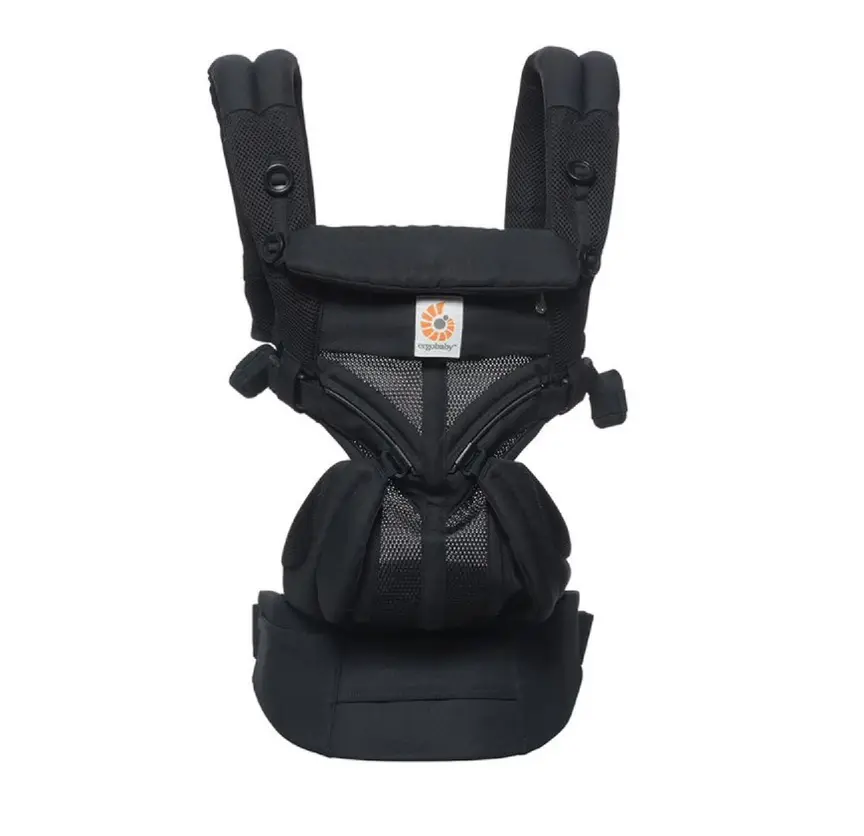
The Ergobaby Omni Classic is a soft structured baby carrier. It suits babies from 3.2 kg to 20 kg, which is newborn to about 4 years, with no infant insert. You can carry baby facing you, facing out, on your hip or on your back. Ergobaby says to stop facing out at 13.6 kg. It has a breathable mesh panel and a padded waist belt that supports your lower back. Ergobaby says the Omni carriers are certified hip-healthy by the International Hip Dysplasia Institute. In Australia it is about A$300 (Baby Bunting RRP, Nov 2026). Always follow the T.I.C.K.S. rules so your baby can breathe well.
Buy it if
- Families who want one carrier from newborn to toddler
- Parents who want back carry later on
- Warm climates, thanks to the mesh panel
- Parents with back aches, as the waist belt takes much of the weight
Skip it if
- You only want to carry a newborn for a few months
- You want a carrier that packs very small
- Your budget is under A$150
- You prefer the soft, snug feel of a wrap
What the Omni Classic is
Ergobaby is an American company that helped make soft structured carriers popular. A soft structured carrier has a padded waist belt, padded shoulder straps and a fabric panel that holds your baby. It clips on with buckles, so there is no long cloth to wrap.
The Omni family is Ergobaby's main range. You may know the older name, Omni 360. Today Baby Bunting sells the Omni Classic, the Omni Deluxe and the Omni Lite. Baby Bunting's page for the Omni Classic still uses the old Omni 360 name in its web address, so you know it is the same family.
The big selling point is that the Omni Classic grows with your baby. Older carriers needed a separate infant insert, like a cushion, for small babies. The Omni has an adjustable seat inside, so it fits newborns from 3.2 kg without extra parts. The same carrier then takes your child up to 20 kg.
The Classic has a 3D air mesh panel. Air moves through it, which helps on hot days. That matters in much of Australia, where a baby pressed against a parent's chest can get warm fast.
Facts from the Baby Bunting product page and Ergobaby. Check the label and manual on the carrier you buy.
Who should buy it, and who should not
The Omni Classic suits parents who plan to carry their child often, for a long time. Many people start with walks around the block in the newborn weeks. Later they use it for bushwalks, busy shopping centres or train trips where a pram is a pain. Because it goes up to 20 kg and has back carry, it can keep going well into the toddler years.
It is also a good shared carrier. Partners of different sizes can use it, as the straps and belt adjust a lot. If you want quick swaps between parents, the Deluxe model adds strap markers that make this easier.
It may not suit you if you only want something for the first few months. A newborn carrier like the Ergobaby Embrace is softer, smaller and cheaper. It may also not suit you if you love the snug feel of a wrap, or if you want a tiny carrier that fits in a nappy bag.
The four positions, by age
Most parents use the carry positions in this order. Always read the manual, as the exact age depends on your child's size and neck control, not just their age.
- Newborn (3.2 kg+)
Facing you. Set the seat to its narrow newborn width. Baby's head should be close enough to kiss, with the face clear.
- When head control is good
Still facing you is best for naps. Short facing-out sessions can start when baby holds their head up well. Stop facing out at 13.6 kg.
- Older baby
Hip carry lets baby see the world while staying close to you.
- Toddler (up to 20 kg)
Back carry spreads the weight better for longer walks. Practise over a bed or with a helper the first few times.
Comfort and fit for you and your baby
The waist belt is the key to comfort. It sits on your hips and takes much of your baby's weight off your shoulders. Do it up firmly. Many people wear it too loose, and then their shoulders ache.
The shoulder straps can sit like a backpack or cross over at the back. Crossing them suits people with narrow shoulders and spreads the weight differently. Try both ways to see which feels best.
For your baby, the seat should hold them in the M shape. That means their knees are higher than their bottom and their thighs are supported. This is the position hip doctors recommend. Ergobaby says the Omni carriers are certified hip-healthy by the International Hip Dysplasia Institute.
A soft structured carrier takes some practice. The first few times, buckles at the back can feel fiddly. Watch Ergobaby's videos and practise with a mirror. After a week or two it usually becomes quick.
What we love
- Fits newborns from 3.2 kg with no insert
- Carries up to 20 kg, so it lasts for years
- Four positions, including back carry
- Mesh panel is cooler in warm weather
- Padded waist belt helps your back
- Hip-healthy certified (Ergobaby)
What to weigh up
- About A$300 — more than many carriers
- Bulkier than a wrap or sling
- Back buckles take practice
- No sun hood or extra pockets (the Deluxe has them)
- Facing out stops at 13.6 kg
The rest of the Ergobaby range
Ergobaby makes carriers for different stages and budgets. Here is how the main ones sold in Australia fit together. The Deluxe is the step up from the Classic. The Lite is lighter and cheaper but does not have back carry. The Embrace is just for the early months. The Upsie is a quick hip sling for toddlers.
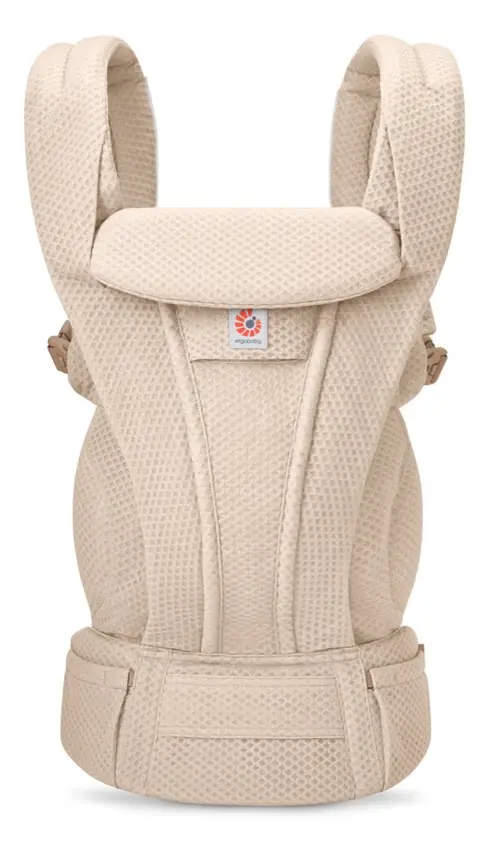
Ergobaby Omni Deluxe Mesh
Best for: Extra pockets and strap markers
The same range of use as the Classic, with 6 storage spots and markers for quick swaps between parents.
Read our full review →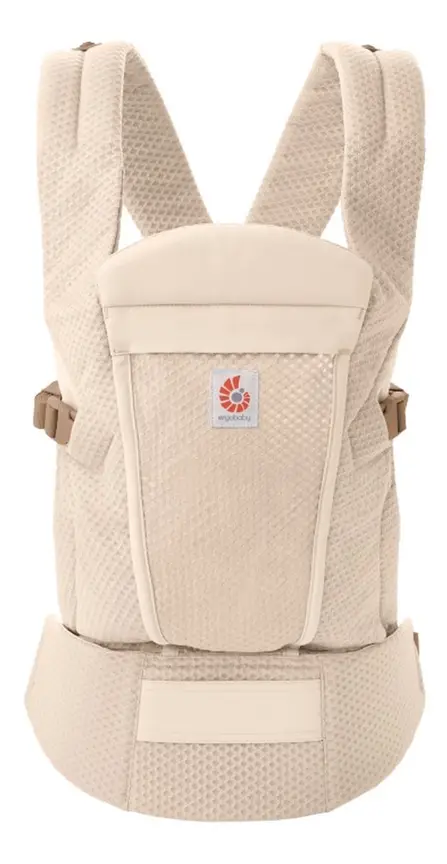
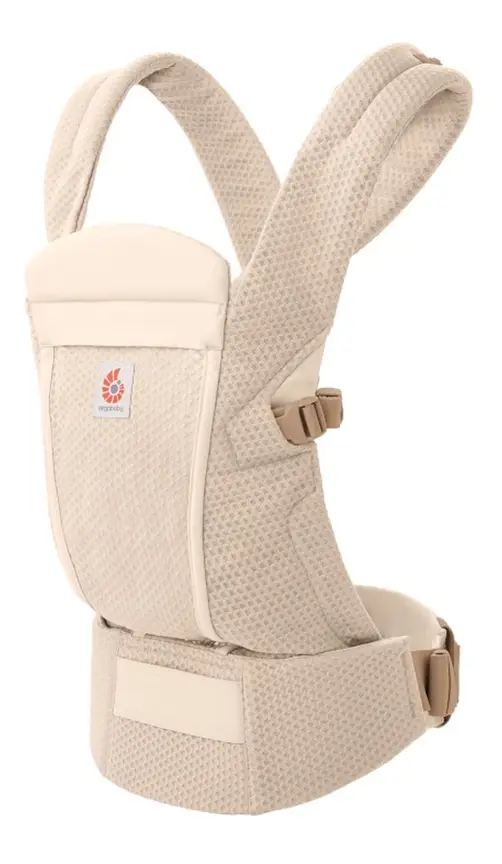

Ergobaby Omni Lite Mesh
Best for: Lighter, simpler, cheaper
Newborn to 24 months (3.2–15.9 kg) with front and hip carry, but no back carry.
Read our full review →
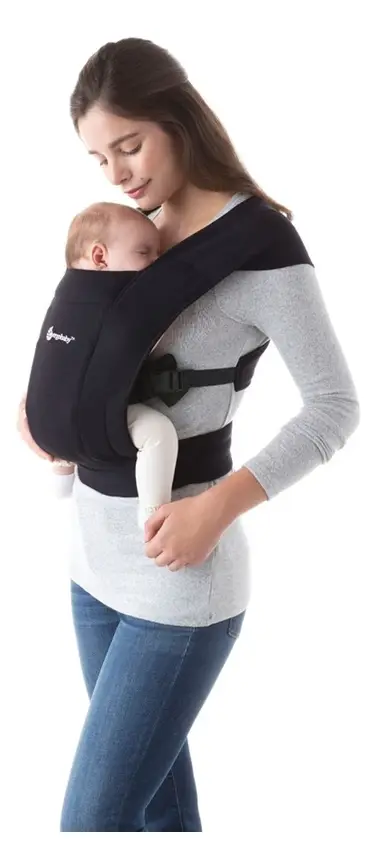


Ergobaby Embrace
Best for: The newborn months
A soft knit newborn carrier for 3.2–11.3 kg that buckles on with no wrapping.
Read our full review →


Ergobaby Upsie Sling Carrier
Best for: Toddlers who want up and down
A quick hip sling that folds small.
Read our full review →Omni Classic vs the main rivals
These three carriers are the ones parents most often compare with the Omni Classic in Australia.
| What matters | Ergobaby Omni Classic Mesh | BabyBjörn Baby Carrier Harmony | Joie Savvy Air 4-in-1 | Boba Bliss |
|---|---|---|---|---|
| Price (AU, Nov 2026) | ~A$300 | ~A$340 | ~A$219 | ~A$159 |
| Weight range | 3.2–20 kg | 3.2–15 kg (about 3 years) | from 3.5 kg; front carry to 14 kg | 3.2–16 kg |
| Positions | 4 incl. back | 4 incl. back | 4 | check manual |
| Insert needed | No | No | No | No |
| Style | Buckle carrier, mesh panel | Buckle carrier | Buckle carrier | Stretchy wrap that clicks on |
Facts from the Baby Bunting product pages and makers (Nov 2026). Positions and limits can differ by version; check the manual.
Cheaper, premium and different picks
You do not need to spend A$300 to carry your baby safely. A low-cost carrier or a stretchy wrap can be enough for walks in the first year. If you want the most features, the Omni Deluxe or BabyBjörn Harmony are the premium choices.

4baby 3 Way Baby Carrier
Best for: Lowest cost
About A$40 for 3.6–9 kg, with three positions.
Read our full review →


Mother's Choice Cub Carrier
Best for: Cheap with back carry
About A$70 for 3.5–14.5 kg, with parent-facing, world-facing and back carry.
Read our full review →
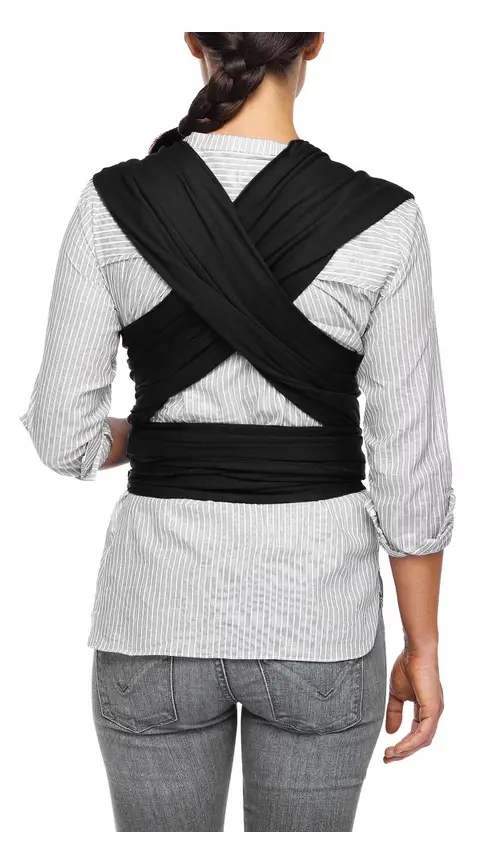
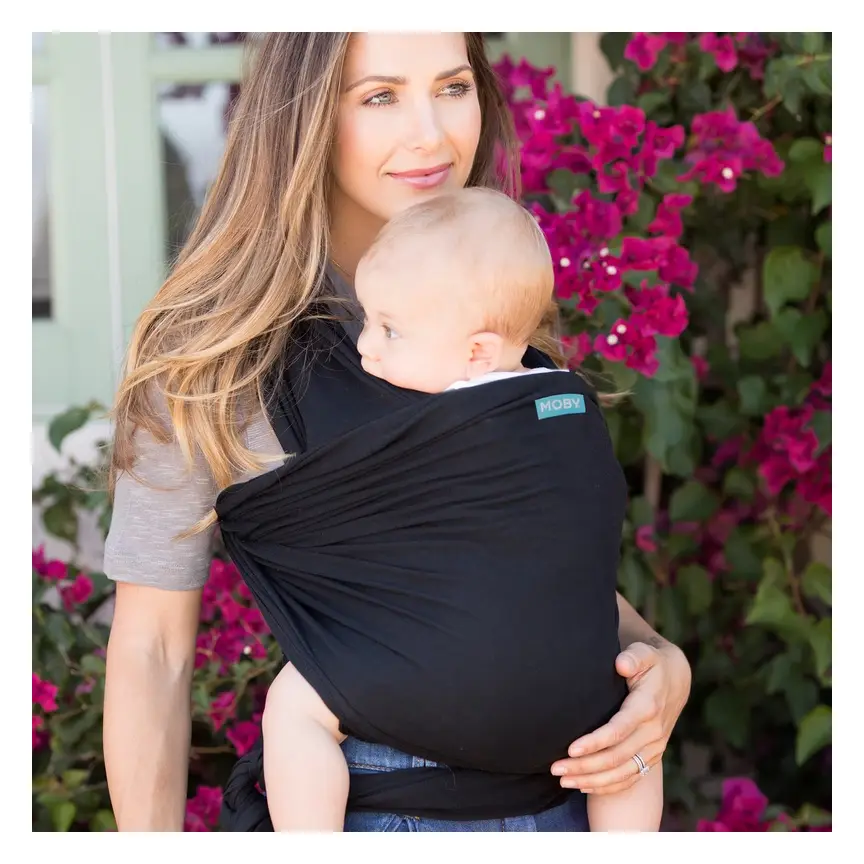


Moby Classic Wrap
Best for: Snug newborn cuddles
A 5.5 m cotton stretchy wrap for about A$100.
Read our full review →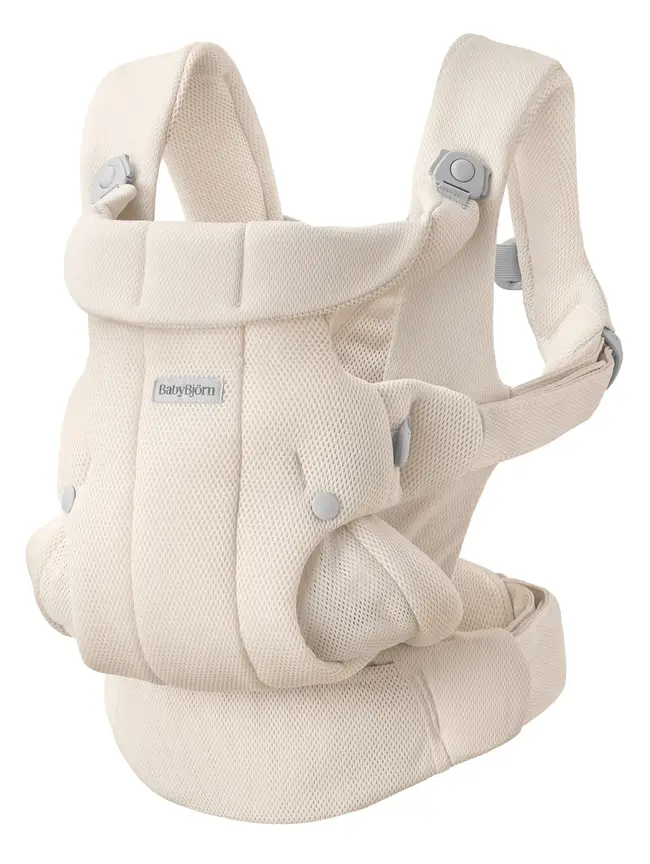
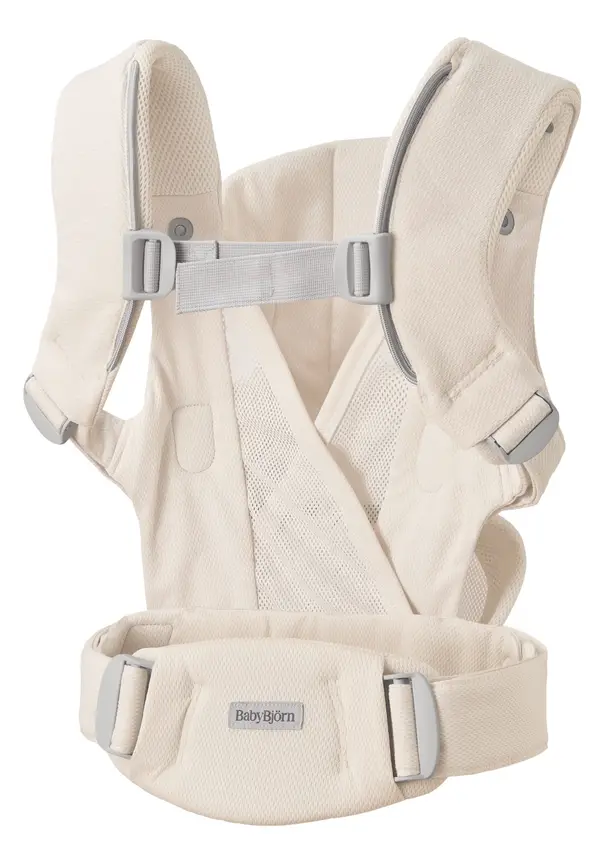
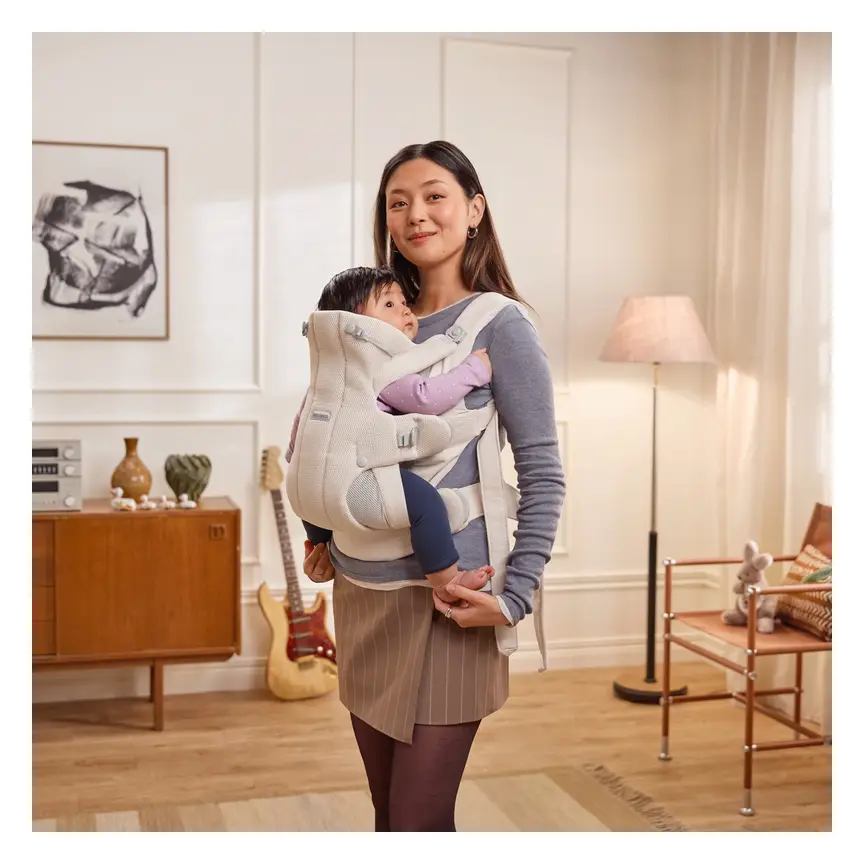
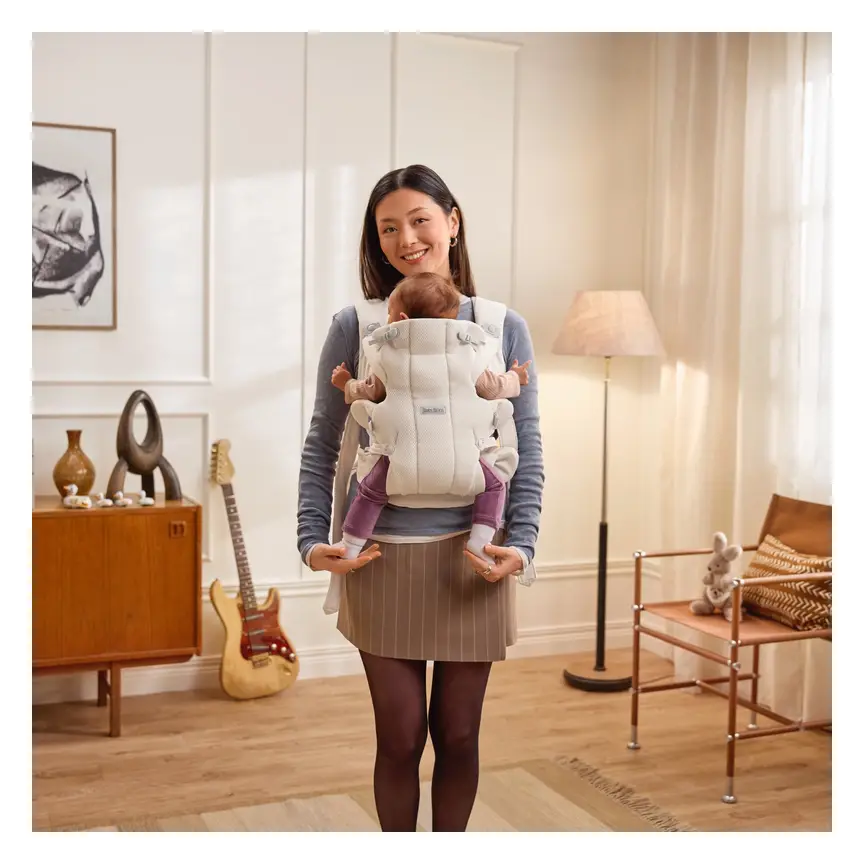
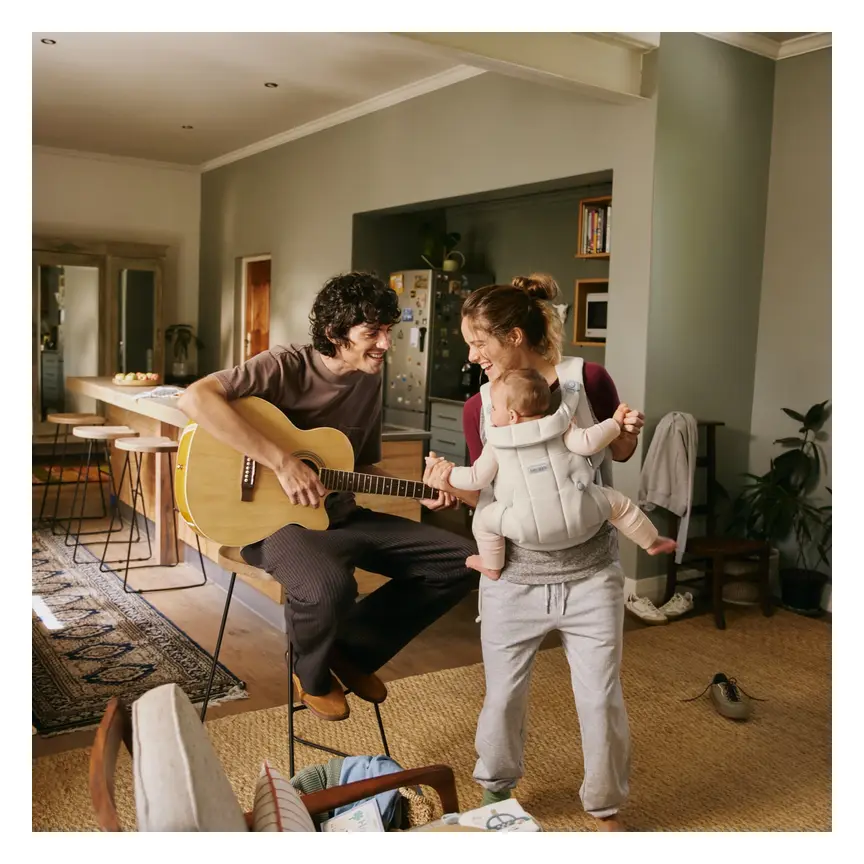
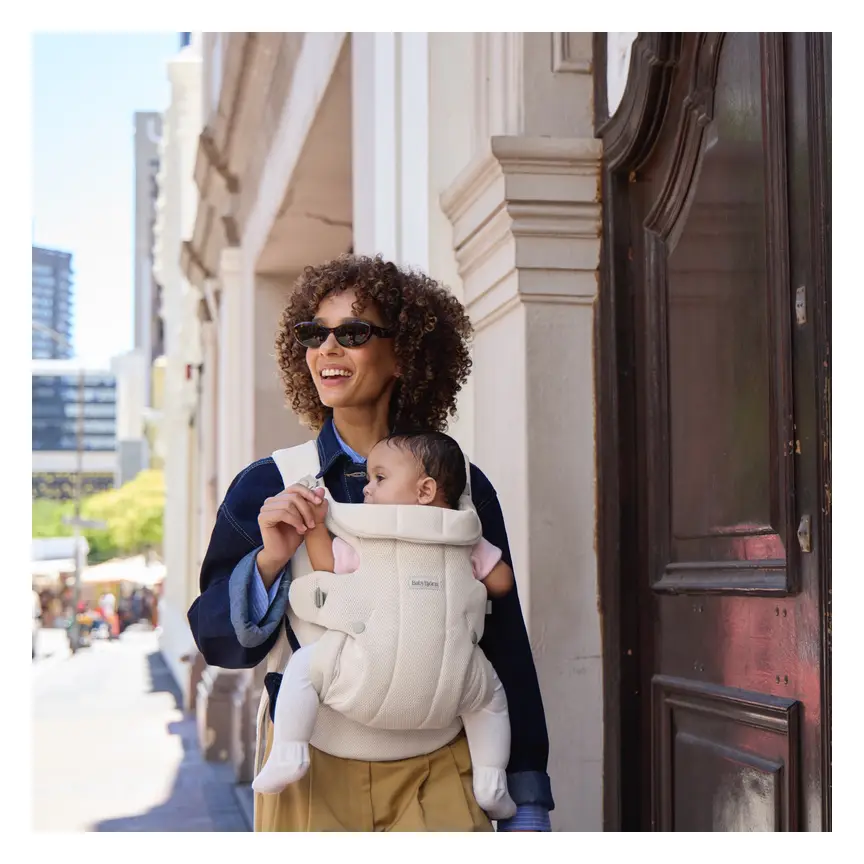
BabyBjörn Baby Carrier Hold
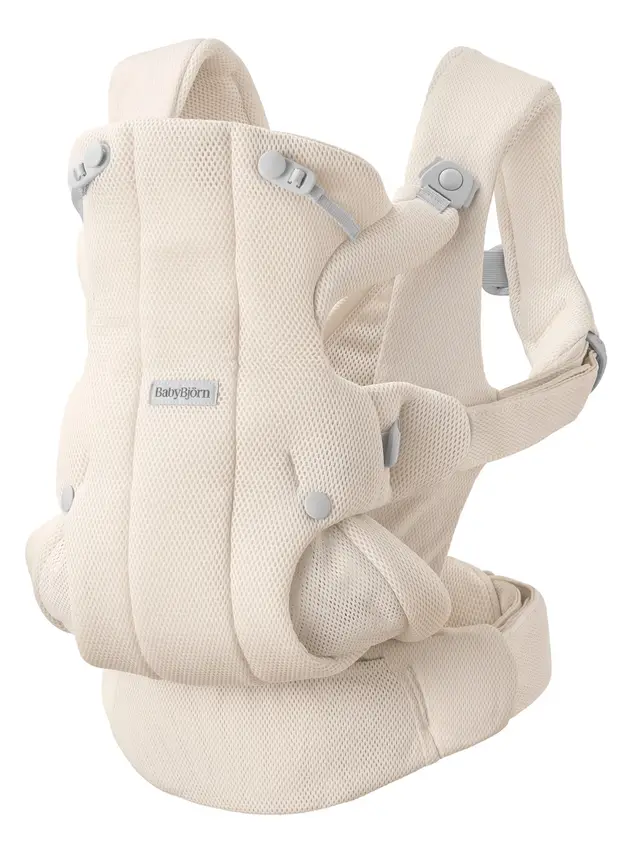
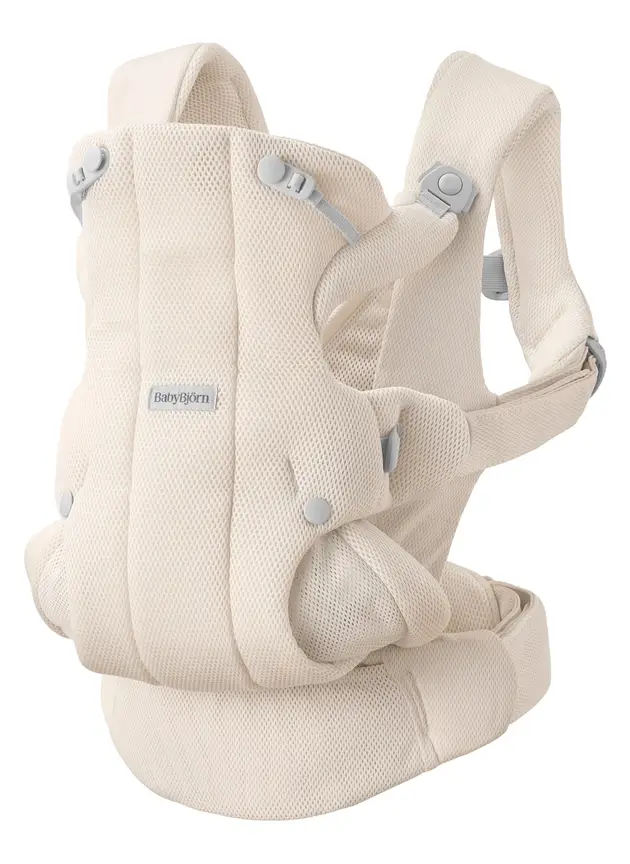
Best for: Easy sharing
Soft front carrier to 18 months that fits XS to XXL parents.
Read our full review →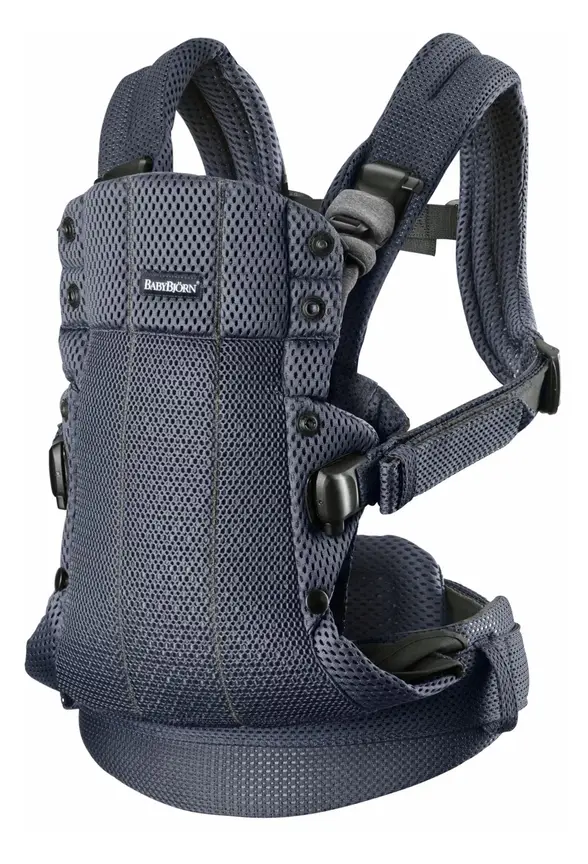
BabyBjörn Baby Carrier Harmony
Best for: Premium four-position carrier
Newborn to about 3 years with back carry and a pressure-relieving belt.
Read our full review →Ergobaby Omni Deluxe Mesh
Best for: All the extras
Pockets, strap markers and the same long range of use.
Read our full review →Safety standards in Australia, the UK, the US and Canada
In Australia there is no mandatory standard for baby carriers. Product Safety Australia (ACCC) gives safety advice for slings and carriers, built around T.I.C.K.S. In the UK, carriers are tested to BS EN 13209-2. In the US, soft infant carriers must meet ASTM F2236 under CPSC rules, and slings have their own standard, ASTM F2907. In Canada, Health Canada gives advice on carriers and slings under the Canada Consumer Product Safety Act.
A standard tests things like strong buckles and strong seams. It cannot check how you wear it. That part is up to you: tight, high, face clear, chin off chest, back supported.
Buying checklist
Use this list for any carrier.
- Check the starting weight
For a newborn, pick one that starts at about 3.2–3.5 kg and needs no insert, or comes with one.
- Check the top weight
If you want to carry a toddler, look for 15–20 kg and back carry.
- Look for the M position
Knees higher than bottom, thighs supported knee to knee.
- Try it on
Waist belt and straps should fit both parents. Try with a weighted doll or your baby in store.
- Think about heat
Mesh panels help in warm weather. Dress baby in fewer layers when carrying.
- Check the buckles
They should click firmly and be easy for you to reach.
- Check washing
Machine washable is a must with babies.
- Check for recalls
Search Product Safety Australia, OPSS (UK), CPSC (US) or Health Canada, especially for second-hand carriers.
Mistakes to avoid
Baby's head should be close enough to kiss. Too low strains your back and can bend baby's chin down.
A loose carrier lets baby slump. Slumping can press the chin onto the chest.
Keep blankets, hoods and your clothes away from baby's face.
Wait for good head control, keep sessions short, and stop at 13.6 kg.
Bend at the knees and hold baby with one hand when you pick something up.
Owning one: care, resale and hand-me-downs
Wash the carrier as the label says, and let it dry fully before using it again. Check buckles, straps and seams every few weeks, especially if you carry a heavy toddler.
Ergobaby carriers are common second-hand. If you buy used, check every buckle clicks and holds, the stitching is sound, and the label is still readable so you know the model and limits. Avoid any carrier that has been recalled or has damaged webbing.
Because the Omni Classic covers 3.2 kg to 20 kg, one carrier can do a whole childhood of carrying, and often a second child too. That long use is what makes the price easier to justify.
Questions parents ask
Can I use the Ergobaby Omni Classic with a newborn?
What is the difference between the Omni Classic and Omni Deluxe?
Is the Omni Classic the same as the Omni 360?
When can my baby face out?
Is the Omni Classic hot in summer?
Is the Omni Classic hip-healthy?
Is a cheaper carrier safe?
How long can I carry my baby each day?
More in-depth reviews
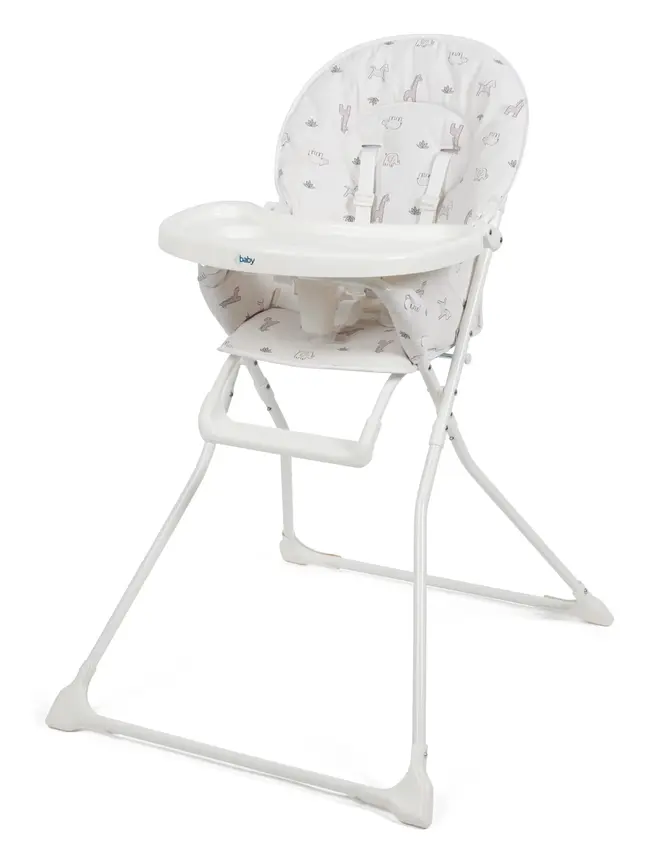 🪑 Highchairs & Booster Seats4baby Flat Fold Highchair Review7.5/10
 🪑 Highchairs & Booster Seats4baby Grow With Me Wooden Highchair Review7.8/10
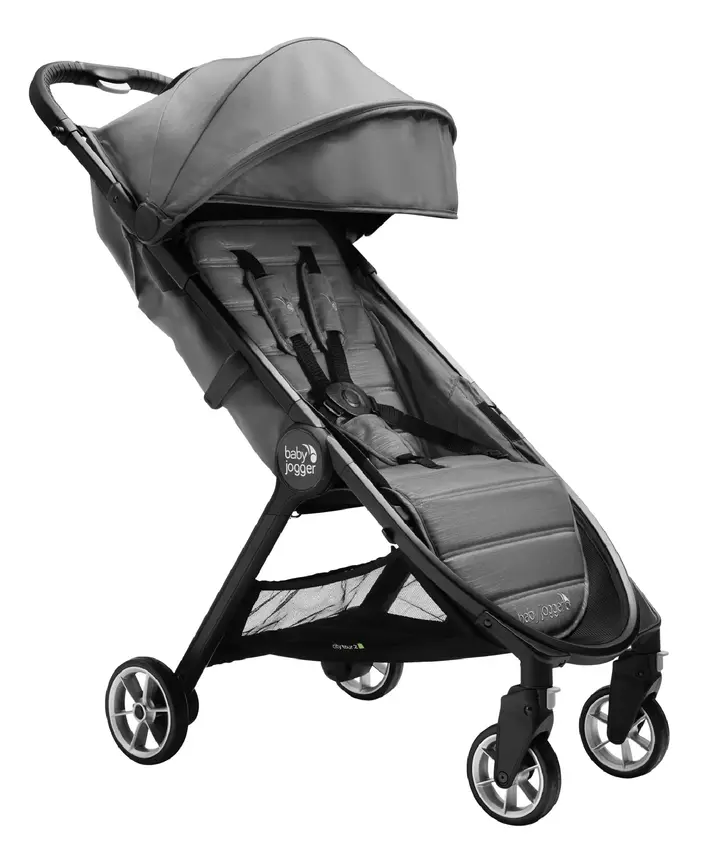 🚼 Prams & StrollersBaby Jogger City Tour 2 Review8.4/10
 🎠 Bouncers, Rockers & SwingsBabyBjörn Bouncer Balance Soft Review8.2/10
 🎠 Bouncers, Rockers & SwingsBabyBjörn Bouncer Bliss Review8.6/10🤱 Baby Carriers & WrapsBabyBjörn Carrier Hold Review8.0/10
Sources & how we checked
Specifications are taken from the manufacturer and major retailers and cross-checked; prices are typical RRPs and change often — the buttons show today's price. We do not invent star ratings or review counts.
- Baby Bunting — Ergobaby Omni Classic Mesh
- Baby Bunting — Ergobaby Omni Deluxe Mesh
- Baby Bunting — Ergobaby Omni Lite Mesh
- Baby Bunting — BabyBjörn Harmony
- Ergobaby — Omni carriers
- Ergobaby — What's the difference between carriers
- Product Safety Australia — Baby slings and carriers
- CPSC — Soft infant carriers (ASTM F2236)
- International Hip Dysplasia Institute — Baby carriers
BabyGearFinder earns a commission from qualifying purchases through retailer links, at no extra cost to you. It never changes our verdict.