








Twin Baby Carriers vs Dual Ring Slings: How to Carry Two Babies Safely
Compare twin baby carriers and two ring slings. Learn about fit, baby position, weight limits, back comfort, and safer ways to carry twins.

On this page
- What twin carriers and dual ring slings mean
- Start with each baby’s needs
- Compare the two carrying options
- Check the product and its instructions
- Position each baby so breathing stays clear
- Weight limits and carrying two babies
- Back comfort and physical effort
- Age and development stages
- Practise before carrying both babies
- Daily use, heat, and sleep
- Common mistakes to avoid
- Official guidance in four countries
- When another option may work better
- Frequently asked questions
- Sources and further guidance
- Sources
Short answer: Carrying two babies at once can be hard. A twin carrier holds both babies in one carrier system. Two ring slings use separate fabric slings, one for each baby. Either setup can be difficult to fit and manage. Check the maker's instructions for each baby’s age, size, position, and weight. Practise with help before carrying both babies alone. Keep both faces visible, uncovered, and close enough to kiss. Make sure each baby can breathe freely.
No carrying method is right for every parent or pair of babies. A carrier’s stated weight limit does not prove that carrying two babies will feel safe or comfortable. Ask a trained babywearing educator or health professional for help if you are unsure. This is especially useful for premature babies, babies with health needs, or babies who are small for their age.
What twin carriers and dual ring slings mean
A twin carrier is made to carry two babies at once. Depending on the model, the babies may sit in separate panels on the front, side, or back. Some models use one main carrier with two child spaces. Others combine a standard carrier with an extra attachment. The maker’s instructions say which arrangement is allowed.
A dual ring sling setup means using two ring slings, usually one on each shoulder. A ring sling is a length of strong fabric that passes through two rings. The fabric forms a pouch for one baby. Each sling must be adjusted and checked on its own. Two slings do not become one tested carrier simply because they are worn together.
The term “ergonomic” is often used in product descriptions. It does not guarantee a good fit or safe position. Focus on what you can see and check. Each baby’s body should be supported according to the carrier’s instructions. The face must remain clear. The baby must stay high and close, without slumping.
Start with each baby’s needs
Twins may be born at different weights. They may also have different head control, feeding patterns, or health needs. Choose a carrying plan for the babies you have today. Do not assume they can use the same position because they are the same age.
Newborns need close attention to head, neck, and airway position. Some carriers allow newborn use only with a particular insert or adjustment. Others have a minimum weight or require a certain level of head control. Read the exact instructions for your model. If an instruction is unclear, contact the maker before use.
Premature babies and babies with breathing, muscle, heart, or hip concerns may need individual advice. Ask your doctor, nurse, or physiotherapist before carrying them. A baby who is unwell or having trouble breathing should not be placed in a carrier instead of getting care.
Compare the two carrying options
The table gives general differences. It cannot replace the instructions for a specific product. A twin carrier or two slings may vary widely in design, fit, and permitted use.
| Point to compare | Twin carrier | Two ring slings |
|---|---|---|
| Number of systems | One product designed to carry two babies, if the maker says so. | Two separate slings. Each sling carries one baby. |
| Adjustment | May use shared straps, panels, or separate child settings. | Each sling needs its own fabric and ring adjustment. |
| Learning curve | Can be easier to understand when the maker provides clear twin instructions. | Requires learning to adjust and check two slings at the same time. |
| Fit across adults | Fit depends on the carrier shape, straps, and wearer’s body. | Fit depends on sling length, shoulder spread, and ring position. |
| Baby positions | Only use positions shown in the product instructions. | Each baby’s position must follow the sling instructions. |
| Weight limit | Check both the total limit and each child’s permitted range. | Check the limit for each sling and the combined load on your body. |
| Taking one baby out | May affect the fit or balance. Follow the maker’s steps. | One sling may be removed, but the remaining sling still needs checking. |
| Best next step | Try the exact model with two weighted dolls or with trained help. | Learn each sling separately, then practise the two-sling setup with help. |
Neither option is automatically safer, easier, or better for your back. Fit, baby position, the product’s instructions, and your ability to manage the setup all matter.
Baby Carriers & Wraps worth a look
Real products from our catalogue. We don't show star ratings or review counts; check the current price, stock and reviews on Amazon before you buy.
 Reviewed
4baby 3 Way Baby Carrier
A very low-cost carrier with 3 positions, for babies 3.6 to 9 kg.
Read our full review →
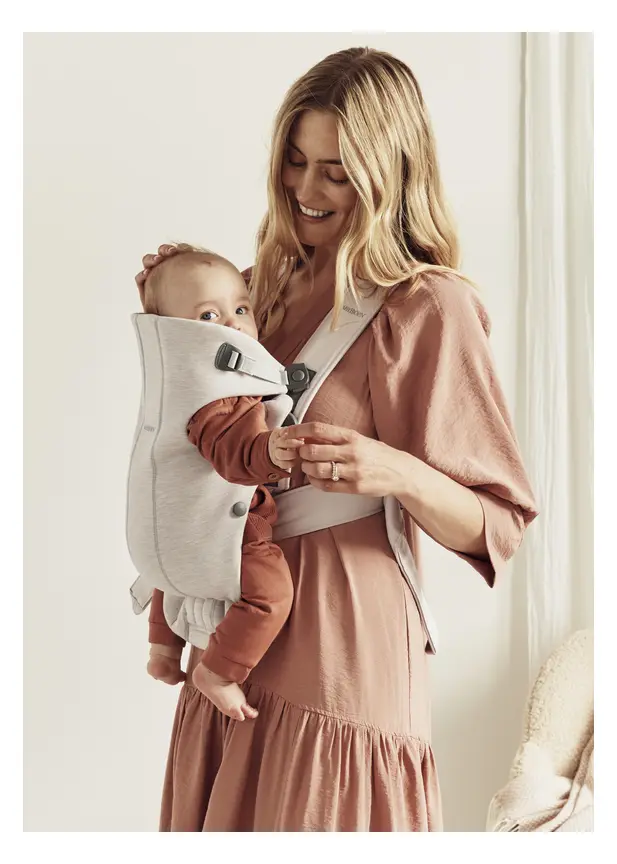
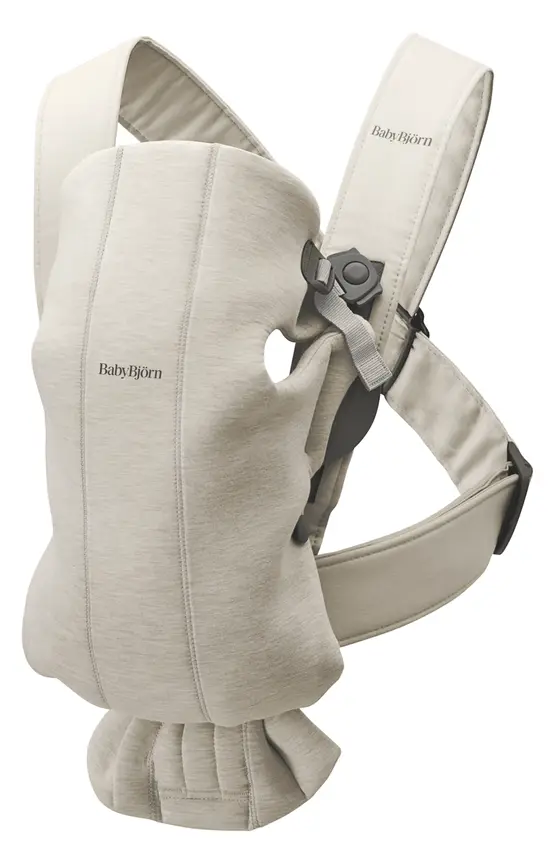
BabyBjörn Baby Carrier Mini
Simple, soft newborn carrier for roughly 0–12 months, with three carrying positions and an easy front opening.
Read our full review →
BabyBjörn Baby Carrier Mini 3D Jersey
Newborn baby carrier
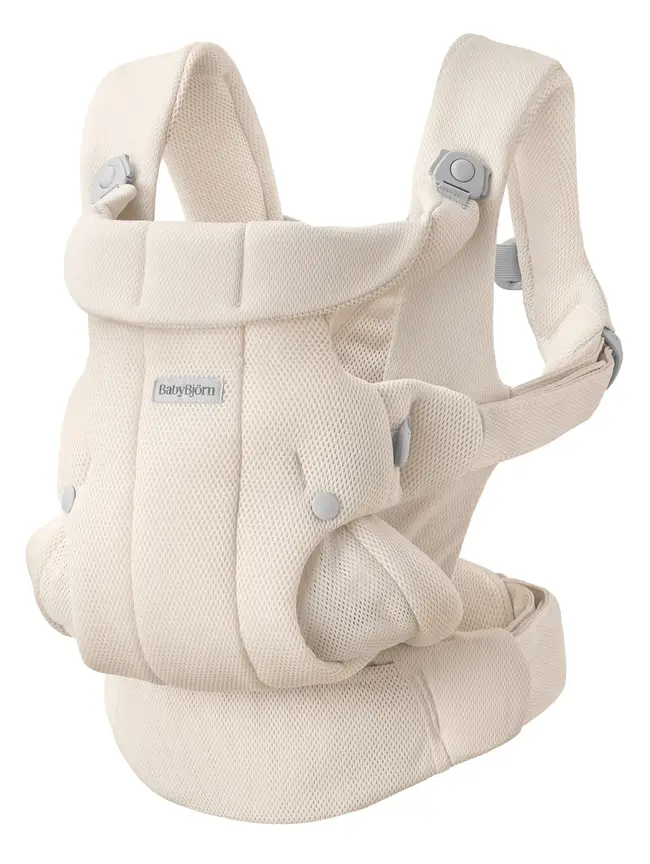
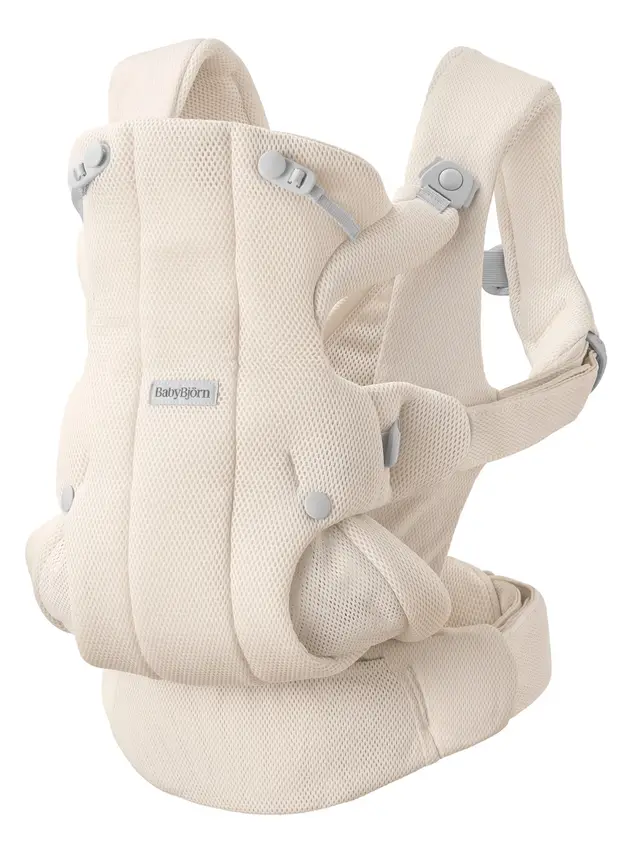
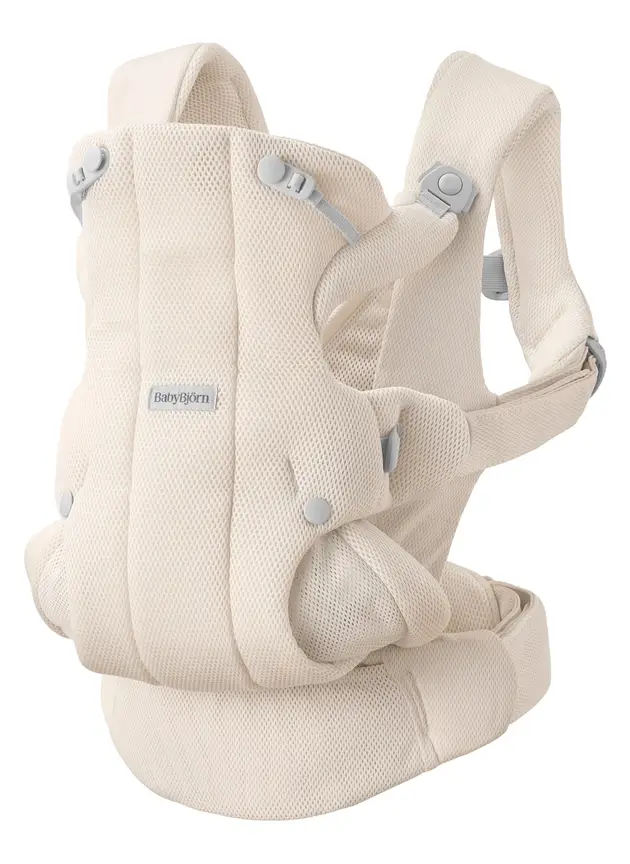
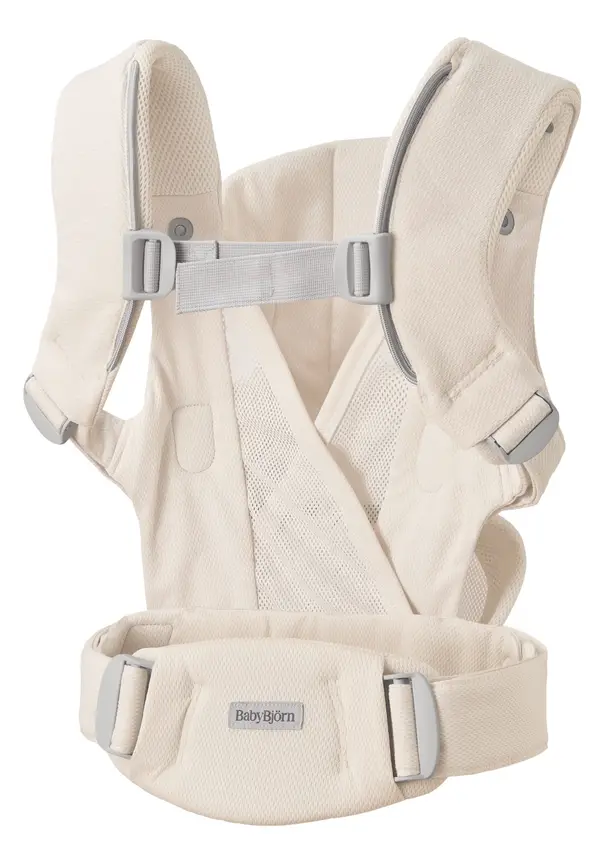
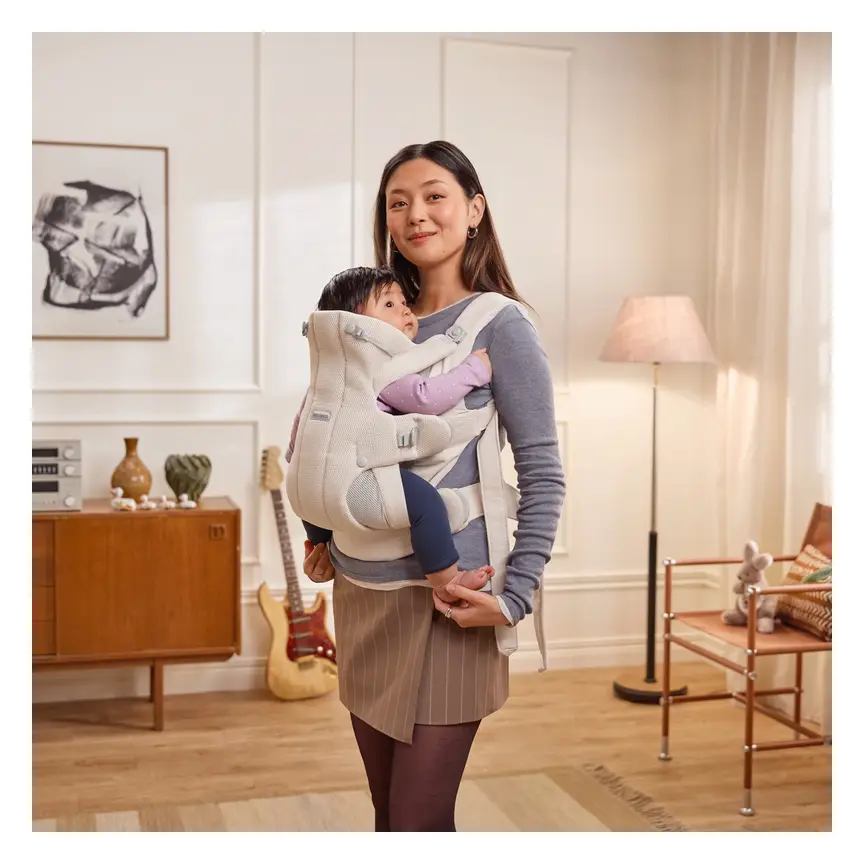


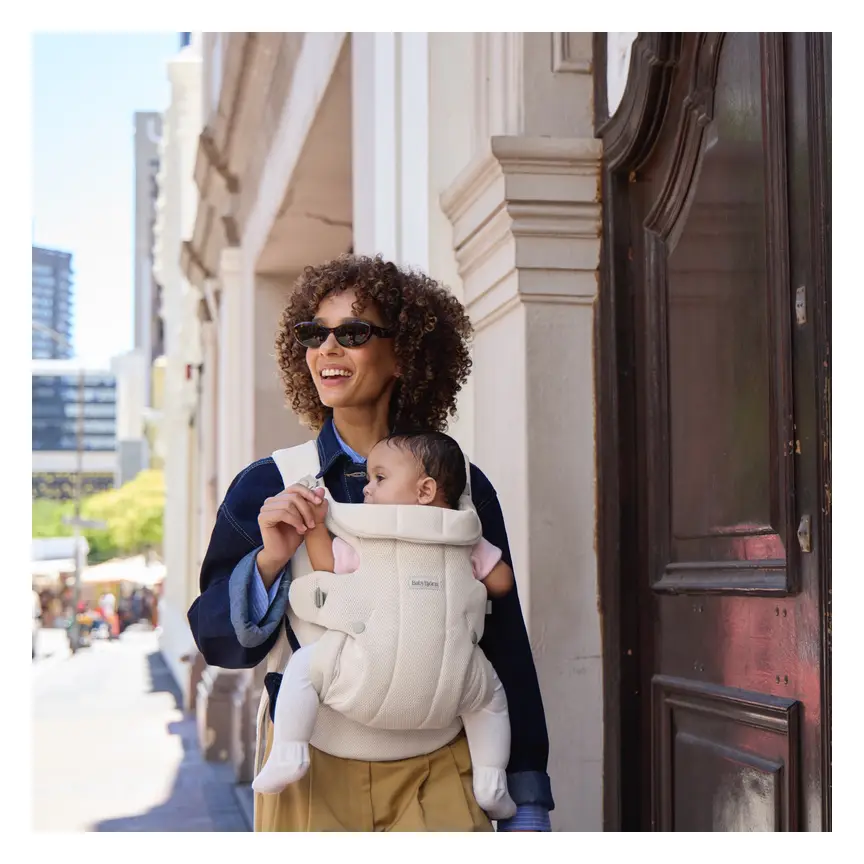
BabyBjörn Baby Carrier Hold
A soft front carrier from newborn to 18 months that fits XS to XXL parents.
Read our full review →Check the product and its instructions
Buy from a seller who can identify the maker and model. Look for the instruction booklet and confirm that it covers carrying two babies, if that is your plan. A listing that says “twin” is not enough by itself. Make sure the instructions match the exact product you receive.
Before first use, check the fabric, seams, stitching, rings, buckles, and adjustment straps. Do not use a product with a tear, loose seam, bent ring, damaged buckle, or unclear repair. Do not add homemade straps, clips, or fabric. Changes can affect how the carrier holds the babies.
Check the instructions for:
- the minimum and maximum weight for each baby;
- the total weight the full setup can carry;
- which baby positions are allowed;
- any newborn insert or other required part;
- how to tighten and loosen each side;
- how to take one baby out while keeping the other secure;
- how to wash, dry, and inspect the product;
- any warnings about use while feeding, walking, or sitting.
A maximum weight is a limit, not a promise of comfort. It also does not say that every baby can use every position at that weight. Follow the most restrictive instruction that applies to your babies and model.
Position each baby so breathing stays clear
Check each baby from the side and from the front. The baby should be held close to your body. Their face should be visible. Their nose and mouth must stay clear of fabric and your body.
Keep the baby high enough that you can kiss the top of their head without leaning far forward. Support the head and neck as the instructions direct. Watch for a chin pressed down onto the chest. That position can make breathing harder. A baby’s head should not slump forward or fall back unsupported.
Check the baby often. Look for normal colour and easy breathing. Listen for breathing sounds. Do not cover the face with a blanket, jacket, sling fabric, or carrier hood. Do not rely on feeling the baby move as your only safety check.
Some guidance uses the letters TICKS: tight, in view at all times, close enough to kiss, keep chin off chest, and supported back. These are useful checks, but they do not replace the product instructions or direct attention to each baby.
Weight limits and carrying two babies
There are two weight questions. First, can each baby use that carrier or sling at their current weight? Second, can the complete setup carry both babies together? The maker must answer both questions through its instructions.
Do not add the babies’ weights and compare the total with a single-baby limit. Do not assume two slings can carry any combined weight that feels manageable. Each sling has its own limit. The wearer also carries the combined load, along with the carrier fabric and any clothing or items in pockets.
Recheck the limits as the babies grow. A setup that felt manageable last month may feel very different now. Stop if the fabric slips, rings move, straps loosen, or a baby shifts into a poor position. Take both babies out safely and reset the setup.
Back comfort and physical effort
Carrying two babies can place a large load on your shoulders, back, hips, and pelvic floor. A balanced setup may feel better than a one-sided load, but it does not remove strain. One parent’s comfortable position may feel painful to another.
Adjust the carrier while it is empty, if the instructions allow. Set straps so they sit flat and do not twist. Tighten the carrier enough to keep both babies close. Avoid pulling one side much tighter than the other unless the maker shows that adjustment.
When using two ring slings, each shoulder carries a strap and fabric load. The rings should sit where the maker shows. Spread the fabric across the shoulder as instructed. Do not let a narrow band dig into your neck. A sling that feels painful, numb, or unstable needs adjustment or a different plan.
Start with short practice sessions. Stand near a bed or another safe surface. Have another adult help. Sit down to rest before you feel tired. Do not carry both babies for longer just to meet a schedule. Put them in a safe, separate place when your body needs a break.
If you have pain, weakness, dizziness, numbness, pelvic pressure, or a recent birth injury, stop and seek advice. A physiotherapist or health professional can help you choose a safer carrying plan. Do not use pain as a sign that you need to tighten the carrier more.
Age and development stages
Age alone does not decide whether a baby can be carried in a particular position. Weight, head control, body size, and the model’s instructions matter too. Use this guide as a prompt to check the instructions at each stage.
| Stage | What to check | Practical approach |
|---|---|---|
| Newborn or early weeks | Minimum weight, head support, fit, and airway position for each baby. | Ask for individual guidance. Practise one baby at a time before trying a tandem setup. |
| Growing babies with limited head control | Whether the carrier supports both babies as the instructions require. | Keep each face visible and check the chin and neck often. |
| Babies with steady head control | Whether a new position is allowed for each baby and for the full setup. | Change positions only when the maker permits them. Practise with help. |
| Older, heavier babies | Individual and total limits, balance, and your own comfort. | Consider carrying one baby at a time or using a pram for longer outings. |
Twins may reach these stages at different times. Recheck each baby separately. Never move a baby to a position just because their twin is ready.
Side by side: more baby carriers & wraps to compare
Real products from our catalogue. We don't show star ratings or review counts; check the current price, stock and reviews on Amazon before you buy.
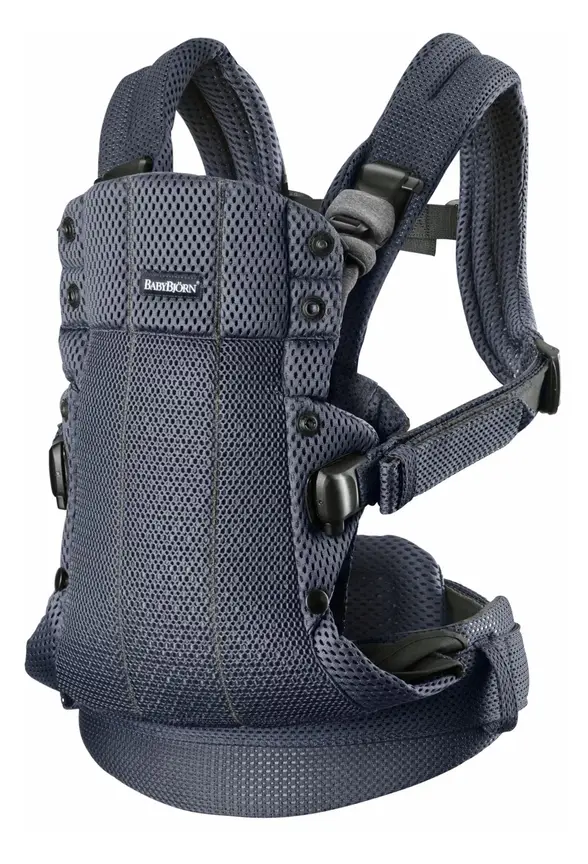 Reviewed
BabyBjörn Baby Carrier Harmony
A premium carrier with four positions, from 3.2 kg newborns to about 3 years.
Read our full review →

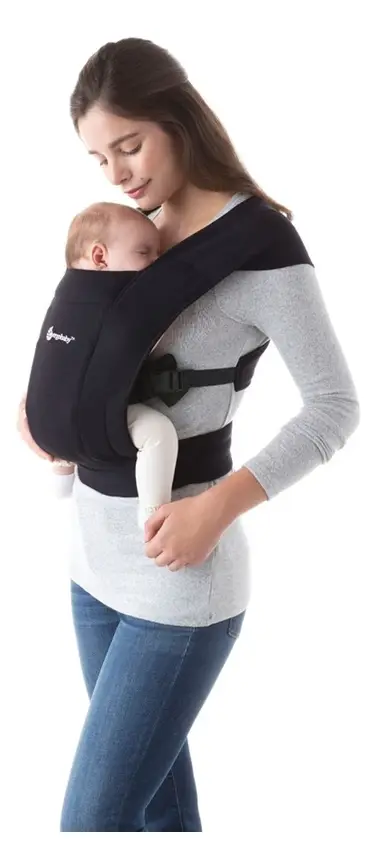


Ergobaby Embrace
A soft knit newborn carrier that buckles on, with no long wrapping.
Read our full review →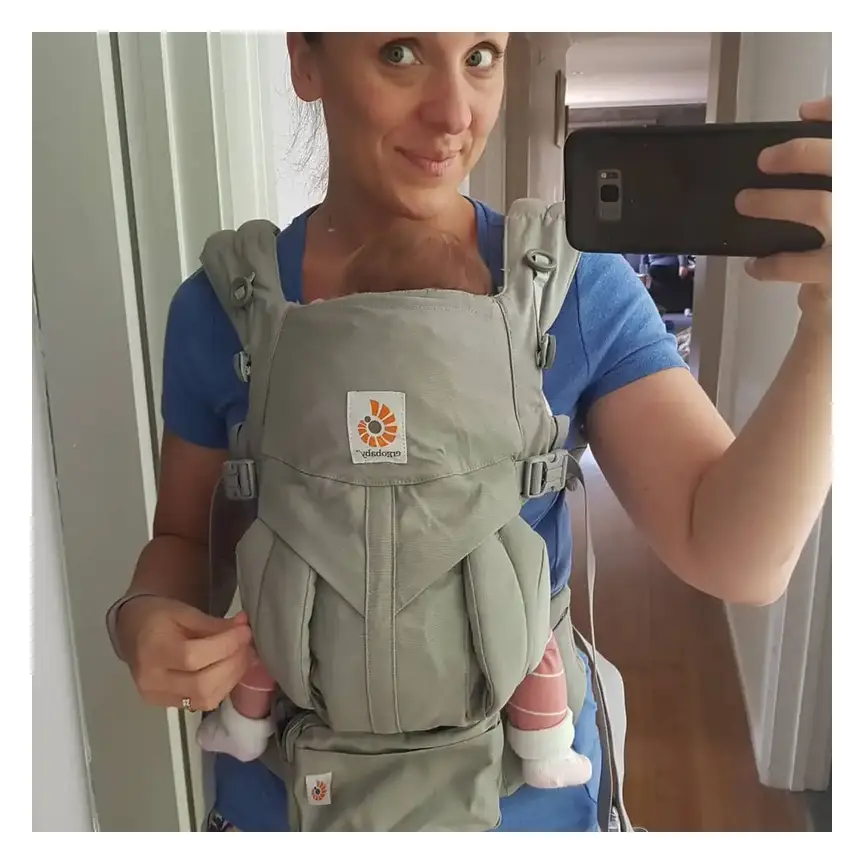
Ergobaby Omni 360 Cool Air Mesh Baby Carrier
All-position carrier
Practise before carrying both babies
Read the full instructions before you start. If possible, learn with a trained babywearing educator who has experience with twins. Ask them to watch you fit the carrier and place each baby.
- Inspect the product. Check the fabric, stitching, rings, buckles, and straps.
- Practise with weight. Use two weighted dolls or another safe practice method recommended by the educator.
- Learn one side. Practise fitting one baby or one sling first.
- Add the second baby. Follow the exact order in the instructions. Ask another adult to help.
- Check both babies. Confirm each face, chin, back, and leg position.
- Move carefully. Take a few steps near a safe place. Check that nothing slips.
- Plan how to stop. Know where and how you will sit, rest, and remove both babies.
Do not practise on stairs, near traffic, while cooking, or while carrying hot drinks. Avoid bending sharply at the waist. If you need to pick something up, secure the babies and follow safe movement advice from your health professional.
Daily use, heat, and sleep
Babies and adults can become warm when close together. Dress both babies and yourself lightly for the weather. Check each baby’s chest or back for warmth. A sweaty or flushed baby may be too hot. Move to a cooler place and remove extra layers.
Keep the babies away from open flames, hot surfaces, and cooking areas. Do not wear them while using equipment that could catch or pull the fabric. Do not use a carrier or sling as a car seat, pram, or sleep space.
If a baby falls asleep while being carried, keep watching their breathing and position. Follow local safe sleep advice. When practical, move the baby to a firm, flat, clear sleep space and place them on their back. A carrier is not a substitute for a safe sleep surface.
Common mistakes to avoid
- Assuming “twin” means every setup is allowed. Read the exact instructions for the model.
- Using one limit for both babies. Check each baby’s limit and the total limit.
- Trying both babies before learning the carrier. Practise the setup with help first.
- Letting fabric cover a face. Keep each face visible and uncovered.
- Missing a slumped chin. Check both babies often, especially after movement.
- Adding clips or homemade parts. Use only parts approved by the maker.
- Ignoring pain. Stop and reset. Seek advice if pain continues.
- Assuming a sleeping baby is safe because they are quiet. Keep watching their position and breathing.
- Using a second-hand carrier without its instructions. Identify the model and obtain the correct instructions first.
- Carrying both babies when tired or unwell. Choose a safer rest or transport option.
Official guidance in four countries
Guidance on baby slings focuses on fit, airway position, and keeping the baby visible. Product rules differ by country. Check the current advice where you live, and follow the product maker’s instructions.
| Country | Official or peak body | Useful guidance |
|---|---|---|
| Australia | Product Safety Australia, part of the Australian Competition and Consumer Commission (ACCC); Red Nose; Raising Children Network. | Check carrier and sling safety guidance. Keep the face clear and monitor the baby. |
| United Kingdom | Office for Product Safety and Standards (OPSS); The Lullaby Trust; NHS Cheshire and Wirral Partnership. | Check sling and carrier advice, product safety information, and safe carrying positions. |
| United States | U.S. Consumer Product Safety Commission (CPSC); American Academy of Pediatrics (AAP). | Read CPSC information on sling carrier safety. Follow safe positioning advice. |
| Canada | Health Canada; the Canadian Paediatric Society (CPS). | Check current federal product alerts and advice from your child’s health team. |
These bodies do not all publish twin-specific instructions for every product. Their general babywearing guidance cannot approve a particular tandem setup. Use the maker’s instructions for that exact product. Ask a health professional if a baby has special needs.
When another option may work better
Carrying both babies is only one way to get around. A pram, two separate carriers used by two adults, or carrying one baby at a time may be more practical. At home, place each baby in a safe cot or other suitable sleep space while you rest or complete a task.
Think about where you will go. Doorways, public transport, stairs, heat, and uneven ground can make a tandem setup harder. Consider how you will feed, change, and settle both babies. A plan that works for a short walk may not work for a full day out.
More options, from budget to premium
Real products from our catalogue. We don't show star ratings or review counts; check the current price, stock and reviews on Amazon before you buy.
 Reviewed
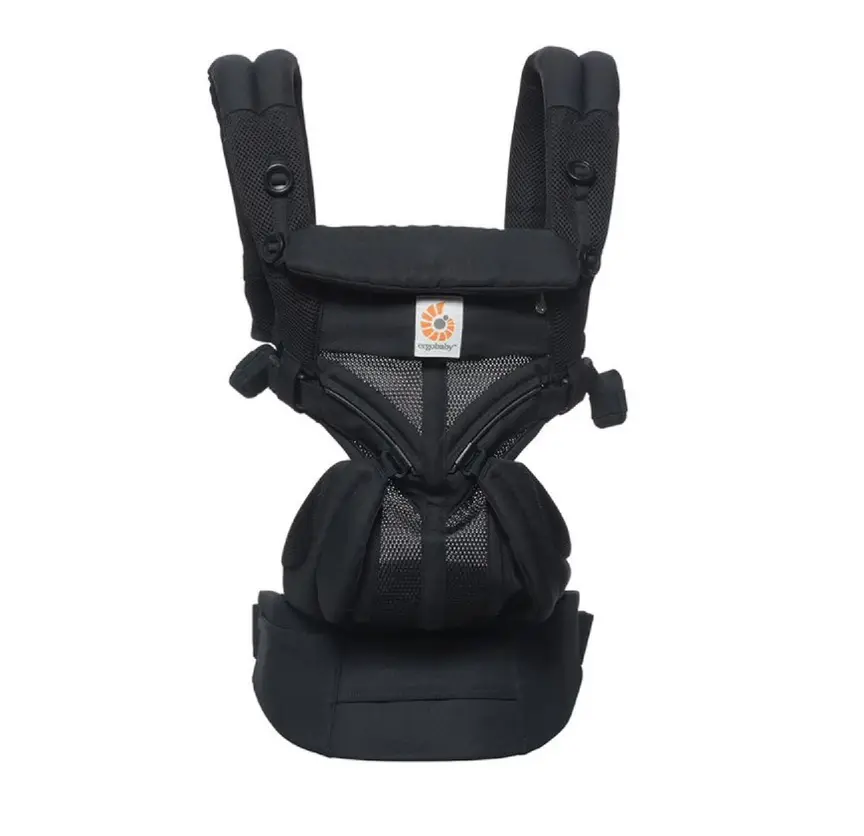
Ergobaby Omni Classic Mesh
An all-position mesh carrier from newborn to toddler with no insert needed.
Read our full review →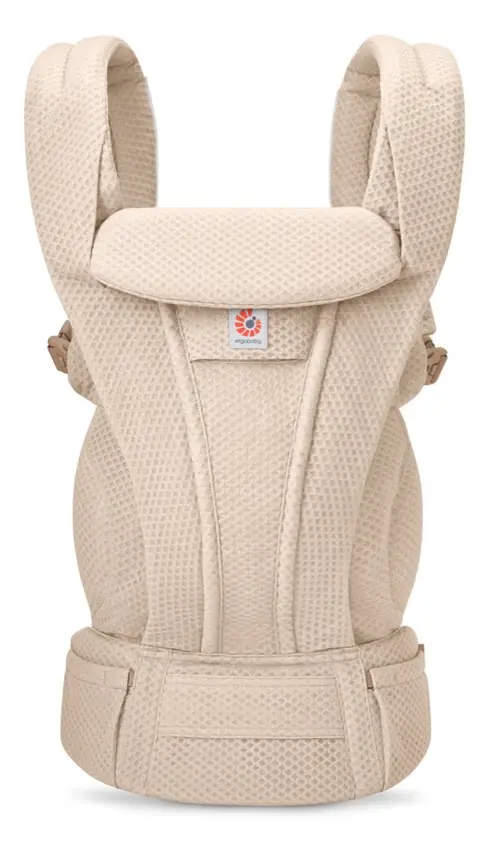 Reviewed
Ergobaby Omni Deluxe Mesh
The top Omni carrier, with 6 storage spots and strap markers that make it easy to swap between parents.
Read our full review →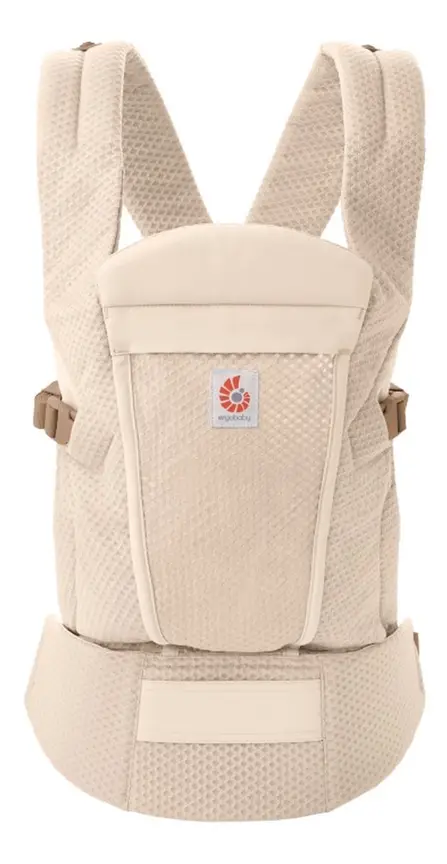
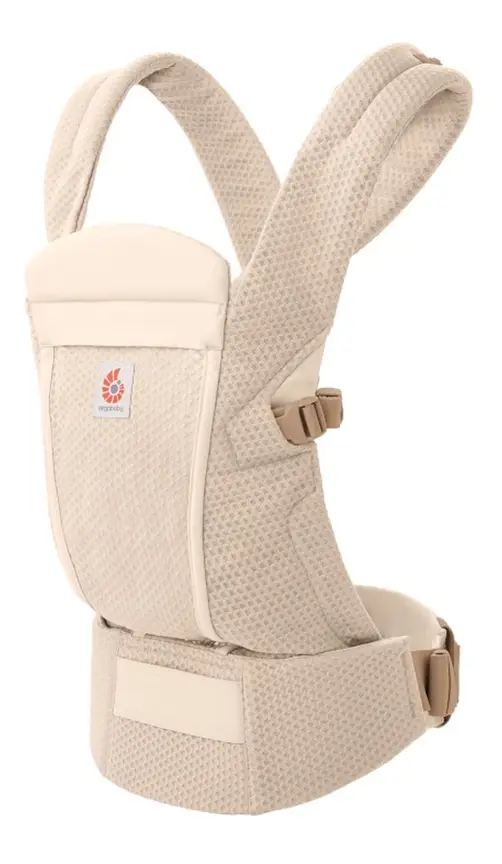

Ergobaby Omni Lite Mesh
A light mesh carrier from newborn to 24 months with cross-back straps.
Read our full review →Frequently asked questions
Can I carry newborn twins in two ring slings?
Some people use two ring slings, but this requires practice and careful checking. Confirm that each sling’s instructions allow use for that baby’s age and weight. Ask an experienced educator to help you fit the slings. Get individual health advice for premature babies or babies with medical needs.
Is a twin carrier safer than two ring slings?
Neither is automatically safer. The product must be designed for the setup you use. Each baby must fit the allowed weight and position. You must be able to keep both faces visible and check both babies often.
What is the weight limit for carrying twins?
There is no single limit for all twin carriers or sling combinations. Check each baby’s permitted weight and the total limit in the exact product instructions. Do not guess from a product listing or another family’s experience.
Can I use two ring slings if the babies have different sizes?
Possibly, if each sling is suitable for that baby and the full setup follows both makers’ instructions. Adjust and check each sling separately. Ask for help if one baby sits lower, the fabric slips, or the load feels uneven.
Can I feed both babies while wearing them?
Do not assume a carrier or sling is a safe feeding position. Follow the maker’s instructions and keep each baby’s airway clear. If you feed a baby in a carrier, stay fully alert and watch the baby throughout. Stop if you cannot keep a clear view of both babies.
Can babies sleep in a twin carrier or sling?
A carrier is not a sleep space. If a baby falls asleep while being carried, keep the face visible and monitor breathing. Move the baby to a safe, flat sleep space when practical. Follow the safe sleep advice where you live.
How do I know if the setup is hurting my back?
Pain, numbness, weakness, or a feeling that you cannot balance are signs to stop. Remove the babies safely and rest. Ask a health professional for advice if symptoms continue or return.
Can I use a second-hand twin carrier?
Use it only if you can identify the model and get the correct instructions. Check all fabric, seams, rings, buckles, and straps. Do not use it if damaged, changed, or missing a required part.
Sources and further guidance
- Product Safety Australia (ACCC) – Baby carriers, wraps and slings guide
- Red Nose Australia – Slings and baby carriers
- Raising Children Network – Baby carrier, sling and backpack safety
- The Lullaby Trust (UK) – Baby slings and carriers
- NHS Cheshire and Wirral Partnership – TICKS rule for safe babywearing
- U.S. CPSC – Federal safety standard for infant sling carriers
- International Hip Dysplasia Institute – Baby wearing
This article offers general information only. It is not medical advice. Ask your doctor or child health nurse about your babies’ needs. BabyGearFinder may earn a commission from qualifying affiliate links. This does not change the price you pay.
Sources
- Red Nose Australia – Slings and baby carriers
- Raising Children Network – Baby carrier, sling and backpack safety
- The Lullaby Trust (UK) – Baby slings and carriers
- NHS Cheshire and Wirral Partnership – TICKS rule for safe babywearing (PDF)
- U.S. CPSC – New federal standard for infant sling carriers
- International Hip Dysplasia Institute – Baby wearing
Related guides
More Clothing & Accessories →
Baby Carriers for Newborns and Toddlers: How to Choose and Use One Safely

Baby Wrap Carriers: How to Choose and Use One Safely

How to Choose a Baby Carrier: Wraps, Slings, Soft Carriers and Hiking Packs