










Stretchy Knit or Woven Baby Wrap: How to Choose and Use One Safely
Compare stretchy knit and woven baby wraps, their fit and limits, and how to carry a newborn safely in Australia, the UK, the US and Canada.

On this page
- What is a stretchy knit wrap?
- What is a woven wrap?
- Stretchy knit and woven wraps compared
- How to read the weight limits
- Why stretchy wraps can sag
- Newborn fit and body position
- Safe carrying checks: face, airway and support
- Choosing by age and stage
- How to choose between the two
- Putting on a wrap and practising safely
- Heat, clothing and everyday use
- Cleaning and checking the wrap
- Safety guidance in four countries
- Common mistakes to avoid
- Frequently asked questions
- Final checklist before each carry
- Sources
Short answer: A stretchy knit wrap can feel soft and snug for a young baby. A woven wrap does not stretch much and can be tied in many ways. Neither type is automatically safer. The right choice depends on the wrap's instructions, your baby's size, your skill, and a safe fit. Always keep your baby's face visible and airway clear. Follow the wrap maker's weight limits and instructions.
Australia's Product Safety Australia and Red Nose, the UK's Lullaby Trust, the US Consumer Product Safety Commission (CPSC), and Canada's public health guidance all stress safe positioning and close checks. These are safety guides, not a single shared product standard for every wrap.
What is a stretchy knit wrap?
A stretchy knit wrap is a long strip of fabric with stretch. Many are made from cotton or a cotton blend. The fabric can stretch across the body and along its length. The maker's label tells you the fibre and care instructions.
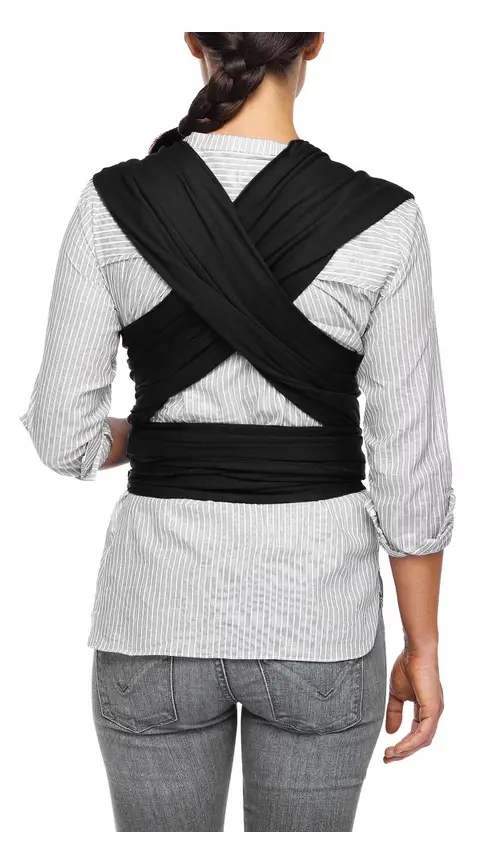
Most stretchy wraps are tied around the adult first. Then the baby is placed into the fabric. The wrap holds the baby close against the adult's chest. Some makers show a way to tie the wrap with the baby already in it. Use only the method in that wrap's guide.
The stretch can help the fabric mould around a small baby. It can also make the wrap feel forgiving while you learn. But stretch means the fabric may loosen or sag as you move. It can also sag if the wrap was not pulled snugly enough at the start.
Stretchy does not mean every wrap is alike. Some fabrics stretch more than others. Some wraps have a weight range or a list of permitted carrying positions. Read the label and manual for the exact wrap you own.
What is a woven wrap?
A woven wrap is made from fabric that usually has little give along its length. It may have some diagonal give, depending on the weave. The cloth is tied around the adult and baby to make a supportive seat and hold.
A woven wrap can be tied in several ways. Some methods suit a baby held on the front. Others suit a baby held on the back or hip. These positions need practice. Start with a front carry that the maker approves for your baby's age and size.
The lack of strong stretch can help a well-tied woven wrap stay firm as the wearer moves. It does not make the wrap foolproof. Loose fabric, poor support, or an incorrect tie can still let a baby slump or slip.
Woven wraps come in different lengths, fabrics, and thicknesses. A longer wrap can allow more tying choices, but it may leave more fabric to manage. The correct length depends on the maker's sizing advice and the carry you plan to use.
Stretchy knit and woven wraps compared
This table describes common differences. The details vary by product. Check the instructions for your own wrap before use.
| Feature | Stretchy knit wrap | Woven wrap |
|---|---|---|
| Fabric stretch | Usually stretches across the body and along its length. | Usually has little lengthwise stretch. Some have diagonal give. |
| First learning steps | Often tied around the adult before placing baby inside. | Usually needs careful tightening as each section is tied. |
| Feel against baby | Soft and close fitting when tied as directed. | Feel depends on weave, fabric, and how it is tied. |
| Support while moving | Can loosen or sag if not snug or if fabric stretches during use. | Can hold firm when tied well, but can still loosen or be tied poorly. |
| Carrying positions | Often designed for a limited set of positions. Check the manual. | May allow several positions. Each needs practice and maker approval. |
| Weight range | Set by the maker. Do not assume all wraps share one limit. | Set by the maker. Do not assume all wraps share one limit. |
| Useful for | Adults who want a soft wrap and can follow its tying steps. | Adults who want different carries and are ready to learn each tie. |
| Main care point | Check for stretch, damage, and a secure fit each time. | Check for worn fabric, secure knots, and a supportive seat each time. |
How to read the weight limits
There is no one weight limit for all stretchy wraps or all woven wraps. The maker sets the minimum and maximum for each product. Some wraps may also have different limits for different positions. Read the label and manual for your exact model.
Check whether the limit is based on your baby's weight, age, or both. If a label gives a minimum weight, do not use the wrap below it. If your baby is near either limit, contact the maker or ask a trained babywearing adviser. Do not guess from another brand's instructions.
A maximum weight does not mean the wrap will feel comfortable at that weight for every adult. Your baby's shape, the fabric's stretch, the carry, and the wearer's comfort can all matter. Stop and recheck the fit if the wrap begins to sag or causes pain.
Never add fabric, clips, knots, or accessories to change the stated limit. Do not use a wrap that is damaged, has weak seams, or has unclear instructions. If you cannot find the manual, ask the maker for a copy before using it.
Baby Carriers & Wraps worth a look
Real products from our catalogue. We don't show star ratings or review counts; check the current price, stock and reviews on Amazon before you buy.

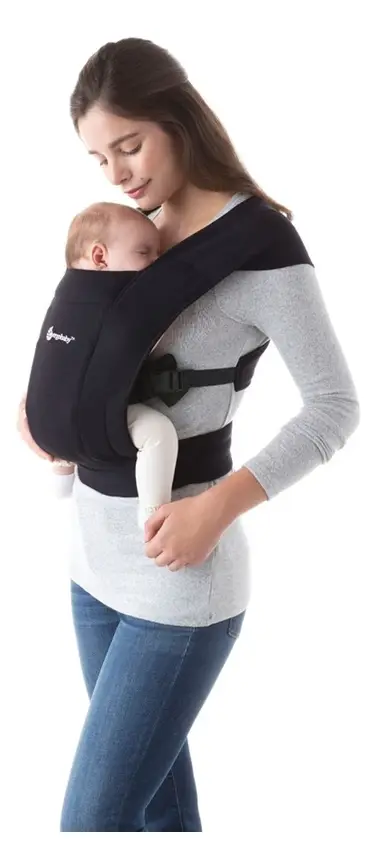


Ergobaby Embrace
A soft knit newborn carrier that buckles on, with no long wrapping.
Read our full review →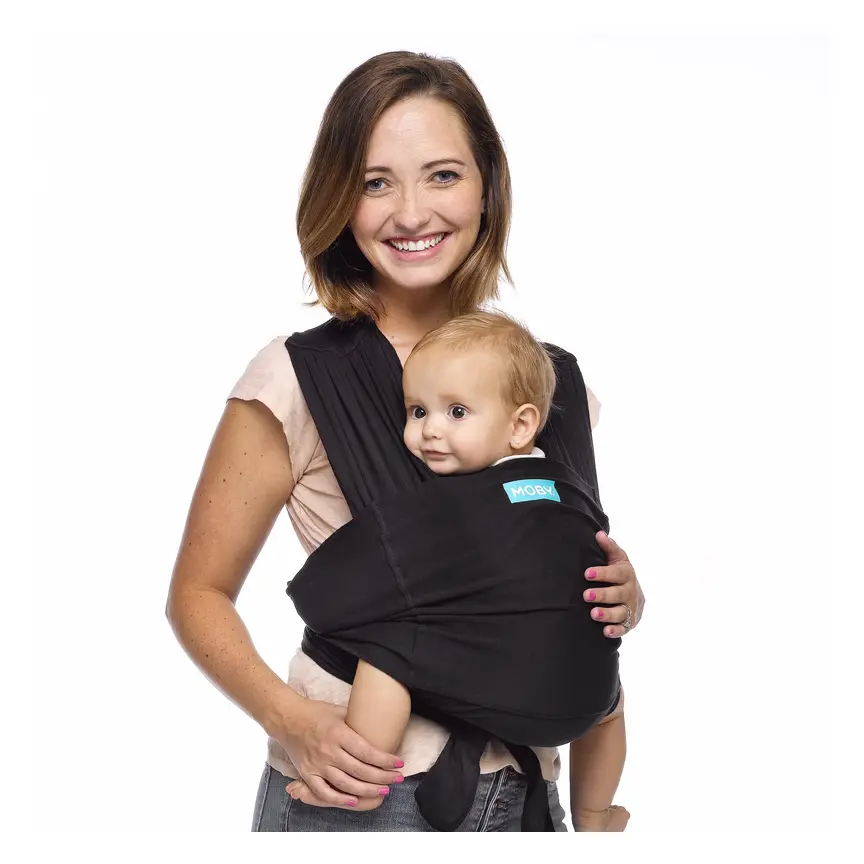
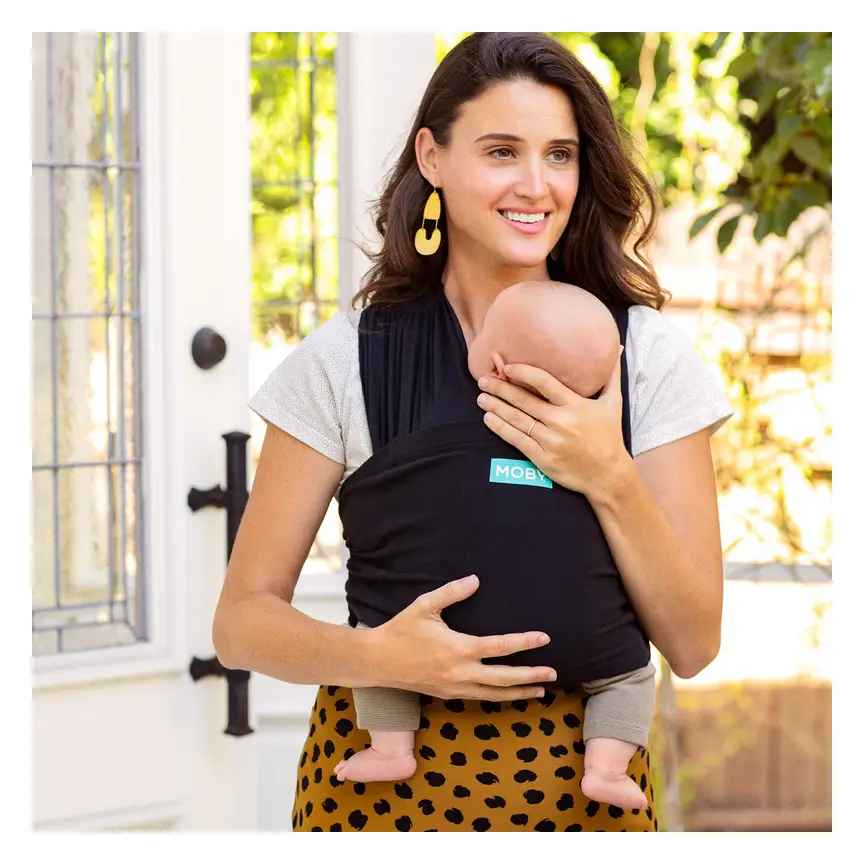
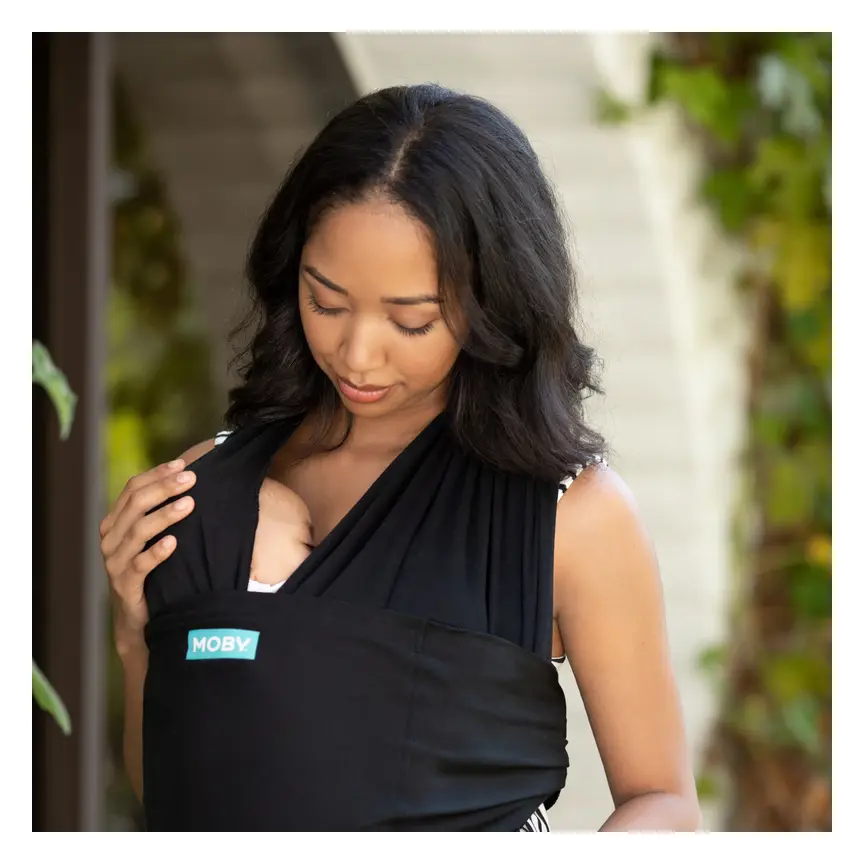
Moby Fit Carrier Wrap
A soft cotton knit wrap with some structure, for babies 3.6 to about 15 kg.
Read our full review →


Why stretchy wraps can sag
Stretch lets the cloth move around the baby. If the wrap is tied too loosely, that movement can leave extra space. Repeated movement can also make the fabric feel less firm. The baby may then sit lower or lean away from the adult.
A wrap that starts out loose may sag soon after you put the baby in. Tie it snugly before placing the baby, where the instructions say to do so. The fabric should hold the baby close without pressing on the baby's face or chest.
Some stretchy wraps are designed for a particular carry or way of tying. Using a different method may change the support. Follow the product guide, including any directions about how many fabric passes should support the baby.
Check the fit often during use. If your baby slips lower, the fabric loosens, or you cannot keep the baby's face clear, take the baby out. Retie the wrap from the start. Do not try to fix a poor fit by pulling on one loose edge while carrying your baby.
Newborn fit and body position
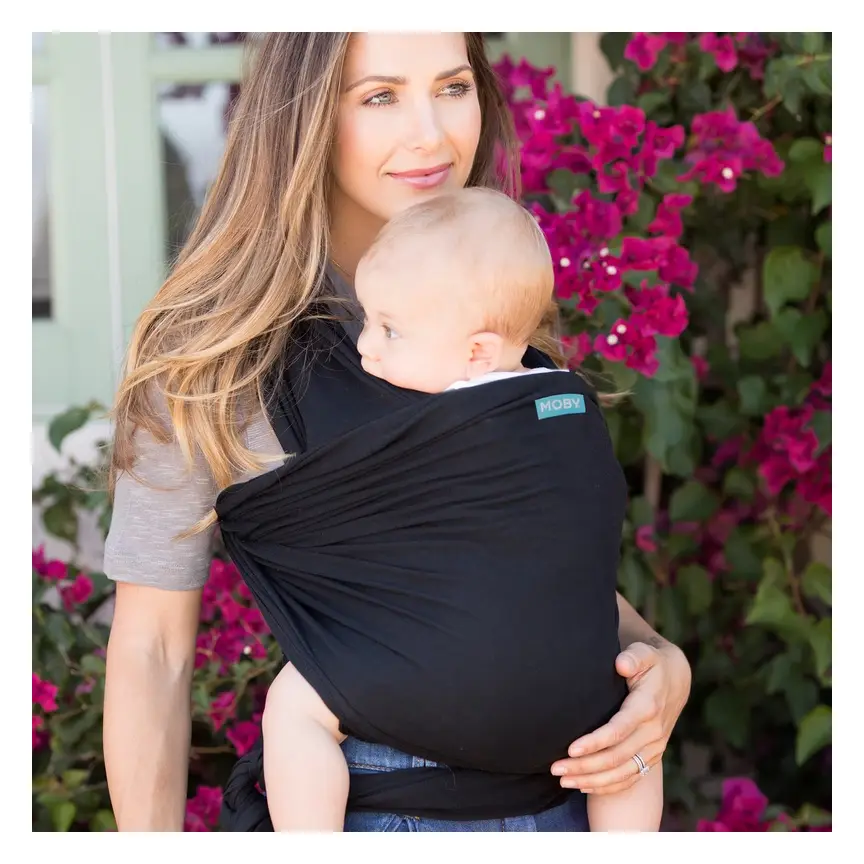
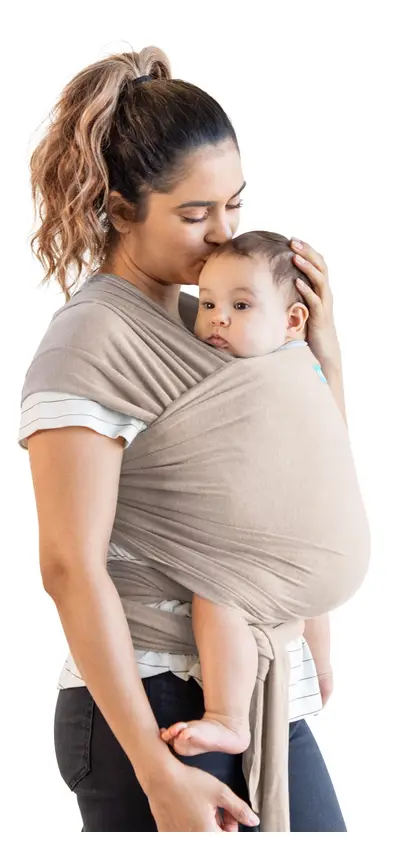
Newborns need close support because they have little head and neck control. Keep your baby upright and high on your chest, with the head near enough for a kiss. The baby's face should stay visible. Their nose and mouth must not press against your body or the fabric.
Keep the chin off the chest. A chin pressed down can make breathing harder. Your baby should not be curled into a tight ball. Support the back and head while leaving room for the chest to move.
The baby's legs should be supported in a natural bent position. Many babywearing guides describe a position with knees bent and thighs supported. Do not force the legs straight or press them together. The International Hip Dysplasia Institute advises allowing a baby's legs to move freely and supporting the thighs.
Each baby is different. A baby born early, with low birth weight, breathing trouble, or a health condition may need personal advice before being carried in a wrap. Ask your baby's doctor, nurse, or midwife first.
Safe carrying checks: face, airway and support
Use a simple set of checks each time you carry your baby. Product Safety Australia and Red Nose provide baby carrier and sling safety advice. The Lullaby Trust and the US CPSC also warn about risks when babies are carried in slings.
- Face visible: You should be able to see your baby's face without moving fabric.
- Close enough to kiss: Keep your baby high on your chest, not low on your stomach.
- Chin clear: Leave space between the chin and chest.
- Nose and mouth clear: Fabric, your clothing, and the adult's body must not cover them.
- Back supported: Keep your baby upright and supported. Do not let the baby slump.
- Legs supported: Let the hips and knees bend naturally. Follow the wrap guide.
- Wrap snug: The baby should not slide down or move away from your body.
Check your baby's face and breathing often. Do not rely on a sleeping baby being quiet. If the baby's face is hidden, breathing looks unusual, or the baby feels limp, take them out and seek urgent help if needed.
Choosing by age and stage
Age alone does not tell you whether a wrap fits. A baby's weight, size, head control, and the product's own instructions matter. Use only carries that the maker says are suitable for your baby's stage.
| Baby's stage | What to consider | Practical choice |
|---|---|---|
| Newborn, with little head control | Needs steady head, neck, and back support. Face and airway checks matter every time. | Use only a newborn-approved carry. Ask for help learning the tie. |
| Growing baby, still needing head support | Baby may weigh more and move more. Check the wrap's weight range and fit again. | Retie from the start when needed. Do not keep using a loose carry. |
| Baby with steady head control | May be ready for other positions, if the maker allows them. | Learn each new carry with a trained helper before trying it alone. |
| Older, heavier baby | Comfort and the stated maximum may become limiting. | Check the weight limit and your own comfort. Stop if the wrap strains or sags. |
There is no need to move to a woven wrap at a set age. There is also no rule that says every newborn needs a stretchy wrap. A well-fitting structured carrier may suit some families better. Choose only a product that fits the baby and wearer and has clear instructions.
How to choose between the two
Think about how you plan to use the wrap. A stretchy knit may suit you if you want a soft fabric and a small number of approved carries. You need to be comfortable checking for stretch and retightening when the instructions call for it.
A woven wrap may suit you if you want to learn different ties. You need time to practise and check every section. A short lesson can help you learn how to make a secure seat and support your baby's back.
Try to see and handle the wrap before buying, if you can. Check that the instructions are easy to follow. Find the weight range, care directions, and any advice about front, hip, or back carries. A wrap with unclear instructions is a poor choice for a new user.
Also think about the wearer. One wrap may not feel right on every body. A second caregiver may need a different tie or size. Comfort matters because an uncomfortable adult may adjust the wrap while walking or use it incorrectly.
Side by side: more baby carriers & wraps to compare
Real products from our catalogue. We don't show star ratings or review counts; check the current price, stock and reviews on Amazon before you buy.
 Reviewed
4baby 3 Way Baby Carrier
A very low-cost carrier with 3 positions, for babies 3.6 to 9 kg.
Read our full review →
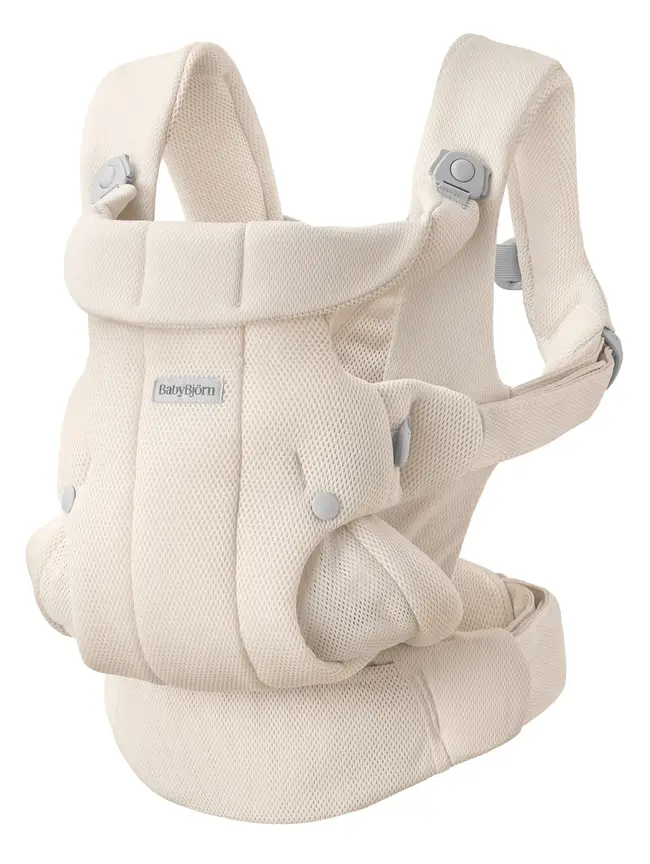
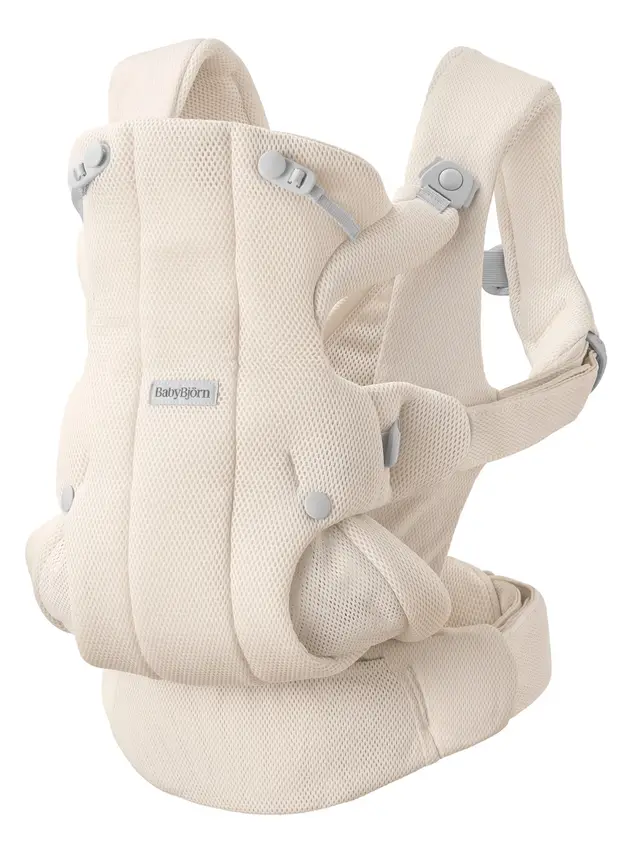
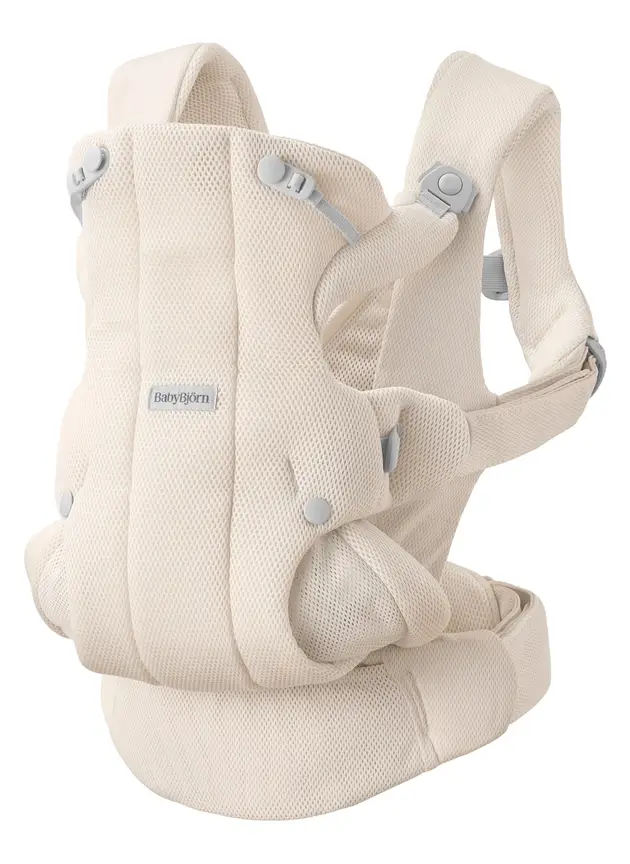
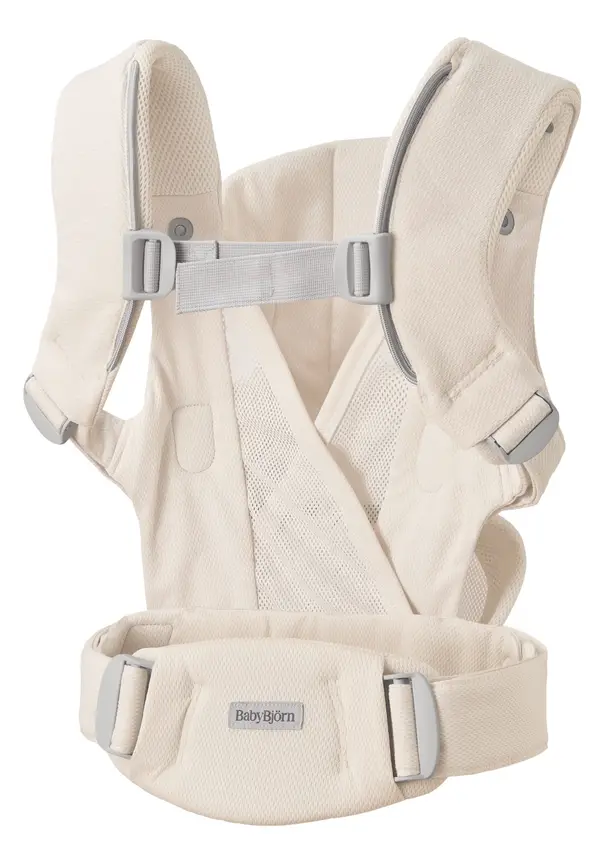
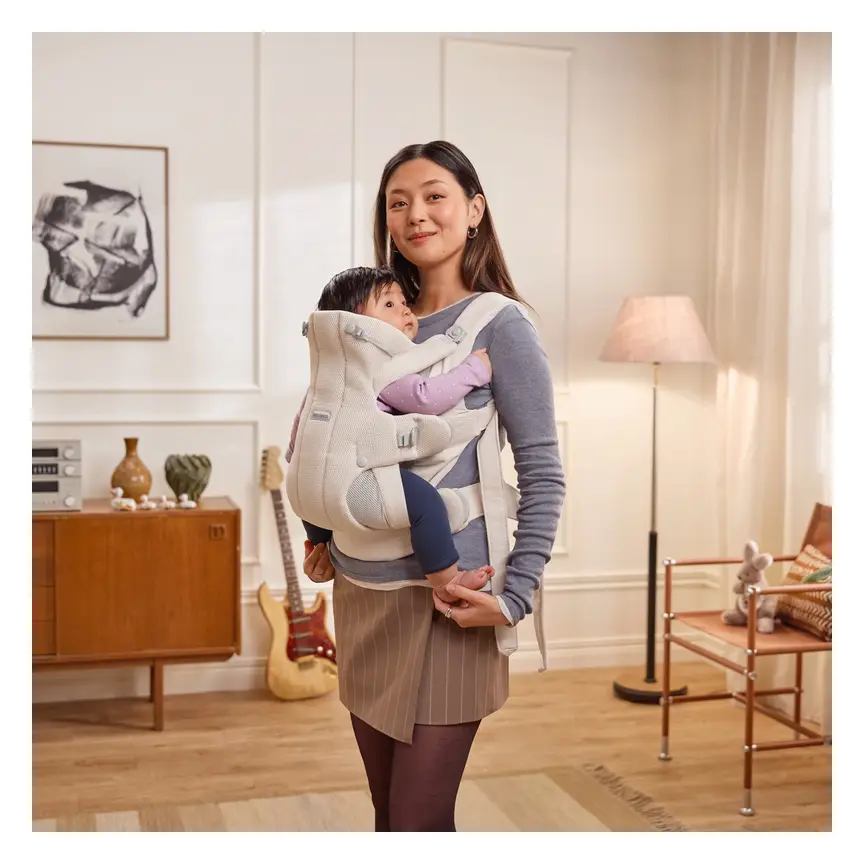
BabyBjörn Baby Carrier Mini 3D Jersey
Newborn baby carrier


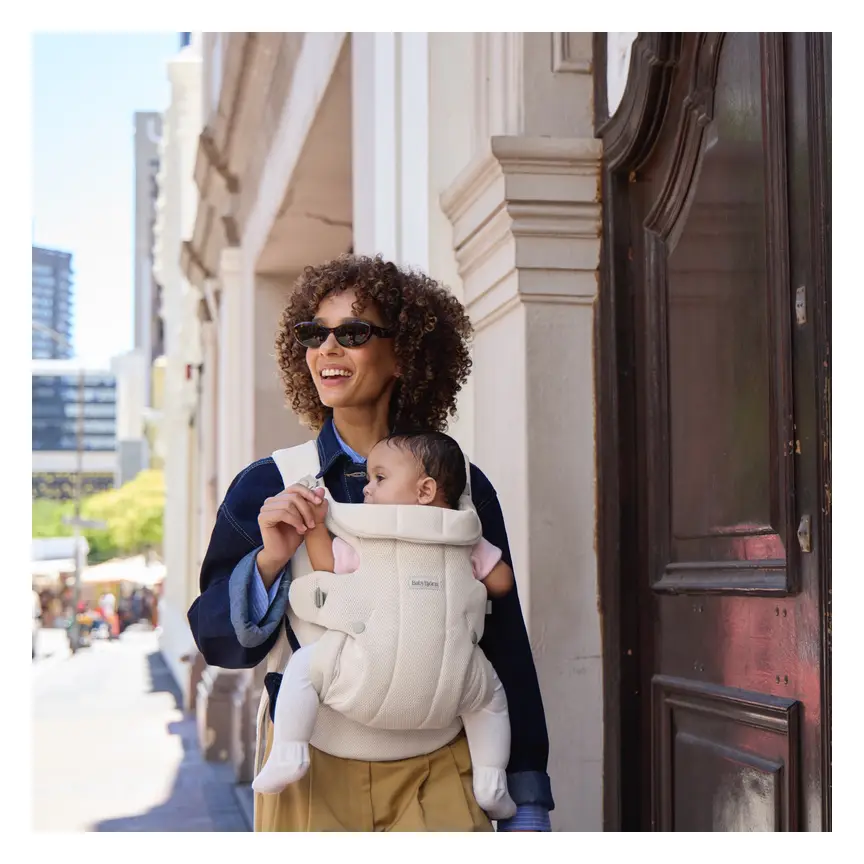
BabyBjörn Baby Carrier Hold
A soft front carrier from newborn to 18 months that fits XS to XXL parents.
Read our full review →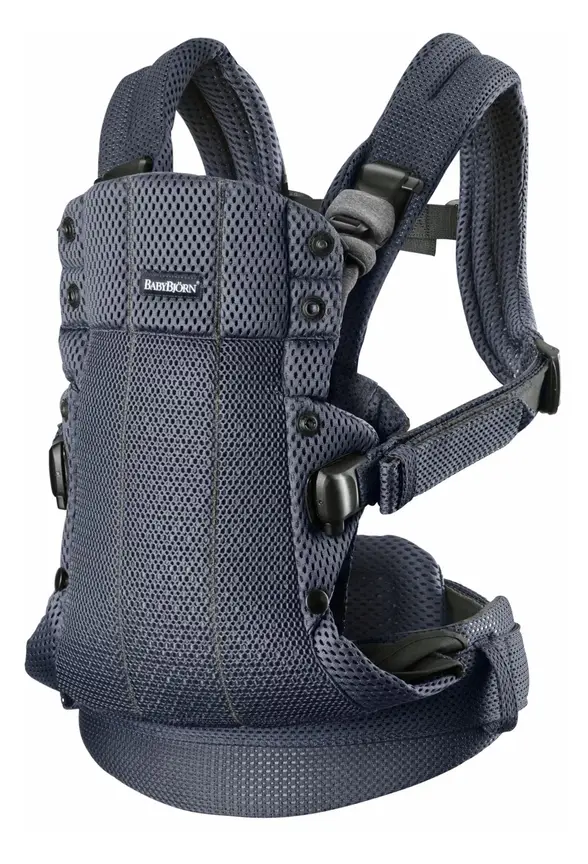 Reviewed
BabyBjörn Baby Carrier Harmony
A premium carrier with four positions, from 3.2 kg newborns to about 3 years.
Read our full review →Putting on a wrap and practising safely
Read the full manual first. Watch the maker's demonstration if one is supplied. Practise tying the wrap without your baby. Then practise over a bed or with another adult nearby. A doll can help you learn the fabric steps, but it cannot show how a real baby settles or breathes.
- Check the wrap for tears, thin spots, loose seams, or damaged edges.
- Make sure the baby is calm and the adult is steady.
- Follow the exact tying steps for your wrap and carry.
- Place the baby in the position shown by the maker.
- Support the baby's head and back while you finish the tie.
- Check that the baby is high, close, upright, and secure.
- Check the face, chin, nose, mouth, back, and legs.
- Walk a short distance indoors and check the fit again.
Do not practise a new carry over stairs, near hot drinks, or while cooking. Do not bend sharply at the waist. If you need to reach down, support your baby and bend at the knees. Avoid activities where a fall could injure the baby.
Heat, clothing and everyday use
A wrap adds a layer around your baby and your body. Both of you can become warm. Dress lightly and check the baby often. Feel the chest or back of the neck for warmth. Hands and feet may feel cooler, so do not use them alone to judge temperature.
Keep your baby's face uncovered. Do not cover the head with a blanket or the wrap. Shade your baby from direct sun, and follow local health advice about sun protection. In cold weather, make sure clothing does not block the face or make the baby too hot once inside.
Do not feed while walking with a loose or poorly adjusted wrap. If you breastfeed in a carrier, keep your baby's face visible and airway clear. Return the baby to an upright, secure position as soon as the feed ends. Ask a qualified helper for advice if you are unsure.
A wrap is for carrying, not for sleep. If your baby falls asleep, keep watching the airway and move them to a safe, flat sleep space as soon as practical. Do not leave a baby asleep in a wrap without close supervision.
Cleaning and checking the wrap
Follow the care label. Some fabrics need gentle washing or air drying. Avoid care methods that can weaken the fibres or damage the wrap. If you are unsure, contact the maker.
Before each use, look over the full length of the fabric. Check seams, hems, and any sewn labels. Stop using it if you find a tear, a weak area, or damage that could affect support. Do not patch a load-bearing area unless the maker says how to repair it safely.
Keep the wrap away from pets, sharp objects, and hot surfaces. Store it dry. If you buy one second hand, ask for the model name and manual. Check the fabric and seams carefully. Search the relevant recall service for your country before use.
Safety guidance in four countries
The main safe carrying steps are similar across countries. Local product rules and advice can differ. Check the current guidance where you live, and follow the wrap maker's instructions.
| Place | Useful official or peak body | What to check |
|---|---|---|
| Australia | Product Safety Australia, part of the ACCC, and Red Nose Australia | Read the guide for wraps and slings. Keep the baby's face visible and airway clear. |
| United Kingdom | The Lullaby Trust | Read its advice on slings and carriers. Check the baby's position often. |
| United States | U.S. Consumer Product Safety Commission (CPSC) | Read its babywearing and sling safety warnings. Follow the product's instructions. |
| Canada | Health Canada and the Canadian Paediatric Society | Check current national guidance and provincial health advice. Keep safe sleep advice in mind after carrying. |
Do not assume a product sold in one country meets every rule in another. Check labels, instructions, recalls, and local advice. If a product has no clear maker or instructions, choose another option.
Common mistakes to avoid
- Choosing by fabric name alone: Stretchy and woven wraps vary. Check the exact product guide.
- Guessing the weight limit: Use the limit on your wrap's label or manual.
- Tying too loosely: A baby who slumps or slides needs to come out and be retied.
- Covering the face: Keep the face visible and the nose and mouth clear.
- Letting the chin rest on the chest: Adjust the baby upright so the chin stays clear.
- Using a carry you have not learned: Practise first, and ask for help with a new position.
- Believing every newborn carry is suitable: Check age, size, and weight advice for that model.
- Assuming a sleeping baby is safe: Check the airway often and move the baby to a safe sleep space.
- Ignoring wear: Stop using a wrap with damage that could affect its strength.
- Using the wrap for risky tasks: Avoid cooking, hot drinks, cycling, and activities with a fall risk.
More options, from budget to premium
Real products from our catalogue. We don't show star ratings or review counts; check the current price, stock and reviews on Amazon before you buy.

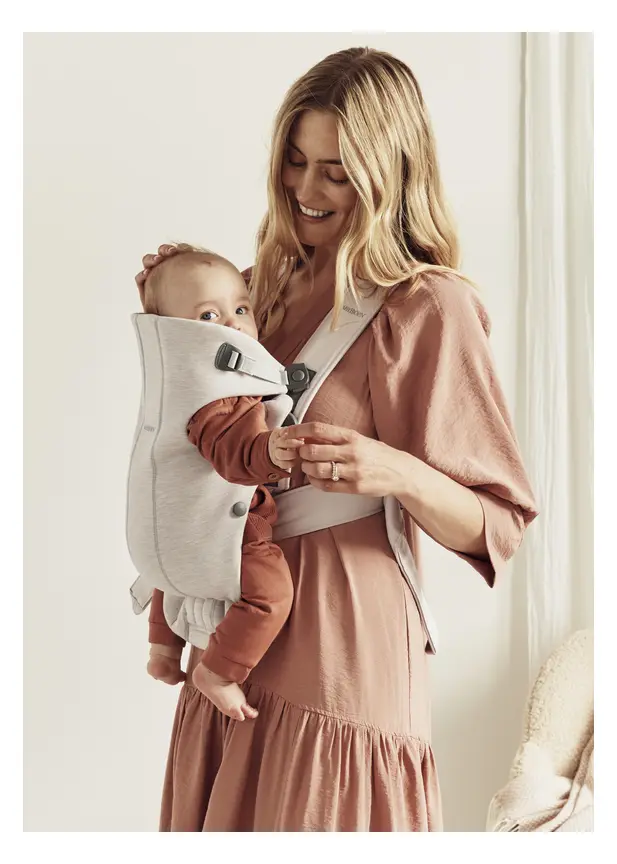
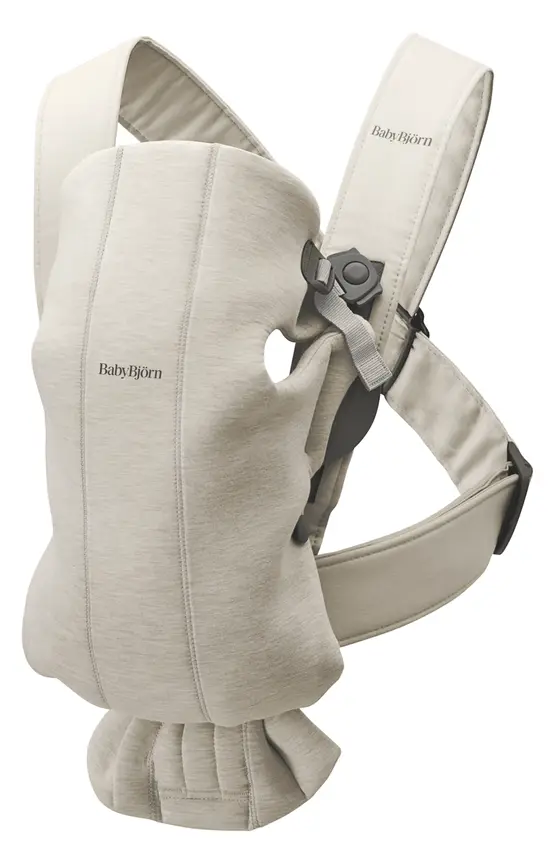
BabyBjörn Baby Carrier Mini
Simple, soft newborn carrier for roughly 0–12 months, with three carrying positions and an easy front opening.
Read our full review →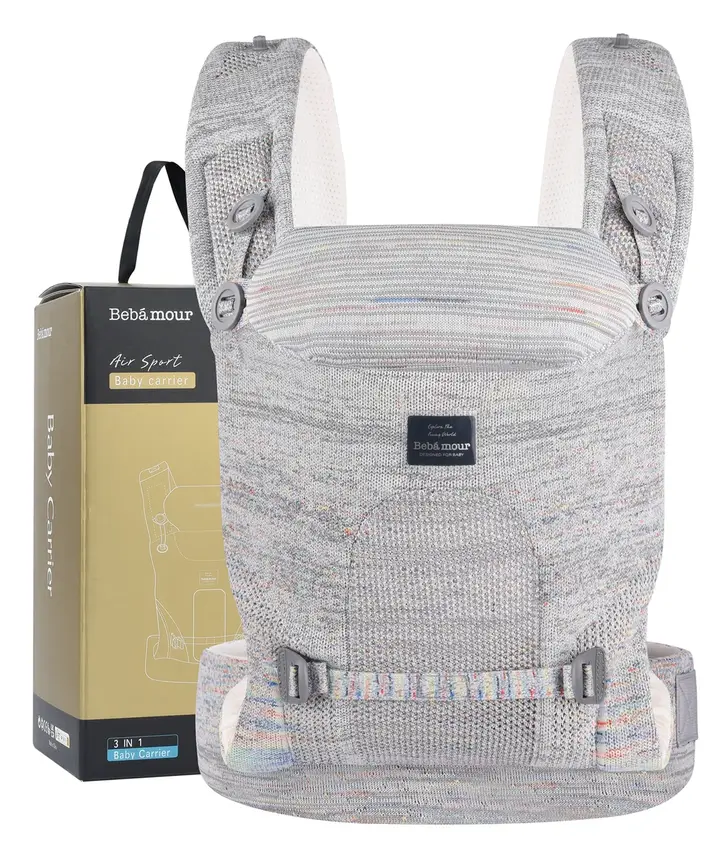
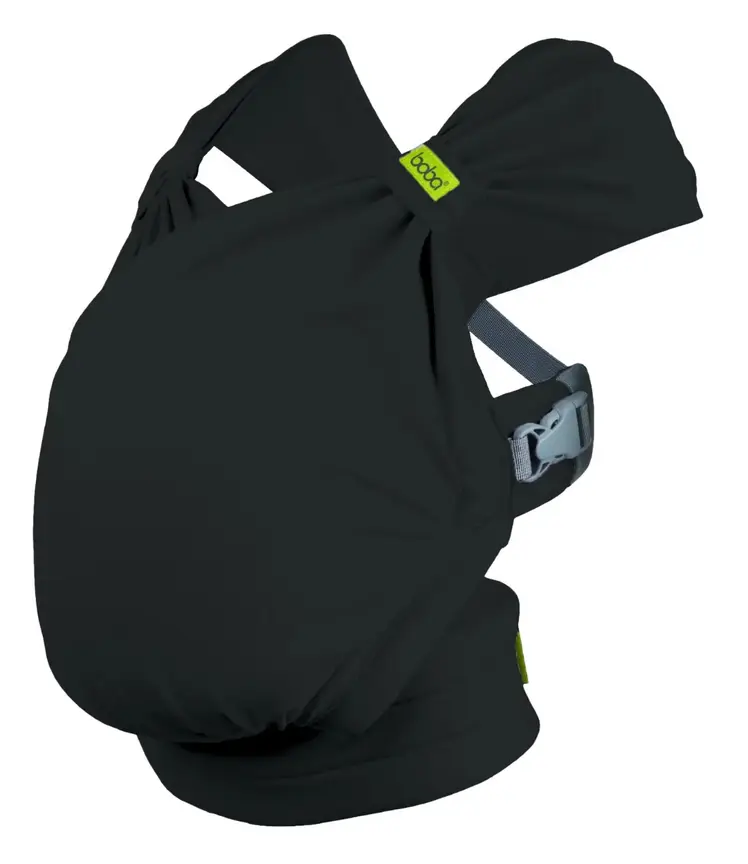


Boba Bliss
A stretchy carrier that clicks on like a buckle carrier. One size fits most parents.
Read our full review →Frequently asked questions
Is a stretchy wrap safe for a newborn?
It may be suitable if the maker approves it for your baby's size and weight. Follow the exact tying instructions. Keep the baby upright, close, and supported. Keep the face visible and the chin clear. Ask a health professional or trained babywearing helper if your baby was born early or has health needs.
Is a woven wrap safer than a stretchy wrap?
Neither type is automatically safer. A safe fit depends on the product, the tie, and how you position your baby. A woven wrap can still be loose. A stretchy wrap can still be snug and supportive when used as directed.
Do all stretchy wraps have the same weight limit?
No. Each maker sets limits for each product. Check the label and manual. Do not use another wrap's limit as a guide.
Why does my stretchy wrap sag?
It may have been tied too loosely, or the fabric may have stretched during use. Take your baby out and retie it from the start. Check that the wrap is not damaged. If sagging continues, stop using it and ask the maker for advice.
Can I carry my baby facing out?
Only if the wrap maker allows that position for your baby's age, size, and stage. Many wraps have limited approved positions. Do not try a carry from an online video unless it matches your product instructions.
Can my baby sleep in a wrap?
A wrap is for carrying, not sleep. Keep watching your baby's face and breathing. Move a sleeping baby to a safe, flat sleep space as soon as practical. Follow safe sleep advice where you live.
How do I know if the wrap is too tight?
Your baby should be supported, but their chest must be able to move. The face must stay clear, and the chin must not be pressed down. Follow the maker's fit checks. If your baby seems uncomfortable or breathing looks unusual, take them out.
Can I use a second-hand wrap?
Possibly, if you can identify the model and find its instructions. Check the fabric, seams, and label for wear or damage. Check for recalls in your country. Do not use it if you cannot confirm that it remains sound and suitable.
When should I stop using a wrap?
Stop when your baby reaches the maker's limit, the wrap no longer fits securely, or you cannot carry comfortably. Stop sooner if the fabric is damaged or your baby has trouble staying upright. You can choose another carrier that fits your baby's stage.
Final checklist before each carry
- The wrap is the right model and within its stated limits.
- The fabric and seams are sound.
- The carry follows the maker's instructions.
- Your baby is high, close, upright, and supported.
- The face is visible. The nose and mouth are clear.
- The chin is off the chest. The back is supported.
- The legs can bend naturally and are supported.
- You can move comfortably and keep checking your baby.
Babywearing should feel secure for both of you. Take your baby out whenever the fit feels wrong. Recheck the instructions or get skilled help before trying again.
Disclaimer: This article gives general information. It does not replace advice from a doctor, nurse, midwife, or qualified babywearing adviser. Follow your wrap's instructions and local safety advice. If your baby has trouble breathing, seek emergency help.
Affiliate disclosure: BabyGearFinder may earn a commission if you buy through some links. This does not change our advice.
Sources
- Product Safety Australia – Baby carriers, wraps and slings guide
- Raising Children Network – Baby carrier, sling and backpack safety
- Red Nose Australia – Slings and baby carriers
- The Lullaby Trust (UK) – Baby slings and carriers
- U.S. CPSC – Safe babywearing and sling suffocation warning
- Caring for Kids (Canadian Paediatric Society) – Safe sleep for babies
- International Hip Dysplasia Institute – Baby wearing
Related guides
More Health & Safety Gear →
Electric Baby Nail Trimmers: How to Choose and Use One Safely

Baby Sun Hats and Sunglasses: How to Choose Safe UPF 50+ Hats and UV-Blocking Shades

Non-Contact Forehead and Ear Thermometers: How to Take a Baby's Temperature Safely
