










Babywearing for Dads: How to Choose a Safe, Comfy Carrier
A plain guide to babywearing for dads: carrier types, fit for broader frames, the TICKS safety rule, hip health, and official advice from AU, UK, US and…
On this page
- Key points
- Why babywearing is great for dads
- Types of baby carriers compared
- How to choose a carrier that fits a dad's body
- How to carry your baby safely: the TICKS rule
- Protecting your baby's hips and spine
- Carrying positions by age stage
- Safety rules in Australia, the UK, the US and Canada
- Common mistakes dads make (and how to fix them)
- Caring for your back and looking after your carrier
- Frequently asked questions
- Sources
Short answer: A good baby carrier keeps your hands free and keeps your baby close, calm and safe. For most dads, a soft buckle carrier with wide, padded straps and a firm waistband is the easiest place to start. Always follow the TICKS rule: keep your baby tight, in view, close enough to kiss, with their chin off their chest and their back supported.
Health and safety bodies in Australia (Product Safety Australia, Red Nose and Raising Children Network), the UK (OPSS, The Lullaby Trust and the NHS), the US (CPSC and the American Academy of Pediatrics) and Canada (Health Canada and the Canadian Paediatric Society) all give the same core advice. Keep your baby upright, keep their face clear, and support their hips in a wide, bent-knee shape.
Key points
- Comfort for dad: look for wide shoulder straps, a padded waistband and long webbing so you can adjust the fit for a broader chest or longer torso.
- Airway safety: never let your baby's chin drop onto their chest or press into your shirt. You should always see their face.
- Hip health: choose a carrier that holds your baby's legs in an M-shape, with knees higher than their bottom.
- Easy sharing: if you and your partner are different heights, pick a buckle carrier with quick-adjust straps or buy two simple carriers.
- Age match: newborns need full head and neck support. Back carries wait until your baby can sit up well on their own.
- Recall check: if you buy a secondhand carrier, check your national product recall list first and inspect every buckle and seam.
Why babywearing is great for dads
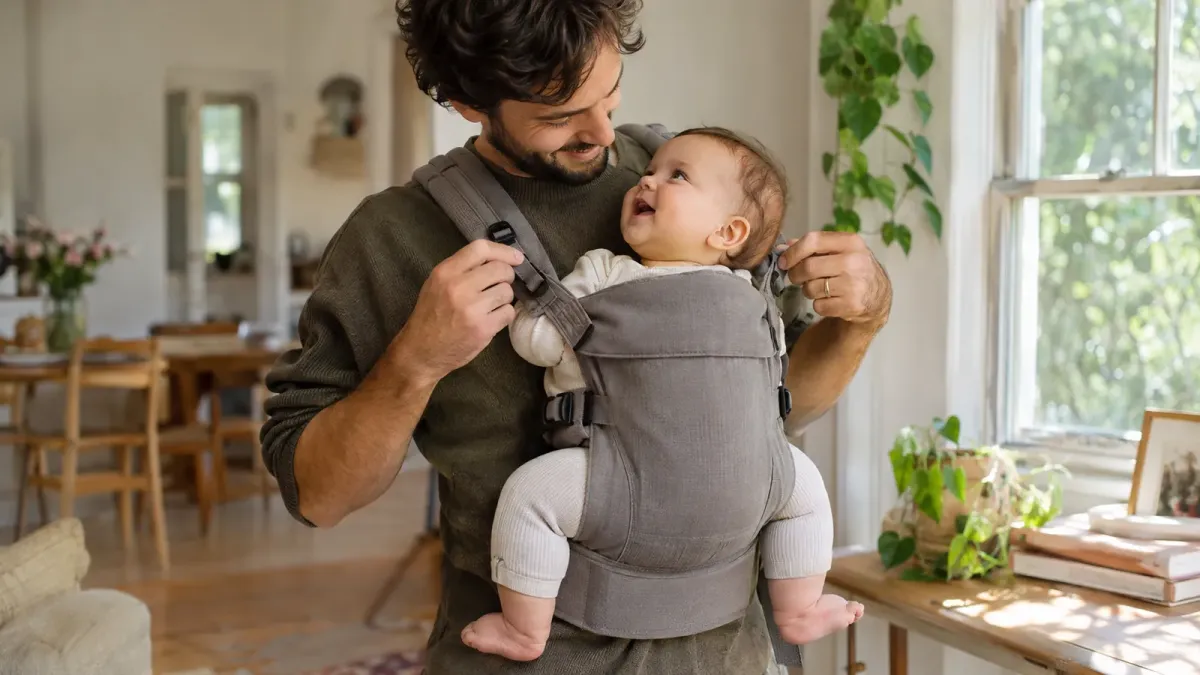
Carrying your baby on your chest is not just for mums. Dads get huge benefits from babywearing too. Skin-to-skin time or close chest carries help your baby learn your voice, your smell and your heartbeat.
Many new dads feel unsure about how to calm a crying baby. Walking with your baby in a carrier often settles them fast. The gentle movement and warmth feel familiar to a newborn. This builds your confidence as a parent right from the early weeks.
Babywearing also frees up both of your hands. You can make a sandwich, fold laundry, walk the dog or push a toddler on a swing. You can go for walks on bush tracks, beaches or busy stairs where a pram is hard to push.
Sharing the carrying also gives your partner a real break. Both parents can share the load of soothing, settling and getting out of the house. That makes daily life fairer and calmer for everyone.
Baby Carriers & Wraps worth a look
Real products from our catalogue. We don't show star ratings or review counts; check the current price, stock and reviews on Amazon before you buy.
 Reviewed
4baby 3 Way Baby Carrier
A very low-cost carrier with 3 positions, for babies 3.6 to 9 kg.
Read our full review →
BabyBjörn Baby Carrier Mini 3D Jersey
Newborn baby carrier
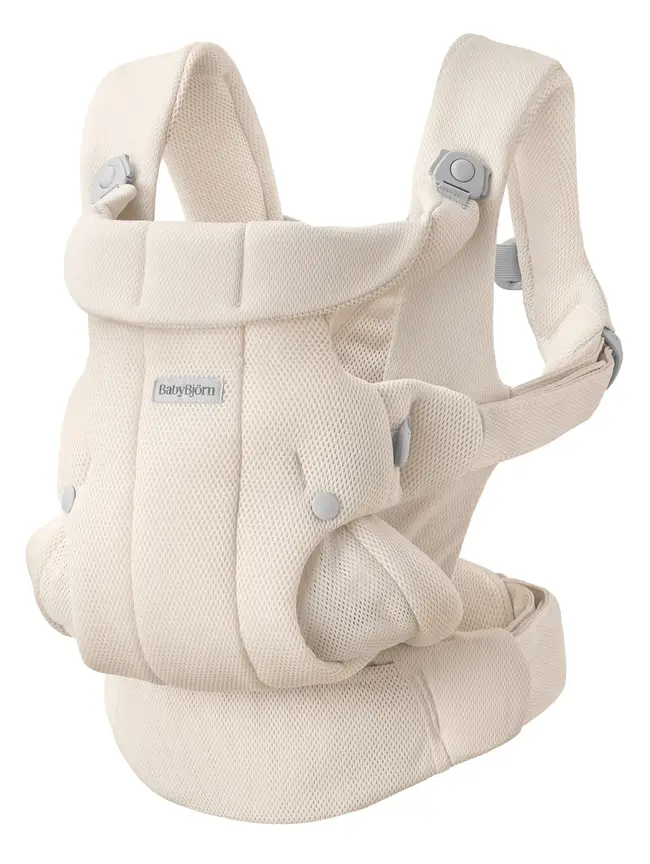
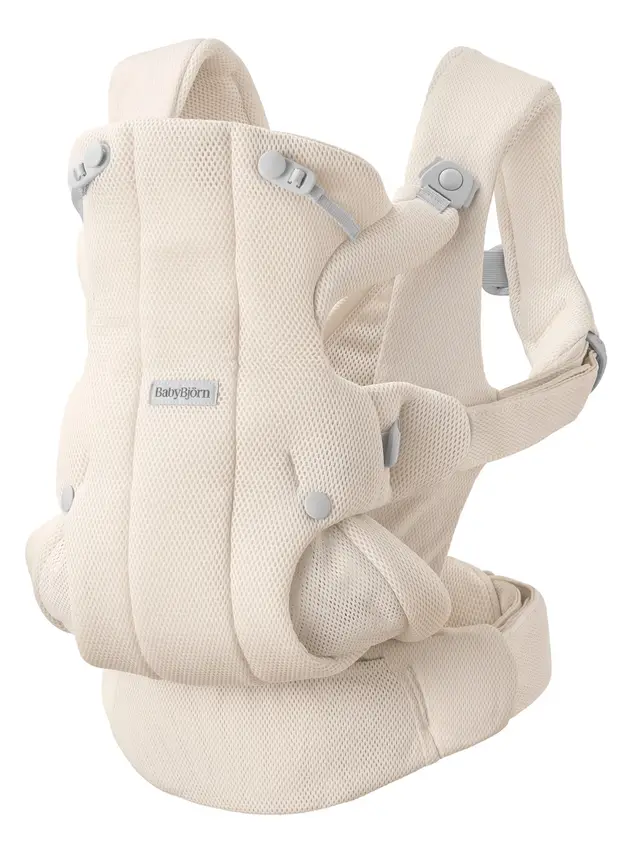
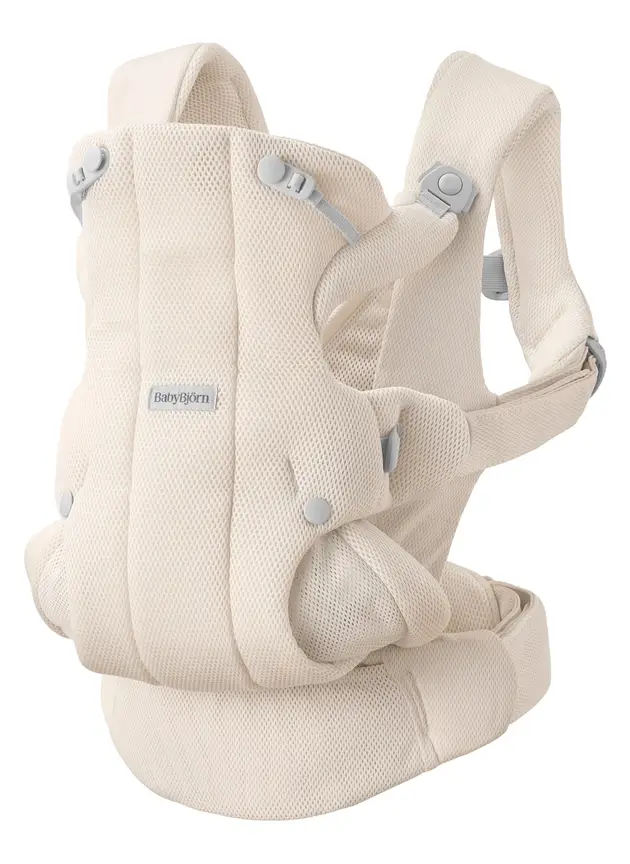
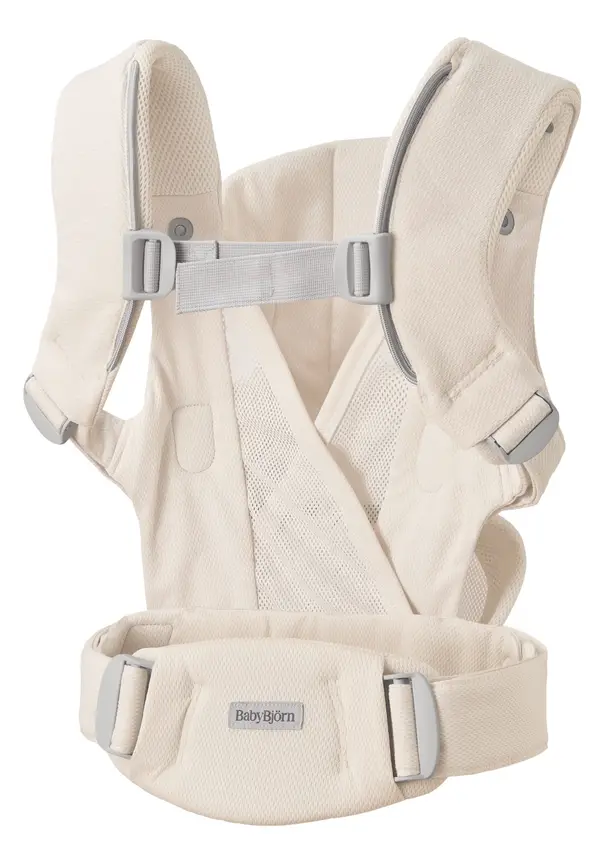
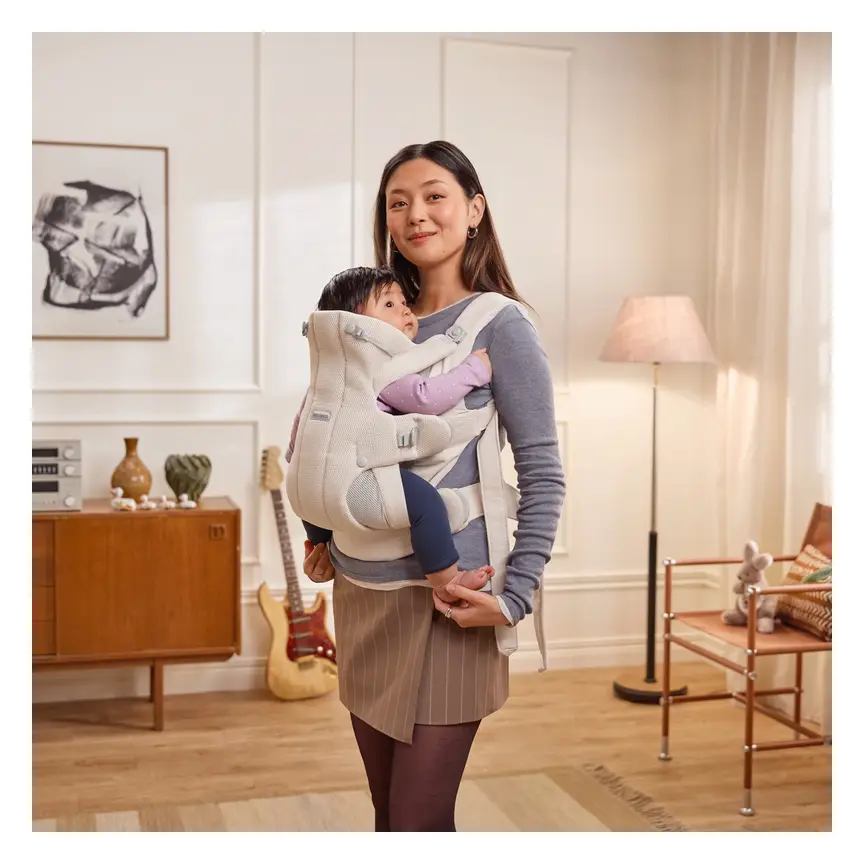
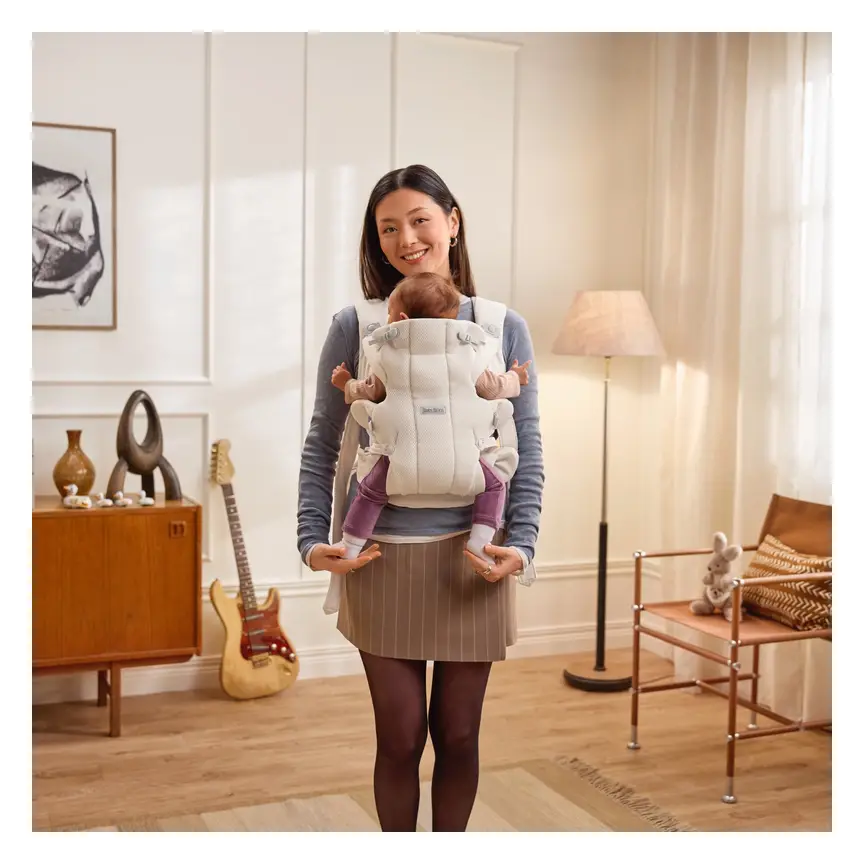

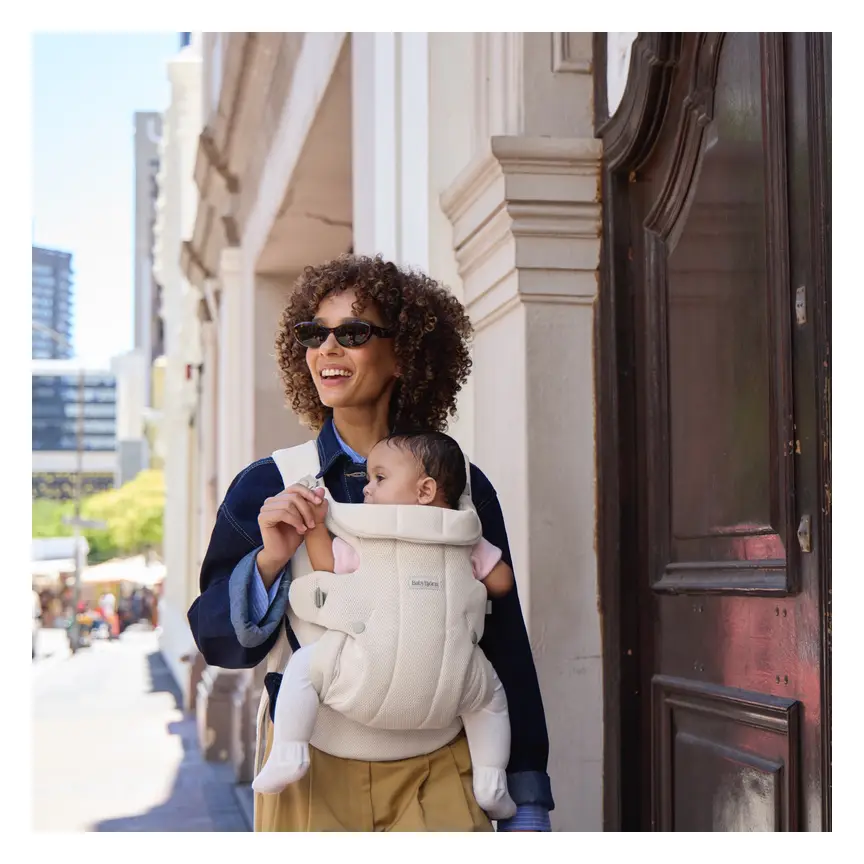
BabyBjörn Baby Carrier Hold
A soft front carrier from newborn to 18 months that fits XS to XXL parents.
Read our full review →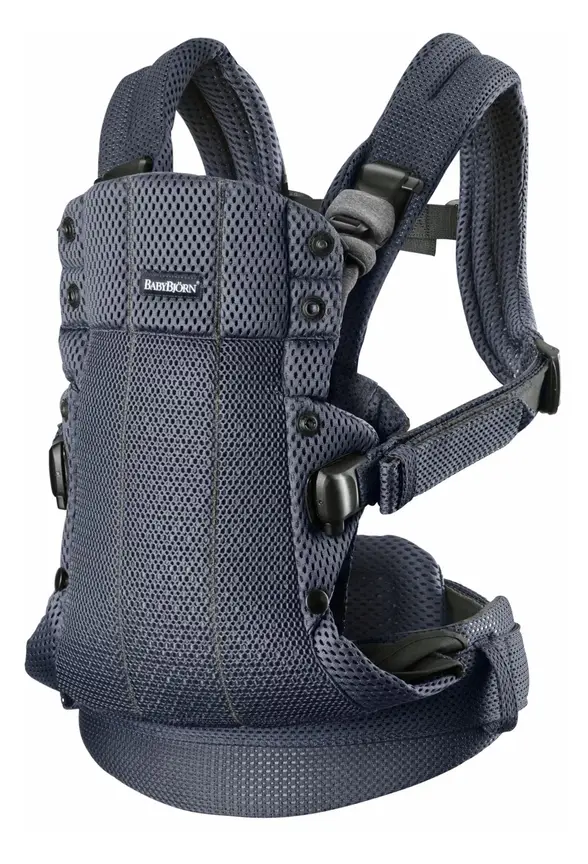 Reviewed
BabyBjörn Baby Carrier Harmony
A premium carrier with four positions, from 3.2 kg newborns to about 3 years.
Read our full review →Types of baby carriers compared
There is no single best carrier for every dad. Different styles suit different ages, body shapes and daily jobs. Here is how the main types compare.
| Carrier type | Best age | Fit for dads | Learning curve | Back support |
|---|---|---|---|---|
| Soft buckle carrier | Newborn (with insert or built-in seat) to toddler | Great for broad shoulders and shared use | Easy once straps are set | High, thanks to the padded waistband |
| Stretchy wrap | Newborn to about 3–4 months | Fits any size, ties to your body | Medium, takes a few tries to tie snugly | Medium, spreads weight across both shoulders |
| Woven wrap | Newborn to toddler | Fits any size, very supportive | Harder, takes practice to tie safely | High when tied well |
| Ring sling | Newborn to toddler (short trips) | Quick on and off, one-shoulder carry | Medium, needs neat fabric spread | Low to medium, all weight sits on one shoulder |
| Tie-on carrier (mei tai) | Newborn to toddler | Fits different sizes with zero buckle adjustments | Medium, easy once you learn two knots | Medium to high |
| Framed hiking backpack | From when baby sits well (usually 6+ months) to toddler | Built like a hiking pack with chest and hip belts | Easy, adjusts like outdoor gear | Very high for long walks |
Soft buckle carriers
Soft buckle carriers are the most popular pick for dads. They have a firm waistband, padded shoulder straps and click-in buckles. They look neat, feel sturdy and take less than a minute to put on.
Some buckle carriers adjust with Velcro or snaps to fit a newborn. Others need a small newborn cushion insert for the first few months. Always check the minimum weight on the label before putting a tiny baby inside.
Stretchy wraps
A stretchy wrap is one long piece of soft jersey fabric. You tie it around your torso first, then slip your baby in. Babies often love how cosy and snug it feels in the first three months.
Stretchy wraps are warm and gentle on newborn skin. However, they start to sag once your baby gets heavier. Most dads switch to a buckle carrier around four to six months.
Woven wraps
Woven wraps look like stretchy wraps, but the fabric does not stretch. Because the cloth is firm, it holds heavy babies and toddlers without sagging. You can tie a woven wrap on your front, hip or back.
The catch is the learning curve. You need time and practice to tighten the cloth evenly. If you want something fast for the car park, a buckle carrier is easier.
Ring slings
A ring sling is a length of woven fabric sewn onto two metal rings. You drape it over one shoulder and pull the tail through the rings to tighten it. It packs down small in a nappy bag.
Ring slings are great for quick trips from the car into a shop. Because all the weight sits on one shoulder, they can make your neck ache on long walks.
Tie-on carriers (mei tai)
A tie-on carrier has a soft square body with four long fabric straps. Two straps tie at your waist and two tie over your shoulders. There are no plastic buckles to reset when you swap with your partner.
This makes a tie-on carrier a smart choice for couples with very different builds. You get a custom fit every time you tie it on.
Framed hiking backpacks
Framed carriers have a metal frame, a padded seat and a sunshade. They look like camping packs and stand up on the ground when you load your child. They keep air flowing between your back and your child.
Wait until your baby can sit up without help before using a framed pack. For younger babies, a soft carrier holds their spine and head much more safely.
How to choose a carrier that fits a dad's body
Many carriers are designed around smaller frames, so dads should check a few fit details before buying. A carrier that fits well feels light on your shoulders and steady on your waist.
Check strap and waistband length
Look for long webbing tails on both the waist belt and the shoulder straps. If you have broad shoulders or a thick chest, short straps can dig under your arms. The chest clip that joins the two shoulder straps should slide easily up and down.
Look at strap style: H-back vs X-back
Most buckle carriers use either an H-shape or an X-shape at the back.
- H-back straps run straight over your shoulders and join with a horizontal clip across your shoulder blades. Many dads find this easy to wear like a backpack, though reaching the clip behind your neck can take practice.
- X-back straps cross over your back and clip in at the sides near your ribs. Crossed straps spread weight well and stay put on sloped shoulders, and you do not have to reach behind your neck.
Choose breathable fabric
Body heat builds up fast when you hold a baby against your chest. Dads often run warmer than mums, and babies cannot cool down as well as adults. Look for lightweight cotton, linen or soft mesh panels if you live in a warm place or plan to walk outside.
Think about style and practical touches
You are more likely to use a carrier if you like how it looks and feels. Plain, dark or earthy colours hide spit-up and mud better than pale fabric. A small zip pocket on the waistband is handy for keys, a phone or a dummy.
Still, comfort and safety always come first. Skip heavy tactical-style vests or stiff fashion packs that do not support your baby's hips or keep their airway open.
How to carry your baby safely: the TICKS rule
The biggest danger in any baby carrier or sling is suffocation. Babies have weak neck muscles and heavy heads. If a baby slumps down, their chin can press onto their chest and block their windpipe. Doctors call this positional asphyxiation, and it can happen silently in minutes.
Health bodies across Australia, the UK, the US and Canada recommend the TICKS checklist every single time you put your baby in a carrier.
- T – Tight: the carrier must be tight enough to hold your baby close to your body. Loose fabric lets your baby slump down, which can block their breathing and pull on your back.
- I – In view at all times: you should always see your baby's face just by glancing down. Never cover their head or face with wrap fabric, a jacket or a sun cover.
- C – Close enough to kiss: your baby's head should sit high on your chest. You should be able to tip your head forward and kiss the top of their head or forehead easily.
- K – Keep chin off the chest: a baby must never be curled in a C-shape with their chin pressed onto their chest. Check that you can fit at least one or two fingers under your baby's chin.
- S – Supported back: your baby's back should stay in its natural shape, held firmly against your chest. When you lean forward slightly while holding your baby, they should stay tight against you and not fall away.
Red Nose Australia, The Lullaby Trust in the UK and the US Consumer Product Safety Commission (CPSC) also warn about extra risks for some babies. If your baby was born early, had a low birthweight, or has a cold or breathing trouble, speak with your doctor or child health nurse before using a sling or carrier.
Never use a bag-style sling where a baby lies curled in a hammock or pouch. These keep the baby's chin tucked onto their chest and hide their face from view. Upright, tummy-to-tummy carries are much safer.
Protecting your baby's hips and spine
A baby's hip joints are mostly soft cartilage in the early months. If a carrier lets their legs dangle straight down, it puts pressure on the hip sockets. Over time, this can raise the risk of hip dysplasia, a condition where the hip joint does not form properly.
The International Hip Dysplasia Institute recommends the M-position for healthy hip growth. Here is what it looks like:
- Your baby's bottom sits deep in the seat of the carrier.
- Their thighs are supported all the way from the bottom to the back of the knees.
- Their knees sit higher than their bottom, making an "M" shape from behind.
- Their legs are free to bend and move naturally.
Check the width of the carrier seat as your baby grows. If the fabric is too narrow, their legs will hang straight down. If it is too wide for a newborn, it can force their hips too far apart and pinch behind their knees. Many modern buckle carriers let you adjust the seat width with snaps or Velcro.
Your baby's spine also changes as they grow. A newborn has a gentle C-shaped curve in their back. Never force a newborn flat or upright like a soldier. Support their back evenly so they stay snug against your chest without slumping.
Side by side: more baby carriers & wraps to compare
Real products from our catalogue. We don't show star ratings or review counts; check the current price, stock and reviews on Amazon before you buy.

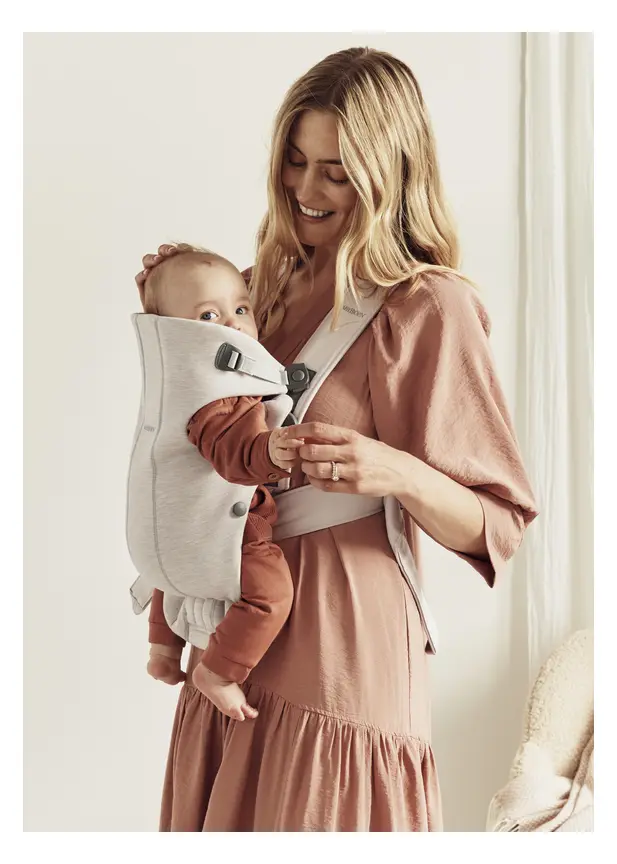
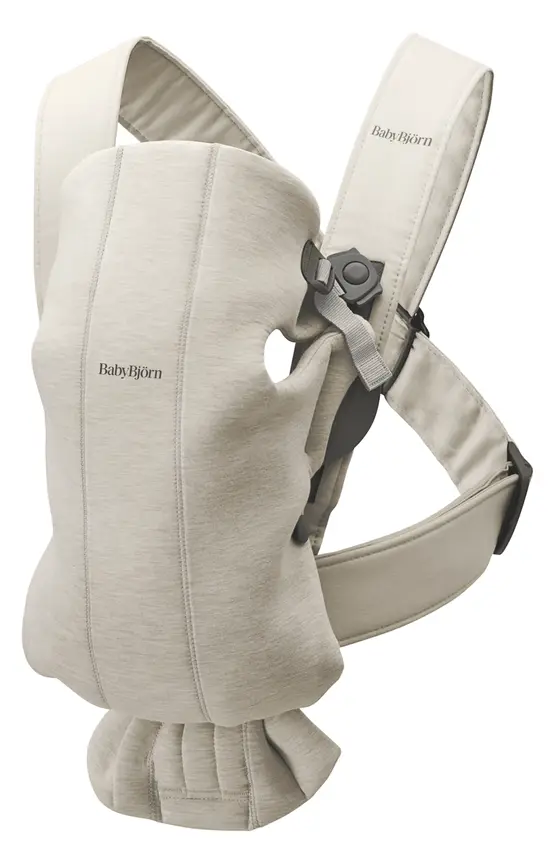
BabyBjörn Baby Carrier Mini
Simple, soft newborn carrier for roughly 0–12 months, with three carrying positions and an easy front opening.
Read our full review →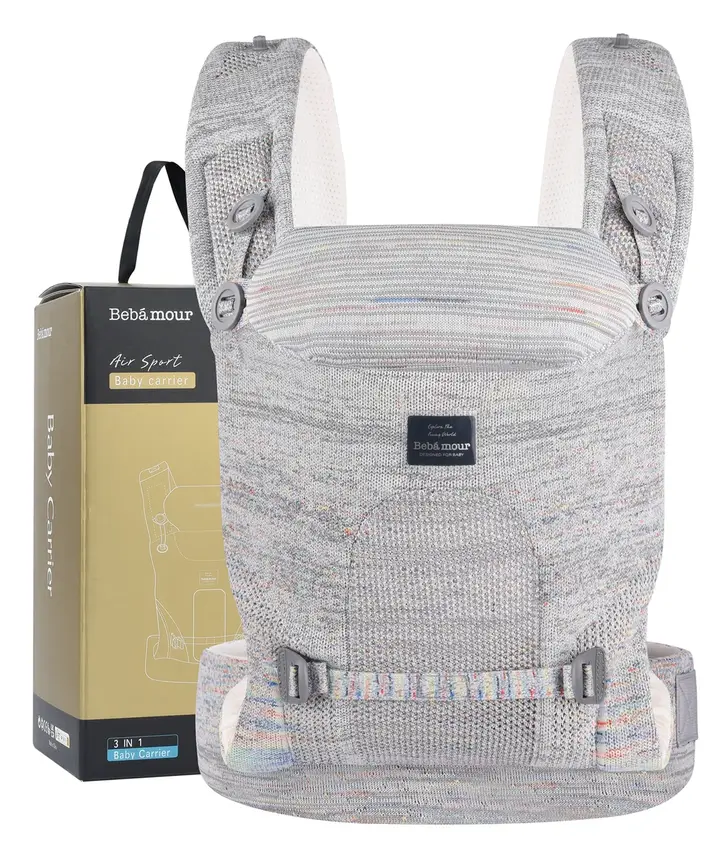
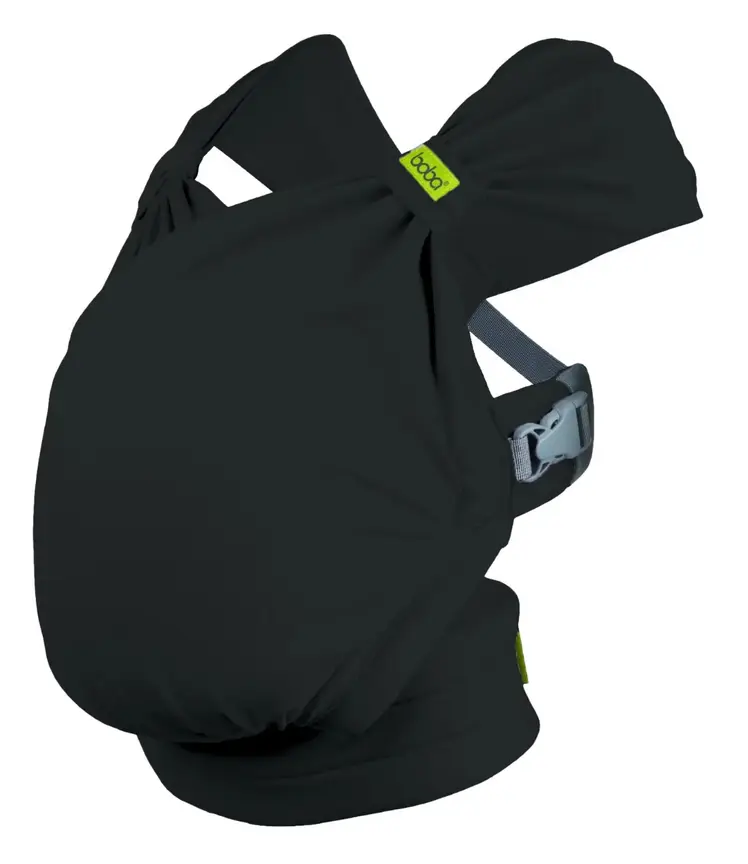


Boba Bliss
A stretchy carrier that clicks on like a buckle carrier. One size fits most parents.
Read our full review →
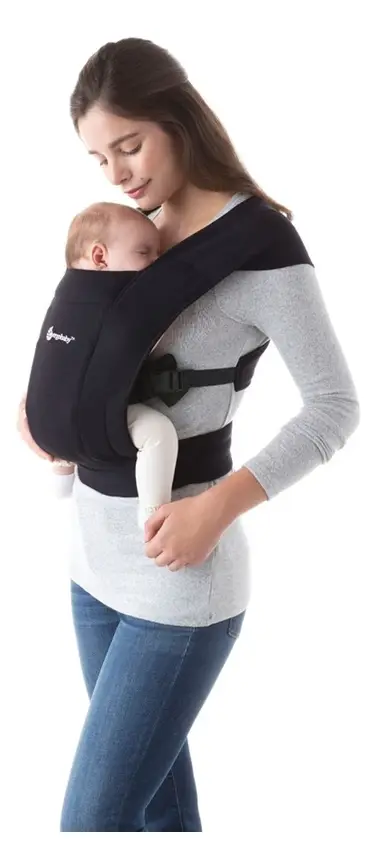


Ergobaby Embrace
A soft knit newborn carrier that buckles on, with no long wrapping.
Read our full review →Carrying positions by age stage
What works for a two-week-old baby is very different from what works for a ten-month-old. Match your carrying position to your baby's muscle strength, not just their age on the calendar.
| Age stage | Muscle milestones | Best carrying positions | What to watch out for |
|---|---|---|---|
| Newborn (0 to 3 months) | Little neck control; heavy head | Front carry, facing in, high on your chest | Keep airway clear; support the back of the head and neck; avoid curled pouch slings |
| 3 to 6 months | Stronger neck; holds head steady | Front carry, facing in; hip carry once head is steady | Check seat width so legs stay in an M-shape |
| 6 to 12 months | Sits up with little or no help | Front carry (facing in or short outward spells), hip carry, or back carry | Never let baby sleep facing outward; turn inward if they get tired |
| 12 months and up | Walking, heavier and more active | Back carry in a buckle carrier, woven wrap or framed hiking pack | Check carrier maximum weight limit and tighten waist belt on your hips |
Newborn stage (0 to 3 months)
Always carry a newborn on your front, facing your chest. Keep them high enough to kiss. Support the nape of their neck, but keep the back of their head free to tilt back slightly if needed. Make sure your shirt or beard does not block their nose or mouth.
Middle months (3 to 6 months)
Once your baby holds their head steady, they will want to look around. A hip carry in a ring sling or buckle carrier lets them see the world while still resting against you. Keep their face in view and their knees up in the M-position.
Sitting stage (6 to 12 months)
When your baby can sit up by themselves, back carrying opens up. Carrying on your back feels much lighter for dads on long walks. It also keeps your front clear for daily tasks.
Some carriers allow front outward-facing carries once your baby has full head control. Only use this position when your baby is awake and calm, and only for short spells. If your baby gets sleepy or overwhelmed, turn them around to face your chest right away.
Toddler stage (12 months and up)
Toddlers love to walk for five minutes and then demand to be carried. A lightweight buckle carrier or ring sling folds easily into a backpack for these moments. For big hikes, a framed backpack spreads the weight onto your hips.
Safety rules in Australia, the UK, the US and Canada
Safety rules for baby carriers focus on preventing falls, choking on small parts, fabric tears and suffocation. While the exact laws vary by country, the main safety checks are very similar.
| Country | Main safety bodies | Key carrier and sling rules |
|---|---|---|
| Australia | Product Safety Australia (ACCC), Red Nose, Raising Children Network | Check for strong seams, secure buckles, clear warnings and TICKS compliance. Avoid bag-style slings that curl the baby's chin to chest. |
| United Kingdom | Office for Product Safety and Standards (OPSS), The Lullaby Trust, NHS | Follow the TICKS rule, keep the baby's face clear, and buy from trusted sellers so buckles and stitching meet safety checks. |
| United States | Consumer Product Safety Commission (CPSC), American Academy of Pediatrics (AAP) | Federal safety rules apply to infant sling carriers and soft infant carriers. Keep the baby's face visible, airway open and chin off the chest. |
| Canada | Health Canada, Canadian Paediatric Society | Health Canada checks carriers for fall and suffocation hazards. Parents should check the Health Canada recalls page before buying or using secondhand gear. |
No matter where you live, skip cheap, unbranded carriers from unknown online marketplaces. Some counterfeit carriers use brittle plastic buckles that snap under weight or weak stitching that rips at the shoulder straps. Buy from trusted baby shops or direct from known makers, and check your government recall website if you are handed down an older model.
Common mistakes dads make (and how to fix them)
Even experienced parents make simple setup mistakes that make a carrier uncomfortable or unsafe. Here are the most common ones and how to fix them fast.
Wearing the waistband too low
Many men naturally buckle the waist belt low on their hips, like a pair of jeans. When the belt sits low, the baby's bum drops down and pulls forward on your lower back. Put the waistband high on your waist, near your belly button for a newborn. As your baby grows taller, you can lower the belt a little so their head still sits under your chin.
Leaving the straps too loose
A loose carrier lets your baby slump away from your chest. This strains your shoulders and lets your baby curl into a dangerous chin-to-chest curve. Tighten the shoulder straps until your baby feels like part of your body when you lean slightly forward.
Using a thick coat over the carrier incorrectly
In cold weather, never zip a bulky coat over your baby's head. Put your baby in the carrier wearing normal indoor layers, then wear an oversized coat or babywearing jacket open around the carrier, keeping their head and face completely uncovered in fresh air.
Dressing the baby too warmly
Your body acts like a heater, and the carrier acts like an extra layer of clothes. Dress your baby lightly in warm weather—often just a singlet and nappy—and use a sunhat if needed. Check the back of your baby's neck often. If it feels hot or sweaty, take off a layer or move into the shade.
Doing risky tasks while babywearing
Free hands make it tempting to do everything with your baby on your chest. Never cook over a hot stove, hold hot drinks, use power tools, ride a bike, ski, skate or run with a baby in a regular carrier. Never wear a baby carrier in a car instead of a proper car seat.
Caring for your back and looking after your carrier
Carrying an extra five to twelve kilograms on your front changes your balance. Start with short carries of ten or fifteen minutes so your back and core muscles get used to the weight. Keep both shoulder straps tightened evenly so you do not lean to one side.
For a front carry, use the chest clip across your shoulder blades and slide it down a few centimetres below your neck. If the clip sits too high, it pulls on your neck and gives you a headache. Putting the clip lower lets your shoulder muscles take the load.
Look after your carrier so the straps and buckles stay safe:
- Check stitching, buckles, Velcro and metal rings every month for cracks, frays or loose threads.
- Clip all buckles shut before washing the carrier in a cold, gentle machine cycle, or wash it by hand.
- Air dry your carrier out of harsh direct sun, which can weaken nylon webbing over time.
- Use soft cotton drool pads on the shoulder straps if your baby chews on the fabric while teething.
More options, from budget to premium
Real products from our catalogue. We don't show star ratings or review counts; check the current price, stock and reviews on Amazon before you buy.
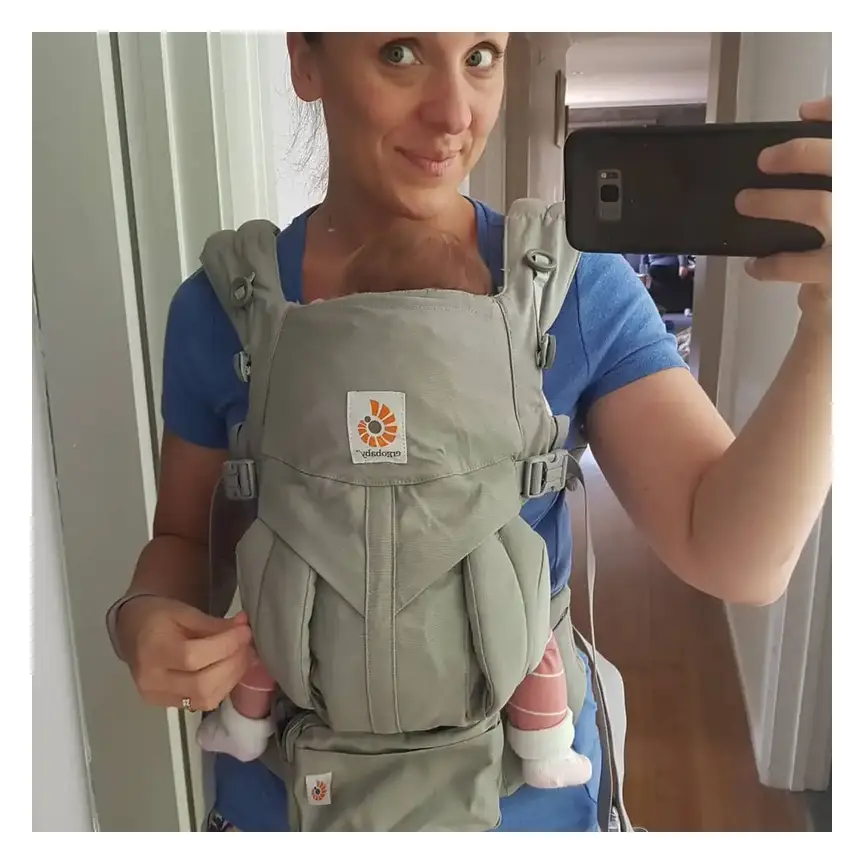
Ergobaby Omni 360 Cool Air Mesh Baby Carrier
All-position carrier
 Reviewed
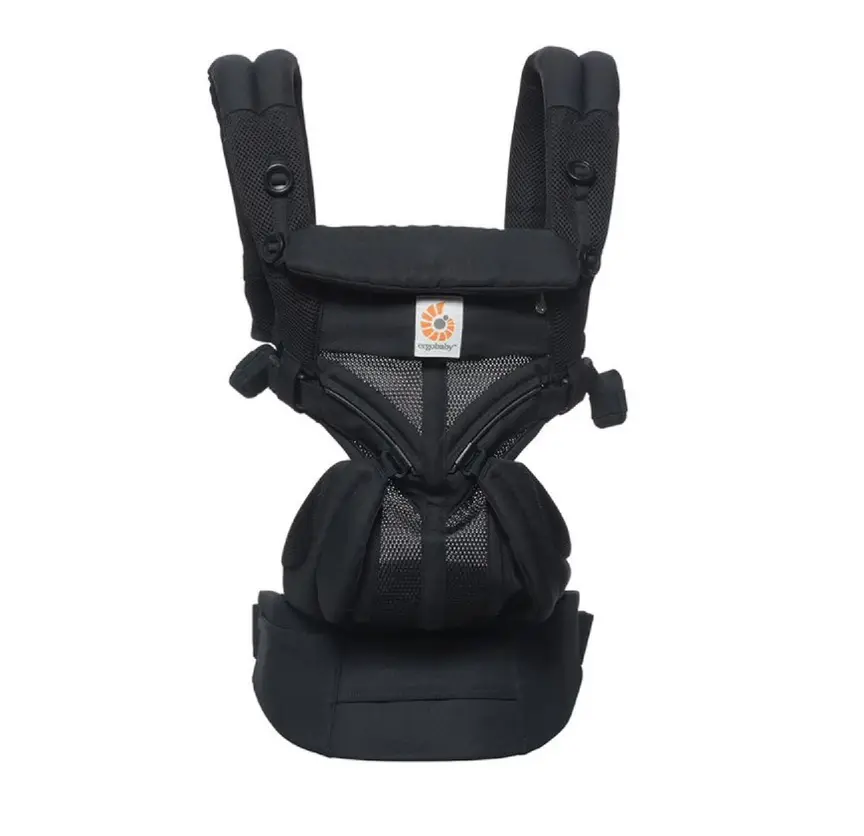
Ergobaby Omni Classic Mesh
An all-position mesh carrier from newborn to toddler with no insert needed.
Read our full review →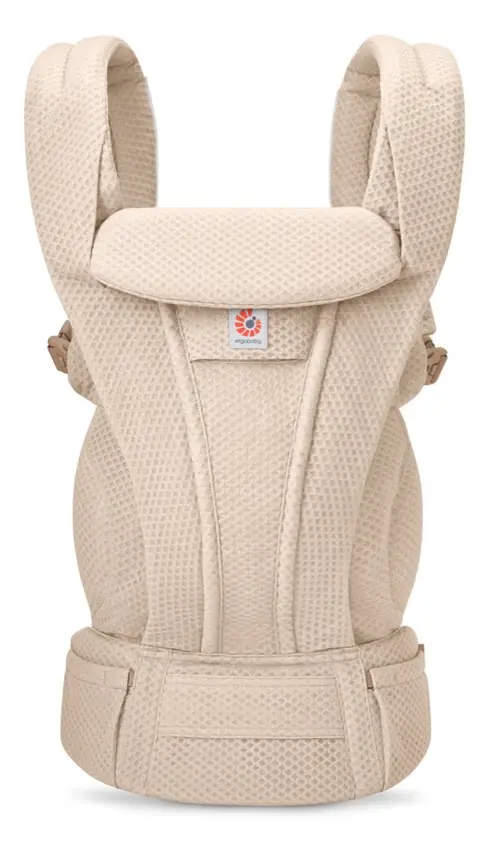 Reviewed
Ergobaby Omni Deluxe Mesh
The top Omni carrier, with 6 storage spots and strap markers that make it easy to swap between parents.
Read our full review →Frequently asked questions
Can a dad wear a newborn from day one?
Yes, as long as your baby meets the carrier's minimum weight and is healthy. Check the label first, because many carriers start at 3.2 kg or 3.5 kg. If your baby was born early or has a low birthweight, ask your doctor or midwife before babywearing.
How do two parents of different sizes share one carrier?
Choose a carrier with quick-adjust buckles and long straps, or a tie-on carrier with no buckles at all. Before handing it over, loosen the shoulder straps fully so the next person can tighten them to fit. If one parent is much taller or broader and you both use the carrier every day, buying two separate carriers can save a lot of hassle.
Is facing outward safe for my baby?
Facing outward is only for babies who have strong head and neck control, usually from about four to six months, and only in a carrier designed for it. Keep outward carries short, around fifteen to twenty minutes, and never let your baby sleep facing out. When facing out, their head has no support and can flop forward.
Can my baby sleep in a carrier?
Yes, many babies nap well in a carrier while you are awake and moving around. You must follow the TICKS rules the whole time they sleep. Keep their face completely visible, their chin off their chest, and their airway clear, and never fall asleep yourself while wearing your baby.
What should my baby wear in a carrier on hot days?
Dress your baby in one light cotton layer, or just a nappy and singlet on very hot days. Remember that the carrier fabric and your own body heat warm them up fast. Keep their legs and head shaded from the sun, and check their chest or neck often for sweat.
Is it safe to buy a secondhand baby carrier?
It can be, as long as you inspect it carefully first. Check your national recall website (such as Product Safety Australia, OPSS in the UK, CPSC in the US or Health Canada) to make sure the model was not recalled. Check every buckle for hairline cracks, pull firmly on all seams, and make sure the manual is included or available online.
Sources
- Raising Children Network – Baby carrier, sling and backpack safety
- Red Nose Australia – Slings and baby carriers
- Product Safety Australia – Baby carriers, wraps and slings guide
- The Lullaby Trust (UK) – Baby slings and carriers
- NHS Cheshire and Wirral Partnership – TICKS rule for safe babywearing (PDF)
- U.S. CPSC – Safe babywearing and sling suffocation warning
- International Hip Dysplasia Institute – Baby wearing
- Health Canada – Recalls and safety alerts
Related guides
More Clothing & Accessories →
Dad's Day Out: How to Choose a Safe, Comfortable Baby Carrier

Hiking with Toddlers: How to Choose and Use a Safe Hiking Carrier

How to Choose a Baby Carrier: Wraps, Slings, Soft Carriers and Hiking Packs
