











How to Baby-Proof Your Kitchen: Simple Steps for a Safer Space
Make your kitchen safer for babies and toddlers with clear steps for cupboards, cooking, hot drinks, appliances, food, and everyday supervision.
On this page
- Start with a kitchen safety check
- Keep cupboards and drawers closed
- Keep children away from cooking and hot items
- Store chemicals and medicines safely
- Make appliances, cords, and furniture safer
- Use gates with care
- Keep the floor and eating area safe
- Safety by age and stage
- Choose a setup that fits your home
- Official guidance in four countries
- Common mistakes to avoid
- A quick routine for busy days
- Frequently asked questions
- Sources and further guidance
- Sources
Short answer: Keep your child away from cooking, hot surfaces, sharp tools, medicines, cleaning products, and small objects. Store dangerous items high or behind child-resistant locks. Use a safety gate if it suits your home, but do not rely on it alone. Keep your child within sight and reach when you cook. Check the room again as your child learns to crawl, climb, and open things.
Kitchen proofing means changing the room to reduce common dangers. It cannot make the kitchen risk-free. A lock can fail. A child can learn to move a chair. Supervision and safe habits still matter.
Start with a kitchen safety check
Get down to your child’s height. Look across the floor and under tables. Notice what your child can reach from the floor, a chair, or an open drawer. Then walk through the room as you would while carrying food or using a hot pan.
Look for these hazards first:
- Knives, peelers, scissors, skewers, and other sharp tools.
- Cleaning sprays, detergents, dishwasher tablets, and other chemicals.
- Medicines, vitamins, alcohol, and nicotine products.
- Hot pans, kettles, hot drinks, ovens, and cooktops.
- Plastic bags, cords, magnets, batteries, and small objects.
- Heavy appliances, unstable furniture, and dangling tablecloths.
- Food that could cause choking or an allergic reaction.
Check the floor after every meal and cooking session. A dropped grape, nut, coin, or piece of packaging may be hard to spot. Sweep or vacuum before letting a baby play there.
Make a simple plan for the room. Choose one safe place where your child can stay while you cook. It might be a play area outside the kitchen, a high chair used correctly, or a safe room separated by a suitable gate. Keep the plan realistic for your home.
Keep cupboards and drawers closed
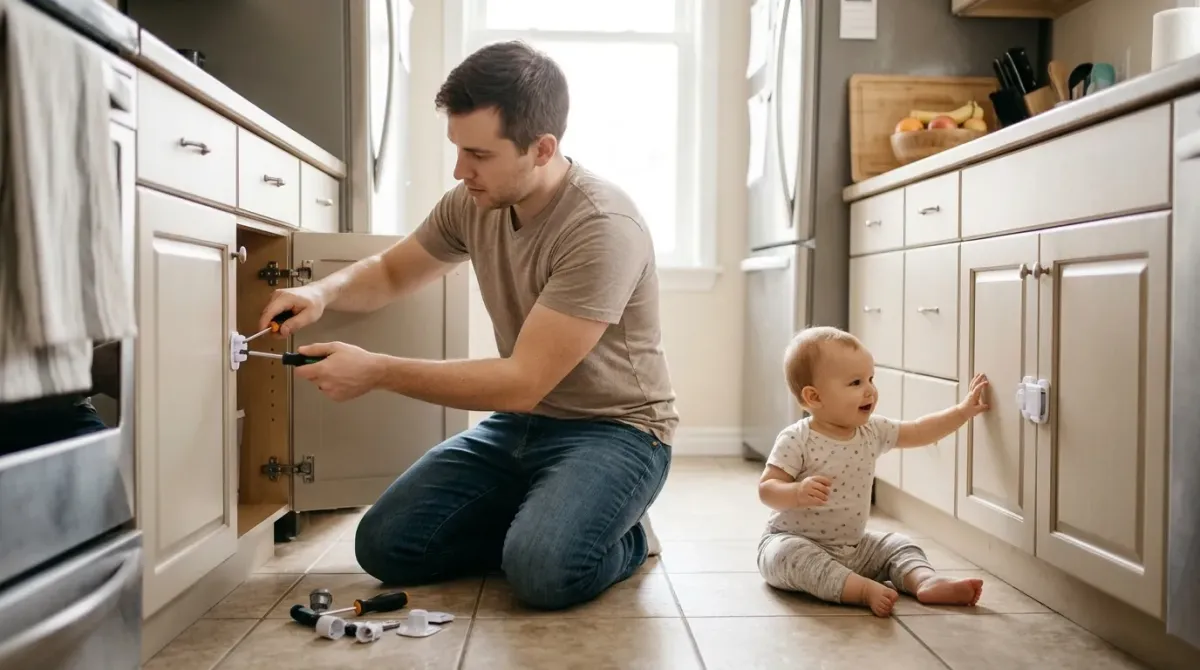
Children often explore cupboards before they understand what is inside. Put dangerous items in a high cupboard, then add a suitable child-resistant lock. Where possible, use both steps. A lock is a backup. It is not a reason to store dangerous products within easy reach.
Prioritise locks on cupboards and drawers that hold:
- Knives and other sharp tools.
- Cleaning products and dishwasher supplies.
- Medicines and supplements.
- Alcohol, matches, lighters, and batteries.
- Glass items, heavy cookware, or small objects.
Keep food containers and safe cooking tools in lower cupboards if you want your child to explore. Put only items that are safe to handle there. Check that lids cannot break off, small parts cannot come loose, and containers cannot trap fingers.
There are several types of cupboard lock. The best choice depends on your cupboard and how it opens.
- Inside-mounted locks sit inside the cupboard. They are less visible, but fitting them may take more work.
- Adhesive locks attach to the outside. Follow the maker’s steps for cleaning and fitting. Check them often, because the sticky pad can loosen.
- Sliding locks join handles or knobs. They may not fit every handle shape, and children may learn how to move them.
- Magnetic locks stay inside the cupboard and open with a matching key. Keep that key out of your child’s reach.
Do not assume a lock fits because its package shows a similar cupboard. Test it on your own door or drawer. Follow its fitting instructions. Open and close it several times. Then pull gently on the door to check that it stays shut.
Look at locks each week and after cleaning. Replace a cracked lock or one that has come loose. Do not use a lock if it makes a drawer unsafe for an adult to open quickly. Ask another adult to help if a child might be locked inside a cupboard or trapped by a faulty fitting.
Keep children away from cooking and hot items
Hot liquids and cookware can burn a child in seconds. A child may reach a handle before you see them move. Create a clear rule: children stay away from the cooktop while it is on and while hot items cool.
When you cook:
- Use the back burners when they are suitable for the meal.
- Turn pot handles towards the back or centre of the cooktop.
- Keep pan handles away from the edge of the bench.
- Keep children away from the oven door and hot trays.
- Do not carry a hot drink while carrying a child.
- Put hot food and drinks well back from bench edges.
- Do not leave a child alone near a hot appliance.
A cooktop guard may help in some kitchens. It cannot stop every reach or spill. Check that it fits the appliance and does not create a new hazard. Follow the maker’s fitting and cleaning instructions. Do not let the guard replace close supervision.
Use a kettle with a short, tidy cord. Place it well back from the bench edge. Do not leave the cord hanging where a child can pull it. Keep cups of tea and coffee away from table edges and places where a child can grab them.
Keep matches and lighters locked away. Treat the oven, dishwasher, and any heated appliance as unsafe until cool. An indicator light may not show whether a surface is safe to touch. Use the appliance instructions and your own judgement.
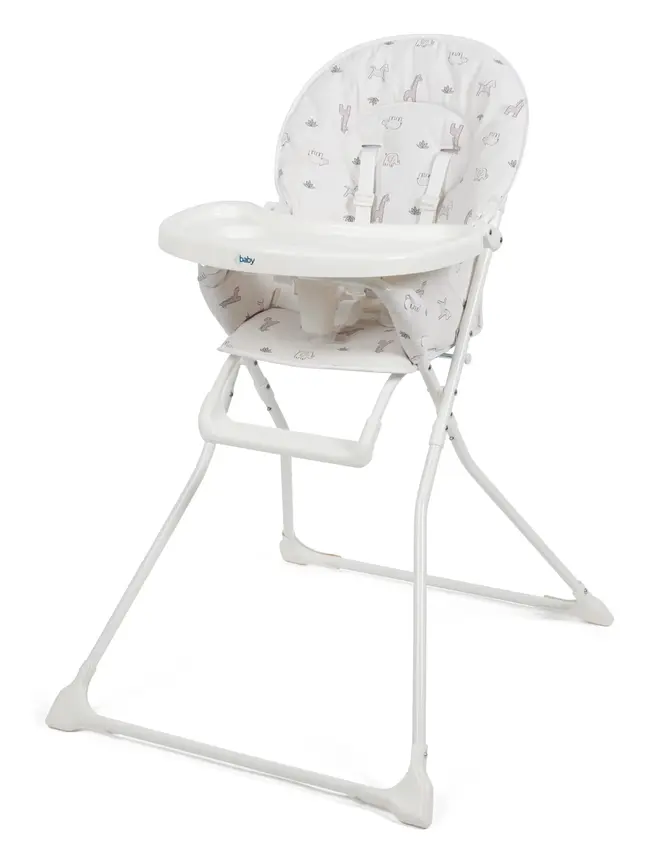
Never leave a baby or toddler alone in a high chair near cooking. If your child is in a high chair, use it only as directed and keep the chair away from hot food, cords, and the cooktop. A high chair is for eating while supervised, not for parking a child while you leave the room.
Health & Safety Gates worth a look
Real products from our catalogue. We don't show star ratings or review counts; check the current price, stock and reviews on Amazon before you buy.
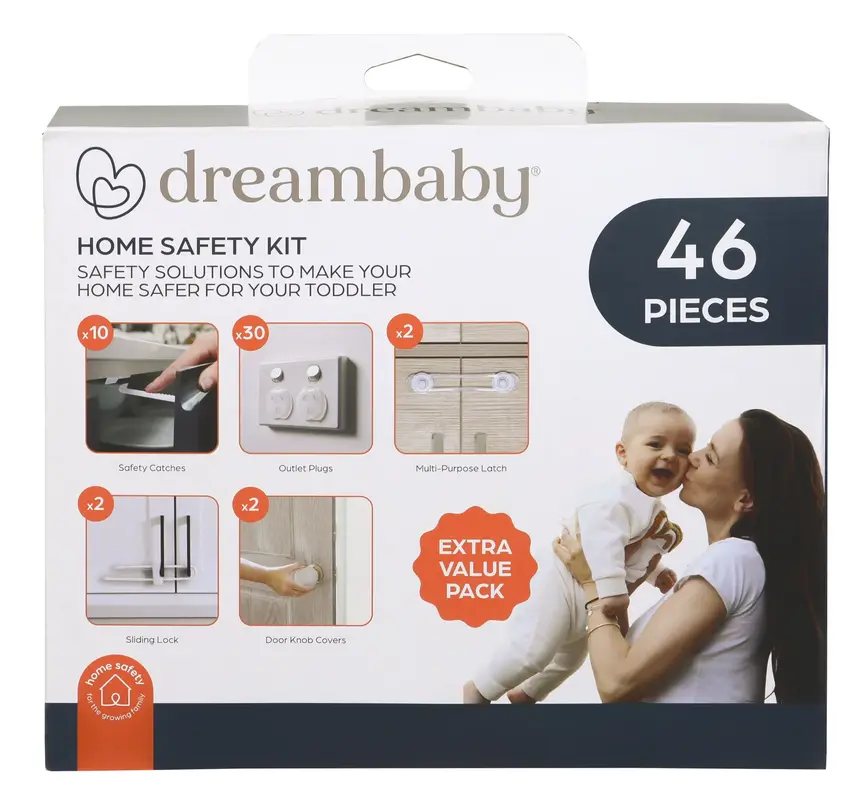
Dreambaby Home Safety Essentials Kit (46 pieces)
A 46-piece starter kit of latches, socket covers and corner guards for baby-proofing a home.

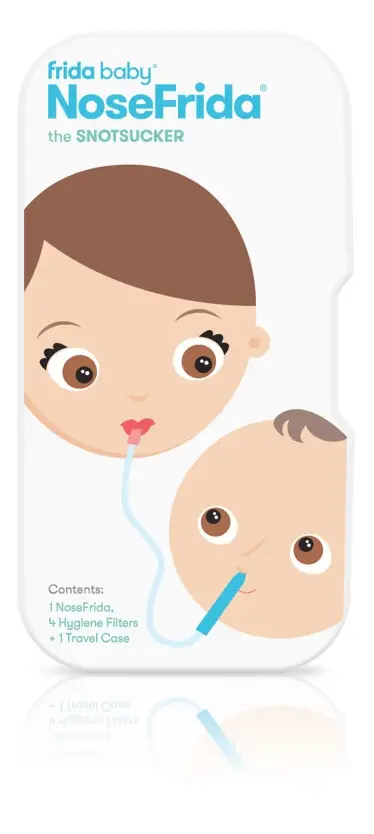
Frida Baby NoseFrida (with travel case)
A suction tube for clearing a blocked baby nose. A filter sits between the tube and your mouth.
Read our full review →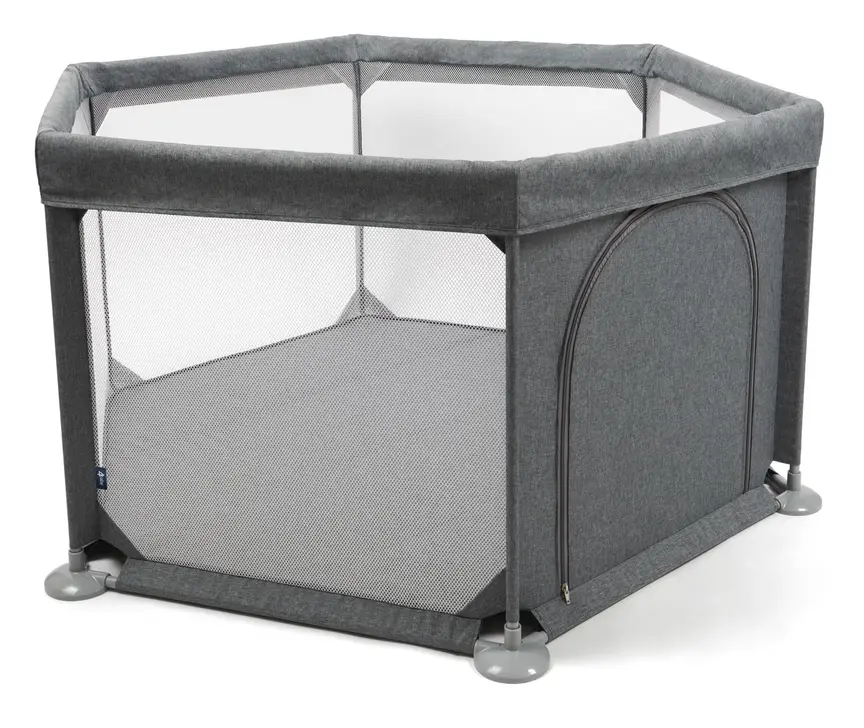
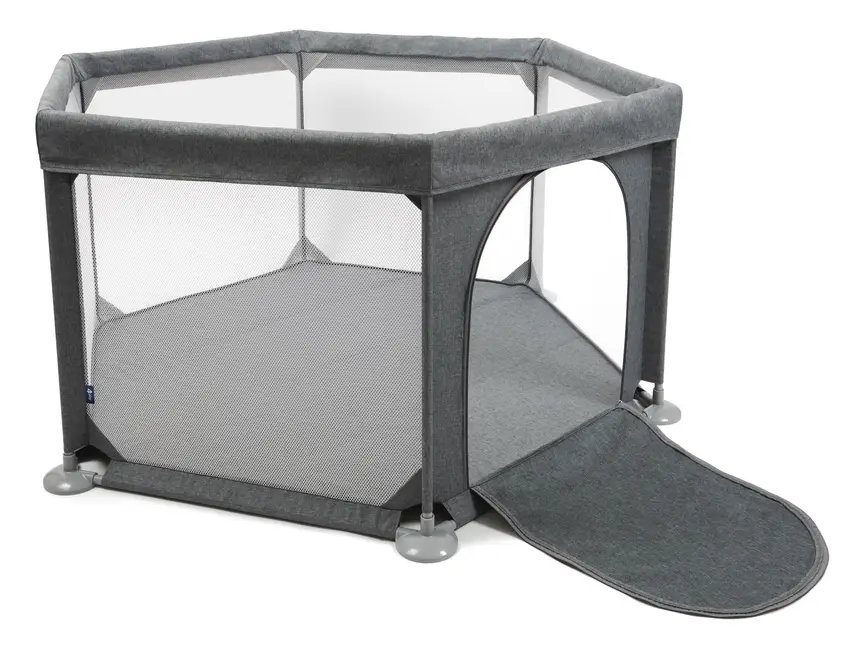
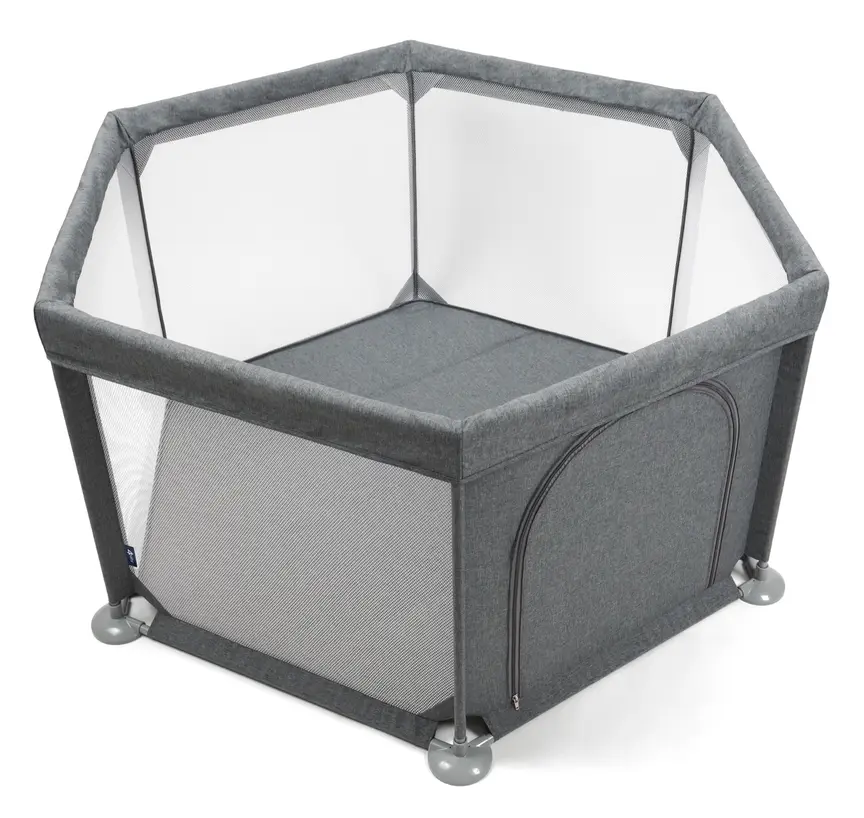
4baby Hex Playpen
A six-sided mesh playpen with a zip door. It packs into a carry bag.
Read our full review →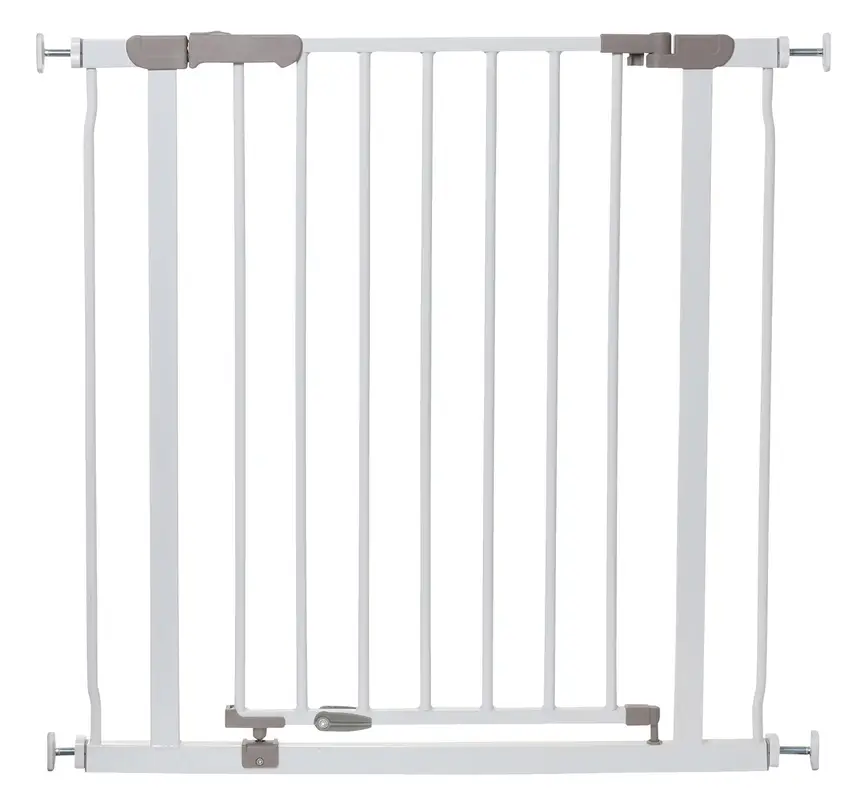
4baby Safety Gate
A low-cost pressure-mounted gate with a double lock. It opens both ways with one hand.
Store chemicals and medicines safely
Cleaning products can harm a child if swallowed, splashed into the eyes, or spilled on skin. Dishwasher tablets and laundry capsules can look like toys or sweets. Keep every chemical in its original container, with its label and lid. Do not pour it into a drink bottle or food jar.
Store chemicals high and behind a locked door. Keep them separate from food and cooking tools. Put products away right after use. Do not leave a spray bottle on the floor or beside the sink, even for a short task.
Keep medicines, vitamins, and supplements in their original packaging. Put them in a high, locked cupboard. Do not call medicine “lollies” or take it where a child can copy you. If a medicine spills, clean it up at once and check the floor.
Do not mix cleaning products. Some combinations can give off harmful fumes. Follow the label, use the product as directed, and keep children out of the area while you clean. Store products where a child cannot reach them, even if the container has a child-resistant cap.
If you think your child has swallowed or touched something harmful, contact your local poison advice service or emergency service straight away. Keep the product container nearby so you can read its name and ingredients. Do not wait for symptoms or try to make your child vomit unless a health professional tells you to.
Make appliances, cords, and furniture safer
Keep appliance cords short and out of reach. A child may pull a cord and bring a heavy or hot appliance down. Unplug small appliances when you finish using them, then put them away. This also helps prevent a child from turning them on.
Keep toasters, kettles, air fryers, blenders, and slow cookers well back from the edge. Put them away when practical. Check that cords do not hang over the bench or cross a walkway.
Do not let a child climb on drawers or open dishwasher doors. A child can fall, tip the appliance, or touch sharp items. Close the dishwasher after loading. Put knives and forks away as soon as you can. Keep detergent locked away.
Secure tall, narrow furniture and shelving according to the maker’s instructions. Keep heavy items on lower shelves. Do not place tempting objects where a child must climb to reach them. Move chairs and stools away from benches and the cooktop.
Use a stable high chair on a level floor. Follow its instructions for straps, tray, and foot support. Keep the chair away from walls, tables, and benches that a child could push against. Never leave a child unattended in it.
Keep plastic bags, cling film, and packaging out of reach. Store them in a closed drawer or cupboard. Put them away after unpacking groceries. Keep cords from blinds and small appliances away from places where a child sits or plays.
Use gates with care
A gate can help keep a baby or toddler out of the kitchen. It can also give you a clear boundary while you cook. Choose a gate that fits the opening and follow its instructions. Check the latch and fixings often.
Think about how adults will move through the space. A gate that blocks a main route may be left open when you need it most. Choose a design that adults can open and close easily. Keep the path clear so no one trips while carrying food or a child.
Pressure-mounted gates press against walls or door frames. They may suit some doorways, but they can shift if pushed. Do not use one where a fall could happen on the other side, such as at the top of stairs. A fixed gate may be more suitable there. Check the gate maker’s instructions for its intended use.
Do not place furniture beside a gate. A child may climb over it. Do not step over a gate while holding a child or hot food. Use the latch every time. A gate only works when it is closed and fitted correctly.
A gate is one part of your plan. It does not replace supervision. Children can learn to open latches, climb, or move objects to reach the other side. Recheck the setup as your child grows.
Keep the floor and eating area safe
Babies explore with their hands and mouths. Keep the floor clear of dropped food, packaging, and small objects. Look under chairs and tables after meals. Check around bins and pet bowls as well.
Use a lidded bin if your child can reach it. Keep the bin stable and away from places where a child can climb. Put broken glass, sharp cans, and food scraps away at once. Do not let a child play with bin liners.
Serve food in a safe place, with your child seated and watched. Follow age-appropriate feeding advice from a trusted health service. Cut food into shapes and sizes that suit your child’s eating skills. Keep small hard foods and other choking hazards away from babies and young children.
Do not let a child walk, run, or play with food in their mouth. Stay close while they eat. Learn what to do if a child chokes, and keep local emergency numbers available. A first aid course can help adults feel ready to act.
Keep pets away from a child’s meal and food area. A child may grab a pet’s food, and a pet may guard its bowl. Feed pets in a place your child cannot reach. Supervise every interaction between a child and an animal.
Safety by age and stage
Age can give a rough guide, but children develop at different speeds. Base your changes on what your child can do now. A child who is not yet crawling may still roll, reach, or pull at a cloth. A toddler may climb before they can explain what is unsafe.
| Stage | What your child may do | Kitchen steps to review |
|---|---|---|
| Newborn to rolling | Reach, kick, and begin to roll. | Keep hot drinks and sharp items away from the changing or feeding area. Never leave a baby on a bench or table. |
| Crawling and pulling up | Move across the floor, open low doors, and pull on objects. | Lock low cupboards. Clear the floor. Move cords, bins, and stools out of reach. |
| Early walking | Carry objects, reach higher, and lose balance often. | Keep the cooktop clear of handles and hot items. Use a safe boundary. Keep sharp tools locked away. |
| Climbing and curious play | Move chairs, climb, and test latches. | Move climbable furniture. Recheck locks and gates. Keep chemicals and medicines high and locked. |
| Older toddler | Copy adults and understand simple rules. | Teach “hot”, “stop”, and “ask first”. Keep adult supervision and safe storage in place. |
Keep teaching simple. Say “hot, stop” near the oven. Show where your child may play. Praise them for staying in the safe area. Do not expect a young child to remember a rule every time.
Side by side: more health & safety gates to compare
Real products from our catalogue. We don't show star ratings or review counts; check the current price, stock and reviews on Amazon before you buy.
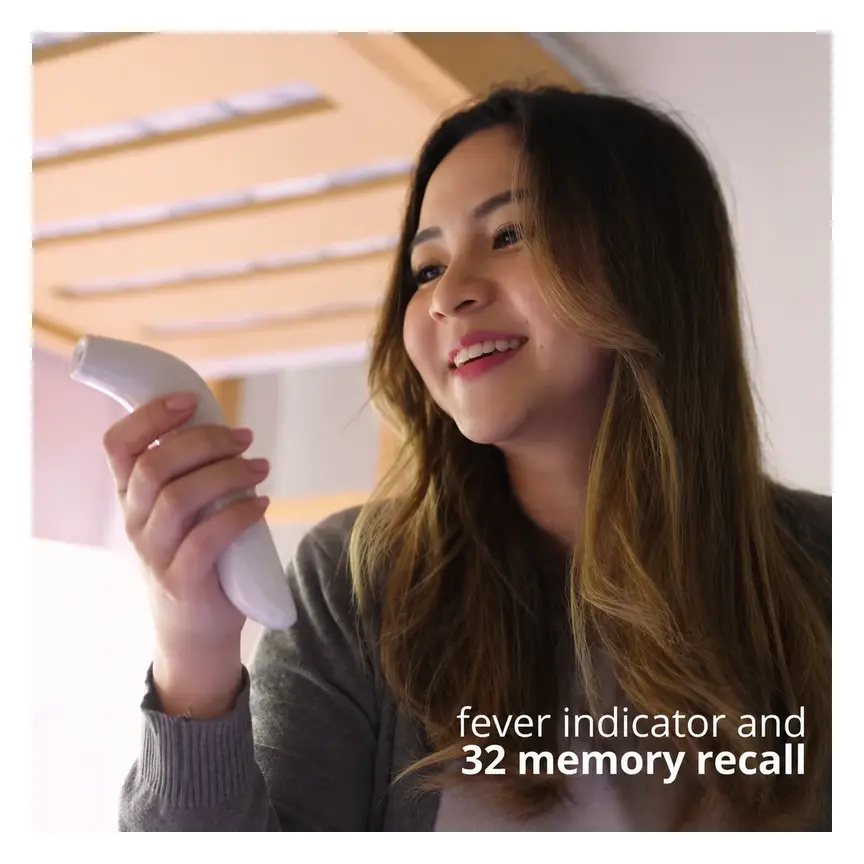
Cherub Baby 4-in-1 Ear and Forehead Thermometer
2-in-1 thermometer

Cherub Baby Ear & Forehead Thermometer
Reads the ear or forehead in about 1 second, with a colour fever light and a fever alarm.


Dreambaby Cosmopolitan Security Gate
A metal-and-timber pressure-fit gate that opens both ways and can stay open.
Choose a setup that fits your home
No one lock or gate suits every kitchen. Check what you need to block, how the furniture is built, and who uses the room. A solution that adults dislike may be left unused. Practise opening it while keeping your child out of danger.
| Option | May help with | Check before use |
|---|---|---|
| High storage | Keeping chemicals, medicines, and sharp items out of reach. | Children may climb. Use a lock too where needed. |
| Cabinet or drawer lock | Blocking access to a specific cupboard or drawer. | Fit, latch strength, wear, and adult access. |
| Safety gate | Creating a boundary at a doorway or room opening. | Correct fitting, safe placement, and easy adult use. |
| Safe lower cupboard | Giving a child a place for safe exploration. | Keep it free of small parts, breakable items, and hazards. |
| Play space outside the kitchen | Keeping a child away while an adult cooks. | Use a safe space and check on your child often. |
Renters can ask the property owner about fixed fittings. Adhesive products may suit some surfaces, but they can damage paint or fail on rough surfaces. Test and check them as directed. If a fitting does not stay secure, choose another approach.
In a small kitchen, keep walkways clear. Do not put a gate where it blocks a needed exit. Use a safe play space nearby, and keep hot work areas separate from the child’s space. If several adults share the home, agree on the same rules.
Official guidance in four countries
Kitchen hazards are similar across countries. Advice from public safety and child health groups can help families plan. The exact rules and services differ by place.
| Country | Useful official body | What to check |
|---|---|---|
| Australia | Product Safety Australia, part of the ACCC; Kidsafe Australia; Healthdirect Australia. | Home safety advice, product recalls, and local poison or emergency help. |
| United Kingdom | RoSPA; NHS; the Office for Product Safety and Standards. | Child safety advice, product safety alerts, and local urgent care guidance. |
| United States | U.S. Consumer Product Safety Commission; American Academy of Pediatrics. | Product recalls, childproofing advice, and poison control contact details. |
| Canada | Health Canada; Canadian Paediatric Society; Parachute Canada. | Product alerts, injury prevention advice, and local poison centre contacts. |
Use the safety advice for the country where you live. If a product is recalled, stop using it and follow the recall instructions. Check for recalls before buying second-hand gates, locks, or other child safety products.
Common mistakes to avoid
- Relying on supervision alone. Adults can be distracted. Use safe storage and barriers as well.
- Relying on a lock alone. Locks can loosen, break, or be worked out. Check them often.
- Leaving a gate open. Close and latch it each time.
- Putting a hot pan near an edge. Handles and hot food should stay well away from children.
- Leaving a kettle cord hanging. A child can pull the kettle down.
- Keeping chemicals under the sink without a lock. A child can open a door before you notice.
- Using a high chair as a safe place while you leave. A child can fall or reach a nearby hazard.
- Leaving food on the floor. Babies may put it in their mouths before you see it.
- Expecting a child to obey every time. Keep the room safe even after teaching a rule.
- Forgetting to check again. New skills change what your child can reach.
A quick routine for busy days
A short routine can make kitchen safety easier to keep up. Before cooking, move your child to the chosen safe place. Close and latch the gate if you use one. Put away knives, chemicals, and medicines. Move cords and hot drinks out of reach.
While cooking, keep your child in sight. Turn pan handles away. Keep the floor clear. If you need to answer the door or leave the room, turn off the heat first when safe to do so. Take your child with you or place them somewhere safe.
After cooking, put knives and hot items away. Keep the oven and cooktop off. Wait until surfaces and food are cool before letting your child nearby. Sweep the floor and return chemicals to locked storage.
When another adult takes over, tell them what is hot, what is locked, and where the child will be. A clear handover helps prevent gaps in supervision.
Frequently asked questions
When should I start baby-proofing the kitchen?
Start before your baby can move around. Babies can roll and reach earlier than expected. Check the room again when your child begins crawling, standing, or climbing.
Do I need to lock every cupboard?
Lock cupboards and drawers with hazards first. These include chemicals, medicines, knives, glass, and small objects. A lower cupboard with safe items may be left for supervised exploration.
Are adhesive cupboard locks safe for renters?
They may work on some surfaces when fitted as directed. Check the surface, let the adhesive set as instructed, and test the lock. Replace it if it loosens. Ask your property owner before fitting anything that could damage a surface.
Can a safety gate keep my child safe while I cook?
A correctly fitted gate can help keep your child out of the kitchen. It does not replace supervision. Keep the gate latched, check its fittings, and do not place furniture beside it.
Where should I store cleaning products?
Keep them in their original containers, high and behind a locked door. Put them away straight after use. Do not store them in drink bottles or food containers.
What should I do if my child gets into a chemical?
Contact your local poison advice service or emergency service at once. Keep the container nearby so you can give its name and details. Do not wait for symptoms or make your child vomit unless a health professional tells you to.
Is a high chair a safe place while I cook?
Only while your child is seated correctly and watched. Keep the chair far from hot food, cooktops, cords, and objects they can pull. Do not leave your child alone in it.
How often should I check locks and gates?
Check them regularly, such as during your weekly home check. Also check after cleaning, moving furniture, or noticing your child can open them. Fix loose fittings straight away.
What if my child keeps opening a locked cupboard?
Move the hazard to a higher locked place. Replace or refit the lock, then test it. Keep supervising, because children may learn how a device works.
More options, from budget to premium
Real products from our catalogue. We don't show star ratings or review counts; check the current price, stock and reviews on Amazon before you buy.
 Reviewed
Dreambaby Freedom Security Gate
A low-cost metal gate that opens both ways. A stopper can make it open one way only, for stairs.
Read our full review →
Dreambaby Freedom Xtra-Wide Hallway Gate
A wide metal gate for hallways. It opens both ways and can stay open.

Dreambaby Freedom Glide N Hide Retractable Gate
A roll-away mesh gate that fits gaps from 60 to 140 cm and hides away when open.
Sources and further guidance
- American Academy of Pediatrics: Childproofing your home
- NHS: Baby and toddler safety
- RoSPA: Child safety at home
- Product Safety Australia: Recalls
- Healthdirect Australia
- Health Canada: Recalls and safety alerts
- Canadian Paediatric Society: Safety and injury prevention
This article gives general information, not personal medical advice. Follow local emergency guidance and ask a health professional about your child’s needs. Some links may be affiliate links. If you buy through one, BabyGearFinder may earn a commission at no extra cost to you.
Sources
Related guides
More Parental Tips →
Swaddling Your Baby: Possible Benefits, Safe Steps, and When to Stop
Preparing Your Toddler for a New Baby: Simple Ways to Help Them Adjust

Helping Your Baby Sleep Through the Night: A Simple, Safe Guide
