Summer Heat and Sun Safety for Infants: Pram Airflow, Hydration, and Mineral Sunscreen
Keep your baby cool and sun-safe in summer. Learn safe pram airflow, hydration rules by age, mineral sunscreen tips, and heatstroke warning signs.

On this page
- Key points
- Why babies overheat and burn faster than adults
- Stroller and pram airflow: never cover the opening
- Hydration rules by age: milk, water, and signs of dehydration
- Sunscreen rules: when to start and why mineral formulas help
- Clothing, hats, and sunglasses for babies
- Car safety, baby carriers, and heat exhaustion warning signs
- Official guidance in Australia, the UK, the US and Canada
- Common summer mistakes to avoid
- Frequently asked questions
- Sources
Short answer: Keep babies under 6 months out of direct sun. Leave your pram open so air can flow through. Never drape a blanket or muslin wrap over the hood. Offer extra breastmilk or formula on hot days. Only give plain water to babies aged 6 months and older. From 6 months up, use broad-spectrum, water-resistant sunscreen on bare skin alongside shade, hats, and light clothes.
This advice is the same across Australia (Cancer Council Australia and Pregnancy, Birth and Baby), the UK (NHS and The Lullaby Trust), the US (American Academy of Pediatrics), and Canada (Canadian Paediatric Society and Health Canada).
Key points
- Pram airflow: Never cover a pram or stroller with a cloth or blanket. It traps heat inside.
- Under 6 months: Shade, loose clothes, and a hat come first. Do not rely on sunscreen.
- 6 months and older: Use broad-spectrum sunscreen with SPF 30 or higher (SPF 50+ in high UV). Mineral formulas with zinc oxide or titanium dioxide are gentler on baby skin.
- Fluids: Breastmilk or formula is all a baby under 6 months needs. Start small sips of cooled boiled water from 6 months.
- Cars: Never leave a baby alone in a parked car, not even for one minute.
- Heat check: Feel the back of your baby's neck or tummy. Sweaty skin or a flushed face means they are too hot.
Why babies overheat and burn faster than adults
Babies are not small adults. Their bodies handle heat and sun very differently from ours. Understanding why helps you protect them before trouble starts.
1. Babies cannot cool down easily
Adult bodies sweat to cool down. Sweat evaporates off our skin and takes heat away. Young babies do not sweat as well as older kids or adults. Their body temperature rises much faster in warm weather. If a room or pram gets too hot, a baby can overheat quickly.
2. Baby skin is very thin
A baby's outer skin layer is thin and delicate. It also has very little melanin. Melanin is the natural pigment that gives skin its colour and offers some protection from the sun. Because babies have less melanin, ultraviolet (UV) rays pass into their skin more easily. UV rays are invisible rays from the sun that cause sunburn and skin damage.
3. Damage happens even on cool days
UV rays are not the same as heat. You can get sunburnt on a cool, breezy, or cloudy day. Clouds block some light, but plenty of UV still gets through. Sunburn in the early years raises the risk of skin cancer later in life. Protecting your baby's skin now makes a lifelong difference.
Prams & Strollers worth a look
Real products from our catalogue. We don't show star ratings or review counts; check the current price, stock and reviews on Amazon before you buy.
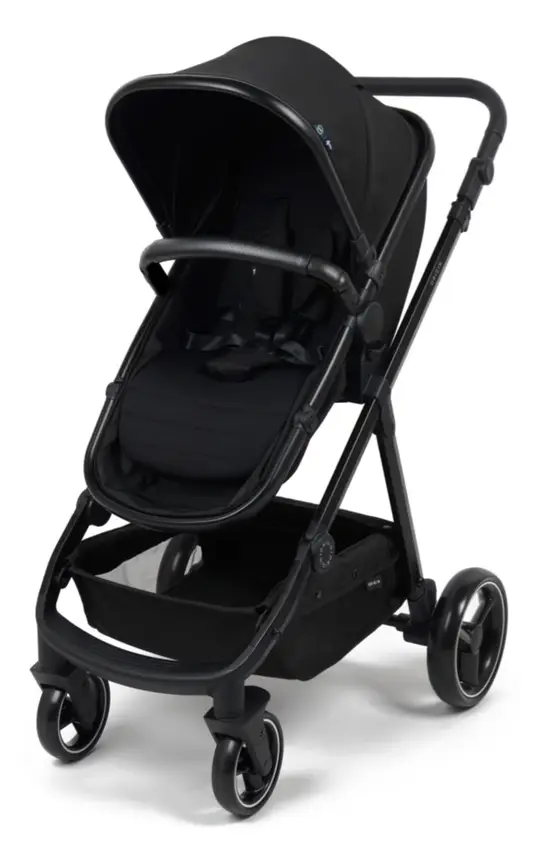
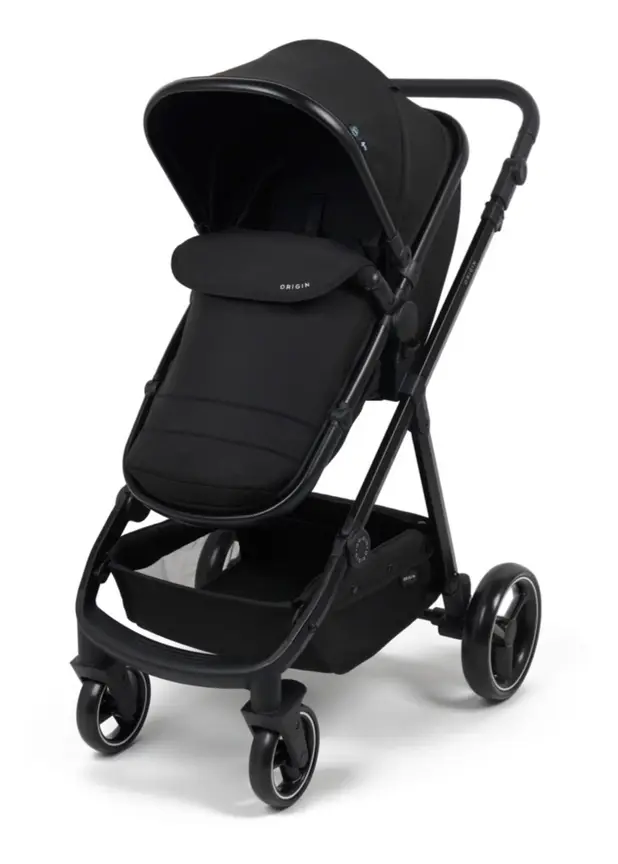
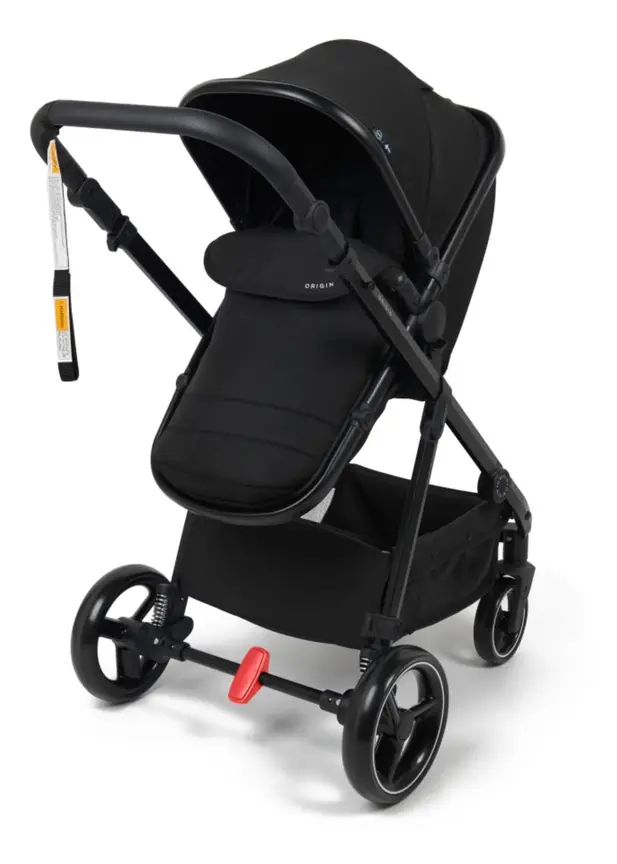
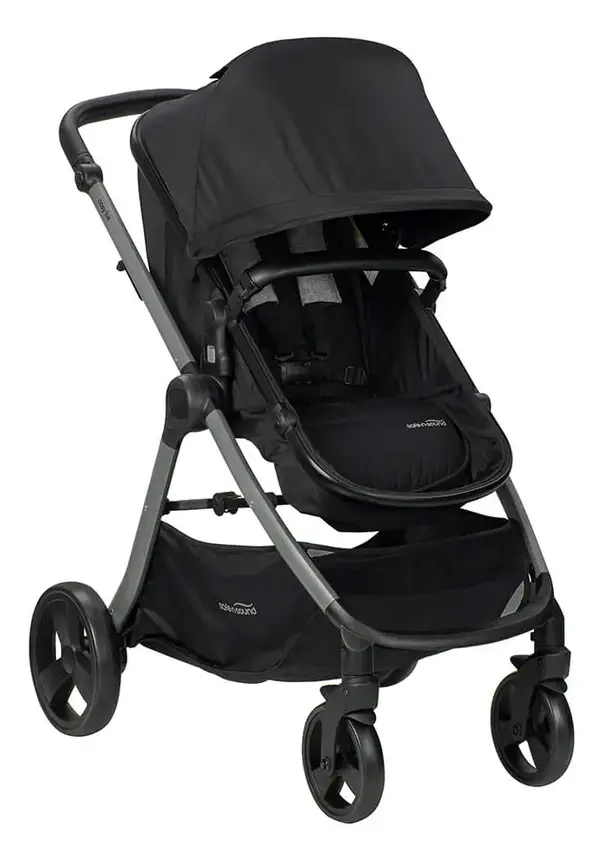
4baby Origin Stroller
A budget pram whose seat turns into a bassinet. The seat can face you or face the world.
Read our full review →


Britax One2
A pram that starts as a single and can take a second child. The seat turns into a lie-flat bassinet.
Read our full review →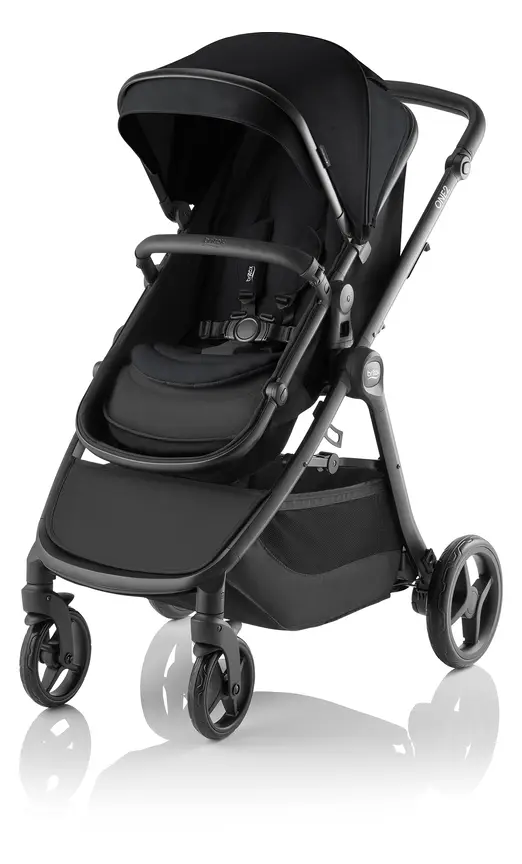
Stroller and pram airflow: never cover the opening
Many parents drape a muslin wrap, towel, or blanket over the front of a pram to block the sun or help a baby nap. It looks cosy, and it blocks bright light. However, it is dangerous in warm weather.
Why draped cloths trap heat
Even a thin muslin cloth stops fresh air from moving through the pram. Heat builds up inside the seat or bassinet very quickly. The air around your baby turns stale and hot, much like a parked car. Your baby breathes warm air and cannot lose body heat.
Safety groups in Australia, the UK, the US, and Canada all warn against covering prams with blankets or cloths. You also cannot see your baby's face when the opening is covered. Always keep a clear view of your baby so you can check their breathing and colour.
Safer ways to shade a pram
- Use the built-in canopy: Most prams meeting Australian standard AS/NZS 2088, UK standard BS EN 1888, or US standard ASTM F833 have a large sun hood. Pull it forward as far as it goes.
- Open the mesh vents: Many pram hoods have zip-open mesh panels at the back or sides. Open them on warm days so a breeze can flow past your baby.
- Try a breathable mesh sun cover: If you buy an add-on shade, pick a purpose-made mesh cover with open sides. Make sure it lets air pass freely and lets you see inside.
- Walk in the shade: Stick to shady paths under trees or awnings. Plan walks for early morning or late afternoon when the sun is lower.
- Face your baby towards you or away carefully: Watch which way the sun is shining. Turn the seat or change your route so direct sun stays off your baby's face and legs.
Using clip-on stroller fans safely
A small battery-powered fan can help move air on still, humid days. Choose one with a fine mesh guard so tiny fingers cannot reach the blades. Clip it firmly to the pram frame, well out of your baby's reach.
Check the battery door. Make sure it needs a screw to open, especially if it uses button batteries or small cells. Point the fan just past your baby rather than blasting air straight into their eyes for an hour.
Check the pram seat liner
Thick, plush seat pads trap warmth against your baby's back. In summer, swap fleece or heavy foam liners for a thin cotton or breathable mesh liner. Take the baby out of the pram for regular breaks in the shade so their back can cool down.
| Pram shade or cooling option | Airflow | Sun protection | Safety verdict |
|---|---|---|---|
| Built-in canopy with open mesh vents | High | Good for overhead sun | Safe. Best everyday starting point. |
| Purpose-made mesh sun shade (open sides) | Medium to high | Good | Safe when sides stay open and you can see baby. |
| Draped muslin wrap, towel, or blanket | Very low | Blocks light, traps heat | Unsafe. Never drape cloths over the opening. |
| Clip-on stroller fan with covered blades | High | None | Safe if clipped out of reach and battery is secure. |
| Breathable cotton or mesh seat liner | Helps back stay cooler | None | Safe. Avoid thick fleece liners in summer. |
Hydration rules by age: milk, water, and signs of dehydration
Babies lose water faster than adults when it is hot. Keeping fluids up is one of the best ways to prevent heat illness. What your baby should drink depends on their age.
Birth to 6 months: milk only
Babies under 6 months do not need plain water, juice, or other drinks. Breastmilk or correctly mixed infant formula gives them all the fluid they need. Giving plain water to a young baby can fill their tiny tummy so they drink less milk. Too much plain water can also upset the balance of salts in a young baby's blood.
- Breastfed babies: Offer the breast more often on hot days. Your breastmilk naturally adjusts to stay thirst-quenching in warm weather. Keep yourself well hydrated too.
- Formula-fed babies: Offer smaller, more frequent feeds if your baby seems thirsty. Always mix formula powder with the exact amount of water on the tin. Never add extra water to thin it out.
6 to 12 months: milk plus small sips of water
Once your baby starts solid foods around 6 months, you can offer small sips of plain water in an open cup or free-flow sippy cup. In Australia and the UK, health services advise using cooled boiled tap water until 12 months. In the US and Canada, clean tap water is often fine once solids start, unless your local water supply is unsafe. Check your local health nurse's advice if you use tank or well water.
Breastmilk or formula is still your baby's main drink until age one. Offer water with meals and in between feeds on hot days.
12 months and older: water and milk
Toddlers can drink plain tap water and full-cream cow's milk (or fortified plant milk if advised by a doctor). Keep a cup of water handy during play and walks. Skip fruit juice, cordial, sports drinks, and fizzy drinks. They add sugar without helping hydration better than plain water.
| Age | Main fluids | Extra plain water? | Hot-weather tip |
|---|---|---|---|
| 0 to 6 months | Breastmilk or infant formula | No, unless a doctor advises it | Offer more frequent feeds. Never water down formula. |
| 6 to 12 months | Breastmilk or formula, plus water | Yes, small sips in a cup | Use cooled boiled water if advised locally. |
| 12 months and up | Plain water and full-cream milk | Yes, freely through the day | Offer water before and after outdoor play. |
Signs of dehydration in babies
Check your baby's nappies (diapers) every day in summer. Wet nappies are the clearest sign that your baby is getting enough fluid. Watch for these warning signs of dehydration:
- Fewer wet nappies than usual (for example, fewer than 6 heavy wet nappies in 24 hours for young babies, or going many hours with a dry nappy).
- Dark yellow or strong-smelling wee.
- Dry lips, dry tongue, or a sticky mouth.
- Crying with few or no tears.
- A sunken soft spot (fontanelle) on the top of the head.
- Sunken eyes.
- Unusual sleepiness, crankiness, or being hard to wake up.
- Cold, pale, or blotchy hands and feet.
When to get medical help: Contact a doctor or health helpline right away if you see early signs of dehydration. Seek urgent emergency care if your baby is floppy, very drowsy, breathing fast, refusing all feeds, or has not had a wet nappy for 6 to 8 hours.
Sunscreen rules: when to start and why mineral formulas help
Sunscreen is a helpful tool, but it is never the only protection. Think of it as the last layer after shade, clothing, and a hat.
Babies under 6 months
Cancer Council Australia, the NHS, the American Academy of Pediatrics (AAP), and the Canadian Paediatric Society all agree on the main rule. Keep babies under 6 months out of direct sunlight. Their skin is very sensitive and can react to sunscreen ingredients.
Use shade, loose long-sleeved clothes, and a soft hat instead. If you cannot avoid the sun for a short time, the AAP and Cancer Council note you may dab a tiny amount of baby-safe sunscreen on small bare spots like the cheeks or backs of hands. Wash it off once you are back indoors.
Babies 6 months and older
Once your baby turns 6 months, you can apply sunscreen to any skin not covered by clothes or a hat. Look for these words on the bottle:
- Broad-spectrum: This means the sunscreen blocks both UVA rays (which cause deep skin ageing and damage) and UVB rays (which cause sunburn).
- SPF 30 or higher: SPF stands for Sun Protection Factor. It measures how well the cream slows down burning. In Australia, Cancer Council recommends SPF 50 or SPF 50+ because UV levels are very high. In the UK, NHS recommends at least SPF 30. The AAP and Canadian Paediatric Society also advise SPF 30 or higher.
- Water-resistant: Helpful for sweaty summer play and paddling pools.
Why mineral sunscreen is often best for babies
Sunscreens come in two main types: chemical and mineral (sometimes called physical).
Chemical sunscreens soak into the top layer of skin and absorb UV rays. Some chemical filters can sting a baby's eyes or irritate sensitive skin and eczema.
Mineral sunscreens use zinc oxide or titanium dioxide. They sit on top of the skin like a tiny shield and bounce UV rays away. They start working right away and are much gentler on baby skin. They can leave a faint white layer, which actually helps you see where you have applied it.
Avoid spray sunscreens for babies. Sprays can be breathed in by mistake and often miss spots.
How to apply sunscreen properly
- Patch test first: Before using a new bottle all over, put a pea-sized dot on your baby's inner arm. Wait 24 hours to check for redness or a rash.
- Apply before going outside: Put sunscreen on 15 to 20 minutes before stepping into the sun so it settles cleanly on the skin.
- Use enough: Do not rub it in until it vanishes completely. Leave an even coat on bare skin, including ears, neck, tops of feet, and backs of hands.
- Reapply often: Put more on every 2 hours. Reapply straight after swimming, heavy sweating, or drying with a towel.
- Check the expiry date: Old sunscreen loses its strength. Throw out bottles that are past their date or have been left in a hot car.
Clothing, hats, and sunglasses for babies
Clothes and hats block UV rays better than any cream. You never need to reapply a shirt after two hours.
Sun-safe summer clothing
Choose loose, lightweight fabrics such as cotton, linen, or bamboo. Tight clothes trap sweat and cause heat rash. Long sleeves and long pants give the best cover, as long as the fabric is airy.
Hold the fabric up to a bright light. If you can see a lot of light through the weave, UV rays can pass through too. For beach or pool days, look for swimwear with a UPF label. UPF stands for Ultraviolet Protection Factor. In Australia, sun-protective clothes are tested under standard AS/NZS 4399. Aim for UPF 50+ when you can.
Picking a safe baby hat
A good sun hat shades the face, ears, and back of the neck. Look for:
- A broad-brimmed hat, bucket hat, or legionnaire hat (which has a flap at the back).
- Soft fabric with no stiff wire or rough seams that hurt when lying in a pram.
- A safe chin strap. Long cords can be a choking risk. Pick hats with a soft elastic or a quick-release clasp, and never leave a strapped hat on a sleeping baby.
Skip baseball caps. They shade the forehead, but leave the ears, cheeks, and neck bare.
Baby sunglasses
Sunlight can harm young eyes too. If your baby will tolerate sunglasses, choose wrap-around styles with a soft, stretchy strap. Make sure they meet real eye-safety standards, such as AS/NZS 1067 or AS/NZS 1067.1 in Australia, or ISO 12312 (look for UV400) in the UK, US, and Canada.
Never buy cheap toy sunglasses without a UV label. Dark lenses without UV blocking make the eye's pupil open wider, letting even more harmful UV rays inside.
Side by side: more prams & strollers to compare
Real products from our catalogue. We don't show star ratings or review counts; check the current price, stock and reviews on Amazon before you buy.
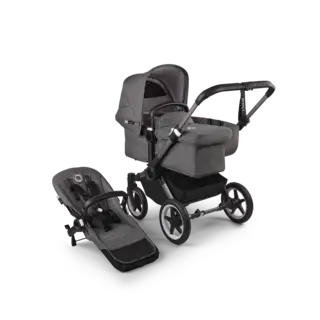
Bugaboo Donkey 5
Converts from single to side-by-side double (siblings or twins) by widening the frame.
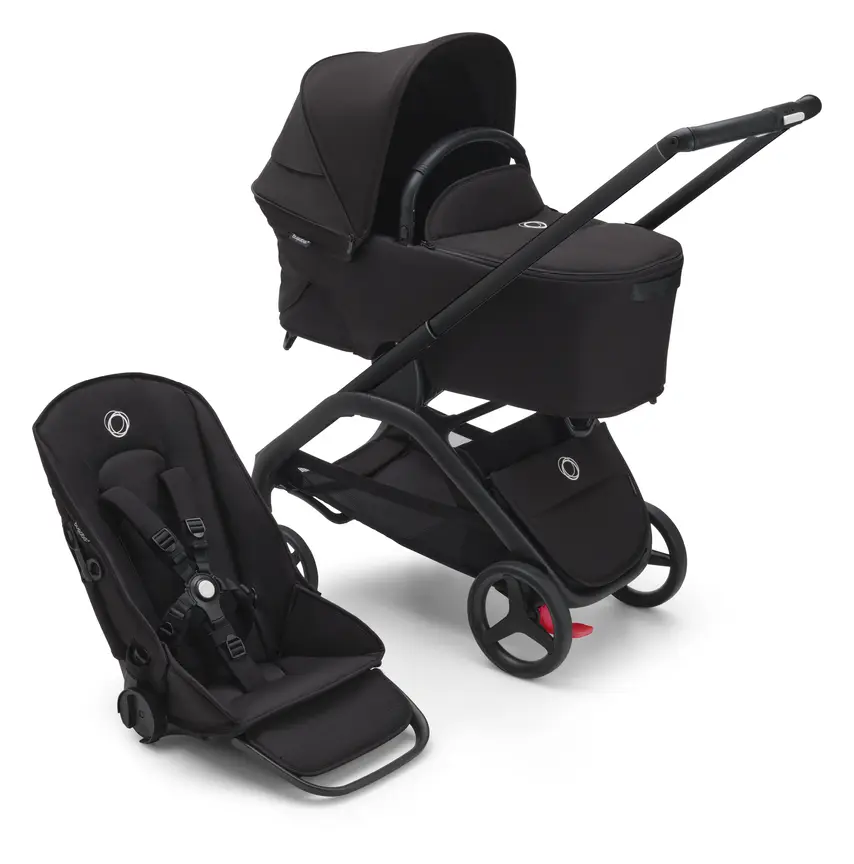
Bugaboo Dragonfly
Bugaboo's city pram: smaller footprint and lighter than the Fox, built for footpaths, lifts and car boots rather than bush tracks.
 Reviewed
Bugaboo Fox 5
Bugaboo's flagship all-terrain pram: big-wheel suspension ride, one-piece fold, bassinet from birth and a seat rated to 22 kg.
Read our full review →
Cybex Priam
Fashion-forward luxury pram with interchangeable seat/bassinet units and an all-terrain option.
Car safety, baby carriers, and heat exhaustion warning signs
Outdoor play is only part of summer safety. Cars and baby carriers also heat up fast.
Never leave a baby in a parked car
The inside of a parked car heats up within minutes, even on a mild day, and even if the windows are cracked open. Babies can die from heatstroke in a locked car very quickly. Road safety groups like NHTSA in the US and Kidsafe in Australia stress the same habits:
- Never leave a child alone in a car, even for a quick errand.
- Keep a habit of opening the back door every time you park.
- Put your handbag, phone, or left shoe in the back seat next to your baby so you always look back.
- Lock your car at home so toddlers cannot climb inside to play.
Baby carriers and slings in summer
Carrying your baby against your chest shares your body heat with them. On a hot day, both of you warm up quickly.
- Dress your baby in just one light layer, such as a nappy and a thin cotton singlet.
- Choose a lightweight cotton, linen, or mesh carrier instead of thick padded fabric.
- Use a wide-brimmed hat for your baby and carry an umbrella or stick to the shade.
- Cover any bare legs or feet sticking out of the carrier with loose fabric or sunscreen (if 6 months or older).
- Keep your baby's face clear, high on your chest, and easy to see at all times.
Heat exhaustion vs heatstroke: what to watch for
Checking your baby often helps you catch overheating early. Feel the back of their neck or chest. Hands and feet often feel cool even when a baby's core is hot, so the neck or tummy is a better guide.
Signs of heat exhaustion include heavy sweating, pale or clammy skin, fast breathing, thirst, and crying or crankiness. If you see these signs:
- Move your baby straight into a cool, shady, or air-conditioned room.
- Take off extra clothes down to a nappy.
- Offer breastmilk, formula, or water (if 6 months or older) if your baby is awake and alert.
- Cool their skin gently with a lukewarm damp cloth or a cool breeze. Never use ice water, as it can chill them too fast.
Signs of heatstroke are a medical emergency. Watch for hot, dry skin, a very high temperature, vomiting, a floppy body, confusion, fits (seizures), or a baby who will not wake up. Call your local emergency number right away (000 in Australia, 999 in the UK, 911 in the US and Canada).
Official guidance in Australia, the UK, the US and Canada
Core heat and sun safety rules are remarkably consistent across all four countries. Only small local details, like water boiling rules or recommended SPF numbers, differ slightly.
| Topic | Australia | UK | US | Canada |
|---|---|---|---|---|
| Main bodies | Cancer Council Australia, Pregnancy, Birth and Baby, Red Nose | NHS, The Lullaby Trust | American Academy of Pediatrics (AAP), NHTSA | Canadian Paediatric Society, Health Canada |
| Under 6 months sun rule | Keep out of direct sun. Shade, clothes, and hat first. | Keep out of direct sun, especially 11am to 3pm. | Keep out of direct sun. Tiny dab of sunscreen only if shade is missing. | Keep out of direct sun. Avoid sunscreen under 6 months. |
| Sunscreen SPF (6m+) | SPF 50 or 50+, broad-spectrum, water-resistant | At least SPF 30, broad-spectrum | SPF 30 or higher, broad-spectrum | SPF 30 or higher, broad-spectrum |
| Water under 6 months | No water needed. Extra breastmilk or formula only. | Breastfed: no water. Formula: small sips of cooled boiled water if very hot. | No plain water. Extra breastmilk or formula only. | No plain water. Extra breastmilk or formula only. |
| Pram covers | Never drape cloths or wraps over the pram. | Never cover prams with blankets or cloths. | Keep prams open for airflow. | Use open, breathable shade only. |
Common summer mistakes to avoid
Even careful parents can slip into common summer habits that make babies hotter or leave them exposed to UV rays.
- Draping a muslin wrap over the pram: It looks breathable, but it still blocks airflow and raises the heat inside.
- Skipping sun protection on cloudy days: UV rays pass straight through light cloud cover. Check the daily UV index, not just the temperature.
- Giving plain water to a newborn: Babies under 6 months should get their fluids from breastmilk or properly mixed formula.
- Putting a hat on with a tight cord for naps: Always remove hats with straps and loose items before your baby sleeps.
- Rubbing sunscreen in too lightly: Sunscreen needs an even, visible layer before soaking in. Thinly spread cream gives far less protection than the label states.
- Cooling a baby with ice-cold water: Lukewarm damp cloths and shade cool a baby safely without shocking their body.
- Forgetting the tops of feet and ears: Babies kicking in prams or carriers often get sunburnt on their ankles, toes, and ear tips.
More options, from budget to premium
Real products from our catalogue. We don't show star ratings or review counts; check the current price, stock and reviews on Amazon before you buy.

Maxi-Cosi Zelia 3
A mid-price pram with a carrycot that changes into a seat, so one frame covers birth to toddler.

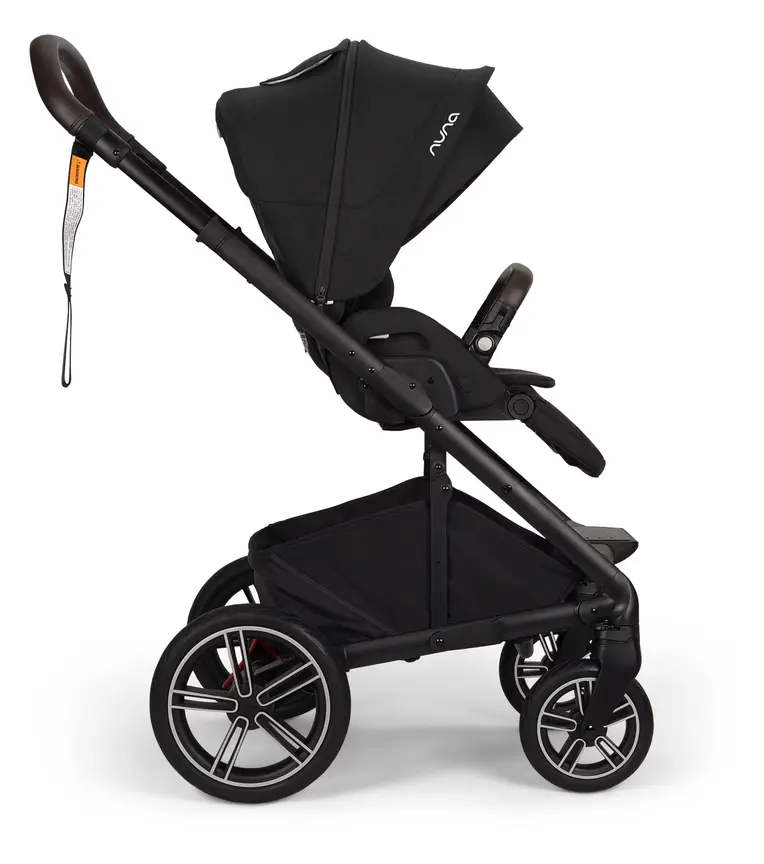


Nuna MIXX Next
A full-size pram with four ways to ride: capsule, bassinet, parent-facing seat or world-facing seat.
Read our full review →
Baby Jogger City Mini GT2
Long-running, lighter all-terrain stroller with a famously simple one-hand strap fold.
Frequently asked questions
Can I put a thin muslin wrap over my pram for shade?
No. Even a single layer of thin muslin blocks airflow and traps hot air inside the pram. Use the built-in canopy with the mesh vents open, walk in the shade, or use a purpose-made mesh cover with open sides.
What SPF sunscreen is best for a 6-month-old baby?
Choose a broad-spectrum, water-resistant sunscreen with SPF 30 or higher. In Australia and high-UV areas, Cancer Council recommends SPF 50 or SPF 50+. A mineral sunscreen with zinc oxide or titanium dioxide is often gentlest on baby skin.
Can my 3-month-old drink plain water on a very hot day?
In most cases, no. Health bodies in Australia, the US, and Canada say babies under 6 months should only have breastmilk or properly mixed formula, offered more often. (The NHS notes formula-fed babies can have tiny sips of cooled boiled water in extreme heat, so check with your doctor or midwife if you are unsure.)
Is vitamin D a problem if I keep my baby out of the sun?
Keeping babies out of direct sun protects their skin, and most babies get enough vitamin D through breastmilk (if mums have healthy levels), infant formula, or a doctor-recommended vitamin D drop. In the UK, US, and Canada, routine vitamin D drops are often advised for breastfed babies. Ask your GP, health visitor, or paediatrician what your baby needs.
How should I dress my baby for sleep on a hot summer night?
Dress your baby lightly, such as in just a nappy and a thin cotton singlet or a low-TOG (0.2 to 0.5 TOG) sleeping bag. Keep the cot clear of loose blankets, hats, and bumpers. Keep the room cool with blinds closed during the day and a fan moving air in the room (not pointing right at your baby's face).
What should I do if my baby gets sunburn or heat rash?
For heat rash (tiny red bumps in skin folds), move your baby to a cool spot, take off tight clothes, and rinse skin with cool water before patting dry. For sunburn, cool the skin gently with a damp cloth, offer extra feeds, and keep them completely out of the sun. Always see a doctor right away if a baby under 12 months gets sunburnt, especially if there are blisters, fever, or unusual sleepiness.
Sources
- Cancer Council Australia – Fact sheet: Sun protection and babies
- Pregnancy, Birth and Baby – Sun and heat protection for babies and kids
- Pregnancy, Birth and Baby – Babies in hot weather
- Pregnancy, Birth and Baby – Dehydration in babies
- NHS – Sunscreen and sun safety
- NHS – Heat exhaustion and heatstroke
- HealthyChildren.org (American Academy of Pediatrics) – Sun safety and protection tips
- Caring for Kids (Canadian Paediatric Society) – Sun safety
Related guides
More Parental Tips →
Mineral Zinc Oxide vs. Chemical Sunscreen for Babies: Nanoparticles, Skin Safety, and Reef Rules

Sun Safety for Babies: Shade, Clothing, Hats and When Sunscreen Is Okay

Dehydration and Heat Illness in Babies: Wet Nappy Counts, Warning Signs and Keeping Cool in Summer