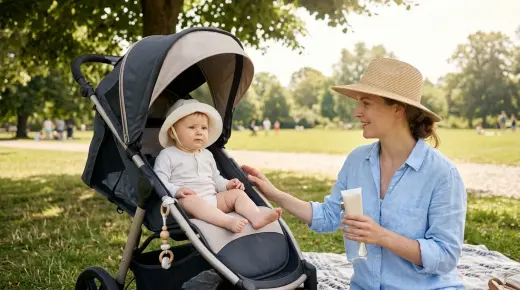
Preventing Hot Car Tragedies: Backseat Habits, Car Seat Sensors, and How Cars Heat Up
How to stop hot car tragedies: daily backseat habits, how smart car seat sensors work, why cars heat up fast, and rules in AU, UK, US and Canada.

On this page
- Key points
- Why hot car tragedies happen to loving parents
- How fast a parked car heats up
- Daily backseat habits that work every time
- Smart car seat sensors and chest-clip alarms
- Comparing backseat habits, add-on sensors, and built-in car alerts
- Safety rules and official advice in Australia, the UK, the US and Can…
- What to do if you see a child alone in a hot car
- Common mistakes parents make
- Frequently asked questions
- Sources
Short answer: Never leave a baby or child alone in a parked car, not even for one minute. Cars heat up fast, even on mild or cloudy days. The safest protection is a daily physical habit, such as putting your bag or phone in the back seat and checking the back every time you lock the door. Smart car seat sensors and built-in car alerts can be useful backups, but they should never replace looking in the back yourself.
This advice is the same across Australia (Red Nose, Kidsafe, Pregnancy, Birth and Baby), the UK (NHS, RoSPA), the US (NHTSA, American Academy of Pediatrics) and Canada (Transport Canada, Canadian Paediatric Society).
Key points
- Never leave a child alone: Not for a quick errand, not to pay for fuel, and not while they nap.
- Cars act like greenhouses: Sunlight warms the inside of a car quickly, and the heat gets trapped.
- Cracking windows does not help: Opening a window slightly or parking in the shade does not keep a car safe.
- Anyone can forget: Tiredness, stress, or a change in routine can make even the most careful parent forget a quiet, sleeping child.
- Use a physical cue: Put something you always need—like your phone, handbag, or left shoe—on the back seat floor.
- Lock parked cars: Keep doors locked at home and keys out of reach so toddlers cannot climb inside to play.
- Sensors are backups only: Batteries die and Bluetooth drops out. Always open the back door and look.
Why hot car tragedies happen to loving parents
Many people think they could never forget their own child in a car. They imagine it only happens to careless parents. That is false.
Hot car tragedies happen to loving, careful parents every year. They happen to doctors, teachers, engineers, and stay-at-home mums and dads. Understanding why this happens is the first step to stopping it.
How our brains run on autopilot
Human brains use habits to get through busy days. When you drive the same route to work every morning, your brain runs on autopilot. It follows the usual path without you having to think about each turn.
If your routine changes, your brain can still fall back on the old habit. For example, one parent usually drops the baby at daycare. Today, the other parent takes over. They drive straight to work instead, because that is what they do every other day.
A rear-facing car seat makes this easier to miss. From the front seat, you cannot see a small baby's face. If the baby falls asleep, the car goes quiet. Without a sound or a view in the mirror, your brain assumes the back seat is empty.
Common triggers that break routine
- Lack of sleep: New parents are often exhausted. Tired brains miss steps.
- A change in driver: One parent does the drop-off instead of the other.
- A new route or errand: Stopping at a shop on the way to daycare.
- Stress or distraction: A phone call, a sick child at home, or being late for work.
- A quiet, sleeping baby: No crying or kicking to remind you they are there.
Children climbing into unlocked cars
Not every hot car incident starts with a parent forgetting. Many happen when a curious toddler climbs into a parked car at home.
Cars look like fun playhouses to young children. A toddler might slip out of the house, open an unlocked door, and climb inside. Once inside, they may not know how to open the heavy door again. Some child locks also stop doors from opening from the inside.
If a child goes missing at home, always check parked cars and boots first. Check them right after you check pools and water.
Car Seats & Capsules worth a look
Real products from our catalogue. We don't show star ratings or review counts; check the current price, stock and reviews on Amazon before you buy.
 Reviewed
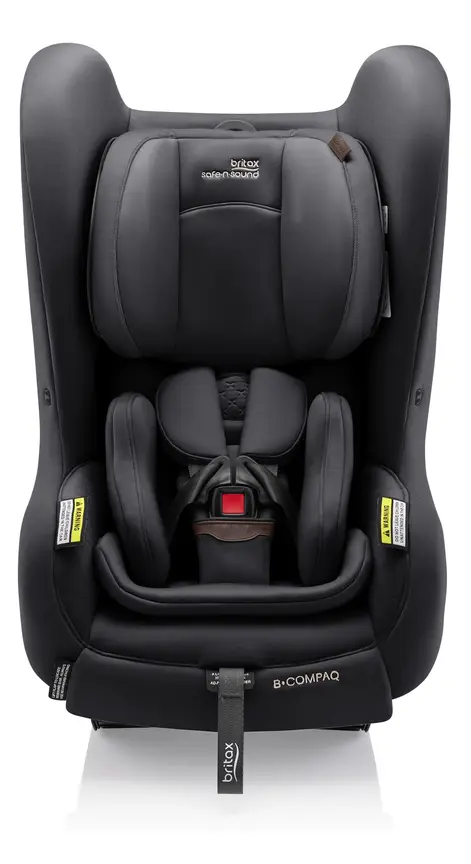
Britax Safe-n-Sound B-Compaq Lux
A convertible seat made for small cars with little room in the back.
Read our full review →
Babylove ezymove Booster
A very light, low-cost booster for about 4 to 8 years. It folds flat for storage.

Babylove ezyone2
A very low-cost convertible seat. Rear-facing to about 12 months, then forward-facing to about 4 years.
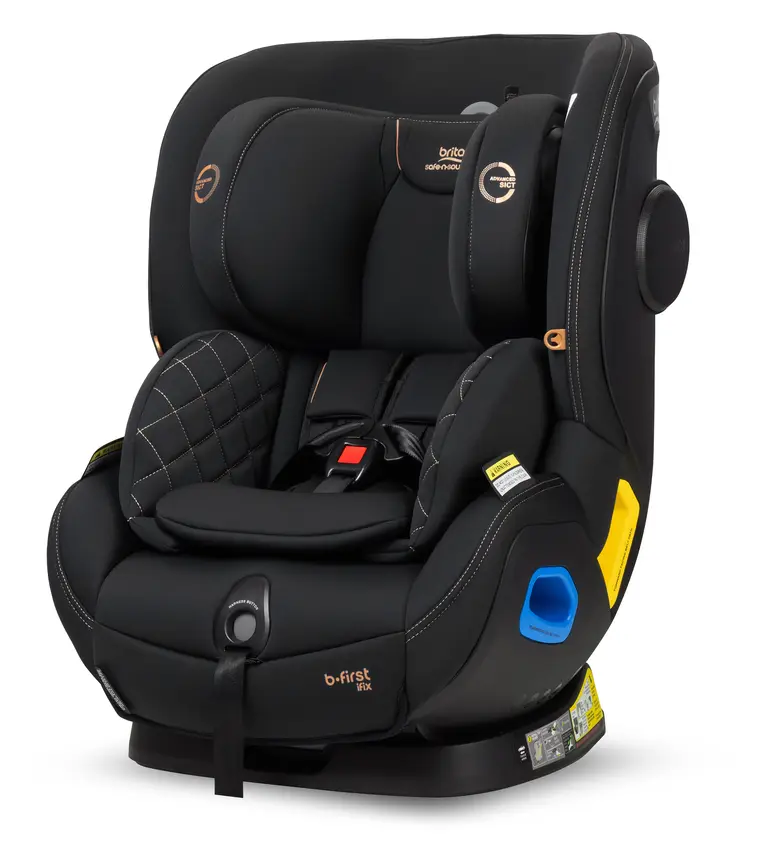
Britax Safe-n-Sound b-first+
Convertible seat from Britax's Australian Safe-n-Sound range with SICT deployable side-impact protection.
How fast a parked car heats up
A parked car is like a small glasshouse sitting in the sun. Light passes easily through the windscreen and side windows. That light hits the dark seats, dashboard, and steering wheel.
Those surfaces absorb the light and turn it into heat. That heat then warms the air inside the cabin. Because the glass keeps the warm air trapped, the temperature climbs fast.
Most of the temperature jump happens very quickly after you turn off the engine and close the doors. Even on a mild spring or autumn day, the inside of a car can become dangerously hot in a short time.
Why babies and toddlers overheat faster than adults
Young children are much more vulnerable to heat than adults are. Their bodies work differently in several ways:
- Smaller body size: A baby's body warms up much faster than an adult's body in the same hot room.
- Less sweating: Babies do not sweat as well as older children and adults. Sweating is how the body cools itself down.
- Trapped in a seat: A baby buckled into a padded car seat cannot move away from the sun. Thick foam around their back and head traps extra body heat.
- Cannot speak up or escape: A baby cannot tell you they are too hot, unbuckle their harness, or open a door.
When a child's body gets too hot and cannot cool down, they can develop heatstroke. Heatstroke is a life-threatening emergency. Organs can shut down quickly when body temperature rises too high.
Why common tricks do not keep a car cool
Some parents believe a small trick will keep the car safe for a few minutes. None of these work:
- Cracking a window: Leaving a window open a few centimetres lets out very little heat. The cabin still heats up almost as fast as with the windows shut.
- Parking in the shade: The sun moves across the sky. A shaded spot can be in full sun ten minutes later. Even in full shade, a closed car traps heat on a warm day.
- Running the air conditioning first: As soon as you turn off the engine, the cool air stops. The cabin warms back up within minutes.
- Using window sunshades: Shades block some glare, but they do not stop the car from heating up to dangerous levels.
Daily backseat habits that work every time
You do not need expensive gadgets to protect your child. Simple physical habits cost nothing and never run out of battery. Pick one or two habits below and do them on every single trip, even short ones.
1. Look before you lock
Make a strict rule for every adult who drives your car. Before you press the lock button, open the back door and look at the seat. Do this even when you are sure your child is not with you.
Opening the door is better than glancing in the rear-view mirror. A mirror often cannot show the inside of a rear-facing capsule. Walking to the back door forces your body to break autopilot.
2. Put something vital in the back seat
Place an item you cannot walk away without on the floor in front of the car seat. Good choices include:
- Your mobile phone (kept out of reach of the child).
- Your handbag, backpack, or laptop bag.
- Your work security pass or lanyard.
- Your left shoe (you will notice right away if you step out in one shoe).
When you park, you will reach for your bag or phone. Opening the back door brings you face to face with your child.
3. Use a soft toy swap
Keep a bright soft toy in the empty car seat when your child is not in the car. When you buckle your child in, move the toy to the front passenger seat. Put it where you will see it clearly.
When you arrive and see the toy next to you, it reminds you that your child is in the back. When you take your child out, put the toy back into the empty seat. Keep the toy light and soft so it cannot hurt anyone in a crash.
4. Set up a daycare check-in rule
Ask your childcare centre, preschool, or babysitter to call you if your child does not arrive within 15 minutes of their usual time. Give them a second number to call—such as your partner or a grandparent—if you do not answer.
This safety net has saved lives. If a parent forgets a drop-off and drives to work, a phone call from daycare breaks the mistake early.
5. Lock your car at home
Make locking the car part of coming home, even in a closed garage or safe driveway. Keep car keys and remote fobs high up on a hook or in a drawer where toddlers cannot reach them.
Teach older toddlers that cars are not toys. Tell them they must never climb into a car without an adult.
Smart car seat sensors and chest-clip alarms
Many families also like using technology as an extra layer of protection. Smart car seat sensors are small devices that remind you when your child is still buckled in.
Types of smart sensors
Most after-market sensors fall into three groups:
- Smart chest clips: The sensor is built into the plastic chest clip on the car seat harness. When the clip is closed and the car turns off, or when your phone moves away, an alarm sounds.
- Seat pad sensors: A thin pressure pad sits under the car seat cover. It feels the child's weight and links to a receiver in the car's power socket or to a phone app.
- Built-in car seat sensors: Some newer car seats come with a sensor already built in and tested by the seat maker.
How they talk to your phone or car
Most sensor systems use Bluetooth to connect to an app on your phone. Some also plug into the car's diagnostic port or 12-volt power socket so they know when the engine stops.
If you walk away from the car with your phone while the clip is still buckled or the pad still feels weight, the app plays a loud chime. Many apps also send a text message with your GPS location to emergency contacts if you do not turn off the alarm.
Where smart sensors can fail
Technology is helpful, but it is never 100 per cent reliable. Every sensor system has weak points:
- Flat batteries: Coin batteries and rechargeable units run out. Many parents forget to replace them.
- Phone left behind: If you leave your phone in the car or your handbag, the Bluetooth link may not notice you walked away.
- Phone on silent or dead battery: If your phone is flat or muted, you may miss the alert.
- False alarms: If a pad or clip beeps when the seat is empty, parents can get annoyed and turn the app off.
- Bluetooth drop-outs: Thick car doors or software updates can break the link between the sensor and your phone.
Check car seat safety rules before adding anything
This is a critical rule that many shoppers miss. Adding unapproved items to a car seat can change how the seat performs in a crash.
In Australia, car seats must meet strict standards under AS/NZS 1754. Australian car seats do not use chest clips on standard five-point harnesses, because harnesses are designed to hold the child safely without them. Adding an aftermarket chest clip or thick pad that did not come with your seat can void your warranty and may not be allowed under local rules.
In the US (FMVSS 213), Canada (CMVSS 213), and the UK (R129 and ECE R44), chest clips and harness designs also differ. In the UK and Europe, harnesses are designed to release with one push of the main buckle, so extra clips on the straps are generally discouraged.
Always check your car seat manual before attaching any sensor, clip, or pad. If you want a sensor, look for one made and crash-tested by your car seat brand, or use a system built into the car itself.
Built-in car rear-seat reminders
Many new cars now come with rear-seat reminder systems built in at the factory. There are two main types:
- Door-logic reminders: The car notices that you opened a back door before driving. When you turn off the engine, a message pops up on the dashboard and a chime sounds, telling you to check the rear seats.
- Cabin-sensor reminders: Newer systems use radar or movement sensors inside the roof. They can detect a sleeping baby breathing in the back seat, even if the car is locked. Some cars can honk the horn, flash the lights, and send a message to your phone.
Built-in systems are handy because you do not need to charge a clip or attach anything to your child's harness. Still, door-logic alerts only work if you opened the back door on that trip, and they can become easy to ignore over time. Always look in the back seat yourself.
Comparing backseat habits, add-on sensors, and built-in car alerts
The table below shows how the three main approaches compare. Using a daily habit alongside a built-in alert or approved sensor gives you the strongest protection.
| Protection method | How it works | Main strength | Main weakness | Best way to use it |
|---|---|---|---|---|
| Backseat habits (bag in back, toy swap, look before you lock) | A physical object or daily step forces you to open the back door. | Free, works in any car, never runs out of battery. | Relies on you setting up the habit every trip. | Use on every single drive as your main safety rule. |
| Daycare call-back rule | Carer calls you if your child does not arrive on time. | Catches mistakes early if a morning routine changes. | Only works on daycare or school days, not weekend errands. | Set up with every carer, relative, or school. |
| Add-on smart chest clip or seat pad | Sensor detects buckled clip or weight and alerts your phone. | Can text emergency contacts with your GPS location. | Needs batteries, Bluetooth, and a charged phone. May not fit local car seat rules. | Check seat maker approval first. Use only as a backup. |
| Built-in car door reminder | Car tracks back door opening and chimes when you park. | Already fitted to many newer cars, no extra parts on harness. | Easy to tune out after hearing it often. Misses a child who climbed in later. | Treat the chime as a cue to open the back door and check. |
| Built-in cabin radar sensor | Roof sensor detects tiny movement or breathing after locking. | Can detect a child even if they climbed in on their own. | Only found in newer car models. | Great backup, but still lock doors and look first. |
Side by side: more car seats & capsules to compare
Real products from our catalogue. We don't show star ratings or review counts; check the current price, stock and reviews on Amazon before you buy.

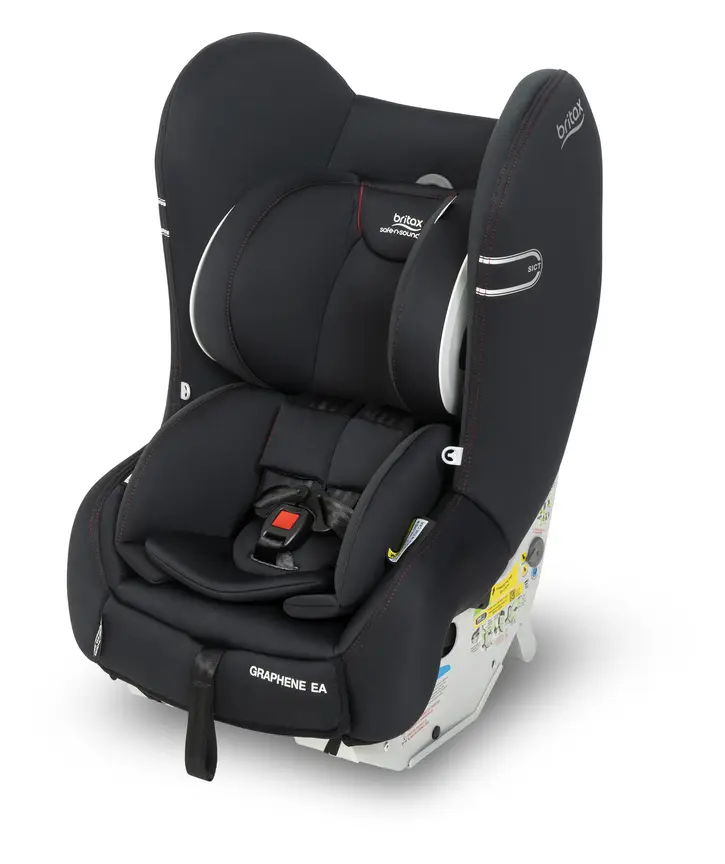
Britax Safe-n-Sound Graphene EA
Britax's Australian convertible seat with SICT side-impact technology, designed to reduce crash energy reaching your child's chest.

Britax Safe-n-Sound Hi Liner SG
A high-back booster for about 4 to 8 years. A clip keeps the seatbelt in the right place.
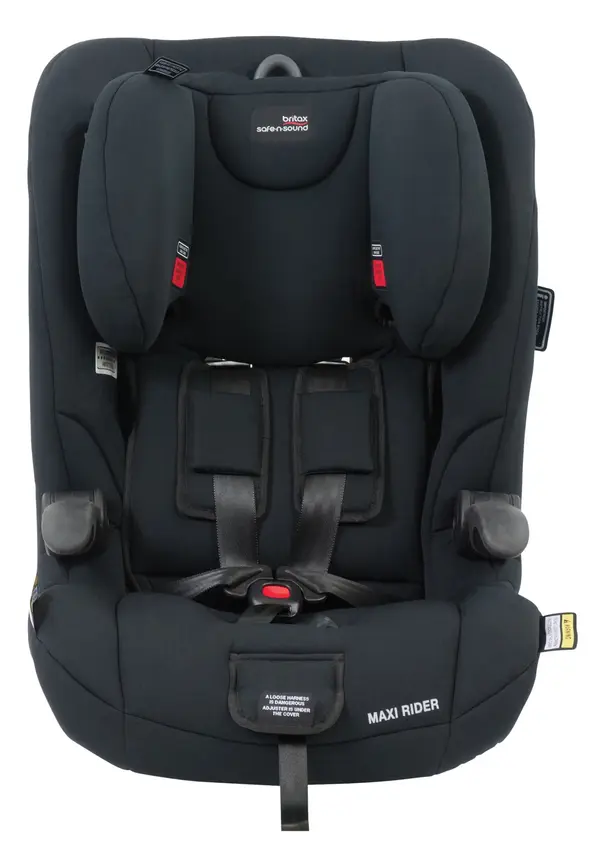


Britax Safe-n-Sound Maxi Rider
A seat with a harness from 12 months to about 4 years. Then it becomes a booster up to 6–8 years.
Read our full review →Safety rules and official advice in Australia, the UK, the US and Canada
Car seat hardware rules differ slightly from country to country, but the message on hot cars is clear everywhere: never leave a child alone in a parked car.
| Country | Official bodies | Car seat standard | Key hot car and car seat advice |
|---|---|---|---|
| Australia | Product Safety Australia (ACCC), Red Nose Australia, Kidsafe, Pregnancy, Birth and Baby | AS/NZS 1754 | Never leave children unattended in a car, even for a minute. Do not add unapproved clips or pads to a child restraint. Take sleeping babies out of car seats when you arrive. |
| United Kingdom | RoSPA (Child Car Seats), NHS, UK Government | R129 and ECE R44 | Never leave a baby or young child alone in a car. Keep harnesses clear of unapproved add-ons. Watch for signs of overheating and heatstroke in hot weather. |
| United States | NHTSA, American Academy of Pediatrics (AAP / HealthyChildren.org) | FMVSS 213 | Follow "Look Before You Lock". Never leave a child in a car, even with windows cracked. Lock parked cars so kids cannot climb in. Call 911 if you see a child alone in a car. |
| Canada | Transport Canada, Canadian Paediatric Society (Caring for Kids) | CMVSS 213 | Never leave a child unattended in a vehicle in any season. Check the car seat manual before using any accessory. Keep keys away from children. |
In many parts of Australia, the US, the UK and Canada, leaving a child unattended in a car is also against the law. Police and child protection services treat it very seriously because cars heat up so fast.
What to do if you see a child alone in a hot car
If you walk past a parked car and see a baby or child inside with no adult nearby, act right away. Do not wait to see if the parent comes back.
- Check the child: Look through the window. Are they awake and moving, or are they limp, red-faced, sweating heavily, or not responding?
- Call emergency services straight away: Dial 000 in Australia, 999 in the UK, or 911 in the US and Canada. Tell the operator where you are, the car's make and colour, and how the child looks.
- Try to find the driver while staying by the car: If another person is with you, send them into nearby shops to have staff call out the car's number plate over the loudspeaker. Stay with the child yourself.
- Try the doors: Check if a door is unlocked. If it is unlocked and the child looks hot or distressed, open the door to let fresh air in and get the child out into the shade.
- Follow the operator's advice if the doors are locked: If the child is unresponsive or in clear danger and doors are locked, tell the emergency operator right away. They will guide you on what to do next while help is on the way.
Signs of heat exhaustion and heatstroke
The NHS and health services in Australia, the US and Canada warn parents to watch for these signs of overheating:
- Hot, red, or flushed skin.
- Heavy sweating, or skin that suddenly stops sweating and feels dry.
- Fast breathing or a fast heartbeat.
- Drowsiness, confusion, dizziness, or being very hard to wake up.
- Crying weakly, or not crying at all when touched.
If you get a hot child out of a car while waiting for an ambulance:
- Move them to a cool, shaded, or air-conditioned place.
- Remove extra clothing layers.
- Cool their skin with cool, damp cloths or a gentle spray of cool water, especially on the neck, armpits, and groin.
- If they are fully awake and alert, offer small sips of cool water (or breastmilk/formula for babies). Do not force fluids if they are drowsy or not responding.
Common mistakes parents make
Most hot car mistakes start with a small, harmless-sounding thought. Knowing these traps helps you avoid them.
- "I will only be two minutes." Paying for fuel, dropping off a parcel, or picking up a coffee always takes longer than you plan. There is no safe number of minutes to leave a child alone in a car.
- "My baby is finally asleep, so I won't wake them." Taking a sleeping baby out of a car seat can be annoying, especially if they wake up. Do it anyway. Both Red Nose Australia and the AAP advise moving a sleeping baby to a flat, firm sleep surface when you get home. Never let them sleep unattended in a parked car.
- "I left the air conditioning running." Leaving a car running with a child inside creates other dangers. A toddler can knock the gear stick, the engine can stall, or someone could steal the car.
- "It is cool outside today." A parked car in direct sunlight can still get dangerously hot on a cool or mild day.
- "I only drive short trips." Short trips to the corner shop or daycare are when routines feel easiest to skip. Build your habit for every trip, no matter how short.
- "My app will warn me." Never trust an app or sensor as your only safety step. Phones run out of battery, get left on silent, or lose connection.
More options, from budget to premium
Real products from our catalogue. We don't show star ratings or review counts; check the current price, stock and reviews on Amazon before you buy.
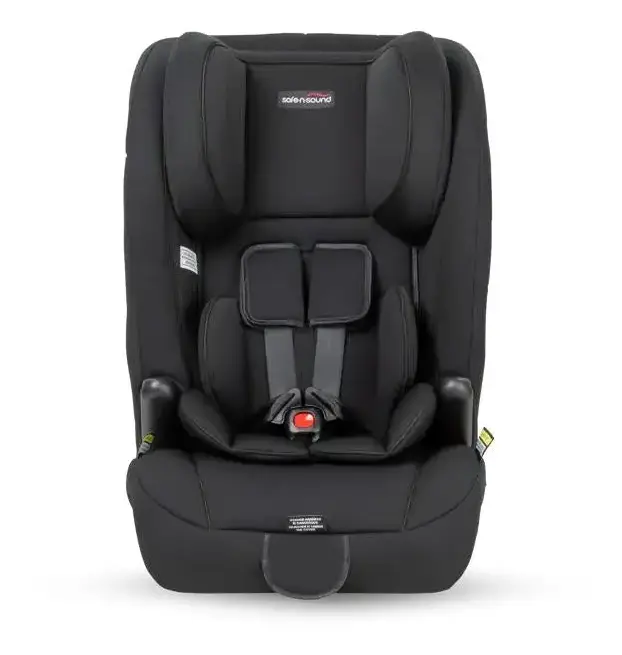
Britax Safe-n-Sound Atlas-GRO II Harnessed Car Seat
Harnessed booster seat
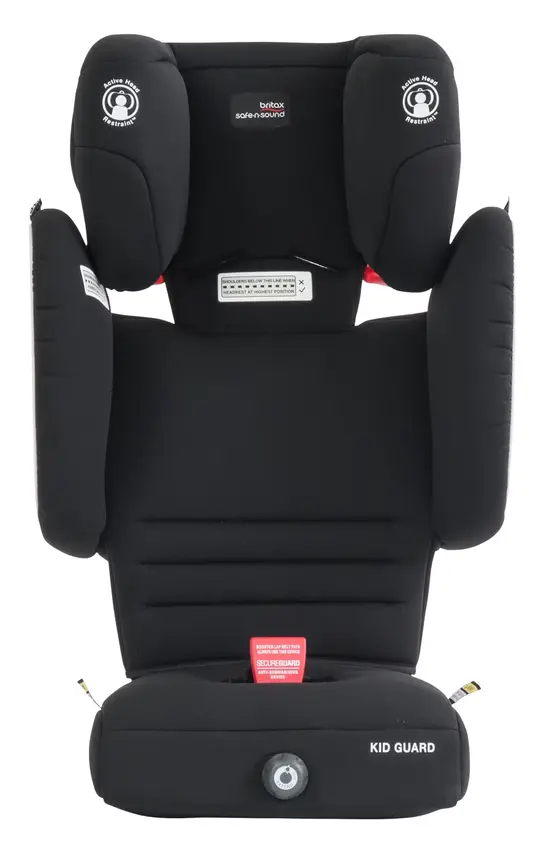
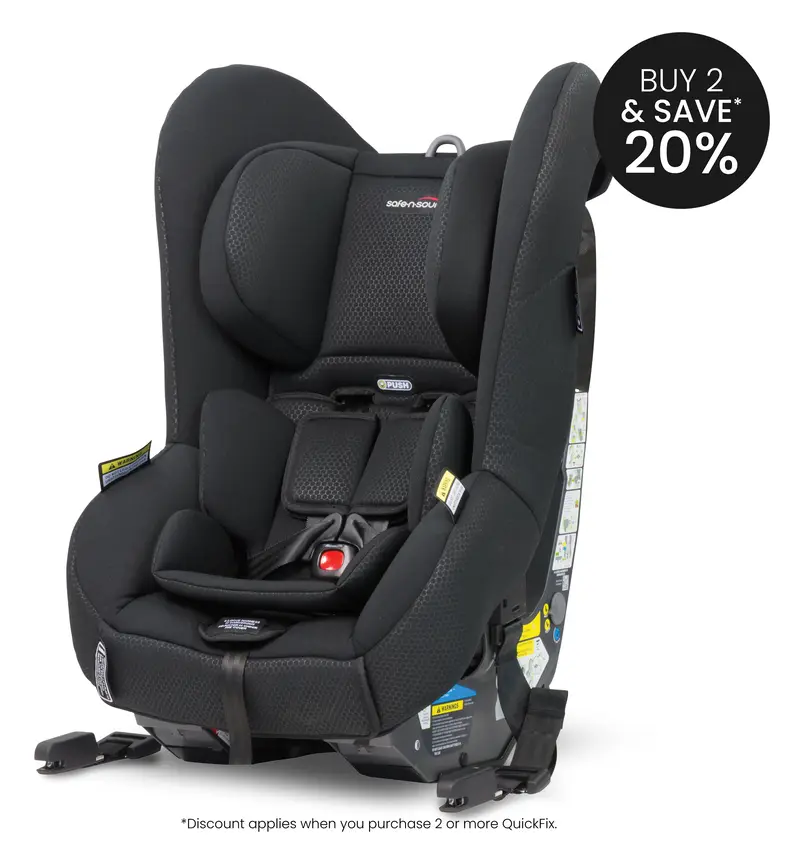
Britax Safe-n-Sound QuickFix Convertible Car Seat
Convertible car seat (ISOFIX)
Frequently asked questions
Can I leave my baby in the car for just one minute to pay for petrol or grab milk?
No. Never leave a baby or child alone in a car, even for one minute. Queues take longer than you expect, and cars trap heat very quickly. Pay at the pump if you can, or take your baby inside with you every time.
Does cracking the windows keep a parked car cool?
No. Leaving windows open a few centimetres makes almost no difference to how fast a parked car heats up. Sunlight still pours through the glass and warms the seats and air inside.
Are smart chest-clip sensors safe to use on any car seat?
Not always. In Australia, car seats meeting AS/NZS 1754 are tested without chest clips, and adding aftermarket clips or pads can affect crash safety or break local rules. In the UK, US and Canada, always read your car seat manual first. Only use an accessory if your car seat maker approves it.
What if my car already has a rear-seat reminder on the dashboard?
A built-in dashboard reminder is a good backup, but it is not enough on its own. Basic door-logic reminders only chime if you opened a back door before driving, and it is easy to tune out a familiar beep. Always open the back door and look inside before locking your car.
Can a baby sleep in a car seat in the driveway if I watch them from the window?
No. A parked car in a driveway can still overheat quickly, and watching from a window does not stop the heat rising. Also, Red Nose Australia, the Lullaby Trust and the AAP advise against leaving babies to sleep in car seats once you arrive. Take your baby out and place them on their back on a flat, firm cot or bassinet mattress.
How do I stop older toddlers from climbing into a parked car?
Lock your car every single time you park at home, even inside a garage. Keep car keys and remote fobs out of reach on a high hook or inside a drawer. Teach young children that parked cars are off limits without an adult.
What should I dress my baby in for car trips in warm weather?
Dress your baby in a single light layer of breathable cotton so they do not overheat in the padded car seat. Avoid thick jackets, blankets over the capsule, or hats inside the car. Never drape a muslin cloth or cover tightly over a capsule, as this blocks airflow and traps heat.
Sources
- NHTSA (US) – Heatstroke: never leave a child alone in a car
- HealthyChildren.org (AAP) – Car seats: information for families
- Pregnancy, Birth and Baby – Car travel with babies and children
- Red Nose Australia – Keeping baby safe in the car
- Kidsafe – National best practice guidelines: safety of children in motor vehicles
- RoSPA (UK) – Child car seats
- NHS – Heat exhaustion and heatstroke
- Transport Canada – Child car seat safety
Related guides
More Parental Tips →
The Car Seat 2-Hour Rule for Newborns: Planning Safe Road Trips and Preventing Positional Asphyxia

High Chair Footrests and the 90-90-90 Sitting Position: How to Seat Your Baby for Safe, Steady Meals

Infant Oral Care Before Teeth Arrive: Gum Wiping, First Toothbrush, and Preventing Bottle Decay