














Night Weaning: How to Gradually Reduce Night Feeds
Learn when and how to reduce night feeds gently, protect your baby’s nutrition, and find support from trusted health services in four countries.

On this page
- What night weaning means
- Is your baby ready?
- What the evidence does and does not tell us
- Make a plan that fits your family
- Gentle ways to reduce feeds
- Breastfeeding, milk supply, and your comfort
- Formula and bottle safety
- Safe sleep during night feeds
- Age stages and feeding needs
- Country guidance: who can help?
- When to pause and seek help
- Common mistakes to avoid
- Frequently asked questions
- Sources and support
- Sources
Short answer: Night weaning means reducing or stopping feeds overnight. It is a family choice, not a goal every baby must reach by a set age. Some babies still need night feeds after six months. Before changing feeds, ask a health professional whether your baby is ready. This matters especially for babies who were born early, have health needs, or are not growing as expected.
If you and your health professional agree to try, make one small change at a time. Keep responding to your baby. Offer comfort in other ways when that works for both of you. Pause if your baby is ill, feeding poorly, or going through a difficult change.
In Australia, Pregnancy, Birth and Baby and the NHMRC provide infant health and feeding advice. In the UK, families can ask the NHS or a health visitor. In the US, the American Academy of Pediatrics (AAP) offers parent guidance. In Canada, families can ask a health professional and consult the Canadian Paediatric Society (CPS).
What night weaning means
Night weaning is a change to feeding at night. It may mean shortening some breastfeeds, offering less expressed milk or formula in a bottle, or gradually removing a feed. It does not always mean stopping every feed overnight.
People use the phrase in different ways. Some mean dropping one feed. Others mean no milk feeds between bedtime and morning. Decide what change you mean before you begin.
Night weaning is separate from daytime weaning. Daytime weaning means stopping breastfeeding altogether. You can reduce night feeds and continue breastfeeding during the day. You can also keep night feeds for as long as they suit you and your baby.
There is no single schedule that fits every family. Babies differ in growth, health, feeding skills, and sleep. Parents also differ in work, health, and support. A plan should fit those needs.
Is your baby ready?
Age alone cannot show whether a baby is ready to stop night feeds. Babies need enough milk and food across the whole day. They also need to grow well. A clinician who knows your baby can help you decide what is safe.
Before changing feeds, talk with your family doctor, child health nurse, paediatrician, midwife, or lactation consultant. Ask about your baby’s growth, feeding, and any health concerns. If your baby has a care plan, check with the team that made it.
It may be better to wait if your baby is unwell, feeding less than usual, or recovering from illness. Wait if your baby was born early and your care team has not said feeds can change. Ask first if your baby has trouble gaining weight, a medical condition, or feeding difficulties.
Starting solid food does not automatically mean a baby no longer needs milk feeds. Milk remains an important part of feeding during infancy. Do not replace a milk feed with extra solid food unless a qualified health professional advises you to do so.
Parents may also need to wait. A new job, a move, travel, or a family illness can make a feeding change harder. Waiting for a calmer time is a sound choice.
What the evidence does and does not tell us
Babies wake for many reasons. They may need milk, comfort, help settling, or care during illness. Night waking by itself cannot tell you which reason applies.
A night-weaning plan cannot promise longer sleep for every baby. It cannot prevent all night waking. Your baby may wake and need comfort even after a feed changes. Avoid advice that promises a fixed result by a certain date.
Claims about a precise sleep schedule, a required wake window, or a guaranteed number of nights should be treated with care. The old article gave exact timelines and predicted results without reliable support. Those claims are not needed for a gentle plan.
There is also no need to change light, naps, meals, or bedtime by a set number of minutes. A calm bedtime routine can help your baby know sleep is coming. It does not replace feeding when your baby needs milk.
Baby Food Makers & Steamers worth a look
Real products from our catalogue. We don't show star ratings or review counts; check the current price, stock and reviews on Amazon before you buy.

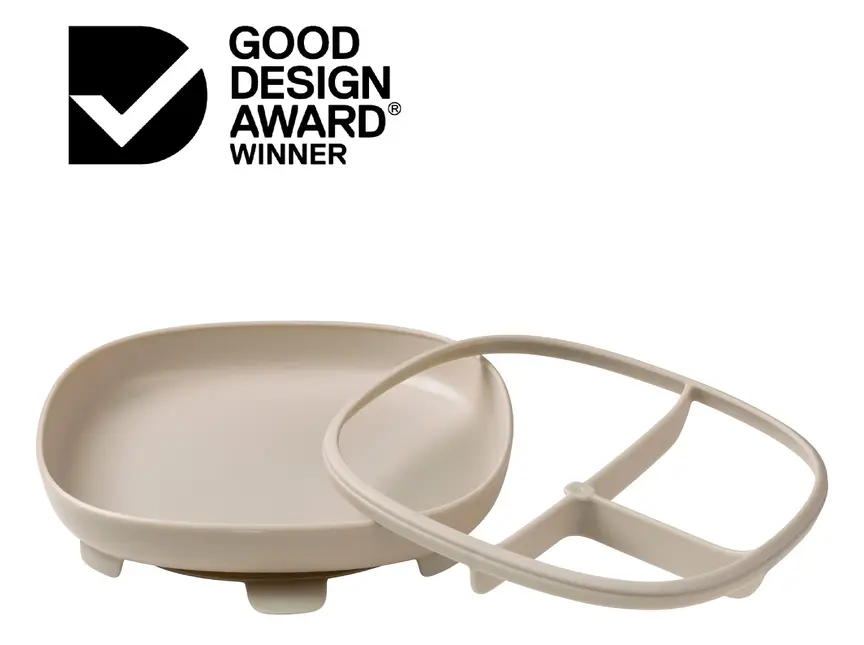
Annabel Karmel Silicone Weaning Plate
A silicone plate for starting solids.



Annabel Karmel Silicone Feeding Set
A silicone set of plate, suction bowl and spoon. It is safe in the microwave, oven, freezer and dishwasher.
Read our full review →
Annabel Karmel Silicone Freezer Food Tray
A silicone tray for freezing small portions of home-made baby food.
Make a plan that fits your family
Start by writing down what happens now. For several nights, note roughly when your baby feeds and how long or how much they take. You do not need to wake your baby or keep perfect records. The notes can help you spot which feed you hope to change.
Choose one feed or one small change first. Keep other feeds the same while you see how your baby responds. A gradual approach may feel easier for some families. Others may prefer a different plan after advice from their care team.
For breastfeeding, you might shorten one feed a little at a time. You could also settle your baby another way after a brief feed. There is no set number of minutes to remove. Keep the feed long enough to meet your baby’s needs, based on your clinician’s advice.
For bottle-feeding, ask a health professional whether the feed can be reduced. Do not dilute formula or add extra water to a bottle. Prepare formula exactly as its label and local health guidance say. Do not put cereal or other food in a bottle to make your baby sleep.
If you express milk, you can discuss a gradual change with a lactation consultant. A sudden drop in milk removal may cause discomfort. Your milk supply may also change. Seek help if you have pain, a red or hot area, or feel unwell.
Decide who will respond when your baby wakes. If another trusted caregiver is available, they may offer comfort while you rest. This is an option, not a requirement. Your baby may still want to feed, and you can change the plan.
Agree on what you will do if your baby becomes very upset. You might pause, offer a feed, and try another night later. A plan that lets you respond is more useful than a rule you feel unable to follow.
Gentle ways to reduce feeds
These are options to discuss with your health professional. You do not need to use them all. Stop or pause if your baby seems unwell or your clinician advises you to wait.
Change one feed first
Choose the feed you feel most ready to change. Keep other feeds available as usual. This makes it easier to notice how your baby is coping.
If the first change works for your family, continue at a pace that feels manageable. If it does not, restore the feed and ask for advice. There is no failure in changing your mind.
Offer comfort as well as milk
When your baby wakes, check that they are safe and comfortable. Speak softly, hold them, or use another settling method you already use. If your baby still needs a feed, offer one.
Comfort does not need to mean leaving a baby alone to cry. You can stay close and respond. A calm voice or gentle touch may help, but it may not replace milk for a hungry baby.
Keep feeds calm and familiar
Use dim light if you need it to feed safely. Keep the room calm and avoid turning the feed into play. This can make the wake feel quieter for everyone.
Do not feed a baby on a sofa or armchair if you might fall asleep. If you feel drowsy, put your baby back in their own safe sleep space as soon as you can. Follow your local safe sleep advice.
Keep daytime feeding steady
Offer breastfeeds or correctly prepared formula as usual during the day. Follow your baby’s cues and your clinician’s feeding advice. Do not force extra milk or food to make up for a night feed.
Once your baby is ready for solids, offer suitable foods in line with trusted local guidance. Solids are not a quick fix for night waking. Keep milk feeds as advised for your baby’s age and needs.
Breastfeeding, milk supply, and your comfort
Breastfeeding at night can be important for both baby and parent. Reducing feeds may affect milk supply, especially if the change is sudden. If you want to keep breastfeeding, make changes slowly and get support when needed.
Your breasts may feel full as your body adjusts. Expressing a small amount for comfort may help, but ask a lactation consultant or clinician what is right for you. Expressing a full feed each time may keep milk production going.
Get medical advice if you develop a painful lump, redness, warmth, fever, or flu-like feelings. These can need care. Do not wait for a planned night-weaning step if you feel ill.
If you use expressed milk, handle and store it safely. Follow advice from a trusted health service in your country. Do not leave prepared milk at room temperature beyond the time given by local guidance.
Formula and bottle safety
Formula-fed babies still need correctly prepared formula. Follow the product instructions and local health advice. Do not make formula weaker or stronger to change how long your baby sleeps.
Never prop a bottle or leave it in a baby’s mouth during sleep. A caregiver should hold the baby and bottle during a feed. Take the bottle away when the feed is finished.
Do not add cereal, honey, or other food to a bottle unless a qualified clinician has given specific advice. These changes can create risks and do not guarantee better sleep.
If you are unsure how to prepare or store formula, ask a health professional. In the UK, the NHS has guidance on making up formula. In the US, the CDC explains formula preparation and storage. Local advice may differ, so follow the service for your country.
Safe sleep during night feeds
Night feeds can make caregivers very tired. Plan where you will feed and how you will return your baby to sleep. Keep the cot or other approved sleep space ready before bedtime.
Place your baby on their back in a clear, firm, flat sleep space. Keep pillows, loose blankets, toys, and soft items out of that space. Follow local guidance for your baby’s age and sleep product.
Do not fall asleep with your baby on a sofa or armchair. If you think you may nod off while feeding, ask another adult to help if possible. Put your baby back in their own sleep space when the feed ends.
Night weaning does not change safe sleep advice. A baby who wakes often still needs a safe place to sleep. Ask your health service if you are unsure which advice applies where you live.
Side by side: more baby food makers & steamers to compare
Real products from our catalogue. We don't show star ratings or review counts; check the current price, stock and reviews on Amazon before you buy.

Baby Brezza One Step Baby Food Maker Deluxe
Steam-and-blend baby food maker

Babymoov Nutribaby(+) 6-in-1 Baby Food Processor
Steamer blender

Babymoov Nutribaby One 4-in-1 Baby Food Maker
Steamer blender
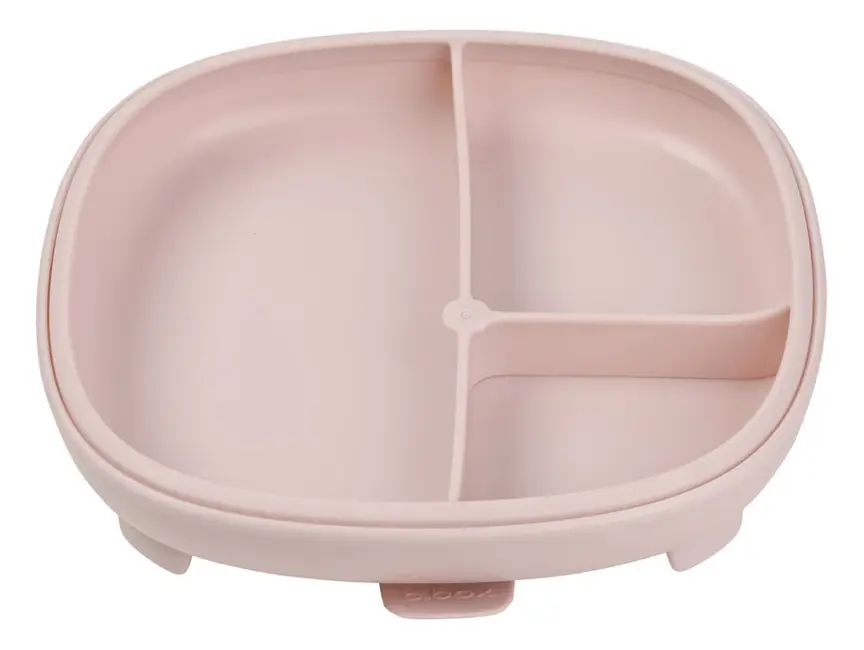
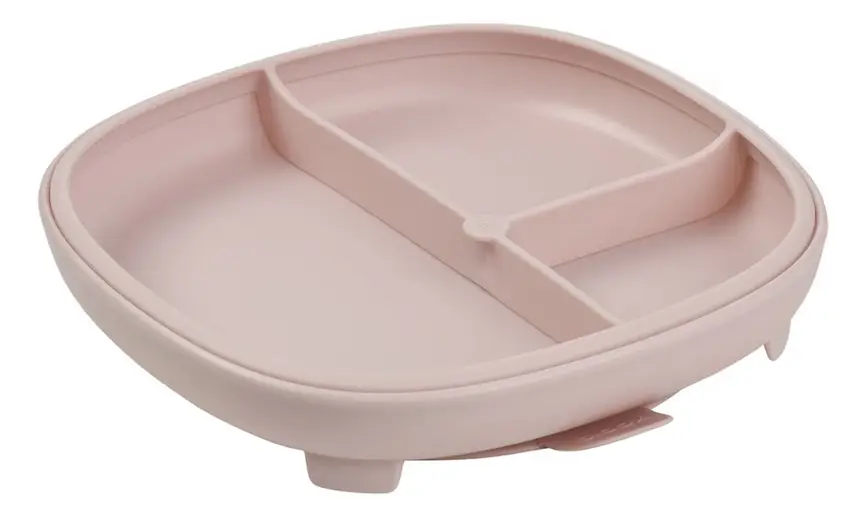
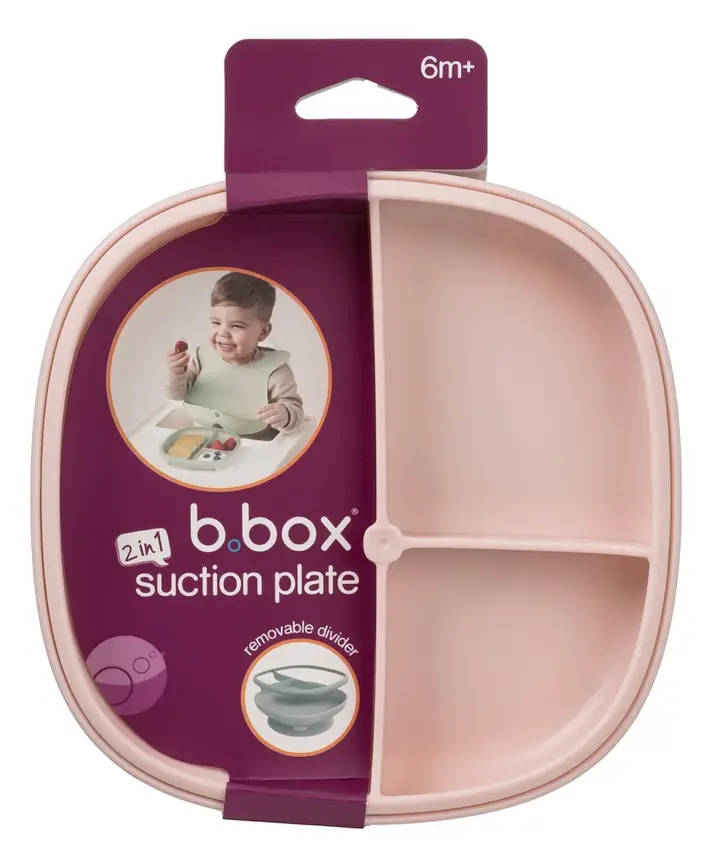
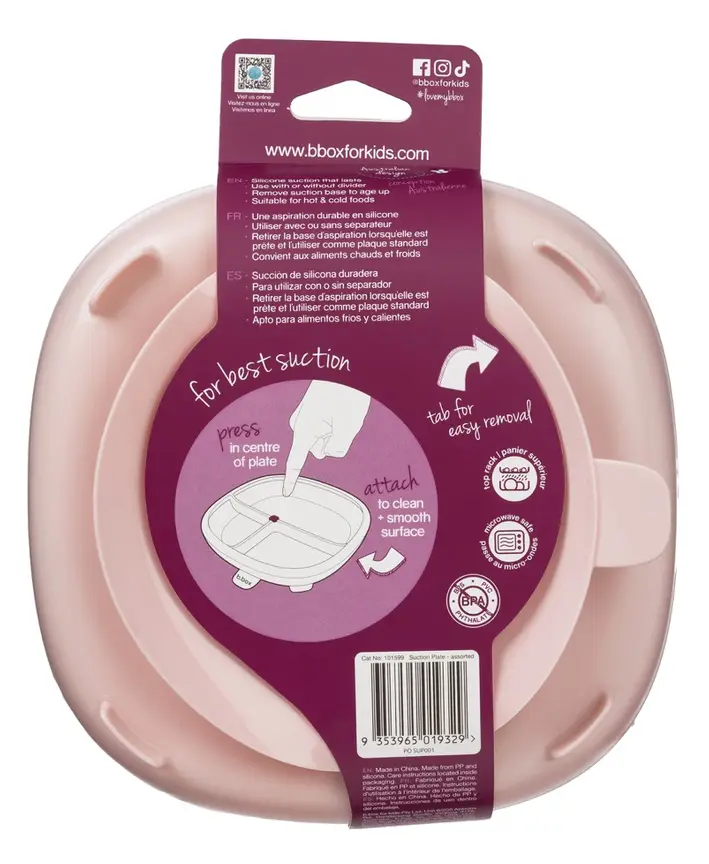
b.box 2-in-1 Divider Suction Plate
A divided suction plate for keeping foods apart.
Read our full review →Age stages and feeding needs
Every baby develops at a different pace. The ages below are broad reminders, not a schedule for stopping feeds.
| Stage | What to keep in mind | Useful next step |
|---|---|---|
| Young baby | Milk feeds are central. Night feeds may be needed. | Do not reduce feeds without advice from your baby’s care team. |
| Around six months | Some babies begin solid foods, but milk remains important. | Ask whether your baby’s growth and feeding support a change. |
| Later infancy | Needs vary. Illness, growth, and feeding skills still matter. | Change one feed at a time, if your clinician agrees. |
| Toddlerhood | Families may review night nursing or bottles for many reasons. | Keep comfort, nutrition, and parent wellbeing in view. |
Do not use a birthday alone to decide. Your baby’s health, growth, feeding, and family needs matter too.
Country guidance: who can help?
Trusted services can help you check feeding and sleep advice. Their roles differ. Ask a clinician who knows your baby before making a change that could affect nutrition.
| Country | Useful official or peak body | How it can help |
|---|---|---|
| Australia | Pregnancy, Birth and Baby; NHMRC; Australian Breastfeeding Association | Baby sleep, infant feeding, and breastfeeding information. |
| United Kingdom | NHS; health visitor; The Lullaby Trust | Feeding, baby sleep, and safer sleep information. |
| United States | American Academy of Pediatrics; Centers for Disease Control and Prevention | Parent advice on sleep and safe formula preparation. |
| Canada | Canadian Paediatric Society; Health Canada | Child health and feeding information for families. |
Advice may differ between countries. Use the service where you live. If advice online conflicts with your baby’s care plan, ask the clinician who knows your baby.
When to pause and seek help
Pause your plan if your baby is sick, feeding poorly, or seems less alert than usual. Ask for medical advice if you worry about growth, feeding, or the number of wet nappies. Do not wait for the next planned step.
Seek urgent care for signs of serious illness or dehydration. These can include unusual sleepiness, a very dry mouth, or much less urine than usual. Contact your local health service for guidance on what to do.
Get support if night waking is affecting your health or safety. A clinician can review feeding, sleep, and your wellbeing. You deserve help too.
Common mistakes to avoid
- Assuming six months means no night feeds. Babies differ. Ask whether your baby is ready.
- Removing every feed at once. A sudden change may be hard on your baby and your body.
- Giving extra solids to replace milk. Solids do not automatically replace milk feeds.
- Diluting formula. Prepare it exactly as instructed.
- Leaving a baby to cry without support. You can stay close and respond.
- Expecting sleep to change on a fixed timeline. Babies may still wake for comfort or care.
- Changing plans during illness. Wait and seek advice when your baby is unwell.
- Comparing your baby with others. Feeding and sleep patterns vary.
Frequently asked questions
Can I night wean my baby at six months?
Some families consider it, but six months is not a rule. Ask a health professional whether your baby’s growth, health, and feeding make a change suitable. Keep offering milk as advised.
Will night weaning make my baby sleep through?
It may not. Babies can wake for comfort, illness, or other needs. No plan can promise that all night waking will stop.
Can I keep breastfeeding during the day?
Yes. Night weaning and stopping breastfeeding are different choices. If you want to keep breastfeeding, ask how to reduce night feeds while protecting your comfort and milk supply.
Should I give more solids at dinner?
No extra food is needed just to make a baby sleep. Offer age-suitable foods and milk according to trusted guidance. Ask a clinician if you have concerns about hunger or growth.
Can I water down formula for a smaller night feed?
No. Make formula exactly as the instructions say. Do not add extra water or change the powder amount. Ask your health professional about safe ways to adjust feeds.
What if my baby cries when I reduce a feed?
Stay close and comfort your baby. You can offer a feed, pause the plan, or try another approach after seeking advice. You do not have to leave your baby alone to cry.
Should another caregiver settle my baby?
That can be one option if your family wants it. A familiar caregiver may offer comfort while you rest. Your baby may still need a feed, and you can decide what happens next.
When should I stop the plan and call a clinician?
Call if your baby is ill, feeding less, unusually sleepy, or has fewer wet nappies than usual. Ask sooner if your baby has a health condition or a feeding plan.
More options, from budget to premium
Real products from our catalogue. We don't show star ratings or review counts; check the current price, stock and reviews on Amazon before you buy.
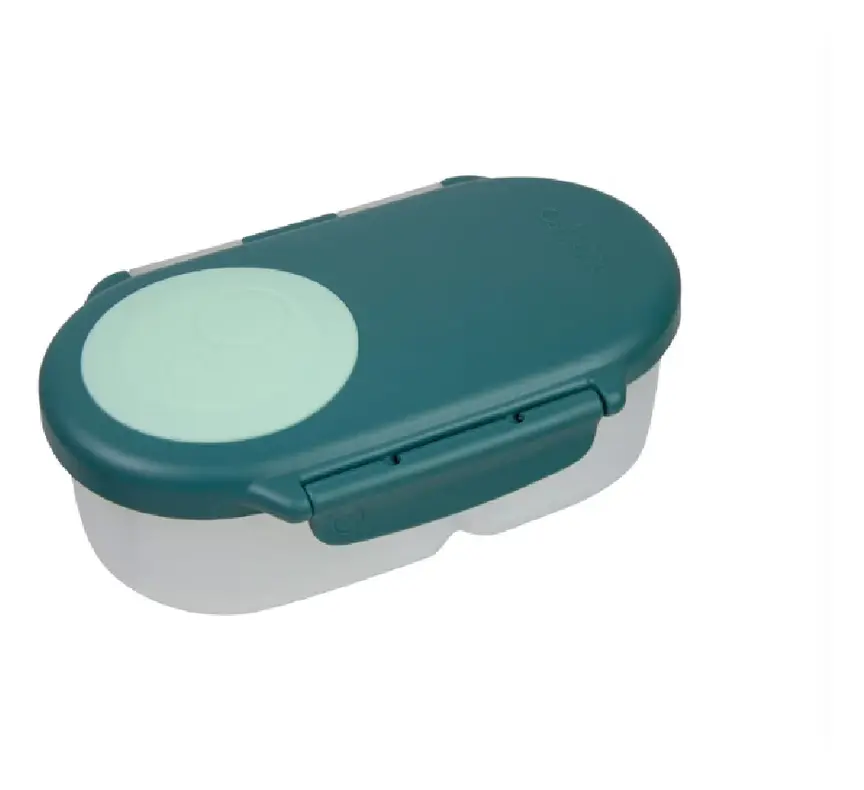
b.box Snack Box
A snack box toddlers can carry around.


Beaba Babycook Neo
Steam-and-blend baby food maker with a glass bowl and stainless steel steam basket.
Sources and support
- Pregnancy, Birth and Baby – Getting your baby to sleep
- Pregnancy, Birth and Baby – Responsive settling
- NHMRC – Infant Feeding Guidelines
- NHS – Helping your baby to sleep
- American Academy of Pediatrics – Getting your baby to sleep
- Canadian Paediatric Society – Healthy sleep for your baby and child
- Australian Breastfeeding Association – Preparing expressed breastmilk
Disclaimer: This article provides general information only. It is not medical advice and does not replace advice from a qualified health professional. Ask your doctor, nurse, midwife, or lactation consultant about your baby’s needs. BabyGearFinder may earn a commission from qualifying purchases. This does not affect the price you pay.
Sources
- Pregnancy, Birth and Baby – Getting your baby to sleep
- Pregnancy, Birth and Baby – Responsive settling
- NHMRC – Infant Feeding Guidelines
- NHS – Helping your baby to sleep
- AAP HealthyChildren.org – Getting your baby to sleep
- Caring for Kids (Canadian Paediatric Society) – Healthy sleep for your baby and child
- Australian Breastfeeding Association – Preparing expressed breastmilk
Related guides
More Parental Tips →
Protect Your Back After Birth: Safer Cot Transfers, Night Feeds and Nappy Changes

Nursery Night Lights: Red or Amber vs Blue-White Light, Melatonin and Baby Sleep

Split Nights: Why Your Baby or Toddler Is Awake for Hours at Night
