














Baby-Led Weaning vs Purées: Gagging vs Choking, Iron-Rich First Foods and Allergens
Baby-led weaning or purées? How to tell gagging from choking, which iron-rich first foods to offer at around 6 months, and when to introduce egg and peanut.

On this page
- Key points
- Is my baby ready for solids?
- Baby-led weaning vs purées: what is the difference?
- Gagging vs choking: how to tell them apart
- Does baby-led weaning cause more choking?
- Safe first foods and shapes
- Introducing allergy foods: egg, peanut and more
- A sample first month of solids
- Reading your baby's hungry and full signs
- When your baby refuses food
- Vegetarian babies
- Eating out and on the go
- Mealtime safety checklist
- Common mistakes to avoid
- FAQ
- Sources
Short answer: Both baby-led weaning (letting your baby feed themselves soft finger foods) and spoon-feeding purées are fine ways to start solid food at around 6 months. What matters most is what you offer and when: iron-rich foods first, textures that build up to family food by 12 months, and common allergy foods like egg and peanut in the first year. Gagging is a normal, noisy reflex while babies learn. Choking is quiet and needs first aid straight away.
Health groups in Australia (NHMRC and ASCIA), the UK (NHS), the US (American Academy of Pediatrics) and Canada (Canadian Paediatric Society) agree on these basics.
Key points
- Start at around 6 months when your baby shows signs they are ready, and not before 4 months.
- Iron-rich foods first: iron-fortified cereal, meat, chicken, fish, tofu, eggs and legumes.
- Allergy foods early: introduce egg and peanut soon after starting solids, and all common allergy foods by 12 months. Then keep giving them regularly.
- Method matters less than food safety. In a New Zealand trial, babies following a modified baby-led approach did not choke more than spoon-fed babies.
- Never: honey before 12 months, whole nuts, or small hard foods like raw apple or carrot chunks.
- Always: sit your baby upright and stay with them while they eat.
Is my baby ready for solids?
The NHMRC Infant Feeding Guidelines in Australia recommend starting solid food at around 6 months. ASCIA (the Australasian Society of Clinical Immunology and Allergy) says start when your baby shows signs of being ready, and not before 4 months. The NHS, AAP and Canadian Paediatric Society also say around 6 months.
Signs your baby is ready:
- sitting upright in a high chair with good head and neck control;
- seeming hungry after milk feeds;
- showing interest in food and reaching for what you are eating;
- opening their mouth when food comes near;
- being able to move food to the back of the mouth and swallow, instead of pushing it all out with their tongue.
Baby-led weaning needs your baby to sit up steadily and bring food to their mouth themselves. If your baby is not there yet, start with spoon-feeding and add finger foods as their skills grow.
Baby-led weaning vs purées: what is the difference?
| Spoon-fed purées | Baby-led weaning | |
|---|---|---|
| How it works | You spoon-feed smooth, then mashed, then lumpy food | Your baby picks up and feeds themselves soft pieces of food from the start |
| Who sets the pace | Mostly the parent, guided by baby's cues | Mostly the baby |
| Iron | Easy to include iron-fortified cereal and puréed meat | Needs planning: offer meat, fish, egg, tofu or legumes at most meals |
| Mess and time | Less mess, more hands-on feeding | More mess. Baby may eat less at first |
| Textures | Must keep moving on: smooth to lumpy to family food between 6 and 12 months | Textures are built in, but pieces must be soft and the right shape |
| Family meals | Baby may eat separately at first | Baby often eats a version of the family meal |
Many families mix the two: spoon-feeding at some meals and offering finger foods at others. Pregnancy, Birth and Baby says baby-led weaning can be combined with spoon-feeding, and most babies can manage finger foods from about 8 months whichever way you start. The NHMRC says textures should move from puréed to lumpy to normal family food between 6 and 12 months.
Baby Food Makers & Steamers worth a look
Real products from our catalogue. We don't show star ratings or review counts; check the current price, stock and reviews on Amazon before you buy.


Munchkin Soft Tip Infant Spoons (6 pack)
Six soft-tipped spoons for first foods.
Read our full review →
Plum First Feeding Spoons (2 pack)
Two first spoons sized for small mouths.
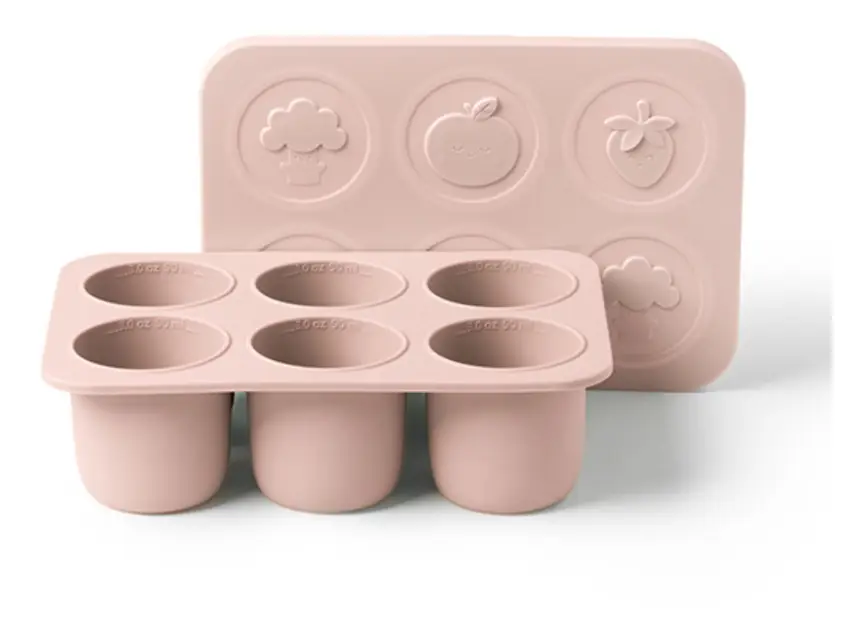
Annabel Karmel Silicone Freezer Food Tray
A silicone tray for freezing small portions of home-made baby food.

Annabel Karmel Silicone Weaning Plate
A silicone plate for starting solids.
Gagging vs choking: how to tell them apart
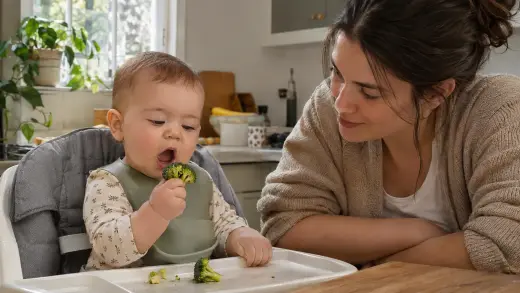
Gagging is a safety reflex. When a piece of food goes too far back before your baby is ready to swallow, they push it forward again. It looks scary but is usually harmless. Choking happens when food actually blocks the airway.
| Gagging | Choking |
|---|---|
| Noisy: coughing, spluttering, retching sounds | Quiet or silent, or a weak cough that does not work |
| Face may go red | Lips and face may turn blue or pale |
| Tongue pushes forward, food comes out | Cannot cry, breathe or make normal sounds |
| Baby recovers by themselves within seconds | Baby looks frightened, then floppy |
| What to do: stay calm, stay close, let them work it out | What to do: call your emergency number and start choking first aid |
Do not put your fingers in your baby's mouth while they gag. It can push food further back. If you are ever unsure whether your baby is breathing properly, treat it as choking. Our step-by-step choking first aid guide for babies explains exactly what to do.
Does baby-led weaning cause more choking?
The best-known study is the BLISS trial from the University of Otago in New Zealand (Fangupo and colleagues, published in Pediatrics in 2016). It followed 206 babies. Half had usual care. Half followed a modified baby-led approach, where parents got advice on avoiding high-risk foods and offering iron-rich foods.
- About 35% of all babies choked at least once between 6 and 8 months of age.
- There was no significant difference in choking between the two groups.
- Many babies in both groups were offered foods known to be choking risks.
The lesson: the food you offer matters more than the method. Whichever way you choose, prepare food safely, keep your baby sitting upright, and always stay with them while they eat.
Safe first foods and shapes
Babies' iron stores start to run low at around 6 months. That is why iron-rich foods should be among the first foods. After that, foods can be added in any order, at a pace that suits your baby. Do not add salt, sugar or honey.
- Iron-rich: iron-fortified baby cereal; minced or slow-cooked tender meat and chicken; flaked, boneless fish; well-cooked egg; soft tofu; mashed lentils, chickpeas or beans.
- Vegetables and fruit: steamed vegetable sticks soft enough to squash between your fingers; ripe banana or avocado; grated or cooked apple and pear.
- Grains: soft toast fingers, well-cooked pasta, rice and oats.
- Dairy: full-fat yoghurt and cheese can be offered. Cow's milk can be used in cooking.
Shapes for baby-led weaning
- 6 to 8 months: finger-length strips your baby can hold in a fist, with some sticking out the top. For example, a stick of steamed sweet potato or a strip of omelette.
- Around 8 to 10 months: as your baby learns to pinch with finger and thumb, offer smaller soft pieces.
- Round foods: cut grapes, cherry tomatoes and blueberries into quarters lengthwise.
- The squish test: if you can squash it between your thumb and finger, or on the roof of your mouth with your tongue, it is soft enough.
Foods to avoid or change
| Food | Why | Instead |
|---|---|---|
| Honey (before 12 months) | Risk of botulism, a rare but serious illness | No sweetener needed |
| Whole or chopped nuts | Choking risk | Smooth nut butter or finely ground nuts |
| Popcorn, hard lollies | Choking risk | Soft snacks |
| Raw apple, carrot or celery chunks | Hard pieces can block the airway | Grated, or cooked until soft |
| Whole grapes, cherry tomatoes | Round shape can block the airway | Quartered lengthwise |
| Sausages with tough skins | Skins and round slices are a choking risk | Skin removed, cut into thin strips |
| Salty or very sugary foods | Not good for babies | Plain family food before salt is added |
Milk drinks
Breastmilk or infant formula stays the main drink in the first year. Small amounts of water can be offered with meals from around 6 months. In Australia, the UK and the US, health groups say not to give cow's milk as the main drink before 12 months, though it can be used in cooking. In Canada, the Canadian Paediatric Society says whole (3.25%) cow's milk can be offered as a drink from 9 to 12 months, once your baby eats a range of iron-rich foods. Follow your own country's advice.
Introducing allergy foods: egg, peanut and more
ASCIA in Australia says delaying common allergy foods does not prevent allergy, and introducing them in the first year may lower the risk. The NHS, AAP and Canadian Paediatric Society give similar advice.
- Give well-cooked egg and smooth peanut butter or paste (never whole nuts) soon after your baby starts solids.
- Introduce all common allergy foods by 12 months. These include cow's milk foods (like yoghurt), wheat, soy, sesame, tree nuts (as smooth pastes), fish and other seafood.
- Once a food is tolerated, keep giving it regularly. ASCIA suggests at least once a week. Stopping can increase the risk of an allergy developing.
- Introduce one new allergy food at a time, so you can spot a reaction.
- Offer new allergy foods earlier in the day, so you can watch your baby for a few hours afterwards.
Signs of an allergic reaction
- Mild to moderate: swelling of the lips, face or eyes; hives or welts; vomiting.
- Severe (anaphylaxis): difficult or noisy breathing; swelling of the tongue; a baby who becomes pale and floppy. Call your emergency number straight away.
Mild redness only around the mouth, with no other signs, is usually not an allergic reaction. If your baby already has severe eczema or a known food allergy, talk to your doctor before introducing allergy foods.
A sample first month of solids
This is just one example. Go at your baby's pace, and keep breastmilk or formula as the main food.
| Week | Spoon-feeding idea | Baby-led idea |
|---|---|---|
| 1 | Iron-fortified cereal mixed with breastmilk or formula, once a day | Soft strips of slow-cooked beef, steamed broccoli florets |
| 2 | Puréed meat or lentils, puréed pumpkin | Strips of well-cooked omelette, ripe avocado wedges |
| 3 | Mashed (not smooth) vegetables with meat, a little smooth peanut paste stirred in | Toast fingers thinly spread with smooth peanut butter, soft pear |
| 4 | Lumpier mashes, yoghurt, flaked fish | Flaked fish, pasta, soft tofu sticks |
Side by side: more baby food makers & steamers to compare
Real products from our catalogue. We don't show star ratings or review counts; check the current price, stock and reviews on Amazon before you buy.

Baby Brezza One Step Baby Food Maker Deluxe
Steam-and-blend baby food maker

Babymoov Nutribaby(+) 6-in-1 Baby Food Processor
Steamer blender
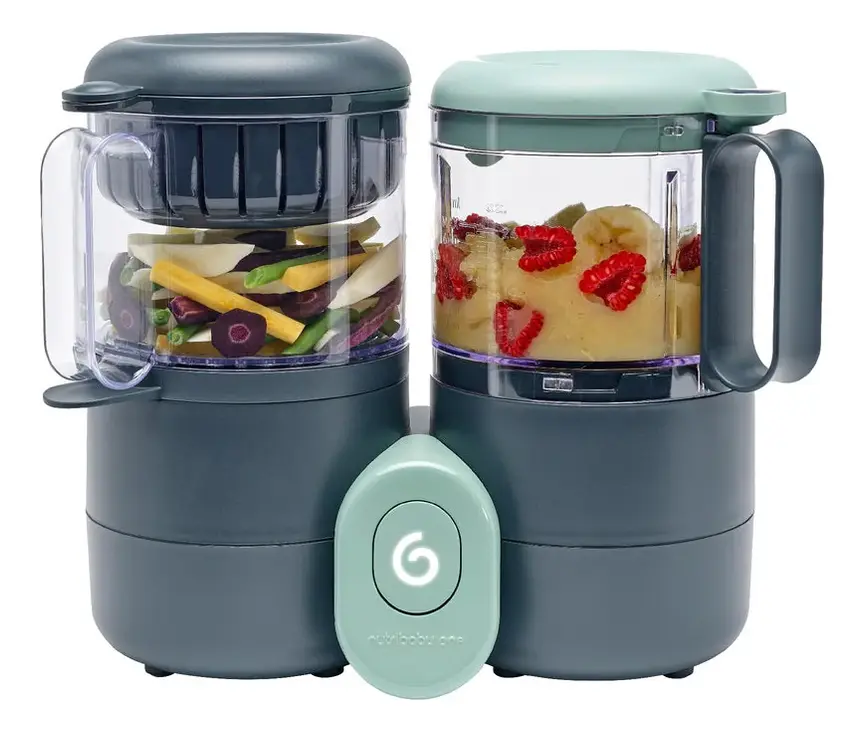
Babymoov Nutribaby One 4-in-1 Baby Food Maker
Steamer blender
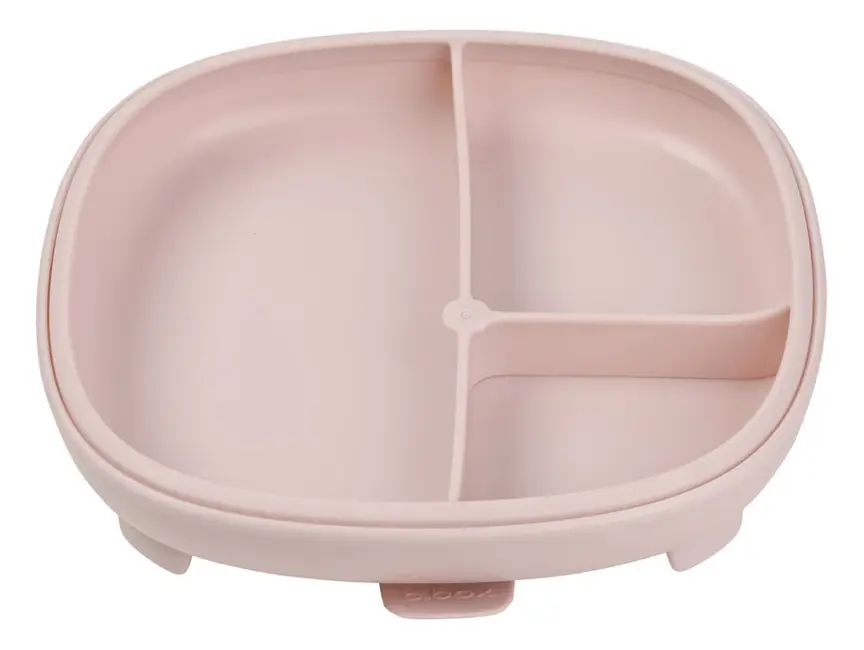
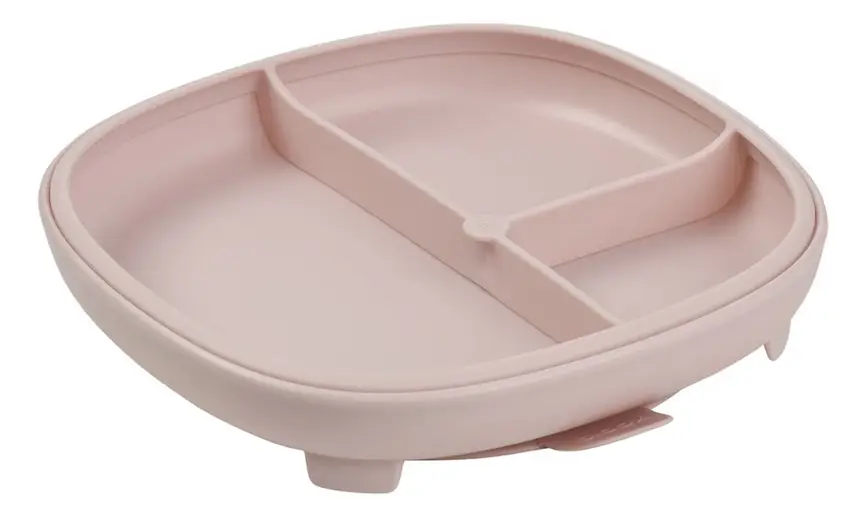
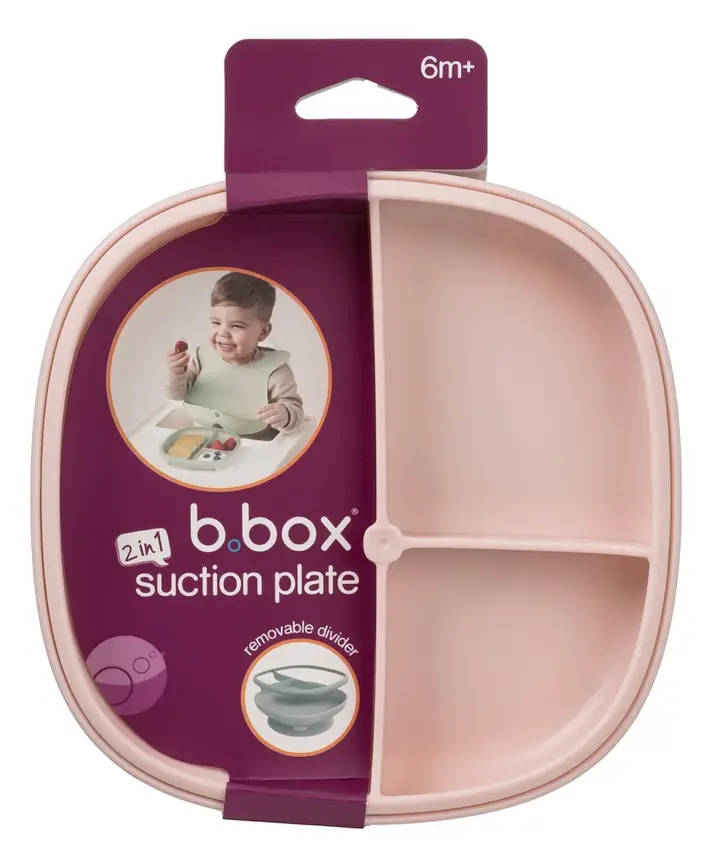
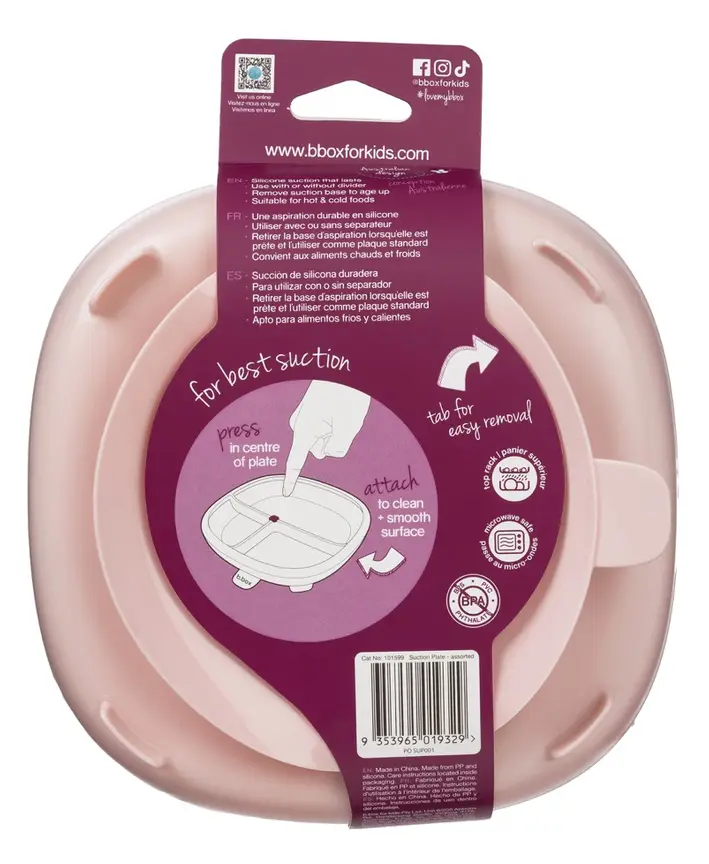
b.box 2-in-1 Divider Suction Plate
A divided suction plate for keeping foods apart.
Read our full review →Reading your baby's hungry and full signs
Let your baby guide how much they eat. This works for both spoon-feeding and baby-led weaning.
| Hungry signs | Full signs |
|---|---|
| Leaning towards food, mouth open | Turning the head away |
| Reaching for food or the spoon | Closing the mouth tight |
| Getting excited when food appears | Pushing food or the spoon away |
| Eating eagerly | Playing with food or throwing it |
Stop when your baby shows they are full. Do not push "one more bite". Babies are good at knowing how much they need.
When your baby refuses food
- It is normal. Babies may need to try a new food many times before they accept it.
- Keep offering small amounts of new foods alongside foods they like.
- Eat together. Babies learn by watching you eat the same foods.
- Keep it calm. Pressure, bribes or games to make babies eat often backfire.
- Check timing. A baby who has just had a big milk feed, or who is tired, may not want solids.
Talk to your doctor or child health nurse if your baby refuses most foods, is not gaining weight, or seems unwell.
Vegetarian babies
Babies can be raised vegetarian with care. Iron needs extra attention. Offer iron-fortified cereal, eggs, tofu, lentils, chickpeas and beans often. Pair them with foods high in vitamin C, like broccoli, tomato or orange, which help the body take in iron. Vegan diets for babies need careful planning, especially for vitamin B12, iron and other nutrients. Talk to your doctor or a dietitian if you plan a vegan diet for your baby.
Eating out and on the go
- Bring soft, safe foods from home, or choose plain items from the menu before salt and sauces are added.
- Check that restaurant high chairs have a working harness, and wipe them down.
- Do not let your baby eat in the car or the pram. Stop and sit them upright.
- Cut food into safe shapes before giving it to your baby.
Mealtime safety checklist
- Baby sits upright in a high chair, strapped in, facing you. Never feed a baby lying back, in a car seat or in a pram.
- Stay within arm's reach for the whole meal. Do not leave a baby alone with food, even for a moment.
- Offer food when your baby is calm and alert, not overtired or crying.
- Check the temperature of warmed food, and stir it well to remove hot spots.
- Throw out leftovers your baby has eaten from. Do not reheat food more than once.
- Learn baby first aid before your baby starts solids, and make sure carers know it too.
More options, from budget to premium
Real products from our catalogue. We don't show star ratings or review counts; check the current price, stock and reviews on Amazon before you buy.


Beaba Babycook Neo
Steam-and-blend baby food maker with a glass bowl and stainless steel steam basket.
 Reviewed
Beaba Babycook Solo
A compact steamer blender with a 1.1 L bowl. It steams, blends, defrosts and reheats.
Read our full review →Common mistakes to avoid
- Starting too early, before 4 months or before your baby shows signs of being ready.
- Forgetting iron. Offer an iron-rich food at most meals.
- Staying on smooth purées too long. Move to lumpier textures so your baby learns to chew.
- Delaying egg and peanut out of worry. Early introduction is the advice in all four countries.
- Offering hard, round or small foods like whole grapes or raw carrot.
- Feeding while your baby is reclined or on the move.
- Panicking at every gag. Stay calm, stay close and watch.
FAQ
Is baby-led weaning safe?
It can be, if your baby is ready and you offer soft, safely shaped foods while watching them. In the BLISS trial, babies following a modified baby-led approach with safety advice did not choke more often than spoon-fed babies.
My baby gags a lot. Should I stop finger foods?
Gagging is normal while babies learn. Keep offering a range of textures, and stay calm, as babies pick up on stress. If your baby gags all the time, vomits often, or is not moving on from smooth food, talk to your child health nurse or doctor.
When should I give my baby peanut?
ASCIA recommends smooth peanut butter or paste soon after your baby starts solids, and before 12 months. Once it is tolerated, keep giving it at least once a week. If your baby has severe eczema or another food allergy, talk to your doctor first.
How do I make sure a baby-led weaner gets enough iron?
Offer an iron-rich food at most meals: soft meat, fish, egg, tofu, legumes or iron-fortified cereal. Cereal can be served as fingers or on a preloaded spoon your baby holds.
Can I mix baby-led weaning and purées?
Yes. Many families do both. What matters is that your baby gets iron-rich foods, moves on to lumpier textures, and is eating family foods by around 12 months.
How much should my baby eat at first?
Very little. In the first weeks, solid food is about learning, not filling up. A few teaspoons or a few mouthfuls is plenty. Milk is still their main food until around 12 months.
What if my baby was born early?
Babies born early may be ready for solids at a different time. Doctors often use their "corrected age" (their age counted from their due date). Ask your doctor or child health nurse when to start.
Do I need special baby food equipment?
No. A high chair with a harness, a soft spoon, a bib and a small open cup are enough. A fork and knife to mash and cut food will do the rest. Blenders and food makers are handy but not needed.
Should I worry about mess?
Mess is part of learning. Babies squash, drop and smear food as they explore. Put a wipeable mat under the high chair and let them get messy. Touching and squashing food helps babies get used to new textures, which can make them more willing to eat them. Wash hands and faces after meals, and wipe the high chair tray each time.
Can my baby drink water?
From around 6 months, you can offer small sips of cooled boiled or tap water (as your local advice says) in an open cup with meals. Breastmilk or formula remains the main drink.
Sources
- NHMRC / Eat for Health (Australia) – Infant Feeding Guidelines summary
- ASCIA – How to introduce solid foods to babies for allergy prevention
- Pregnancy, Birth and Baby (Australia) – Introducing solid food
- University of Otago – Modified baby-led weaning does not increase choking risk (BLISS trial)
- healthdirect (Australia) – Choking
- NHS (UK) – Food allergies in babies and young children
- NHS (UK) – How to stop a child from choking
- American Academy of Pediatrics (US) – Starting solid foods
- American Academy of Pediatrics (US) – Choking prevention
- Caring for Kids, Canadian Paediatric Society – Feeding your baby in the first year
Related guides
More Parental Tips →
Baby-Led Weaning vs Purées: Gag Reflex, Choking Risk and Iron-Rich First Solids

15 Iron-Rich First Foods for Babies Around Six Months
Gagging vs Choking in Baby-Led Weaning: Signs to Watch For and What to Do
