












Protect Your Back After Birth: Safer Cot Transfers, Night Feeds and Nappy Changes
Simple ways to protect your back after having a baby: change-table height, lifting into and out of the cot, feeding posture and what to avoid while you heal.

On this page
- Why new parents get back pain
- Cot transfers: lifting your baby in and out
- Night feeds without the hunch
- Nappy changes and baths
- Car seats, prams and carriers
- Setting up your home: a quick checklist
- Recovery timeline: what to expect
- Gentle exercises that support your back
- Sharing the load
- Common mistakes to avoid
- When to get help
- Help in each country
- FAQ
- Sources
Short answer: looking after a newborn means bending, lifting and sitting in awkward positions many times a day, often while your body is still healing. To protect your back, set your change table at about waist height, put the cot mattress on its higher setting for young babies (if your cot allows), bend your knees and keep your baby close when you lift, and sit well back with support when you feed. Physiotherapists advise not lifting anything heavier than your baby for at least the first 6 weeks after birth. And always lay your baby on their back in their own cot once the feed is done, even when you're very tired.
Key points
- Change table: about waist height so you don't stoop. If you change on the floor, kneel rather than bend over.
- Cot transfers: stand close, bend your knees, keep your baby against your body, and lower them in slowly. Use the higher mattress setting while your baby is too young to sit or pull up.
- Feeding: sit well back with your back supported, feet on the floor or a stool, and pillows on your lap to bring your baby up to you.
- Heavy lifting: try not to lift anything heavier than your baby for at least 6 weeks, and longer after a caesarean.
- Safe sleep: if you're very tired, put your baby in their cot before you rest. Falling asleep with a baby on a couch is very risky.
Why new parents get back pain
Pregnancy and birth change your body. Hormones loosen your joints and ligaments so your pelvis can stretch for birth. Your tummy muscles stretch and may separate a little down the middle. The NHS says your body needs time to recover, and it can take months for things to feel normal again. A pelvis that was loose in pregnancy may take three to six months to settle, according to NHS physiotherapy advice.
At the same time, you're doing a lot of new jobs:
- lifting your baby in and out of a cot, bassinet, car seat and pram;
- bending over a change table or bath;
- sitting hunched over for long feeds, many times a day and night;
- carrying a car seat capsule with your baby in it;
- picking up an older child, too.
Doing these things with tired muscles and loose joints, often half asleep, is why back, neck, shoulder and wrist pain are common in the first months. Small changes to how you set up your home and how you move can make a big difference.
Cot transfers: lifting your baby in and out
Use the higher mattress setting while your baby is little
Many cots have two or more mattress heights. The higher setting means you bend less. It's meant for young babies only. Once your baby can sit up, kneel or pull themselves up, move the mattress to the lowest setting so they can't climb or fall out. Check your cot's instructions for when to lower it.
Cots must meet the safety standard in your country. In Australia, Product Safety Australia explains the mandatory standard for household cots. Drop-side cots, where one side slides down, are no longer sold in many countries because of safety problems. Don't modify a cot to make it easier on your back.
How to lower your baby into the cot
- Stand close to the cot, with your feet about hip-width apart. The closer you are, the less your back has to work.
- Hold your baby close to your chest, not out at arm's length.
- Bend your knees a little and hinge forward from your hips, keeping your back fairly straight.
- Gently tighten your tummy and pelvic floor muscles, and breathe out as you lower. POGP's guide suggests this for any lift after birth.
- Lower your baby slowly onto their back, feet towards the foot of the cot.
- Straighten up using your legs, not by swinging your back.
Lifting out is the same in reverse: get close, bend your knees, bring your baby to your chest first, then stand up.
Bassinets and bedside sleepers
Bassinets are usually higher than cots, so they're easier on your back in the early weeks. If you use a bedside sleeper (a bassinet that sits next to your bed), it must be firmly attached and level with your mattress, and used exactly as the maker says. Never let your baby sleep in your adult bed because it's easier to reach them. Red Nose's safe sleep advice is for your baby to sleep on their back, in their own safe sleep space.
Night feeds without the hunch
Feeding takes hours each day in the early months. Small posture changes help a lot.
- Sit well back in your chair or bed, with a pillow or rolled towel behind your lower back.
- Feet supported: both feet flat on the floor or on a low stool. Dangling feet make you slump.
- Bring your baby up to you, not you down to your baby. Pillows on your lap lift your baby to the right height.
- Relax your shoulders. Check them during the feed. Many parents find their shoulders creeping up towards their ears.
- Support your arm with a pillow, so you're not holding your baby's weight with your arm muscles the whole time.
- Look up sometimes. Long periods looking down at your baby strain your neck. Look ahead or around the room every few minutes.
- Swap sides for bottle feeding too, so one side doesn't do all the work.
POGP's guide also mentions feeding lying on your side as an option for breastfeeding parents. If you do this in bed, set up your bed as safely as possible in case you fall asleep, and move your baby back to their own sleep space afterwards. Talk to your midwife, child health nurse or health visitor about safer ways to do this.
A word about falling asleep while feeding
Night feeds happen when you're exhausted. Red Nose warns that falling asleep with a baby on a couch, sofa or armchair is very dangerous, because babies can slip into gaps or get trapped. If you feel very sleepy, feed in bed rather than on a couch, and put your baby back in their cot as soon as the feed is over.
Cots, Bassinets & Bedside Sleepers worth a look
Real products from our catalogue. We don't show star ratings or review counts; check the current price, stock and reviews on Amazon before you buy.
 Reviewed
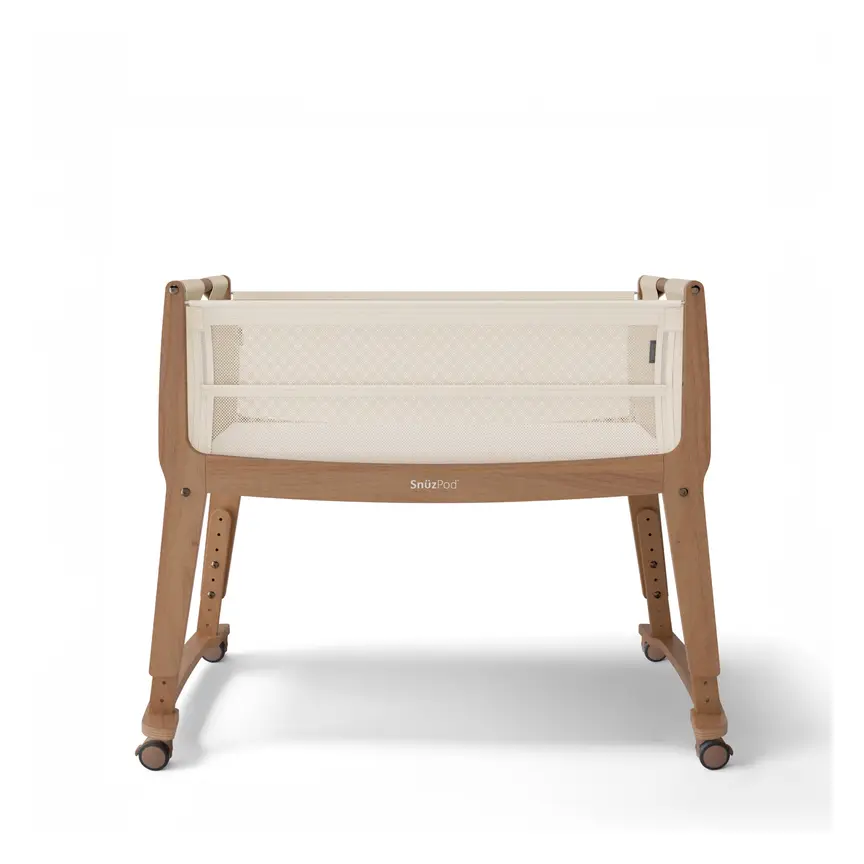
SnuzPod Studio
A bedside crib for night sleeps and naps, with panoramic mesh and a zip-down wall.
Read our full review →
4baby Snuggle Cuddle Bedside Sleeper
A low-cost bassinet that turns into a bedside sleeper, with 4 heights and mesh sides.

4baby Vacation Portacot
A low-cost portacot with a padded mattress and mesh sides.

Compare all cots, bassinets & bedside sleepers in our reviews →
Nappy changes and baths
Change table height
The UK physiotherapy guide says to have the changing surface at waist height so you don't stoop forward. The American Physical Therapy Association suggests a surface just below your elbows. If two adults of different heights share the job, set it for the taller one and give the shorter one a sturdy step, or choose an adjustable table.
If you change your baby on the floor or a bed, kneel beside them instead of bending over from standing. Always keep one hand on your baby on a raised surface. Babies can roll off change tables surprisingly early.
Bath time
- A baby bath on a stand or on the kitchen bench (with the bench clear and safe) saves bending over a big bath.
- If you use the big bath, kneel on a folded towel or kneeling pad, rather than bending from standing.
- Fill and empty the baby bath with a jug, or place it where it can drain, so you're not lifting a heavy tub of water.
- Never leave your baby alone in the bath, not even for a second.
Car seats, prams and carriers
- Capsules are heavy. Carrying a capsule with a baby in it on your forearm twists your back. If you must carry it, hold it close to your body with both hands, or use a pram that it clips into.
- Getting baby into the car: put one knee on the seat or stand as close as you can, so you aren't reaching far across with your back bent.
- Pram handle height: set it so your elbows are slightly bent and your back is upright.
- Carriers: a well-fitted carrier spreads your baby's weight across your hips and shoulders. Keep your baby high and snug, with their face clear.
- Folding the pram: lift it into the car boot using your legs, close to your body. Ask for help in the early weeks.
Setting up your home: a quick checklist
| Where | Set it up so | Why it helps |
|---|---|---|
| Change table | Surface at about waist height or just below the elbows; supplies within reach | No stooping, and you never have to step away from your baby |
| Cot | Higher mattress setting while baby is little; lowest once they can sit or pull up | Less bending early on; safer later |
| Feeding chair | Firm back, armrests, pillow for your lower back, footstool | Supports good posture for long feeds |
| Night kit | Water, snacks, burp cloths, nappies and a dim light within reach | Less twisting and getting up at night |
| Bath area | Baby bath on a stand or bench, or a kneeling pad by the big bath | Less bending; no lifting heavy water |
| Car | Pram that the capsule clicks into; practise fitting the capsule base | Less carrying of heavy capsules |
Pregnancy, Birth and Baby has a guide to getting your home ready before the baby comes. It's a good time to set up heights and storage while you can still move easily.
Recovery timeline: what to expect
| Time after birth | What physiotherapy guides suggest |
|---|---|
| First days | Gentle walking, pelvic floor exercises and deep breathing, if your midwife says it's OK. Roll onto your side to get out of bed. |
| First 6 weeks | Try not to lift anything heavier than your baby. Ask older children to climb up to you when you're sitting, rather than bending to lift them. |
| After a caesarean | Recovery from surgery takes longer. Follow your hospital's advice on lifting and driving. |
| 6 weeks to 6 months | Slowly build strength. Joints and muscles may still be recovering. Avoid heavy lifting where you can. |
Side by side: more cots, bassinets & bedside sleepers to compare
Real products from our catalogue. We don't show star ratings or review counts; check the current price, stock and reviews on Amazon before you buy.

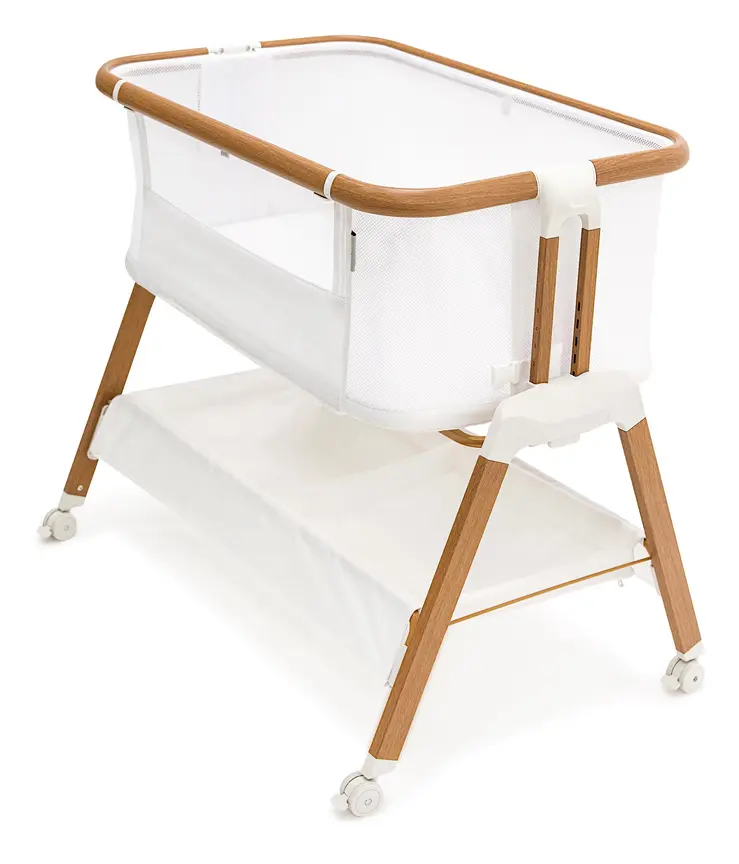
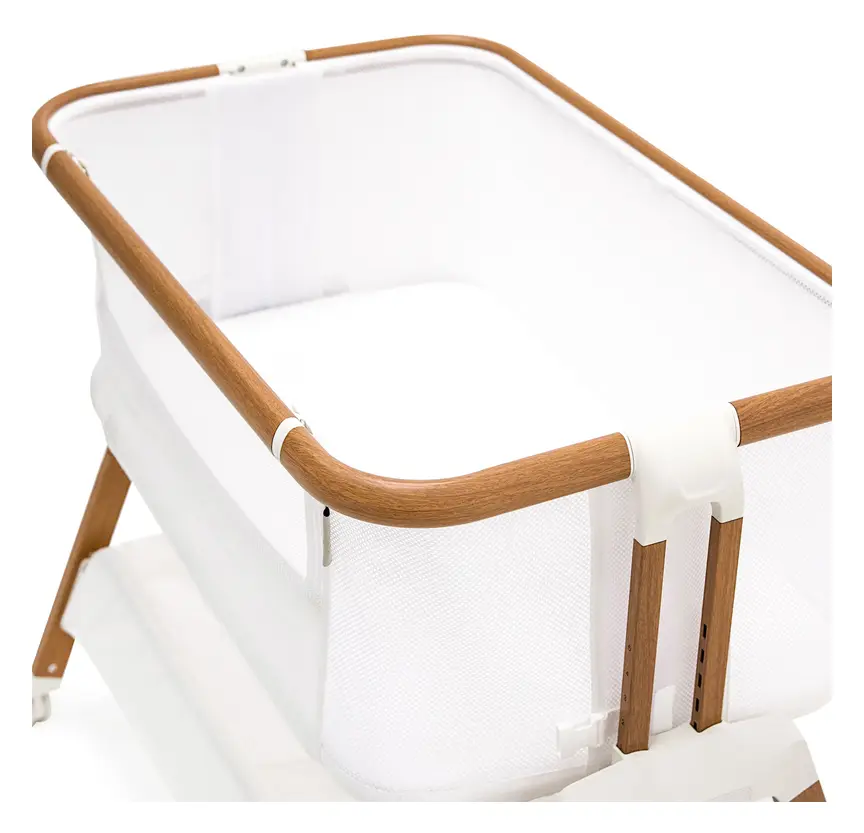
BabyRest Alfie2 Bedside Bassinet
A bedside bassinet with 5 heights, a drop-down side, wheels and an insect net.
Read our full review →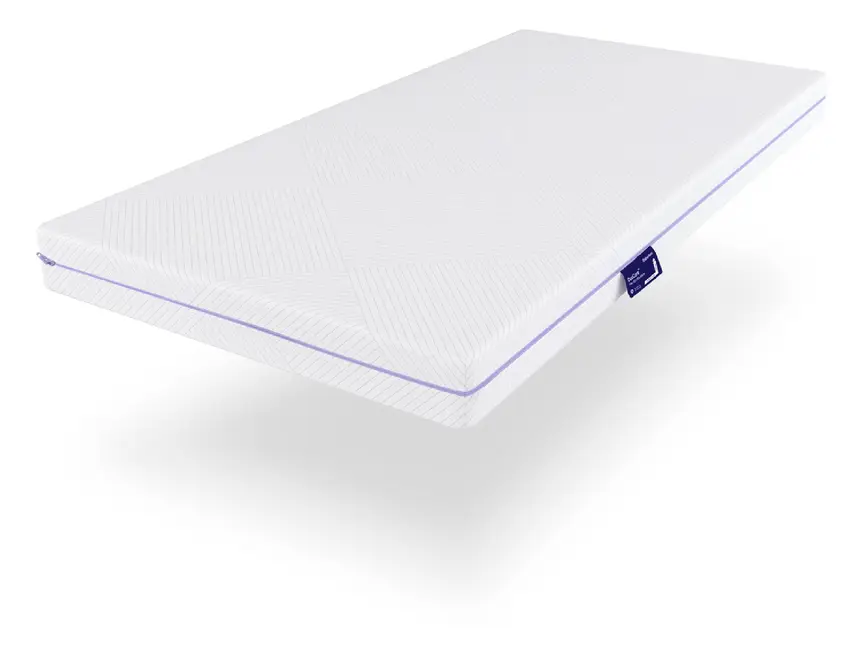
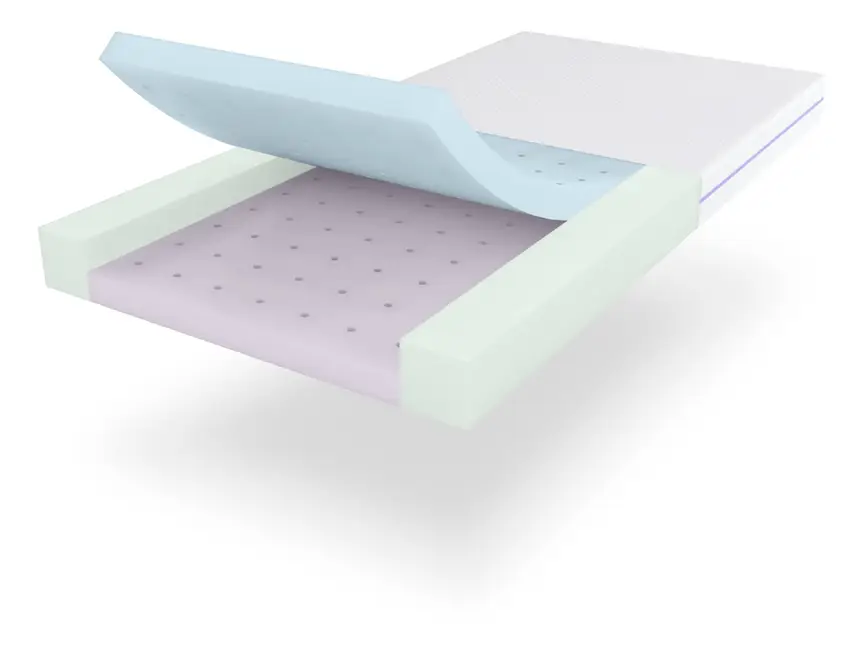

BabyRest Duocore Bamboo Cot Mattress
A two-sided mattress: a baby side to 12 kg and a toddler side from 12 kg to about 4 years.
Read our full review →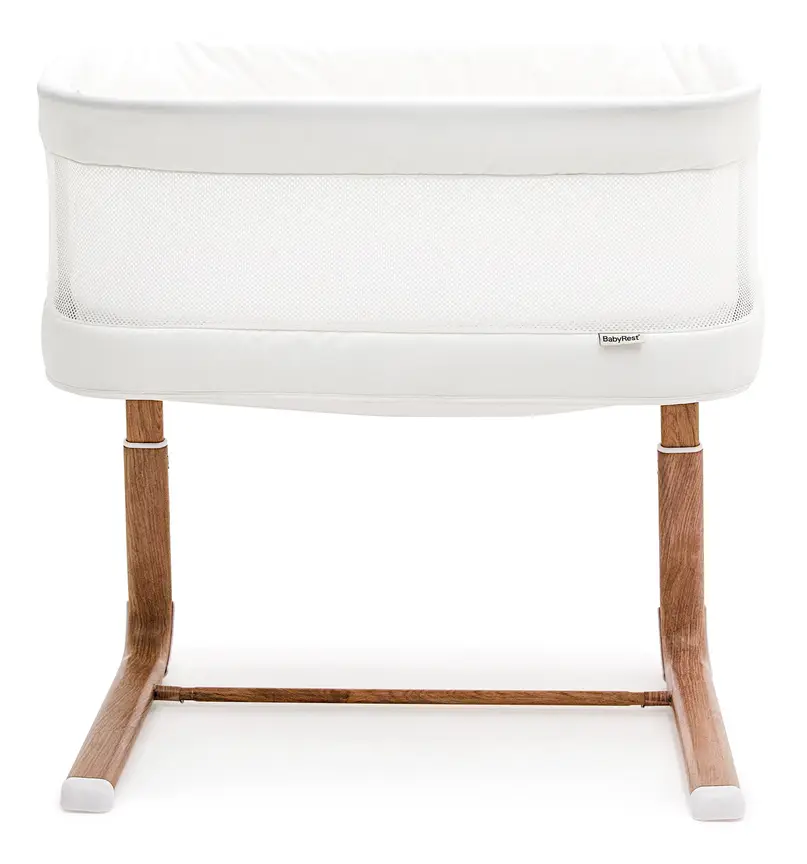


BabyRest Swan Smart Bassinet
A bassinet that rocks by itself when baby stirs, with 3 rocking levels, lullabies and a remote.
Read our full review →


Boori Matilda Cot Bed
A cot that turns into a toddler bed using its own end panels. No extra kit needed.
Read our full review →Compare all cots, bassinets & bedside sleepers in our reviews →
Gentle exercises that support your back
Physiotherapy guides for after birth, like the POGP "Fit for the Future" booklet, suggest starting gentle exercises soon after birth, if your midwife or doctor says it's OK. These help your back by waking up the deep muscles that hold your body steady.
- Pelvic floor exercises. Squeeze and lift the muscles you'd use to stop passing urine and wind. Hold for a few seconds, then relax fully. Do a few quick ones too. Don't hold your breath or squeeze your bottom.
- Deep tummy muscle exercise. Breathe out and gently draw your belly button in towards your spine. Hold for a few seconds while breathing normally, then relax.
- Pelvic tilts. Lying on your back with knees bent, gently flatten your lower back into the bed, then relax.
- Walking. Short walks, building up slowly, help your whole body recover.
Stop any exercise that causes pain, and ask a physiotherapist for help. After a caesarean, check with your hospital before starting tummy exercises.
Use these muscles during daily jobs too. Gently tighten your pelvic floor and tummy before you lift your baby out of the cot or car seat. Over time, this becomes a habit.
Sharing the load
You don't have to do every lift yourself. In the early weeks, ask your partner, family or friends to help with the heavy or awkward jobs:
- carrying the capsule and folding the pram;
- lifting the washing basket and shopping bags;
- bath time, which involves lots of bending;
- lifting older children in and out of the car;
- bringing your baby to you for night feeds, so you can stay sitting.
If you're on your own, plan your day so heavy jobs happen less often. Online grocery delivery, a smaller washing basket and keeping baby supplies in each room can all save your back.
Common mistakes to avoid
- Lifting with straight legs and a bent back. Bend your knees and keep your baby close.
- Reaching across the cot from the side or end. Get as close as you can first.
- Hunching over for every feed. Bring your baby up with pillows.
- Carrying the capsule on one arm everywhere.
- Picking up a toddler from the floor in the early weeks. Sit down and let them climb onto your lap.
- Sleeping with your baby on the couch because you're too tired to move. Put your baby in their cot first.
- Ignoring pain. Pain that doesn't settle needs checking.
When to get help
See your doctor, midwife or a women's health physiotherapist (called a pelvic health physiotherapist in some places) if you have:
- back or pelvic pain that is getting worse or stopping you from caring for your baby;
- pain in your pubic bone or the back of your pelvis when you walk or turn in bed;
- leaking urine or a feeling of heaviness or bulging in your vagina;
- a gap in your tummy muscles that doesn't seem to be closing;
- pain, numbness or tingling in your wrists or hands, which can happen from holding your baby a lot.
Get urgent medical help if you have back pain with fever, weakness or numbness in your legs, or trouble controlling your bladder or bowel.
Help in each country
| Country | Where to start |
|---|---|
| Australia | Your GP, child and family health nurse, or a women's health physiotherapist. Pregnancy, Birth and Baby has a free helpline. |
| United Kingdom | Your GP, midwife or health visitor. Many NHS trusts have pelvic health physiotherapy you can be referred to. |
| United States | Your OB-GYN, midwife or doctor. A physical therapist who works in pelvic health can help. |
| Canada | Your family doctor, midwife or public health nurse; pelvic health physiotherapists work in most provinces. |
More options, from budget to premium
Real products from our catalogue. We don't show star ratings or review counts; check the current price, stock and reviews on Amazon before you buy.

Boori Oasis Oval Cot
A curved solid beech cot on lockable wheels, with two base heights.

Boori Pocket Spring Mattress (standard cot)
A pocket spring cot mattress that comes rolled. Let it expand for up to 24 hours.
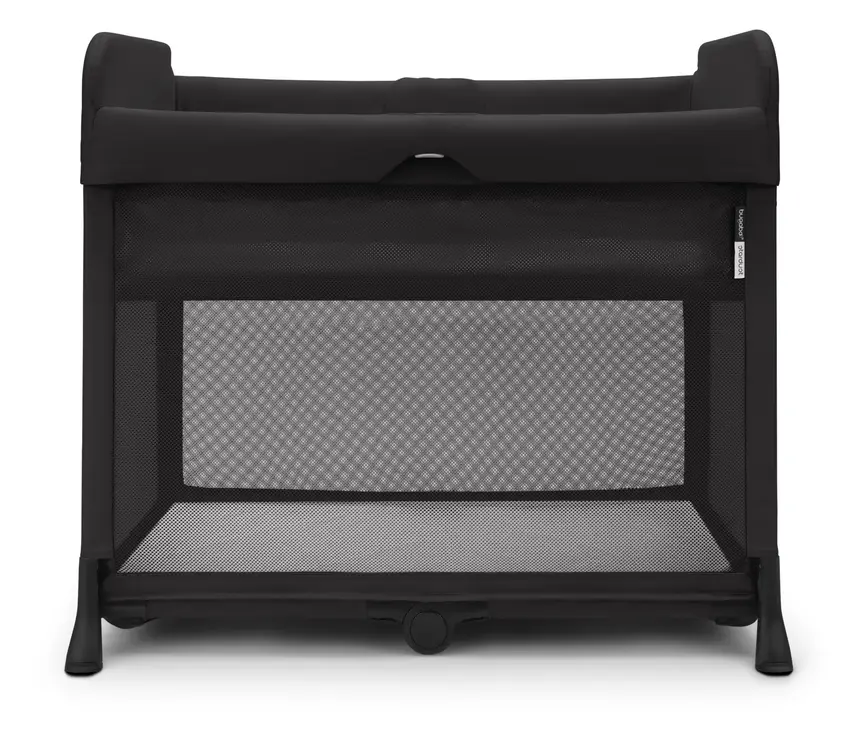

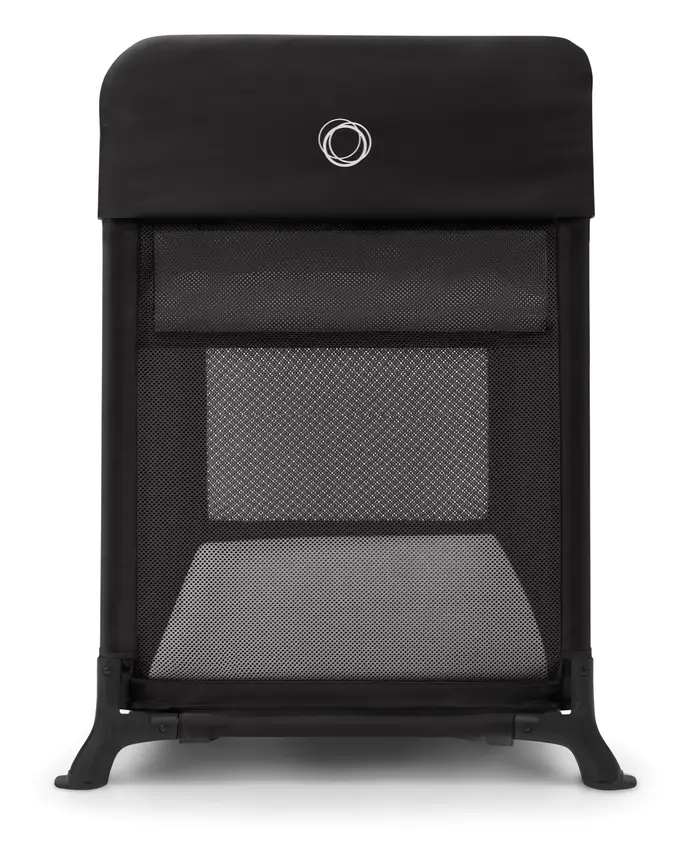
Bugaboo Stardust Plus
A pop-up portacot with a bassinet, for naps at home or away.
Read our full review →Compare all cots, bassinets & bedside sleepers in our reviews →
FAQ
How high should my change table be?
About waist height, or just below your elbows, so you can change your baby without bending forward.
Is it OK to use the high mattress setting in the cot?
Yes, for young babies who can't sit up or pull up yet, if your cot has that setting. Lower it as soon as your baby can sit, kneel or pull up.
When can I lift heavy things again?
Physiotherapy guides suggest not lifting anything heavier than your baby for at least 6 weeks. After a caesarean, follow your hospital's advice. Build up slowly.
Why does my back hurt when I feed?
Usually because you lean forward to your baby for a long time. Sit well back, support your lower back and arms, and bring your baby up with pillows.
Is back pain after birth normal?
It's common. Pain that is severe, getting worse or not settling should be checked by your doctor or a physiotherapist.
Can I feed lying down to rest my back?
Some parents breastfeed lying on their side. Make the bed as safe as possible in case you fall asleep, and put your baby back in their own sleep space afterwards. Never do this on a couch.
Does a nursing pillow help my back?
It can. A firm feeding pillow brings your baby up to breast or bottle height, so you don't lean forward. Make sure your baby never sleeps on a feeding pillow, and take it away once the feed is over.
Should I wear a back brace or support belt?
Some people with pelvic girdle pain find a support belt helps for a short time. Ask a physiotherapist first, so you get the right type and it doesn't replace building strength.
My wrists hurt from lifting my baby. What can I do?
Try lifting with your whole hand and forearm under your baby, rather than gripping under their arms with your thumbs spread wide. Swap arms often. If pain, numbness or tingling continue, see your doctor or a physiotherapist.
Sources
- Pelvic, Obstetric and Gynaecological Physiotherapy (POGP, UK) – Fit for the Future: advice and exercises after childbirth (PDF)
- Walsall Healthcare NHS Trust – Post-natal advice and exercises (PDF)
- NHS – Your post-pregnancy body
- American Physical Therapy Association, ChoosePT – Tips to prevent new parenting injuries
- Pregnancy, Birth and Baby – Preparing your home for when your baby arrives
- Red Nose Australia – Six safe sleep recommendations
- Red Nose Australia – Co-sleeping on a sofa or couch
- Product Safety Australia – Household cots guide
Related guides
More Parental Tips →
The 4-Month Sleep Regression: Why Your Baby's Sleep Changes and Gentle Ways to Help

Setting Up a Nursery and Changing Station That Is Easy on Your Back and Safe for Baby

The 4-Month Sleep Regression: Why Your Baby's Sleep Changes and How to Cope
