











How to Choose and Use a Baby Bottle Safely
Choose a baby bottle by its feel, flow and ease of cleaning. Learn safe feeding, formula preparation and bottle care for families in four countries.
On this page
- What makes a bottle work well?
- How to choose a bottle
- What the science can and cannot tell us
- How to feed at your baby's pace
- Preparing infant formula safely
- Expressed breastmilk in a bottle
- Washing and sterilising bottles
- Age stages and bottle changes
- Bottle choices compared
- Common bottle-feeding mistakes
- Official guidance in four countries
- When to ask for feeding help
- Frequently asked questions
- Sources
Short answer: There is no single perfect bottle for every baby. Choose one that is easy to clean and comfortable for you to hold. Use a teat with a flow your baby can manage. Feed your baby while holding them close and watching them. Follow the formula label and trusted health advice for safe preparation. Wash and sterilise bottles as advised where you live.
In Australia, useful guidance comes from the Australian Breastfeeding Association, NHMRC and Pregnancy, Birth and Baby. In the UK, it comes from the NHS. In the US, it comes from the Centers for Disease Control and Prevention. In Canada, the Canadian Paediatric Society shares advice through Caring for Kids. Their advice helps families make safe choices. Your midwife, doctor or child health nurse can help with your baby's needs.
What makes a bottle work well?
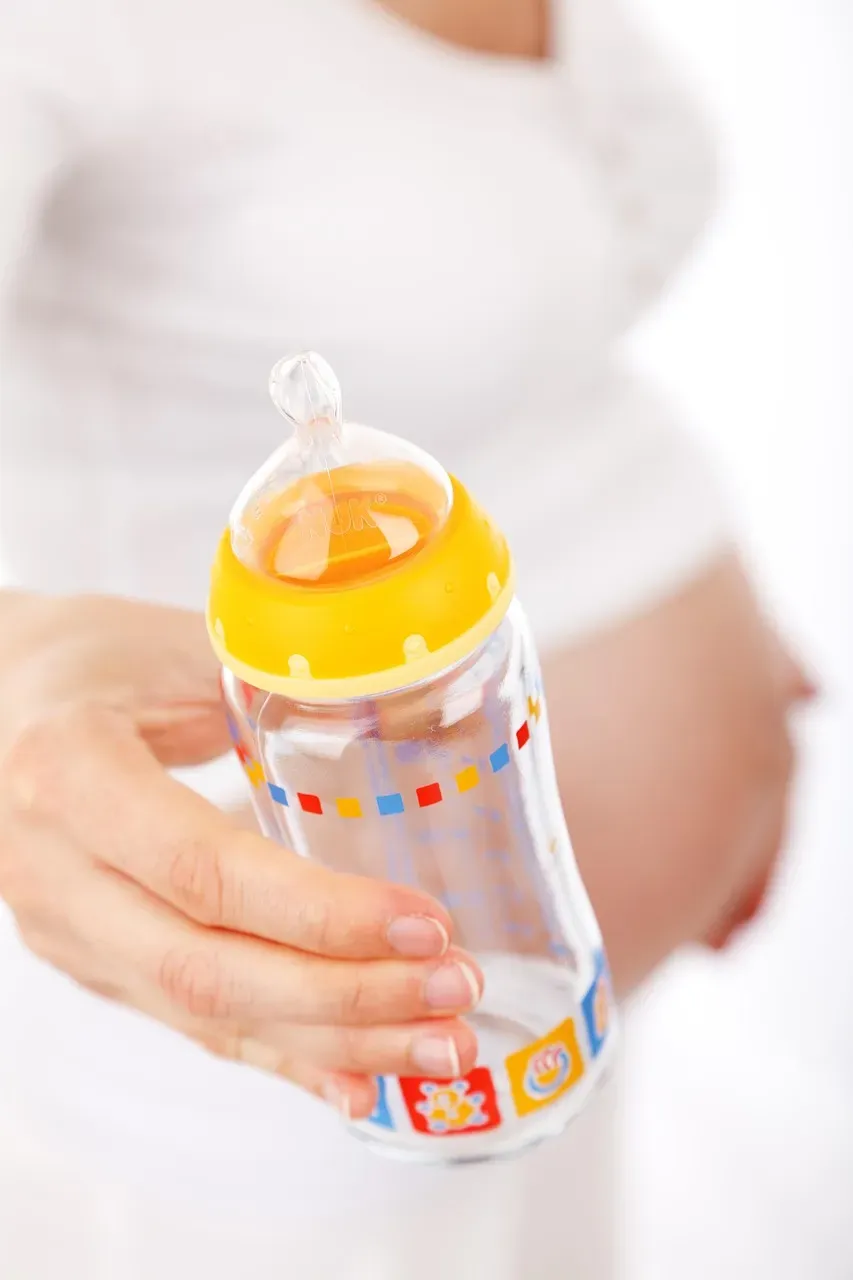
A bottle holds expressed breastmilk or infant formula. A teat lets the baby drink from it. The bottle may look simple, but the right choice depends on your baby and your routine.
A useful bottle is one you can clean well. Its parts should come apart as the maker directs. You should be able to see whether milk or water remains inside. The teat should suit your baby's feeding skills. A bottle should not leak when assembled as directed.
Marketing may promise less wind, fewer cramps or better sleep. A bottle cannot promise these results. Babies swallow air for many reasons. Crying, feeding position, milk flow and normal development can all play a part. If your baby seems unwell or has ongoing feeding trouble, ask a health professional.
Breastmilk and infant formula can both be given by bottle. If you are expressing milk, keep following safe storage advice. If your baby has a health condition, was born early, or needs extra feeding support, ask your care team which bottle and teat may suit.
How to choose a bottle
Start with a simple design
Look for a bottle with clear parts and instructions. A wide opening may make pouring and washing easier. A bottle with fewer pieces may take less time to clean. Check that every part can be washed as directed.
Some bottles have extra vents, valves or inserts. These can add more pieces to wash. They may suit some families, but they are not required for every baby. Choose them only if you understand how to assemble and clean them.
Think about the bottle material
Bottles are often made from glass or plastic. Some teats and bottle parts are made from silicone. Each material has practical trade-offs.
Glass bottles are clear and do not scratch in the same way as plastic. They are heavier and can break if dropped. Plastic bottles are lighter and will not shatter like glass. They can become scratched or cloudy with use. Follow the maker's instructions for heat and wear.
Do not use a bottle with cracks, chips, deep scratches, or damaged parts. Replace a teat that is torn, sticky, swollen or changed in shape. Check the maker's advice on when to replace parts.
Some families prefer to avoid heating milk in plastic. If you do, prepare formula safely in a separate clean container, then cool it and pour it into the feeding bottle. Follow the formula maker's instructions and local health advice. Do not change the water amount or preparation steps.
Choose a teat flow your baby can manage
Teats may be labelled slow, newborn, medium or fast flow. These labels are not the same across all brands. A bigger number does not mean your baby needs that teat. Babies do not all move through teat flows at the same pace.
A slower flow may help a young baby manage the milk. A faster flow can make a baby cough, gulp or lose milk around the mouth. A flow that is too slow may make feeding tiring or frustrating. Watch your baby instead of changing the teat just because of age.
Signs the flow may be too fast include coughing, choking, gulping, pulling away, or milk spilling from the mouth. Signs the flow may be too slow include tiring before finishing or sucking hard with little milk transfer. These signs can have other causes too. Ask a nurse, doctor or feeding specialist for help if they continue.
Do not cut or enlarge a teat hole
Use the teat as supplied. Do not cut it, stretch it, or poke a hole in it. A changed opening can let milk flow too quickly. It may also tear during use.
What the science can and cannot tell us
Babies need to coordinate sucking, swallowing and breathing. A calm pace gives them time to do this. Holding the baby close and watching their face can help you notice when they need a pause.
There is no bottle shape that has been shown to be best for every baby. Claims about breast-like shapes or special vents do not prove that a bottle prevents wind or colic. A baby may prefer one teat, but that does not make it the right choice for all babies.
Some babies take a bottle easily. Others need time, a different teat, or help with feeding position. If bottle feeding is painful, very long, stressful, or linked with poor weight gain, ask for support. Do not assume a new bottle will solve a health concern.
Babies can swallow air while feeding. Holding them with their head and body aligned may help. Let your baby pause when they show they need one. Burping may help some babies feel comfortable, but not every baby needs to burp after each feed.
How to feed at your baby's pace
- Wash your hands. Clean hands help keep germs away from the bottle and milk.
- Settle your baby. Hold your baby close, with their head supported and their face visible.
- Touch the teat to the lips. Let your baby open their mouth and draw the teat in. Do not force it.
- Keep the bottle mostly level. Tip it enough for milk to fill the teat. This can help slow the flow.
- Watch your baby. Pause if they turn away, stop sucking, or seem to need a rest.
- Stop when they show they are done. Do not pressure your baby to finish the bottle.
Never prop a bottle against a pillow or leave a baby alone with it. A baby may choke or keep drinking when they need a pause. Keep holding your baby throughout the feed.
Do not feed a baby lying flat. Keep their head higher than their tummy. If they have trouble breathing, coughing or swallowing during feeds, get medical advice.
Preparing infant formula safely
Powdered infant formula is not sterile. Germs can be present in the powder. Safe preparation matters, especially for young babies and babies with health needs.
Follow the instructions on the formula container and the current advice for your country. Use the stated amount of water and powder. Measure carefully. Too much or too little water can make a feed unsafe.
Use clean equipment. Make each feed as directed. Do not use a microwave to warm a bottle. It can heat milk unevenly and create hot spots that burn a baby's mouth.
Cool a prepared bottle safely before feeding. Check its temperature on your wrist if you choose to warm it. It should feel lukewarm, not hot. Do not let a bottle sit warm for a long time.
Discard leftover milk after a feed. Do not save it for later. Follow the package and local health instructions for how long prepared formula can be stored.
Do not add cereal, medicine, or other ingredients to a bottle unless a health professional has told you to do so. Do not dilute formula or make it stronger. Ask a clinician if you have concerns about your baby's intake.
Expressed breastmilk in a bottle
Use clean containers and follow reliable storage guidance for expressed breastmilk. The Australian Breastfeeding Association explains how to prepare expressed milk. The NHS gives UK guidance on storing breastmilk.
Thaw frozen breastmilk safely. Warm it gently if needed. Swirl it to mix the cream back into the milk. Do not shake it hard. Do not use a microwave.
Milk can look or smell different after storage. If you are unsure whether it is safe, ask a health professional or follow the storage advice from your local health service. Write the date on stored milk so you can use older milk first.
If your baby does not finish a bottle of expressed milk, follow the advice from your local health service about what to do with the leftover milk. Do not mix fresh milk with milk that has already been in your baby's mouth.
Washing and sterilising bottles
Wash bottles and teats after every feed. Take apart all pieces that the maker says can be removed. Wash them in hot, soapy water with a clean brush. Rinse well and let them air dry on a clean surface.
Do not dry the inside with a tea towel. Cloths can carry germs. Store dry parts in a clean place. Keep clean items away from dirty dishes and food scraps.
Sterilising advice varies by country and by a baby's needs. The NHS advises sterilising feeding equipment for babies under 12 months. In other places, local guidance may depend on the baby's age and health. Ask your doctor or nurse if your baby was born early or has a weak immune system.
Use a sterilising method that suits the equipment. Follow the maker's directions for boiling, steam or cold-water methods. Do not leave parts in boiling water longer than advised. Check the bottle and teat instructions first.
Throw away or replace damaged parts. A teat with a tear can break further during feeding. A bottle with a crack can leak or break. Never keep using a part because it looks nearly fine.
Age stages and bottle changes
| Stage | What may change | What to keep doing |
|---|---|---|
| Newborn | Your baby is learning to feed and may need a slower pace. | Hold your baby close. Watch for pauses and signs of distress. |
| First months | Your baby's feeding skills and appetite may change. | Choose flow by your baby's cues, not just the teat label. |
| Starting solids | Your baby may begin learning to drink from a cup when ready. | Follow local health advice about milk, food and cups. |
| Later infancy | Your family may reduce bottle use as cup skills grow. | Ask a health professional if you are unsure about timing. |
There is no need to move to a faster teat just because your baby is older. A baby may use the same flow for some time. Make a change only when feeding cues suggest it may help, and seek advice if you are uncertain.
Bottle choices compared
| Choice | Useful points | Things to consider | May suit |
|---|---|---|---|
| Glass bottle | Clear and easy to inspect. | Heavier and can break if dropped. | Families who prefer glass and can handle it safely. |
| Plastic bottle | Light and less likely to shatter. | Can scratch or become cloudy. Check heat instructions. | Families who value light weight. |
| Silicone parts | Flexible parts may be easy to hold or fit. | Inspect for damage and follow cleaning directions. | Families whose chosen bottle uses silicone parts. |
| Simple bottle and teat | Fewer parts can mean simpler cleaning. | May not suit every baby's feeding needs. | Families who want a basic setup. |
| Vented bottle | Has extra parts that manage air inside the bottle. | More pieces need correct assembly and cleaning. It cannot promise less wind. | Families who find the design easy to maintain. |
There is no need to buy many bottles before you know what works. A small number lets you try a design and learn your routine. Check the maker's instructions before buying replacement parts.
Common bottle-feeding mistakes
- Choosing a faster teat too soon. A faster flow can overwhelm a baby. Watch how your baby feeds.
- Forcing the bottle. Let your baby accept the teat. Stop when they show they are done.
- Leaving a baby alone with a bottle. Hold your baby and stay with them throughout the feed.
- Propping the bottle. A propped bottle can keep milk flowing when the baby needs a break.
- Changing formula measurements. Use the exact directions on the container.
- Heating milk in a microwave. Hot spots can burn a baby's mouth.
- Keeping leftover milk. Follow local advice and discard milk left after a feed when advised.
- Ignoring worn parts. Replace cracked bottles and damaged teats.
- Assuming special bottles cure colic. Ask for help if crying or feeding trouble continues.
Official guidance in four countries
| Country | Useful official or peak body | What it can help with |
|---|---|---|
| Australia | Australian Breastfeeding Association; NHMRC; Pregnancy, Birth and Baby | Expressed milk, infant feeding and formula feeding advice. |
| United Kingdom | NHS | Making formula, washing and sterilising bottles, and storing breastmilk. |
| United States | Centers for Disease Control and Prevention | Safe preparation and storage of infant formula. |
| Canada | Canadian Paediatric Society, through Caring for Kids | Feeding guidance for babies in the first year. |
Advice can differ because health services use different rules and local conditions. Use the current guidance for where you live. If your baby has special health needs, ask their care team which advice applies.
When to ask for feeding help
Ask a health professional if your baby often coughs, chokes, or struggles to breathe while feeding. Get advice if feeds are very tiring, your baby regularly refuses feeds, or you are worried about weight gain or wet nappies.
Seek urgent medical help if your baby has trouble breathing, turns blue or grey, becomes very hard to wake, or cannot feed. If you think your baby is choking, call your local emergency number and follow first-aid advice.
A lactation consultant, midwife, child health nurse, doctor or feeding therapist may help find the cause. Bring the bottle and teat you use. Explain how long feeds take and what you notice.
Frequently asked questions
Which bottle is best for a newborn?
There is no best bottle for every newborn. Choose one that is easy to clean and has a teat your baby can manage. A slow flow may suit many young babies, but watch your baby's cues. Ask a health professional if feeding is difficult.
Does a special bottle prevent colic?
No bottle can promise to prevent colic. Some designs have vents or valves, but that does not prove they will stop crying or wind. If your baby cries often or seems in pain, speak with a health professional.
When should I move to a faster teat?
Do not change the teat just because your baby has reached a certain age. Consider a change only if your baby seems to struggle with the current flow. Coughing, gulping or tiring can have different causes. Ask for help before changing if you are unsure.
Can I warm a bottle in the microwave?
No. A microwave can heat milk unevenly. Hot spots can burn your baby's mouth. Warm the bottle safely using the method advised by your health service. Test the milk before feeding.
How often should I replace a bottle teat?
Follow the maker's advice. Replace a teat if it is torn, sticky, swollen or misshapen. Check it before feeds. Do not pull hard on it or cut the opening.
Do I need to sterilise bottles?
Follow the guidance for your country and your baby's health. The NHS advises sterilising feeding equipment for babies under 12 months. If your baby was born early or has health needs, ask their care team.
Can I leave my baby with a bottle while I do something else?
No. Hold your baby and watch them throughout the feed. Do not prop a bottle or leave it in your baby's mouth. Your baby needs you to notice when they want a pause or have finished.
Is glass safer than plastic?
Both have practical benefits and drawbacks. Glass is heavier and can break. Plastic is lighter, but can scratch or cloud. Follow the maker's care instructions and replace damaged bottles.
What should I do if my baby refuses a bottle?
Keep the feed calm and do not force the teat. Try again later if your baby is settled. If refusal continues or your baby is missing feeds, contact a health professional. They can check feeding and offer support.
Disclaimer: This article gives general information, not medical advice. Follow your local health guidance and the instructions on your formula container. Ask a doctor, midwife, nurse or lactation consultant about your baby's needs. BabyGearFinder may earn a commission from qualifying purchases. This does not affect our advice.
Sources
Related guides
More Feeding & Baby Food →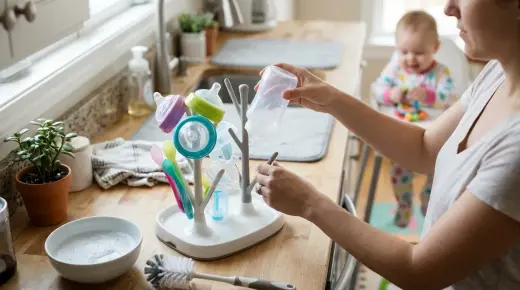
Baby Bottle Drying Racks: How to Choose and Use One Safely

How to Choose a Baby Bottle Brush: Bristles, Silicone, and Safe Cleaning

Baby Snack Catchers: How to Choose and Use One Safely