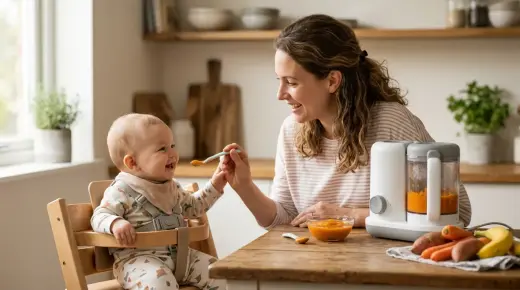
Baby Food Makers: How to Choose, Prepare and Store Baby Food Safely
Compare baby food makers, blenders and simple kitchen tools. Learn how to prepare, serve and store homemade food safely as your baby starts solids.

On this page
- What a baby food maker does
- When babies may be ready for solids
- Purees, soft pieces and different textures
- Choosing an appliance that suits your home
- How to compare features without getting distracted
- Preparing food safely
- Cooling, storing and reheating homemade food
- Allergies, special diets and family foods
- Feeding your baby with care
- Food guidance in Australia, the UK, the US and Canada
- Common mistakes to avoid
- Frequently asked questions
- Sources and further reading
- Sources
Short answer: You do not need a special machine to make food for your baby. A fork, sieve or ordinary blender may be enough. A baby food maker can steam and blend in one bowl, which may save washing up. Choose one only if its size, cleaning steps and price suit your kitchen. Whatever tool you use, follow safe food handling advice and your baby's feeding cues.
Starting solids is about learning to eat, not buying a certain appliance. Babies are usually ready for solid foods at around six months, when they show signs of readiness. Milk feeds remain important. Ask a health professional if your baby was born early, has feeding problems, or needs a special diet.
What a baby food maker does
A baby food maker is a kitchen appliance for preparing small meals. Some models steam food, then blend it in the same bowl. Others only steam, blend, or warm food. A food processor or stick blender can also mash or blend cooked ingredients.
These tools change the texture of food. They do not make food safer by themselves. You still need clean hands, clean equipment, safe cooking, and safe storage. A machine cannot tell whether a food is right for your baby's age or skills.
Home cooking gives you control over the ingredients. You can cook a family food without added salt, then set aside a soft portion for your baby. But packaged baby food can also be useful. Read the label, check the texture, and follow storage directions after opening.
There is no need to make every meal from scratch. A mix of suitable family foods and prepared foods can work for many families. Choose what you can manage safely and regularly.
When babies may be ready for solids
Health services commonly advise starting solid foods at around six months. Readiness matters more than a date on the calendar. Your baby should be able to hold their head steady, sit with support, bring food to their mouth, and swallow food rather than push it straight out.
Babies develop at different speeds. Do not start solids early just because a baby wakes at night, wants more milk, or watches you eat. Those signs alone do not show readiness.
If your baby was born early, has a health condition, or struggles with feeding, ask a doctor, nurse or dietitian when to begin. Follow advice for your child. Do not add cereal or purée to a bottle unless a clinician tells you to.
At first, offer small amounts when your baby is calm and alert. Sit them upright in a suitable high chair, with an adult close by. Let your baby touch, smell and taste the food. Stop when they turn away, close their mouth, or lose interest.
Purees, soft pieces and different textures
Some families start with mashed or puréed food. Others offer soft finger foods, or use both methods. A smooth purée is one option. It is not the only safe way to begin.
Offer textures that match your baby's eating skills. As your baby learns, move from smooth food to thicker mash and soft lumps. Later, offer soft pieces that your baby can pick up. Waiting too long to offer varied textures may make the change harder for some children.
Food should be soft enough to squash between your fingers. Cut it in a way that suits your baby's age and ability. Avoid hard, round, sticky or tough foods that may block the airway. Examples include whole nuts, whole grapes, hard raw vegetable pieces, and spoonfuls of thick nut butter. Ask your local health service for current choking prevention advice.
Always watch your baby while they eat. Keep them sitting upright. Do not feed while they are lying down, walking, playing, or riding in a moving vehicle. Learn child first aid from a trusted provider. Choking is different from gagging, and an adult should stay close during every meal.
Baby Food Makers & Steamers worth a look
Real products from our catalogue. We don't show star ratings or review counts; check the current price, stock and reviews on Amazon before you buy.
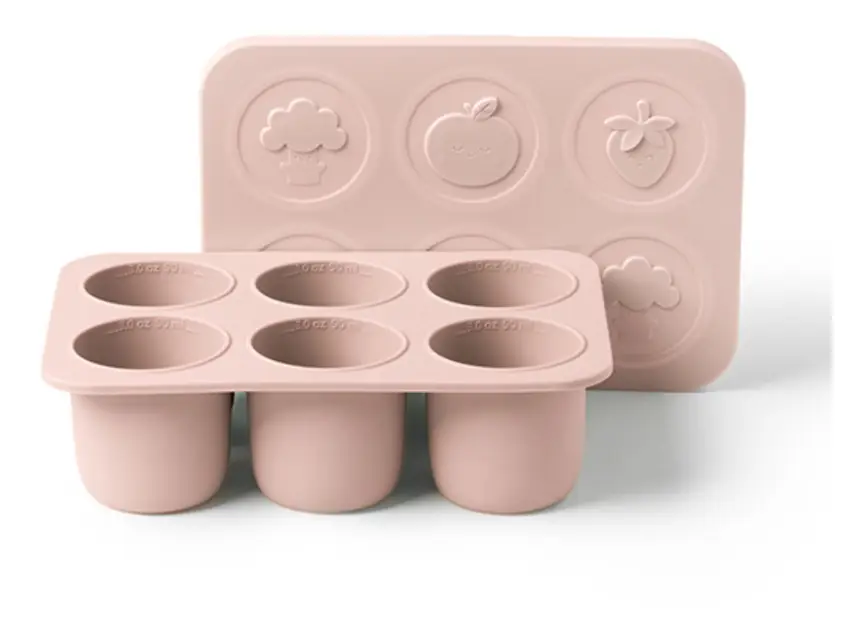
Annabel Karmel Silicone Freezer Food Tray
A silicone tray for freezing small portions of home-made baby food.

Baby Brezza One Step Baby Food Maker Deluxe
Steam-and-blend baby food maker

Babymoov Nutribaby(+) 6-in-1 Baby Food Processor
Steamer blender
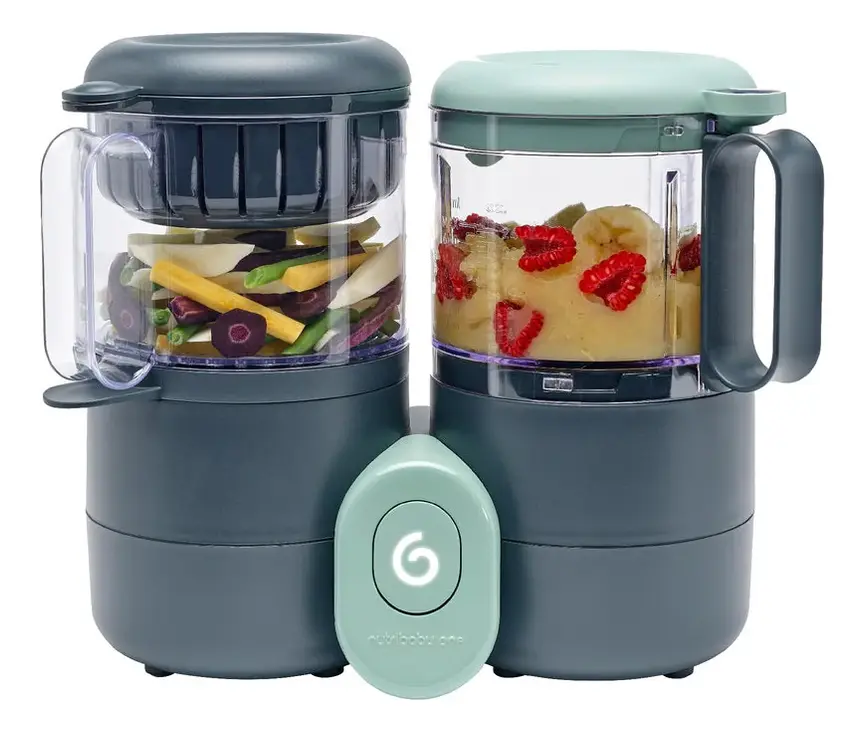
Babymoov Nutribaby One 4-in-1 Baby Food Maker
Steamer blender
Choosing an appliance that suits your home
Start with how you cook now. If you already own a blender, steamer or food processor, try that first. A fork can mash soft cooked foods. A sieve can smooth small amounts. These simple tools may do all you need.
If you buy a machine, decide which jobs matter. A steam-and-blend model may reduce transfers between pans and bowls. A small blender may be easier to store. A larger food processor may handle family meals too, but can take more space and cleaning.
Check the bowl size, parts, power needs and cleaning directions before buying. Look for clear instructions and a stable base. Check whether parts can go in a dishwasher, if that matters to you. Follow the maker's rules for water, heat and blade cleaning.
Keep appliances and cords away from the edge of the bench. Unplug a machine before removing food or cleaning blades. Store sharp parts where children cannot reach them. Hot steam can burn, so let cooked food cool before blending, and open lids away from your face.
| Tool | What it can do | Good fit when | Things to consider |
|---|---|---|---|
| Fork or masher | Mashes soft cooked foods | You make one small serving | Texture may stay lumpy |
| Sieve | Presses soft food into a smoother texture | You need a very small amount | Can take effort and time |
| Stick blender | Blends food in a suitable deep bowl | You already own one | Keep blades away from hands and children |
| Countertop blender | Blends larger amounts | You want one tool for family cooking | Needs storage space and careful cleaning |
| Food processor | Chops, mashes or blends, depending on the model | You also use it for other meals | Many parts can mean more washing |
| Steam-and-blend maker | May steam and blend in one appliance | You value a single appliance for small batches | Check capacity, cleaning, heat and replacement parts |
How to compare features without getting distracted
Product names and buttons can make a basic job sound complex. Focus on the task you need. Can it cook the foods you plan to serve? Can you make the texture your baby needs? Can you clean it fully after each use?
One-bowl cooking may reduce the number of dishes. It does not guarantee faster meals. A small bowl can be limiting if you want to cook for more than one meal. A large machine can be awkward when you only need a few spoonfuls.
Check how the appliance handles water and steam. Read the instructions before first use. Find out how to descale it, if needed. Make sure you can clean around seals, blades and vents. Food left in hidden areas can spoil.
Consider noise, bench space and storage. Ask whether the parts can be replaced. Check the seller's return policy and local product safety notices. Do not rely on claims that an appliance is “baby-safe” without clear details about materials and care.
Food-contact parts should be used as the maker directs. Do not use cracked, damaged or badly worn bowls. Avoid heating food in containers that are not made for that use. If you have a concern about a material, contact the maker and your local food safety authority.
Preparing food safely
Wash your hands with soap and water before preparing food. Use clean benches, boards, knives and bowls. Wash fruit and vegetables. Keep raw meat and its juices away from ready-to-eat foods.
Cook foods until they are safe and soft enough for your baby's skills. Remove bones, stones, pips and tough skins. Check the food carefully before serving. Let hot food cool to a safe temperature. Stir well and check for hot spots, especially after microwave heating.
Do not add salt or sugar to your baby's portion. Avoid honey for babies under twelve months. Honey can carry germs that cause serious illness in young babies. Follow your health service's advice about foods that may cause allergies.
Introduce common allergen foods in a safe form, when your baby is ready for solids. Examples include well-cooked egg and smooth peanut paste thinned into food. Never give whole nuts or a thick spoonful of nut butter to a baby. If your baby has severe eczema or a known allergy, ask a clinician before introducing allergens.
Give one new allergen at a time, in a small amount, so you can watch for a reaction. If you see trouble breathing, swelling of the tongue or throat, or sudden collapse, seek emergency help. For other possible reactions, stop feeding that food and contact a health professional.
Cooling, storing and reheating homemade food
Make only what you can handle safely. If you prepare extra portions, cool them promptly and place them in clean, covered containers. Follow your local food safety advice for fridge and freezer storage. Storage times can differ by food and local guidance.
Label containers with the food and date. Use the oldest portion first. Keep the fridge cold, and do not leave cooked food at room temperature for long. If food has been in your baby's bowl or touched by a used spoon, throw away leftovers. Saliva can move germs into the food.
Thaw frozen food in the fridge or by another safe method given by your local food safety service. Do not refreeze food after thawing unless official advice says it is safe for that food. Reheat only the portion you need. Heat it until steaming hot, stir well, then let it cool before serving.
Do not heat baby food more than once. Do not use a machine's warming function as proof that food is hot enough throughout. Check the centre and stir. Follow the appliance instructions, as well as food safety guidance.
Side by side: more baby food makers & steamers to compare
Real products from our catalogue. We don't show star ratings or review counts; check the current price, stock and reviews on Amazon before you buy.


Beaba Babycook Neo
Steam-and-blend baby food maker with a glass bowl and stainless steel steam basket.
 Reviewed
Cherub Baby Food Maker & Steriliser
Steams then blends food. It can also defrost, warm bottles and sterilise.
Read our full review →
Cherub Baby Food Pouch Spoons (2 pack)
Spoon tops that screw onto food pouches, so you can spoon-feed on the go.
Allergies, special diets and family foods
Most babies can try many of the foods eaten by the family, with changes to texture and choking risk. Set aside the baby's portion before adding salt or strong seasonings. Use soft ingredients and cut them safely.
If a baby needs a special diet, get advice from a qualified health professional. A food maker cannot ensure a meal has enough iron, energy or other nutrients. A clinician or dietitian can help plan meals for allergies, growth concerns, or medical needs.
Keep a simple note of foods your baby tries and any reaction. This can help you discuss concerns with a clinician. Do not remove whole food groups without medical advice. Restrictive diets can make it harder to meet a baby's needs.
Food allergies can cause symptoms soon after eating, but not every rash or upset stomach is an allergy. Seek urgent help for signs of a severe reaction. For milder or unclear symptoms, contact your health service.
Feeding your baby with care
Make meals calm and social. Sit with your baby and let them see others eat. Offer food without pressure. Babies may need many chances to get used to a new taste or texture.
Watch your baby's signals. Leaning forward, opening the mouth, or reaching may mean they want more. Turning away, closing the mouth, or pushing food away can mean they have had enough. Follow those cues rather than trying to finish a bowl.
Offer water in a cup with meals once solids begin, following local guidance. Breast milk or infant formula remains a key drink during the first year. Do not replace milk feeds with large amounts of water or food. Ask a health worker if you are unsure how much milk your baby needs.
Do not leave a baby alone with food. Keep pets away from the eating area. Clean high-chair trays and feeding tools after meals. Use a high chair according to its instructions, with the safety straps fastened.
Food guidance in Australia, the UK, the US and Canada
Official advice is available in each country. In Australia, the National Health and Medical Research Council (NHMRC), Pregnancy, Birth and Baby, and Food Standards Australia New Zealand (FSANZ) provide infant feeding and food safety guidance. Product Safety Australia, under the Australian Competition and Consumer Commission (ACCC), handles product safety information.
In the UK, the National Health Service (NHS) gives advice on first foods, hygiene and storage. The Office for Product Safety and Standards (OPSS) oversees consumer product safety. In the US, the American Academy of Pediatrics (AAP) shares infant feeding advice, while the Food and Drug Administration (FDA) and FoodSafety.gov cover food and formula safety. The Consumer Product Safety Commission (CPSC) handles consumer product safety.
In Canada, the Canadian Paediatric Society shares feeding advice through Caring for Kids. Health Canada provides food safety and product safety information. Advice can differ in detail, so use the guidance for where you live. If you travel, follow local rules and food safety advice.
| Country | Useful official bodies | What to look up |
|---|---|---|
| Australia | NHMRC, Pregnancy, Birth and Baby, FSANZ, ACCC / Product Safety Australia | Starting solids, allergens, food hygiene, recalls |
| United Kingdom | NHS, OPSS, Food Standards Agency | First foods, food hygiene, storage, product alerts |
| United States | AAP, FDA, FoodSafety.gov, CPSC | Starting solids, allergen advice, food handling, recalls |
| Canada | Canadian Paediatric Society, Health Canada | Feeding in the first year, food safety, recalls |
There is no single standard code in this guide for baby food makers. Follow the appliance maker's instructions and check your country's product notices. A kitchen appliance does not replace safe feeding practice.
Common mistakes to avoid
- Buying before trying what you own: A fork or blender may already meet your needs.
- Making only smooth purées: Offer thicker textures and soft pieces as your baby develops.
- Leaving food out too long: Cool and store portions using local food safety advice.
- Saving bowl leftovers: Discard food touched by a used spoon or your baby's saliva.
- Adding salt, sugar or honey: Keep the baby's portion plain, and avoid honey under twelve months.
- Walking away during meals: Stay close and watch your baby eat.
- Assuming a machine makes food safe: Clean equipment, cook food properly and store it safely.
- Using damaged parts: Stop using cracked bowls, loose blades or worn seals.
- Forcing another bite: Respect signs that your baby has had enough.
- Starting solids to fix sleep: Readiness signs, not sleep patterns, guide when to begin.
Frequently asked questions
Do I need a baby food maker?
No. A fork, masher, sieve, blender or food processor can prepare suitable food. Buy a special machine only if its features solve a problem for your household.
Are homemade purées better than shop-bought food?
Neither choice is best for every family. Homemade food lets you choose ingredients and texture. Prepared food can be convenient. Check labels and storage directions, and serve food that suits your baby's skills.
Can I steam and blend several meals at once?
You can prepare extra portions if you can cool and store them safely. Use clean containers, label them, and follow local storage guidance. Discard food left in your baby's bowl.
Can I use an ordinary blender?
Yes, if the blender is suitable for the food and used as directed. Keep hands away from blades. Let hot food cool before blending, unless the maker says the appliance handles hot food safely.
When can my baby try finger foods?
Offer soft foods when your baby is ready for solids and can sit upright with support. Choose shapes and textures that match their skills. Stay beside them and follow local choking prevention advice.
Should I add water, salt or sugar to purées?
Use clean water only when needed to change texture. Do not add salt or sugar to your baby's portion. Ask a health professional about special diets or feeding needs.
How do I know whether food is too hot?
Stir it well and check a small amount before serving. Food can heat unevenly, especially after microwave heating. Make sure no hot spots remain.
Can I freeze homemade baby food?
Freezing can be useful when done safely. Cool food promptly, use clean freezer-safe containers, label them, and follow local guidance for storage and thawing. Do not keep food that has been in your baby's bowl.
What should I do if my baby has a food reaction?
Stop feeding that food. Seek emergency help for breathing trouble, swelling of the tongue or throat, or collapse. Contact a health professional for other symptoms or advice about trying the food again.
Can a baby food maker sterilise equipment?
Do not assume it can. Use sterilising equipment only for the purpose and method stated by its maker. For solid food tools, wash them well and follow food hygiene advice.
More options, from budget to premium
Real products from our catalogue. We don't show star ratings or review counts; check the current price, stock and reviews on Amazon before you buy.
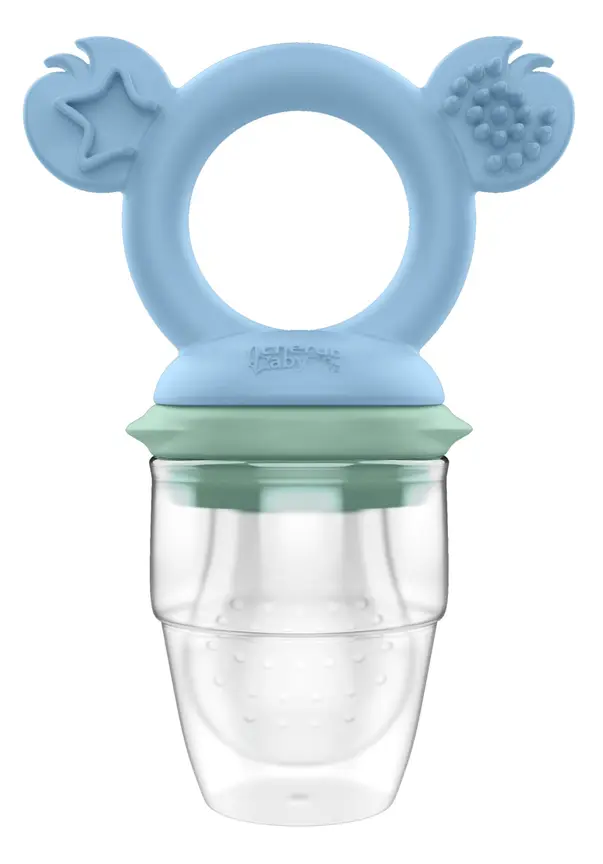


Cherub Baby Silicone Fresh Food Feeder
A silicone teat-style feeder. Babies can chew soft fruit or frozen breast milk through it.
Read our full review →

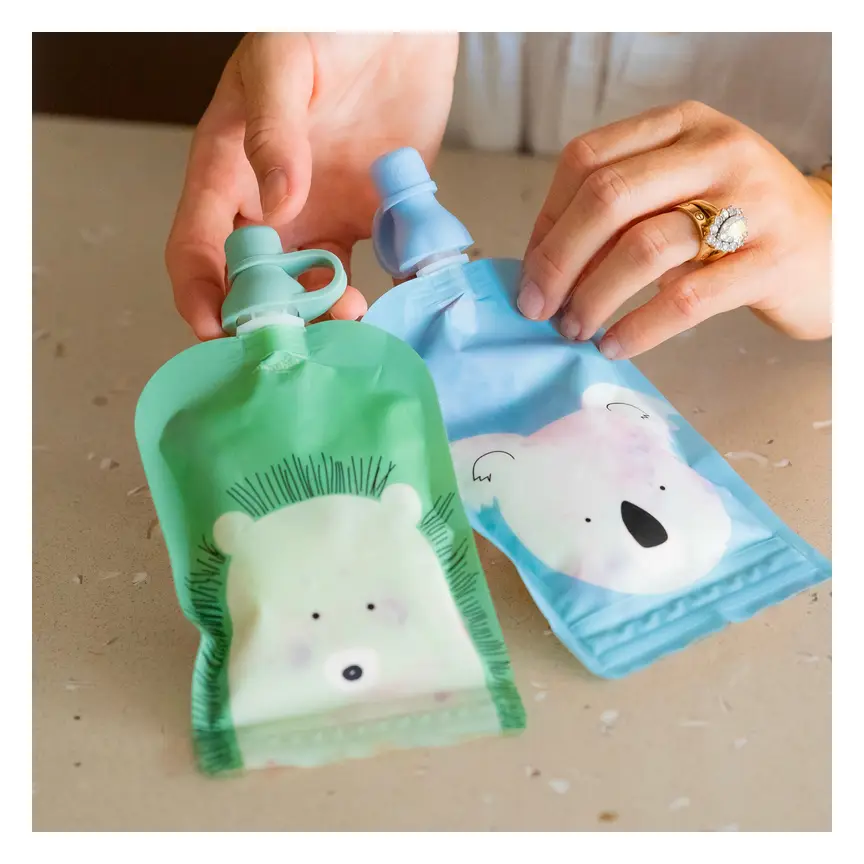
Cherub Baby Reusable Food Pouch Bundle
A kit of reusable silicone food pouches with a wide opening and double zip seal. They go in the dishwasher.
Read our full review →
Cherub Baby Pouch Filling Station
A 700 mL glass jug with a plunger to fill reusable food pouches with less mess.
Sources and further reading
- Pregnancy, Birth and Baby – Introducing solid food
- NHMRC – Infant Feeding Guidelines
- Raising Children Network – How to make baby food
- NHS – Your baby's first solid foods
- American Academy of Pediatrics – Starting solid foods
- Caring for Kids, Canadian Paediatric Society – Feeding your baby in the first year
- Food Safety Information Council – Infants and young children
Disclaimer: This article gives general information only. It is not medical advice. Ask your doctor, nurse or dietitian about your baby's feeding needs. This page may contain affiliate links. If you buy through them, BabyGearFinder may earn a commission at no extra cost to you.
Sources
- Pregnancy, Birth and Baby – Introducing solid food
- NHMRC – Infant Feeding Guidelines
- NHS – Your baby's first solid foods
- American Academy of Pediatrics (US) – Starting solid foods
- Caring for Kids (Canadian Paediatric Society) – Feeding your baby in the first year
- Food Safety Information Council (Australia) – Infants and young children
Related guides
More Feeding & Baby Food →
How to Freeze and Store Homemade Baby Food Safely

Freezer Trays for Homemade Baby Food: How to Choose and Use Them Safely

How to Choose a Baby Food Maker: Key Features, Safety, and Mealtime Tips