Overnight Sleep-Approved Stroller Bassinets: Breathable Bases, Stands, and Travel Safety
How to choose an overnight sleep-approved stroller bassinet: breathable bases, stand safety, when to stop, and rules for AU, UK, US and Canada.
On this page
- Key points
- What an overnight sleep-approved stroller bassinet is
- Why flat, firm sleep matters for newborns
- Breathable mattress bases and airflow
- Stand attachments and travel setups
- Comparing travel sleep options side by side
- Age stages and when to stop using a bassinet
- Safety standards and rules in Australia, the UK, the US and Canada
- How to set up a stroller bassinet safely for travel
- Common mistakes to avoid
- How to care for and pack a travel bassinet
- Frequently asked questions
- Sources
Short answer: Most stroller bassinets are made for daytime walks only. Only use a stroller bassinet for overnight sleep if the maker clearly labels it as approved for overnight, unsupervised sleep. It must sit flat on a firm, thin mattress with a fitted sheet. Put it on a matching stand or a firm floor, never on a soft bed or table. Stop using it as soon as your baby starts to roll or push up.
This safe sleep advice matches official guidance from Red Nose and Product Safety Australia (ACCC) in Australia, The Lullaby Trust and the NHS in the UK, the American Academy of Pediatrics (AAP) and the CPSC in the US, and Health Canada and the Canadian Paediatric Society in Canada.
Key points
- Check the label: Most pram carrycots are for supervised walks only. Look for clear wording that says it is safe for overnight sleep.
- Firm and flat: Your baby needs a firm, flat mattress with no tilt. Soft pads and extra toppers raise the risk of suffocation.
- Breathable does not replace firmness: Mesh sides and vented bases help air move. They still cannot make a soft mattress safe.
- Use a proper stand: If you lift the bassinet off the floor, use the maker's own locking stand. Never place it on a couch, bed, or kitchen bench.
- Keep the space bare: Use only a tight fitted sheet. Keep out pillows, quilts, toys, and loose blankets.
- Stop early: Move your baby to a cot when they show signs of rolling, push up on hands and knees, or reach the weight limit.
What an overnight sleep-approved stroller bassinet is
A stroller bassinet (often called a carrycot) clips onto a pram frame. It lets a newborn lie flat while you walk. Many parents also want to use that same bassinet as a travel bed at night.
Here is the catch. Not every stroller bassinet is built for overnight sleep. A standard pram carrycot is tested as part of a wheeled stroller. It may not meet the stricter rules for a standalone sleep space.
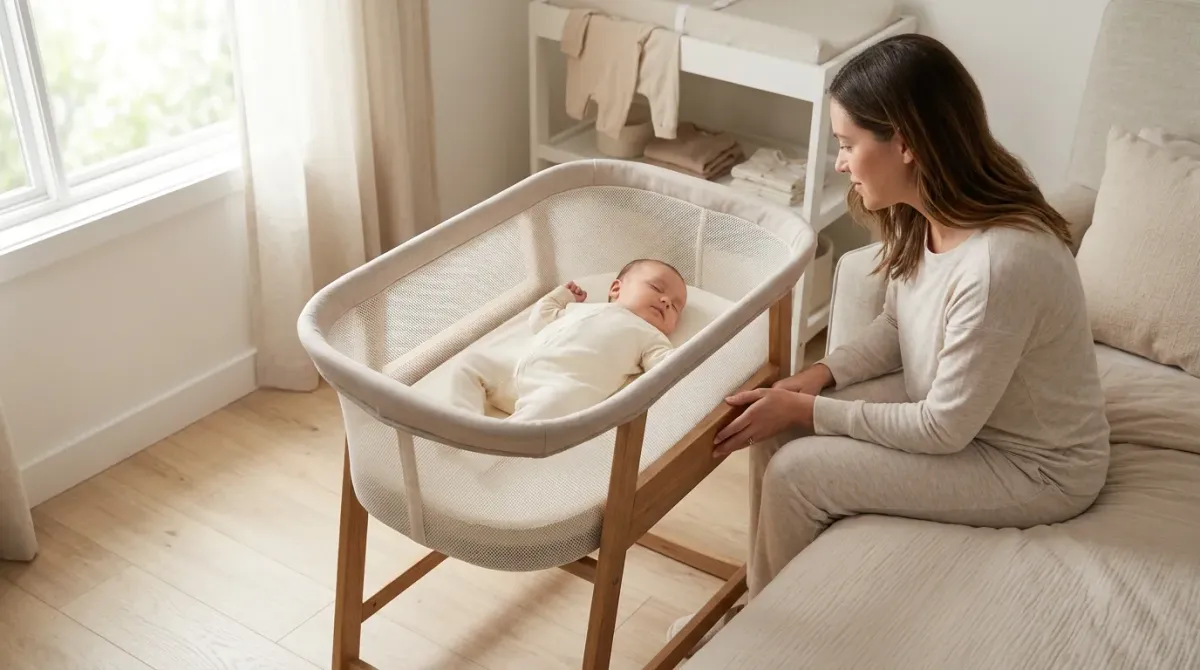
An overnight sleep-approved stroller bassinet is different. The maker has tested it against bassinet safety rules as well as pram rules. It usually has taller, firmer sides, a more rigid base, and better airflow. Many also lock onto a dedicated floor stand for night use.
Why some stroller bassinets are not approved for night sleep
Daytime pram carrycots can have softer sides or thinner bases. Some do not let enough air flow around a sleeping baby's face when the hood is up. Others do not sit flat enough or stable enough when taken off the pram wheels.
In some countries, a product cannot be sold as an overnight sleeper unless it passes extra tests. Always read the manual and the sewn-in label before you pack a bassinet for a trip. If the manual says "not for overnight sleep" or "not for unsupervised sleep", only use it for daytime walks while you watch your baby.
Why flat, firm sleep matters for newborns
Newborn babies are not just small adults. Their bodies need special support while they sleep.
A newborn has a large, heavy head and weak neck muscles. In the first months, a baby cannot lift or turn their head well if their airway gets blocked. If a baby sleeps on a tilted or curved surface, their chin can drop onto their chest. This can pinch their windpipe and stop them breathing properly. Health experts call this positional asphyxiation.
Because of this risk, health groups in Australia, the UK, the US, and Canada all give the same core rule. Put your baby to sleep on their back, on a firm and flat surface, in a clear space.
Why car seats and tilted seats are not for overnight sleep
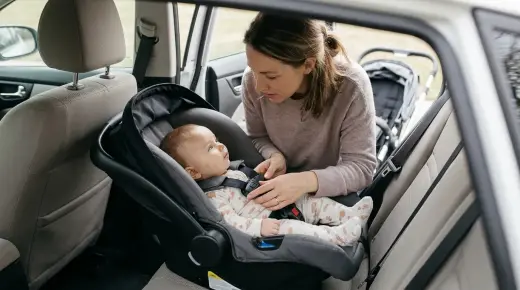
Many travel systems let you click a baby capsule onto a pram frame. Capsules are great for short car trips. They are not safe for overnight sleep.
In a car seat, a baby sits at an angle. Even on a stroller frame, a car seat is not flat. Red Nose in Australia, The Lullaby Trust in the UK, the AAP in the US, and the Canadian Paediatric Society all warn parents to take sleeping babies out of car seats when they get home. Move your baby to a flat bassinet or cot as soon as you can.
Prams & Strollers worth a look
Real products from our catalogue. We don't show star ratings or review counts; check the current price, stock and reviews on Amazon before you buy.




UPPAbaby Minu V3
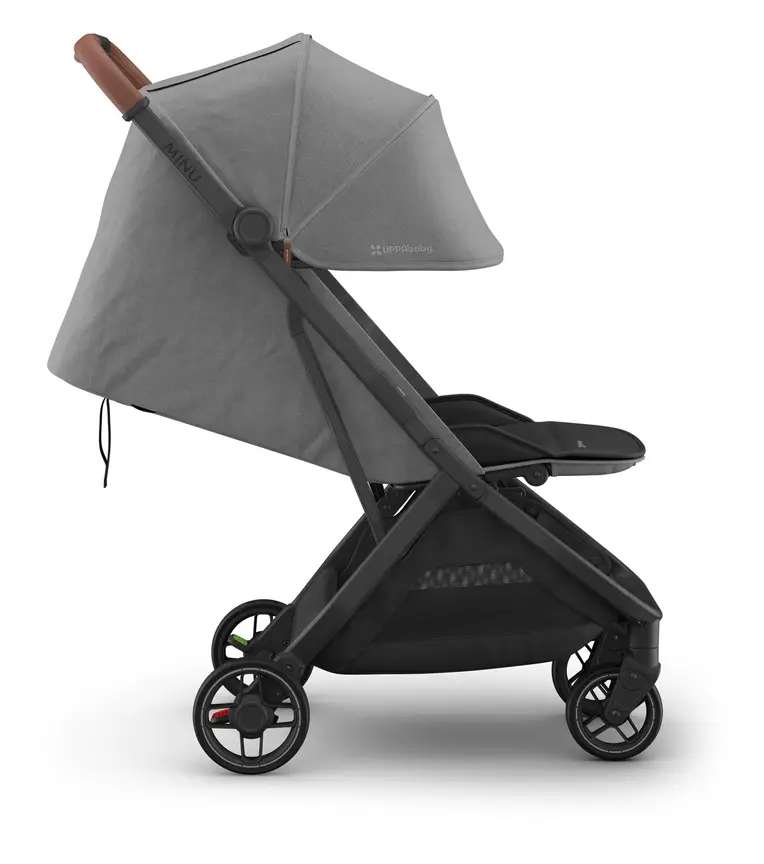
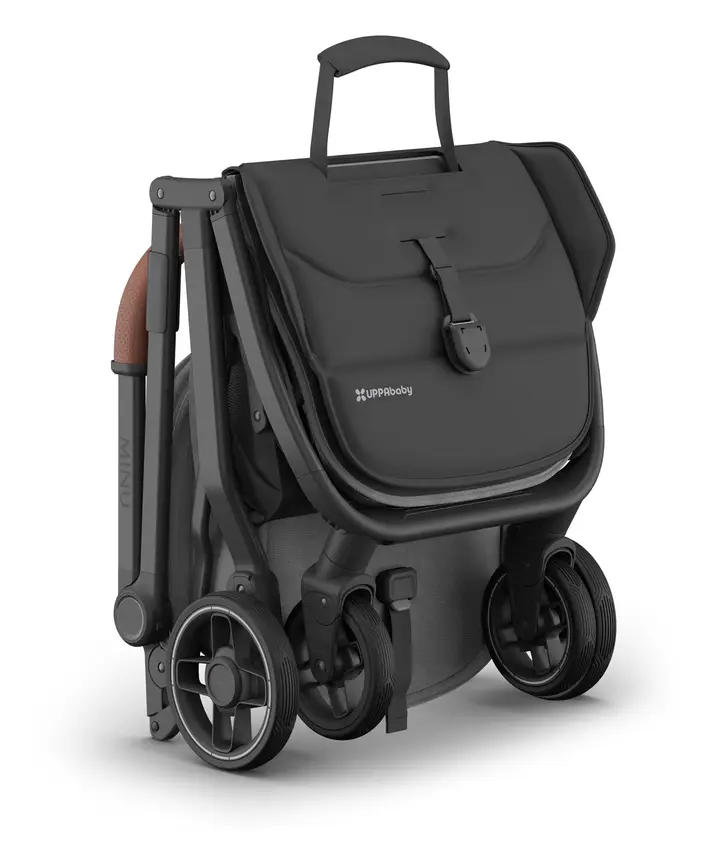
A slim travel stroller that folds with one hand, stands on its own and is sized for plane overhead lockers.
Read our full review → Reviewed
Baby Jogger City Tour 2
A 6.5 kg stroller with a near-flat recline. It folds small and comes with a carry bag.
Read our full review →
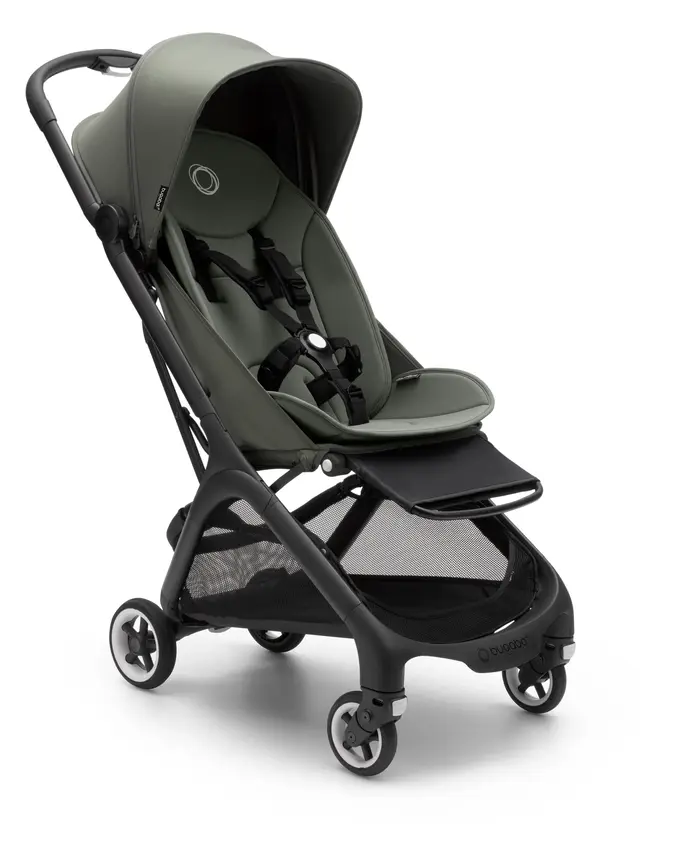


Bugaboo Butterfly
Bugaboo's cabin-friendly compact stroller with a one-second fold — the travel partner to a Fox, not a replacement for it.
Breathable mattress bases and airflow
Many travel bassinets advertise "breathable" mattresses and bases. It helps to know what that word really means, and what it does not mean.
What makes a bassinet base breathable
A breathable bassinet uses design features that let warm air escape. Common features include:
- Vented base boards: Small holes in the hard base under the mattress let air pass through from below.
- Mesh side panels: Open mesh windows along the walls allow room air to move across the sleep space.
- Open-weave mattress cores: Some mattresses use firmer foam with air channels or woven fibres instead of solid dense foam.
Good airflow helps stop your baby from getting too hot. Overheating is a known risk factor for sudden infant death syndrome (SIDS). In warm hotel rooms or summer travel, vented bases and mesh sides can help keep the bed cooler.
Why firmness still comes first
No breathable fabric can make a soft mattress safe. If a mattress is too soft, a baby's face can sink into it if they turn or roll. A soft surface also creates pockets of stale air around the nose and mouth.
Red Nose and Product Safety Australia stress that a baby mattress must be firm, flat, and the exact right size for the bassinet. Check that there are no big gaps between the mattress and the walls. You should not be able to fit more than two adult fingers between the mattress edge and the side of the bassinet.
How to check mattress firmness at home
In Australia, cot and bassinet mattresses can be tested under AS/NZS 8811.1, which is the test for firmness. Even if a travel mattress does not carry a local test label, you can do a simple check with your hands. Press down firmly in the centre and near the edges of the mattress. It should feel hard, not spongy. When you lift your hand, the surface should snap right back with no dent left behind.
Never add an extra foam pad, folded towel, or soft topper to make a travel bassinet feel cosier. Babies sleep best and safest on a firm surface.
Stand attachments and travel setups
When you travel, you may not want to put a bassinet directly on a hotel floor. Floor draughts, pets, or older children walking by can be a worry. That is why many parents buy a folding stand for their stroller bassinet.
How bassinet stands work
A bassinet stand holds the carrycot at bed height or waist height. This makes it much easier to lift your baby in and out for night feeds, especially after a caesarean birth. Most stands fold flat to fit in a car boot.
Only use a stand made or approved by the same brand as your bassinet. The clips on the bassinet must lock into the stand with a clear click. Give the bassinet a gentle tug upwards after clipping it in to check both sides are locked.
Checking stand stability on the road
Hotel carpets, uneven wooden floorboards, and outdoor decks can make a stand wobble. Before you put your baby inside, check these points:
- Level floor: Set the stand on a flat, level patch of floor.
- Locked legs: Check that every folding hinge and leg lock is fully snapped into place.
- No tipping hazards: Keep the stand away from curtains, blind cords, and tall lamps.
- Cool air: Place the stand away from wall heaters, air-conditioning vents, and direct sun from windows.
- Pram frame alternative: Some makers allow overnight sleep on the locked pram frame, while others require a stand or the floor. Check your manual. If you use the pram frame, always engage the foot brake and keep the frame away from stairs.
What if you do not have a stand?
If your manual says the bassinet is safe on the floor, a clean, firm floor is safer than an unsteady table. Never balance a stroller bassinet on a hotel bed, sofa, armchair, dining table, or luggage rack. A baby's movement can tip the bassinet off a raised surface in seconds.
Also keep the bassinet in the same room where you sleep. Red Nose, The Lullaby Trust, the AAP, and Health Canada all recommend room-sharing with your baby for at least the first 6 months. Room-sharing on holiday makes night feeds easier and helps keep your baby safer.
Comparing travel sleep options side by side
Parents have several choices for baby sleep away from home. This table compares an overnight-approved stroller bassinet with other common options.
| Feature | Overnight-approved stroller bassinet on stand | Standard stroller bassinet | Portable cot / travel crib | Dedicated bedside bassinet |
|---|---|---|---|---|
| Overnight sleep | Yes, if clearly labelled for overnight sleep | No, daytime supervised walks only | Yes, built for overnight sleep | Yes, built for overnight sleep |
| Size and packing | Medium; stand folds flat, bassinet is bulky | Medium; fits on stroller frame | Compact when folded into its bag | Bulky; hard to pack for flights |
| Age and weight limit | Usually birth to 9 kg, or until rolling | Usually birth to 9 kg for walks | Usually birth up to 15 kg (varies by model) | Usually birth to 9 kg, or until rolling |
| Mattress firmness | Firm, flat, thin mattress included | Often thinner pad for strolling | Firm folding base pad included | Firm, flat mattress included |
| Best use case | Road trips with one item for walks and night sleep | Daytime walks and outings only | Longer trips and babies who are rolling | Home use in the parents' bedroom |
Notice the biggest difference. An overnight-approved stroller bassinet saves boot space in the first few months because one item does two jobs. Once your baby starts rolling, though, a portable cot lasts much longer.
Age stages and when to stop using a bassinet
Stroller bassinets are short-term beds. Babies grow out of them faster than many parents expect.
Birth to 3 months
This is the sweet spot for an overnight-approved stroller bassinet. Newborns sleep a lot and cannot roll over yet. A small bassinet fits neatly next to a hotel bed or relative's spare bed. Always place your baby on their back with their feet near the bottom end of the bassinet, or in a safe baby sleeping bag with no loose blankets.
Around 3 to 5 months
Most babies outgrow a stroller bassinet somewhere between 3 and 5 months of age. Do not wait until your baby's head touches the end wall. Watch for developmental signs instead.
Stop using any bassinet right away if your baby:
- starts to roll onto their side or tummy;
- pushes up on their hands and knees;
- tries to sit up;
- reaches the maximum weight or length listed on the product label (often around 9 kg, though you must check your exact model).
5 to 6 months and older
Once your baby shows any sign of rolling or pushing up, a shallow stroller bassinet is no longer safe. A baby can tip over the low side wall and fall onto the floor. At this stage, switch to a compliant portable cot or full-size cot for travel and home sleep.
Side by side: more prams & strollers to compare
Real products from our catalogue. We don't show star ratings or review counts; check the current price, stock and reviews on Amazon before you buy.
Bugaboo Butterfly 2
The newer Butterfly. It folds in about one second, has a lay-flat seat and a bigger basket with a back pocket.
Read our full review →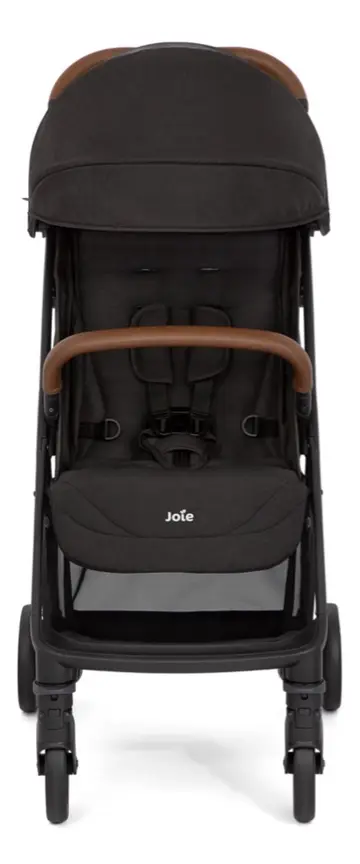
Joie Pact Pro
A 6.3 kg travel stroller from birth to 22 kg. You can clip a Joie Gemm or i-Gemm capsule on top.


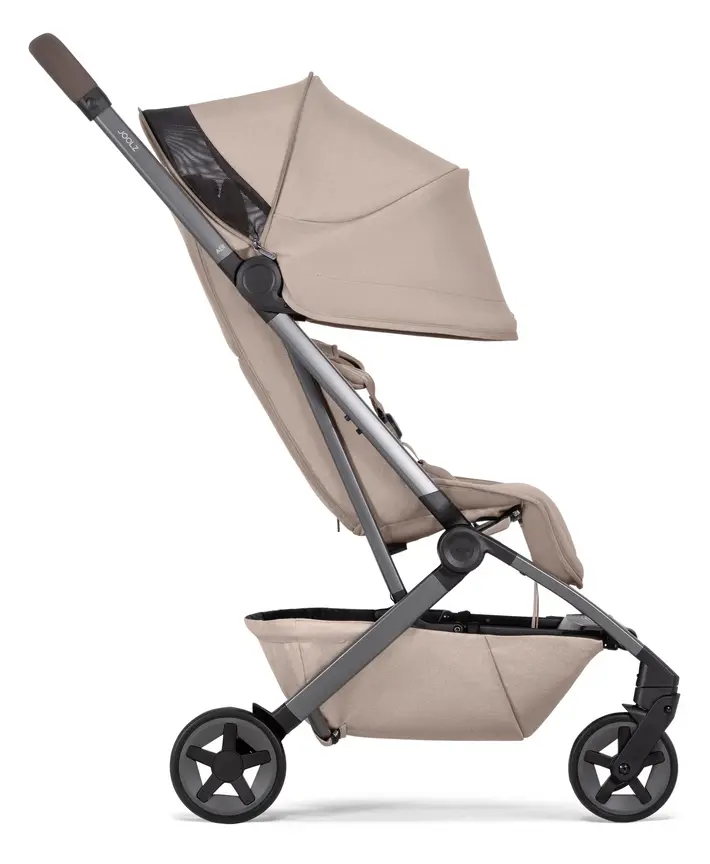


Joolz Aer2
A 6.5 kg stroller with a fast one-hand fold, deep recline from newborn and a UPF50+ sun hood.
Read our full review →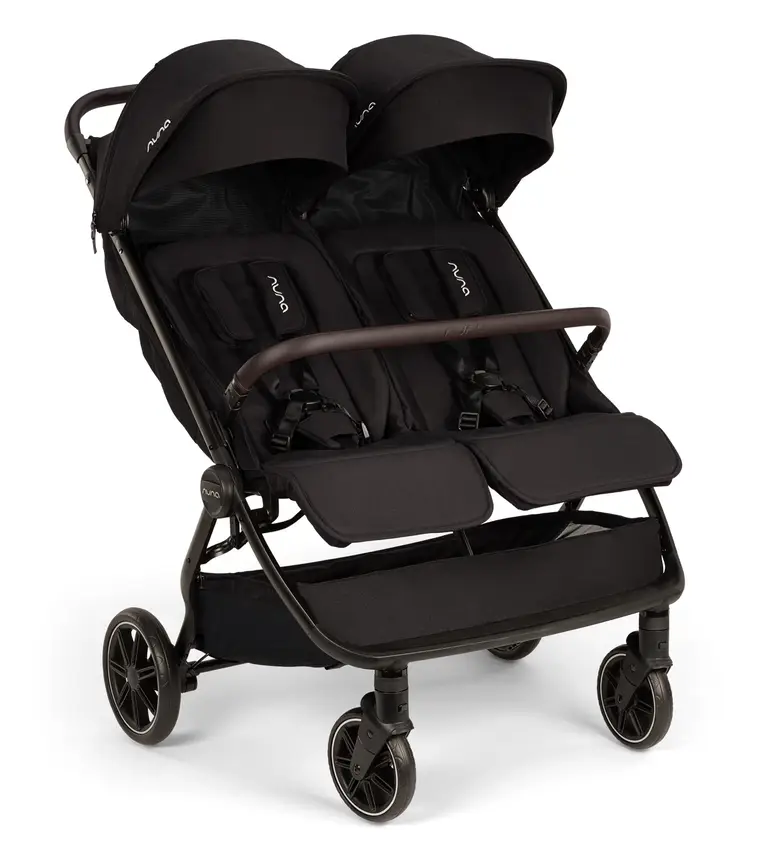


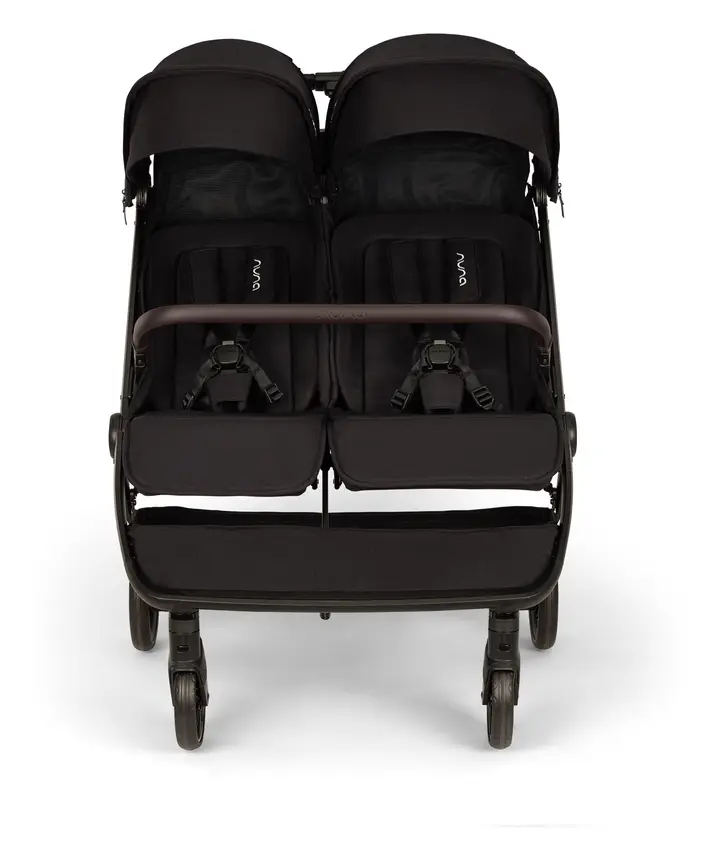


Nuna TRVL Dubl
A side-by-side double that folds with one hand and stands up. Each seat holds up to 22.7 kg.
Read our full review →Safety standards and rules in Australia, the UK, the US and Canada
Safety rules for prams and bassinets differ slightly across countries. However, the safe sleep habits taught by health bodies are almost identical.
If you buy a stroller bassinet in one country and travel to another, check what standards it meets. Here is how the four main English-speaking regions compare.
| Country | Main safety and health bodies | Prams and strollers standard | Bassinets and mattresses standards |
|---|---|---|---|
| Australia | Product Safety Australia (ACCC), Red Nose, Standards Australia | AS/NZS 2088 | Australia's infant sleep products safety standard; AS/NZS 8811.1 (mattress firmness); AS/NZS 2172 (cots) |
| United Kingdom | Office for Product Safety and Standards (OPSS), The Lullaby Trust, NHS | BS EN 1888 | BS EN 1130 (cribs and cradles); BS EN 16890 (mattresses); BS EN 716 (cots) |
| United States | Consumer Product Safety Commission (CPSC), American Academy of Pediatrics (AAP), NICHD Safe to Sleep | ASTM F833 | ASTM F2194 (bassinets and cradles); ASTM F1169 and ASTM F406 (cribs and play yards) |
| Canada | Health Canada, Canadian Paediatric Society (Caring for Kids) | Health Canada stroller rules | Health Canada rules for cribs, cradles and bassinets |
What to look for on the product label
- In Australia: Product Safety Australia requires prams to meet AS/NZS 2088, which covers brakes, tether straps, and frame locks. Australia also introduced mandatory rules for infant sleep products so angled sleepers and unsafe sleep claims are kept off shelves.
- In the UK: The OPSS and The Lullaby Trust advise checking for BS EN 1888 on strollers and BS EN 1130 on cribs and cradles. The Lullaby Trust also recommends a room temperature of 16 to 20°C and a clear sleep space with no pods or nests inside.
- In the US: The CPSC enforces federal rules for bassinets and cradles based on ASTM F2194, and stroller rules based on ASTM F833. The US Safe Sleep for Babies law also bans inclined sleepers and padded crib bumpers.
- In Canada: Health Canada sets strict rules for cribs, cradles, and bassinets, including side height, mattress fit, and warning labels. Always check Health Canada's recall list if you buy second-hand gear.
How to set up a stroller bassinet safely for travel
Follow these steps each time you set up your bassinet in a new room:
- Check the frame and stand: Open the stand or pram frame fully. Listen for the click on every lock.
- Lock the bassinet in place: Attach the bassinet until both sides click. Lift gently on the handle to test the lock.
- Check the mattress: Make sure the original mattress sits completely flat with no gaps around the edges.
- Put on a fitted sheet: Use a tight, breathable cotton fitted sheet made for that mattress size. Never use an adult pillowcase as a sheet, as it can slip off.
- Clear the inside: Remove any toys, muslins, blankets, and loose sun shades before sleep.
- Fold back the canopy indoors: Keep the sun hood folded down at night unless the manual says otherwise. An open hood can trap warm air inside the bassinet.
- Check the room: Keep the bassinet away from blind cords, power cords, heaters, and open windows.
Keeping the sleep temperature right
Babies lose heat mainly through their head and face. Never put a hat or beanie on your baby for sleep indoors. Dress your baby in light layers that suit the room temperature. Feel your baby's chest or the back of their neck to check if they are warm. Hands and feet often feel cool even when a baby is comfortable.
Common mistakes to avoid
Even careful parents can slip into risky habits when tired on a trip. Watch out for these common mistakes:
- Assuming every carrycot is overnight-safe: Many parents think all pram bassinets are fine for night sleep. Most are not. Always check the manual first.
- Leaving the sun hood up at night: A thick UPF sun canopy blocks airflow in a still room. Fold the hood down indoors so fresh air can circulate.
- Draping a muslin wrap over the bassinet: Never cover the opening of a pram or bassinet with a blanket or wrap, even in bright rooms. Red Nose warns this traps heat fast and blocks airflow.
- Putting the bassinet on a bed or table: A raised surface is dangerous if there is no locked stand. Put the bassinet on a safe, flat floor instead.
- Using a second-hand mattress: A used mattress may be soft, warped, or stained inside. If you buy a used bassinet, buy a brand-new original mattress from the maker.
- Adding sleep positioners or nests: Cushioned baby nests, wedges, and head-shaping pillows should never go inside a bassinet. Health bodies in all four countries warn against them.
- Waiting too long to move to a cot: Keeping a rolling baby in a shallow bassinet risks a fall or entrapment. Switch to a portable cot at the first sign of rolling.
How to care for and pack a travel bassinet
Travel gear gets dusty and messy quickly. Easy cleaning keeps your baby's sleep space fresh and safe.
- Washable liners: Look for a bassinet with a zip-out inner liner that you can machine wash.
- Wipe-clean outer fabric: Spot-clean outer hoods and stands with mild soap and warm water. Skip harsh chemical sprays near where your baby breathes.
- Dry fully before packing: If a bassinet gets damp in the rain, air it out completely before folding it into a travel bag. Damp foam can grow mould.
- Check after flights: Airlines can knock baggage around. Always inspect every plastic clip, hinge, and mattress board after a flight before your baby sleeps in it.
More options, from budget to premium
Real products from our catalogue. We don't show star ratings or review counts; check the current price, stock and reviews on Amazon before you buy.


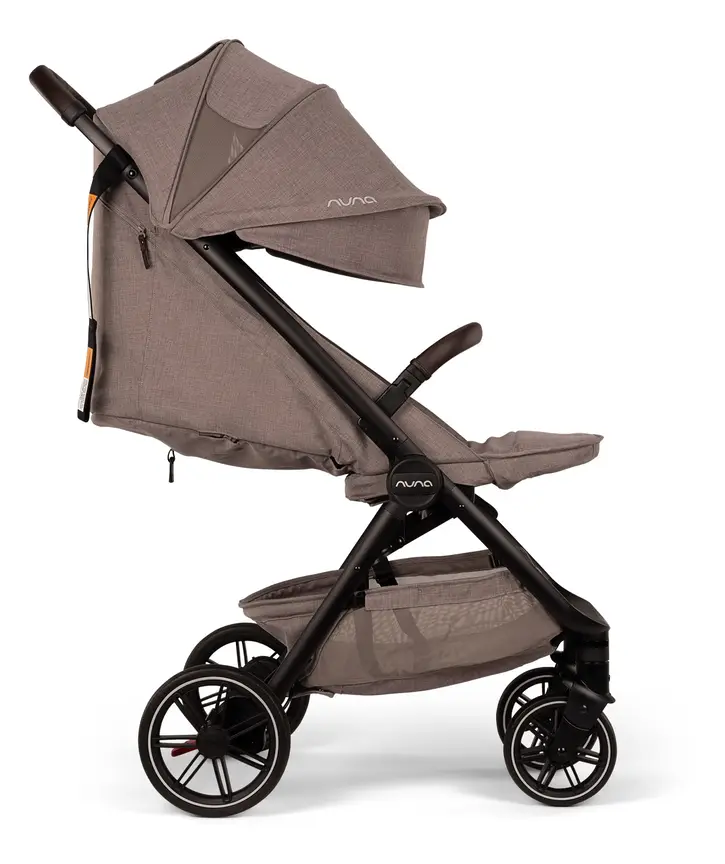
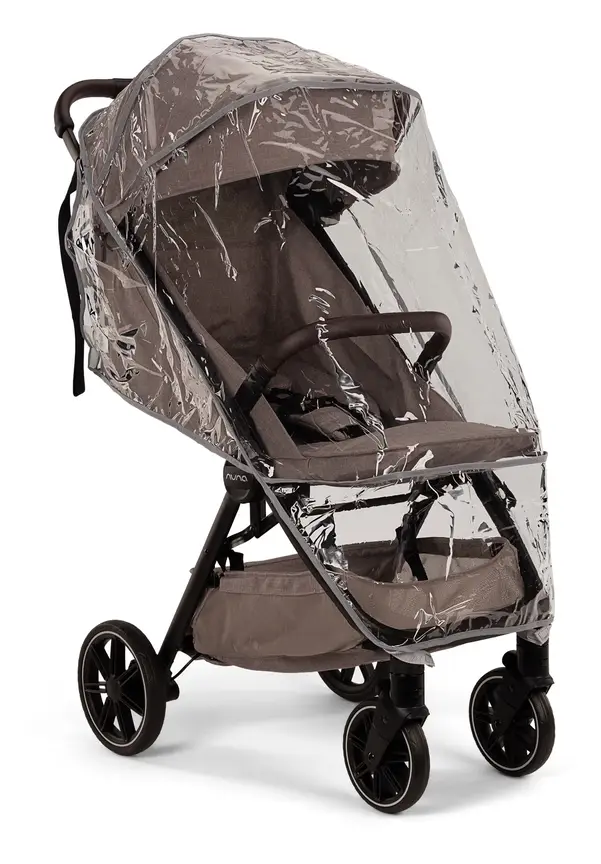


Nuna TRVL LX
A premium compact stroller with a lie-flat seat. It takes the Nuna KLIK Plus capsule on the armbar.
Read our full review →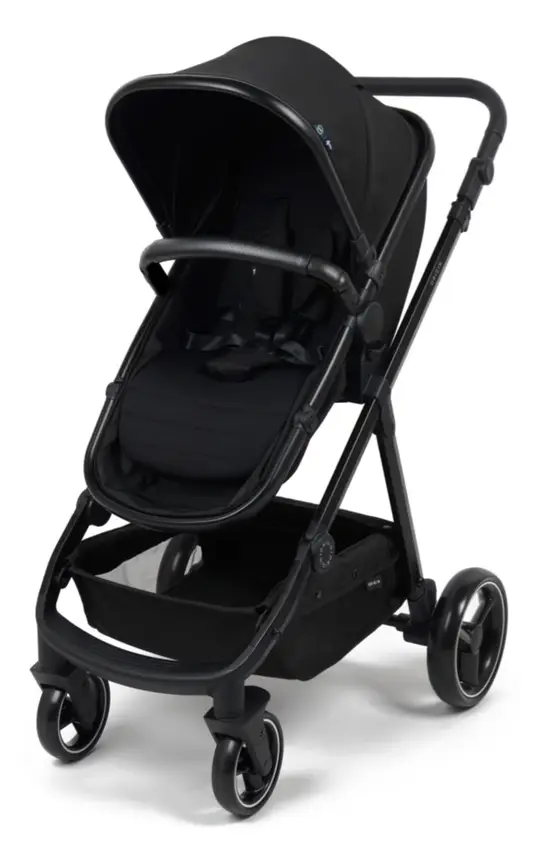
4baby Origin Stroller
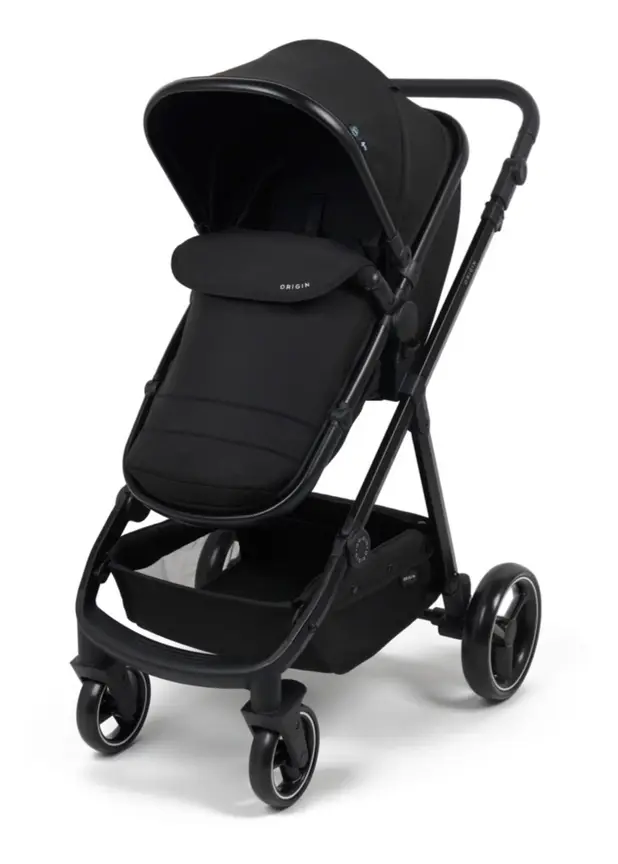
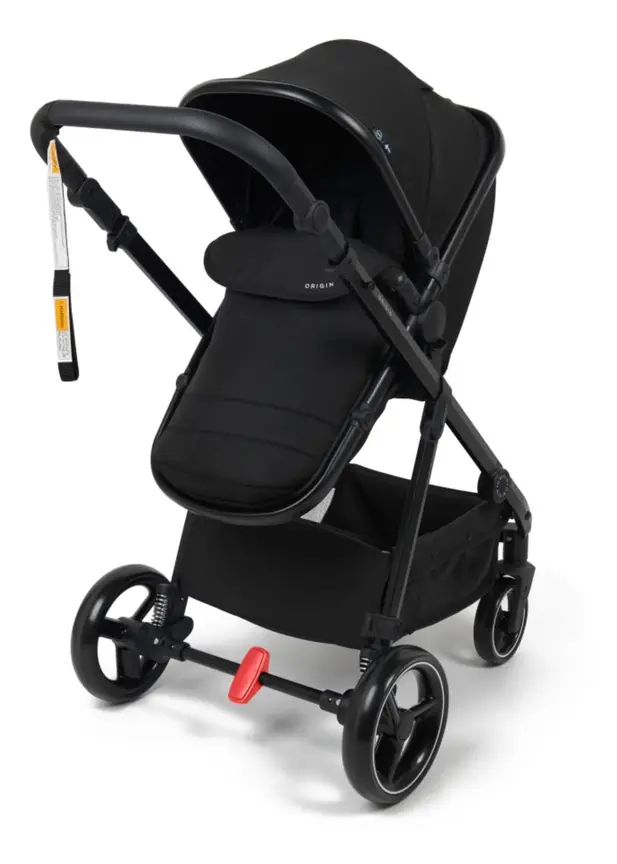
A budget pram whose seat turns into a bassinet. The seat can face you or face the world.
Read our full review →
Baby Jogger City Mini GT2
Long-running, lighter all-terrain stroller with a famously simple one-hand strap fold.
Frequently asked questions
Can my baby sleep overnight in any stroller bassinet?
No. Most stroller bassinets are tested only for supervised daytime walks. You should only use a stroller bassinet for overnight sleep if the maker clearly states in the manual and on the label that it is approved for overnight, unsupervised sleep.
Do I need to buy the matching stand for overnight sleep?
Not always, but a matching stand is often the safest raised option. Some makers allow overnight sleep with the bassinet placed flat on the floor. Others require their own locking stand. Never place a bassinet on a bed, sofa, table, or generic stand from another brand.
What does a breathable bassinet mattress actually do?
A breathable mattress and vented base let warm air move away from your baby's body. This helps prevent overheating. However, breathability does not replace firmness. The mattress must still feel firm and flat when you press it with your hand.
Can I put a blanket over the bassinet opening to block hotel lights?
No. Covering a stroller or bassinet with a muslin cloth or blanket traps heat and stops fresh air from moving inside. Instead, use the room's curtains or blinds to darken the room, and keep the bassinet hood folded down for sleep.
When should I stop using an overnight stroller bassinet?
Stop using it as soon as your baby shows any sign of rolling over, starts pushing up on their hands and knees, or reaches the weight or length limit on the label. For most babies, this happens between 3 and 5 months of age. Move them to a compliant cot or portable cot.
Are second-hand stroller bassinets safe for overnight sleep?
A second-hand bassinet frame can be safe if it is not recalled, has no cracks or broken locks, and still carries its original safety labels. However, always replace the mattress with a new, firm mattress made for that exact model. Check Product Safety Australia, OPSS, the CPSC, or Health Canada recall lists before you use used gear.
Sources
- Product Safety Australia – Bassinets and cradles guide
- Product Safety Australia – Prams and strollers guide
- Red Nose Australia – What is a safe mattress?
- The Lullaby Trust (UK) – Sleeping products
- The Lullaby Trust (UK) – Safer sleep on holiday
- American Academy of Pediatrics (US) – A parent's guide to safe sleep
- Caring for Kids (Canadian Paediatric Society) – Safe sleep for babies
- CPSC (US) – Safe sleep: cribs and infant products
Related guides
More Car Seats & Travel →
Taking a Travel Stroller on a Plane: Cabin Baggage Sizes, Folding and Safety

Portable Travel Bassinets and Pop-Up Infant Domes: Safe Sleep, Floor Insulation, Sun Canopies, and Packing
Gate-Checking a Stroller vs Overhead Bin Carry-On: Travel Bags, Wheels and Airline Rules