














Room-by-Room Home Safety Check for Crawling Babies: Furniture Anchors, Stair Gates and More
A simple room-by-room safety check for when your baby starts crawling: anchoring furniture, stair gates, blind cords, button batteries, water and more.
On this page
- Why crawling changes everything
- Whole-home checks (every room)
- Living room
- Stairs and hallways
- Kitchen
- Bathroom and laundry
- Bedrooms and nursery
- Windows and balconies
- Button batteries: a hidden danger
- Outside: yard, garage and pool
- Safety check by stage
- Advice from each country
- Common mistakes to avoid
- FAQ
- Sources
Short answer: once your baby starts to crawl, usually somewhere between 6 and 10 months, they can reach things they never could before. The best way to get ready is to check your home one room at a time, from your baby's eye level. The most important jobs are: anchor heavy furniture and TVs to the wall, put gates at the top and bottom of stairs, tie blind and curtain cords out of reach, lock away medicines, cleaning products and button batteries, and never leave your baby alone near water. Do these before your baby is on the move.
Key points
- Get down on your hands and knees in each room. You'll see what your baby sees.
- Anchor chests of drawers, bookcases and TVs to the wall. Toppling furniture can crush a small child.
- Use a screw-fixed gate at the top of stairs. Pressure-mounted gates are fine for the bottom of stairs and doorways.
- Tie up blind and curtain cords so they're out of reach, and move cots and furniture away from windows.
- Button batteries can badly burn a child's throat within hours. Keep them locked away and check devices have screwed-in battery covers.
- Drowning is fast and silent. Empty buckets and baths straight away, and always stay within arm's reach near water.
Why crawling changes everything
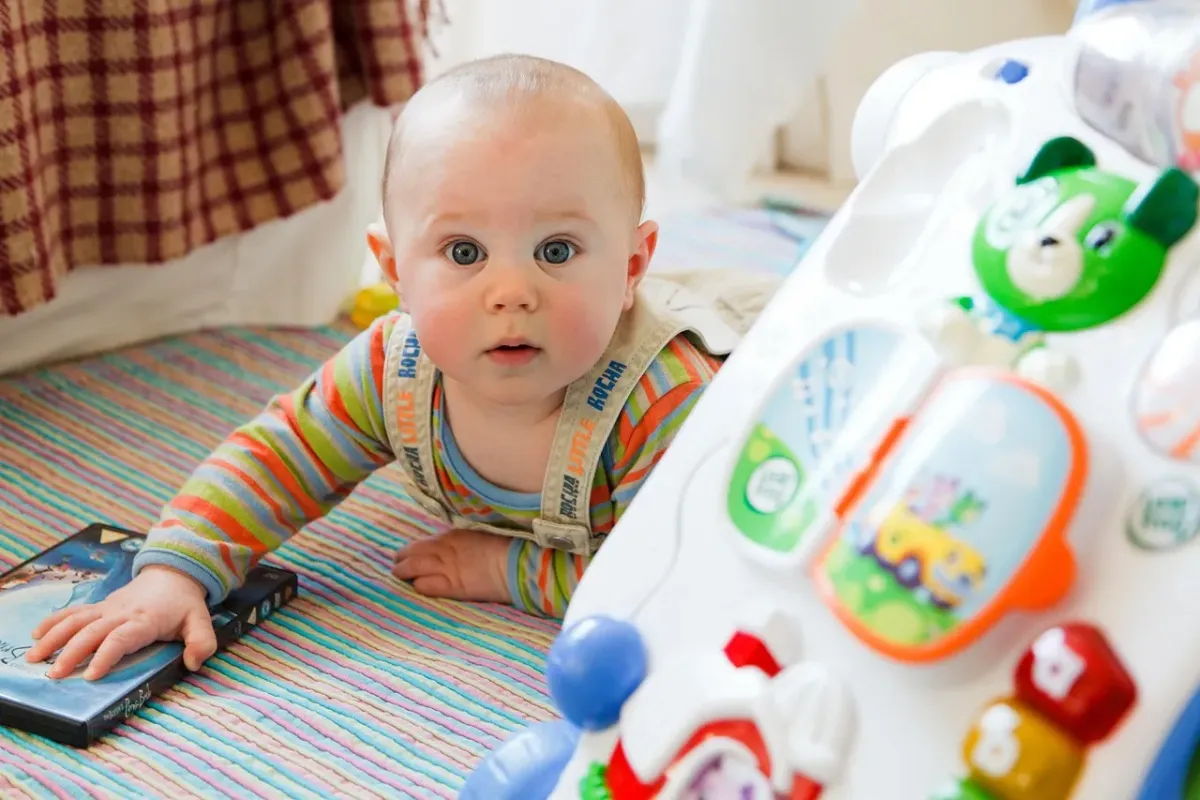
Before crawling, your baby stays where you put them. Once they crawl, they can move across a room in seconds. Soon after, they will pull themselves up on furniture, climb onto low things and start to walk. They also put almost everything in their mouth. This is how babies learn, but it means new dangers.
Safety groups in Australia, the UK, the US and Canada all say the same thing: most injuries to young children happen at home, and many can be prevented with simple changes. The best time to make those changes is a few weeks before your baby starts to crawl, so you're not rushing.
Start with a "crawl test"
Get down on the floor in each room and crawl around. Look for:
- small things on the floor or under furniture
- cords, cables and plugs within reach
- furniture that wobbles when you pull on it
- sharp corners at head height
- cupboards and drawers that open easily
- anything hot, heavy or sharp that could be pulled down
A rough rule many parents use: if something can fit through the tube of a toilet roll, it's small enough for a baby to choke on.
Whole-home checks (every room)
| Hazard | What to do |
|---|---|
| Toppling furniture and TVs | Anchor to the wall with straps or brackets. Put TVs on low, stable units, or mount them on the wall. |
| Blind and curtain cords | Tie up cords with cleats or tension devices out of reach. Move cots, beds and climbable furniture away from windows. |
| Power points and cords | Use power point covers if your baby pokes at sockets. Keep cords and chargers out of reach. Make sure your home has safety switches. |
| Button batteries | Keep spare and used batteries locked away. Check remotes, scales, toys and key fobs have secure battery covers. |
| Small objects | Sweep floors often. Keep coins, magnets, hair ties, jewellery and older children's toys away. |
| Plastic bags | Store out of reach and tie them in knots before throwing them out. |
| Hot drinks | Never hold a baby and a hot drink together. Put hot drinks well back from the edge, and don't use tablecloths a baby can pull. |
| Smoke alarms | Check they work. Have a fire escape plan. |
Living room
Anchor furniture and TVs
Product Safety Australia warns that children are injured and killed every year when furniture or TVs fall on them. Young children often climb drawers like stairs, or pull on shelves to stand up. A chest of drawers or a bookcase can tip over much more easily than you'd think.
- Anchor bookcases, chests of drawers, display cabinets and TV units to the wall. Many come with an anchor kit. If not, you can buy one from a hardware shop.
- Use the right fixings for your wall (for example, plasterboard anchors or screws into a stud). Ask at the hardware shop if you're not sure. Renters can ask their landlord or property manager.
- Put heavy things in the bottom drawers and on low shelves.
- Don't put toys or treats on top of furniture, where children will try to climb for them.
- Flat-screen TVs should be wall-mounted or strapped to their unit. Older, heavy box TVs should sit on low, sturdy furniture and be secured.
Other living room checks
- Fit corner guards on sharp coffee table edges, or move the table out for a while.
- Put fireguards around fireplaces and heaters, and make sure the guard is fixed so it can't be pushed over.
- Keep indoor plants out of reach. Some are poisonous, and soil can be a choking risk.
- Keep handbags (yours and visitors') up high. They often hold medicines, coins and button batteries.
Health & Safety Gates worth a look
Real products from our catalogue. We don't show star ratings or review counts; check the current price, stock and reviews on Amazon before you buy.
 Reviewed
Dreambaby Freedom Security Gate
A low-cost metal gate that opens both ways. A stopper can make it open one way only, for stairs.
Read our full review →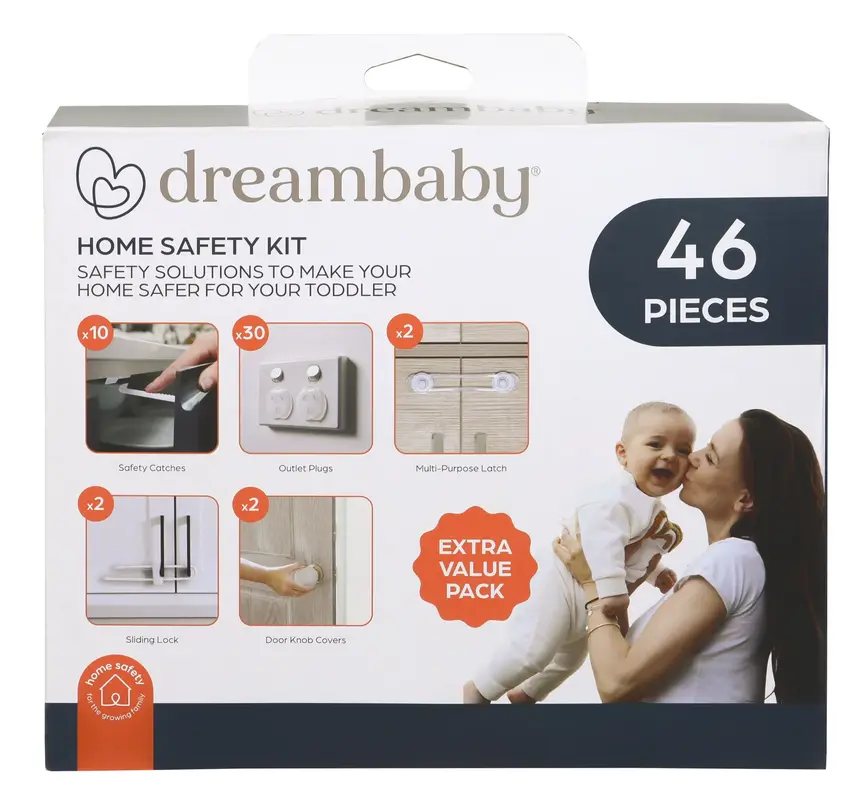
Dreambaby Home Safety Essentials Kit (46 pieces)
A 46-piece starter kit of latches, socket covers and corner guards for baby-proofing a home.
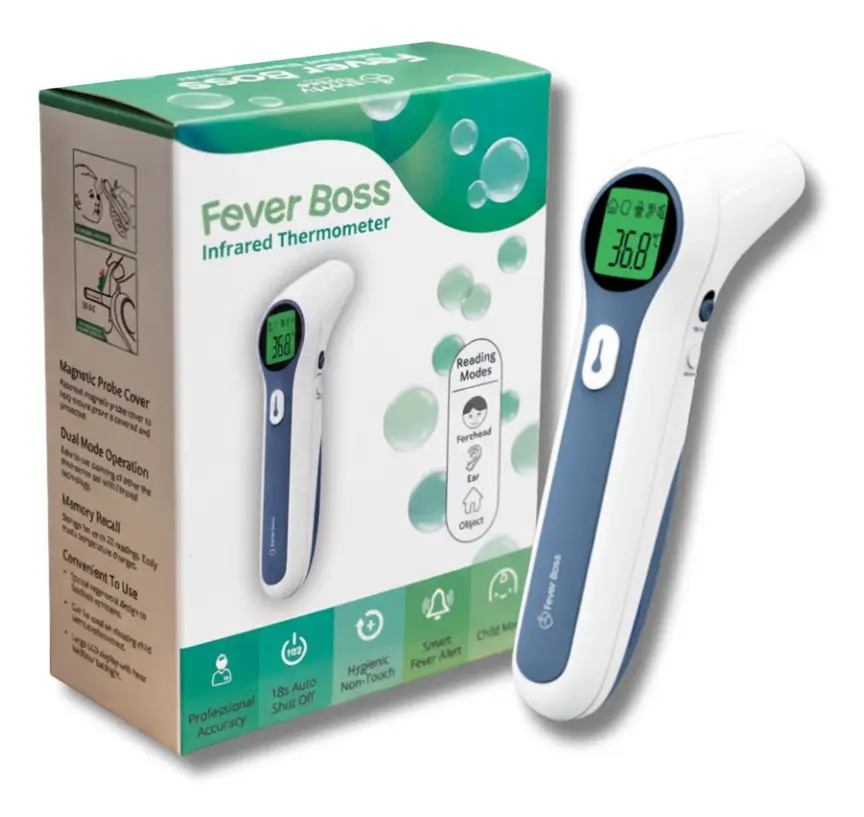
Snotty Noses Fever Boss 5-in-1 Thermometer
A no-touch thermometer that reads forehead, ear, room, object and liquid in about half a second.


Vicks 3-in-1 SleepyTime Humidifier
A cool mist humidifier for small rooms. It runs up to 24 hours on low and turns off when empty.
Read our full review →Stairs and hallways
Falls are one of the most common reasons young children go to hospital. Stairs are a big risk once a baby crawls.
- Top of stairs: use a gate that screws into the wall or banister. RoSPA and other safety groups warn that pressure-mounted gates can be pushed out, and a child can fall down the whole staircase. Choose a gate that doesn't have a bar across the bottom at the top of the stairs, which can be a trip hazard for adults.
- Bottom of stairs: a pressure-mounted gate is usually fine here, to stop your baby climbing up.
- Check the gate meets your country's safety standard and is fitted as the instructions say.
- Always close the gate behind you. Teach older children to do the same.
- Keep stairs clear of toys and clutter.
- Check banisters. If the gaps are wide enough for a child to squeeze through, or there are horizontal rails a child could climb, you may need a guard panel.
Babies can also fall from furniture. Never leave a baby alone on a bed, sofa or change table, even if they can't roll yet. Babies surprise us.
Kitchen
The kitchen has many hazards at once: heat, sharp things, chemicals and small objects.
- Cupboards: fit child-resistant latches or locks on low cupboards and drawers, especially where you keep cleaning products, knives and glass.
- Cleaning products: store them up high and locked away, in their original containers. Dishwasher tablets and laundry capsules are especially dangerous if bitten or swallowed.
- Stove: cook on back burners where you can. Turn pot handles towards the back. A stove guard can help.
- Oven door: some oven doors get very hot. Keep babies away from the oven while it's on.
- Kettle and appliance cords: keep them short and well back from the bench edge.
- Bins: use a bin with a lid, or put it in a cupboard with a lock.
- High chair: always use the harness. Keep the high chair away from the bench, stove and walls your baby could push off.
- Fridge magnets: small, strong magnets can be very harmful if two or more are swallowed. Keep them high or remove them.
Many parents set up one "safe" low cupboard with plastic containers, wooden spoons and pots for their baby to explore. This helps keep little hands busy.
Bathroom and laundry
Water
Royal Life Saving (Australia) says young children can drown quickly and silently in only a few centimetres of water. This includes baths, buckets, nappy buckets and toilets.
- Never leave a baby or toddler alone in the bath, not even for a moment. Don't rely on bath seats or rings to keep them safe. Don't leave older siblings in charge.
- Empty the bath straight after use.
- Empty buckets and nappy buckets, and store them upside down or with a fitted lid.
- Keep the bathroom and laundry doors closed, or use a gate or door latch.
- Keep the toilet lid down, or use a toilet lock.
Burns and poisons
- Check the temperature of the bath water with your elbow or a thermometer before your baby gets in. Run cold water first, then add hot.
- Ask a plumber about lowering the temperature of your hot water, or fitting a device that limits it at the bathroom taps.
- Lock away medicines, vitamins, mouthwash, perfume, nail polish remover and razors.
- Keep hair straighteners and curling irons unplugged and out of reach while they cool down.
- Store laundry powders, liquids and capsules up high and locked away.
Bedrooms and nursery
- Cot position: away from windows, blind and curtain cords, heaters, lamps and shelves.
- Cot base: lower the mattress base as soon as your baby can sit or pull up, so they can't climb or fall out.
- Clear cot: no pillows, bumpers, toys or quilts, which can also be used as steps to climb out.
- Change table: keep one hand on your baby at all times. Have everything you need within reach before you start.
- Nappy creams and powders: keep them out of reach. Breathing in baby powder can harm a baby's lungs.
- Chest of drawers: anchor it to the wall, especially if it's also used as a change table.
- Baby monitor cords: keep at least a metre away from the cot so your baby can't reach them.
- Your bedroom: check bedside tables for medicines, button batteries, coins and hair ties.
Windows and balconies
Children can fall from windows and balconies, especially once they can climb.
- Fit window locks or safety devices that stop windows opening wide enough for a child to fall through. In some places this is required by law for certain buildings.
- Don't rely on flyscreens. They keep insects out, but they won't stop a child falling.
- Move furniture, beds and toy boxes away from windows so children can't climb up.
- Keep balcony doors locked, and don't leave chairs or pot plants on the balcony that a child could climb.
Product Safety Australia also has rules for blinds and curtains sold in Australia, including warning labels and ways to keep cords secured. If your blinds are older, add cord cleats or tension devices yourself, or replace them with cordless blinds.
Side by side: more health & safety gates to compare
Real products from our catalogue. We don't show star ratings or review counts; check the current price, stock and reviews on Amazon before you buy.
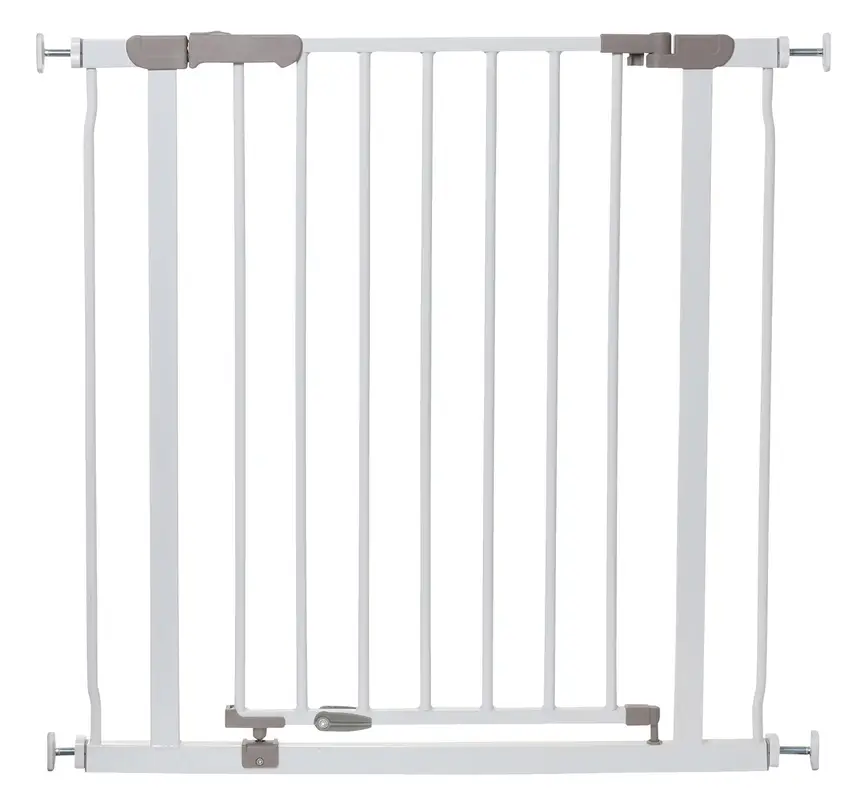
4baby Safety Gate
A low-cost pressure-mounted gate with a double lock. It opens both ways with one hand.

Dreambaby Cosmopolitan Security Gate
A metal-and-timber pressure-fit gate that opens both ways and can stay open.

Dreambaby Freedom Xtra-Wide Hallway Gate
A wide metal gate for hallways. It opens both ways and can stay open.
 Reviewed
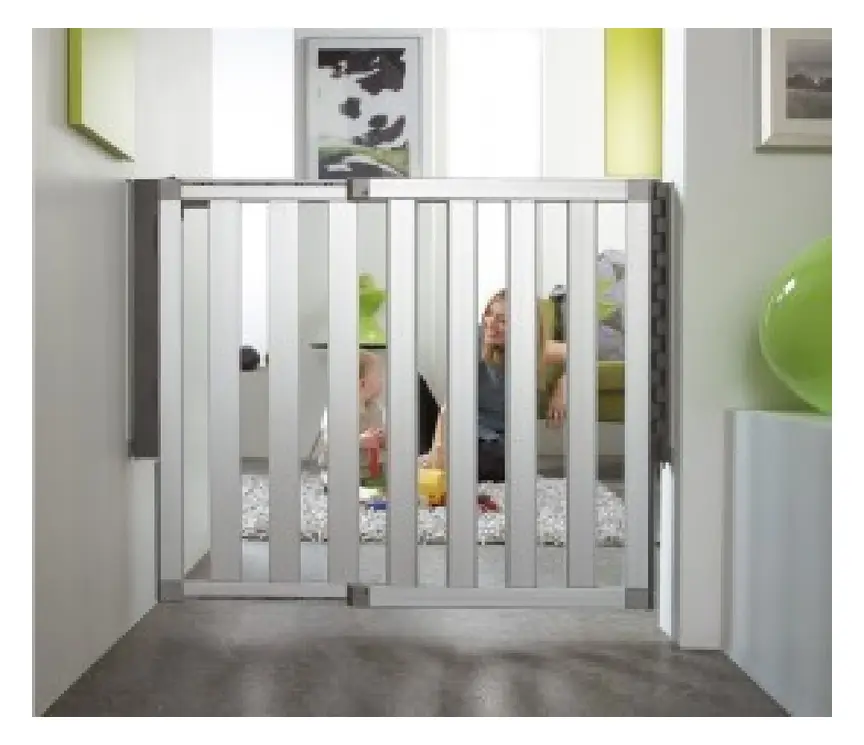
Lindam Numi Aluminium Gate
A screw-fixed aluminium gate with locks at the top and bottom and a hinge that keeps fingers safe.
Read our full review →Button batteries: a hidden danger
Button batteries are small, round batteries found in many household items. If a child swallows one, it can get stuck in their throat and burn through the tissue in as little as two hours. This can cause serious injury or death. Product Safety Australia has mandatory safety rules for button batteries and the products that use them, including secure battery compartments and warnings.
Where you'll find them:
- remote controls, car keys and key fobs
- kitchen and bathroom scales, thermometers
- musical greeting cards, light-up toys and novelty items
- hearing aids, watches and calculators
- candles and fairy lights that run on batteries
What to do:
- Check that products have a battery cover that needs a screwdriver or two actions to open.
- Tape battery covers shut if they're loose.
- Store spare and used batteries locked away, and recycle used ones quickly.
If you think your child has swallowed a button battery, go to the emergency department straight away. Don't wait for symptoms, and don't make them vomit. For advice on the way, call your poisons line: 13 11 26 in Australia, NHS 111 in the UK, Poison Control on 1-800-222-1222 in the US, or your provincial poison centre in Canada. Call an ambulance (000, 999 or 911) if your child is having trouble breathing.
Outside: yard, garage and pool
- Pools and spas: must have a compliant pool fence and self-closing, self-latching gate in Australia and many other places. Never prop the gate open. Royal Life Saving says to always actively supervise children around water, within arm's reach for young children.
- Ponds, water features and water tanks: fence them, cover them or drain them.
- Garage and shed: lock it. It's full of poisons, sharp tools and heavy things.
- Driveway: children have been killed by cars reversing in driveways. Hold your child's hand or keep them inside when a car is moving.
- Garden plants: find out whether any of your plants are poisonous, and remove or fence them.
Safety check by stage
| Stage | Typical age | Focus on |
|---|---|---|
| Rolling | Around 4–6 months | Never leave on beds or change tables; floor is the safest place |
| Sitting and crawling | Around 6–10 months | Small objects, cords, stair gates, cupboard locks, anchoring furniture, lower the cot base |
| Pulling up and cruising | Around 8–12 months | Wobbly furniture, tablecloths, hot drinks, bench edges, window falls |
| Walking and climbing | Around 12 months and up | Climbing furniture, doors and gates, bathroom, pool and driveway, higher shelves |
Ages vary a lot between babies. Watch what your baby is starting to do and stay one step ahead.
Advice from each country
The basics are the same everywhere. These groups have more detailed checklists:
- Australia: Product Safety Australia (furniture, blinds, button batteries, recalls), Kidsafe, Royal Life Saving.
- UK: RoSPA (Royal Society for the Prevention of Accidents) and the Child Accident Prevention Trust.
- US: the American Academy of Pediatrics' HealthyChildren.org and the US Consumer Product Safety Commission.
- Canada: Health Canada and Parachute, Canada's injury prevention charity.
Check the recall list for your country before using second-hand gates, cots and high chairs.
Common mistakes to avoid
- Waiting until your baby is already crawling. They move faster than you expect.
- Using a pressure-mounted gate at the top of the stairs.
- Thinking furniture is "too heavy to tip". Anchor it anyway.
- Leaving blind cords hanging near a cot, bed or sofa.
- Keeping medicines in handbags, on bedside tables or in kitchen fruit bowls.
- Relying on locks alone. Locks slow children down. They don't replace watching your child.
- Forgetting other homes. Grandparents' and friends' houses may not be child-safe. Do a quick check when you visit.
More options, from budget to premium
Real products from our catalogue. We don't show star ratings or review counts; check the current price, stock and reviews on Amazon before you buy.
 Reviewed
Lindam Orto Sure Shut Gate
A pressure-fit gate that needs no screws. Extensions make it wider.
Read our full review → Reviewed
Lindam Sure Shut Deco Safety Gate
A wood-and-metal pressure-fit gate with a push-to-shut lock.
Read our full review →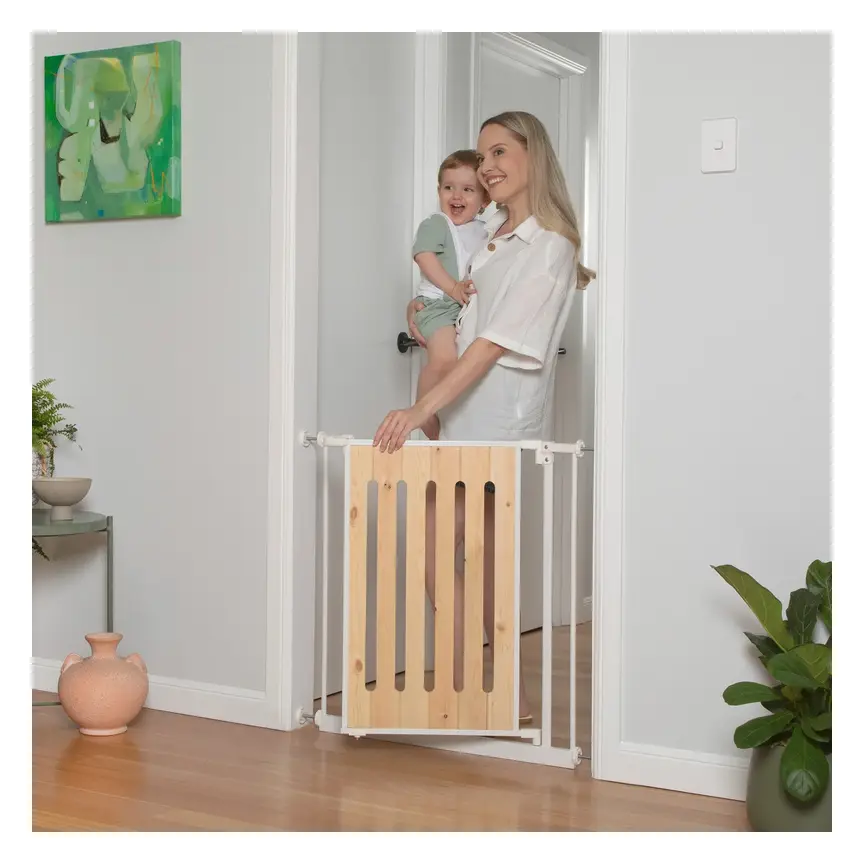
Perma Child Safety Easy Fit Timber Baby Gate
Wall-mounted safety gate
FAQ
When should I start babyproofing?
Around 4 to 6 months is a good time, before your baby starts to crawl. Then check again as they start pulling up, walking and climbing.
Do I need to babyproof the whole house?
Focus first on the rooms your baby spends time in, plus stairs, the bathroom and the kitchen. Close doors or use gates to keep your baby out of rooms you haven't made safe.
I rent. Can I anchor furniture?
Ask your landlord or property manager. Many will agree, as it's a safety issue. In some places renters have the right to make small safety changes. Wall-mounted anchors leave only small holes that are easy to fill.
Are corner guards necessary?
They can help soften bumps on sharp edges at head height, but they come loose and can be a choking risk if your baby pulls them off. Check them often. Moving furniture with sharp corners is another option.
What should be in my first aid kit?
Basic items such as bandages, saline, a thermometer and a list of emergency numbers. Most importantly, do a baby and child first aid course so you know what to do if something happens.
Is a playpen a good idea?
A playpen or play yard can give you a safe spot to put your baby for a few minutes while you cook, shower or answer the door. Choose one that meets your country's safety standard, keep it clear of cords and furniture, and don't use it as a place for your baby to spend most of the day. Babies need lots of floor time to practise crawling and moving.
How do I know if a product has been recalled?
Search the recall website for your country: Product Safety Australia, the UK Office for Product Safety and Standards, the US CPSC, or Health Canada. Register new products with the maker so they can contact you.
Sources
- Product Safety Australia – Toppling furniture and televisions guide
- Product Safety Australia – Blinds, curtains and window fittings guide
- Product Safety Australia – Button batteries
- Royal Life Saving – Water safety at home
- RoSPA – Child safety at home
- HealthyChildren.org (AAP) – Childproofing your home
- Product Safety Australia – Recalls
Related guides
More Parental Tips →
Safe Sleep for Babies: Back to Sleep, Cot Setup, Room Sharing and More
Moving Your Baby to Their Own Room at 6 Months: Naps, Cot Setup, and Monitor Safety

Childproofing Your Home: Anchoring Furniture, Blind Cords, Button Batteries and More
