








Safe DIY Baby Gear Projects: What You Can Make and What to Buy Instead
Safe DIY baby gear projects you can make at home, like mobiles, wraps and burp cloths, plus what to buy instead to meet AU, UK, US and Canada safety rules.

On this page
- Key points
- What DIY baby gear is safe to make
- Safe DIY projects for newborns (0 to 3 months)
- Safe DIY projects for older babies (4 to 12 months and up)
- Comparison: DIY projects vs store-bought gear
- Baby gear you should never DIY
- Materials and sewing safety rules
- Safety standards and official advice by country
- Common mistakes parents make with homemade gear
- How to turn sentimental items into safe keepsakes
- Frequently asked questions
- Sources
Short answer: You can safely make soft, simple baby items at home. Good projects include cotton burp cloths, floor play mats, high-contrast cards, and high-hung nursery mobiles. Never make safety gear yourself. Always buy cots, mattresses, car seats, and high chairs that meet official safety rules. Keep all handmade items out of your baby's cot during sleep.
This advice follows child safety rules in Australia (ACCC and Red Nose), the UK (OPSS and The Lullaby Trust), the US (CPSC and AAP), and Canada (Health Canada and the Canadian Paediatric Society).
Key points
- Pick low-risk projects: Make things for awake play, feeding, and nursery walls.
- Keep the cot bare: Never put handmade quilts, pillows, bumpers, or toys in a sleeping space.
- Skip small parts: Never sew on buttons, beads, bells, or loose ribbons.
- Use safe fabrics: Choose breathable cotton, muslin, or linen, and wash them first.
- Buy safety gear new or checked: Cots, car seats, prams, and high chairs must pass strict safety tests.
- Check often: Pull on every seam and knot before each use.
What DIY baby gear is safe to make
Making something for your baby feels special. It saves money and lets you pick colours you love. You can also reuse soft family clothes in a safe way.
Still, babies are tiny and fragile. They put everything in their mouths. They can choke on small parts or get tangled in long strings. That is why safety comes first in every project.
A good rule is simple. Make gear for awake, watched time only. Buy gear that holds your baby's weight, protects them in a crash, or keeps them safe while they sleep.
Our goal is to help you enjoy crafting without adding risk. Below are safe projects by age, clear material rules, and a list of items you should never make at home.
Safe DIY projects for newborns (0 to 3 months)
Newborns mostly sleep, feed, and look at shapes close to their face. Simple, soft projects work best at this stage.
1. Nursery mobile (hung high and out of reach)
A handmade mobile adds colour and gentle movement to a nursery. You can use a wooden embroidery hoop as the base. Cut simple shapes from wool felt, like clouds, leaves, or animals.
Stitch each shape closed by hand or machine. Stuff them lightly with clean polyester fill or wool. Hang them from the hoop with short, strong cotton thread.
Safety rules for mobiles:
- Never add beads, buttons, old jewellery, or small bells.
- Do not use thin fishing line, as it can cut skin or tangle.
- Hang the mobile high above the cot or change table, well out of reach.
- Tie the main hanger securely to a ceiling hook, not to the cot frame.
- Take the mobile down as soon as your baby can push up on hands and knees, or at about five months.
2. Soft cotton burp cloths and dribble bibs
Newborns spit up often, so you can never have too many burp cloths. Cut rectangles from old, soft cotton T-shirts, flannelette sheets, or pre-washed muslin. Sew two layers together with a simple straight stitch.
You can also sew simple dribble bibs for awake time. Use soft cotton on top and terry towelling on the back. Fasten the bib with a snap or soft touch-tape at the side.
Safety rules for cloths and bibs:
- Never use long ties or ribbons around a baby's neck.
- Check plastic or metal snaps tightly before each wear.
- Always take bibs off before your baby goes to sleep.
3. High-contrast black-and-white play cards
Newborn eyes are still learning to focus. They see bold black-and-white shapes much better than pale colours. You can draw simple stripes, dots, or faces on thick white card with a non-toxic black marker.
Cut the corners so they are round, not sharp. You can tape the cards to the wall next to the change mat. You can also prop them up in front of your baby during short tummy time sessions.
If you cover the cards in clear contact paper, wipe them clean easily. Never leave paper or laminated cards in the cot or alone with your baby, as babies chew paper once they can grab.
4. DIY stretchy or woven baby wrap (with strict rules)
Many parents love keeping their newborn close in a wrap carrier. A simple stretchy wrap is just one long strip of fabric with no buckles or rings. It sounds easy, but fabric choice matters a lot.
If you make a stretchy wrap, use medium-weight cotton jersey with a little stretch across the width, not up and down. If the fabric stretches too much in length, the baby will sag down. Hem all edges neatly so threads cannot fray.
A woven wrap uses sturdy, non-stretch cotton or linen, like a firm twill weave. Never use slippery satin, thin muslin, or weak old sheets. Weak fabric can tear under your baby's weight.
Every time you use a wrap, follow the TICKS safety rule used by health groups in the UK and Australia:
- T – Tight: The wrap must hold your baby snug against your chest.
- I – In view at all times: You should always see your baby's face when you look down.
- C – Close enough to kiss: Your baby's head should sit right under your chin.
- K – Keep chin off chest: Leave at least one or two fingers of space under your baby's chin so they can breathe freely.
- S – Supported back: Support your baby's back in its natural shape, and keep their legs in a frog or M-shape with knees higher than their bum.
If you feel unsure about sewing or tying a wrap, buy a tested carrier that meets local rules. Newborn airways are very small and soft, so safe positioning is vital.
Safe DIY projects for older babies (4 to 12 months and up)
Once your baby grabs, rolls, and sits, they play more on the floor. Projects for this stage should handle drool, tugging, and machine washing.
5. Padded floor play mat or tummy time quilt
A floor quilt gives your baby a clean, warm spot to roll and reach. Sew simple cotton squares together with a thin layer of cotton batting inside. Quilt lines across the whole mat so the padding stays flat.
Keep the mat firm and flat, not thick and puffy. Babies push up better on a firm surface. Thick, squishy mats make it harder for babies to roll or lift their heads.
Safety rules for floor mats:
- Use the mat on the floor while you watch your baby.
- Never put a handmade quilt inside a cot or bassinet.
- Skip decorative tassels, pom-poms, buttons, or loose lace.
6. Sensory crinkle square and fabric tag toy
Babies love touching different textures and hearing soft sounds. Sew two squares of cotton together with clean, food-safe crinkle paper or a clean oven bag inside. Add a few short loops of cotton ribbon around the edge.
Each ribbon loop must be very short. Make sure a tiny finger or toe cannot slip through and get twisted. Fold the ribbon in half so the loop sticks out no more than one centimetre.
Sew across the ribbon ends three or four times so they cannot pull out. Avoid silky ribbons that fray easily. Grosgrain or woven cotton tape lasts much better in the wash.
7. Pram or stroller caddy bag
A simple fabric caddy keeps wipes, keys, and a water bottle handy on walks. Sew a narrow rectangle with two or three deep pockets. Attach strong touch-tape straps to wrap around the pram frame.
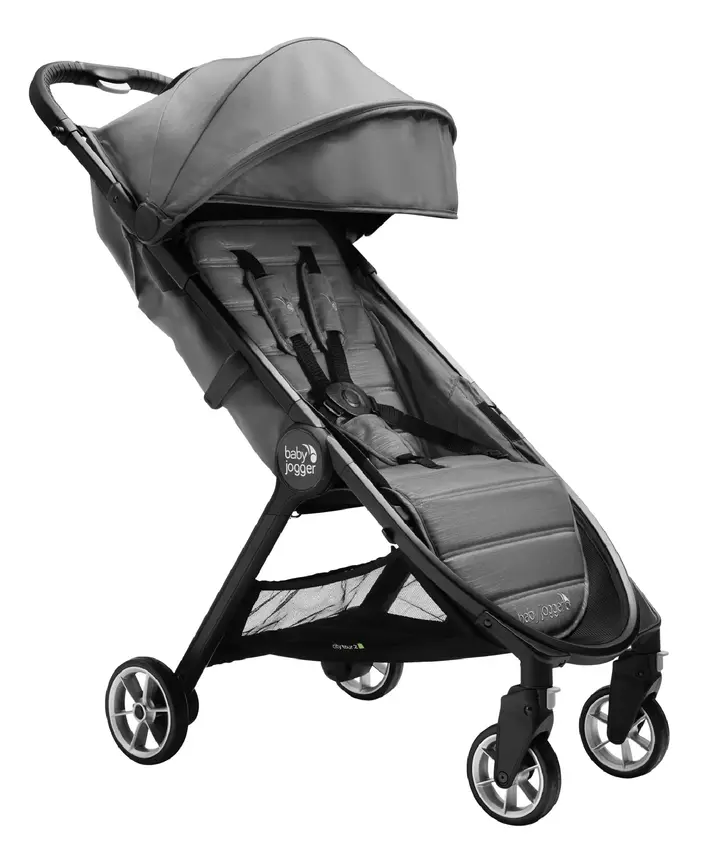
Safety rule for pram bags: Never hang heavy bags on the top handlebar of a pram or stroller. Heavy weight at the top can tip the whole pram backwards, even with your baby inside. Keep the caddy light, or place heavy items in the basket underneath.
8. Wooden ring grasping toy (with safe finish)
If you like woodwork, a smooth wooden ring makes a classic grasping toy. Use solid hardwood like beech or maple. Sand every edge until it feels completely smooth, with no splinters.
Make sure the ring is big enough that it cannot fit inside a baby's mouth or catch on their jaw. Do not use paint, varnish, or essential oils. Wipe the wood with plain food-grade olive oil or beeswax if needed, or leave it raw.
Check wooden toys before every play session. Throw the toy away if you see cracks, dents, or rough spots.
Comparison: DIY projects vs store-bought gear
Some baby gear is fun to make, while other items must be bought from a trusted maker. This table shows what is safe to DIY and what is not.
| Baby item | Safe to DIY? | Main risk if made at home | Best age | Safety rule to follow |
|---|---|---|---|---|
| Cot or bassinet | No | Bar gaps, weak sides, tipping, trapping head | Birth to 2+ years | Must meet AS/NZS 2172, BS EN 716, BS EN 1130, ASTM F1169, or ASTM F2194 |
| Cot mattress | No | Too soft, wrong size gaps, suffocation risk | Birth to 2+ years | Firm and flat; must pass AS/NZS 8811.1 or BS EN 16890 / crib mattress rules |
| Car seat or capsule | No | No crash protection, harness failure | Birth to 8+ years | Must meet AS/NZS 1754, R129, ECE R44, FMVSS 213, or CMVSS 213 |
| Cot bumper or sleep nest | No | Suffocation, overheating, climbing step | Never safe | Keep cots empty in AU, UK, US, and Canada |
| Nursery mobile | Yes, with care | Small parts falling, baby pulling cords | Birth to 5 months | Hang out of reach; no beads or buttons; remove when baby pushes up |
| Burp cloths and bibs | Yes | Long ties, loose snaps, worn in sleep | Birth to 12+ months | Short snaps only; remove bibs before sleep |
| Floor play mat | Yes | Too puffy, loose trims, used in cot | Birth to 12+ months | Floor use only while awake; flat and firm |
| Baby wrap carrier | Only with skill | Fabric tearing, sagging, blocked airway | Birth to 12+ months | Sturdy fabric; follow TICKS airway check every time |
| Beaded dummy clip | No | Choking on loose beads, cord strangulation | Never safe | Short clips only; avoid homemade beaded chains |
Baby gear you should never DIY
Some parents feel tempted to build furniture or sew trendy sleep items they see online. Health and safety groups warn against making these items at home.
Cots, bassinets, and mattresses
A cot or crib looks like a simple wooden box, but it is a strict safety product. Standards set exact rules for bar spacing, corner posts, drop sides, and mattress gaps. If bars are too wide, a baby's body can slip through while their head gets trapped.
If bars are too narrow, tiny arms or legs can get stuck. Home-built cots and vintage hand-me-down cots often fail these checks. Always buy a cot that meets your country's current standard, and pair it with a firm, flat mattress that fits snugly.
Cot bumpers, sleep pods, and weighted blankets
Padded cot bumpers and soft sleep nests look cosy in photos, but they are unsafe. Babies can press their faces into soft padding and struggle to breathe. Older babies can also use padded bumpers as a step to climb out of the cot.
Never sew weighted blankets, weighted swaddles, or rice-filled sleep sacks for babies. Health bodies in the US, Australia, the UK, and Canada warn that extra weight on a baby's chest makes breathing harder and stops them moving freely.
Car seats, strap covers, and seat inserts
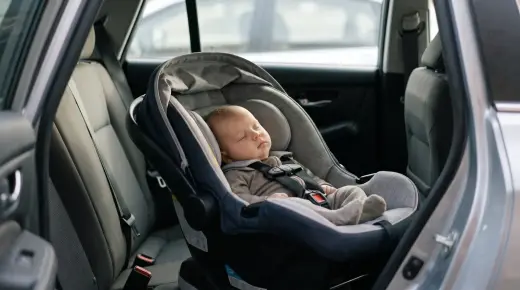
Car seats go through intense crash tests. Never build a seat, alter straps, or add homemade padded inserts behind your baby's back or head. Extra padding changes how the harness fits and can compress in a crash, leaving the straps loose.
Homemade strap covers or cute blanket clips can also burn in a car fire or slide out of place. In the US, car seat fabrics must pass flammability rules like FMVSS 302. Stick to the pads and covers that came in the box with your car seat.
Pram covers and sun shades
Do not drape thick homemade blankets or fitted covers tightly over a pram or stroller. Trapping hot air inside a pram can make the temperature rise quickly on warm days. Use a clip-on shade made for good airflow, or stay in the shade during hot hours.
Beaded teething necklaces and dummy chains
Amber teething necklaces, silicone bead chains, and homemade dummy clips are common choking risks. Strings can snap when a baby chews or tugs them, spilling small beads straight into their mouth. Long cords can also wrap around a baby's neck.
Buy a solid, one-piece teether that meets toy safety rules like AS/NZS 8124, EN 71, or ASTM F963. Never put any necklace, bracelet, or cord on a baby.
High chairs and safety gates
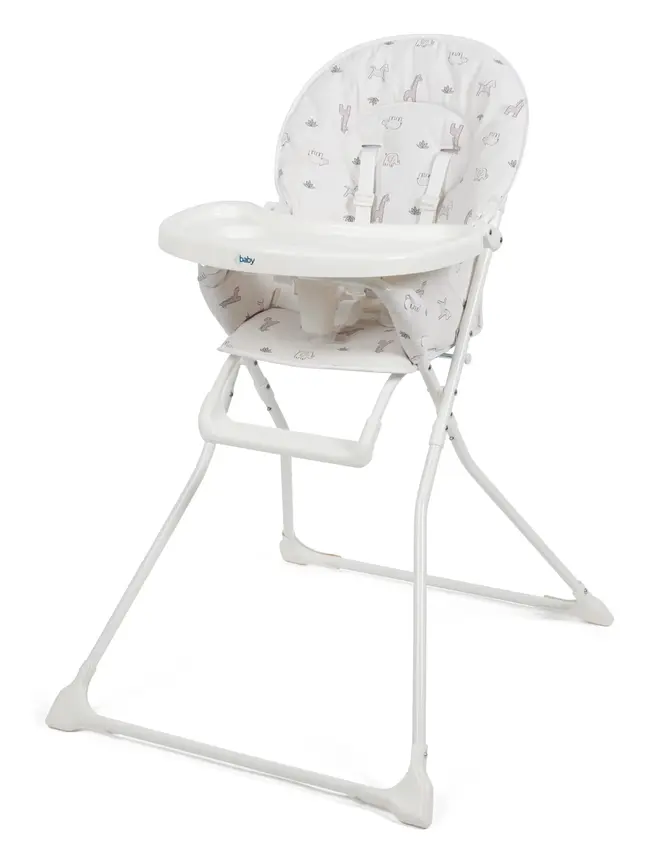
High chairs and stair gates hold heavy loads and moving toddlers. A homemade chair can tip over when a child kicks the table. A homemade wooden gate may have gaps that trap a head or latches a toddler can open. Buy tested chairs and gates that meet AS/NZS, BS EN 14988, BS EN 1930, or ASTM F404 rules.
Materials and sewing safety rules
Even a safe project can turn risky if you pick the wrong fabric or trim. Follow these simple material checks before you start cutting or sewing.
- Choose natural, breathable cloth: 100% cotton, muslin, linen, and cotton flannel are gentle on baby skin. They wash well in hot water and let air pass through.
- Pre-wash everything: Wash and dry all new and old fabrics before sewing. This removes factory sizing chemicals and stops the finished item from shrinking unevenly later.
- Skip shedding and fluffy fabrics: Long faux fur, loose felt balls, and fluffy sherpa shed fibres that babies breathe in or swallow.
- Avoid toxic glues, paints, and dyes: Never use hot glue on baby toys, as chunks peel off when chewed. Avoid unknown craft paints or varnishes that may contain lead or harmful chemicals.
- Say no to small parts: Do not use buttons, sequins, googly eyes, rhinestones, or tiny beads. Even double-knotted thread can snap when a baby chews on it.
- Never use magnets or button batteries: High-powered magnets and button batteries can cause severe internal burns or death if swallowed. Keep them completely out of baby craft projects.
- Use short thread tails and strong seams: Backstitch at the start and end of every seam. Trim loose threads closely so they cannot wrap around fingers or toes.
- Do the tug test: Pull hard on every sewn piece, snap, and strap before you hand it to your baby. If anything shifts, tears, or loosens, fix it or throw it away.
Safety standards and official advice by country
Baby safety rules are very similar across Australia, the UK, the US, and Canada. Each country has its own government safety office and child health group. Knowing these names helps you check recall lists and current advice.
| Country | Product safety body | Child health and sleep body | Key safety rules for baby gear |
|---|---|---|---|
| Australia | ACCC / Product Safety Australia | Red Nose, Kidsafe, Raising Children Network | Cots (AS/NZS 2172), mattress firmness (AS/NZS 8811.1), prams (AS/NZS 2088), car seats (AS/NZS 1754), toys (AS/NZS 8124) |
| United Kingdom | Office for Product Safety and Standards (OPSS) | The Lullaby Trust, NHS, RoSPA | Cots (BS EN 716), cribs (BS EN 1130), mattresses (BS EN 16890), prams (BS EN 1888), toys (BS EN 71), car seats (R129 / ECE R44) |
| United States | Consumer Product Safety Commission (CPSC) | American Academy of Pediatrics (AAP), NHTSA | Cribs (ASTM F1169), bassinets (ASTM F2194), strollers (ASTM F833), toys (ASTM F963), car seats (FMVSS 213) |
| Canada | Health Canada | Canadian Paediatric Society (Caring for Kids), Transport Canada | Strict rules on cribs, playpens, sleep surfaces, phthalates in toys, and car seats (CMVSS 213) |
All four countries agree on the main sleep rule. Put your baby to sleep on their back, on a firm, flat mattress, in an empty cot or bassinet. Keep soft toys, quilts, pillows, and bumpers out of the sleep space.
They also agree on baby carriers. Keep your baby's face clear, their chin off their chest, and their back supported. Check your country's recall page if you ever reuse secondhand hardware, snaps, or fabric parts.
Common mistakes parents make with homemade gear
Many DIY risks happen by accident, often because an idea looks cute online. Watch out for these common traps.
- Using beads from old jewellery on mobiles: Some blogs suggest adding sentimental beads or brooches to a cot mobile. If a thread breaks, those small pieces can fall straight into the cot. Keep keepsake jewellery safely in a box instead.
- Leaving a mobile up too long: A mobile is safe only while your baby cannot reach it. Once your baby rolls, sits, or pushes up on hands and knees, take the mobile down right away.
- Putting handmade quilts in the cot: A patchwork quilt makes a lovely wall hanging or floor mat. In the cot, a loose quilt can cover your baby's face or cause overheating. Use a properly sized sleeping bag instead.
- Making ribbon loops too long: Long loops on tag toys or blankets can catch tiny fingers and toes and cut off blood flow. Keep every loop short and flat.
- Copying unsafe social media hacks: Videos often show parents tying scarves as car seat pillows or clipping blankets over prams. Never copy a hack that changes how a car seat, cot, or pram works.
- Skipping wash and tug checks: Handmade items wear out faster than factory gear if seams are loose. Wash items safely and tug every seam after each wash.
How to turn sentimental items into safe keepsakes
Many new parents want to use a grandparent's blanket or a special shirt in the nursery. You can still honour those memories safely.
Turn an old wool blanket or lace dress into a framed picture for the nursery wall. Hang the frame high and securely, away from the cot where a toddler could pull it down.
You can also sew a memory bear for a shelf high above reach, rather than for the cot. When your child is older and past the mouthing stage, they can hold and enjoy it safely.
For everyday use, turn soft cotton shirts from family members into a floor tummy-time quilt or burp cloths. You get the warm memory every day with zero sleep risk.
Frequently asked questions
Can I use beads from old jewellery on a baby mobile?
No, it is not safe. Threads can weaken over time or snap when pulled. If a bead drops into the cot or onto the floor, your baby can choke on it. Stick to large, soft felt shapes sewn firmly with strong cotton thread.
Is a homemade baby wrap carrier safe?
It can be safe if you choose the right sturdy fabric, hem it well, and tie it tightly every time. However, weak fabric or loose wrapping lets a baby slump down, which can block their breathing. Always follow the TICKS safety check, and choose a tested store-bought carrier if you feel unsure.
When should I take a mobile down from above the cot?
Take a cot mobile down as soon as your baby starts to push up on their hands and knees, or around five months old. Babies grow fast and can grab hanging toys sooner than parents expect. You can move the mobile to a high wall hook away from the cot.
Can I sew my own cot bumper or baby sleep nest?
No. Health and safety bodies in Australia, the UK, the US, and Canada advise against all cot bumpers and soft sleep nests. They raise the risk of suffocation, overheating, and sudden infant death. Keep your baby's cot completely bare except for a fitted sheet.
What fabric is safest for homemade baby items?
Pre-washed 100% cotton, muslin, linen, and cotton flannel are the safest choices. They are breathable, soft on newborn skin, and easy to wash in hot water. Avoid fabrics with long loose fluff, glitter, metallic threads, or heavy chemical coatings.
Can I make my own car seat strap covers or seat liner?
No. Never add homemade pads, liners, or strap covers to a car seat. Extra fabric behind your baby or on the harness can stop the straps from holding your baby tightly in a crash. Car seat fabric also has to meet fire-safety rules. Only use parts made by the seat's manufacturer.
Sources
- Product Safety Australia – Settle baby to sleep safely
- Raising Children Network – Baby carrier, sling and backpack safety
- The Lullaby Trust (UK) – Keeping a clear cot
- The Lullaby Trust (UK) – Baby slings and carriers
- HealthyChildren.org (AAP) – Childproofing your home
- CPSC (US) – Safe sleep: cribs and infant products
- Caring for Kids (Canadian Paediatric Society) – Safe sleep for babies
- Health Canada – Recalls and safety alerts
Related guides
More Parental Tips →
Second-Hand Baby Gear: What Is Safe to Buy, What to Skip, and How to Check It

Baby Gear Gifting: How to Get Exactly What You Need

Minimalist Baby Gear: What You Actually Need and What You Can Skip
