






Baby Gear Gifting: How to Get Exactly What You Need
How to plan baby gear gifts and build a registry that works: pick safe items, avoid clutter, check secondhand gear, and share your list politely.
On this page
- Key points
- Why baby gear gifting often goes wrong
- How to build a gift registry that works
- What to put on your list by age stage
- Side-by-side comparison: gift types and who they suit
- Gifts to skip for baby safety
- Safety rules and standards in Australia, the UK, the US and Canada
- How to handle secondhand gifts and hand-me-downs
- How to share your wishes politely
- Simple checklist before you share your registry
- Frequently asked questions
- Sources
Short answer: Make a short list of gear that fits your home and car. Put those items on one simple gift registry. Mix small gifts, group gifts, and daily supplies like nappies. Ask guests to skip loose cot bedding, baby walkers, and button-battery toys. Check recall lists and safety labels before you use any gift.
Friends and family love buying gifts for a new baby. Without a plan, you may get piles of tiny clothes. You might also end up with three baby baths. Some gifts may not fit your home at all. A clear plan helps people buy things you will use. It also keeps unsafe gear out of your nursery.
This guide uses plain, practical advice from child safety groups. It covers Australia (ACCC, Product Safety Australia, Red Nose, Pregnancy, Birth and Baby). It also covers the UK (Office for Product Safety and Standards, The Lullaby Trust, NHS, RoSPA). For the US, it cites the CPSC and the American Academy of Pediatrics. For Canada, it cites Health Canada, the Canadian Paediatric Society, and Transport Canada.
Key points
- Measure first: Check your bedroom, hallway, and car boot before picking big gear.
- Offer every budget: Mix low-cost items with group gifts for pricey gear.
- Plan past month one: Babies grow fast. Add gear for 3 to 12 months.
- Put safety first: Cot bumpers, baby walkers, and inclined sleepers are unsafe.
- Check secondhand gear: Never use an old car seat without its full history.
- Value practical help: Meals, grocery vouchers, and babysitting help tired parents most.
Why baby gear gifting often goes wrong
Most people buy baby gifts with warm hearts. They want to give something cute or soft. The trouble is that cute gifts are often hard to use. Some are not even safe.
Newborn clothes are a classic example. Many guests buy the smallest size. Babies outgrow newborn outfits in just a few weeks. Some babies skip that size on day one. You may get ten fancy outfits and few plain zip-up onesies. Yet plain onesies are what you need for midnight changes.
Space is another common problem. A kind relative might buy a huge play gym. Someone else might bring a wide highchair or a big bouncer. In a small flat, large gear fills the living room fast. Gear that blocks walkways causes daily stress.
Local weather matters too. Thick fleece blankets do not suit a hot Australian summer. Light cotton wraps are not enough for a freezing Canadian winter. Guests who live far away may forget your local climate.
Safety rules also change over time. Older relatives may remember gear from twenty years ago. Back then, drop-side cots, cot bumpers, and baby walkers were common. Today, child health groups warn against all three. A clear wish list guides everyone toward safe, modern gear.
How to build a gift registry that works
A baby gift registry is just a shared wish list. Friends and family can view it online. When someone buys an item, the list marks it as taken. This simple step stops double-ups. You will not end up with three sterilisers or five play mats.
Start with your space and lifestyle
Look at how you live before adding any item. Ask yourself four simple questions:
- Where will the baby sleep? Health groups in all four countries advise room-sharing for six months. Check if a full cot fits beside your bed. If not, a compact bassinet may work better first.
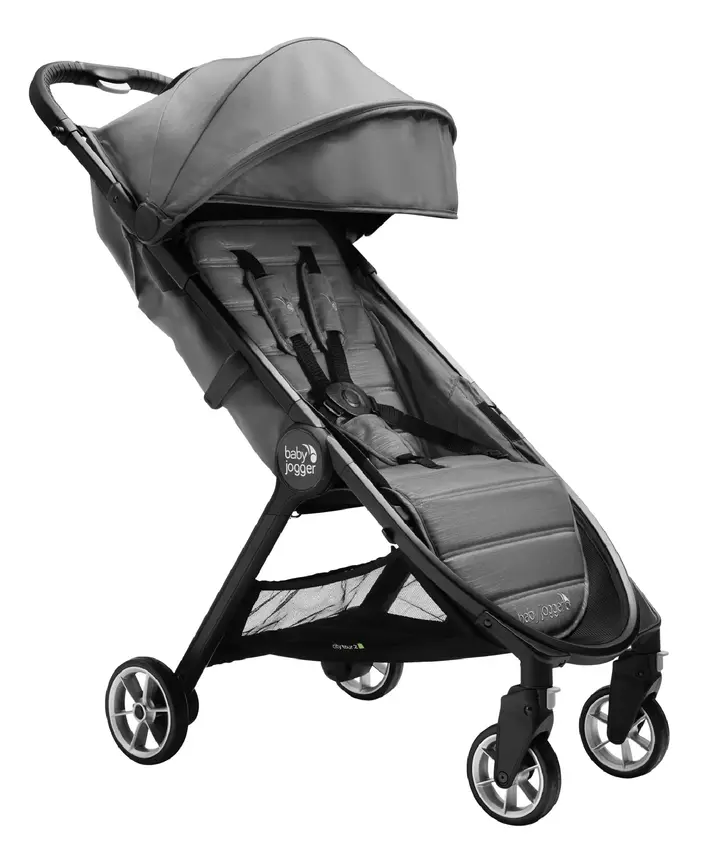
- How do you travel? Bus and train trips call for a light pram. Look for one that folds with one hand. If you drive, measure your car boot first. Make sure the pram frame fits inside with room for bags.
- What are your stairs and doors like? Narrow halls make wide prams hard to push. Steep stairs make heavy gear hard to carry.
- What season will your baby arrive in? Match sleeping bags, wraps, and sun covers to the weather.
Include a wide range of price points
Your guests will have different budgets. A workmate may want to spend a small amount. A grandparent may want to buy a cot or pram.
Add plenty of small, useful items to your list. Good low-cost picks include muslin wraps and fitted cot sheets. Baby washcloths, board books, and silicone bibs also work well. Mid-range picks include sleeping bags, baby carriers, bottle sets, and nappy bags.
Big items like car seats, cots, and prams cost a lot. Use a group gifting option if your registry has one. Group gifting lets several guests chip in together. Nobody feels pushed to spend too much. Better still, you get the exact safe model you chose.
Add everyday supplies and practical help
Some of the best gifts are not gear at all. Daily supplies run out fast in the first year. Consider adding these items:
- Nappies or diapers in newborn, small, and medium sizes.
- Unscented baby wipes and gentle nappy rash cream.
- Fragrance-free laundry wash and mild baby soap.
- Gift cards for your local supermarket or chemist.
- Food delivery vouchers or home-cooked freezer meals.
Remember the parents too. A large water bottle with a straw helps during long feeds. Healthy snacks, a cosy robe, or a cleaning voucher mean a lot. Those gifts help more than another soft toy.
Keep the list clear and up to date
Check your registry every week once you share it. Remove things you buy yourself. Add short notes if fabric or size matters. For example, write "100% cotton only" or "size 6 to 12 months". Clear notes help guests pick right the first time.
What to put on your list by age stage
Most wish lists focus only on the newborn weeks. Yet the first year goes by quickly. Adding items for later months spreads out your gifts. It also saves you money as your baby grows.
Newborn to 3 months
In the early weeks, babies mostly sleep, feed, and need clean nappies. Keep your newborn list simple and safe:
- A safe cot or bassinet with a firm, flat mattress.
- Two or three fitted waterproof mattress protectors and fitted sheets.
- Light cotton or muslin wraps for swaddling.
- Arm-out baby sleeping bags sized by your baby's weight.
- A rear-facing infant car seat or convertible seat that fits your car.
- A baby carrier or sling that holds your baby upright and close.
- A simple baby bath or bath support, plus hooded towels.
- Feeding gear for your plan, like bottles, brushes, and a drying rack.
- A digital thermometer for bath water and room checks.
4 to 6 months
Around this age, many babies start to roll and grab toys. Some also get ready for first foods. Useful gifts for this stage include:
- Bigger sleeping bags with arms out for rolling babies.
- A washable floor mat for safe tummy time.
- Solid teething rings with no liquid inside and no small parts.
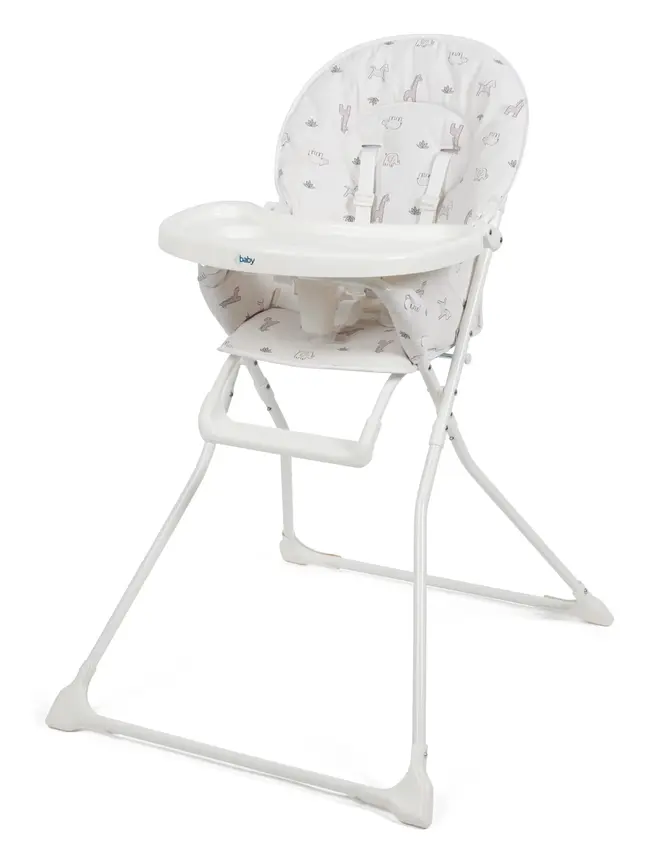
- A stable highchair with a wide base and five-point harness.
- Soft-tip baby spoons, suction bowls, and wipe-clean bibs.
- Board books and simple, sturdy rattles.
6 to 12 months
Once your baby sits and crawls, home safety matters most. These gifts are very useful now:
- Hardware-mounted safety gates for stairs and doorways.
- Wall straps and anchor kits to stop furniture from tipping.
- Cupboard locks, corner guards, and power point covers.
- Open cups or straw cups for water at mealtime.
- A pram sun shade and a broad-brimmed sun hat.
- Stacking cups, wooden blocks, and simple push toys.
12 months and older
Toddlers walk, climb, and test every limit. You do not need many toddler items on a birth list. Still, a few early picks help:
- A voucher for first hard-sole walking shoes later on.
- A toddler bike helmet if you plan to use a bike seat.
- Sturdy picture books that stand up to rough hands.
- Simple outdoor sand or water play toys.
Side-by-side comparison: gift types and who they suit
Different gift types suit different guests and family setups. This table compares the main choices side by side.
| Gift type | Best for | Main benefits | Things to watch out for |
|---|---|---|---|
| Online registry essentials | Close friends, workmates, shower guests | Stops duplicates and lets you pick safe models | Some guests still prefer to shop off-list |
| Group gift contributions | Grandparents, aunties, uncles, friend groups | Helps pay for prams, cots, and car seats | Older guests may prefer handing over a box |
| Consumables (nappies, wipes) | Practical guests, office collections | Used every day and never gathers dust | Babies outgrow newborn sizes fast, so mix sizes |
| Gift cards and vouchers | Distant friends, last-minute buyers | Zero clutter and lets you buy later | Check expiry dates and nearby store locations |
| Secondhand hand-me-downs | Siblings, close family, eco-minded friends | Saves money and cuts down on waste | Must check recalls, wear, and safety rules |
| Services and help (meals, cleaning) | Local friends, neighbours, close relatives | Takes real stress off tired new parents | Harder for distant guests unless using vouchers |
Gifts to skip for baby safety
Some baby items are still sold in shops or online. Yet major child health groups warn parents not to use them. Telling guests what to skip keeps your baby safer.
Unsafe sleep items
Red Nose in Australia and The Lullaby Trust in the UK share one rule. The American Academy of Pediatrics and Health Canada agree. Clear is best. Put your baby on their back on a firm, flat mattress. Keep the cot or bassinet completely clear.
Ask guests not to buy these sleep items:
- Cot bumpers, whether padded or mesh.
- Pillows, quilts, doonas, or loose blankets under 12 months.
- Sleep positioners, wedges, or inclined sleepers.
- Soft nests, pods, or loungers meant for unsupervised sleep.
- Weighted swaddles or weighted sleep sacks.
- Soft toys or comforters placed inside the cot.
Someone might still sew you a lovely quilt or blanket. You can treasure it and use it safely. Spread it on the floor for supervised tummy time. Or hang it on the nursery wall as art. Just keep it out of the cot.
Baby walkers and door bouncers
Wheeled baby walkers let babies zoom across rooms too early. They can tip down stairs in seconds. They also help babies reach hot drinks, cords, and cleaners. The AAP urges parents not to use baby walkers at all. Canada bans their sale completely. Ask for a stationary play centre or a floor mat instead.
Toys and gadgets with hidden hazards
Ask guests to avoid gifts with these hidden dangers:
- Button batteries: These sit inside musical books, cards, remotes, and thermometers. If swallowed, a button battery can burn a child's throat in hours. Any battery door must need a tool or two steps to open.
- Strong small magnets: Swallowing two or more magnets can pinch the gut badly. Keep magnetic desk toys and loose magnet sets out of the home.
- Small parts and long cords: Check toys for loose buttons, ribbons, or long strings. These pose choking or strangulation risks.
Car seat add-ons not made by the seat brand
Extra strap covers, head pillows, and thick liners look cosy. Yet unapproved add-ons can stop a harness from working in a crash. Only use parts made or approved by your car seat brand. Heavy mirrors or toys clipped to handles can also fly loose in a stop.
Safety rules and standards in Australia, the UK, the US and Canada
BabyGearFinder serves families in Australia, the UK, the US, and Canada. Safety laws differ in each country. Never buy or accept big baby gear from overseas sellers. A US car seat, for example, is not legal in Australia or the UK. Its clips and fit rules do not match local cars.
This table shows how the four countries compare for common gift items.
| Gear type | Australia | United Kingdom | United States | Canada |
|---|---|---|---|---|
| Main safety bodies | ACCC / Product Safety Australia; Red Nose; NHMRC | OPSS; The Lullaby Trust; NHS; RoSPA | CPSC; AAP | Health Canada; Canadian Paediatric Society; Transport Canada |
| Cots and cribs | AS/NZS 2172 (household cots); AS/NZS 8811.1 (mattress firmness) | BS EN 716 (cots); BS EN 1130 (cribs); BS EN 16890 (mattresses) | ASTM F1169 and federal crib safety rules | Federal crib, cradle, and bassinet safety rules |
| Prams and strollers | AS/NZS 2088 | BS EN 1888 | ASTM F833 and federal stroller rules | Federal carriages and strollers rules |
| Car seats | AS/NZS 1754 | R129 (i-Size) or UN ECE R44 | FMVSS 213 | CMVSS 213 |
| Highchairs | No single mandatory code; check stability and 5-point harness | BS EN 14988 | ASTM F404 and federal highchair rules | Federal highchair rules and stability checks |
| Baby sleep bags | Follow Red Nose sizing and TOG advice | BS EN 16781 | Follow AAP safe sleep rules (no weighted bags) | Follow Health Canada safe sleep guidance |
| Toys | AS/NZS 8124 (also AS/NZS ISO 8124) | BS EN 71 (also EN 71) | ASTM F963 | Federal toy safety rules (small parts, magnets, lead) |
Check the product page for the local standard code before adding big gear. Trusted local shops only sell items that pass local laws. Be careful with cheap online marketplaces that ship from overseas. Those items often skip local safety checks.
How to handle secondhand gifts and hand-me-downs
Hand-me-downs from friends and family can save a lot of money. Babies use many items for only a few months. Much of that gear still has plenty of life left. Even so, you must check every secondhand item before use.
What is usually fine to accept secondhand
- Baby clothes, muslin wraps, and sleeping bags after a hot wash.
- Solid wooden highchairs or plastic baby baths with no cracks.
- Board books and solid wooden toys with no loose parts.
- Prams and strollers once you check brakes, harnesses, locks, and recalls.
What to skip or check very carefully
- Car seats: Only take a used seat if you know its full history. Be sure it has never been in any crash. Check the expiry date printed on the shell. Make sure all labels and manuals are still there. Confirm it meets your country's current rule.
- Cot mattresses: Red Nose and The Lullaby Trust advise a new mattress if possible. If using a secondhand one, check it very closely. It must be clean, firm, and flat. It must have no tears, sagging, or mould. A soft mattress raises the risk of suffocation.
- Old cots: Skip drop-side cots and very old cots. Never use a cot with missing bars, peeling paint, or wide gaps.
- Breast pumps and bottle teats: Open-system pumps should not be shared between people. Worn teats can tear or trap germs. Buy fresh teats for used bottles.
Always check recall lists
Search the brand and model before using any secondhand gift. Use your country's official recall site:
- Australia: Product Safety Australia Recalls (productsafety.gov.au/recalls).
- UK: UK Government Product Safety Recalls via OPSS (gov.uk).
- US: CPSC Recalls (cpsc.gov).
- Canada: Health Canada Recalls and Safety Alerts (recalls-rappels.canada.ca).
A quick search takes two minutes. That small step can stop a recalled cot or toy from reaching your baby.
How to share your wishes politely
Many parents feel shy about asking for set gifts or money. You do not want to seem rude or greedy. Keep your note warm, short, and helpful.
Most guests feel relieved when you share a list. Buying for a baby is hard if you have no kids yourself. A clear wish list takes away the guesswork.
Sample wording for invitations
Add a short line at the bottom of your invite or message:
- "Your presence is the best gift. If you wish to bring something, we made a small registry to avoid duplicates."
- "We live in a small flat, so we are keeping gear simple. Please check our registry or consider a voucher for our pram fund."
- "If you have pre-loved baby clothes or books to pass on, we would love those too."
What to do when you get a gift you cannot use
Some people will still buy off-list. Always thank the giver warmly for thinking of your baby. You do not need to explain why an item will not work.
If there is a gift receipt, swap the item quietly. Trade it for nappies, wipes, or clothes in a bigger size. If you get an unsafe sleep item like a cot bumper, keep it out of the cot. Safe, unused items can go to a local family charity. You can also pass them on through a community group.
Simple checklist before you share your registry
Run through this quick list before sending your link to guests:
- Did I measure our bedroom, doors, and car boot first?
- Are there plenty of low-cost gifts beside bigger items?
- Did I add gear for 4 to 12 months, not just newborn days?
- Do the cot, pram, and car seat match my country's safety code?
- Did I leave out cot bumpers, baby walkers, and button-battery toys?
- Did I include daily supplies like nappies, wipes, and meal vouchers?
- Are my delivery address and privacy settings right on the registry?
Frequently asked questions
When should I start and share a baby gift registry?
Start your list around the middle of pregnancy. This gives you time to check cot and car seat sizes without rushing. Share the link when people ask what you need. You can also put it on shower invites four to six weeks ahead.
How many items should I put on my baby registry?
Aim for a short, useful list rather than hundreds of extras. About 25 to 40 items across different prices works well. Guests get plenty of choice without feeling overwhelmed. Mix in small daily items like sheets, wraps, and nappies.
Is it rude to ask for gift cards or cash toward big gear?
No, as long as you ask kindly. Many guests like chipping in for a pram or car seat. They know it will be used every day. A group-gifting button on your registry makes this feel easy and natural.
What if someone gives us a secondhand car seat or cot?
Thank them warmly, then check the item before using it. A car seat must not be expired. It must never have been in a crash, and it must meet local rules. A cot must be sturdy, meet modern bar gaps, and have no recalls. If you feel unsure, buy new for peace of mind.
What are the best gifts to ask for if we live in a very small home?
Ask for compact gear, daily supplies, and practical help. A foldable travel cot or small bassinet saves floor space. A soft baby carrier takes less room than a bulky bouncer. Nappies, wipes, and meal vouchers create zero clutter. Ask guests to skip giant soft toys and huge play gyms.
Can I put baby gear from overseas websites on my wish list?
Avoid putting cots, car seats, prams, or sleep bags from overseas sites on your list. Safety rules differ across Australia, the UK, the US, and Canada. Stick to trusted local shops so every big gift meets your country's law.
Sources
- Pregnancy, Birth and Baby – Preparing your home for when your baby arrives
- Red Nose Australia – Product safety: how do I know what is safe
- Product Safety Australia – Recalls
- UK Government – Buy safe, be safe
- The Lullaby Trust (UK) – Sleeping products
- CPSC (US) – Safe sleep: cribs and infant products
- HealthyChildren.org (American Academy of Pediatrics) – Home safety: tips for families with young children
- Health Canada – Recalls and safety alerts
Related guides
More Parental Tips →
Minimalist Baby Gear: What You Actually Need and What You Can Skip

Safe DIY Baby Gear Projects: What You Can Make and What to Buy Instead

Understanding Baby Gear Safety Ratings: What Parents Should Know