







Cultural Diversity in Baby Gear: How Different Cultures Care for Babies Safely
How cultures around the world carry, wrap, and settle babies, plus how to blend family traditions with safe sleep and gear rules in AU, UK, US and Canada.

On this page
- Key points
- Why baby gear looks different around the world
- Traditional baby carriers across cultures
- How different cultures help babies sleep
- Side-by-side comparison of global baby gear traditions
- How to choose between traditional and modern gear
- Age stages: what changes as your baby grows
- Safety standards and official rules in Australia, the UK, the US and …
- Common mistakes when using traditional or overseas baby gear
- Frequently asked questions
- Sources
Short answer: Parents around the world use very different baby gear. Some use woven cloth wraps to carry babies close. Others use wooden cradles, cardboard baby boxes, or modern prams. Every culture wants the same thing: a safe, warm, and happy baby. You can enjoy family traditions while still following modern safety rules.
Health groups in Australia (Red Nose and Product Safety Australia), the UK (The Lullaby Trust and NHS), the US (American Academy of Pediatrics and CPSC), and Canada (Health Canada and Canadian Paediatric Society) agree on the core safety rules. Babies need a clear airway, free hip movement, and a firm, flat sleep space.
Key points
- Traditions vary: Cloth slings, kangas, rebozos, swaddles, and baby boxes all grew out of local climates and daily life.
- Airway comes first: Whether you use a traditional wrap or a modern carrier, your baby's face must stay uncovered and easy to see.
- Hips need room: Babies' legs should bend up and out like a frog, never pressed straight and tight together.
- Sleep stays flat and clear: A baby sleeps safest on their back, on a firm, flat mattress, with no loose blankets or pillows.
- Local rules matter: If you buy or receive gear from overseas, check that it meets local safety standards before using it.
Why baby gear looks different around the world
Walk into a baby shop in Sydney, London, Nairobi, Tokyo, or Mexico City. You will see very different ways to carry, feed, and settle a newborn. These differences are not random. They come from climate, housing, family life, and local materials.
In hot and humid places, heavy padded prams can make a baby too hot. Light cotton wraps let air flow around the parent and child. In cold places, families need warm layers, insulated prams, and snug sleeping bags. In cities with narrow stairs and small flats, a folded cloth carrier takes up much less space than a large stroller.
Family support shapes baby gear too. In many cultures, grandparents, aunts, and neighbours help raise the baby. Gear is often simple, shared, and passed down. In other places, parents spend more time alone with their baby. They may rely on prams, bouncers, and baby monitors to get through the day.
Different words for the same gear
Even English-speaking countries use different names for everyday baby items. Knowing these words helps when you read safety advice from other countries.
- Pram or pushchair (Australia and UK): Called a stroller in the US and Canada.
- Cot (Australia and UK): Called a crib in the US and Canada.
- Nappy (Australia and UK): Called a diaper in the US and Canada.
- Dummy (Australia and UK): Called a pacifier in the US and Canada, or a soother in parts of Canada.
- Wrap (Australia): Often called a swaddle blanket in the US, UK, and Canada.
The names change from country to country. The basic rules for keeping a baby safe stay the same.
Traditional baby carriers across cultures
Carrying a baby on your body is one of the oldest parenting habits in the world. Long before wheeled strollers existed, parents used woven cloth to keep babies close while they walked, worked, and cooked. Close contact helps calm a crying baby. It also keeps hands free for daily tasks.
Cloth slings in Asia
Across many parts of East and South-East Asia, parents have used simple cloth slings and square carriers for generations. A traditional carrier like a mei tai (a square piece of fabric with four long straps) ties around the waist and shoulders. Parents can wear the baby on the front or on the back. The soft cotton folds up small and fits in a handbag. Today, many modern structured carriers borrow this simple square-panel design.
The kanga and kitenge in Africa
In East and Central Africa, many mothers carry their babies on their backs using a bright rectangular cotton cloth called a kanga or kitenge. The cloth wraps snugly around the baby's back and legs, then ties firmly over the parent's chest and waist. Wearing a baby high on the back lets the parent walk long distances, farm, or shop. The baby feels the rhythm of the parent's steps and stays close to their warmth.
The rebozo in Latin America
In Mexico and across Latin America, parents often use a rebozo. A rebozo is a long, hand-woven cotton or wool shawl. Parents tie it in a loop over one shoulder, across the chest, or around the waist. It can hold a newborn on the front or an older baby on the hip. Many families keep a rebozo for years and pass it from parent to child.
How to carry safely in any wrap or sling
Traditional wraps can be very safe when tied properly. They can also be dangerous if a baby slumps down with their chin pressed onto their chest. A newborn has weak neck muscles and a heavy head. If their chin drops forward, their windpipe can bend and block their breathing.
Health groups in Australia (Raising Children Network and Red Nose), the UK (The Lullaby Trust and NHS), the US (CPSC), and Canada recommend the TICKS rule every time you wear a baby in a sling or wrap:
- T – Tight: The fabric should hug your baby firmly against your body. Loose fabric lets the baby slump down.
- I – In view at all times: You should always be able to see your baby's face just by glancing down. Never cover their face with extra fabric.
- C – Close enough to kiss: Your baby's head should sit high on your chest, close to your chin.
- K – Keep chin off the chest: Make sure there is at least a one-finger gap under your baby's chin. Their head should never curl forward.
- S – Supported back: Your baby's tummy and chest should rest against you, with their back supported in its natural shape.
Hip position matters too. The International Hip Dysplasia Institute explains that a baby's hips are still soft in the first months of life. In a carrier or wrap, the thighs should spread around your body. The knees should sit higher than the bottom, forming an "M" shape. Never force a baby's legs straight down inside a tight pouch.
How different cultures help babies sleep
Sleep habits vary widely from one country to another. Culture shapes where a baby sleeps, what they wear, and how they are settled. Yet the biology of a newborn is the same everywhere.
Swaddling and wrapping
Wrapping a newborn snugly in a thin cloth is a long-standing custom in the Middle East, Central Asia, parts of Europe, and Australia. Parents wrap babies to calm the startle reflex. That reflex makes a newborn's arms fling out suddenly, which often wakes them up. A gentle wrap feels cosy and helps some babies settle on their back.
Modern health bodies agree that swaddling is optional, not required. If you wrap your baby, use thin cotton or muslin. Leave the hips loose so the legs can bend up and out. Keep the wrap below the shoulders. Always place a wrapped baby on their back. Stop wrapping as soon as your baby shows any sign of rolling over, because a wrapped baby who rolls onto their tummy cannot push up to breathe.
Nordic baby boxes
In Finland and other Nordic countries, new parents have long received a starter kit from the government. The kit comes in a sturdy cardboard box with a fitted foam mattress inside. Many families use the box as their baby's first bed for the early months. The small size feels cosy for a newborn and keeps the sleep space completely bare.
If you use a baby box, treat it like a bassinet. Keep it on the floor, away from pets, heaters, and stairs. Never carry the box while the baby is inside it. Make sure the mattress is firm, flat, and fits tightly with no gaps at the edges. Keep all toys, bumpers, and loose blankets out of the box.
Room sharing and bed sharing
In many parts of Asia, Africa, and Latin America, babies sleep close to their parents or in the same room. Sharing a room keeps feeds easier at night and helps parents hear their baby right away. Health bodies in Australia, the UK, the US, and Canada all recommend room sharing for at least the first six months. In the US, the American Academy of Pediatrics advises room sharing for at least six months, and ideally up to one year.
Bed sharing is common in many cultures too, especially among breastfeeding mothers. However, paediatric groups warn that adult beds are not built for babies. Soft mattresses, heavy doonas, pillows, and gaps near the headboard can trap a baby or block their airway. Red Nose, The Lullaby Trust, the AAP, and Health Canada say the safest place for a baby to sleep is on their own firm, flat surface, like a cot or bassinet, right next to your bed.
Never sleep with a baby on a sofa, couch, or armchair. Never bed share if anyone in the bed smokes, has drunk alcohol, or has taken medicine that makes them drowsy. Babies born early or with a low birth weight also face higher risks in an adult bed.
Hammocks, cradles, and floor beds
Some cultures rock babies to sleep in cloth hammocks or swinging wooden cradles. Others lay toddlers on thin floor mats. Rocking can soothe a fussy baby while you watch them. But an unsupervised baby should never sleep in a hammock, swing, or tilted seat. Curved fabric can push a baby's chin onto their chest. Swinging cradles can also tip or trap a baby against the side if they are not locked flat.
Floor beds work well for older toddlers who can walk and climb safely. For babies under one year, a cot that meets local safety rules is much safer. It keeps them away from floor draughts, power cords, blind cords, and wandering pets.
Side-by-side comparison of global baby gear traditions
This table compares common traditional and modern baby gear from around the world. Every option has strengths, and each one needs its own safety check.
| Gear | Where it is common | Main purpose | Key benefit | Main safety check |
|---|---|---|---|---|
| Cloth sling or mei tai | East and South-East Asia | Hands-free carrying | Lightweight, folds small, keeps baby close | Follow TICKS rule; keep chin off chest and legs in M-shape |
| Kanga or kitenge | East and Central Africa | Back carrying | Lets parent walk and work while baby rests | Tie securely; check baby's breathing and leg position often |
| Rebozo shawl | Mexico and Latin America | Front or hip carrying | Adapts as baby grows; strong woven support | Use sturdy woven cloth; keep baby's face clear |
| Cardboard baby box | Finland and Nordic countries | Newborn sleep space | Firm, flat, bare space; easy to move when empty | Keep on the floor; never carry with baby inside; no loose bedding |
| Thin swaddle wrap | Middle East, Australia, global | Settling newborns | Calms startle reflex; helps back sleeping | Loose at hips, below shoulders, stop at first rolling signs |
| Modern cot or crib | Australia, UK, US, Canada | Main sleep space | Tested bar spacing, firm mattress, lasts to toddler age | Must meet local standard; keep bare and away from blind cords |
| Modern pram or stroller | Australia, UK, US, Canada | Outdoor transport | Carries baby and bags; sun shade for walks | Use five-point harness; lock brakes; keep airflow open |
How to choose between traditional and modern gear
You do not have to pick only one style of parenting gear. Many families blend traditions from their heritage with modern items from local shops. Here is how to decide what fits your home best.
Match the gear to your climate
Babies cannot cool down or warm up as easily as adults do. If you live somewhere hot, choose breathable cotton, linen, or muslin for wraps and carriers. Skip thick polyester or fleece layers. Never drape a blanket or muslin cloth over a pram hood to block the sun. It traps heat inside and cuts off fresh air. Use a clip-on shade made for airflow, or stay in natural shade instead.
In cold climates, dress your baby in thin layers rather than one bulky snowsuit inside a carrier or car seat. Your body heat already warms a baby in a sling. In a car seat, thick puffy coats compress in a crash and leave the harness too loose.
Think about your daily routine
Ask yourself where you spend most of your time. If you walk on bumpy paths, climb stairs, or take busy trains, a soft wrap or structured carrier is often easier than a heavy pram. If you have back pain or go on long trips with nappy bags and groceries, a sturdy pram with a storage basket saves strain on your shoulders.
Some parents use both. They wear the baby around the house or on short errands, and use a pram for long walks.
Check gifts and second-hand gear carefully
Grandparents and relatives often love to share gear from their home country or from earlier generations. This is a wonderful gesture, but safety rules change over time. Old wooden cots may have wide gaps between bars where a baby's head can get stuck. They may also have flaking lead paint or drop sides that can fail.
Before using any gifted or second-hand item, check:
- Labels: Look for a safety label that matches rules in your country.
- Recalls: Search your national recall list, such as Product Safety Australia, GOV.UK OPSS, US CPSC, or Health Canada.
- Wear and tear: Check for frayed straps, loose screws, cracked plastic, or worn-out buckles.
- Mattress fit: If it is a sleep space, buy a brand-new, firm, flat mattress that fits with no gaps.
Age stages: what changes as your baby grows
A baby's needs change fast in the first three years. Gear that works for a newborn can become unsafe a few months later.
| Age stage | What your baby can do | Carrying and transport | Sleep setup |
|---|---|---|---|
| Newborn (0–3 months) | Weak neck, strong startle reflex, curled posture | Front carry facing you, high on chest, chin off chest; rear-facing car seat or lie-flat pram | Firm, flat bassinet, cot, or baby box in your room; optional thin wrap |
| 3–6 months | Better head control, starts trying to roll | Front carry facing you; switch to structured carrier if wrap feels stretchy | Stop wrapping at first rolling sign; move to arms-out sleeping bag in cot |
| 6–12 months | Sits up, rolls both ways, grabs objects | Front or back carry in a sturdy woven wrap or structured carrier; upright pram seat with harness | Cot on lowest mattress setting; keep cot empty of toys and bumpers |
| Toddler (1–3 years) | Walks, climbs, tests boundaries | Back carry for tired legs on hikes; stroller with five-point harness | Move from cot to toddler bed or floor bed once climbing starts; anchor tall furniture |
Watch your baby's skills rather than just their age in months. Some babies roll at two months, while others roll at four months. Always step up to the next safety stage as soon as your baby shows the sign.
Safety standards and official rules in Australia, the UK, the US and Canada
Cultural traditions give families pride and comfort. Still, physical safety laws exist because accidents happen when gear is untested. Each of our four main countries has its own government safety body and paediatric health group. They update rules as new research comes out.
Most of these standards test the same core risks: strong frames, safe bar gaps, firm mattresses, secure harnesses, and safe materials free from harmful chemicals like lead and phthalates.
| Area | Australia | UK | US | Canada |
|---|---|---|---|---|
| Product safety body | ACCC / Product Safety Australia | Office for Product Safety and Standards (OPSS) | Consumer Product Safety Commission (CPSC) | Health Canada |
| Safe sleep & health body | Red Nose & NHMRC | The Lullaby Trust & NHS | American Academy of Pediatrics (AAP) & NICHD | Canadian Paediatric Society (Caring for Kids) |
| Cot / crib standard | AS/NZS 2172 | BS EN 716 (cots) & BS EN 1130 (cribs) | ASTM F1169 (full-size cribs) & ASTM F406 (non-full-size) | Canadian crib and cradle rules |
| Pram / stroller standard | AS/NZS 2088 | BS EN 1888 | ASTM F833 | Canadian carriage and stroller rules |
| Car seat standard | AS/NZS 1754 | R129 / UN R129 (and older UN R44) | FMVSS 213 | CMVSS 213 |
| Key safe sleep advice | Back to sleep, bare cot, room share 6–12 months | Back to sleep, clear cot, room share 6 months | Back to sleep, firm flat surface, room share 6–12 months | Back to sleep, clear flat surface, room share 6 months |
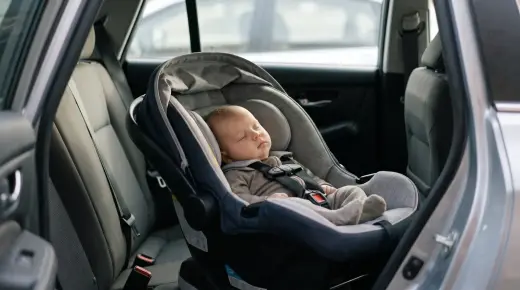
Notice one big rule about car seats: car seat standards do not transfer across borders. A car seat bought in the US (`FMVSS 213`) or the UK (`R129`) is usually not legal to use in Australia (`AS/NZS 1754`) or Canada (`CMVSS 213`). Each country tests seats with different anchor systems and crash rules. Always use a car seat certified for the country where you are driving.
Common mistakes when using traditional or overseas baby gear
Even loving, careful parents can fall into common traps when blending traditions or shopping online. Watching out for these mistakes keeps your baby much safer.
1. Buying untested gear from overseas websites
Online marketplaces make it easy to buy cheap baby slings, sleeping nests, and car seats from anywhere in the world. Many of these items never go through local safety checks. Some have weak plastic buckles that snap, loose cords that pose a choking risk, or soft padded sides that block a baby's breathing. Buy baby gear from trusted local sellers who follow your country's rules.
2. Adding pillows or blankets to a baby box or cot
Traditional photos sometimes show babies sleeping on fluffy quilts or surrounded by embroidered pillows. In real life, soft bedding is a major risk for sudden infant death. Keep every sleep space completely bare. Dress your baby in a safe, fitted sleeping bag instead of using loose blankets.
3. Covering a sling or pram in warm weather
Some parents drape a scarf or cloth over a carrier or pram to shield the baby from sun or curious strangers. This stops you from seeing your baby's face and traps hot air inside. Always keep your baby's face in plain sight and let fresh air move freely.
4. Wrapping legs straight and tight
In some older swaddling traditions, babies are wrapped like a tight parcel with straight legs. Research shows this raises the risk of hip dysplasia, where the hip joint slips out of place. Always leave plenty of room around the hips and knees so your baby can kick and bend their legs.
5. Leaving a sleeping baby in a sling or car seat
Babies often fall asleep while being carried or driven. While you are wearing the sling and checking TICKS, a nap is fine. Never put a sleeping baby down while still inside a sling, and never leave a baby sleeping in a car seat once you arrive home. Move them onto a firm, flat cot or bassinet on their back.
6. Using old family cots without checking bar gaps
An heirloom wooden cradle looks lovely in family photos. Yet older cots often have wide gaps between bars, decorative finials that catch clothing, or drop-side latches that can trap a baby. If you want to use a family piece, display it for photos only, and use a tested modern cot for daily sleep.
Frequently asked questions
Can I use a traditional cloth wrap like a kanga or rebozo instead of a store-bought carrier?
Yes, many parents safely use a kanga, rebozo, or woven wrap. Choose sturdy, breathable fabric with no stretchy sag. Learn how to tie it properly from an experienced caregiver or babywearing group. Follow the TICKS rule every single time: keep it tight, keep your baby's face in view, keep their chin off their chest, and support their back and hips in an M-shape.
Is a cardboard baby box safe for my newborn to sleep in?
A sturdy baby box with a firm, tight-fitting mattress can work as a basic sleep space for a young newborn. Place it on the floor away from pets, heaters, and stairs. Never carry the box with your baby inside it. Keep it bare inside with no loose blankets, pillows, or toys, and always lay your baby on their back. Move your baby to a cot once they start rolling or outgrow the box.
Why do some cultures share a bed with their baby, and what do health groups say?
Bed sharing is common in many cultures because it keeps the baby close for warmth and night feeds. However, adult beds have soft mattresses, pillows, and heavy blankets that can cover a baby's face. Health groups in Australia, the UK, the US, and Canada say the safest setup is room sharing: your baby sleeps in their own firm, flat cot or bassinet right next to your bed.
Are baby gear safety rules the same in Australia, the UK, the US and Canada?
The core safety ideas are very similar across all four countries. All four want firm flat sleep surfaces, clear cots, safe bar spacing, and proper harnesses. However, the exact legal tests and labels differ. For example, Australia uses AS/NZS 2172 for cots, the UK uses BS EN 716, and the US uses ASTM F1169. Always look for the label required in the country where you live.
Can I bring a car seat or cot from another country to use at home?
You should not use a car seat bought in another country unless it carries the exact safety label for your own country. Car seat laws and crash tests differ between Australia, the UK, the US, and Canada. For cots and prams, check that the item meets your local safety rules before using it, as bar gaps, mattress sizes, and brake tests also vary.
How can I respect family traditions while keeping my baby safe?
Talk openly with relatives about why you love their traditions and what safety rules have changed since they raised babies. For example, you can use a traditional cloth wrap while following the TICKS airway check, or wrap a baby using a traditional family print with loose hips and arms out once they roll. Sharing official guides from Red Nose, the NHS, the AAP, or Health Canada helps show that safety updates protect the whole family.
Sources
- Raising Children Network – Baby carrier, sling and backpack safety
- Red Nose Australia – Slings and baby carriers
- Product Safety Australia – Settle baby to sleep safely
- The Lullaby Trust (UK) – Baby slings and carriers
- NHS Cheshire and Wirral Partnership – TICKS rule for safe babywearing (PDF)
- American Academy of Pediatrics (US) – A parent's guide to safe sleep
- Caring for Kids, Canadian Paediatric Society – Safe sleep for babies
- International Hip Dysplasia Institute – Baby wearing
Related guides
More Parental Tips →
How to Organise Baby Gear: Simple Ways to Make Daily Care Easier
Buying Used Baby Gear Safely: What to Buy, What to Skip, and What to Check

How to Transition from Baby Gear to Toddler Gear Safely