












Quick answer
The Beaba Babycook Solo is a baby food maker from the French brand Beaba. It steams fruit, vegetables, meat or fish and then blends them in the same 1.1 L bowl. It can also defrost and reheat. Beaba says meals are ready in around 15 minutes, depending on the food. You choose how smooth or lumpy to make it, so it works from first purées to more textured meals. It has a stainless steel water tank, a descaling light, auto shut-off and a beep when cooking is done. In Australia it is about A$199 (Baby Bunting RRP, Nov 2026).
Buy it if
- Parents who want to make most baby food at home
- Batch cooking to freeze in portions
- Small kitchens, as it is compact
- Anyone who wants fewer pots to wash
Skip it if
- You plan to use mostly ready-made food
- You already own a steamer and a stick blender
- You want to start with finger foods (baby-led weaning)
- Your budget is under A$120
What the Babycook Solo is
Beaba is a French baby brand. It is best known for its Babycook machines, which steam food and then blend it in one bowl. The Solo is the compact model in the range. Baby Bunting sells it in Australia for about A$199.
Here is how it works. You pour water into the tank. You put chopped food in the steam basket inside the bowl. You press start. Steam from the tank cooks the food. When it beeps, you tip the food into the bowl and blend it with the blade. One machine, one bowl, no pot on the stove.
The Solo has four jobs: steam, blend, defrost and reheat. The defrost and reheat settings are handy when you have a freezer full of portions and need one quickly. Beaba says it suits fruit, vegetables, meat and fish.
Facts from the Baby Bunting product page (Nov 2026). Read Beaba's manual before first use.
Who should buy it, and who should not
The Babycook Solo suits parents who want to make a lot of baby food at home. Many families cook a batch on the weekend, blend it, then freeze it in small portions. The Solo makes that quick and keeps mess on one bench.
It also suits people who do not love cooking. You do not have to watch a pot or worry about it boiling dry. The machine turns itself off and beeps when it is done.
It may not be worth it if you plan to use mostly store-bought pouches and jars, or if you want to go straight to finger foods (baby-led weaning). It is also not essential. A saucepan with a steamer basket and a stick blender can make the same food. The Solo just makes it easier and faster.
Cooking and textures, step by step
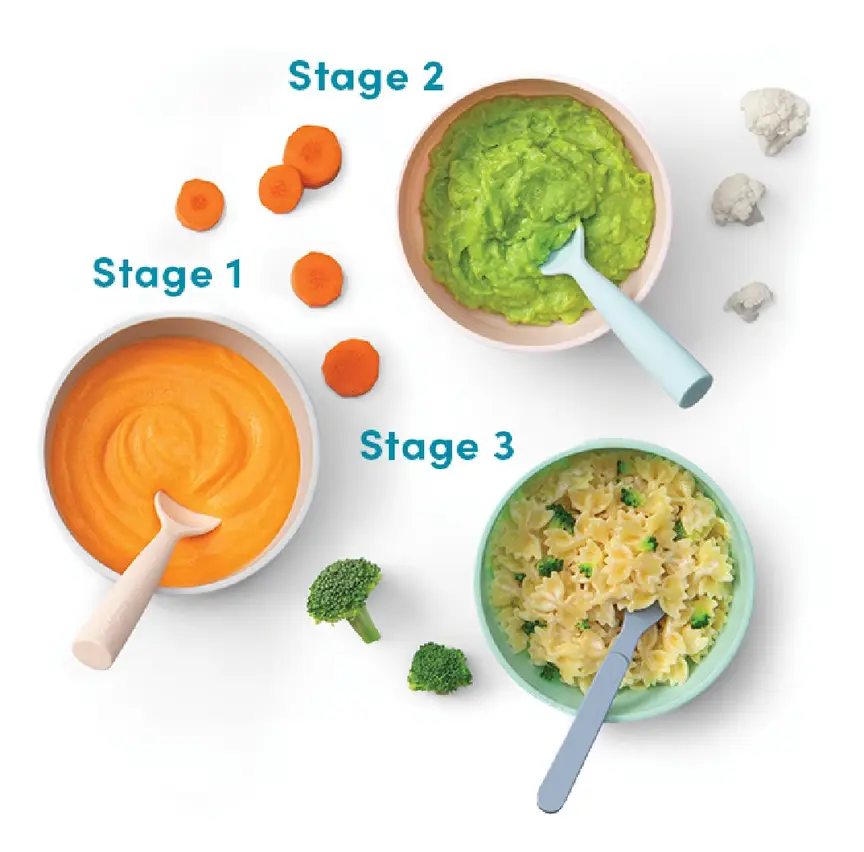
Start with smooth purées. Steam soft vegetables like pumpkin, sweet potato or carrot until soft, then blend for longer. Add a little of the cooking water, breast milk or formula if it is too thick.
Move to thicker and lumpier food over the next few weeks. Blend for a shorter time, or mash with a fork. By around 8 to 9 months, many babies can eat soft lumps and finger foods. Learning to chew lumps matters for eating and speech, so do not stay on smooth purées too long.
The 1.1 L bowl is a good size for a few days of meals for one baby. For a big batch you may need to cook two or three loads.
- Around 6 months
Smooth purées. Iron-rich foods first, like meat, fish, iron-fortified cereal or legumes.
- 6–8 months
Thicker, mashed textures. Try many different foods, including allergy foods.
- 8–12 months
Soft lumps, chopped food and finger foods. Less blending.
- 12 months+
Mostly family food, cut to a safe size. The Solo is still handy for steaming veggies.
Batch cooking and storing food safely
Batch cooking is where a food maker earns its price. Here is a simple plan many parents use.
1. Cook. Steam one or two vegetables or fruits at a time in the Solo. Blend each one to the texture your baby is ready for.
2. Cool fast. Spoon the food into a clean freezer tray or small jars. Let it cool a little, then put it in the fridge or freezer straight away. Do not leave it sitting on the bench for hours.
3. Label. Write the food and the date on the tray or jar. It is easy to forget what is what once it is frozen.
4. Store. Once frozen, you can pop the cubes into a clean, sealed freezer bag to save space. Follow your local food safety advice on how long to keep food in the fridge and the freezer. Many guides say to use fridge portions within a day or two.
5. Thaw and serve. Thaw in the fridge overnight, or use the Solo's defrost setting. Heat until hot all the way through, stir well, then let it cool to warm before serving. Test a little on the inside of your wrist.
Mix and match cubes to make new meals. One cube of pumpkin, one of chicken and one of peas makes a quick dinner. This is an easy way to give your baby many different tastes, which helps them accept new foods later.
Keep everything clean. Wash your hands, the bowl and the blade before you start. Use separate boards for raw meat and for fruit and vegetables.
Easy first foods to make in the Solo
Iron is the most important nutrient to think about at around 6 months, because a baby's own iron stores start to run low. Good iron-rich first foods include beef, lamb, chicken, fish, lentils and iron-fortified baby cereal. The Solo can steam meat and fish, then blend them smooth with a little of the cooking water.
Soft vegetables and fruit are easy wins too: pumpkin, sweet potato, carrot, zucchini, broccoli, pear and apple all steam well. Steam apple and pear until soft rather than serving them raw.
Offer common allergy foods in the first year as advised by health groups, for example smooth peanut butter mixed into purée, or well-cooked egg. Offer one new allergy food at a time and watch your baby afterwards.
Cleaning and care
Rinse the bowl, basket and blade soon after use, before food dries on. The blade is sharp, so handle it carefully. Follow Beaba's manual for what can go in the dishwasher.
The water tank needs descaling now and then, especially in areas with hard water. The Solo has a descaling light to remind you. Use the method in the manual. Skipping descaling can slow down steaming over time.
Only put water in the tank. Never add milk, juice or anything else.
What we love
- Steams and blends in one 1.1 L bowl
- Also defrosts and reheats
- Turns itself off and beeps when done
- Easy to change texture as baby grows
- Compact for small kitchens
- Stainless steel water tank
What to weigh up
- About A$199 — a pot and stick blender cost less
- Big batches need several loads
- Needs regular descaling
- Sharp blade to wash by hand with care
- Not needed if you do baby-led weaning
Other Beaba food makers and helpers
Beaba makes bigger Babycook models too. The Babycook Neo has a glass bowl and a stainless steel steam basket. Beaba also sells glass portion jars that suit batch cooking.

Beaba Babycook Neo
Best for: Glass bowl
Beaba's steam-and-blend maker with a glass bowl and stainless steel steam basket.
Babycook Solo vs the main rivals
Here is how the Solo compares with other food makers sold in Australia.
| What matters | Beaba Babycook Solo | NutriBullet Baby Bullet | Cherub Baby Food Maker & Steriliser | Beaba Babycook Neo |
|---|---|---|---|---|
| Price (AU, Nov 2026) | ~A$199 | ~A$119 | ~A$250 | check in store |
| Steams food | Yes | No — blender only | Yes | Yes |
| Blends | Yes | Yes (200 W) | Yes, with pulse (300 W) | Yes |
| Other jobs | defrost, reheat | comes with storage cups and freezer tray | defrost, warms bottles, sterilises | check manual |
| Bowl | 1.1 L | check manual | Tritan jug | glass bowl |
Facts from the Baby Bunting product pages and Beaba (Nov 2026). Check the manual for full details.
Cheaper picks and handy helpers
If you do not want a steamer blender, a blender plus your stove works fine. These helpers make batch cooking and serving easier at any budget.


NutriBullet Baby Bullet
Best for: Blend only
About A$119. A 200 W blender kit with date-dial cups and a freezer tray. You cook the food on the stove.
Read our full review →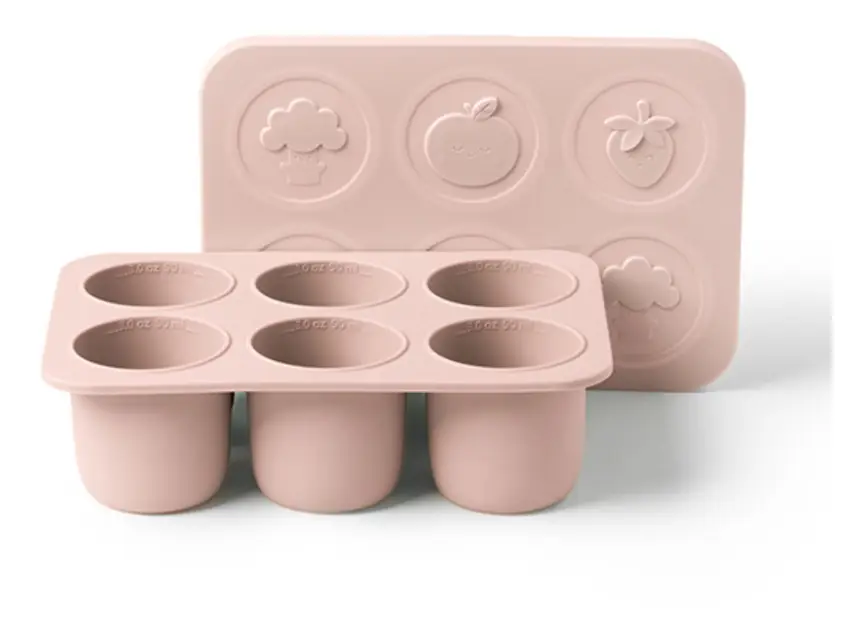
Annabel Karmel Silicone Freezer Food Tray
Best for: Freezing portions
A silicone tray for freezing small portions of home-made food.

Little Rawr Glass Food Jars (3 pack)
Best for: Storing in the fridge
Three glass jars with silicone sleeves.


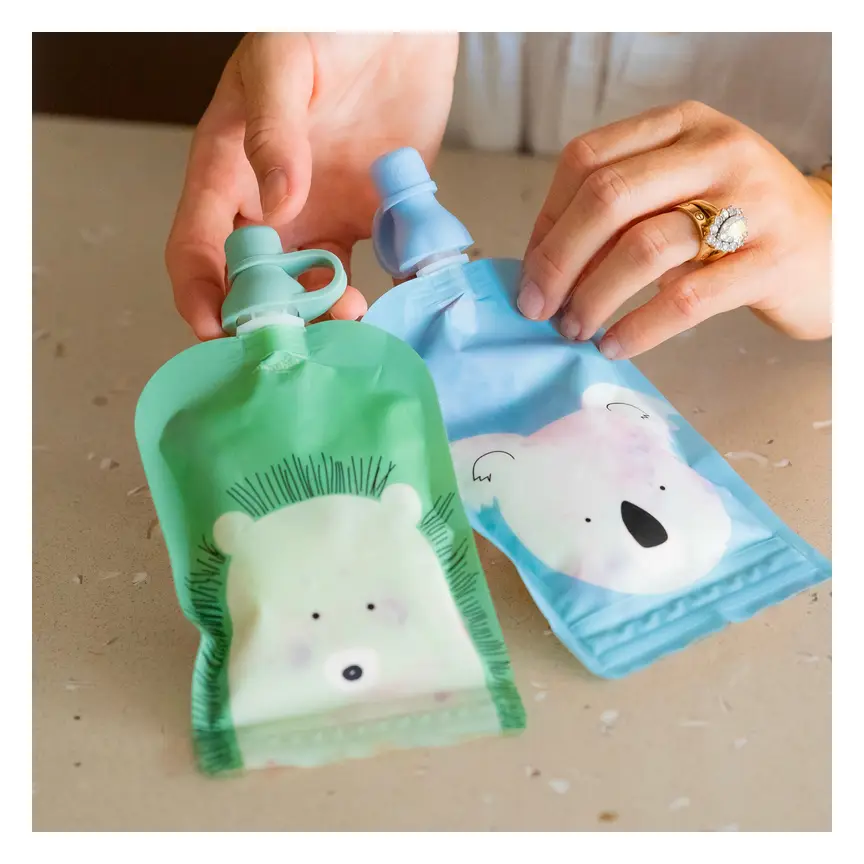
Cherub Baby Reusable Food Pouch Bundle
Best for: Food on the go
Reusable silicone pouches that go in the dishwasher.
Read our full review →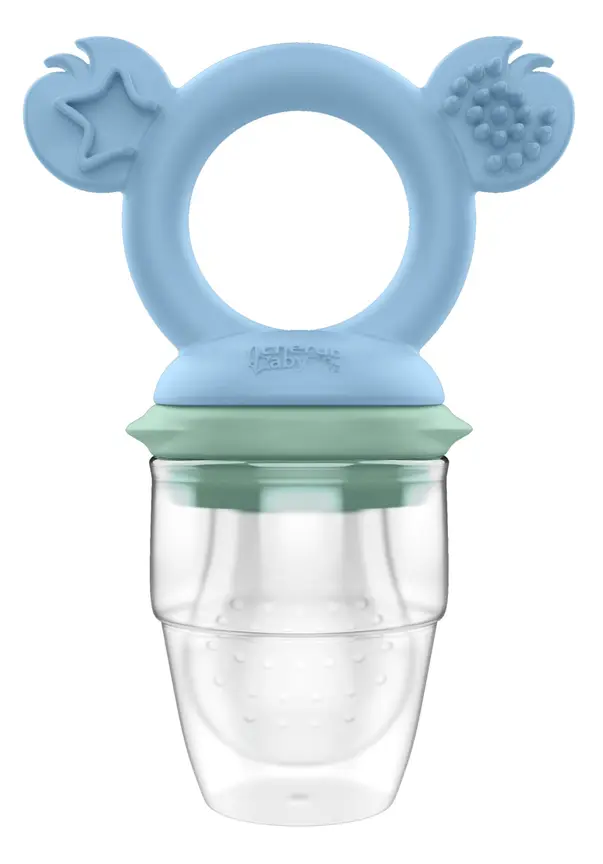


Cherub Baby Silicone Fresh Food Feeder
Best for: Teething and fruit
A silicone feeder baby can chew soft fruit through.
Read our full review →
Cherub Baby Food Maker & Steriliser
Best for: Steam, blend and sterilise
Also warms bottles and sterilises them. About A$250.
Read our full review →Safety standards in Australia, the UK, the US and Canada
Baby food makers are kitchen appliances. In Australia, look for the RCM mark, which shows the appliance meets electrical safety rules (AS/NZS 60335). In the UK, look for UKCA or CE marking. In the US, look for a UL or ETL listing. In Canada, look for CSA or cUL. Buying an appliance made for another country can mean the wrong plug or voltage, so buy from a local store.
Buying checklist
Use this list for any baby food maker.
- Steam or blend only?
A steamer blender saves a pot. A blender alone is cheaper if you are happy to cook on the stove.
- Bowl size
Bigger bowls mean fewer loads when you batch cook.
- Texture control
Make sure you can go from smooth to lumpy easily.
- Cleaning
Check which parts can go in the dishwasher, and how to descale.
- Safety features
Auto shut-off and a lid lock help in a busy kitchen.
- Electrical mark
RCM in Australia, UKCA/CE in the UK, UL/ETL in the US, CSA in Canada.
- Storage
Plan for freezer trays and jars for portions.
- Bench space
Measure where it will live.
Mistakes to avoid
Babies do not need added salt or sugar. Never give honey before 12 months.
Move to lumps and finger food so your baby learns to chew.
Cool food quickly, put it in the fridge or freezer, and follow food safety advice on how long to keep it.
Only reheat the portion you need, and throw away leftovers from the bowl baby ate from.
Raw apple chunks, whole nuts and whole grapes are choking risks. Cook, grate or cut food to a safe size.
Owning one: long-term use and resale
Most families use a baby food maker most in the 6 to 12 month window. After that, many keep using it to steam vegetables for toddlers or the whole family.
Keep it descaled and the blade dry to help it last. If you sell or pass it on, include the manual, the spatula and all parts, and clean the tank well.
If you are not sure you will cook at home much, borrow one first, or start with a stick blender and buy a machine later if you want one.
Questions parents ask
What does the Beaba Babycook Solo do?
How long does it take to make food?
Is the Babycook Solo worth it?
When can my baby start solid food?
Can I make lumpy food with it?
How do I clean it?
Babycook Solo or NutriBullet Baby?
Can I put milk in the water tank?
More in-depth reviews
 🪑 Highchairs & Booster Seats4baby Flat Fold Highchair Review7.5/10
 🪑 Highchairs & Booster Seats4baby Grow With Me Wooden Highchair Review7.8/10
 🚼 Prams & StrollersBaby Jogger City Tour 2 Review8.4/10
 🎠 Bouncers, Rockers & SwingsBabyBjörn Bouncer Balance Soft Review8.2/10
 🎠 Bouncers, Rockers & SwingsBabyBjörn Bouncer Bliss Review8.6/10
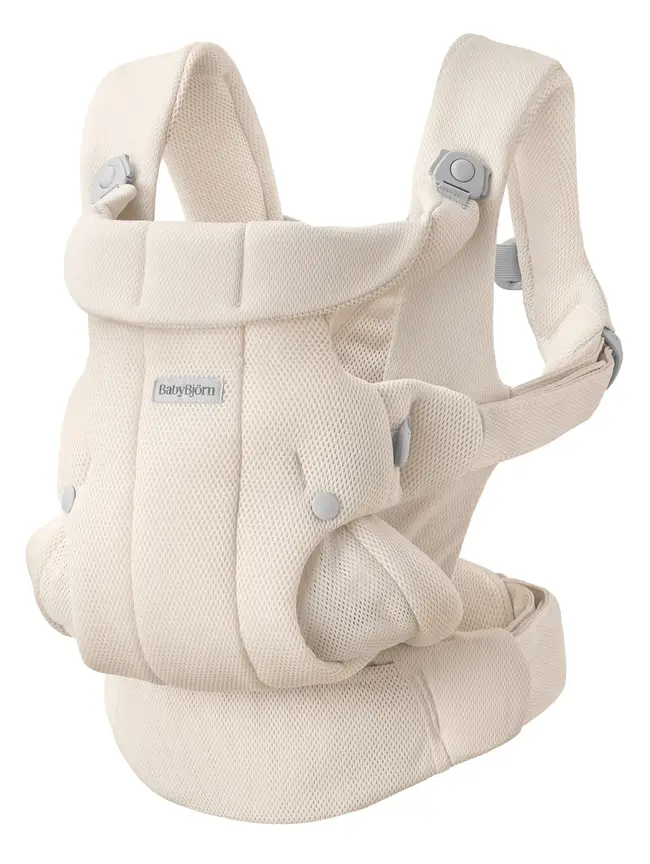 🤱 Baby Carriers & WrapsBabyBjörn Carrier Hold Review8.0/10
Sources & how we checked
Specifications are taken from the manufacturer and major retailers and cross-checked; prices are typical RRPs and change often — the buttons show today's price. We do not invent star ratings or review counts.
- Baby Bunting — Beaba Babycook Solo
- Baby Bunting — NutriBullet Baby Bullet
- Baby Bunting — Cherub Baby Food Maker & Steriliser
- Beaba — Babycook range
- ASCIA — Introducing foods and allergy prevention
- Healthy Eating Advisory / NHMRC Infant Feeding Guidelines
- NHS — Your baby's first solid foods
- Health Canada — Nutrition for healthy term infants
- HealthyChildren.org (AAP) — Starting solid foods
BabyGearFinder earns a commission from qualifying purchases through retailer links, at no extra cost to you. It never changes our verdict.