














Baby Nasal Aspirators: Electric, Bulb and Mouth-Suction Types Compared
Compare electric, bulb and mouth-suction nasal aspirators. Learn what each can do, how to clean them, and when a blocked nose needs medical care.
On this page
Short answer: A nasal aspirator can help clear mucus from a baby’s nose. The main types are bulb syringes, mouth-suction devices and electric aspirators. Each works in a different way. A clean, simple device may be enough for occasional use. Electric models can reduce the effort of suction. They also need batteries or charging, and may have more parts to clean. No device cures a cold. Use gentle suction only when your baby’s blocked nose makes feeding or breathing through the nose harder. Follow the maker’s directions. Ask a health professional if you are unsure which device suits your baby.
There is no source in the checked library that compares these products or sets a suction strength for home use. This guide therefore avoids product rankings, medical claims about one type being safer, and claims about particular suction levels. For health advice, contact your local doctor, nurse or health service.
What a nasal aspirator does
A nasal aspirator is a tool that helps remove mucus from the front of a baby’s nose. It does not treat the cause of a blocked nose. Colds and other illnesses need time and, sometimes, medical care.
Babies can find it hard to feed when their nose feels blocked. Gentle removal of mucus may make a feed easier for some babies. It may also help before sleep. Use it only when needed. Repeated suction can bother the inside of the nose. Stop if your baby becomes very upset, the nose bleeds, or the device causes pain.
Aspirators do not remove mucus deep in the airways. They cannot treat wheezing, chest congestion or breathing distress. Do not use one as a substitute for medical help when your baby is struggling to breathe.
The three main types
Bulb syringe
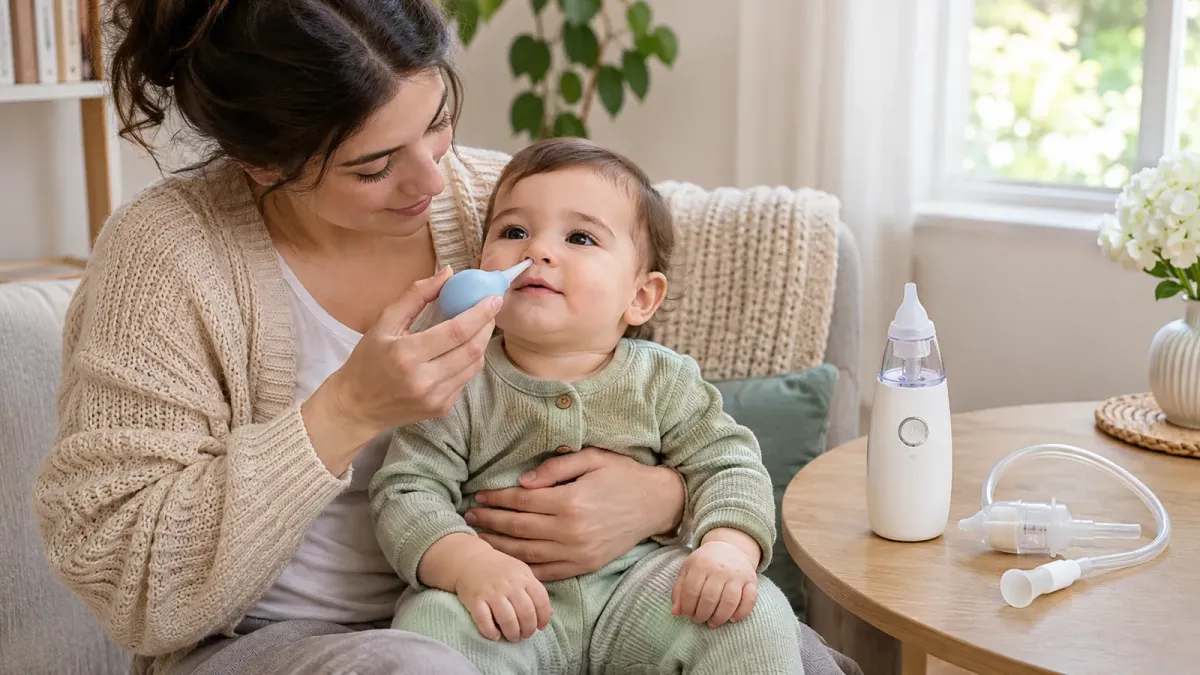
A bulb syringe is a soft rubber or silicone bulb with a narrow tip. You squeeze the bulb first. Then you place the tip at the entrance of a nostril and slowly release the bulb. The suction draws mucus into the bulb.
Bulbs are small and do not need power. Their simple shape can make them easy to carry. But mucus can be hard to see inside some bulbs. Cleaning can also be difficult if the bulb does not open fully. Check the care instructions before buying. Choose a design that can be cleaned and dried as the maker directs.
Mouth-suction aspirator
A mouth-suction device uses a tube and a mouthpiece. An adult draws air through the mouthpiece. A filter or trap is meant to keep mucus from reaching the adult’s mouth. The nose tip, tube and collection chamber may come apart for cleaning.
The adult controls suction by how strongly they draw air. Use a gentle pull. Never place the tube deep inside the nostril. Check that the filter is fitted correctly before each use. Replace it as the maker directs. Do not share a device between children unless the maker says it can be safely cleaned between users.
Electric aspirator
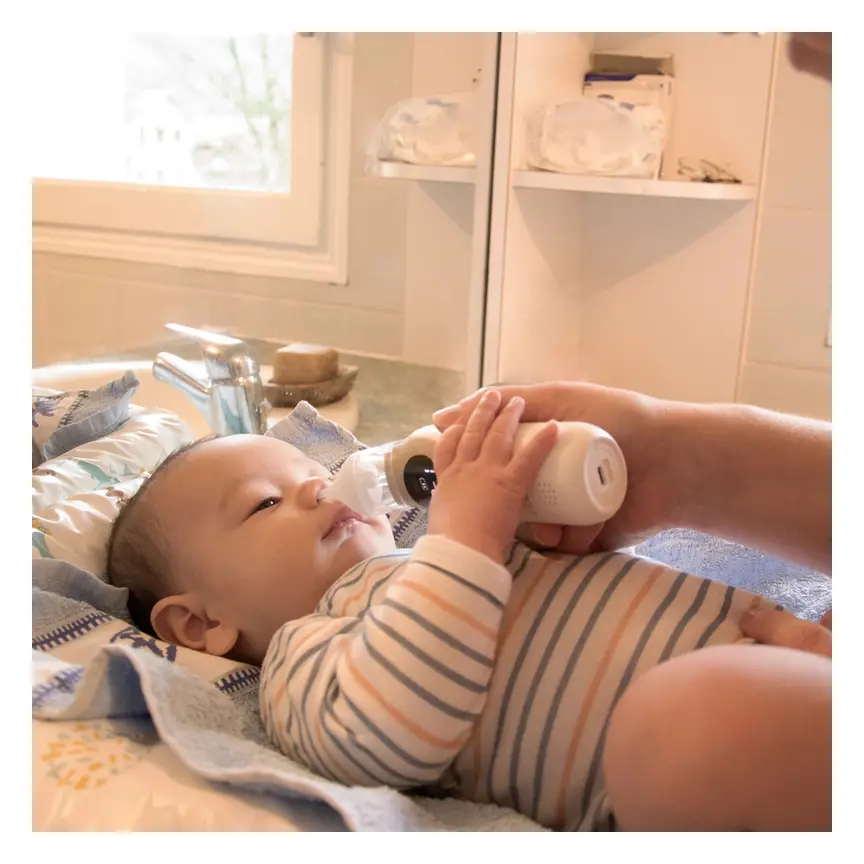
An electric aspirator uses a motor to draw air through a nose tip and collection chamber. Some models offer more than one setting. A display or light may show the selected setting. These features do not prove that a device works better or is safer.
Electric models can be easier for some adults to operate. They need batteries or charging. They may also have more parts, seals or small spaces that need cleaning. Read the instructions before use. Check which parts can be washed. Keep the motor and battery area dry unless the maker says otherwise.
Comparison table
| Feature | Bulb syringe | Mouth-suction device | Electric aspirator |
|---|---|---|---|
| How it works | Squeezed bulb draws mucus in | Adult draws air through a tube | Motor draws air through a tip |
| Power needed | No | No | Battery or charging, depending on model |
| Adult controls suction | By squeezing and releasing | By drawing air gently | By using the control provided |
| Parts to check | Tip and inside of bulb | Tip, tube, filter and chamber | Tip, chamber, seals and power parts |
| Cleaning question | Can the inside be reached and dried? | Can each part be taken apart and cleaned? | Which parts can be washed, and how? |
| Possible drawback | Mucus may be hard to see or remove | Needs careful filter fitting and cleaning | Needs power and may have more parts |
| Best choice depends on | Ease of cleaning and handling | Comfort with mouth suction and filter care | Handling, noise, cleaning and power needs |
This table describes common designs. A product may work differently. Read its instructions before use.
Health & Safety Gates worth a look
Real products from our catalogue. We don't show star ratings or review counts; check the current price, stock and reviews on Amazon before you buy.

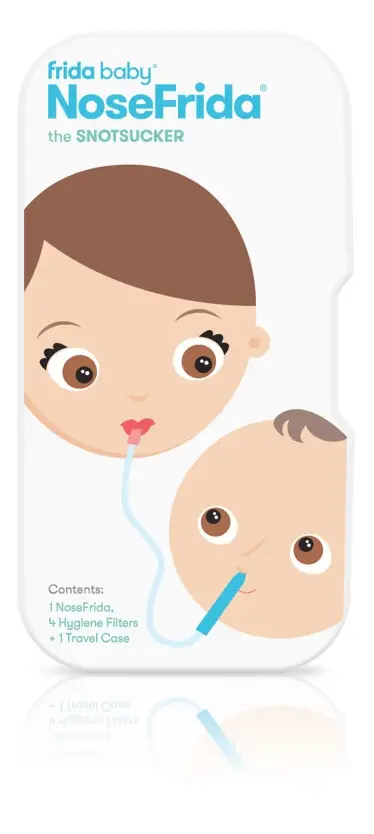
Frida Baby NoseFrida (with travel case)
A suction tube for clearing a blocked baby nose. A filter sits between the tube and your mouth.
Read our full review →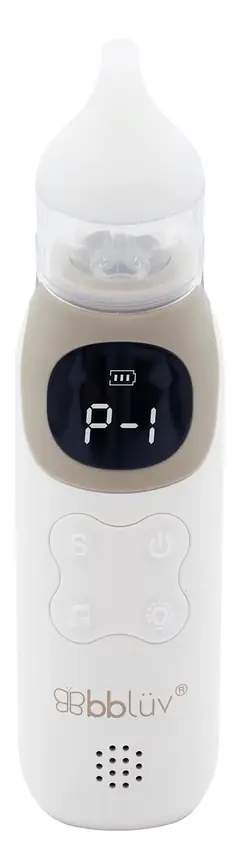


bbluv Rino Pro Nasal Aspirator
An electric nasal aspirator with 5 suction levels, soft silicone tips and a screen.
Read our full review →
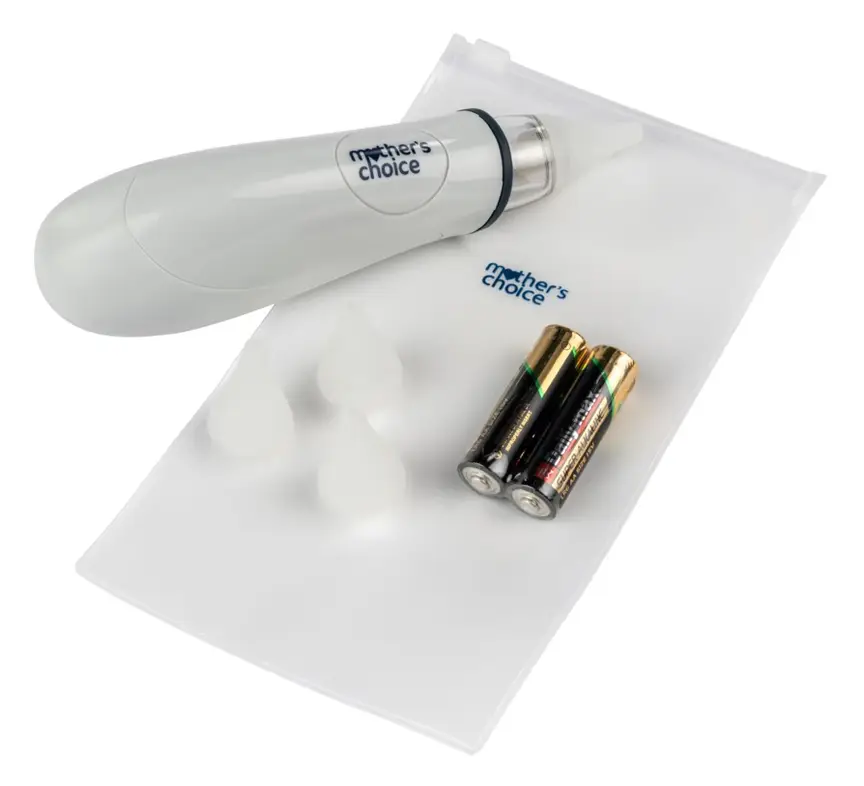
Mother's Choice Electronic Nasal Aspirator
A battery nasal aspirator that does the suction for you.
Read our full review →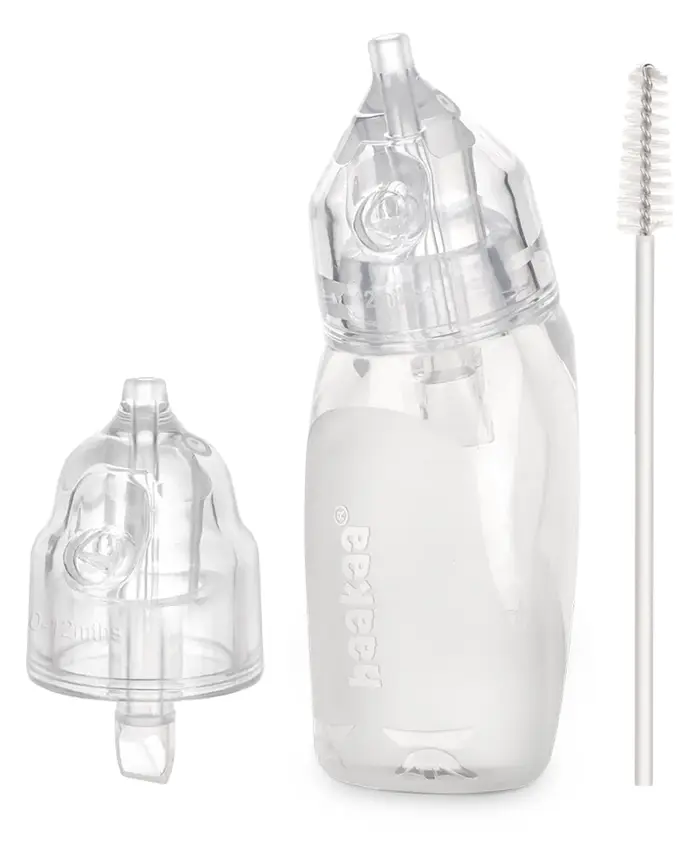
How to choose one
Start with your family’s needs. Do not choose based only on a high suction number, a bright screen or a claim on the box. The checked source library does not provide a tested suction range for home aspirators. It also does not confirm that a so-called hospital-grade device is better for home use.
- Look for clear instructions. You should understand where the tip goes, how to control suction and how to clean every part.
- Check the age guidance. Follow the maker’s stated age range. Ask a health professional about use with a premature baby or a baby with health needs.
- Check the tip. It should sit at the nostril opening. It should not need to go deep inside the nose.
- Check the cleaning steps. Find out which parts come apart, which can be washed and how they should dry.
- Check filters and spare parts. For a mouth-suction model, find out how often its filter should be changed. For powered models, check battery or charging needs.
- Consider your baby’s response. A loud motor or a long routine may upset some babies. A simple device may be easier for your family.
- Think about storage. Keep the device clean and dry. Store it where children cannot reach small parts or batteries.
- Check product safety notices. In Australia, Product Safety Australia lists recalls and safety information. Check the relevant regulator in your country too.
Using an aspirator gently
Follow the instructions for your exact device. These basic points do not replace those instructions or advice from your baby’s health professional.
- Wash your hands. Clean hands help keep the device and your baby’s nose clean.
- Check the device. Look for cracks, loose parts, dirt or a damaged filter. Do not use a damaged device.
- Settle your baby. Hold your baby safely. Keep their head in a natural position. Do not force their head back.
- Use the tip at the entrance. Do not push it deep into the nostril. Stop if your baby shows pain.
- Use gentle suction. Follow the maker’s steps. Do not keep suctioning if little comes out or your baby becomes very upset.
- Clean the device. Take it apart only as the instructions allow. Wash and dry the parts as directed.
- Check the nose. Stop if you see bleeding or ongoing irritation. Ask a health professional what to do next.
Do not share nose tips between children unless the maker provides clear cleaning instructions for shared use. Never put a used tip back into a clean storage case without cleaning it first.
Cleaning and drying
Cleaning matters because mucus can remain inside a tip, tube or chamber. Follow the maker’s care guide after every use. Do not assume that a part is dishwasher-safe because it is plastic or silicone. Only use a dishwasher if the instructions say that part can go in one.
Before buying, check whether the device opens far enough for you to clean it. Some bulbs are difficult to inspect inside. Tubes and narrow channels can also take longer to dry. If a part stays wet, it may be harder to keep the device clean.
- Take apart only the parts the instructions allow.
- Use the named cleaning method and temperature.
- Do not boil, microwave or sterilise parts unless the maker permits it.
- Let parts dry fully before putting them away.
- Replace filters and worn parts as directed.
- Keep the device away from dirty surfaces during cleaning.
- Do not use a device if you cannot clean it as instructed.
Do not use bleach, alcohol or other cleaners unless the instructions allow them. Strong cleaners may damage materials or leave traces. If instructions are missing, ask the maker or choose a device with clear care directions.
Age and stage
Babies and toddlers can have blocked noses at different ages. A device’s age label does not tell you how often to use it. Use the device only when needed and follow its instructions.
| Stage | What to consider |
|---|---|
| Newborn | Ask your midwife, doctor or nurse if you are unsure how to clear mucus. Be gentle and follow the device instructions. |
| Young baby | Use only when congestion is making care harder. Stop if the nose becomes sore or bleeds. |
| Older baby | Your baby may move more during use. Keep them safely supported and never force the tip into the nose. |
| Toddler | Explain the steps in simple words. Let the child sit still with an adult close by. Follow the age guidance. |
Ask a health professional before using an aspirator if your baby was born early, has a health condition, has had nose surgery, or has repeated nosebleeds. Get advice if congestion keeps returning or affects feeding.
Side by side: more health & safety gates to compare
Real products from our catalogue. We don't show star ratings or review counts; check the current price, stock and reviews on Amazon before you buy.

Snotty Noses Snotty Boss Nasal Aspirator Kit
A battery nasal aspirator kit with nozzles, a saline spray bottle, a carry pouch and a hygienic lid.
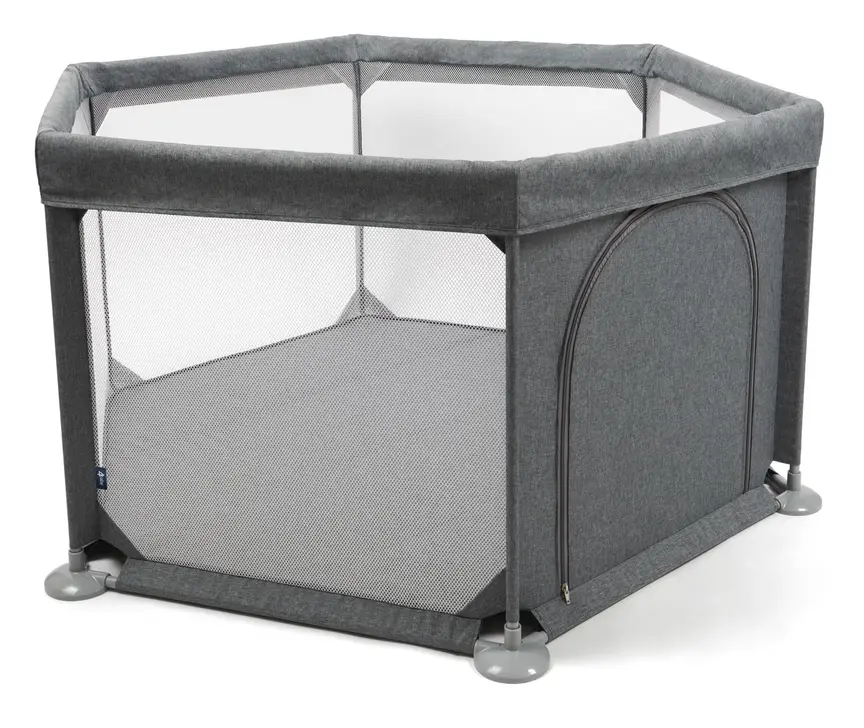
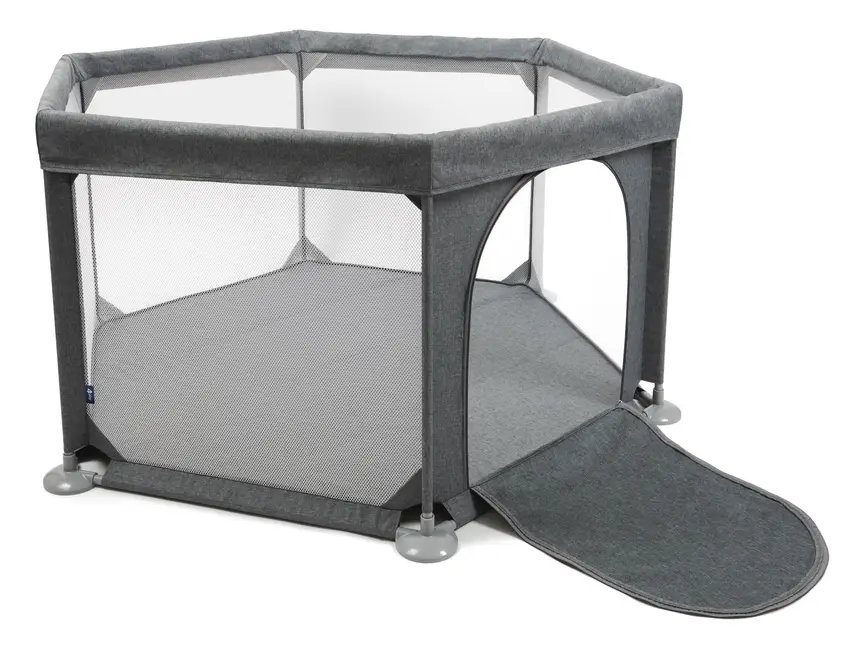
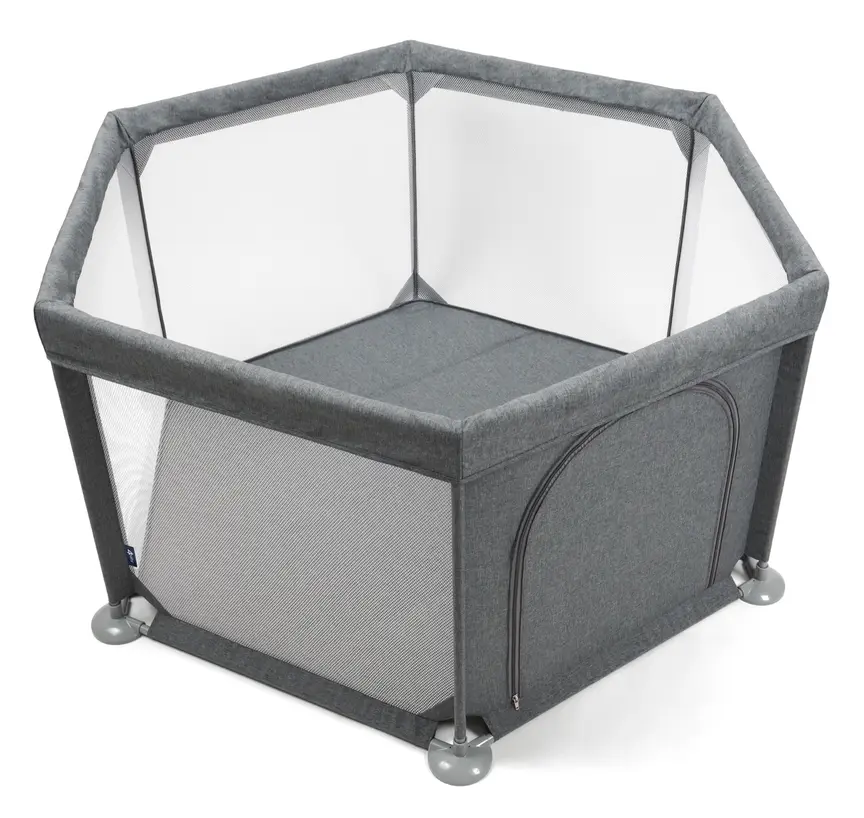
4baby Hex Playpen
A six-sided mesh playpen with a zip door. It packs into a carry bag.
Read our full review →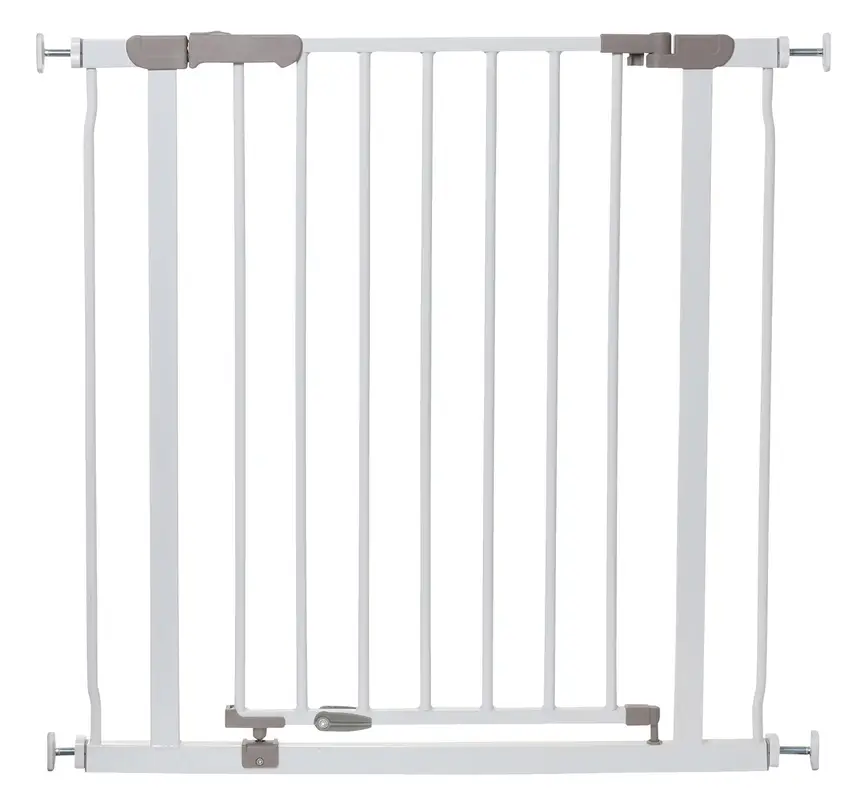
4baby Safety Gate
A low-cost pressure-mounted gate with a double lock. It opens both ways with one hand.
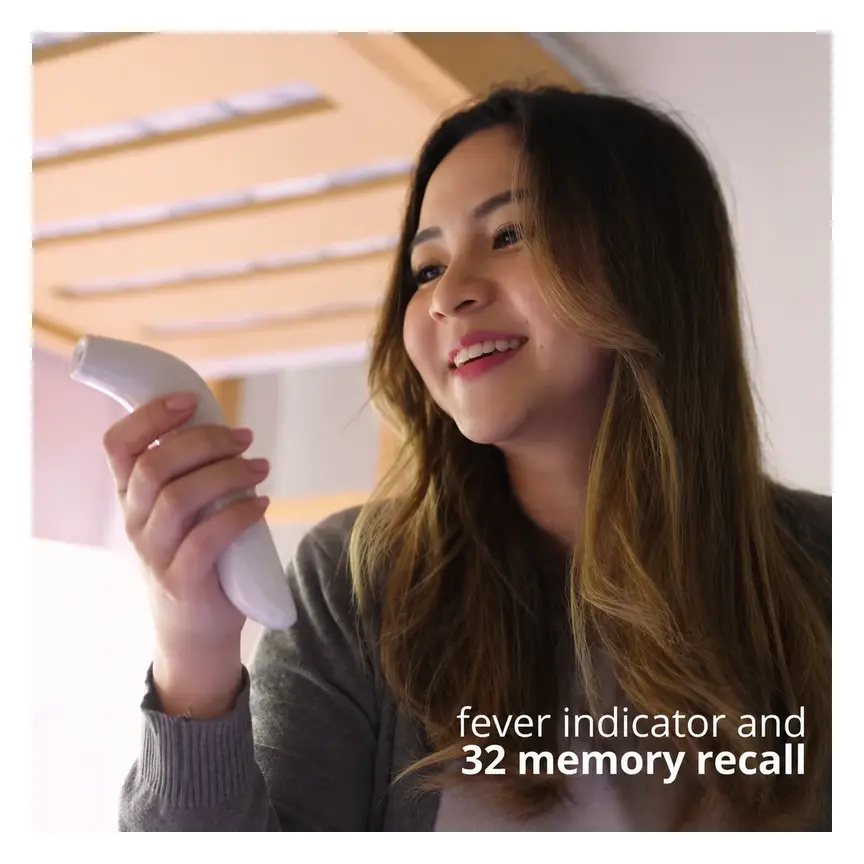
Cherub Baby 4-in-1 Ear and Forehead Thermometer
2-in-1 thermometer
When a blocked nose needs medical care
Aspirators are for clearing mucus at the front of the nose. They are not for treating a serious illness. Seek urgent medical help if your baby is struggling to breathe, has pauses in breathing, looks blue or grey, is unusually hard to wake, or cannot feed because of breathing trouble.
Contact a doctor or nurse promptly if your baby is very young and has a fever, seems unwell, feeds much less than usual, has fewer wet nappies than expected, or symptoms are getting worse. A health professional can advise what care is right for your baby’s age and health.
If you think something is stuck in your baby’s nose, do not push an aspirator tip in to reach it. Seek medical advice. If your baby is choking, use emergency first aid guidance and call your local emergency number.
Safety guidance in four countries
Nasal aspirators are not covered by the cot, pram or car-seat standards listed in the checked source library. Do not treat those standards as approval for an aspirator. Follow the instructions supplied with the device and check current product notices in your country.
| Country | Official bodies to know | Where to check |
|---|---|---|
| Australia | Product Safety Australia (ACCC), and healthdirect Australia | Check product recalls and ask a health professional about symptoms. |
| United Kingdom | Office for Product Safety and Standards (OPSS), and the NHS | Check product safety information and seek NHS or local clinical advice. |
| United States | U.S. Consumer Product Safety Commission (CPSC), and the American Academy of Pediatrics (AAP) | Check product recalls and ask your child’s clinician about care. |
| Canada | Health Canada, and the Canadian Paediatric Society (CPS) | Check safety alerts and contact your child’s health provider. |
These bodies do not all give the same kind of advice. Product regulators handle product safety. Health services and paediatric groups offer health guidance. Ask a local clinician if you need advice for your child.
Common mistakes to avoid
- Using suction too often. Use it only when needed. Stop if the nose becomes sore or bleeds.
- Pushing the tip too far. Keep it at the nostril entrance. Follow the product instructions.
- Choosing by suction numbers alone. A number does not show whether the product suits your baby or how to use it safely.
- Assuming “hospital-grade” means better. That phrase alone does not prove a device is right for home use.
- Assuming every part is dishwasher-safe. Check the care guide for each part.
- Skipping filter checks. A mouth-suction device may need a correctly fitted filter. Follow the maker’s directions.
- Leaving parts wet. Dry parts as directed before storage.
- Using an aspirator for breathing distress. Get medical help instead.
- Sharing tips without cleaning. Follow the maker’s advice for cleaning between users.
- Ignoring a recall notice. Check the regulator’s recall information and follow any action listed.
Frequently asked questions
Which type of aspirator is best?
There is no best type for every family. Compare the instructions, cleaning steps, ease of handling and your baby’s response. The checked source library does not provide evidence to rank bulb, mouth-suction and electric types.
Can an electric aspirator hurt my baby?
Use only as the maker directs. Keep the tip at the nostril opening and use the stated setting. Stop if your baby has pain, bleeding or ongoing irritation. Ask a health professional if you are unsure.
Is a higher kPa setting better?
Do not choose by a suction number alone. The checked sources do not give a recommended kPa setting for home use. Follow the device instructions and use the gentlest setting that the maker says is suitable.
Can I use a nasal aspirator every day?
Use it only when needed, and follow the product instructions. If you feel you need it often, ask a doctor or nurse why your baby’s nose stays blocked.
Can I put an aspirator in the dishwasher?
Only if the maker says that part is dishwasher-safe. Some parts may need hand washing. The motor and battery area usually need special care. Check the instructions for each piece.
Do mouth-suction devices protect the adult from germs?
Some designs include a filter or collection trap. Check that the filter is present, fitted and replaced as directed. Do not use the device if a part is missing or damaged.
Should I use saline before suction?
Ask your baby’s health professional or follow advice from a trusted local health service. The checked source library does not contain guidance on saline use with aspirators. Do not add liquid to a device unless its instructions allow it.
What if there is blood after suction?
Stop using the device. Contact a health professional for advice, especially if bleeding continues, happens again, or your baby seems unwell.
Can I use a nasal aspirator when my baby is asleep?
Follow the device instructions and keep your baby safely supported. If your baby is asleep, avoid startling or forcing them. Ask a health professional if you are unsure when to use it.
Does an aspirator cure a cold?
No. It can remove some mucus from the front of the nose. It does not treat the illness that caused the congestion. Seek care if symptoms worry you or your baby has trouble breathing or feeding.
More options, from budget to premium
Real products from our catalogue. We don't show star ratings or review counts; check the current price, stock and reviews on Amazon before you buy.

Cherub Baby Ear & Forehead Thermometer
Reads the ear or forehead in about 1 second, with a colour fever light and a fever alarm.


Dreambaby Cosmopolitan Security Gate
A metal-and-timber pressure-fit gate that opens both ways and can stay open.
Simple buying checklist
- Can you read and follow the instructions?
- Is the device suitable for your baby’s age?
- Does the tip sit at the nostril entrance?
- Can you clean and dry every part as directed?
- Are filters, tips or other replaceable parts easy to identify?
- For electric models, can you keep water away from the motor and power parts?
- For mouth-suction models, is the filter easy to fit and replace?
- Can you store the device clean and out of children’s reach?
- Have you checked for recalls in your country?
A simple device with clear instructions may be the easiest choice. Use gentle suction only when needed. Keep it clean and dry. Get medical advice when congestion affects breathing, feeding or your baby’s wellbeing.
Disclaimer: This article is general information. It does not replace medical advice, diagnosis or treatment. Ask a doctor, nurse or other qualified health professional about your baby’s care. BabyGearFinder may earn a commission from qualifying purchases. This does not change our advice.
Sources
- Healthdirect Australia
- Product Safety Australia – Recalls
- UK Office for Product Safety and Standards
- NHS – Baby and toddler safety
- CPSC (US) – Safe sleep: cribs and infant products
- HealthyChildren.org (American Academy of Pediatrics) – Bathing your newborn
- Health Canada – Recalls and safety alerts
- Caring for Kids (Canadian Paediatric Society) – Dehydration and diarrhea
Related guides
More Health & Safety Gear →
Electric Nasal Aspirators for Babies: Suction Levels, Cleaning, and Safe Use

Baby Nasal Aspirators: How to Clear a Stuffy Nose Safely

Baby Nasal Aspirators: When They Help and How to Use Them Safely
