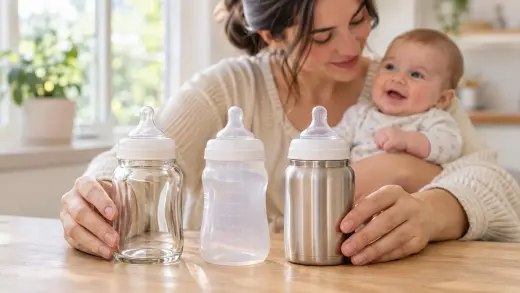
The Pros and Cons of Smart Bottle Warmers: Are They Really Worth It?
Are smart bottle warmers worth it? Compare the pros, cons, costs, and safety rules for breastmilk and formula before you buy one.

On this page
- Key points
- What is a smart bottle warmer?
- Do babies actually need warm milk?
- The pros of smart bottle warmers
- The cons of smart bottle warmers
- Side-by-side comparison: warming methods
- Breastmilk vs formula: how warming rules differ
- Bottle warming by baby age and stage
- Official safety and health guidance: Australia, UK, US and Canada
- How to choose a bottle warmer (and what to check)
- Common mistakes to avoid
- So, are smart bottle warmers really worth it?
- Frequently asked questions
- Sources
Short answer: A smart bottle warmer can save time during night feeds. It lets you start warming from your phone and sends an alert when milk is ready. Still, it is a nice-to-have gadget, not a must-have item. You still have to get up to place the bottle inside. You also still need to test the milk temperature on your wrist. A basic warmer or a bowl of warm water warms milk just as safely for less money.
Health groups in Australia, the UK, the US and Canada agree on one big point. Babies do not need warm milk to be healthy. Room-temperature or cool milk is fine if your baby likes it. Warming is only for your baby's comfort.
Key points
- What makes it "smart": It connects to your phone by Bluetooth or Wi-Fi. You pick the milk type and bottle size in an app.
- Best feature: It shuts off on its own and pings your phone. That stops you from forgetting a bottle in hot water.
- Biggest limit: You cannot leave milk sitting in water all night before warming. Bacteria can grow in warm or room-temperature milk.
- Breastmilk care: Gentle warm water baths protect nutrients better than hot steam or microwaves.
- Never microwave: Microwaves heat milk unevenly and can burn your baby's mouth.
- Wrist test: Always swirl the bottle and test a drop on your wrist before feeding.
What is a smart bottle warmer?
A bottle warmer is a small kitchen gadget that heats a baby's bottle. A basic warmer has a dial or a few buttons. You turn it on, wait a few minutes, and take the bottle out.
A smart bottle warmer adds phone control and sensors. Most models connect to a phone app using Bluetooth or Wi-Fi. In the app, you enter the starting temperature, the bottle size, and the bottle material. The warmer then picks a heating time and shuts off when done.
The two main heating styles
Most smart warmers use one of two methods to heat milk.
- Water-bath warmers: The machine warms a bath of water around the bottle. It heats slowly and evenly. This gentle heat is kind to breastmilk.
- Steam warmers: The machine boils a small amount of water to make steam. Steam heats a bottle fast. However, steam can create hot spots if you do not swirl the milk well.
Some newer models are also cordless and portable. They use a built-in battery and warm milk on the go. Keep in mind that battery warmers heat more slowly and need regular charging.
Do babies actually need warm milk?
Before you spend money on any warmer, ask one simple question. Does your baby even care about warm milk?
Medical and feeding groups around the world say warming milk is optional. The American Academy of Pediatrics (AAP) and the Centers for Disease Control and Prevention (CDC) in the US say babies can drink formula or breastmilk cold or at room temperature. Raising Children Network and Pregnancy, Birth and Baby in Australia give the same advice. So do the NHS in the UK and the Canadian Paediatric Society.
Some babies prefer warm milk, especially if they also breastfeed. Breastmilk comes straight from the body at warm body temperature. A chilled bottle from the fridge can surprise a newborn. Other babies happily drink milk straight from the fridge. If your baby takes cool or room-temperature milk, you do not need a bottle warmer at all.
The pros of smart bottle warmers
Parents who love smart bottle warmers usually praise the convenience. Here are the real benefits in daily life.
1. Alerts stop you from overheating milk
Tired parents get distracted easily. With a basic warmer, it is easy to walk away and forget the bottle. If milk sits in hot water too long, it gets too hot. Smart warmers shut off on their own and send a ping to your phone.
2. Presets take out the guesswork
Heating a glass bottle takes a different time than heating a plastic or silicone bottle. Fridge-cold milk takes longer than room-temperature milk. A smart app asks for these details and sets the timer for you. Many models also save your favourite settings for next time.
3. Gentle water-bath settings protect breastmilk
The Australian Breastfeeding Association (ABA) and NHS Start for Life advise warming expressed breastmilk gently. Boiling water or high heat can damage helpful proteins and vitamins in breastmilk. Good smart warmers use steady, controlled water baths to keep the temperature gentle.
4. Helpful for caregivers and babysitters
Grandparents and babysitters sometimes guess heating times. An app or clear preset buttons make it easy for anyone to follow the same routine. That lowers the risk of someone overheating a bottle or using a microwave.
5. Useful for night feeds
When a baby wakes at 3:00 AM, every minute feels long. You can place a fresh bottle in the warmer, tap start on your phone, and change a nappy while it heats. By the time you finish the nappy change, the milk is ready.
The cons of smart bottle warmers
Smart gadgets also bring real downsides. Many parents buy one and stop using it after a few weeks.
1. Higher price for the same result
Smart warmers cost much more than basic warmers. They also cost far more than a simple bowl of warm tap water. Yet the end result is the exact same thing: a bottle of warm milk.
2. You cannot preload milk overnight
Some parents hope to put a bottle in the warmer at bedtime and start it from bed at 3:00 AM. You should never do this. Milk sitting out at room temperature grows bacteria fast. Health bodies warn against leaving prepared formula or thawed breastmilk unrefrigerated before feeding. You still have to walk to the kitchen or fridge first.
3. Apps and Wi-Fi can fail
Smart devices rely on apps, Bluetooth, Wi-Fi, and software updates. At 2:00 AM, an app crash or a dropped Wi-Fi signal is deeply frustrating. If a warmer only works well through an app, a phone glitch slows you down when your baby is crying.
4. Extra bench clutter and cleaning
A warmer takes up space on your kitchen bench or nursery table. Water tanks also build up limescale and mineral deposits over time. You must empty the water and descale the tank often so mould and bacteria do not grow inside.
5. Smart device privacy and security
Any device that connects to your home Wi-Fi can create privacy risks. Get Cyber Safe (Government of Canada) warns parents to check security settings on connected baby gear. Change default passwords, update the firmware, and skip apps that ask for data they do not need.
Side-by-side comparison: warming methods
You have four main ways to warm a baby's bottle. This table compares them side by side so you can see what fits your home.
| Feature | Smart bottle warmer | Basic electric warmer | Bowl of warm water | Microwave |
|---|---|---|---|---|
| Safety | Safe if you swirl and test on wrist | Safe if you swirl and test on wrist | Very safe and gentle | Unsafe. Causes hot spots that burn |
| Speed | Steady, a few minutes | Fast with steam, steady with water | A few minutes | Fast, but unsafe |
| Phone alerts | Yes, via app | No | No | No |
| Auto shut-off | Usually yes | Some models | Not needed | Timer only |
| Breastmilk friendly | Yes, in water-bath mode | Yes, if kept gentle | Yes, ideal for breastmilk | No. Destroys nutrients and burns |
| Cleaning effort | Needs regular descaling | Needs regular descaling | Wash the bowl only | Not recommended |
| App or Wi-Fi issues | Possible | None | None | None |
Notice that a simple bowl or jug of warm water scores well on safety, cost, and cleaning. A smart warmer mostly adds timers, presets, and phone alerts.
Breastmilk vs formula: how warming rules differ
Many parents think a bottle warmer handles all milk the same way. That is a common mistake. Breastmilk and powdered infant formula follow different safety rules.
Warming expressed breastmilk
Breastmilk is a living food. It holds antibodies and helpful cells that protect your baby. High heat breaks those down.
- Thawing frozen milk: Thaw frozen breastmilk overnight in the fridge, or hold the bag under cool then warm running water. You can also place it in a bowl of warm water.
- Warming fridge milk: Use a gentle water-bath warmer or a jug of warm tap water. Never use boiling water.
- Swirl, do not shake: Fat in breastmilk rises to the top. Swirl the bottle gently to mix the fat back in. Hard shaking can break down delicate proteins.
- Do not reheat twice: Once breastmilk is warmed and your baby drinks from the bottle, throw away any leftover milk after the feed. Do not put warmed leftover milk back in the warmer later.
Warming infant formula
First, understand that a bottle warmer only heats liquid. It does not sterilise powdered formula.
Powdered infant formula is not sterile. In rare cases, it can carry harmful bacteria. Health advice on making formula varies slightly by country:
- United Kingdom (NHS): The NHS advises making each feed fresh with boiled water cooled to no less than 70 degrees Celsius. That hot water kills bacteria in the powder. Then you cool the bottle quickly under cold running tap water before feeding. With this method, you rarely need a bottle warmer at all.
- Australia (NHMRC and Raising Children Network): Boil tap water and let it cool to lukewarm or room temperature before mixing the powder. Prepared bottles can be kept in the back of the fridge for up to 24 hours. You can warm a fridge bottle in a warmer or warm water just before feeding.
- United States (CDC) and Canada (Health Canada / CPS): Safe water is used to mix formula, and boiled cooled water is advised for newborns under 2 to 3 months or babies with weak immune systems. Prepared bottles stored in the fridge can be warmed in a bottle warmer or warm water bath right before use.
Check your local health service advice for your baby's age and health needs. Whatever method you use, never leave warmed formula sitting out. Bacteria multiply quickly in warm milk.
Bottle warming by baby age and stage
A bottle warmer does not stay useful forever. Knowing how long you will use it helps you decide if the price makes sense.
| Age stage | Feeding pattern | How useful is a warmer? |
|---|---|---|
| Newborn (0 to 3 months) | Very frequent feeds, day and night. Strict hygiene needed. | Most useful stage, especially if your baby dislikes cold milk. |
| 3 to 6 months | Larger feeds, slightly longer gaps at night. | Still handy. Some babies start accepting room-temperature milk. |
| 6 to 12 months | Solid foods begin. Fewer milk feeds and fewer night wakes. | Used less often. Many parents stop warming bottles here. |
| 12 months and over | Move to open cups or straw cups and whole cow's milk. | No longer needed for most families. |
For many families, a smart bottle warmer only gets heavy use for four to six months. If you plan to have more than one child, you may get more value from it.
Official safety and health guidance: Australia, UK, US and Canada
Rules on milk safety, plastics, electrical safety, and smart devices come from national bodies in each country. Here is who sets the rules where you live.
| Topic | Australia | UK | US | Canada |
|---|---|---|---|---|
| Formula and feeding | NHMRC, Raising Children Network, Pregnancy, Birth and Baby | NHS, NHS Start for Life | CDC, American Academy of Pediatrics (AAP) | Health Canada, Canadian Paediatric Society |
| Breastmilk storage | Australian Breastfeeding Association (ABA) | NHS Start for Life | CDC, AAP | Health Canada, Caring for Kids |
| Food-contact plastics | Food Standards Australia New Zealand (FSANZ) | Food Standards Agency (FSA) | Food and Drug Administration (FDA) | Health Canada |
| Product safety and recalls | ACCC / Product Safety Australia | Office for Product Safety and Standards (OPSS) | Consumer Product Safety Commission (CPSC) | Health Canada |
| Smart device security | Department of Home Affairs | UK Government smart device security rules | Federal Communications Commission (FCC) | Get Cyber Safe (Government of Canada) |
Across all four countries, official health groups share the same core warming rules:
- Never heat a baby bottle in a microwave.
- Always test the milk temperature on the inside of your wrist before feeding. It should feel lukewarm, not hot.
- Follow local recall alerts from Product Safety Australia, OPSS, CPSC, or Health Canada before buying second-hand electrical gear.
- Use bottles labelled BPA-free and designed for warming.
How to choose a bottle warmer (and what to check)
If you decide a smart bottle warmer fits your routine, check these practical points before buying.
1. Check bottle fit
Bottles come in many shapes. Wide-neck bottles, tall thin bottles, and silicone pouches do not fit inside every warmer. Measure your bottles or check the warmer's inner width first. Also check if it fits glass bottles, as glass heats differently from plastic.
2. Look for a water-bath mode
If you feed breastmilk, pick a warmer with a true warm-water bath mode. Avoid models that only blast high-temperature steam.
3. Make sure physical buttons still work
Never buy a smart warmer that only works through a phone app. Look for clear buttons on the machine itself. That way, you can still warm a bottle if your phone battery dies or your Wi-Fi goes down.
4. Check electrical safety marks for your country
Buy from a trusted local seller so the plug, voltage, and safety testing match your country. Cheap imports bought online may lack local electrical safety approval and overheat.
5. Check how easy it is to clean
Pick a warmer with a wide, smooth water chamber. Narrow chambers and hidden crevices trap limescale and milk splashes, making cleaning a chore.
6. Review smart security basics
Check if the brand offers regular software updates. Use a strong, unique password for the app. Avoid connecting a kitchen gadget to your main network if it asks for permissions it does not need, like contacts or location.
Common mistakes to avoid
Even with a smart warmer, small habits can create safety risks. Watch out for these common mistakes.
- Skipping the wrist test: Sensors can misread if the water level is wrong or the bottle is tilted. Always swirl the milk and test a drop on your inner wrist.
- Warming milk for too long: Leaving milk in a "keep warm" mode for over an hour lets bacteria grow. Warm the bottle right when your baby is ready to eat.
- Heating in cheap or worn plastic: Research published in Nature Food showed that high heat can make polypropylene plastic bottles release tiny plastic particles. Using lukewarm water instead of boiling water reduces heat stress on plastic bottles. Glass bottles are another safe choice if handled with care.
- Forgetting to descale: Mineral buildup coats the heating plate. This makes the warmer heat slowly or trip its temperature sensor. Follow the manual and descale with white vinegar or a safe descaler as directed.
- Using the wrong water amount: Adding too much or too little water changes how fast the bottle heats. Always fill to the line shown in the instructions.
- Warming leftover milk: Once your baby starts drinking from a bottle, bacteria from their mouth enter the milk. Throw away any leftovers after the feed or within the time limit set by your local health guide.
So, are smart bottle warmers really worth it?
For most families, a smart bottle warmer is a luxury, not a need. Here is a quick way to decide.
A smart bottle warmer may be worth it if:
- Your baby refuses cold or room-temperature milk.
- You warm expressed breastmilk often and want a steady, gentle water bath.
- You like getting phone alerts so you do not forget a bottle while changing a nappy.
- Multiple caregivers prepare bottles and need simple presets.
Skip the smart warmer if:
- Your baby happily drinks room-temperature or fridge-cold milk.
- You make fresh formula feeds with hot water and cool them down (as advised in the UK).
- You want to save money and keep your kitchen bench clear.
- You hate troubleshooting apps and Wi-Fi connections at night.
A basic electric warmer or a simple jug of warm tap water does the exact same job safely. Choose the option that keeps your routine calm and your budget happy.
Frequently asked questions
Are smart bottle warmers worth the extra money?
They are only worth it if you value phone alerts and saved presets. They do not make milk safer or healthier than a basic warmer or a bowl of warm water. If your baby drinks cool or room-temperature milk, you do not need any warmer at all.
Can I leave a bottle of milk in the warmer overnight and turn it on from my phone?
No. Leaving formula or thawed breastmilk at room temperature for hours lets harmful bacteria grow. Only put a cold bottle into the warmer right when you are ready to warm it for a feed.
Is a water-bath warmer better than a steam warmer for breastmilk?
Yes. Health groups like the Australian Breastfeeding Association and NHS Start for Life advise gentle warming for breastmilk. A water bath heats milk slowly and evenly. Steam is much hotter and can damage nutrients or create hot spots.
Do I still need to test the milk on my wrist if the app says it is ready?
Yes, always. Sensors can be wrong if the bottle size is off or the water level is low. Swirl the bottle gently to mix the milk, then drip a little onto the inside of your wrist. It should feel lukewarm, never hot.
Can a smart bottle warmer heat plastic bottles safely?
Yes, if the bottle is BPA-free and made for warming, and you use gentle heat. Avoid boiling water or high steam on plastic bottles. Replace plastic bottles if they look scratched, cloudy, or worn.
When can I stop warming my baby's bottles?
You can stop whenever your baby accepts cooler milk. Many babies start taking room-temperature or cool milk between 4 and 6 months. Once your child turns 1 year old and moves to cups, most families stop using bottle warmers completely.
Sources
- Australian Breastfeeding Association – Preparing expressed breastmilk
- Raising Children Network – Baby formula: how to make and store it
- Pregnancy, Birth and Baby – Feeding your baby with formula
- NHS – How to make up baby formula
- NHS Start for Life (UK) – Storing breast milk
- CDC – Infant formula preparation and storage
- Caring for Kids (Canadian Paediatric Society) – Feeding your baby in the first year
- Get Cyber Safe (Government of Canada) – Cyber security tips for your baby gear
Related guides
More Feeding & Baby Food →
Electric Bottle Sterilisers and Dryers: How They Work, How to Choose, and Safe Use
Electric Bottle and Food Pouch Warmers: How to Choose and Use One Safely
Portable USB Bottle Warmer Bags: What They Can and Can't Do, and How to Use Them Safely