Portable High Chairs for Parents On the Go: 5 Benefits and How to Choose Safely
Why a portable high chair helps parents on the go, the main types compared, when babies are ready, and safety rules in Australia, the UK, the US and Canada.
On this page
- Key points
- What a portable high chair is
- 5 reasons a portable high chair helps parents on the go
- Types of portable high chairs compared
- When your baby is ready to use one
- How to choose a safe portable high chair
- Setting up a portable high chair step by step
- Safety standards and official advice in Australia, the UK, the US and…
- Common mistakes to avoid
- Cleaning and packing for travel
- Frequently asked questions
- Sources
Short answer: A portable high chair gives your baby a clean, upright seat for meals away from home. It folds small for cars, planes, and tiny kitchens. Always pick one with a sturdy frame, a crotch post, and a five-point or three-point harness. Never leave your child alone in it.
This guide explains how portable high chairs work and how to pick a safe one. The safety advice lines up with official guidance in Australia, the UK, the US, and Canada.
Key points
- Upright posture: Babies need to sit upright to swallow solid food safely.
- Cleanliness: You control how clean the seat, tray, and straps are.
- Harness: Buckle the waist, shoulder, and crotch straps at every meal.
- Surface check: Only strap booster seats to sturdy adult chairs with a firm backrest.
- Table limits: Never clamp clip-on seats to glass, light, or single-leg tables.
- Supervision: Stay within arm's reach the whole time your child is seated.
What a portable high chair is
A portable high chair is a compact seat made for feeding babies and toddlers away from home. Unlike a full-size wooden or plastic high chair, it folds flat or packs into a bag. Most weigh far less than a standard home chair.
Parents use them in cafes, at grandparents' houses, in holiday rentals, and on camping trips. Many families in small flats also use one as their main seat every day.
There are four main styles on the market:
- Travel booster seats: Hard plastic or foam seats that strap onto an adult dining chair.
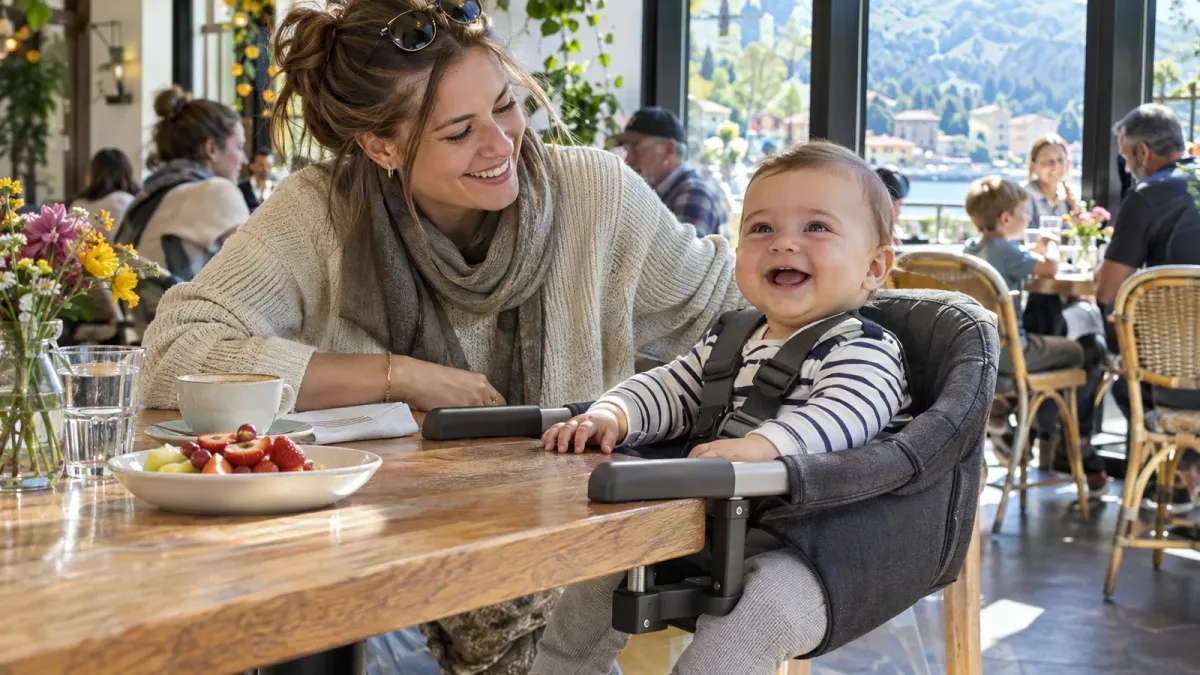
- Clip-on table chairs: Fabric seats on metal arms that clamp onto a sturdy table edge.
- Folding floor chairs: Low, self-standing chairs with their own legs and a small tray.
- Fabric chair harnesses: Soft cloth wraps that tie a baby onto an adult chair.
Each style suits different ages, tables, and trips. Some are much safer and easier to clean than others. Knowing the differences helps you pick the right seat before you spend money.
Highchairs & Booster Seats worth a look
Real products from our catalogue. We don't show star ratings or review counts; check the current price, stock and reviews on Amazon before you buy.

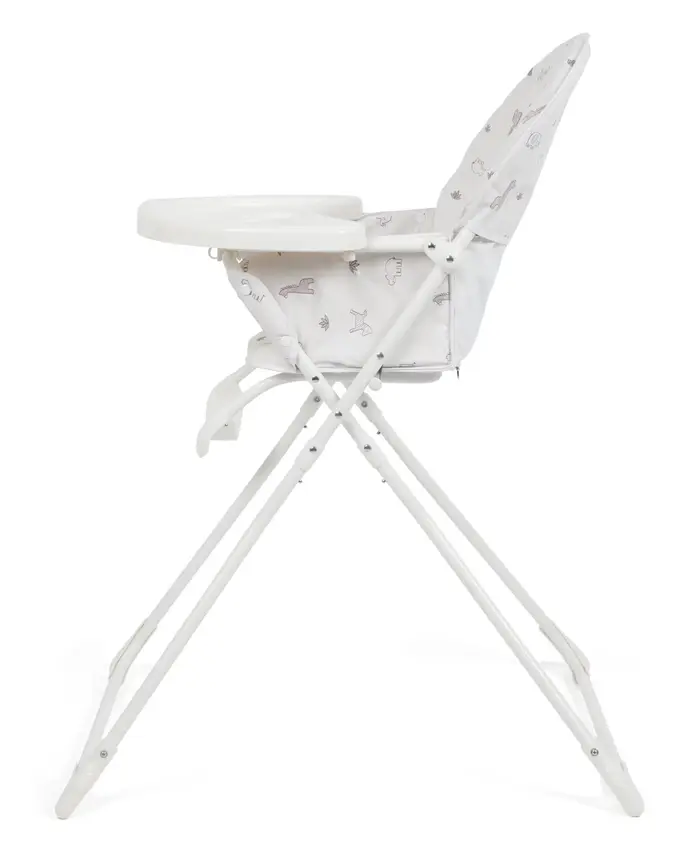
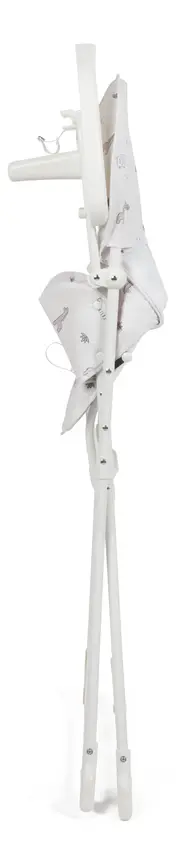
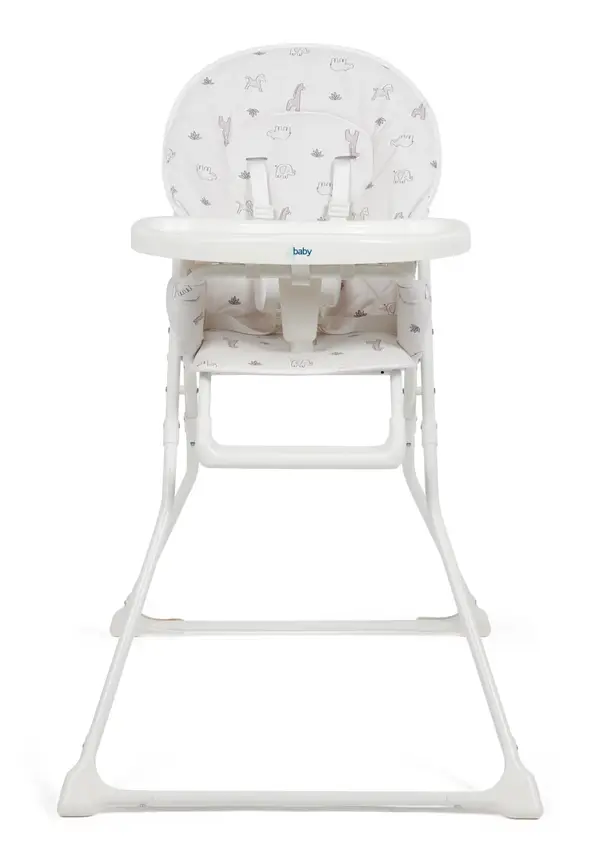
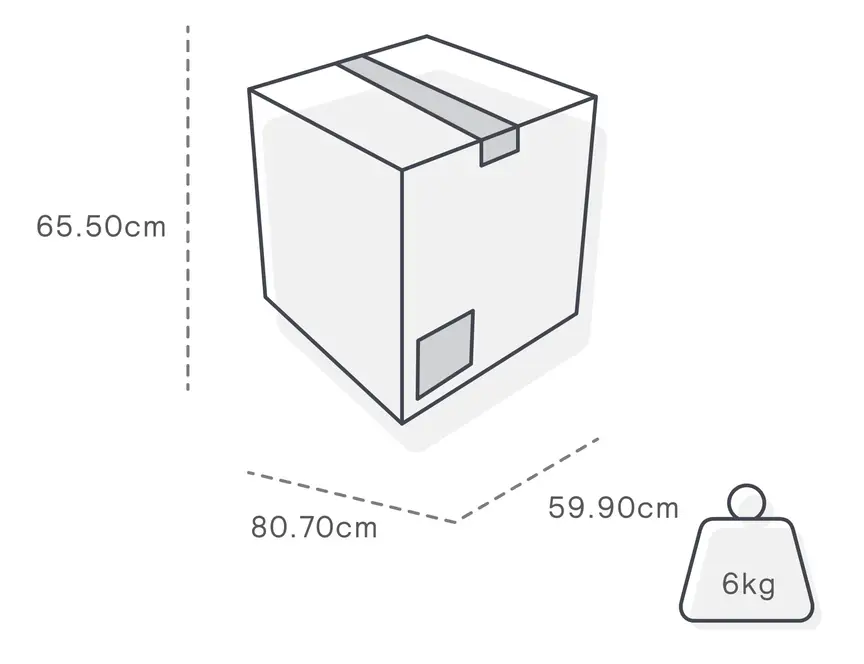
4baby Flat Fold Highchair
A very low-cost highchair that folds flat, with a wipe-clean seat.
Read our full review →
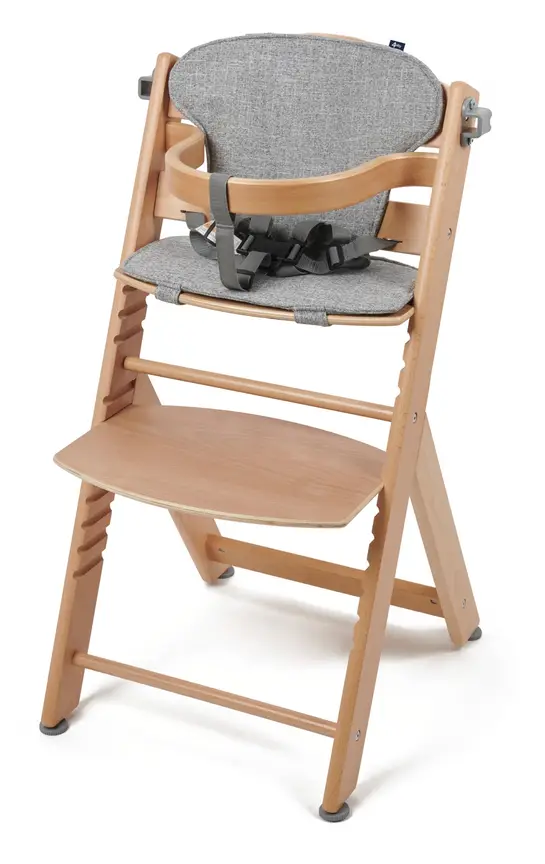

4baby Grow With Me Wooden Highchair
A low-cost wooden highchair that turns into a junior chair, with 4 seat heights and 8 footrest spots.
Read our full review →
Bright Starts Pop 'N Sit Portable Booster
Booster seat for table
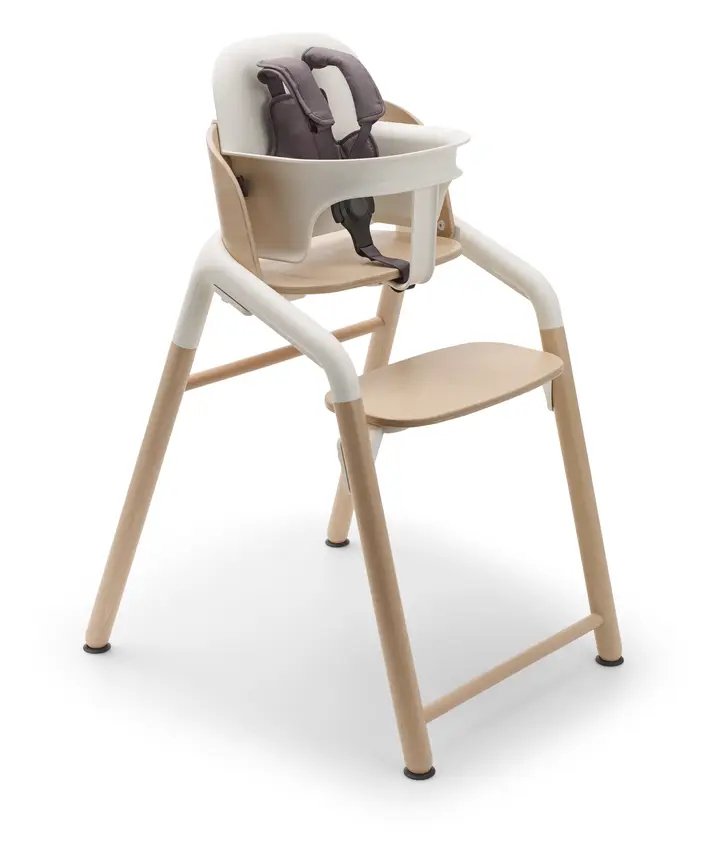
Bugaboo Giraffe
Bugaboo's answer to the Tripp Trapp, with notably quick, tool-free height adjustment.
5 reasons a portable high chair helps parents on the go
Leaving the house with a baby takes planning. Meals can be the hardest part of a day out. Here are five real reasons a portable high chair makes life easier.
1. You always have a clean, safe place for meals
Public high chairs in cafes and food courts see heavy use. Staff often wipe them quickly between guests. Food crumbs and sticky germs can still hide in strap buckles and seat cracks.
Many older restaurant chairs also have broken buckles or missing crotch straps. A baby can slip right under the tray if the crotch post is gone. Some public chairs also wobble on uneven floors.
Bringing your own portable seat fixes these problems at once. You know your seat is clean before your baby touches it. You also know the straps lock properly and fit your child.
2. Your baby sits upright to eat safely
When a baby starts solid food, how they sit matters a lot. Health groups like the American Academy of Pediatrics (AAP) and the NHS say babies should sit upright to eat. Slouching or leaning back makes it harder to swallow. It can also raise the risk of choking.
Without a proper seat, parents often feed babies in a pram, a car capsule, or on their lap. A pram seat leans back too far. A car capsule is made for travel, not meals. A lap moves around and does not support a wriggly toddler well.
A good portable high chair holds your child upright at the table. Their hips, knees, and back stay in a steady position while they learn to chew.
3. It saves space in small homes and car boots
Full-size high chairs take up a lot of floor space. Wide splayed legs are great for stability, yet they are easy to trip over in a small kitchen. They also fill up a car boot fast when you pack for a weekend away.
Most portable high chairs fold flat in seconds. A travel booster or clip-on chair can slide under a pram basket or sit behind a front seat. At home, you can tuck it into a pantry or hang it in a cupboard between meals.
4. You do not have to rely on restaurant high chairs
Plenty of places do not have high chairs at all. Friends without young kids rarely own one. Small cafes, parks, and holiday cabins often have none.
Even big restaurants can run out of high chairs during busy lunch hours. Waiting for a free seat with a hungry baby is stressful. With your own portable seat in the car or nappy bag, you are ready anywhere.
5. Your child keeps a familiar mealtime routine
Babies and toddlers like things they know. New places can make them cranky or distracted at dinner time. Sitting in their own familiar seat tells them it is time to eat.
They already know how the tray feels and how the straps fit. That small bit of comfort often helps fussy eaters settle down faster when travelling.
Types of portable high chairs compared
Not every portable seat works in every setting. Use this table to compare the four main types side by side.
| Type | Where it sits | Best for | Main watch-out |
|---|---|---|---|
| Travel booster seat | Strapped to an adult dining chair | Daily use, small kitchens, family visits | Needs a sturdy four-legged chair with a backrest |
| Clip-on table chair | Clamped to a solid table edge | Restaurants, travel, tight spaces | Unsafe on glass, light, or single-leg tables |
| Folding floor chair | On the ground or floor | Picnics, parks, beaches, camping | Low to the ground; can tip on uneven grass |
| Fabric chair harness | Wrapped around an adult chair | Packing light in a handbag or plane carry-on | No rigid sides; only for babies who sit well alone |
Travel booster seats
A booster seat raises your child up to the adult table height. Most have two strong straps. One strap wraps under the chair seat. The other strap wraps around the backrest. Many include a clip-on tray so you can use them away from a table too.
Hard plastic boosters are easy to wipe down after messy meals. Foam boosters feel softer, though crumbs can get stuck in the seams if there is a fabric cover. Some travel boosters also fold flat with a carry handle on the back.
Clip-on table chairs
Clip-on chairs hang from the edge of a table using padded clamps. They leave the floor clear, which helps in cramped cafes. Your baby sits right up at the table with everyone else.
Before you clamp one on, check the table first. Most makers list a minimum and maximum table thickness. You also need to check for a deep lip or apron under the table edge, as that can stop the clamp closing flat.
Push down hard on the seat with your hand before placing your baby inside. If the table wobbles, lifts, or feels light, take the chair off right away.
Folding floor chairs
These look like tiny camp chairs with a removable tray. They stand on their own four feet on the floor, grass, or deck. You do not need an adult chair or a table at all.
They work well outdoors, at barbecues, or in a living room. Many come with a small sun shade for parks or beaches. Just keep them on flat ground. Never place a folding floor chair on top of a table, bench, or couch.
Fabric chair harnesses
A fabric harness folds up to the size of a rolled pair of socks. It slips over the back of a dining chair and buckles around your baby's waist.
Because there is no rigid frame or crotch post, a baby can slump sideways or slide down. Health bodies like HealthLink BC warn against using soft cloth slings for young babies who cannot sit steadily on their own. Save fabric harnesses for short trips with older babies who sit upright with ease.
When your baby is ready to use one
Age alone does not tell you when a baby is ready for a high chair. Look at their body strength and head control instead. Most babies start solid food at around six months old.
At that stage, your baby should be able to hold their head steady. They also need to sit upright with little support. If their head flops forward or they slump to one side, wait a little longer. You can hold them upright on your lap for early tastes, or use a chair with firm side support once they are steady.
Watch for these signs of readiness before using any portable high chair:
- Your baby holds their head up smoothly without wobbling.
- They can sit up with minimal help and do not slump forward.
- They show interest in food and can reach out for a spoon.
- Their hips and shoulders stay level when seated.
Stages of use
| Stage | What your child can do | Best portable option |
|---|---|---|
| Around 6 to 9 months | Holds head steady; learning to sit upright | Travel booster or clip-on chair with a five-point harness and high back |
| 9 to 18 months | Sits strongly; reaches, twists, and leans for food | Sturdy booster or clip-on seat; always buckle shoulder straps |
| 18 months to 3 years | Walks and climbs; may try to stand up | Booster seat with tray removed, pushed up to the table |
Always check the weight limit on your chair's label. Many clip-on chairs stop at around 15 kilograms. Some booster seats go up to 20 kilograms or more. Stop using any seat once your child passes its weight or height limit.
How to choose a safe portable high chair
A good portable high chair feels solid when you set it up. Look closely at these six parts before you buy.
1. A five-point or three-point harness
Product Safety Australia (part of the ACCC) and Raising Children Network both stress the need for a good harness. A five-point harness has two shoulder straps, two waist straps, and one crotch strap. It stops a baby from standing up or climbing out.
A three-point harness has waist straps and a crotch strap, without shoulder straps. It can work for older toddlers, yet active babies can still lean far forward. Check that the buckle is easy for you to click, but too stiff for tiny fingers to open.
2. A rigid crotch post
A tray alone will not hold a baby in a chair. Without a crotch post or a strap between the legs, a small child can slide straight down through the gap under the tray. Their head can then get trapped.
Look for a moulded plastic post between the legs, or a sturdy crotch strap attached to the waist belt. Never use a high chair if the crotch strap is broken or missing.
3. Wide, stable base and strong locks
If you choose a folding floor chair, look for wide feet that sit flat on the floor. Rubber grips help stop the chair from sliding on tiles or timber.
Test every folding hinge and clamp before you buy. Folding frames should lock with a clear click. They should need two steps or firm pressure to unlock so a child cannot fold the chair by accident. Check that there are no small gaps near hinges where little fingers could get pinched.
4. Safe, non-toxic materials
Babies chew on trays, straps, and seat edges. Choose seats made from food-safe plastics without BPA, lead, or harmful softeners called phthalates. Avoid seats with flaking paint, sharp edges, or small loose caps that could break off and cause choking.
5. Easy-to-clean design
Food gets everywhere during weaning. Smooth plastic seats with few cracks wipe clean in ten seconds. Removable trays that fit in a sink or dishwasher save a lot of time.
If the seat has a fabric pad, check that it comes off easily for machine washing. Straps should also wipe clean or come off for a soak. Avoid deep crevices where wet food can turn mouldy.
6. Chair and table fit
Measure your own dining chairs at home before buying a booster seat. Check that the booster's base fits fully inside the adult chair seat, with no overhang. Also check that the straps are long enough to wrap around thick or padded dining chairs.
If you eat out a lot, think about restaurant chairs too. Many cafe chairs have slatted backs or curved seats. A booster with long, easy-to-tighten straps handles different chair shapes much better.
Side by side: more highchairs & booster seats to compare
Real products from our catalogue. We don't show star ratings or review counts; check the current price, stock and reviews on Amazon before you buy.

IKEA Antilop Highchair
The cheap, wipe-down classic many daycares use. No footrest, no adjustment — but almost nothing to clean.

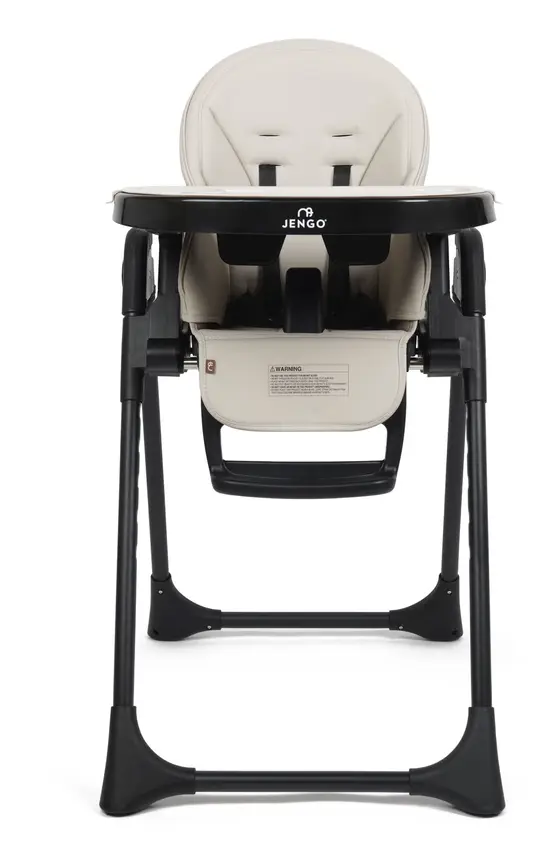


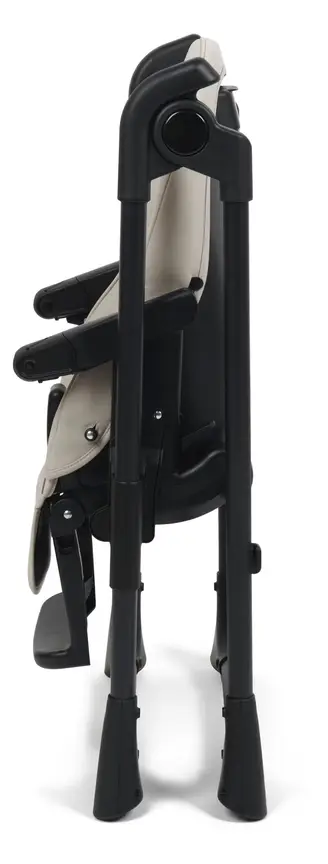
Jengo Nosh Highchair
A highchair from birth to toddler with 7 heights and 3 seat positions.
Read our full review →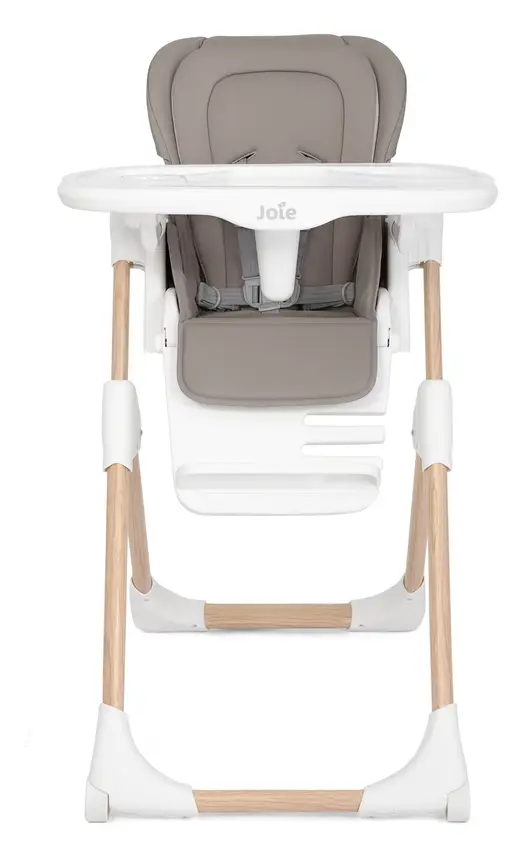
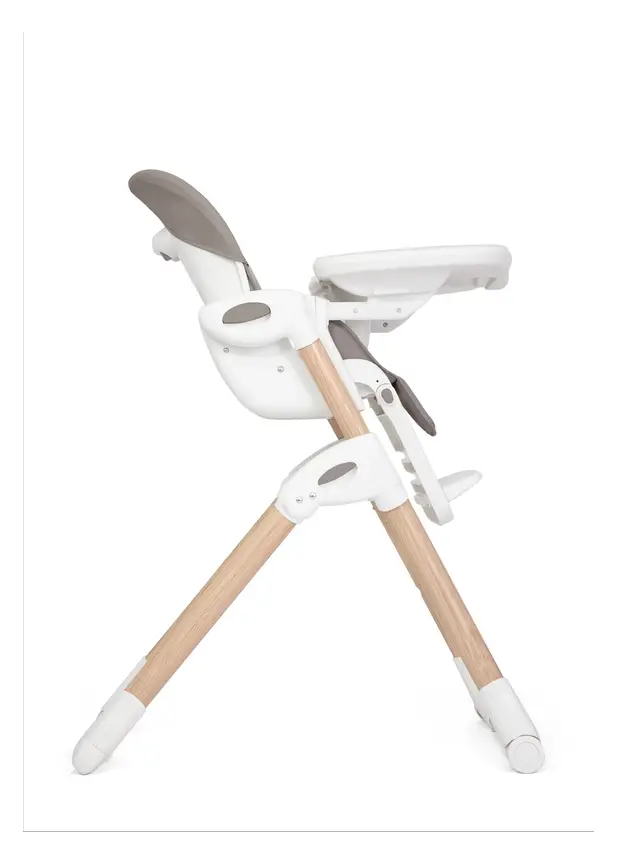
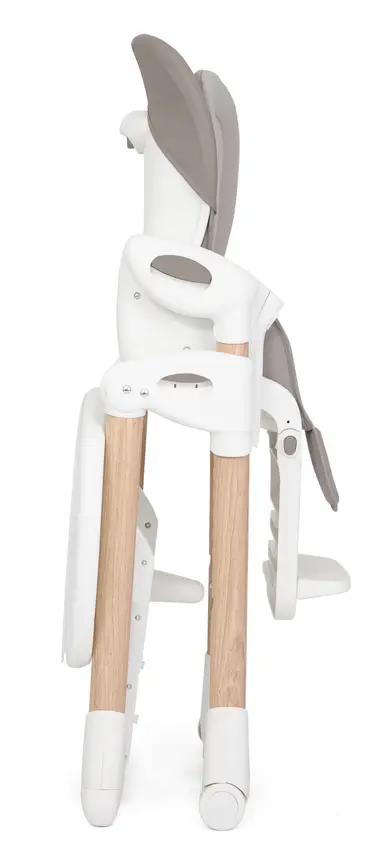


Joie Mimzy Recline 2.0
A highchair from newborn with 5 recline spots and 7 heights. It folds standing up.
Read our full review →
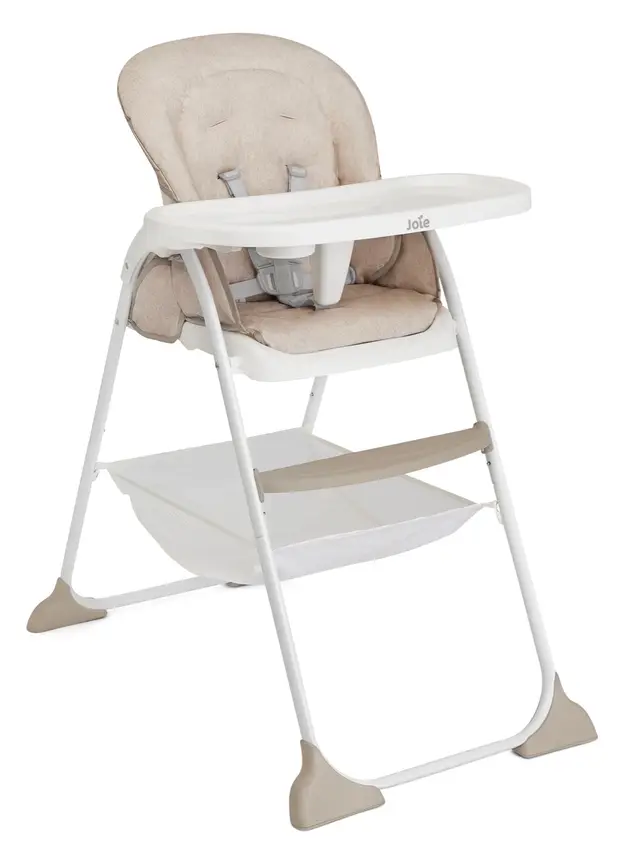


Joie Mimzy Snacker
A low-cost folding highchair from 6 months. It stands up when folded.
Read our full review →Setting up a portable high chair step by step
Even the safest chair can tip or slip if it is set up in a rush. Follow these simple steps each time you use your seat away from home.
Setting up a travel booster seat
- Pick a solid four-legged adult chair with a firm seat and a high backrest.
- Place the booster flat in the middle of the chair seat.
- Thread the bottom strap under the chair seat and pull it tight.
- Thread the back strap around the chair backrest and pull it tight.
- Give the booster a firm tug side to side. It should not slide or tilt.
- Place your baby inside, buckle all straps, and check the harness fit. Two fingers should fit snugly under the strap.
Setting up a clip-on table chair
- Check the table first. It must be heavy, four-legged, and have a flat underside.
- Open the clamps wide and slide the arms all the way onto the table edge.
- Tighten the clamps until they grip firmly, following the maker's guide.
- Press down firmly on the seat with your hand to test the grip and table balance.
- Place your baby in the seat and buckle the harness right away.
- Never hang a heavy nappy bag on the back of the seat, as it can pull the chair off balance.
Setting up a folding floor chair
- Open the legs fully until you hear or feel the frame lock into place.
- Set the chair on flat, level ground, away from steps, pools, and hot stoves.
- Press down on the seat to make sure the legs do not wobble or fold.
- Sit your baby inside and buckle the harness before clipping on the tray.
Safety standards and official advice in Australia, the UK, the US and Canada
Safety rules for high chairs and booster seats vary a little by country. Yet every major health and safety agency gives the same core advice: use the harness, check stability, and stay close.
| Country | Key safety and health bodies | Main rule or standard to look for |
|---|---|---|
| Australia | ACCC (Product Safety Australia), Raising Children Network, Kidsafe Australia | Look for the current Australian high chair safety standard on the label, plus a five-point harness and crotch post. |
| UK | Office for Product Safety and Standards (OPSS), RoSPA, NHS, UK Government (Buy safe) | Check for BS EN 14988 on high chairs, buy from trusted sellers, and register products for recall alerts. |
| US | Consumer Product Safety Commission (CPSC), American Academy of Pediatrics (AAP) | High chairs must meet ASTM F404 rules for stability, restraints, and leg openings. |
| Canada | Health Canada, HealthLink BC, Canadian Paediatric Society (Caring for Kids) | Use a chair with a wide base and crotch strap; check Health Canada recalls before buying second-hand. |
In the United States, the CPSC requires all high chairs sold to meet ASTM F404. That rule checks that the chair will not tip over easily and that the leg holes are small enough to stop a baby slipping out. It also sets strict rules for trays and restraint straps.
In the UK and Europe, BS EN 14988 sets similar tests for strength, locks, and straps. The UK Government and OPSS also urge parents to buy from trusted sellers and register new baby gear so they get recall alerts.
In Australia, Product Safety Australia advises parents to look for chairs that meet the Australian safety standard for high chairs. Always check for a five-point harness and a rigid crotch post.
In Canada, HealthLink BC and Health Canada remind parents to check for recalls, especially when buying used gear. Always buy from a trusted store. Very cheap unbranded seats online can skip these safety tests and break under normal use.
Buying a second-hand portable high chair
A used portable high chair can save money, yet it needs a careful check first. Before you hand over cash, inspect the whole chair:
- Search the brand and model on your national recall site (ACCC Recalls, OPSS, CPSC, or Health Canada).
- Check that the five-point harness and crotch post are complete and undamaged.
- Look for cracks in plastic joints, bent metal arms, or worn rubber clamp pads.
- Make sure all folding locks snap shut and stay locked when you pull on them.
- Skip any chair with missing parts or a missing instruction label.
Common mistakes to avoid
Most high chair injuries happen from falls. Babies tip the chair over, stand up, or slip out when straps are loose. Avoid these common traps:
- Skipping the straps "just for a minute": It takes one second for a baby to push off the table or stand up. Buckle the harness every single time.
- Putting a booster on a stool or bench: Boosters must only go on a standard four-legged chair with a firm backrest. Never put one on a bar stool, swivel chair, folding chair, or bench.
- Setting a floor chair on a table: A folding floor chair belongs on the floor only. A baby kicking their legs can easily scoot it right off a tabletop or kitchen counter.
- Clamping onto the wrong table: Never attach a clip-on chair to a glass table, a card table, a table with a loose leaf, or a round table with one centre leg. The baby's weight can tip the whole table over.
- Letting your child push off the table: Leave a small gap if your child can brace their feet against the table edge and tip their chair backward.
- Using thick tablecloths under clamps: A slippery cloth can let a clip-on chair slide right off the table edge.
- Leaving the chair near hot drinks or cords: Keep the seat well away from kettle cords, blind cords, hot tea, and stove tops. Babies reach much further than you think.
- Walking out of the room: Never leave a baby alone in any high chair. A child can choke silently, or wiggle free and fall before you hear a sound.
Cleaning and packing for travel
A sticky high chair smells bad and grows mould fast in a closed bag. A quick habit after each meal keeps your gear fresh.
Keep a small pack of wet wipes and a spare zip bag in your nappy bag. Right after your baby finishes eating, wipe the tray, seat, and buckles before food dries hard. Shake out crumbs over a bin.
Once you get home, wash the tray in warm soapy water and rinse it well. Wipe down the straps with a damp cloth and mild soap. Avoid harsh bleach on webbing straps, as it can weaken the fabric over time. Let everything air dry fully before folding the chair back into its travel bag.
If you fly with a portable high chair, check your airline's rules first. Many compact boosters and fabric harnesses fit inside carry-on luggage or under a pram bag. Hard plastic seats can also go in checked bags wrapped in clothes to stop cracks.
Every few weeks, inspect the straps for fraying. Check that all plastic clips, screws, and metal clamps still hold tight. If a buckle cracks or a clamp slips, stop using the seat right away.
More options, from budget to premium
Real products from our catalogue. We don't show star ratings or review counts; check the current price, stock and reviews on Amazon before you buy.


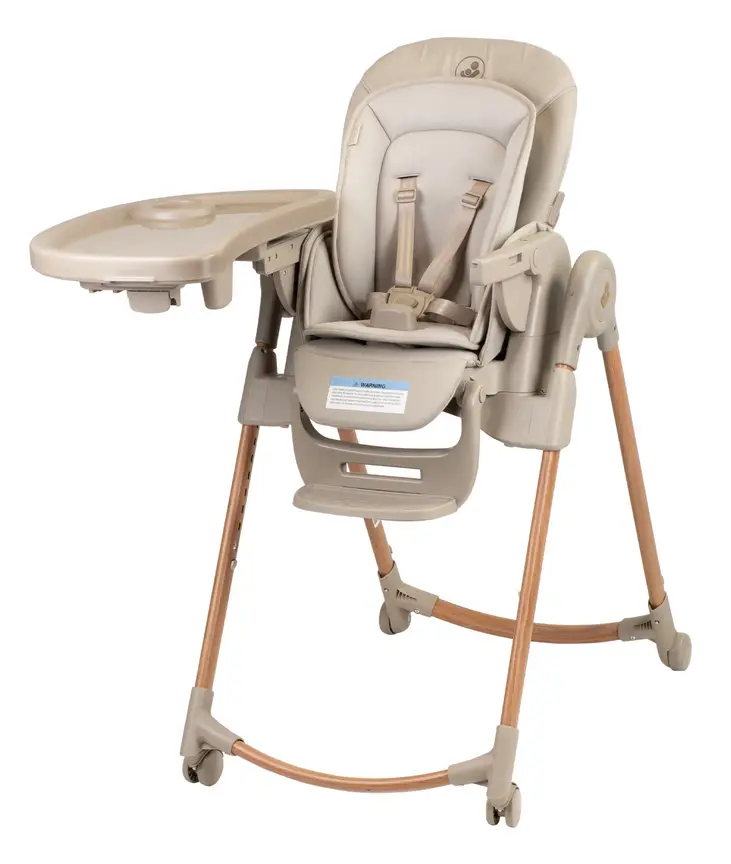

Maxi-Cosi Minla Plus
Lies flat from birth, then works as a highchair and booster, and later a kid chair.
Read our full review →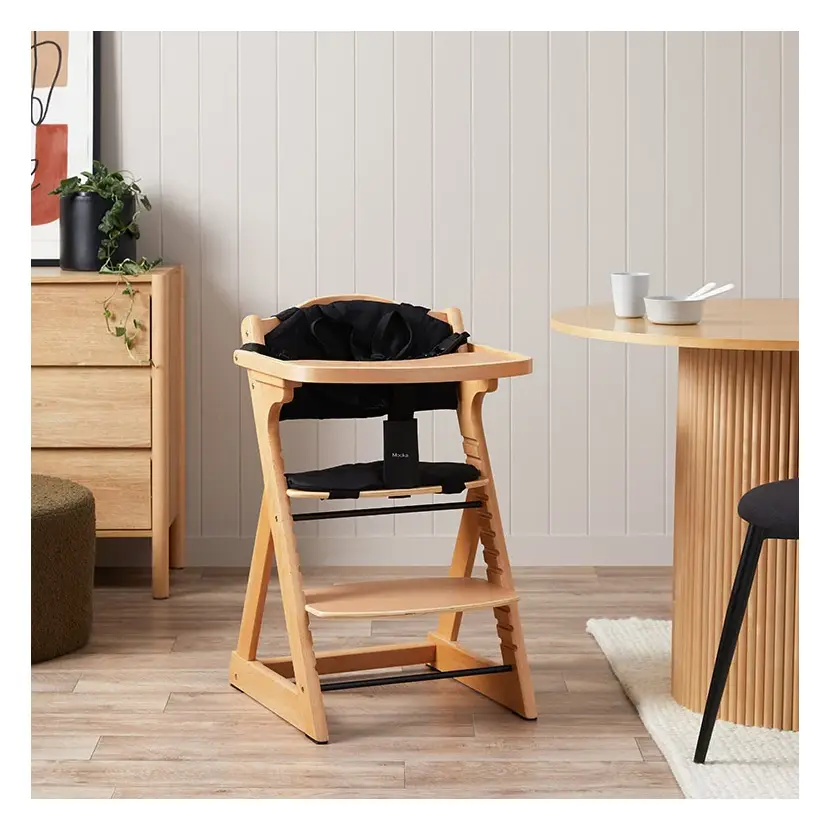
Mocka Original Highchair
Australian/NZ online brand's wooden adjustable chair — the Tripp Trapp idea at a fraction of the price, with simpler finishes.
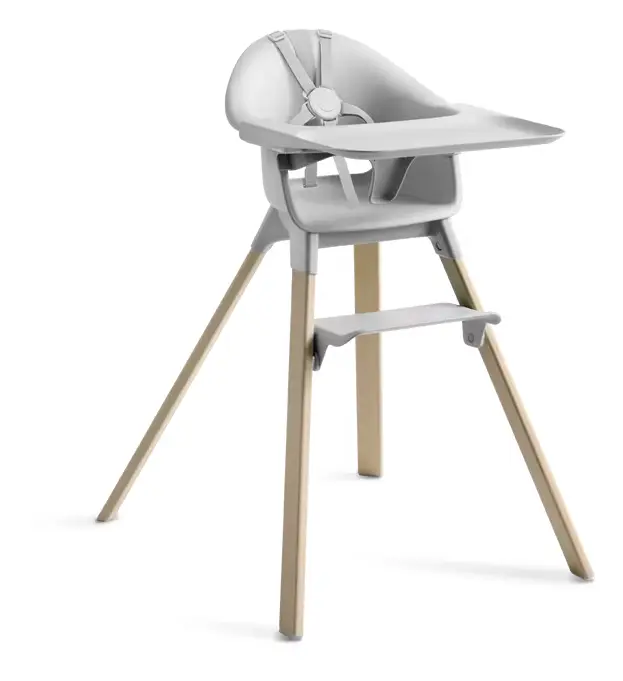
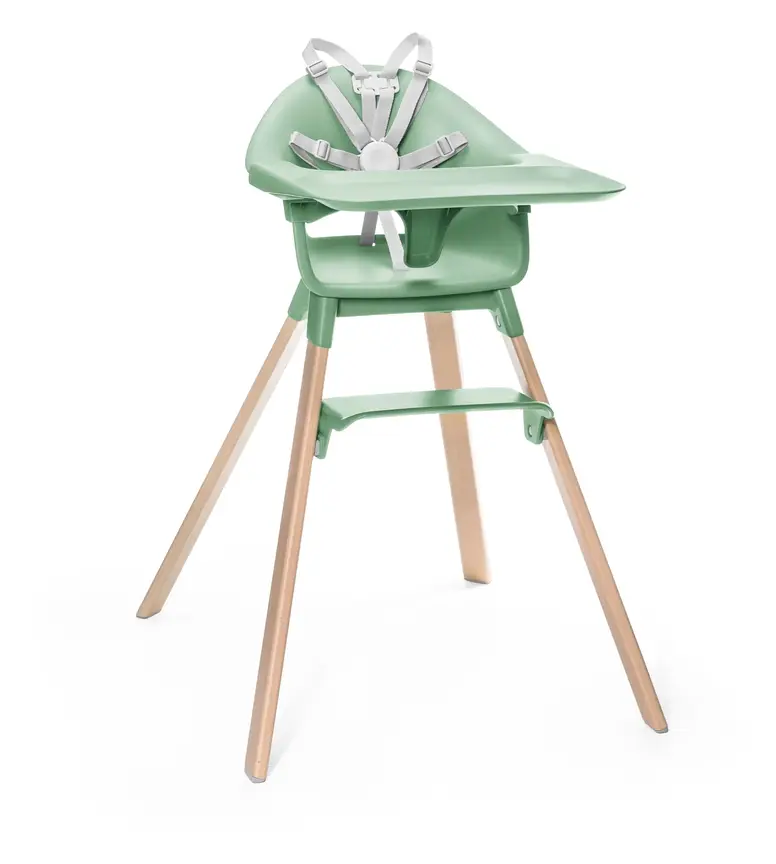
Stokke Clikk
Stokke's lighter, tool-free, fold-flat highchair with a built-in tray — the travel/rental-friendly sibling of the Tripp Trapp.
Frequently asked questions
What age can my baby start using a portable high chair?
Most babies are ready at around six months old, when they start solid foods. Your baby needs steady head control and must be able to sit upright with little support. Check the maker's age and weight guide on the box first.
Are clip-on high chairs safe on all tables?
No. Clip-on seats are only safe on heavy, solid tables with four legs and a flat edge. Never use them on glass tops, flimsy folding tables, pedestal tables with one centre pole, or tables with a drop leaf or thick tablecloth.
Can I put a travel booster seat on a stool or bench?
No. A travel booster must only be strapped to a sturdy, four-legged adult chair with a solid backrest. Stools, benches, and swivel chairs do not have the support needed to keep the booster from tipping over.
Does a portable high chair need a five-point harness?
A five-point harness is the safest choice, especially for babies and young toddlers who lean or try to stand. At a minimum, the seat must have a waist belt and a crotch strap or rigid post so your child cannot slide under the tray.
Are fabric chair harnesses safe for babies?
Fabric harnesses do not have a rigid frame or crotch post, so they are not safe for young babies who still slump. Only use them for older babies and toddlers who already sit upright well on their own, and always stay right beside them.
Can a portable high chair replace a full-size high chair at home?
Yes, for many families it can. A sturdy travel booster strapped tightly to a solid dining chair works well for everyday meals in small homes. Just check the chair straps often and clean food out of the buckles every day.
How do I know if a portable high chair meets safety rules?
Check the label or manual for safety marks before you buy. Look for ASTM F404 in the US, BS EN 14988 in the UK, or the current Australian high chair standard in Australia. In all four countries, including Canada, check government recall lists before using a second-hand seat.
Sources
- Product Safety Australia – High chairs guide
- Raising Children Network – Choosing safe baby furniture: highchairs and more
- U.S. Consumer Product Safety Commission – New federal standard to improve safety of high chairs
- HealthLink BC (Canada) – Safe chairs for babies in the first year
- RoSPA – Child safety at home
- UK Government – Buy safe, be safe
- American Academy of Pediatrics (US) – Starting solid foods
- NHS – Baby and toddler safety