Using a Travel Crib as a Permanent Baby Bed: Pros, Cons, and Safety
Can you use a travel crib as a permanent baby bed? Learn the pros, cons, mattress rules, and safety standards in Australia, the UK, the US and Canada.

On this page
- Key points
- What a travel crib is
- The main pros of using a travel crib full-time
- The downsides and limits to know first
- Travel crib vs standard cot: side-by-side comparison
- What official health and safety bodies say
- How to choose a travel crib for everyday sleep
- Travel crib stages by baby age
- Safe setup rules for daily use
- Common mistakes parents make
- Frequently asked questions
- Sources
Short answer: Many parents use a travel crib as an everyday baby bed. It saves space, moves easily between rooms, and often costs less than a wooden cot. Still, a travel crib has limits. Its mattress is thin, and its frame wears faster than a solid cot. In Australia and Canada, health groups say a standard cot is best for long-term daily sleep. In the US and the UK, a safety-approved travel crib can be used every day if the mattress is firm, flat, and fits tightly.
This guide explains the real pros and cons. It also shares the safety rules from official groups in Australia, the UK, the US, and Canada.
Key points
- Space saver: A travel crib fits well in small bedrooms and apartments.
- Easy room-sharing: You can roll or carry it into your bedroom for the first 6 to 12 months.
- Same bed everywhere: Your baby sleeps in one familiar space at home and on trips.
- Mattress rule: Never add a thick extra mattress or soft pad. Use only the firm pad made for that model.
- Official advice differs: Red Nose (Australia) and Health Canada prefer a standard cot for everyday sleep. The AAP (US) and The Lullaby Trust (UK) allow approved travel cribs when set up safely.
- Time limit: Most children outgrow a travel crib once they reach the weight limit or start climbing.
What a travel crib is
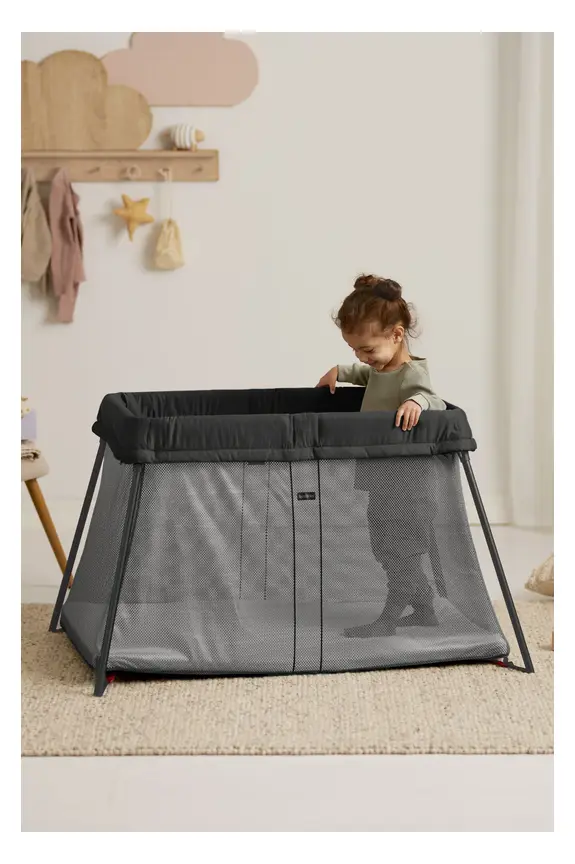
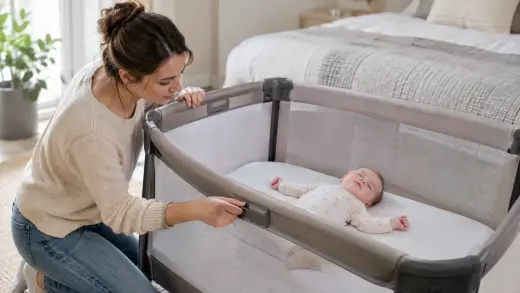
A travel crib is a folding baby bed with a light frame and mesh sides. People also call it a portacot, a travel cot, or a play yard. Most models fold down into a carry bag in a minute or two.
Unlike a wooden cot, a travel crib has soft fabric walls instead of solid bars. It also comes with a thin, folding base pad instead of a thick spring or foam mattress. Some models include a clip-in upper level, often called a bassinet insert, for young newborns.
Most travel cribs were first built for holidays and grandparent visits. Today, many families also look at them as a main bed at home. Tight budgets, small rooms, and frequent moves make them very tempting.
Cots, Bassinets & Bedside Sleepers worth a look
Real products from our catalogue. We don't show star ratings or review counts; check the current price, stock and reviews on Amazon before you buy.


4baby Snuggle Cuddle Bedside Sleeper
A low-cost bassinet that turns into a bedside sleeper, with 4 heights and mesh sides.
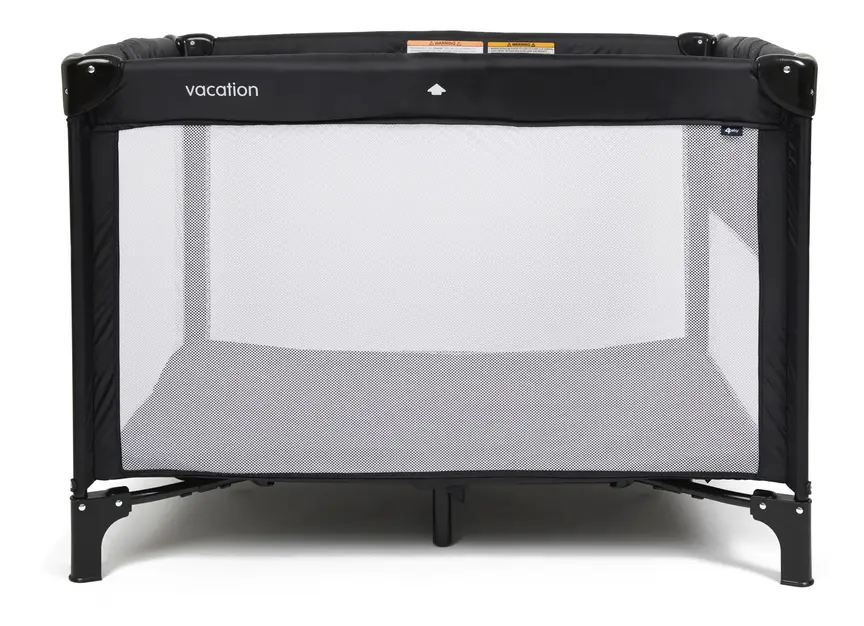
4baby Vacation Portacot
A low-cost portacot with a padded mattress and mesh sides.
Compare all cots, bassinets & bedside sleepers in our reviews →
The main pros of using a travel crib full-time
A travel crib brings real day-to-day perks for some homes. Here are the main benefits parents notice.
1. It saves space in small homes
Standard wooden cots are bulky. They take up a lot of floor space in a small bedroom or studio flat. A travel crib usually has a smaller footprint.
When your baby is awake, you can even fold some models and slide them into a cupboard or behind a sofa. That gives you your living space back during the day. It also leaves room for other nursery items.
2. It makes room-sharing simple
Health groups in Australia, the UK, the US, and Canada all advise room-sharing for at least the first 6 months. The American Academy of Pediatrics (AAP) recommends sharing a room for at least 6 months. Red Nose in Australia recommends 6 to 12 months.
Room-sharing means your baby sleeps in your bedroom, on their own firm surface. A full-size wooden cot often does not fit beside an adult bed. A travel crib is lighter and narrower. You can keep it right beside your bed for night feeds, then move it to another room later.
3. You only need to buy one bed
Many parents buy a bassinet first, then a wooden cot, and then a travel crib for trips. That adds up to three separate beds. Using one good travel crib from day one can replace both the bassinet and the holiday cot.
This helps families watching their budget. A travel crib and its included pad usually cost much less than a timber cot plus a separate cot mattress.
4. Your baby keeps one familiar sleep space
Babies love routine. A new bed in a strange hotel or relative's house can upset their sleep. When your baby sleeps in a travel crib every night, their bed travels with them.
The sights, smells, and feel stay the same. You do not have to pack a whole nursery, yet your baby still gets their own bed wherever you go.
5. Soft mesh sides reduce bumps and boost airflow
Active sleepers roll, wriggle, and kick. In a wooden cot, arms and legs can bump against hard bars. Mesh sides are soft, so minor bumps rarely wake a baby up.
Mesh also lets air flow freely around the sleep space. Good airflow helps keep your baby from getting too hot, which is a key safe sleep rule.
6. It is easy to move between rooms
Some travel cribs are light enough for one adult to carry through a doorway. Others have two small wheels on one end. You can shift the bed from your bedroom to a spare room or living area in seconds.
This helps when one parent needs quiet rest, or when you want your baby napping near you during the day.
7. It doubles as a safe play space
During the day, a clean, empty travel crib can hold a crawling baby for a few minutes. If you need to answer the door or use the bathroom, you know your baby cannot reach stairs or hot drinks.
Just make sure you clear out any toys before sleep time. A sleep space must always be completely bare.
The downsides and limits to know first
A travel crib is not perfect for every family. Before you skip buying a standard cot, look closely at the drawbacks.
1. The mattress is thin and hard
Travel crib pads are thin so they can fold up. To an adult, they feel firm and a bit stiff. Babies actually need a firm surface for safe sleep, not a soft one.
Still, some older babies seem less settled on a very thin board over concrete or tile floors. You must never fix this by adding a soft topper or extra mattress. Adding a non-approved mattress creates dangerous gaps where a baby can get trapped.
2. Daily folding wears out locks and joints
Standard cots sit still in one room for years. A travel crib has hinges, latches, and folding rails. If you fold and unfold it every single day, those parts wear out faster.
Even if you leave it open, the fabric seams and frame joints work hard under a growing toddler. You must check the locks and stitching often.
3. Bending down can hurt your back
Most travel cribs sit low to the floor. Once your baby outgrows a clip-in bassinet level, you have to reach all the way down to lift them out.
If you are tall, have back pain, or are healing after a caesarean birth, reaching low several times a night gets tiring fast. Standard cots have higher base settings for young babies.
4. Smaller size means an earlier upgrade
A full-size cot lasts many children until age 2 or 3. Many even turn into a toddler bed. Travel cribs are often shorter and narrower.
A tall toddler may run out of legroom sooner. Some travel cribs also have lower weight limits or lower height limits. Once your child can climb out, you must stop using any cot or travel crib right away.
5. Cleaning fabric walls takes effort
You can wipe wooden cot bars in ten seconds. Travel crib mesh and fabric corners trap dust, spit-up, and crumbs. Not all models have zip-off washable covers.
If your baby is sick in the night, cleaning fabric sides takes more work than wiping timber.
6. Some safety bodies advise against full-time use
Not every country gives the same advice on permanent use. Red Nose in Australia and Health Canada both state that a standard household cot is safer for everyday long-term sleep. Let us look closely at what each country says.
Travel crib vs standard cot: side-by-side comparison
This table shows how a travel crib compares with a standard household cot for daily sleep.
| Feature | Travel crib (portacot) | Standard household cot |
|---|---|---|
| Main design | Folding frame with mesh sides | Fixed wood or metal frame with bars |
| Mattress | Thin, firm folding pad included | Thick, firm mattress bought to fit |
| Floor space | Compact; easy to tuck away | Larger; stays in one spot |
| Moving around | Light; moves room to room easily | Heavy; too wide for some doorways |
| Back comfort for parents | Low base once bassinet stage ends | Two mattress heights save your back |
| How long it lasts | Often outgrown sooner by tall kids | Usually lasts until 2 to 3 years old |
| Everyday cleaning | Spot clean fabric and mesh | Fast wipe on smooth bars |
| Upfront cost | Usually lower; pad included | Higher; cot and mattress sold separately |
What official health and safety bodies say
Rules for travel cribs vary across Australia, the UK, the US, and Canada. Every country sets its own safety standards to stop falls, trapped heads, and suffocation.
Here is what the main official bodies say in all four countries.
| Country | Main safety and health bodies | Standards to check | Advice on permanent daily use |
|---|---|---|---|
| Australia | Red Nose, ACCC (Product Safety Australia), Raising Children Network | AS/NZS 2195 (folding cots), AS/NZS 2172 (household cots), AS/NZS 8811.1 (mattress firmness) | Folding cots are made for short-term or travel use. Red Nose says a standard cot is best for everyday sleep. |
| UK | The Lullaby Trust, NHS, Office for Product Safety and Standards (OPSS) | BS EN 716 (children's cots and folding cots) | Travel cots are safe when they meet BS EN 716 and use only the firm, flat mattress that came with the cot. |
| US | American Academy of Pediatrics (AAP), CPSC | ASTM F406 (play yards), ASTM F1169 (full-size cribs) | The AAP lists a safety-approved play yard as a safe place for daily sleep, with only a fitted sheet on the pad. |
| Canada | Health Canada, Canadian Paediatric Society (Caring for Kids) | Canadian crib and playpen safety regulations | Health Canada recommends a standard crib for everyday sleep. It advises against using playpens for unsupervised, long-term sleep. |
Australia
In Australia, folding cots must meet the mandatory safety standard based on AS/NZS 2195. Standard household cots must meet AS/NZS 2172. Mattress firmness is tested using AS/NZS 8811.1.
Red Nose Australia and the Raising Children Network explain that portable cots are designed for temporary use. They warn parents never to add an extra mattress to a portacot. Even a thin extra foam mat can lift or shift, trapping a baby between the pad and the soft mesh wall.
United Kingdom
In the UK, The Lullaby Trust and the NHS stress that every baby needs a firm, flat, waterproof sleep surface. Folding cots sold in the UK should meet BS EN 716.
The Lullaby Trust says travel cots can be used safely if you follow the instructions and use only the mattress supplied with the cot. Keep the space clear of bumpers, toys, pillows, and loose blankets.
United States
In the US, the American Academy of Pediatrics (AAP) says babies should sleep in a crib, bassinet, or play yard that meets federal safety rules. Non-full-size cribs and play yards are covered by ASTM F406 and federal rules overseen by the CPSC. Full-size cribs follow ASTM F1169.
The AAP notes that a bare play yard with a tight fitted sheet is a safe sleep space for naps and night sleep.
Canada
In Canada, Health Canada and the Canadian Paediatric Society (through Caring for Kids) take a stricter view. Health Canada recommends a standard crib that meets Canadian safety rules for everyday sleep. It advises parents not to use playpens or portable cribs for regular, unsupervised sleep.
Why do countries differ? Because play yards and portacots have soft sides and folding parts. If a joint fails or a parent adds a loose pad, the risk goes up. Knowing these rules helps you decide what fits your home best.
Side by side: more cots, bassinets & bedside sleepers to compare
Real products from our catalogue. We don't show star ratings or review counts; check the current price, stock and reviews on Amazon before you buy.

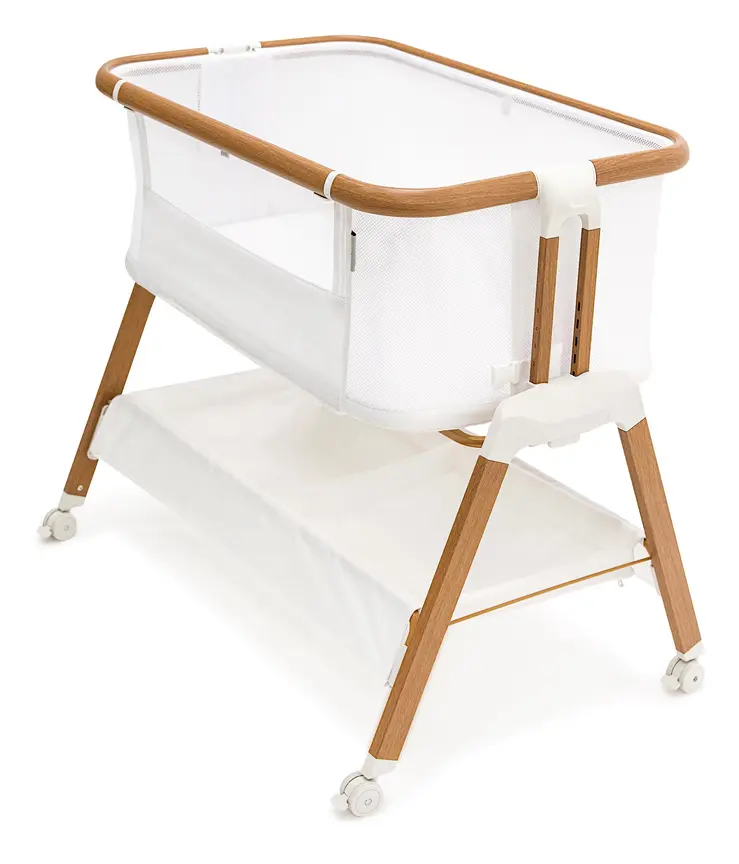
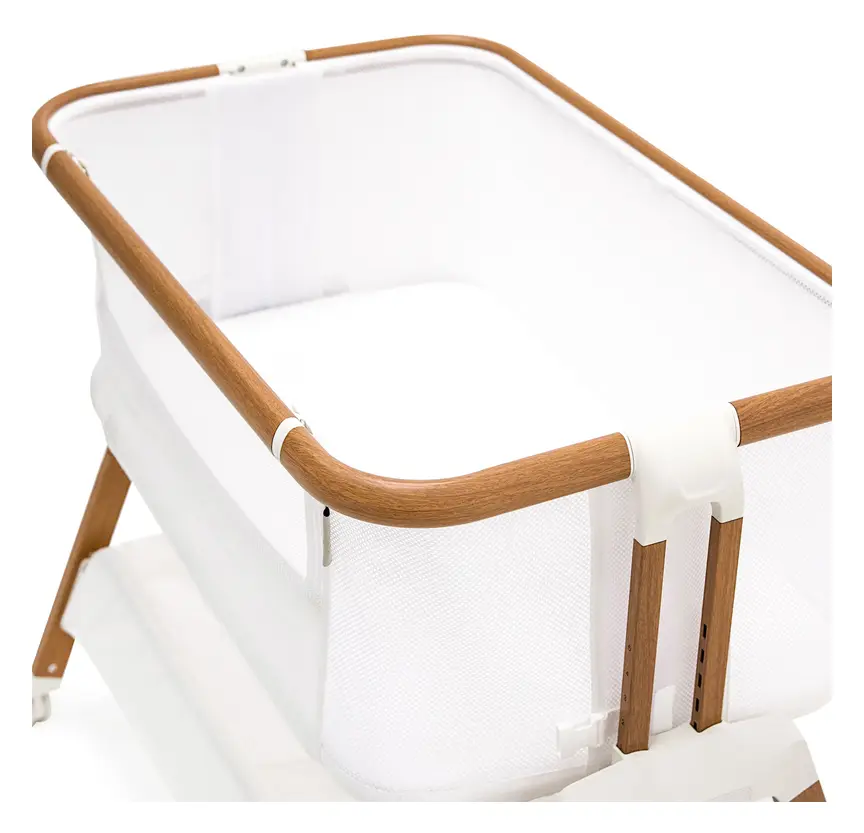
BabyRest Alfie2 Bedside Bassinet
A bedside bassinet with 5 heights, a drop-down side, wheels and an insect net.
Read our full review →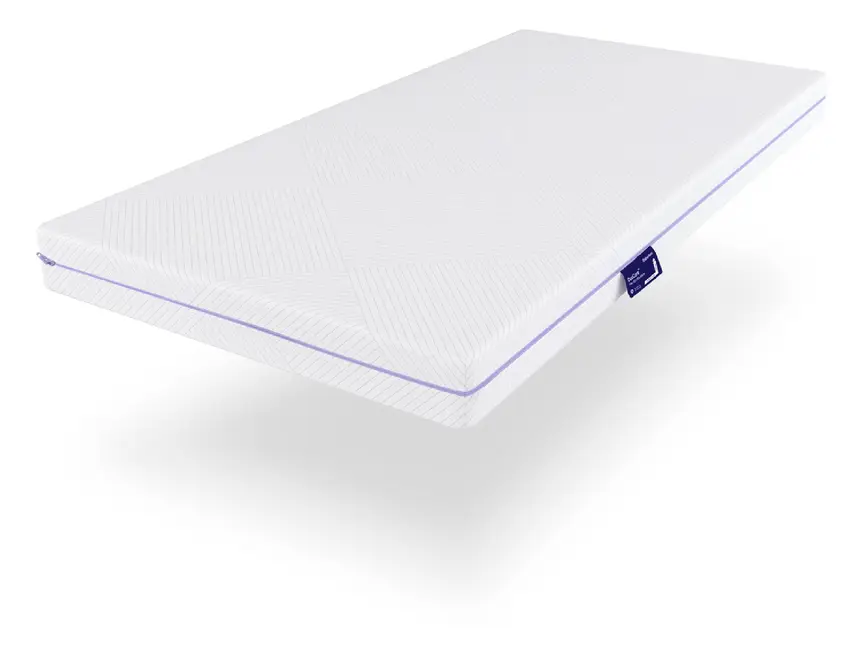
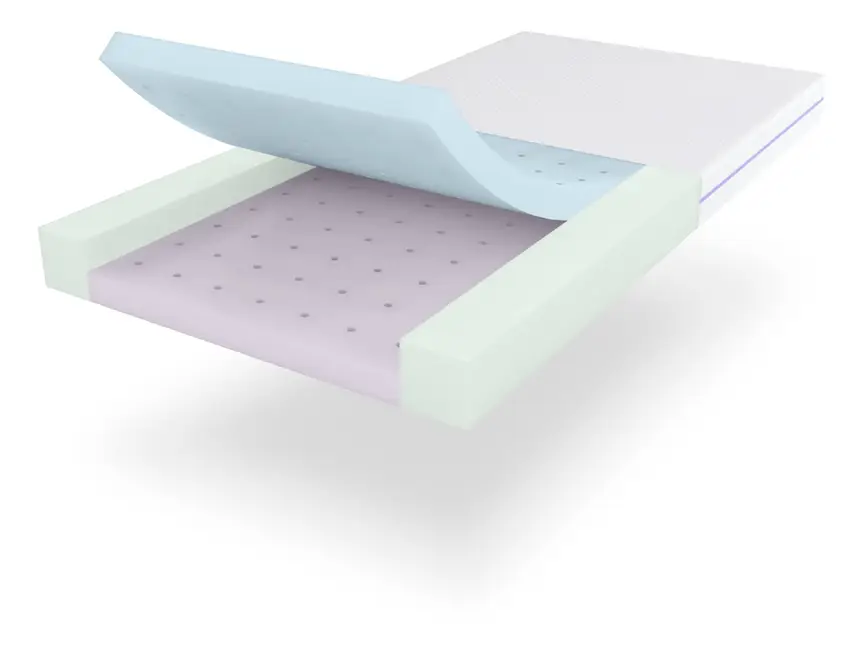

BabyRest Duocore Bamboo Cot Mattress
A two-sided mattress: a baby side to 12 kg and a toddler side from 12 kg to about 4 years.
Read our full review →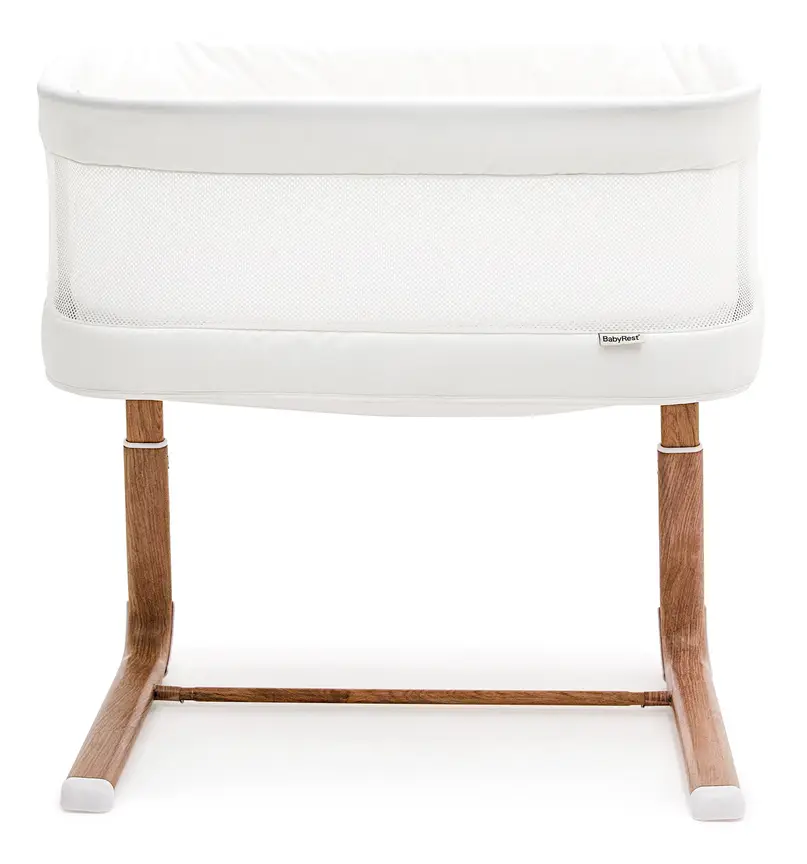


BabyRest Swan Smart Bassinet
A bassinet that rocks by itself when baby stirs, with 3 rocking levels, lullabies and a remote.
Read our full review →


Boori Matilda Cot Bed
A cot that turns into a toddler bed using its own end panels. No extra kit needed.
Read our full review →Compare all cots, bassinets & bedside sleepers in our reviews →
How to choose a travel crib for everyday sleep
If you plan to use a travel crib every night, pick carefully. Not all models are built the same. Look for these five things before you buy.
1. Check the safety label for your country
Always buy a model tested for the country where you live. Look for AS/NZS 2195 in Australia, BS EN 716 in the UK, ASTM F406 in the US, or official Canadian approval in Canada.
Skip cheap unbranded imports sold online without clear safety marks. They may have weak locks, toxic finishes, or gaps that trap small limbs.
2. Check the mattress fit and firmness
Press your hand into the centre and edges of the pad. It should feel firm and flat, with no soft dip. When the pad is strapped in, there must be no gap between the pad edge and the mesh walls.
Look for a pad with velcro tabs or clips that lock onto the base frame. This stops a rolling baby from pushing the pad up and slipping underneath.
3. Look at the mesh and frame locks
The mesh holes must be tiny—smaller than a baby's tiny fingers or buttons. Thick, tight mesh lets air through without snagging.
Check the top rails when locked. Give each rail a firm push downward. A safe rail stays rigid and will not dip or fold unless you press the release button.
4. Check the weight and height limits
Read the manual before you buy. Most travel cribs have a weight limit (often around 13 to 15 kg, though models vary) and a height limit (often around 85 to 90 cm). Also check the limit for any clip-in newborn bassinet insert, which is much lower.
5. Be careful with second-hand travel cribs
Used travel cribs can have hidden damage. A bent hinge, torn mesh, or missing velcro strap makes the bed unsafe. You also need the original mattress and the paper manual.
Before using any second-hand gear, check your national recall list—such as Product Safety Australia, OPSS in the UK, CPSC in the US, or Health Canada.
Travel crib stages by baby age
Your baby's needs change fast in the first two years. Here is how a travel crib works at each stage.
| Age stage | What your baby is doing | How to use the travel crib safely |
|---|---|---|
| Newborn to 4–6 months | Sleeping often, learning to roll | Put baby on their back. You may use the clip-in bassinet insert if your model has one, until baby rolls or hits its weight limit. |
| 6 to 12 months | Sitting up, rolling, pulling to stand | Remove any bassinet insert. Use only the lowest base level. Keep the crib clear of toys and bumpers. |
| 12 months and up | Standing, cruising, starting to climb | Watch height and weight limits. Move to a standard cot or toddler bed as soon as your child tries to climb out. |
Newborn to 6 months
This is when a travel crib shines most. It fits right next to your bed for easy night feeds. Always place your newborn flat on their back, with their feet near the bottom end if using a tucked sheet, or in a safe baby sleeping bag.
If your travel crib has a raised bassinet insert, check the exact limit in the manual. Stop using that raised level as soon as your baby can push up on hands and knees, roll over, or reach the weight limit.
6 to 12 months
Now your baby sleeps on the lower floor of the travel crib. This is safe and sturdy, though it sits low for your back. Keep all stuffed toys, pillows, and loose blankets out of the crib. A baby sleeping bag keeps them warm without loose covers.
12 months and up
Toddlers test limits. They bounce on the pad and lean against the mesh. Check the frame locks and mesh corners often for wear. As soon as your child's chest reaches the top rail, or they try to climb out, stop using the travel crib. Move them to a safe low bed or a standard cot if they still need cot rails and fit the limits.
Safe setup rules for daily use
Using a travel crib every night means you must treat it with the same care as a permanent nursery cot. Follow these setup rules every single time.
- Lock every rail first: Pull all four top rails up until they click before pushing the centre of the floor down. Test every rail by pressing down firmly.
- Use only the original mattress: Never add a second mattress, sheepskin, folded quilt, or foam pad. Use only a tight fitted sheet made for that exact pad size.
- Keep the crib bare: No pillows, doonas, quilts, cot bumpers, sleep positioners, or soft toys.
- Back to sleep: Always lay your baby down on their back for every nap and night sleep.
- Check the floor underneath: Place the travel crib on a flat, firm floor. Never put it on a bed, sofa, or raised table.
- Watch the room spot: Keep the crib far away from blind cords, curtain cords, power cables, baby monitor wires, and heaters. A curious baby can reach through or over the mesh.
- Do a monthly check: Once a month, check the mesh for small holes, check the seams for loose threads, and test all folding latches.
Common mistakes parents make
Most travel crib injuries happen because of how the crib is set up, not the crib itself. Watch out for these common mistakes.
Adding a thicker mattress
This is the most dangerous mistake. Parents often think the folding pad looks too hard, so they buy a thicker foam mattress to put on top. Because travel crib sides are soft mesh, they bow outward. A baby can roll into the gap between the extra mattress and the mesh and suffocate. Always stick to the original firm pad.
Leaving the bassinet insert in too long
The raised newborn insert saves your back, so parents hate taking it out. Once a baby starts rolling or pushing up, the raised level is no longer deep enough. Your baby could tip over the edge or get caught in the hanging fabric.
Forgetting to lock a side rail
If one rail is only half-clicked, it can fold inward while your baby leans on it. Always test all four sides with a firm push before putting your baby inside.
Putting the crib near cords or windows
Because a travel crib is easy to move, parents sometimes slide it under a window or next to a dresser. Blind cords and monitor cords are a serious strangulation risk. Keep at least a metre of clear space around the crib, away from cords and furniture.
Leaving loose items inside
Do not leave spare nappies, wipes, muslin wraps, or soft toys in the corner of the crib. Even a small cloth can cover a young baby's face.
Using a broken or recalled model
If a latch sticks, a plastic corner cracks, or the mesh tears, stop using the travel crib right away. Do not try to tape or glue a broken frame.
More options, from budget to premium
Real products from our catalogue. We don't show star ratings or review counts; check the current price, stock and reviews on Amazon before you buy.
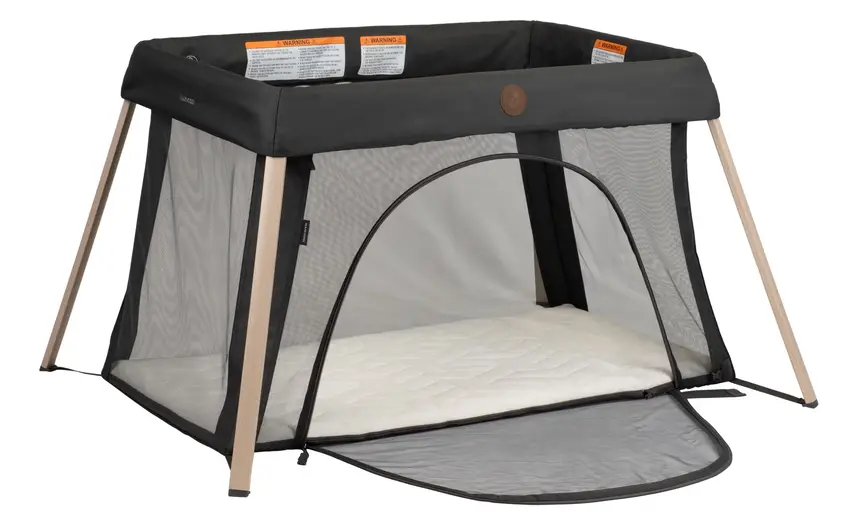


Maxi-Cosi Calao Light Travel Cot
A light travel cot with a newborn level and a toddler level, a side zip and a travel bag.
Read our full review →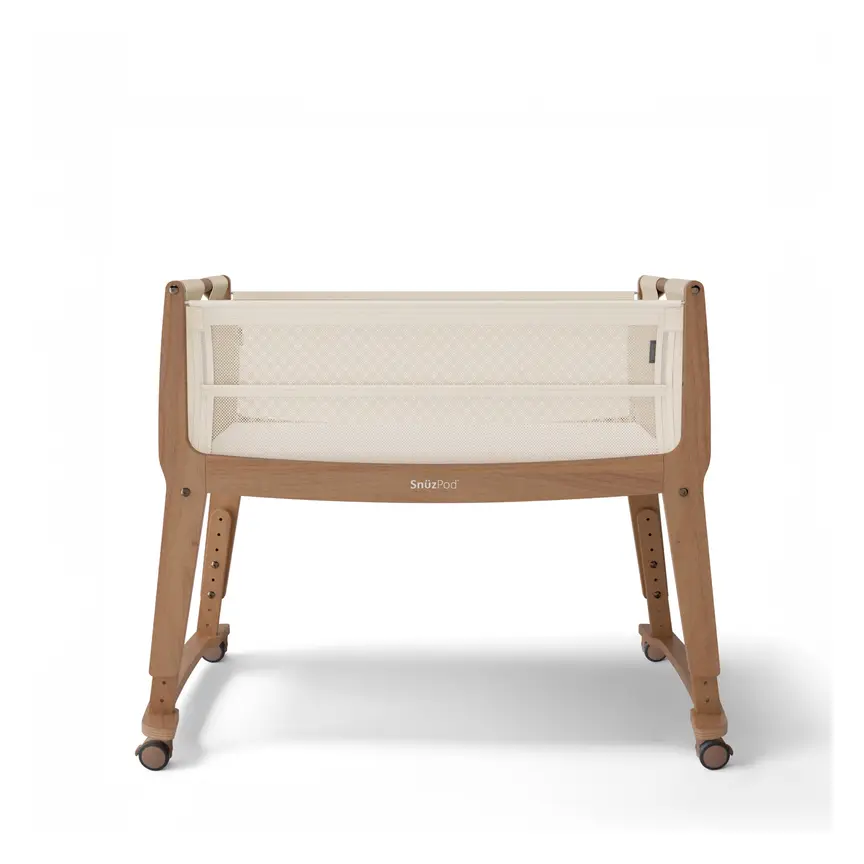 Reviewed
SnuzPod Studio
A bedside crib for night sleeps and naps, with panoramic mesh and a zip-down wall.
Read our full review →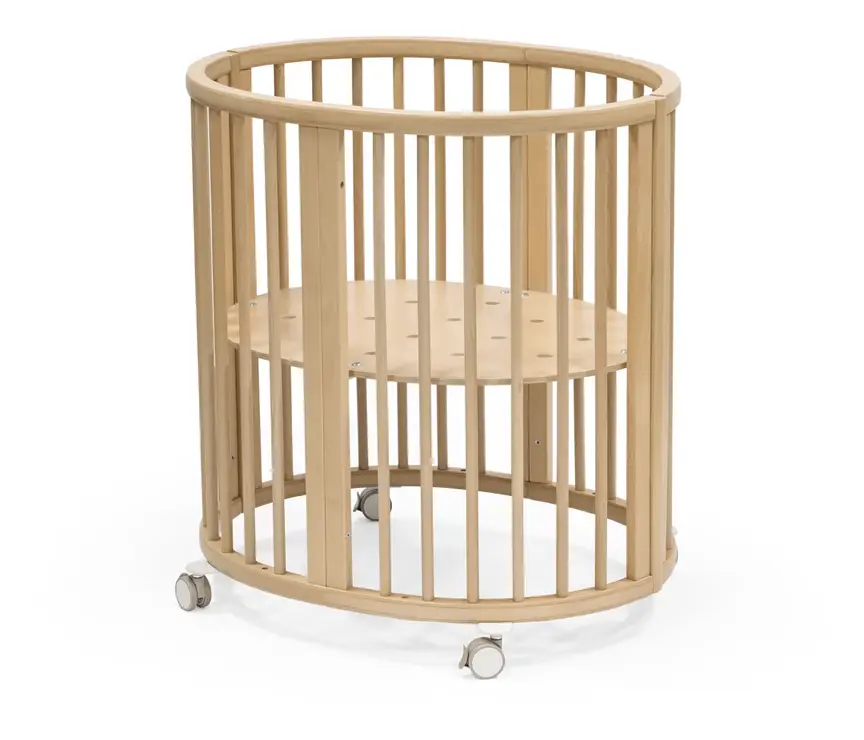
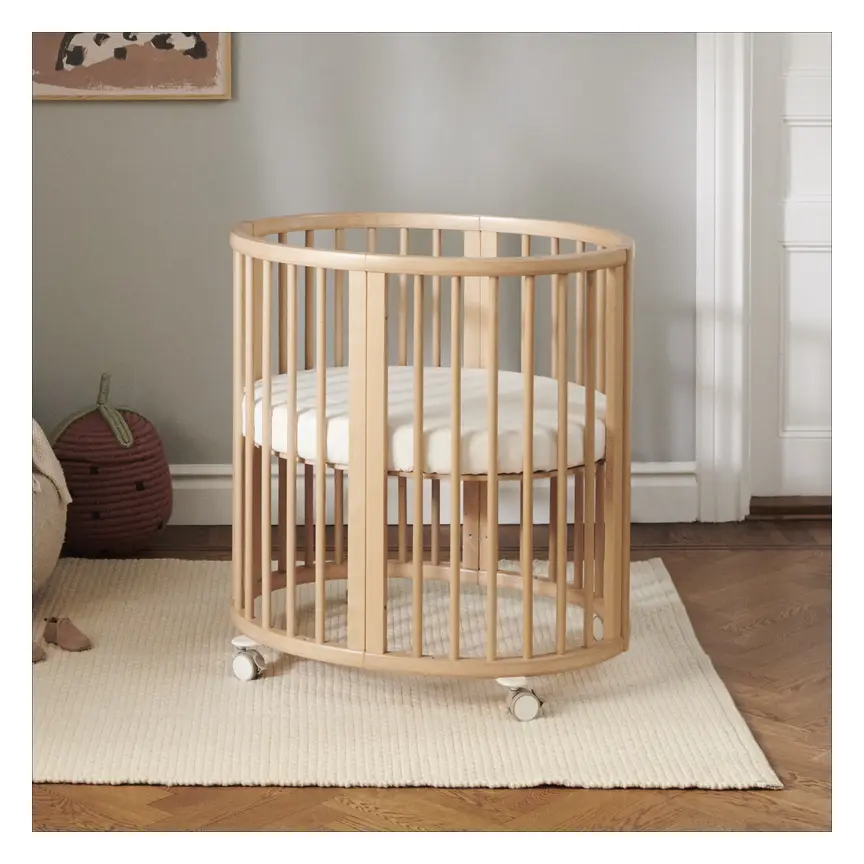
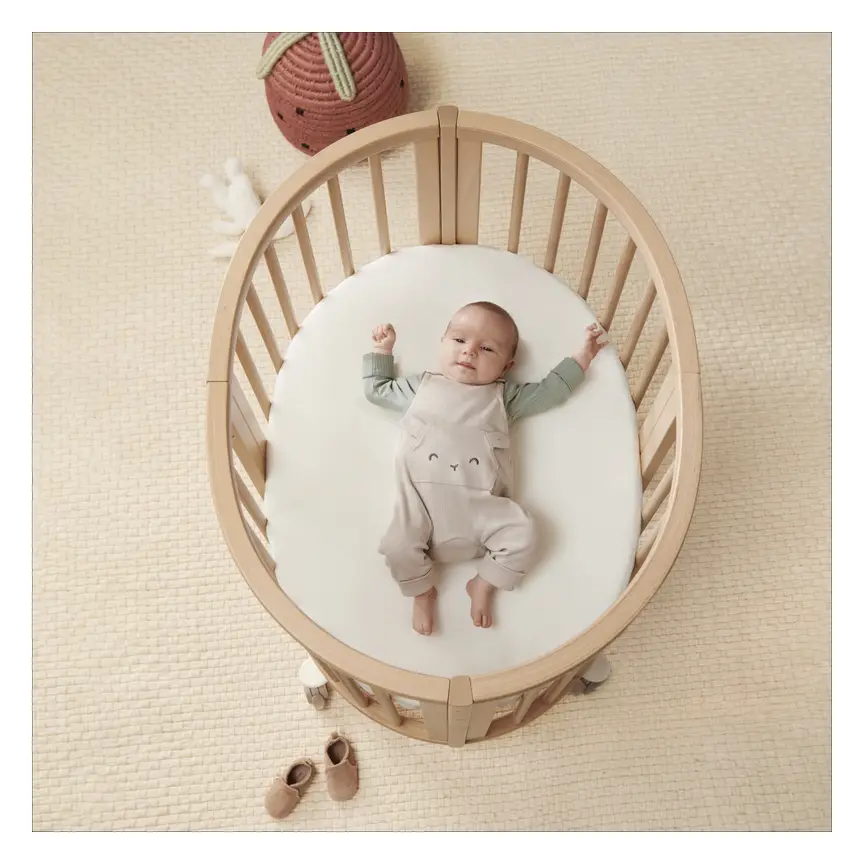

Stokke Sleepi Mini
A beech wood oval crib for newborns, with rods and a holed base for airflow.
Read our full review →Compare all cots, bassinets & bedside sleepers in our reviews →
Frequently asked questions
Is a travel crib safe for a newborn every night?
In the US and the UK, yes, as long as the travel crib meets local safety standards and has a firm, flat pad with no loose bedding. In Australia, Red Nose says a standard cot meeting AS/NZS 2172 is best for everyday sleep, and folding cots are meant for short-term use. In Canada, Health Canada recommends a standard crib for daily sleep. Check your local rules and make sure the sleep surface is completely bare and flat.
Can I put a thicker mattress in a travel crib?
No. Never put an extra mattress, topper, or folded blanket inside a travel crib. Official bodies in Australia, the UK, the US, and Canada all warn against this. Extra padding creates gaps between the mattress and the soft mesh sides where a baby can get trapped and suffocate.
How long can a baby sleep in a travel crib?
It depends on the model and your child's size. Many travel cribs have a weight limit of around 13 to 15 kg and a height limit of around 85 to 90 cm. Always check your manual. You must stop using it earlier if your child tries to climb out.
Are mesh sides safe for a baby's breathing?
Yes, tight breathable mesh is designed to let air move freely. It also lets you see your baby clearly from your bed. Just make sure the mesh has no tears, loose threads, or large holes where fingers or toes could catch.
What is the difference between a travel crib, a portacot, and a play yard?
They are mostly different names for the same type of product. "Portacot" is common in Australia. "Travel cot" is common in the UK. "Travel crib" or "play yard" is common in the US and Canada. Always check the label to be sure it is approved for infant sleep in your country.
When should we move from a travel crib to a bed?
Move your child as soon as they reach the height or weight limit, or as soon as they show signs of climbing out. For many children, this happens between 18 months and 3 years old. When you move them, make sure the whole bedroom is child-safe, with heavy furniture anchored to the wall and cords out of reach.
Sources
- Red Nose Australia – Portable and folding cots
- Raising Children Network – Safe cots, portacots and mattresses
- Product Safety Australia (ACCC) – Folding cots mandatory standard
- The Lullaby Trust (UK) – Safer sleep on holiday
- The Lullaby Trust (UK) – Keeping a clear cot
- American Academy of Pediatrics (US) – A parent's guide to safe sleep
- CPSC (US) – Safe sleep: cribs and infant products
- Caring for Kids (Canadian Paediatric Society) – Safe sleep for babies
Related guides
More Car Seats & Travel →
Using a Travel Crib as a Permanent Bed: Pros, Cons and Safety Rules

How to Choose a Safe Travel Crib or Portable Cot for Your Baby
How to Make Sure a Travel Crib or Portacot Is Safe and Secure for Your Baby