Road Trips with Kids: Car Seat Tray Safety, Breaks and Easy Activities
Plan calmer road trips with kids: use car seats safely, choose simple activities, pack easy snacks, and plan regular stops for every age.
On this page
- What a car seat tray can and cannot do
- Start with the car seat, not the tray
- How to decide whether to use a tray
- Tray features: useful, unnecessary and risky
- Comparison: tray and other activity choices
- Make a trip plan that fits your child
- Road trips with babies
- Road trips with toddlers
- Road trips with preschoolers and school-age children
- Food, drinks and small objects
- Comfort, temperature and motion sickness
- Common mistakes to avoid
- Official guidance in Australia, the UK, the US and Canada
- Frequently asked questions
- Road trip checklist
- Sources
Short answer: A car seat tray may hold toys or drawing things, but it is not a safety device. Use one only if the car seat maker allows it. It must not change how the seat fits, how the harness works, or how your child sits. Keep hard, sharp and loose items away from your child. Plan stops, food, water and quiet activities before you leave. The driver must focus on the road.
Car seat guidance comes from different bodies in each country. In Australia, check Product Safety Australia, state road rules and child restraint guidance. In the UK, check GOV.UK and the Office for Product Safety and Standards. In the US, check the National Highway Traffic Safety Administration. In Canada, check Transport Canada and the Canadian Paediatric Society.
What a car seat tray can and cannot do
A tray can give a child a place to rest a book, soft toy or colouring pad. Some children enjoy having their things close by. A tray can also catch crumbs. It may help keep small activities in one place.
A tray does not make a car seat safer. It does not replace the harness, seat belt or correct installation. It cannot stop a child from being hurt in a crash. A tray is an optional accessory. You do not need one for a safe or pleasant trip.
There is no single tray design that suits every child or seat. A tray that fits one seat may interfere with another. A universal strap does not prove that an accessory is suitable for your seat. Check both instruction manuals before using it.
Do not use a tray if the car seat maker says not to. Do not attach it in a way that changes the harness path or tightness. Do not put straps around the child or seat unless the seat maker directs this. If you cannot confirm compatibility, leave it out.
Start with the car seat, not the tray
Choose and install the child seat according to your child’s size and the seat instructions. Follow local laws. Keep using each seat stage until your child reaches its stated size limit. Do not move to the next stage just because a child seems bored or wants a better view.
Read the car seat manual and your vehicle manual. The car seat manual explains the child’s position, harness, recline and installation. The vehicle manual explains which seating positions and attachment points are allowed.
- Use a seat approved for the country where it will be used.
- Check that the seat suits your child’s height and weight.
- Install it using the method allowed by both manuals.
- Check the harness each time you buckle your child in.
- Keep your child’s face clear and airway open.
- Do not add cushions, inserts or covers unless the maker allows them.
- Do not alter the seat or use parts that did not come with it.
Car seat laws differ by location. They can also vary within a country. Check the rules for every state, province or territory on your route. A seat accepted in one country may not meet another country’s rules.
How to decide whether to use a tray
First ask whether your child needs a tray. Many children do well with one soft toy or a song. A tray can add clutter and give a child more loose items to handle. Keep the choice simple.
If you are considering a tray, check these points before buying or using it:
- Ask the seat maker. Read the seat manual. Check the maker’s current instructions if the manual is unclear.
- Check the vehicle position. Make sure the tray will not interfere with the seat belt, buckle, door, or front seat.
- Check the harness. The tray must not push the harness away from the child or make it hard to tighten.
- Check movement. The tray must not swing, slide, or press into the child during ordinary travel.
- Check the material and edges. Avoid sharp corners, hard protrusions and parts that can break into small pieces.
- Check cleaning. Food and drink can spill. Pick a surface that can be cleaned as the maker directs.
- Check for recalls. Look at the product safety recall pages for your country.
These checks cannot prove that an unapproved tray is safe in a crash. Only the car seat maker can tell you whether an accessory is allowed with that seat. If you cannot get a clear answer, do not use it.
Car Seats & Capsules worth a look
Real products from our catalogue. We don't show star ratings or review counts; check the current price, stock and reviews on Amazon before you buy.
 Reviewed
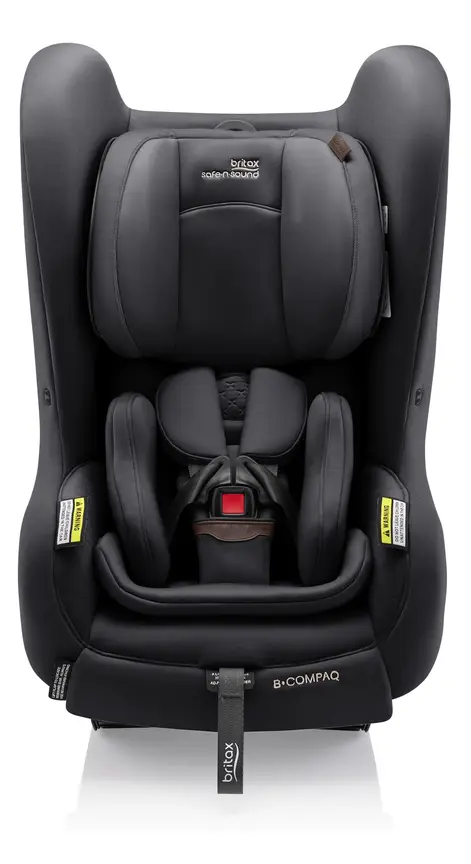
Britax Safe-n-Sound B-Compaq Lux
A convertible seat made for small cars with little room in the back.
Read our full review →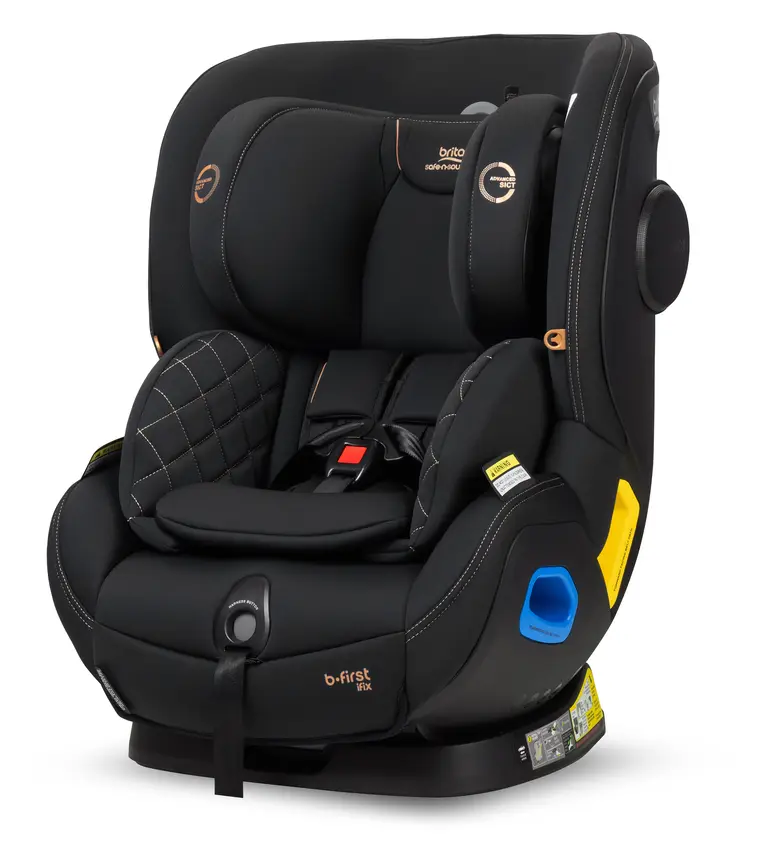
Britax Safe-n-Sound b-first+
Convertible seat from Britax's Australian Safe-n-Sound range with SICT deployable side-impact protection.
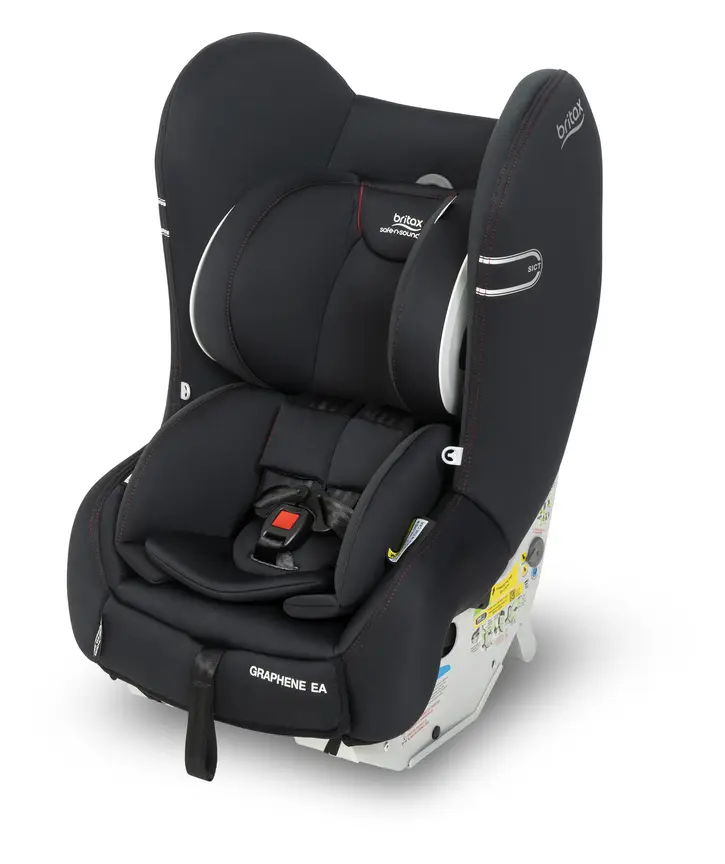
Britax Safe-n-Sound Graphene EA
Britax's Australian convertible seat with SICT side-impact technology, designed to reduce crash energy reaching your child's chest.
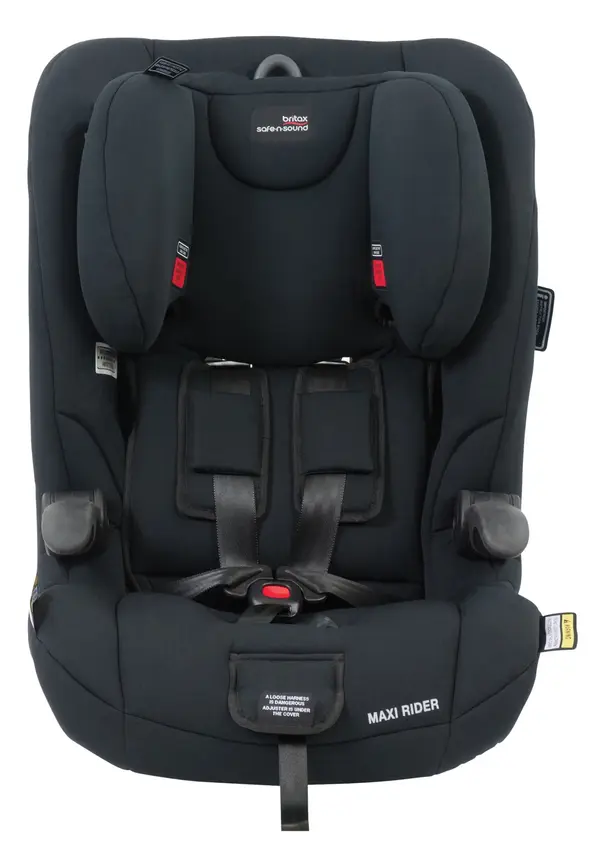


Britax Safe-n-Sound Maxi Rider
A seat with a harness from 12 months to about 4 years. Then it becomes a booster up to 6–8 years.
Read our full review →Tray features: useful, unnecessary and risky
Marketing often makes a tray sound essential. Think about the actual trip and your child. Simple features may help with tidying. Other features may add weight, straps or parts without making travel better.
- Easy-clean surface: helpful if the maker approves the tray. Wipe it after spills.
- Raised edge: may keep a soft toy or book from sliding during normal driving. It cannot keep objects safe in a crash.
- Large surface: can hold more items, but also encourages more clutter.
- Loose straps: can shift or snag. Do not use them unless the car seat maker permits the exact fit.
- Hard cup holder: can hold a drink while parked. A hard cup or bottle may become a dangerous loose object during a sudden stop.
- Electronic toys: may distract the child or driver. Use them only if they can be secured safely.
- Many small parts: can be hard to clean and may be unsuitable for young children.
A tray is not a place to pile snacks, bottles and toys. Keep the space near the child clear. Put extra belongings in a closed bag or secured storage area.
Comparison: tray and other activity choices
| Choice | Possible benefit | Things to check | Good fit when |
|---|---|---|---|
| No tray | Less clutter and fewer loose objects | Keep a small toy or book within safe reach only when secured | Your child is content with songs, talk or one soft item |
| Car seat maker-approved tray | A set place for a book or soft activity | Follow both manuals; keep harness and seat fit unchanged | The maker confirms the exact accessory works with the seat |
| Soft activity book | Quiet, light and easy to pack | Check for loose parts and age suitability | A younger child likes looking, touching or listening |
| Audio stories or music | No object needs to sit on the child’s lap | Keep volume comfortable and the driver focused | Children enjoy listening together |
| Drawing board or paper | Can suit older children who can manage it | Use only if it does not block the harness; avoid hard tools | A grown-up can supervise and the child can hold it safely |
| Handheld screen | Can offer a familiar show or game | Secure the device; avoid items that could fly forward | Used for a planned part of a long journey |
No activity makes a car seat safer. Choose the option that does not interfere with the restraint. Keep the driver free from questions and dropped items where possible.
Make a trip plan that fits your child
Children cope better when the plan fits their needs. Think about sleep, meals, toilet stops, motion sickness and time outdoors. Leave room for delays. A timetable that allows no breaks can make everyone tense.
Before leaving, check the route and likely stop points. Choose places where your family can get out safely. A service area or rest stop may offer toilets, shade and space to move. Check opening times and access needs ahead of time.
- Pack the child’s everyday care items where an adult can reach them.
- Keep spare clothes and wipes near the door or in a top bag.
- Put medicines in their original packaging and follow the clinician’s directions.
- Charge devices before leaving, and bring chargers that suit your vehicle.
- Set up maps and music before driving.
- Agree who will respond to children if there is another adult in the car.
- Tell older children when the next planned stop is.
Do not handle a phone, snack or toy while driving. If you need to help a child, stop somewhere safe first. Never leave a child alone in a parked car. A parked car can become dangerously hot, even when the weather feels mild.
Road trips with babies
Babies need care stops for feeding, nappy changes and comfort. Plan places to stop where you can take the baby out of the car seat. Follow the seat maker’s instructions for travel and breaks. If your baby needs feeding or settling, stop safely first.
Use the correct car seat for your baby’s size. Check the harness and position before each journey. Bulky coats can affect harness fit. Follow the car seat maker’s advice about clothing and harness adjustment.
A car seat is designed for travel. It is not a routine sleep space outside the car. When you reach your destination, move a sleeping baby to a firm, flat sleep surface that is made for sleep. Keep the sleep space clear and follow your local safe-sleep advice.
Do not attach toys, mirrors, fans or other items to the seat unless the seat maker says they are allowed. Avoid hanging objects near the baby’s face. Check the baby during stops, rather than turning around while driving.
Breastmilk and formula need safe handling. Pack feeds in a way that follows health guidance for your country. Keep clean feeding items separate from used items. Do not leave prepared feeds in a warm car.
Road trips with toddlers
Toddlers often want to move, touch and ask questions. They still need a suitable child restraint. Keep the harness fastened for every trip, even a short one. Do not loosen it to make a tray fit.
Offer simple choices before the car moves. Your child might pick between two soft toys or two songs. Put only one or two items within reach. A small selection is easier to manage than a full bag on the seat.
Plan stops around care needs and the route. Let your toddler walk and play in a safe place during a stop. Do not let a child wander near traffic, parking areas or water. Keep close supervision at all times.
Snacks can be a choking risk, especially when a child is moving or not sitting upright. Follow age-appropriate food advice. Offer food only when the child is properly seated and an adult can watch. Avoid foods that your child cannot chew safely.
Side by side: more car seats & capsules to compare
Real products from our catalogue. We don't show star ratings or review counts; check the current price, stock and reviews on Amazon before you buy.
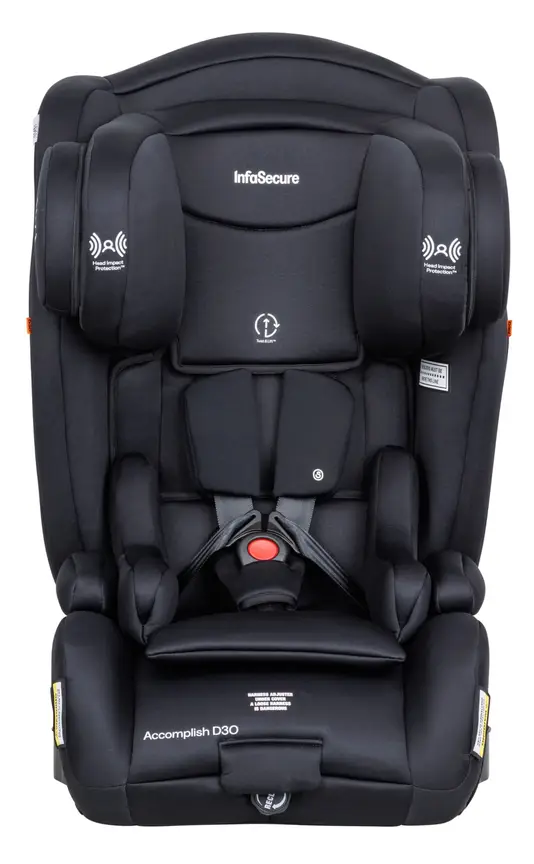

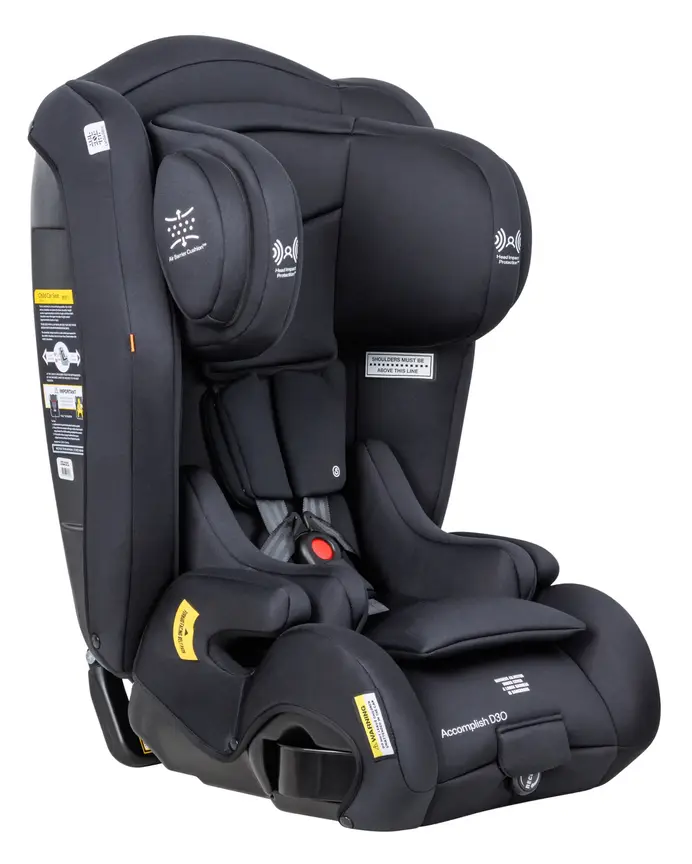
InfaSecure Accomplish D30
A seat with a built-in 6-point harness that can be used up to a large 8-year-old.
Read our full review →


Joie Armour
A convertible seat with a steel inner shell and an extra side-impact panel you can switch on.
Read our full review →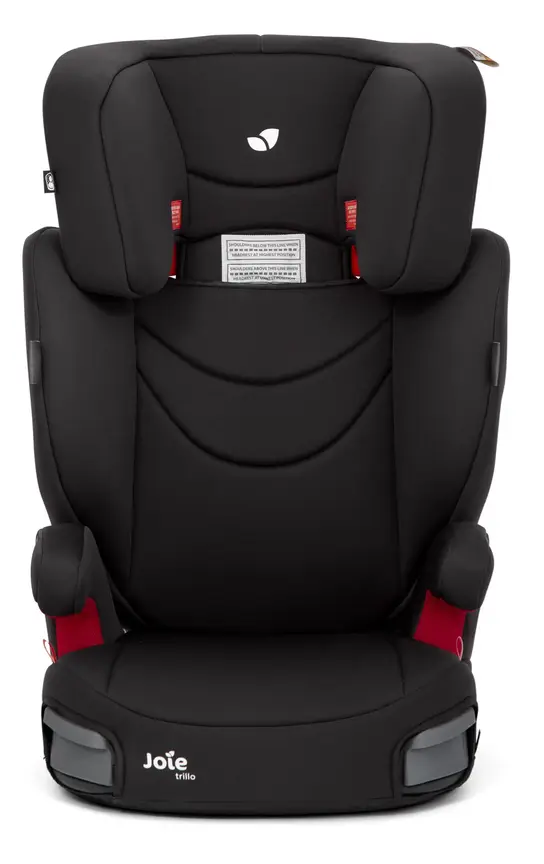
Joie Trillo
A high-back booster with a 7-position headrest that grows with your child.

Maxi-Cosi Pria
A convertible seat that goes from rear-facing to forward-facing, with a belt lock to help get a firm fit.
Road trips with preschoolers and school-age children
Older children can help choose activities and pack a small bag. Explain that the car seat or booster stays fastened until the car stops. Make the rules clear before the trip begins.
Try activities that do not need many loose pieces:
- Listen to a story, music or a family playlist.
- Play a simple spotting game, such as finding a red car.
- Tell a story one sentence at a time.
- Use a reusable activity book with safe, child-friendly parts.
- Take turns choosing a song or asking a question.
- Use a screen for a planned period, then switch to another activity.
Do not expect children to stay busy for the whole drive. Boredom is normal. A short break, a drink or a change in activity may help. If a child needs the toilet, stop safely. Do not let them unbuckle while the vehicle is moving.
Food, drinks and small objects
Food can make a trip easier, but it needs planning. Pack items that suit the child’s age and usual diet. Choose food that is easy to handle while parked. Keep cold food cold and clean hands before eating.
Do not pass food or drink to a child while driving if it distracts you. Pull over first. Avoid glass containers and heavy bottles near the child. Store them in a secured bag or compartment.
Small objects can be hard to see when dropped. They may roll under pedals or distract the driver. Keep loose items off the floor near the driver. Give a child only items that are suitable for their age and can be used safely in a seat.
If a child drops something, do not reach back while driving. Stop in a safe place before retrieving it. Make this rule clear to older children too.
Comfort, temperature and motion sickness
Dress children for the temperature inside the car. Avoid bulky layers that stop the harness sitting as the maker directs. Check the child during stops. Do not cover a baby’s face or block airflow with blankets or accessories.
Use the vehicle’s climate controls safely. Never leave a child alone in a car, even with the air conditioning running. A vehicle can become unsafe if the system stops or the child gets out of their restraint.
Some children feel sick during travel. Ask a health professional for advice if this happens often or causes concern. Keep a bag, wipes and spare clothes easy to reach. Stop when it is safe if your child feels unwell.
Do not give medicine for travel sickness unless a health professional says it suits your child. Medicines can have side effects and age limits. Follow the label and professional advice.
Common mistakes to avoid
- Assuming every tray is safe. Check the seat instructions and ask the maker about the exact accessory.
- Changing the harness to fit the tray. The harness must fit as the seat maker directs.
- Loading the tray with hard objects. Loose objects can move during sudden braking.
- Using a tray as a restraint. It cannot replace a car seat or harness.
- Feeding while distracted. Stop if a child needs help with food or drink.
- Letting a child unbuckle. Keep the child restrained until the vehicle is safely parked.
- Leaving a child in the car. Take the child with you whenever you leave the vehicle.
- Skipping checks after a stop. Recheck the child’s harness before moving again.
- Relying on online reviews for safety approval. Use the car seat maker and official safety guidance.
- Assuming a foreign seat meets local rules. Check the requirements where you will drive.
Official guidance in Australia, the UK, the US and Canada
Road rules and approved seats differ across countries. Check the official source for the place where you are driving. These sources explain child seats and safe travel.
| Country | Official body or source | What to check |
|---|---|---|
| Australia | Product Safety Australia, state and territory road authorities, and Pregnancy, Birth and Baby | Car seat guidance, local restraint rules and safe travel with babies and children |
| United Kingdom | GOV.UK and the Office for Product Safety and Standards | Child car seat rules and product safety information |
| United States | National Highway Traffic Safety Administration | Car seat and booster seat guidance, plus heatstroke prevention |
| Canada | Transport Canada and the Canadian Paediatric Society | Seat choice, installation, use and child passenger safety |
For Australia, look up the rules in each state or territory. Product Safety Australia gives consumer advice about car seats. Pregnancy, Birth and Baby offers guidance for car travel with children.
For the UK, GOV.UK explains child car seat rules. The Office for Product Safety and Standards handles product safety information. Follow the seat instructions and the rules for the UK nation where you travel.
For the US, the National Highway Traffic Safety Administration shares car seat and booster guidance. It also warns adults never to leave a child alone in a car.
For Canada, Transport Canada explains how to choose and use child seats. Provincial and territorial rules may differ. Check local guidance for your journey.
The listed guidance focuses on child restraints and travel safety. It does not approve every tray on the market. Ask the car seat maker about compatibility.
More options, from budget to premium
Real products from our catalogue. We don't show star ratings or review counts; check the current price, stock and reviews on Amazon before you buy.
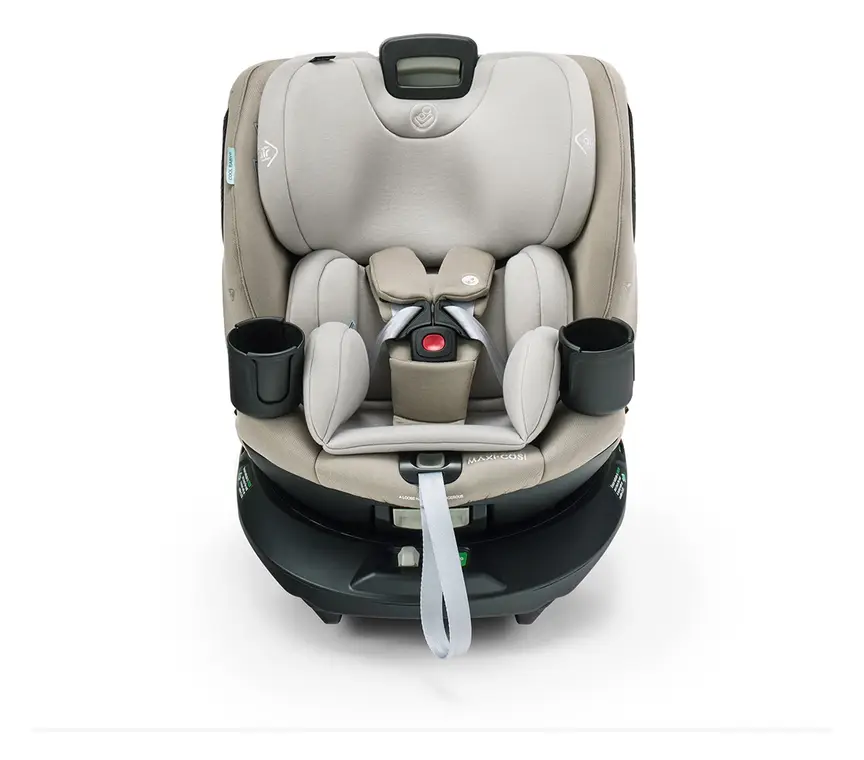
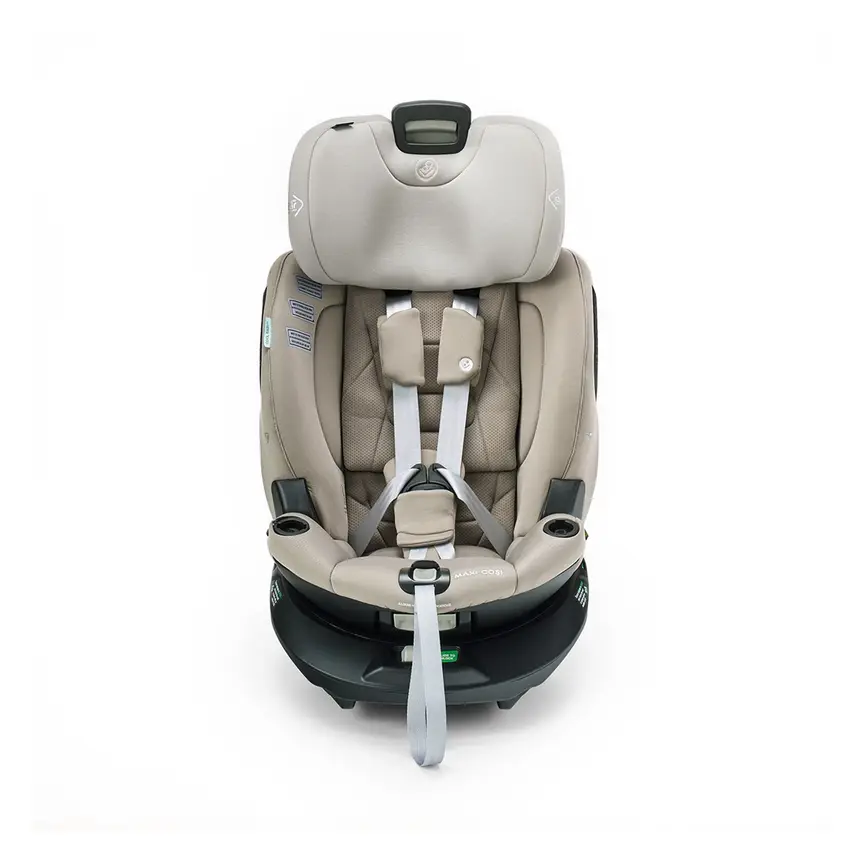
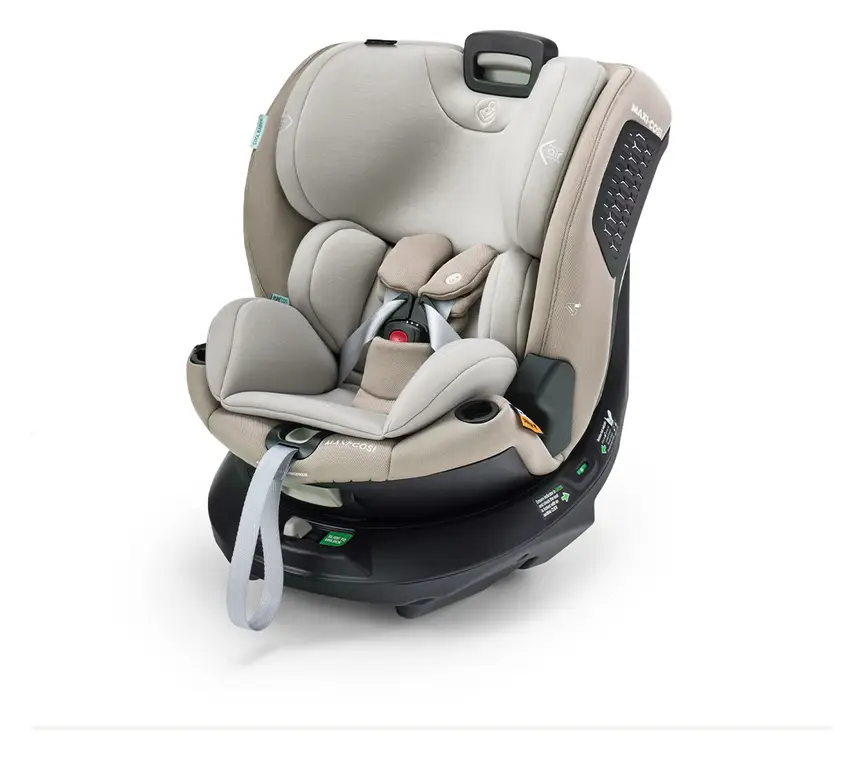
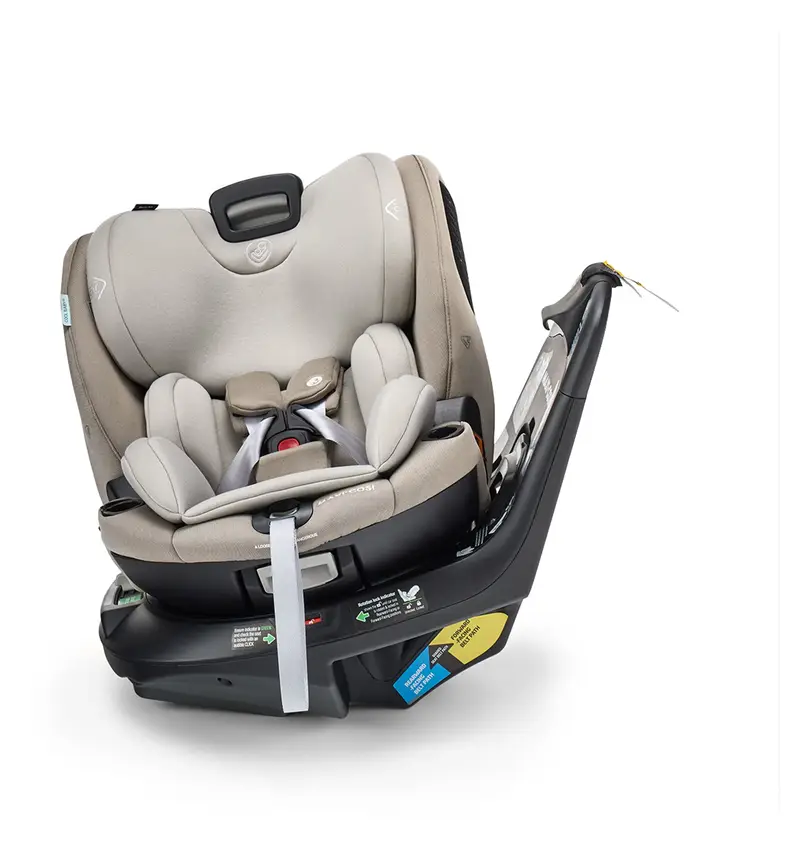
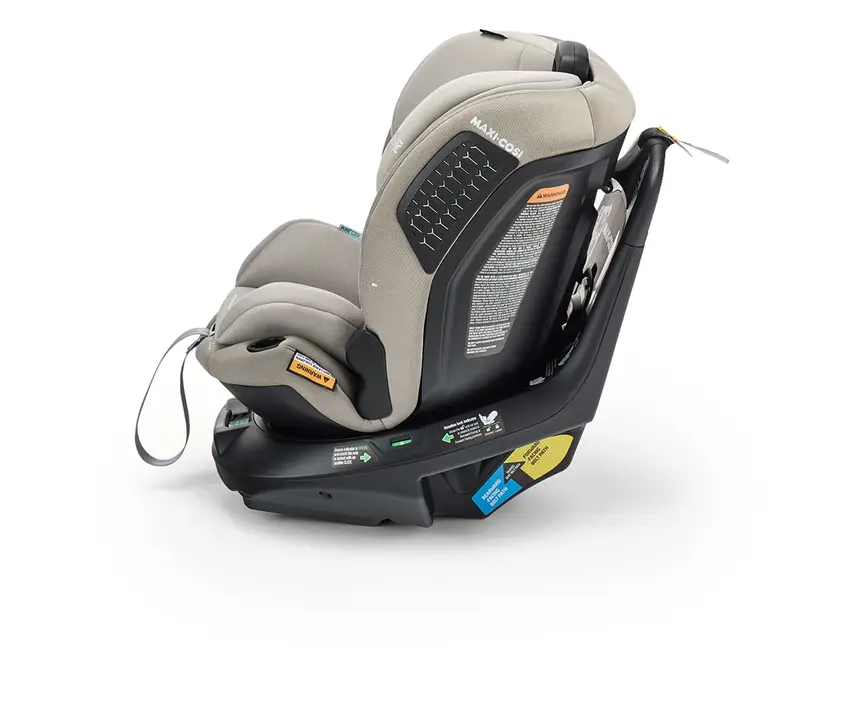

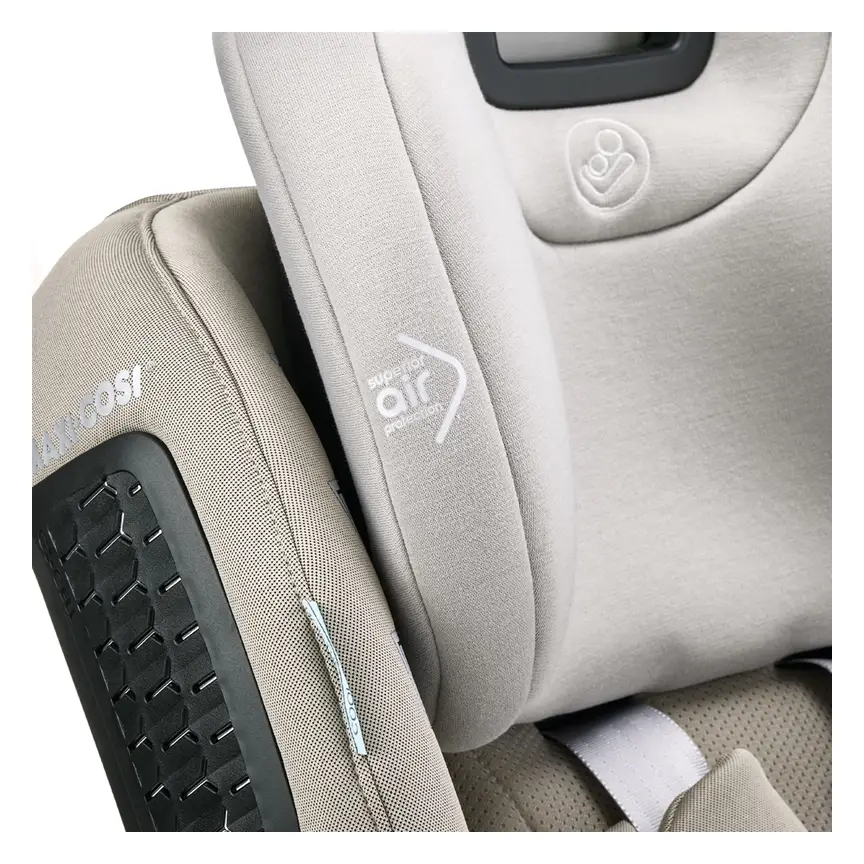
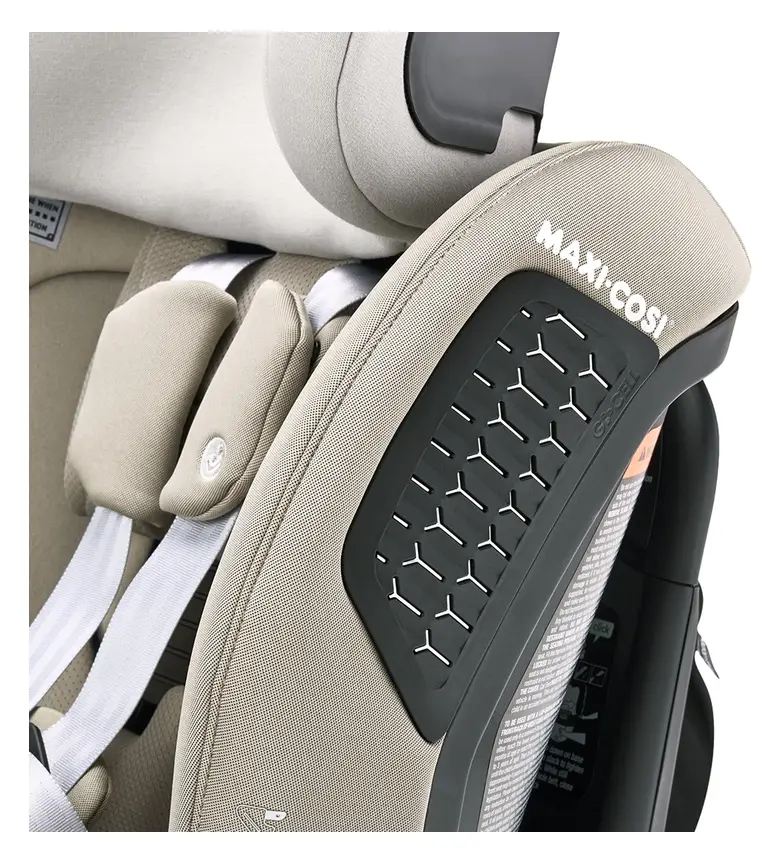
Maxi-Cosi Raia 360
A rotating seat with green check marks that show when the belt is tight enough.
Read our full review →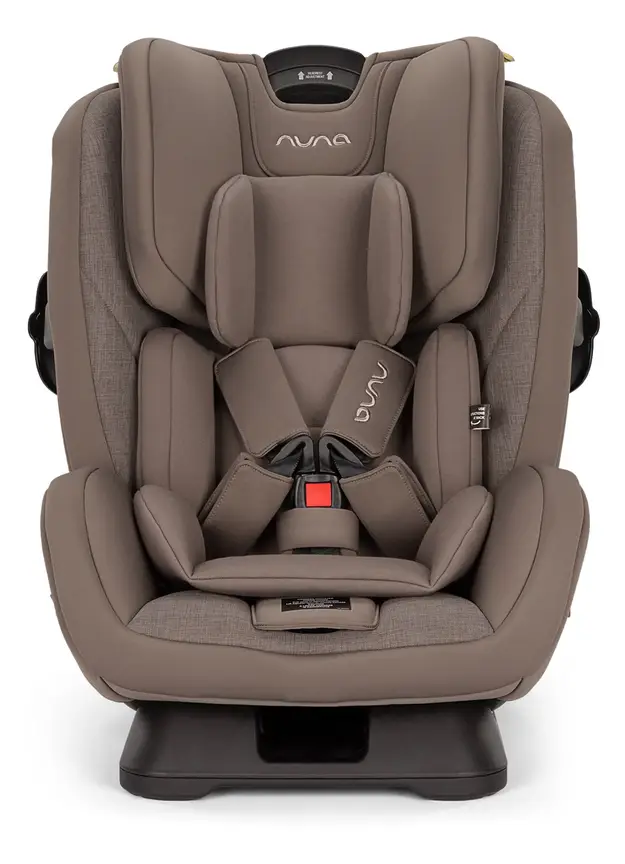 Reviewed
Nuna REVE
A convertible seat from birth to about 4 years, rear-facing to about 30 months, with a no-rethread harness.
Read our full review →
Babylove ezymove Booster
A very light, low-cost booster for about 4 to 8 years. It folds flat for storage.
Frequently asked questions
Does my child need a car seat tray?
No. A tray is optional. Many families travel without one. Start with the car seat maker’s advice and your child’s needs. A simple toy, song or story may be enough.
Can I attach a tray to any car seat?
No. A tray may not fit every seat. Check the car seat manual and ask the maker about the exact tray. Do not use it if you cannot confirm that it is allowed.
Can a tray replace a car seat table or harness?
No. A tray is not a restraint. Your child must use the correct car seat or booster and follow its instructions for every trip.
What should I put on a tray?
If the maker allows the tray, keep it simple. Choose a soft toy or light book that suits your child’s age. Avoid hard, sharp, heavy or small loose items.
Can my child eat in the car seat?
Follow age-appropriate food advice and watch your child closely. A child should sit upright and be supervised while eating. Stop safely if your child needs help or becomes distressed.
How often should we stop?
There is no one break schedule for every family. Plan stops around your child’s age, feeding, toilet needs and comfort. Follow your car seat maker’s travel advice, especially for babies.
Can my baby sleep in the car seat after we arrive?
A car seat is for travel. When you arrive, move a sleeping baby to a firm, flat sleep surface made for sleep. Follow safe-sleep advice in your country.
Can I leave my child in the car while I pay for fuel?
No. Take your child with you. Never leave a child alone in a vehicle, even for a short time.
What if a tray blocks the harness buckle?
Do not use it. The harness and buckle must work as the car seat maker directs. Remove the tray and contact the maker if you need help checking the fit.
Road trip checklist
- Check the route, traffic and safe places to stop.
- Check local child restraint rules for the full journey.
- Read the car seat and vehicle manuals.
- Confirm any tray is approved for the exact seat.
- Pack water, suitable food, wipes and spare clothes.
- Keep loose items secured and away from the driver.
- Set maps and audio before you start driving.
- Plan activities that do not change the harness fit.
- Stop safely when a child needs care or attention.
- Take every child with you when leaving the vehicle.
A calm trip comes from a safe seat, simple plans and breaks when needed. A tray may suit some families, but it is never essential. Follow the car seat maker’s instructions and official local guidance. BabyGearFinder may earn a commission from some links. This does not change the price you pay. This article is general information, not medical or legal advice. Check with your health professional or local authority for advice about your child.
Sources
- Pregnancy, Birth and Baby – Car travel with babies and children
- Product Safety Australia (ACCC) – Car seats guide
- GOV.UK – Child car seats: the rules
- UK Office for Product Safety and Standards
- NHTSA (US) – Car seats and booster seats
- Transport Canada – Child car seat safety
- Caring for Kids (Canadian Paediatric Society) – Car seat safety
Related guides
More Car Seats & Travel →
Travelling with Kids: How to Choose and Use a Convertible Travel Car Seat
Kids’ Headphones for Flights and Road Trips: Volume Limits, Fit and Noise Cancelling

How to Keep Your Baby Safe and Cosy with an Infant Car Seat Insert