











Travel Cots: Real Benefits, Safe Use and How to Choose One
What a travel cot does well, what it does not do, and how to use one safely at home or away. Rules from Australia, the UK, the US and Canada side by side.
On this page
- Key points
- What a travel cot is
- The real benefits of a travel cot
- What a travel cot does not do
- The rules in Australia, the UK, the US and Canada
- How to choose a travel cot
- Travel cot compared with other sleep spaces
- How to set up a travel cot safely
- Sleep rules once your baby is in the cot
- Using a travel cot by age
- Using a travel cot at home
- Using a travel cot on holiday and in hot or cold places
- Cleaning and caring for your travel cot
- Second-hand travel cots and recalls
- Common mistakes to avoid
- Quick checklist before every sleep
- Frequently asked questions
- Final thoughts
- Sources
Short answer: A travel cot is a light, folding cot. It gives your baby a safe place to sleep at a grandparent's house, in a hotel or on a camping trip. Many families also use one at home. It does not lower the risk of sudden infant death on its own. Safe sleep still depends on how you use it. Put your baby on their back, on the firm mattress that came with the cot, with nothing else inside. Make sure every lock is fully clicked in.
This advice matches the main safe sleep groups in four countries. They are Red Nose and Product Safety Australia in Australia, the Lullaby Trust and the NHS in the UK, the American Academy of Pediatrics and the Consumer Product Safety Commission in the US, and the Canadian Paediatric Society and Health Canada in Canada.
Key points
- Main benefit: a safe, familiar bed that goes where your baby goes.
- Mattress: use only the thin, firm one made for that cot. Never add a second mattress or soft padding.
- Locks: check that the frame and the sides are locked before every use.
- Position: always on the back, with the face and head uncovered.
- Extras: toys, mobiles and bumpers are not needed for sleep. Take them out.
- Used one: check for recalls, and make sure it has all its parts and its instructions.
What a travel cot is
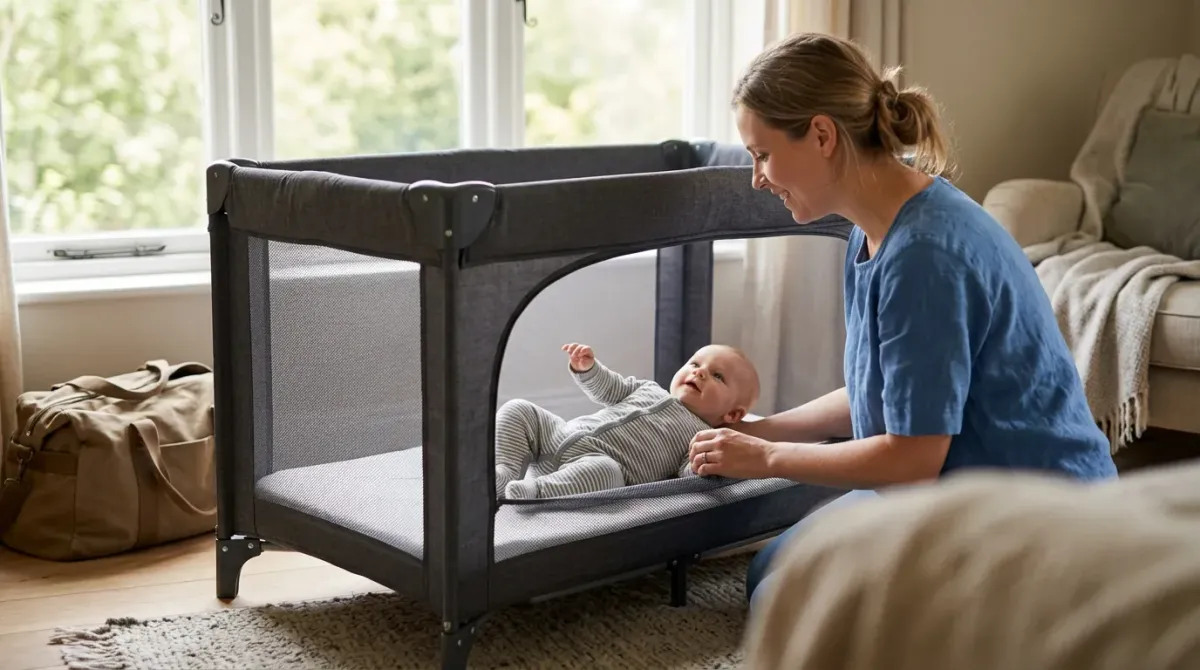
A travel cot is a cot that folds down small. It usually has a frame, mesh or fabric sides, and a thin mattress. It packs into a bag. You can carry it in a car boot or on a plane.
The name changes from place to place. In Australia, people say portacot or portable cot. In the UK, it is a travel cot. In the US, you will see the words play yard, playpen or pack and play. In Canada, you may hear playpen or portable crib. They are very close to the same thing. Some can be used for sleep and for play. Always read the label to see what yours is made for.
A travel cot is not the same as a bassinet. A bassinet is smaller. It is made for the first few months. A travel cot is bigger. Most are made to last until your child is a toddler. The weight and height limits are on the label, so check them.
The real benefits of a travel cot
The old advice on this topic had some good points. It also had some claims that went too far. Here are the benefits that hold up.
1. A safe bed in any place
Safe sleep rules do not stop when you leave home. Red Nose and the Lullaby Trust both say a baby needs a safe sleep space every time they sleep. That includes holidays and visits. A travel cot gives you that space. You do not have to borrow a bed that may be unsafe. You do not have to put your baby in a bed with adults. You do not have to let your baby sleep on a couch.
Sleeping on a couch or sofa with a baby is very risky. Red Nose and the NHS warn about it. A travel cot helps you avoid that choice when you are tired and far from home.
2. A familiar place to sleep
Babies like routine. The same cot, the same mattress and the same sheet can feel familiar in a new room. The smell and the look of their own bed can help them settle. This will not work for every baby. But many parents find it helps. It is a gentle benefit, not a promise.
3. It is light and quick to set up
Most travel cots fold in a few steps. You can carry them with one hand. Many come with a carry bag. This is handy when you are also carrying a baby, a bag and a car seat. A cot that takes ten minutes of struggling is a poor choice when you are tired. Try folding and unfolding it before you buy, or before your trip.
4. It saves space at home
A full-size cot takes up a lot of floor. Many families live in small flats or share rooms. A travel cot can fold away in the day. It can be set up in a parent's room at night. That is useful if your baby sleeps in your room for the first months. Red Nose, the Lullaby Trust and the AAP all say room sharing is a good idea in the early months. Room sharing means your baby sleeps in their own safe bed in your room. It does not mean sharing a bed.
5. It is often cheaper than a full cot
Travel cots often cost less than a full-size cot, a bassinet and a play space bought one by one. This depends on the brand and the model. Prices change often, so we do not give any here. Check current prices at the shop before you buy. Do not pay extra for add-ons you do not need.
6. A second sleep space is handy
If you have a full cot at home, a travel cot is a good spare. Use it at the grandparents' house. Use it in a downstairs room. Use it when the main cot is being cleaned. It means your baby always has a safe place to sleep, wherever the day takes you.
7. It can double as a safe play space
Many travel cots work as a play yard when the mattress is out or the sides are used differently. Check the instructions. Never leave your baby alone in it for long. Never use the play setting for sleep unless the maker says it is safe. The US Consumer Product Safety Commission has rules for play yards. They cover things like the strength of the sides and how the frame locks.
What a travel cot does not do
The old post said a travel cot can lower the chance of sudden infant death. That claim goes too far. No cot can promise that. What lowers the risk is how you put your baby to sleep. The safe sleep groups give clear steps:
- Put your baby on their back for every sleep.
- Keep the face and head uncovered.
- Use a firm, flat mattress that fits the cot well.
- Keep soft things out of the cot, such as pillows, bumpers and toys.
- Keep your baby smoke-free before and after birth.
- Sleep your baby in their own safe bed, in your room, for the first months.
A travel cot makes some of these steps easier. It does not do them for you. A badly set up travel cot can be less safe than a good full-size cot.
The old post also praised built-in mobiles, soft plush bedding, calming vibrations and extra padding. Safe sleep groups say to keep a cot clear. A mobile hung over a sleeping baby can fall. Soft bedding can cover a baby's face. Use these extras only for awake play, if at all. Take them out for sleep.
It also said a cot protects against falls and getting caught between slats. Mesh sides help with some risks. But a baby can still be hurt if the sides are not locked, or if the mesh is torn. Look at the cot each time.
Cots, Bassinets & Bedside Sleepers worth a look
Real products from our catalogue. We don't show star ratings or review counts; check the current price, stock and reviews on Amazon before you buy.
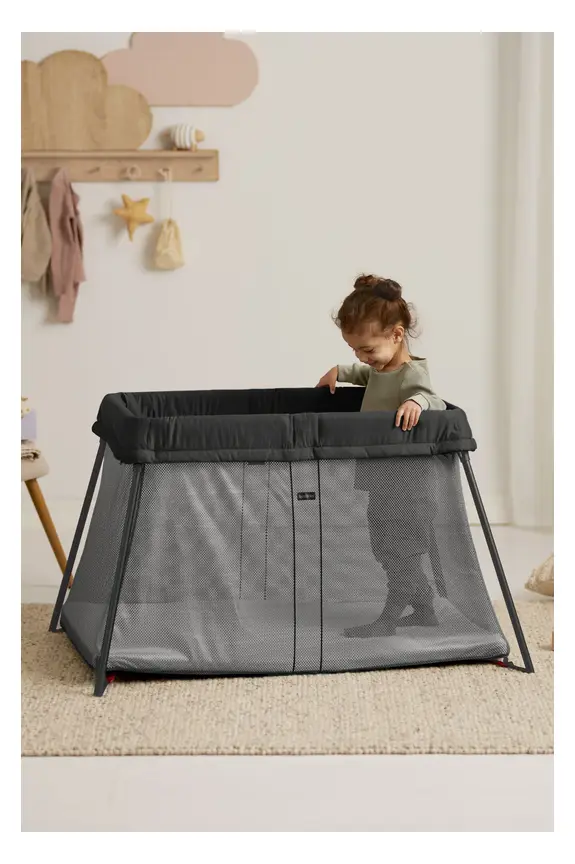
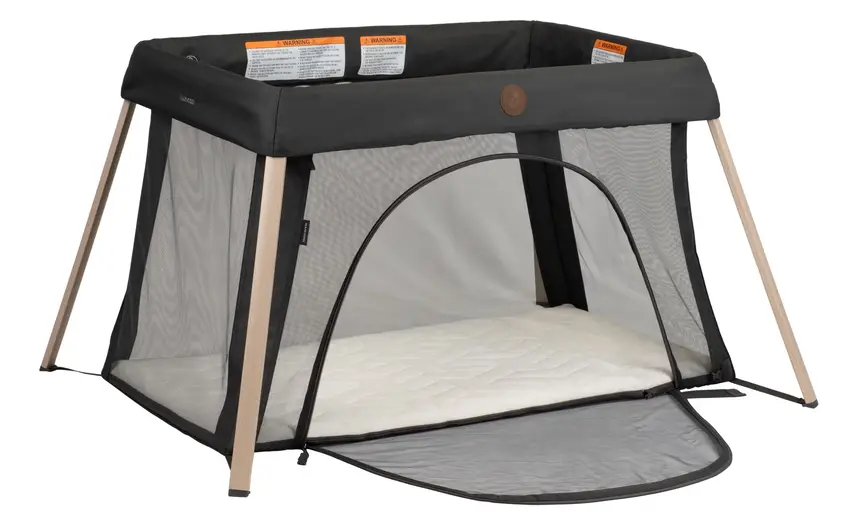


Maxi-Cosi Calao Light Travel Cot
A light travel cot with a newborn level and a toddler level, a side zip and a travel bag.
Read our full review →

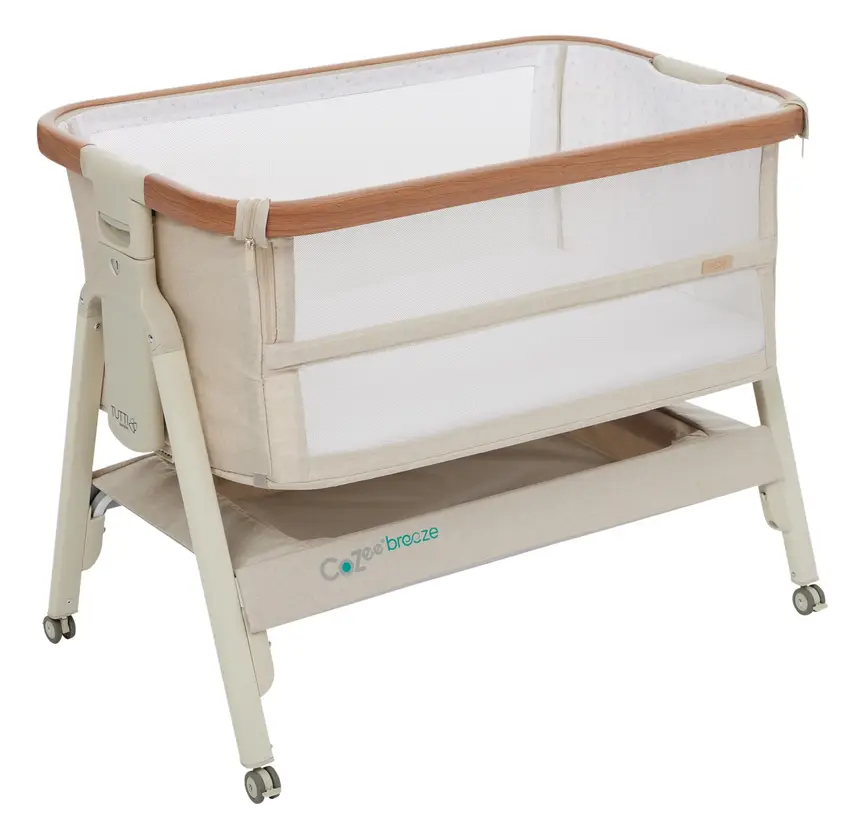
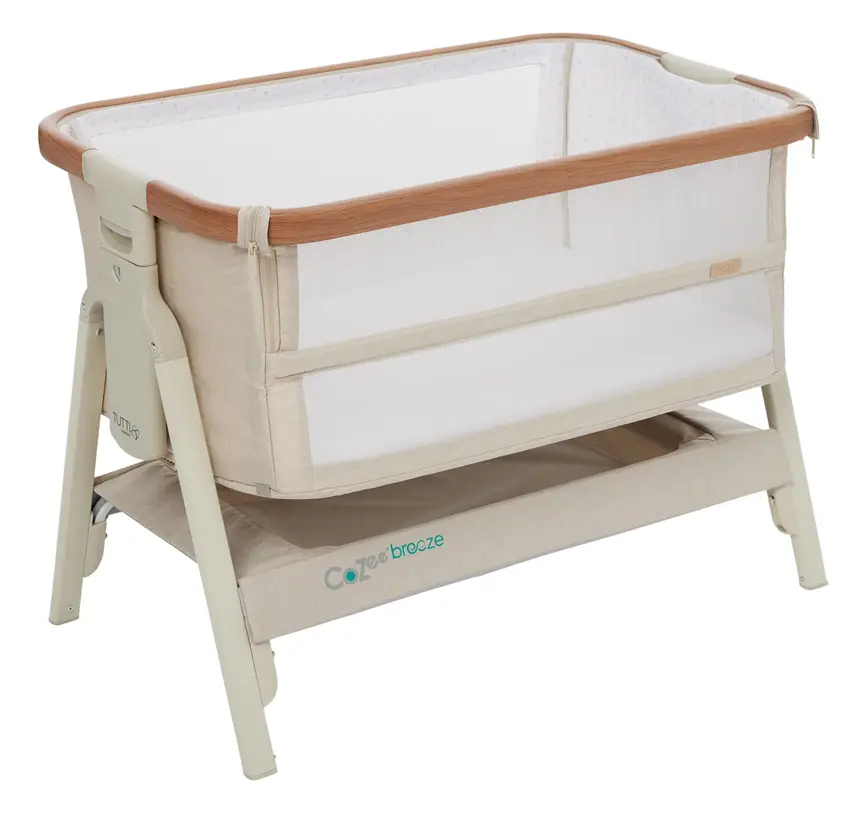
Tutti Bambini CoZee Breeze Lite
A bedside sleeper that opens or folds in about 30 seconds, with mesh sides and a travel bag.
Read our full review →Compare all cots, bassinets & bedside sleepers in our reviews →
The rules in Australia, the UK, the US and Canada
Each country has its own rules for folding cots. The groups below do different jobs. Some make laws. Some give advice. All of them agree on the big points.
| Topic | Australia | UK | US | Canada |
|---|---|---|---|---|
| Who sets rules | Product Safety Australia (ACCC) has a mandatory standard for folding cots | Office for Product Safety and Standards | Consumer Product Safety Commission (CPSC) | Health Canada |
| Who gives sleep advice | Red Nose | The Lullaby Trust and the NHS | American Academy of Pediatrics and NICHD Safe to Sleep | Canadian Paediatric Society (Caring for Kids) |
| Product standard to look for | AS/NZS 2195 for folding cots | BS EN 716 for cots for home use | ASTM F406 for play yards and non-full-size cribs | Health Canada rules for cribs, cradles and bassinets |
| Mattress | Use the one made for the cot | Use the one made for the cot | Use the one made for the cot | Use the one made for the cot |
| Position | On the back | On the back | On the back | On the back |
| Soft items in cot | None | None | None | None |
| Check for recalls | productsafety.gov.au/recalls | UK government product safety pages | cpsc.gov | recalls-rappels.canada.ca |
In Australia, a mandatory standard means a shop cannot legally sell a folding cot that does not meet it. The standard covers things like gaps, locks and how strong the frame is. Product Safety Australia also has a guide for parents on how to choose and use these cots.
In the US, the CPSC runs a play yard rule that all makers must follow. The CPSC also has a safe sleep page. It warns about products that are not safe for sleep.
In Canada, Health Canada keeps a recalls site. It is worth checking, especially for second-hand cots. The Canadian Paediatric Society's Caring for Kids site has clear safe sleep advice for parents.
In the UK, the Lullaby Trust has a page on safer sleep on holiday. It is a good one to read before you travel.
How to choose a travel cot
You do not need the most costly one. You need a safe one that fits your life. Use this list.
Check the safety label first
- Look for the standard that fits your country. In Australia, look for AS/NZS 2195. In the UK, look for BS EN 716. In the US, look for a label that says it meets the play yard rule, and for ASTM F406.
- Be careful with cots bought from overseas websites. They may not meet the rules in your country.
- Read the age and weight limit. Stop using the cot when your child passes it.
Look at the locks and the frame
- The top rails should lock with a firm click. Try to pull them down. They should not move.
- The floor should sit flat when set up.
- The hinges should not have gaps where small fingers can be trapped.
- Good cots do not fold up by accident while a baby is inside.
Look at the sides and mesh
- The mesh should be small and tight. Your baby's fingers or buttons should not catch in it.
- There should be no holes, rips or loose threads.
- The mesh should let air through. This helps in hot weather.
- The top edge should have a strong cover without rips or chewed parts.
Look at the mattress
- It should be thin, firm and flat.
- It should fit snugly. There should be no gap between the mattress and the sides. A gap can trap a baby's head or limbs.
- Red Nose and the Lullaby Trust both say to use only the mattress that comes with the cot. Do not put a second mattress or a thick pad on top.
- If you need a new mattress later, buy one made for that cot model.
Think about size and weight
- How heavy is it? You may need to carry it up stairs or through an airport.
- How big is it when folded? Will it fit in your car boot?
- Does it come with a bag?
- Can you fold it with one hand? Test this with a friend watching, in a quiet place.
Think about cleaning
- Fabric covers that wipe down are easier to keep clean.
- Spare sheets that fit the mattress are useful. Use only fitted sheets made for that size.
- Check the label for washing instructions.
Travel cot compared with other sleep spaces
A travel cot is one choice among several. Here is how it compares.
| Travel cot | Full-size cot | Bassinet or cradle | |
|---|---|---|---|
| Best use | Away from home, or as a spare | Main bed at home | First months, in the parent's room |
| Age range | Newborn to toddler, within the weight and height limit on the label | Newborn to toddler or older child | Newborn until baby is about to roll or pass the limit on the label |
| Carry and store | Folds small and easy to carry | Does not fold | Some fold, many do not |
| Mattress | Thin and made for that cot | Thicker, must fit the cot | Small, made for that bassinet |
| Main risk to watch | Locks not engaged, extra bedding added | Mattress gaps, loose bedding | Using it past the age or weight limit |
| Standard to look for | AS/NZS 2195 (AU), BS EN 716 (UK), ASTM F406 (US) | AS/NZS 2172 (AU), BS EN 716 (UK) | AS/NZS 2195 does not apply. Check the bassinet's own label, such as BS EN 1130 in the UK. |
If you can only buy one thing, a full-size cot that meets the standard is a strong choice for the home. If you travel a lot or have little space, a good travel cot can do the job. Many families own both.
How to set up a travel cot safely
- Read the instructions. Each model is a little different. Keep the booklet in the carry bag.
- Check for damage. Look at the frame, the mesh and the stitching. Do not use a cot with torn mesh or bent parts.
- Open it on a flat floor. Pull the sides up and out until they stop.
- Lock the top rails. Listen for the click. Push down on each rail to check it holds.
- Push the floor flat. Many cots have a hinged base. It must lie flat before the mattress goes in.
- Place the mattress. Use only the one made for this cot. Check that there are no gaps at the edges.
- Add only a fitted sheet. Use a sheet made for the mattress size. It must be tight and flat.
- Leave the cot bare. No pillow, no bumper, no toy, no loose blanket.
- Check the spot. Keep the cot away from curtain and blind cords, heaters, windows and hot lights. Cords can strangle a baby. Product Safety Australia and the CPSC both warn about this.
- Do a last test. Shake the cot a little. It should feel firm and not wobble.
Doing this every time takes about two minutes. It is worth it. Many problems come from a cot that looked locked but was not.
Sleep rules once your baby is in the cot
These rules come from the groups named above. They are the same for a travel cot as for any cot.
- Back to sleep. Lay your baby on their back for every sleep, day and night.
- Bare cot. Nothing but your baby and a fitted sheet. A baby sleeping bag with armholes can keep them warm without loose blankets.
- Face clear. No hat or beanie for sleep indoors. No cloth over the cot.
- Feet to the end. Place your baby with their feet near the bottom, so they cannot slide under covers.
- Room share. Keep the cot in your room for the first months.
- Smoke-free. Do not smoke around your baby.
Never put a baby to sleep on top of the travel cot mattress with extra pillows or a thick topper. This is a common mistake when parents worry that the mattress looks thin. The thin, firm mattress is meant to be that way. A soft surface can be dangerous.
Using a travel cot by age
Newborn to about 3 months
Many travel cots have a bassinet insert for newborns. If so, use it only as the maker says. Check the weight limit on the insert. Some models do not have one. A newborn can sleep in the main cot on the mattress. Keep it bare.
About 3 to 6 months
Your baby is growing. Check the weight and length limits. If your baby starts to roll, stop using any insert. Make sure the cot floor is flat and the mattress is firm.
6 to 12 months
Babies this age may pull up on the sides. Watch for this. A baby who can stand can sometimes climb out. Check the height of the sides against the label. Lower the mattress base if the cot allows it.
One year and older
Toddlers can climb. Many travel cots have a limit on height or weight, or on whether the child can stand and climb. When your child can climb out, stop using the cot. A bed on the floor may be a better step. Red Nose has advice on when to move a child from a cot to a bed. Do not rush this move if the child is still safe in the cot.
Side by side: more cots, bassinets & bedside sleepers to compare
Real products from our catalogue. We don't show star ratings or review counts; check the current price, stock and reviews on Amazon before you buy.

4baby Snuggle Cuddle Bedside Sleeper
A low-cost bassinet that turns into a bedside sleeper, with 4 heights and mesh sides.
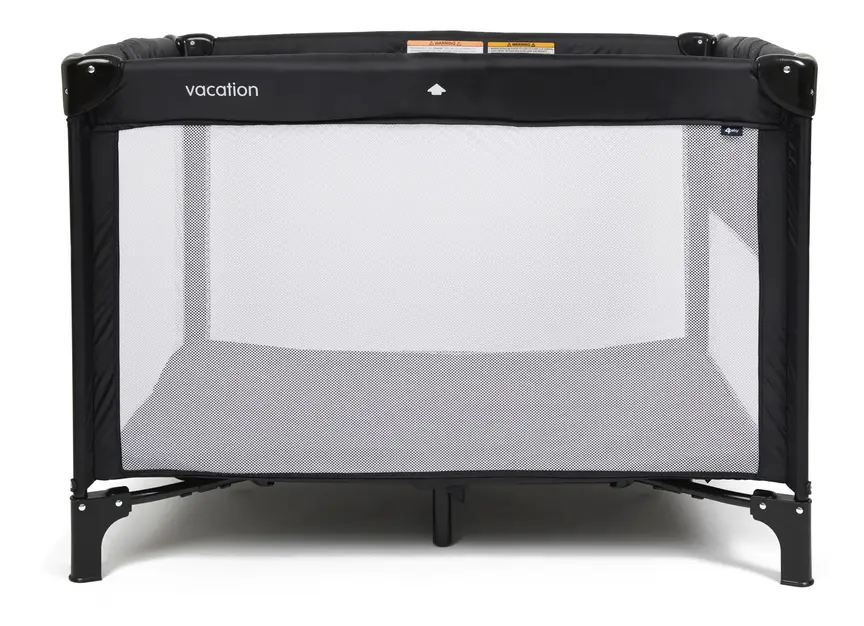
4baby Vacation Portacot
A low-cost portacot with a padded mattress and mesh sides.

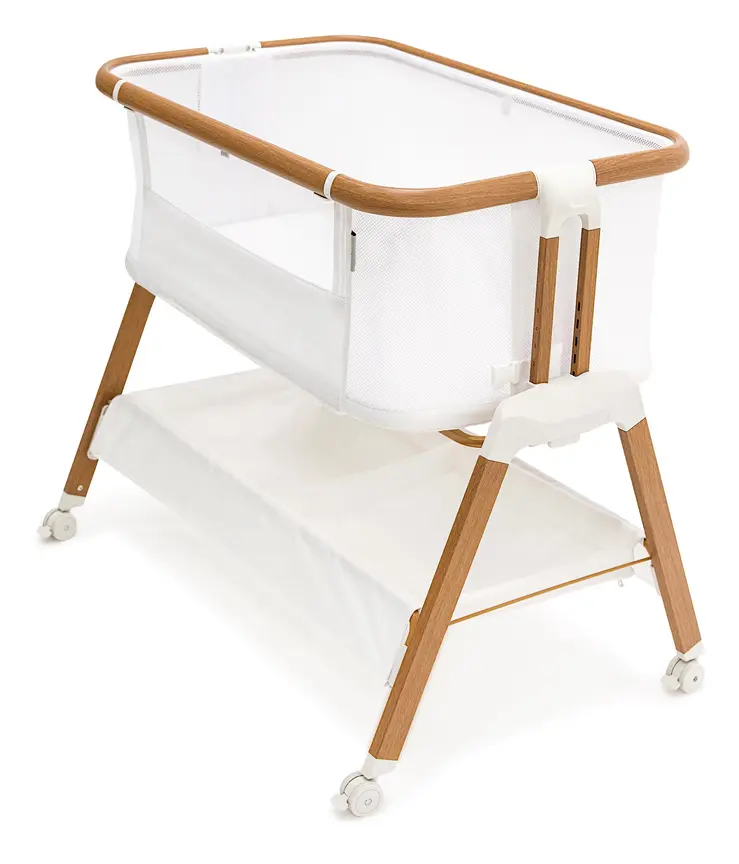
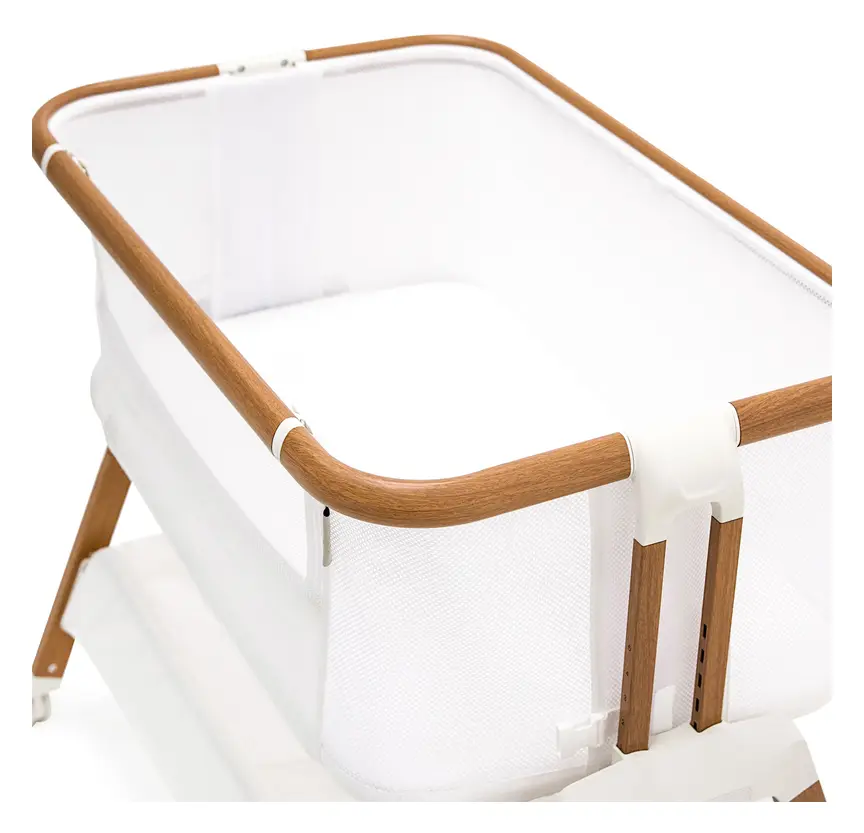
BabyRest Alfie2 Bedside Bassinet
A bedside bassinet with 5 heights, a drop-down side, wheels and an insect net.
Read our full review →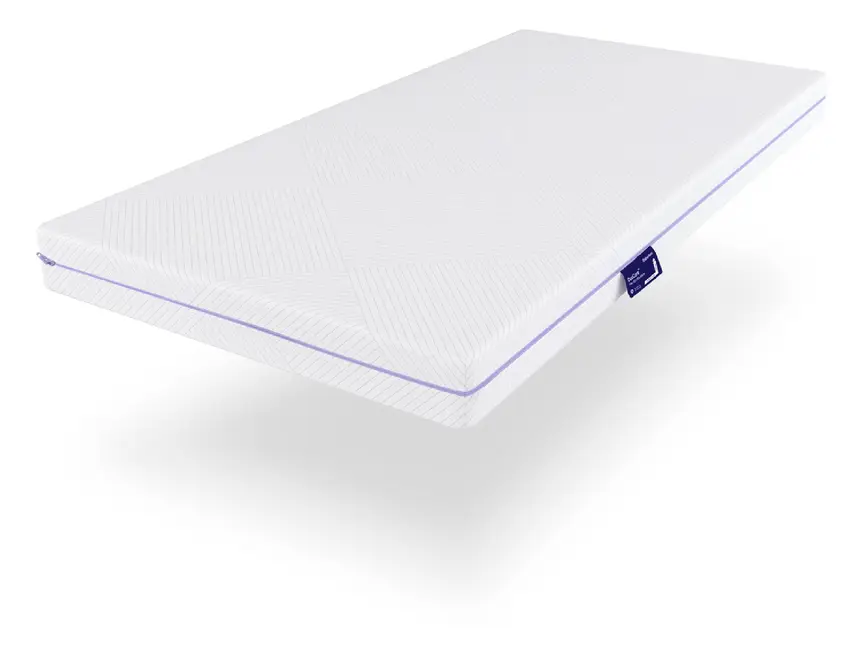
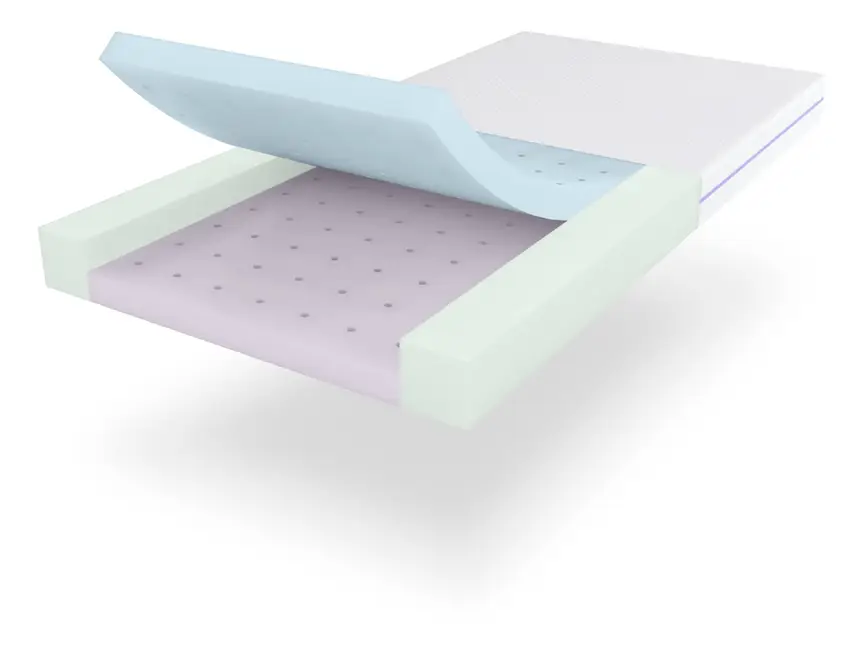

BabyRest Duocore Bamboo Cot Mattress
A two-sided mattress: a baby side to 12 kg and a toddler side from 12 kg to about 4 years.
Read our full review →Compare all cots, bassinets & bedside sleepers in our reviews →
Using a travel cot at home
Many parents use a travel cot as their main cot. This can work well. But keep a few things in mind.
- The mattress is thin. That is normal. Do not add padding.
- Check the locks often. A cot that stays set up can loosen with use.
- Look at the mesh every week for wear, especially if a baby chews the edge.
- Clean it often. Wipe the frame and wash the cover as the label says.
- Check the age and weight limit as your baby grows.
If you plan to use it every night for many months, think about whether a full-size cot is a better fit. A full cot may be more comfortable for a bigger baby. Also check that a travel cot is made for daily use. Some makers say theirs is for short stays only. The label or booklet will tell you.
Using a travel cot on holiday and in hot or cold places
Hotels and holiday homes
Some hotels have cots to borrow. You may not know how old they are or if they have been recalled. Bringing your own is often safer. You know its history. You know how to set it up. Ask the hotel if they can leave a quiet corner for it, away from windows and cords.
Flying
Airline rules vary. Some airlines carry a travel cot for free. Others have size limits. Check with your airline before you fly. Pack the cot in its bag so the frame does not get bent.
Camping
Red Nose has a page on safe sleep while camping. A travel cot can be a good choice in a tent. Keep it away from the tent walls and from heaters or lamps. Check the ground is flat. Keep insects out. Do not cover the cot with a cloth or blanket, because a covered cot can trap heat and block air.
Hot weather
Babies can overheat. Keep the cot out of direct sun. Use a fan in the room, but do not point it straight at the baby. Dress your baby in light clothes. Mesh sides help air move. Pregnancy, Birth and Baby has advice on keeping babies cool in hot weather.
Cold weather
Do not add blankets to stay warm. Use a baby sleeping bag that fits well. Check the room temperature. The Lullaby Trust gives a room temperature guide on its website.
Cleaning and caring for your travel cot
- Wipe the frame and mesh with a damp cloth and mild soap. Dry them well.
- Wash the sheet and any cover as the label says.
- Air out the cot before you pack it away. A damp cot can grow mould.
- Store it in its bag in a dry spot.
- Keep the booklet. You may need it for the model number if a recall is announced.
- Check the parts before every trip. Bent parts or loose screws mean it needs fixing or replacing.
Second-hand travel cots and recalls
A second-hand cot can save money. But it can also be a risk. Before you accept one, check these things:
- Does it have all of its parts?
- Does it have the instruction booklet? If not, look for it on the maker's website.
- Does it have a label with the maker, the model and a standard on it?
- Is the mesh whole? Are the locks firm? Is the frame straight?
- Has it been recalled? Search the model on your national recall site.
In Australia, search at Product Safety Australia's recall page. In the US, search the CPSC site. In Canada, search the Health Canada recalls site. In the UK, check government product safety pages. If you cannot find the model, it may be too old. Walk away if you are not sure.
Do not use a mattress from another cot. Do not use a travel cot that has been in a fire or flood. Do not use one that has been repaired with parts that do not come from the maker.
Common mistakes to avoid
- Adding a second mattress. A soft layer on top raises the risk. Use the one that came with the cot.
- Not checking the locks. A rail that is not locked can fold in. Always push down and listen for the click.
- Leaving toys, bumpers or blankets in. Take them out for sleep.
- Using it past the limit. Check weight and height. Check if your child can climb.
- Hanging things from the cot. Mobiles, cords and clips can fall or strangle.
- Putting the cot near cords, heaters or windows. Move it away.
- Using a damaged cot. Do not use torn mesh or bent frames.
- Letting a baby sleep in a car seat in the cot. Red Nose warns about babies sleeping in car seats. Take your baby out of the car seat as soon as you arrive.
- Using a travel cot as a bed for a big toddler. Once your child can climb out, it is not safe.
- Buying by looks or price alone. Look for the standard first.
Quick checklist before every sleep
| Check | Yes or no |
|---|---|
| Top rails locked and tested | Yes |
| Floor flat and firm | Yes |
| Only the made-for-this-cot mattress | Yes |
| Fitted sheet only, no loose bedding | Yes |
| No toys, bumpers or mobiles | Yes |
| Mesh and frame in good shape | Yes |
| Away from cords, heaters and windows | Yes |
| Baby on their back, face clear | Yes |
| Baby within the weight and height limit | Yes |
| No recall on this model | Yes |
More options, from budget to premium
Real products from our catalogue. We don't show star ratings or review counts; check the current price, stock and reviews on Amazon before you buy.
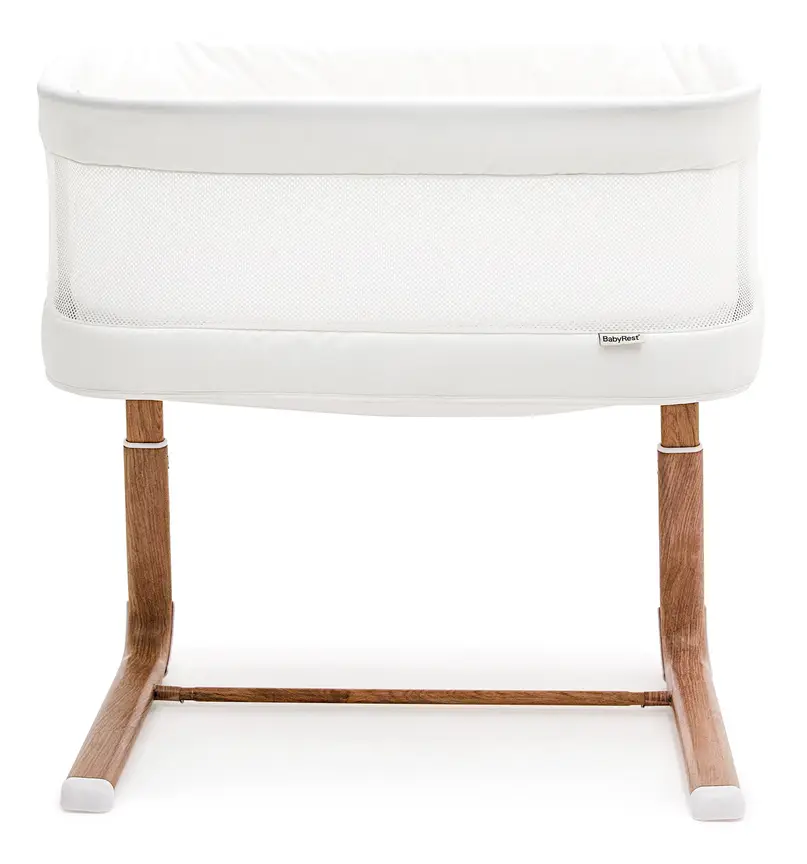


BabyRest Swan Smart Bassinet
A bassinet that rocks by itself when baby stirs, with 3 rocking levels, lullabies and a remote.
Read our full review →


Boori Matilda Cot Bed
A cot that turns into a toddler bed using its own end panels. No extra kit needed.
Read our full review →
Boori Oasis Oval Cot
A curved solid beech cot on lockable wheels, with two base heights.
Compare all cots, bassinets & bedside sleepers in our reviews →
Frequently asked questions
Can a baby sleep in a travel cot every night?
Yes, if the cot is made for it and meets the standard. Check the booklet for the maker's advice. Keep the mattress thin and firm. Do not add padding. Check the locks and mesh often. If your baby is a heavy sleeper or very active, a full-size cot may be more comfortable.
Is a travel cot safe for a newborn?
It can be. Use a newborn insert only if the maker made one for that cot. Follow the weight limit. Keep the cot bare. Always lay your baby on their back. Keep the cot in your room for the first months.
Can I put an extra mattress or pad in a travel cot?
No. Red Nose and the Lullaby Trust both say to use only the mattress made for the cot. An extra layer can leave gaps at the edges. It can also make the surface too soft. Both are dangerous.
Does a travel cot lower the risk of sudden infant death?
Not on its own. A cot is only one part of safe sleep. What helps is putting your baby on their back, on a firm flat mattress, in a bare cot, with a smoke-free home. The cot only gives you a safe place to do this.
How do I know if a travel cot meets the safety rules?
Look for the standard on the label. In Australia, that is AS/NZS 2195. In the UK, look for BS EN 716. In the US, look for ASTM F406 and a label saying it meets the play yard rule. In Canada, look for a Health Canada compliance label. Also search the recall site for your country.
When should I stop using a travel cot?
Stop when your child passes the weight or height limit. Stop when they can climb out or stand and lean over the side. Stop if the cot is damaged. Check the booklet for the limits of your model. Do not wait for a problem to happen.
Can I take a travel cot on a plane?
Often yes, but rules differ by airline. Some carry it free. Some have size limits. Check with your airline before the trip. Pack it in a bag to protect the frame.
Is a second-hand travel cot okay?
It can be, if it is in good shape and has not been recalled. It must have all its parts and a label with the model. Check it on your national recall site. If you are unsure, buy a new one that meets the standard.
Final thoughts
A travel cot is a handy, safe place to sleep when you use it well. Its best points are that it is light, easy to move and good for small spaces or trips. It will not make sleep safe by itself. Check the standard on the label. Lock every rail. Use only the mattress made for it. Keep it bare. Lay your baby on their back. If you do these things, a travel cot can serve your family well, at home and away.
Sources
- Red Nose Australia – Portable and folding cots
- Product Safety Australia (ACCC) – Folding cots mandatory standard
- Raising Children Network – Safe cots, portacots and mattresses
- The Lullaby Trust (UK) – Safer sleep on holiday
- US CPSC – Play yards business guidance (16 CFR 1221)
- American Academy of Pediatrics (US) – A parent's guide to safe sleep
- Caring for Kids, Canadian Paediatric Society – Safe sleep for babies
- Health Canada – Recalls and safety alerts
Related guides
More Car Seats & Travel →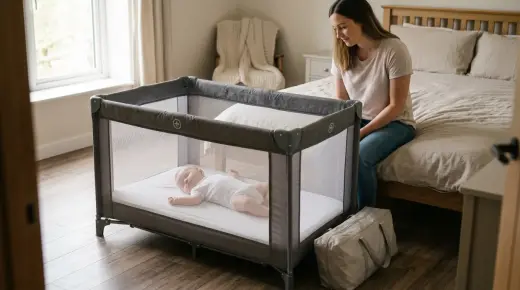
Travel Cots and Portable Cribs: How to Choose a Safe Folding Cot for Every Trip and Budget

Are Travel Cots Safe for Babies? What Makes Them Safe, and When They Aren't

How to Choose a Safe Travel Crib or Portable Cot for Your Baby
