








Clip-On Pram Fans: Bladeless vs Bladed, Finger-Safe Grilles and Hot-Weather Safety
Clip-on pram fans can move air on warm days, but they don't stop a pram overheating. How to choose a finger-safe fan, where to clip it and when to head…

On this page
- What a clip-on pram fan is
- What makes a grille "finger-safe"?
- What a fan can and can't do in hot weather
- Signs your baby is too hot
- Where to clip the fan
- Fan types compared
- Batteries and charging
- Other ways to keep your baby cool on the go
- Fans and sleep
- Hot-weather advice by country
- Cleaning and storing your fan
- By age and stage
- How to choose a pram fan: checklist
- Common mistakes
- FAQ
- Sources
Short answer: A clip-on pram fan can help move a little air around your baby on a warm day. A bladeless fan, or a fan with a fine, finger-safe grille, is the safer choice because small fingers and hair can't reach the blades. But a fan doesn't cool a pram that is too hot, and it can't fix a pram that has been covered with a cloth. The things that keep a baby safe in hot weather are shade, airflow, light clothing, drinks and getting out of the heat. Think of a fan as a small extra, not a cooling system.
Key points
- Never cover a pram or capsule with a dry cloth, muslin or blanket. It traps heat and makes it hard to see your baby. Pregnancy, Birth and Baby gives this warning.
- Make sure air can flow around your baby in the pram.
- Choose a bladeless fan or one with a grille so fine that a small finger can't fit through. Check it with your own little finger and a pencil tip.
- Clip the fan where your baby can't reach or pull it, and don't point it straight at their face for long periods.
- The NHS says electric fans help when the temperature is below 35°C. Above that, fans mostly blow hot air. Get your baby somewhere cooler.
- Check how the fan is powered. If it uses a button battery, the battery compartment must be screwed shut. Swallowed button batteries can cause serious injuries.
What a clip-on pram fan is
A pram fan is a small, battery-powered fan with a clamp, clip or bendy "octopus" legs so it can attach to a pram frame, handlebar, car seat handle or bassinet hood. Most charge by USB. They come in two main types.
Bladed fans
These have small spinning blades, usually plastic or foam, inside a cage or grille. The gap between the bars of the grille decides whether fingers can get in. Some cheap fans have wide gaps, which let fingers, hair, ribbons and toy strings reach the blades.
Bladeless fans
"Bladeless" fans still have a small fan inside, but it is hidden in the base. Air is pushed out through a ring or a slot, so there are no exposed moving parts at the front. Many parents prefer them because fingers and hair can't reach anything that spins. Some are a little louder or weaker than bladed fans of the same size.
What makes a grille "finger-safe"?
Some fans are sold as having "5 mm" or "finger-safe" grilles. There isn't a single mandatory child-safety standard for pram fans in Australia, the UK, the US or Canada, so these claims are set by the maker, not checked by a regulator for this use. You can do your own checks:
- The little-finger test. Try to poke your little finger into the grille. If even the tip reaches the blades, a baby's finger will too, because babies' fingers are much smaller.
- The pencil test. Try a sharp pencil tip in the gaps. If it touches the blades, the gaps are too wide for a curious toddler.
- Front and back. Check both sides. Some fans have a fine front grille and a wide back grille.
- Grille strength. Squeeze it. A flimsy grille can bend or pop off when dropped.
- Soft blades. Foam or soft plastic blades hurt less if touched, but a grille is still needed.
- Hair and strings. Long hair, hat ties and toy strings can be sucked in through wide gaps. A fine grille or a bladeless design avoids this.
As a rough guide, gaps of only a few millimetres keep out small fingers. But don't rely on a number printed on the box. Test it yourself.
What a fan can and can't do in hot weather
Babies can't cool themselves as well as adults, and they can't tell you they're too hot. Pregnancy, Birth and Baby warns that an enclosed capsule or pram can get very hot, that you should make sure air can flow around your baby, and that you should not cover a capsule or pram with a dry cloth because it raises the temperature inside and makes it harder to see signs of heat stress.
A fan helps air move, which can feel cooler on the skin. But it doesn't lower the temperature of the air. The NHS says electric fans can help when the temperature is below 35°C. On hotter days, a fan blowing hot air can make things worse, not better. That is the time to go indoors, into air-conditioning or a cool, shaded place.
So a fan is useful for:
- Mild to warm days, when air is still and your baby feels a bit sticky.
- Waiting at bus stops, queues or outdoor events in the shade.
- A cooling breeze in a stuffy room or a car before the air-conditioning kicks in, while you're right there.
A fan is not enough for:
- A pram in direct sun on a hot day.
- A pram covered with a blanket or muslin.
- Temperatures above about 35°C.
- A parked car. Never leave a baby in a parked car, even for a minute, fan or no fan.
Prams & Strollers worth a look
Real products from our catalogue. We don't show star ratings or review counts; check the current price, stock and reviews on Amazon before you buy.
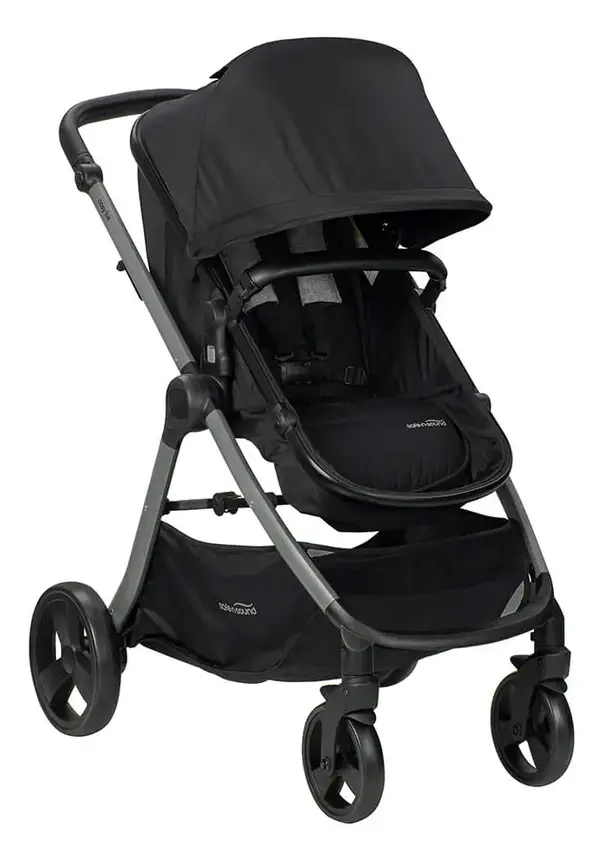
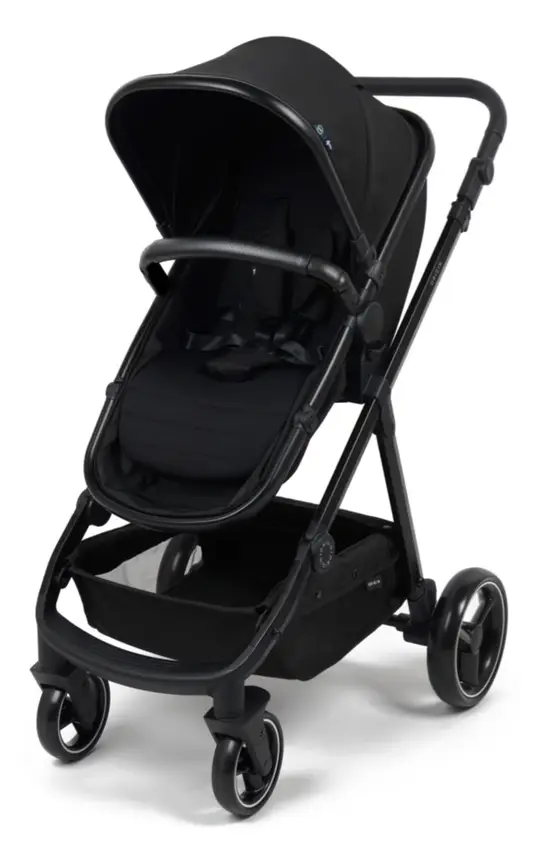
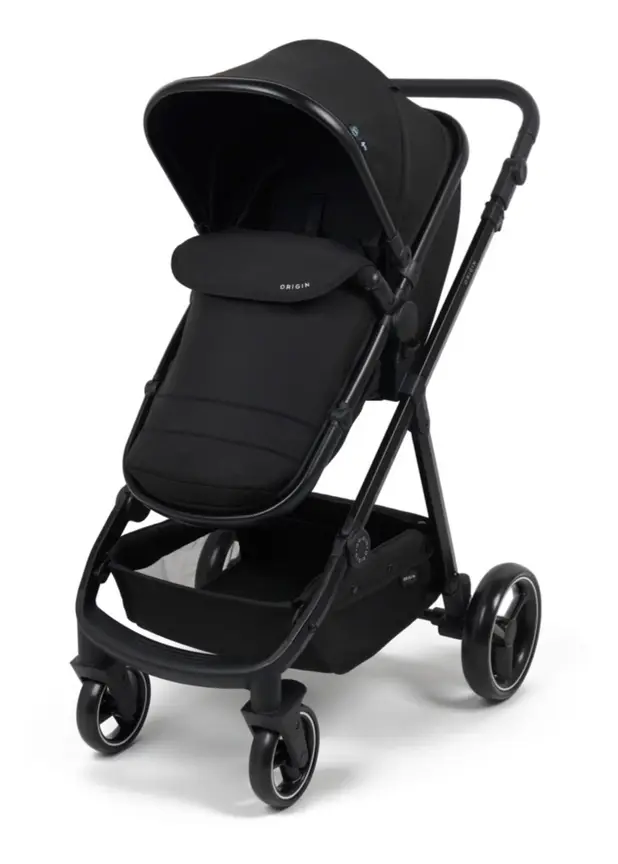
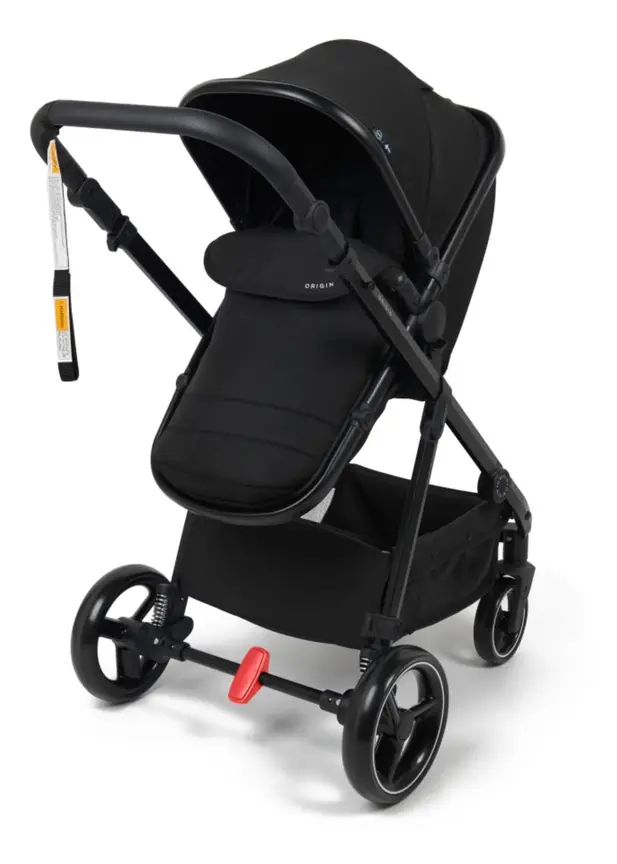
4baby Origin Stroller
A budget pram whose seat turns into a bassinet. The seat can face you or face the world.
Read our full review →


Britax One2
A pram that starts as a single and can take a second child. The seat turns into a lie-flat bassinet.
Read our full review →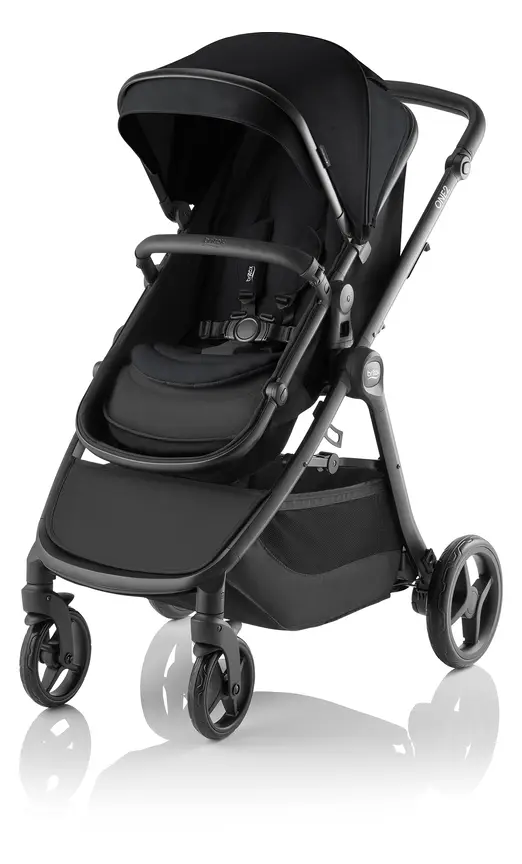
Signs your baby is too hot
Check your baby often in warm weather. Feel the back of their neck or their tummy. Hands and feet often feel cool even when a baby is warm, so they aren't a good guide. Signs your baby may be getting too hot include:
- Sweaty, hot or flushed skin, especially on the back of the neck or chest.
- Fast breathing.
- Being unusually fussy, or unusually sleepy and floppy.
- Fewer wet nappies, or darker wee.
- A dry mouth or no tears when crying.
If you notice these, get your baby to a cooler place, take off a layer, offer a feed, and sponge them with lukewarm (not cold) water. If your baby is floppy, hard to wake, won't feed, or you're worried, get medical help straight away. In an emergency call 000 in Australia, 999 in the UK, or 911 in the US and Canada.
Where to clip the fan
- Out of reach. Attach it to the pram frame, hood edge or handlebar where your baby can't grab, pull or chew it. Babies' reach grows fast.
- Not in the sleep space. Don't place the fan inside the bassinet, on the mattress or where it could fall onto your baby.
- Not straight at the face for long. Pregnancy, Birth and Baby says that if you use a fan at home, cool air shouldn't blow directly on your baby. The same idea works in the pram: aim the air across your baby's body, or to the side, so it moves the air rather than blasting the face.
- Clamp tightly. A loose fan can swing or drop onto your baby when you go over bumps.
- No dangling cables. If it runs from a power bank, keep the cable short and tucked away. Loose cords near a baby are a strangulation risk.
- Not blocking the hood or vents. Air needs to flow in and out of the pram.
Fan types compared
| Type | Finger safety | Airflow | Noise | Things to check |
|---|---|---|---|---|
| Bladeless ring or slot fan | Best: no reachable blades | Gentle to medium | Can hum | Battery life; how it attaches |
| Bladed fan with fine grille | Good if gaps are very small | Medium to strong | Usually quiet | Both grilles; grille strength |
| Soft foam-blade fan | Fair: hurts less but still reachable | Light | Quiet | Hair and string risk |
| Bladed fan with wide cage | Poor | Strong | Varies | Avoid for prams |
| Handheld fan held by an adult | Good while you hold it | Varies | Varies | Don't leave it with your baby |
Batteries and charging
Most pram fans have a built-in rechargeable lithium battery and charge by USB-C or micro-USB. Some cheaper fans or fans built into toys use coin-sized button batteries. Product Safety Australia warns that button batteries can cause severe internal burns and death if swallowed, and that products using them must have secure battery compartments. Australia has mandatory safety standards for products with button batteries.
- Choose a fan with a built-in rechargeable battery, or one where the battery cover needs a screwdriver to open.
- Store spare batteries locked away.
- Charge the fan away from your baby and don't leave it charging overnight under bedding or in a hot car.
- Stop using a fan that gets hot, swells, cracks or smells odd.
- Check the fan carries electrical safety marks for your country.
Other ways to keep your baby cool on the go
A fan works best as one part of a hot-weather plan.
- Plan your outing. Go out early or late, when it's cooler and UV levels are lower. Cancer Council Australia advises keeping babies under 12 months out of direct sun when UV levels are 3 or above.
- Use the pram's hood and a parasol. Use the built-in canopy or a pram shade designed to let air through. Don't drape a cloth over the whole pram.
- Dress light. A single layer of loose, light cotton is often enough. Use a broad-brimmed or legionnaire-style hat for older babies.
- Offer feeds more often. Breastfed babies may want to feed more in hot weather. Babies under 6 months don't need water as well, unless your health professional says so. Older babies can have small sips of cool, boiled water.
- Choose breathable pram liners. Mesh seat liners can help reduce sweat, as long as they fit flat and are made for your pram.
- Take breaks indoors. Shopping centres, libraries and cafés with air-conditioning are good rest stops.
- Never leave your baby in a parked car. Cars heat up very fast. Red Nose also advises taking your baby out of the car seat when you arrive rather than leaving them to sleep in it.
Side by side: more prams & strollers to compare
Real products from our catalogue. We don't show star ratings or review counts; check the current price, stock and reviews on Amazon before you buy.
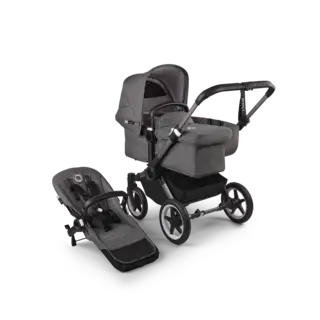
Bugaboo Donkey 5
Converts from single to side-by-side double (siblings or twins) by widening the frame.
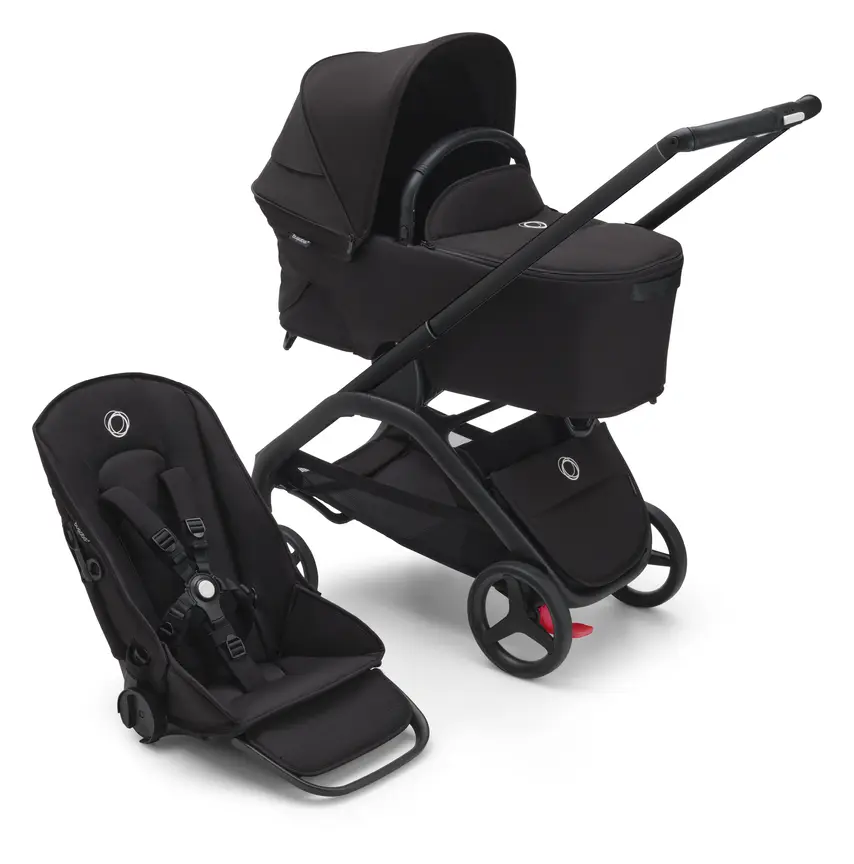
Bugaboo Dragonfly
Bugaboo's city pram: smaller footprint and lighter than the Fox, built for footpaths, lifts and car boots rather than bush tracks.
 Reviewed
Bugaboo Fox 5
Bugaboo's flagship all-terrain pram: big-wheel suspension ride, one-piece fold, bassinet from birth and a seat rated to 22 kg.
Read our full review →
Cybex Priam
Fashion-forward luxury pram with interchangeable seat/bassinet units and an all-terrain option.
Fans and sleep
If your baby falls asleep in the pram, check on them often and keep the hood open enough for air to flow. Safe sleep groups in Australia, the UK, the US and Canada all say a pram isn't a place for long, unsupervised sleep. Move your baby to a cot or bassinet, on their back, when you can. At home, a fan in the room can help keep the air moving on warm nights, as long as it's well out of reach, has no dangling cords near the cot, and isn't blowing straight on your baby. The Lullaby Trust and Red Nose both say to keep babies from getting too hot while they sleep.
Hot-weather advice by country
Health services in all four countries give very similar advice about babies and heat. Here's where to look for the official word where you live.
| Country | Who to check | Main messages |
|---|---|---|
| Australia | Pregnancy, Birth and Baby (healthdirect), Cancer Council, Red Nose, Product Safety Australia | Don't cover prams or capsules with a cloth; let air flow; keep babies out of direct sun; never leave a child in a car; button battery rules |
| United Kingdom | NHS, The Lullaby Trust, OPSS | Fans help below 35°C; keep babies out of the sun; avoid overheating during sleep |
| United States | CDC, AAP (HealthyChildren.org), CPSC | Limit time outside on very hot days; watch for dehydration; never leave a child in a car |
| Canada | Health Canada, Caring for Kids | Babies and young children are at higher risk in extreme heat; keep them cool, in the shade and well fed |
If a heat warning is issued for your area, follow your local health service's advice. On those days a fan on the pram is not enough. Plan to stay in a cool building.
Cleaning and storing your fan
Dust and grime build up on fan blades and grilles, especially after trips to the beach or park. Turn the fan off and unplug it before cleaning. Wipe the grille and body with a damp cloth. Use a soft brush to get dust out of the gaps. Never put the fan in water unless the maker says it's waterproof. Check the clamp and grille for cracks each time you clean it. Store it somewhere dry and out of the sun between uses, partly charged, as most makers suggest for lithium batteries.
By age and stage
Newborns
Newborns are most at risk from heat. Keep them out of the sun, keep outings short on hot days, and use the fan only as a gentle extra at a distance.
About 4 to 12 months
Babies reach, grab and pull. This is when finger-safe design and an out-of-reach position matter most. Recheck the clip spot every few weeks.
Toddlers
Toddlers may want to hold the fan. Only give them one made for children's hands, with a closed grille, and supervise them. Take it away if they try to poke things in or chew it.
How to choose a pram fan: checklist
- Bladeless, or a grille fine enough to pass the little-finger and pencil tests, front and back.
- Strong clamp or bendy legs that grip your pram frame without slipping.
- Built-in rechargeable battery, or a screwed-shut battery cover.
- Several speeds, including a gentle low setting.
- Quiet enough not to wake a sleeping baby.
- Electrical safety marks for your country and no recalls listed.
- Easy to wipe clean.
More options, from budget to premium
Real products from our catalogue. We don't show star ratings or review counts; check the current price, stock and reviews on Amazon before you buy.
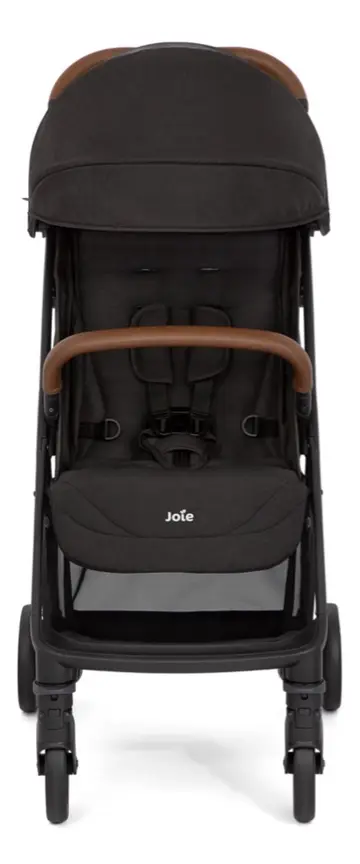
Joie Pact Pro
A 6.3 kg travel stroller from birth to 22 kg. You can clip a Joie Gemm or i-Gemm capsule on top.

Maxi-Cosi Zelia 3
A mid-price pram with a carrycot that changes into a seat, so one frame covers birth to toddler.

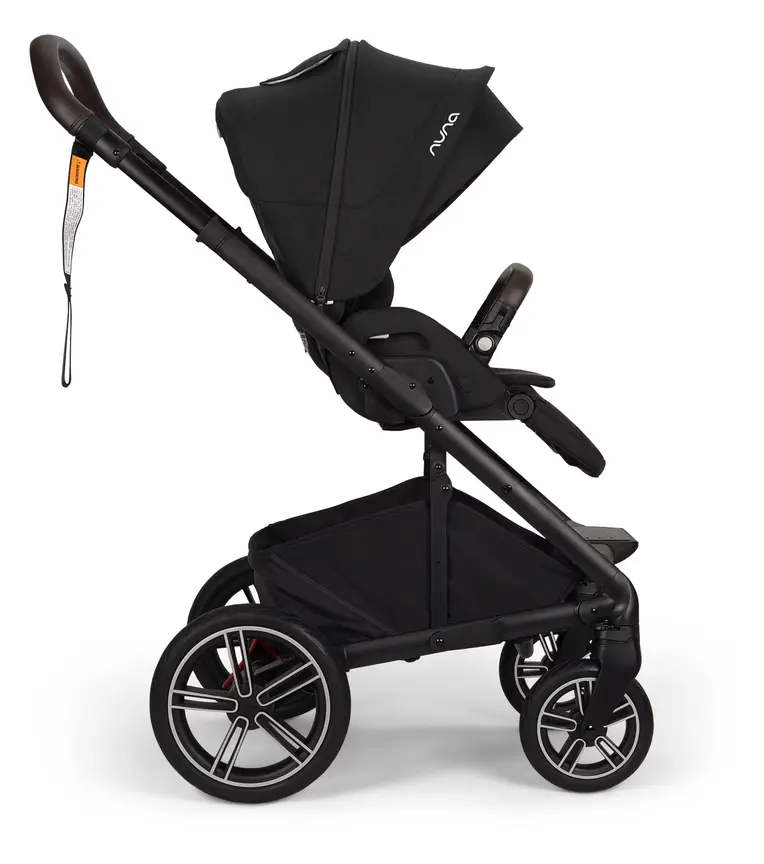


Nuna MIXX Next
A full-size pram with four ways to ride: capsule, bassinet, parent-facing seat or world-facing seat.
Read our full review →Common mistakes
- Covering the pram with a muslin and adding a fan, thinking it balances out. It doesn't.
- Using a fan on a very hot day instead of finding a cooler place.
- Clipping the fan within your baby's reach.
- Choosing a cheap fan with wide grille gaps.
- Leaving a baby in a parked car with a fan running.
- Pointing the fan straight at your baby's face for a long time.
- Letting the cable from a power bank hang near your baby.
FAQ
Are bladeless pram fans safer?
They are safer for fingers and hair because there are no reachable blades. They still need to be clipped securely and out of reach, and they don't make a hot pram safe.
Can I cover the pram with a muslin if I use a fan?
No. Pregnancy, Birth and Baby says not to cover a pram or capsule with a dry cloth, because it raises the temperature and makes it hard to see your baby. Use the pram's hood and shade instead.
How hot is too hot for a fan to help?
The NHS says electric fans can help when the temperature is below 35°C. Above that, find a cooler place for your baby.
Can my baby sleep with a fan clipped to the pram?
Short naps on the go are common, but check your baby often, keep the fan out of reach and not blowing straight at their face, and move them to a cot or bassinet for longer sleeps.
What does "5 mm grille" mean?
It usually means the gaps in the grille are about 5 millimetres wide. Makers use it to suggest small fingers can't get in. There's no official pram fan standard behind the number, so do the finger and pencil tests yourself.
Can I use a pram fan in the car?
Only while you're in the car with your baby, and only if it's clamped securely so it can't fly loose in a crash or sudden stop. Never use it as a reason to leave your baby in the car.
How long does a pram fan battery last?
It depends on the battery size and the speed you use. Makers usually give a range of hours. Low speed lasts much longer than high speed. Charge it fully before you head out, and carry the cable or a small power bank for long days.
Is a misting fan a good idea for babies?
Be careful. Spraying water on a baby's face can make them splutter, and wet clothes plus wind can chill a small baby. A light sponge with lukewarm water on the arms and legs is gentler.
Sources
- Pregnancy, Birth and Baby (healthdirect) – Babies in hot weather
- NHS – Heatwave: how to cope in hot weather
- Cancer Council Australia – Fact sheet: Sun protection and babies
- Product Safety Australia – Button batteries guide
- Red Nose Australia – Keeping baby safe in the car
- The Lullaby Trust – Safer sleep overview
Related guides
More Prams & Strollers →
Stroller Rockers and Pram Shakers: Safe Use, Features and Buying Guide

How to Check a Used Pram: Frame, Brakes, Fold and Safety
Stroller Seat Liners in Hot Weather: Fit, Comfort and Safety