Travel Cot Mattresses: 5 Things That Make One Safe (and Why Extra Padding Is Risky)
A good travel cot mattress is firm, flat and made for your exact cot. Why you should never add a second mattress, and how to pick a safe replacement.
On this page
- What a travel cot mattress is (and why it feels so thin)
- 5 things that make a travel cot mattress safe
- Why you should never add a second mattress or padding
- Original mattress vs replacement vs extra padding
- Safety rules for travel cots and mattresses by country
- Using a travel cot mattress at each age
- How to choose a replacement travel cot mattress
- Common mistakes to avoid
- Travel tips for safe sleep away from home
- Cleaning and caring for a travel cot mattress
- Signs a travel cot mattress needs replacing
- Buying a second-hand travel cot: what to check
- FAQ
- Sources
Short answer: The best travel cot mattress is usually the thin, firm one that came with your cot. It feels hard to adults, but it is made to fit that cot with no gaps. Adding a second mattress, a folded quilt or a soft topper can make gaps at the edges and a soft surface, both of which can stop a baby breathing. If you need a better or replacement mattress, buy one made for your exact brand and model, and use it instead of the original, never on top.
Key points
- Travel cot (portacot, play yard or playpen) mattresses are meant to be thin and firm. That is a safety feature, not a cheap shortcut.
- Never stack a second mattress or padding on top. Australia's folding cot standard requires a warning about this.
- A replacement mattress must be made for your cot model and fit snugly, with no gaps.
- In the US, aftermarket play yard mattresses must meet a federal rule and be tested with each cot model they claim to fit.
- Use a fitted sheet made for that mattress size, and nothing else in the cot.
What a travel cot mattress is (and why it feels so thin)
A travel cot is a folding cot with soft mesh or fabric sides. People in Australia often call it a portacot. In the US it's called a play yard. In the UK it's a travel cot, and in Canada a playpen.
Most come with a thin mattress. Often it is a foam pad joined to a hard board, sometimes folded into panels so it can fold with the cot. It usually sits on the floor of the cot.
Many parents feel this pad and think, "That can't be comfortable." So they add a thicker mattress, a pillow-top, or a folded doona. This is the single biggest mistake people make with travel cots.
Here is why the thin pad is safer:
- It fits the frame exactly. The cot was tested with that pad. There should be no gap at the edges for a baby's face or body to slip into.
- It keeps the sides tall enough. A thicker mattress raises the baby. The sides then become lower compared with the baby, so an older baby may climb or fall out.
- It is firm. Babies need a firm, flat surface. A soft surface can mould around a baby's face if they roll and make it harder to breathe. The Lullaby Trust says a baby's head should sink no more than a few millimetres into a mattress.
5 things that make a travel cot mattress safe
1. It is the right mattress for your exact cot
The safest choice is the original mattress. If you replace it, the new one should be made for your brand and model. Generic "fits most travel cots" mattresses are risky because cot floors and frame sizes vary.
In the US, the Consumer Product Safety Commission (CPSC) now has a mandatory rule for crib mattresses, called 16 CFR part 1241. It covers aftermarket mattresses sold for play yards. The rule says these mattresses must be tested with each brand and model of play yard they are sold for. CPSC says generic compatibility based on a size measurement can't meet the rules. That tells you how important an exact fit is.
2. It is firm and flat
Red Nose Australia, The Lullaby Trust in the UK, the CPSC in the US and Health Canada all say the same: babies should sleep on a firm, flat surface. Check for:
- no dips, sags or lumps;
- no raised or cushioned edges;
- no pillow-top layer.
A simple test: press your flat hand into the middle. It should spring back quickly and not leave a deep hand print.
3. It fits snugly with no gaps
Push the mattress hard to one side. Look at the gap on the other side. Health Canada says a crib mattress should not leave a gap wider than 3 cm when pushed firmly to any side. Use the same idea with a travel cot: there should be no gap big enough for a baby's head, hand or face. If you can easily fit two fingers, the mattress is too small or the wrong shape.
4. It is the right thickness
Travel cot mattresses are thin on purpose. Health Canada says cradle and bassinet mattresses should be no more than 3.8 cm thick, and crib mattresses no more than 15 cm. Your travel cot manual may give a maximum thickness for a replacement. Never go over it.
5. It is easy to keep clean and dry
The Lullaby Trust recommends a mattress with a waterproof cover so you can wipe it clean. On holidays you may not have a washing machine handy, so a wipe-clean cover and one or two spare fitted sheets make life easier. A wet or dirty mattress can also start to break down faster.
Why you should never add a second mattress or padding
This rule is so important that Australia wrote it into law. The mandatory standard for folding cots requires a warning not to add an extra mattress. Red Nose Australia explains that extra padding can create gaps where a baby can get wedged and can't breathe.
Things people often add, which you should not:
- a second, thicker mattress on top of the original pad;
- a folded doona, quilt or blanket under the sheet;
- a sheepskin or soft topper;
- a pillow;
- a baby nest, pod or "sleep positioner".
The Lullaby Trust puts it simply: travel cot mattresses are often thinner and feel harder than those in a permanent cot, but don't be tempted to put folded blankets or a quilt under the baby.
What about comfort? Babies don't need a soft bed the way adults do. Their bodies are light. A firm surface feels fine to them. If you think your baby is cold, a well-fitted sleeping bag is the safer way to keep them warm.
Cots, Bassinets & Bedside Sleepers worth a look
Real products from our catalogue. We don't show star ratings or review counts; check the current price, stock and reviews on Amazon before you buy.


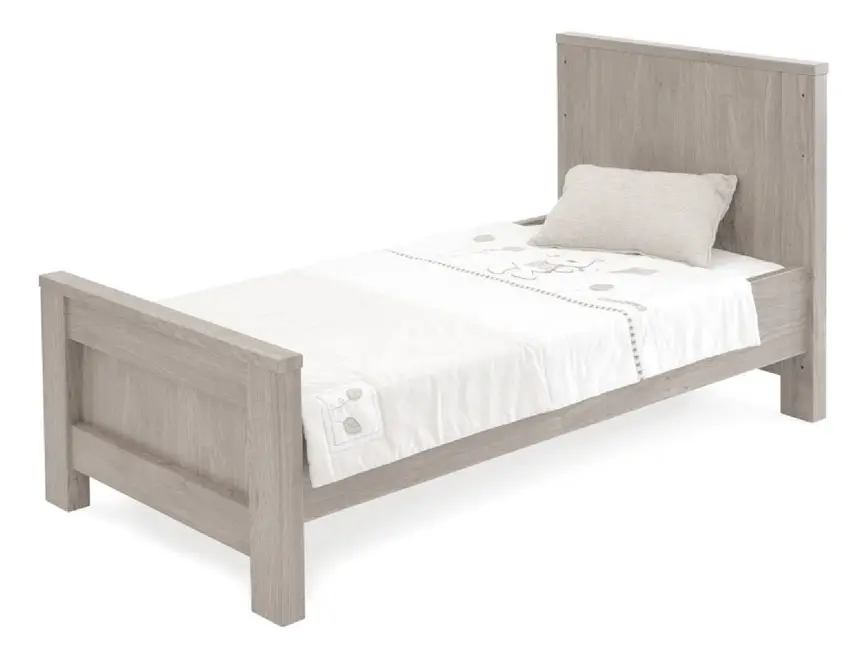
Boori Matilda Cot Bed
A cot that turns into a toddler bed using its own end panels. No extra kit needed.
Read our full review →
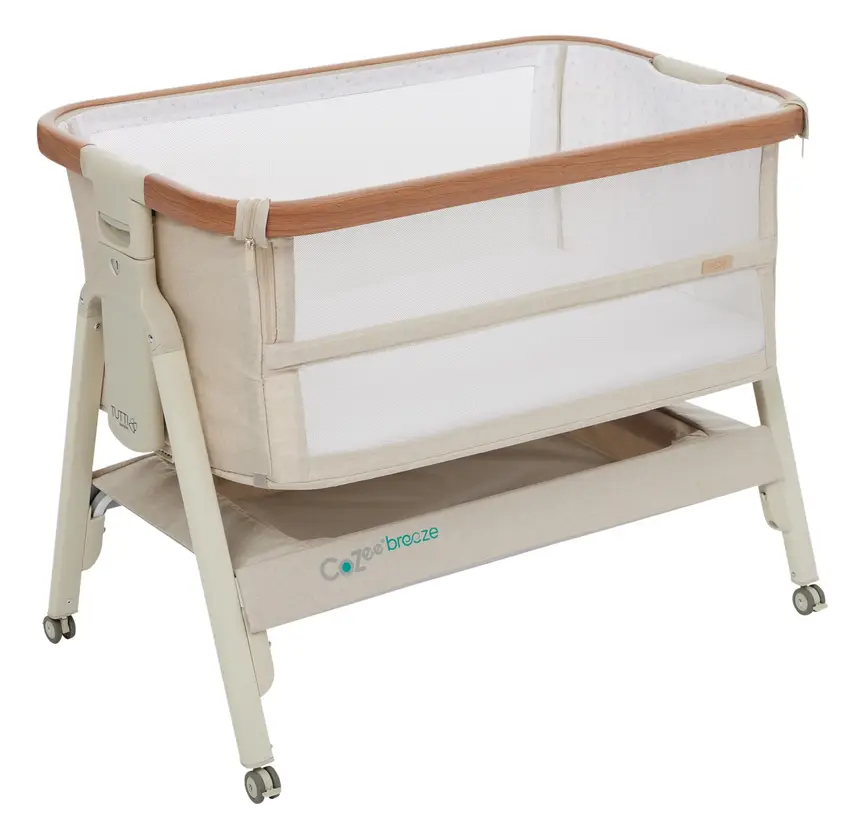
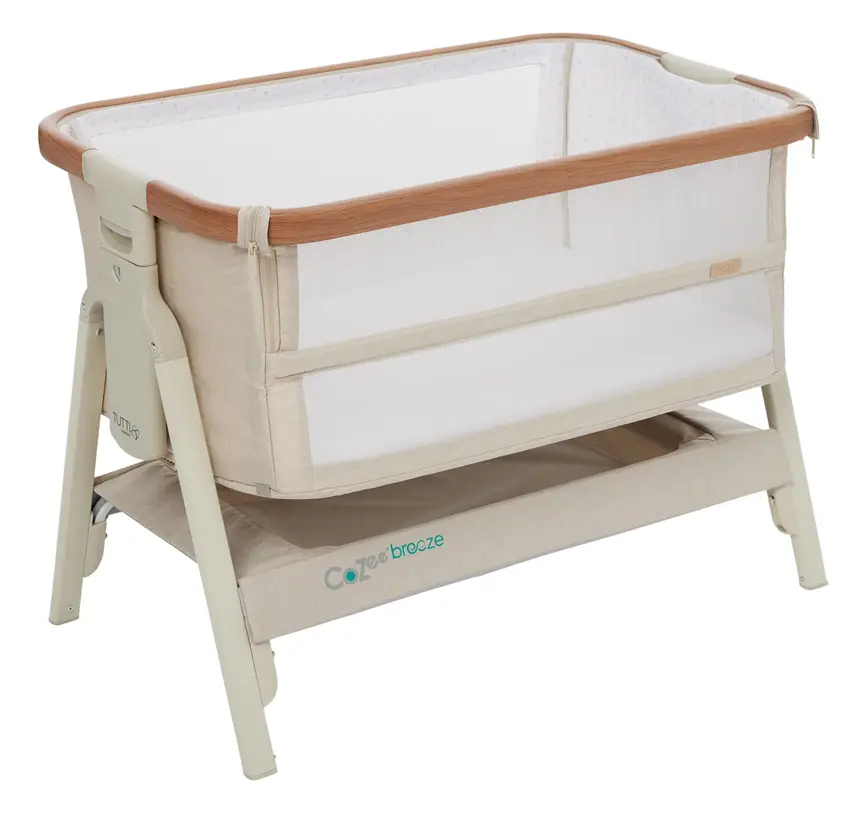
Tutti Bambini CoZee Breeze Lite
A bedside sleeper that opens or folds in about 30 seconds, with mesh sides and a travel bag.
Read our full review →
4baby Snuggle Cuddle Bedside Sleeper
A low-cost bassinet that turns into a bedside sleeper, with 4 heights and mesh sides.
Compare all cots, bassinets & bedside sleepers in our reviews →
Original mattress vs replacement vs extra padding
| Option | Safe? | Why |
|---|---|---|
| Original mattress that came with the cot | Yes | It was tested with the cot and fits the frame. |
| Replacement made by the cot's maker for your model | Yes, used instead of the original | Designed for that cot's size and side height. |
| Aftermarket mattress labelled for your exact brand and model | Can be, if it meets your country's rules | Check it lists your model by name, fits with no gaps and isn't too thick. |
| "Universal" or "fits most" travel cot mattress | Risky | Size alone doesn't make a safe fit. Gaps and extra height are common. |
| Extra mattress, quilt or topper on top of the original | No | Can create gaps, a soft surface and lower side height. |
| Cot mattress from a full-size cot | No | Wrong size and thickness for a travel cot. |
Safety rules for travel cots and mattresses by country
| Country | Main rules | What it means for parents |
|---|---|---|
| Australia | Mandatory standard for folding cots (based on AS/NZS 2195). From 19 January 2026, folding cots must also meet the ACCC's Infant Sleep Products Safety Standard. | Look for the warnings about not adding an extra mattress. Use the supplied mattress or one of the size the maker states. |
| UK | Travel cots are sold to British and European standards (BS EN 716 for cots for home use). Safer sleep advice from The Lullaby Trust and the NHS. | Firm, flat, waterproof mattress. No folded blankets under the baby. |
| US | CPSC play yard rule (16 CFR 1221, based on ASTM F406) and crib mattress rule (16 CFR 1241, based on ASTM F2933). | Aftermarket play yard mattresses must be tested with each model they claim to fit. |
| Canada | Health Canada regulations for cribs, cradles, bassinets and playpens under the Canada Consumer Product Safety Act. | Mattress must fit with no gap over 3 cm. Never leave a playpen side down when baby is inside. |
Not sure which rules apply where you live? Check your national product safety regulator. Most list current rules and recalls on their websites.
Using a travel cot mattress at each age
Newborn to about 6 months
Put your baby on their back with their feet near the bottom of the cot. Use only a fitted sheet. No toys, pillows or bumpers. Some travel cots have a raised bassinet level for small babies. Use it only as the manual says, and stop using it at the age or weight limit, or as soon as your baby can roll or push up.
About 6 to 12 months
Once your baby rolls, sits or pulls up, the mattress must be on the lowest level (usually the floor of the cot). Health Canada says to remove mobiles and toy bars once a baby can push up on hands and knees.
12 months and up
Check the cot's weight and height limits. Many travel cots have a maximum weight, often around 15 kg. Health Canada says not to use a crib once a child can climb out or is taller than 90 cm. The CPSC play yard rule covers children under 35 inches (89 cm). When your child gets close to these limits, it's time for a different bed.
How to choose a replacement travel cot mattress
- Find your cot's brand and model. It is usually on a label on the frame or floor.
- Check the manual. Look for the mattress size, maximum thickness and whether the maker sells a replacement.
- Buy from the maker first. A spare from the original brand is the simplest safe choice.
- If buying aftermarket, make sure your exact model is named on the packaging, and the product says it meets your country's rules.
- Measure the fit at home. Push it to each side. No gaps.
- Check the side height. The top of the mattress should not sit noticeably higher than the original did.
- Remove the old mattress. The new one goes in instead, not on top.
Side by side: more cots, bassinets & bedside sleepers to compare
Real products from our catalogue. We don't show star ratings or review counts; check the current price, stock and reviews on Amazon before you buy.
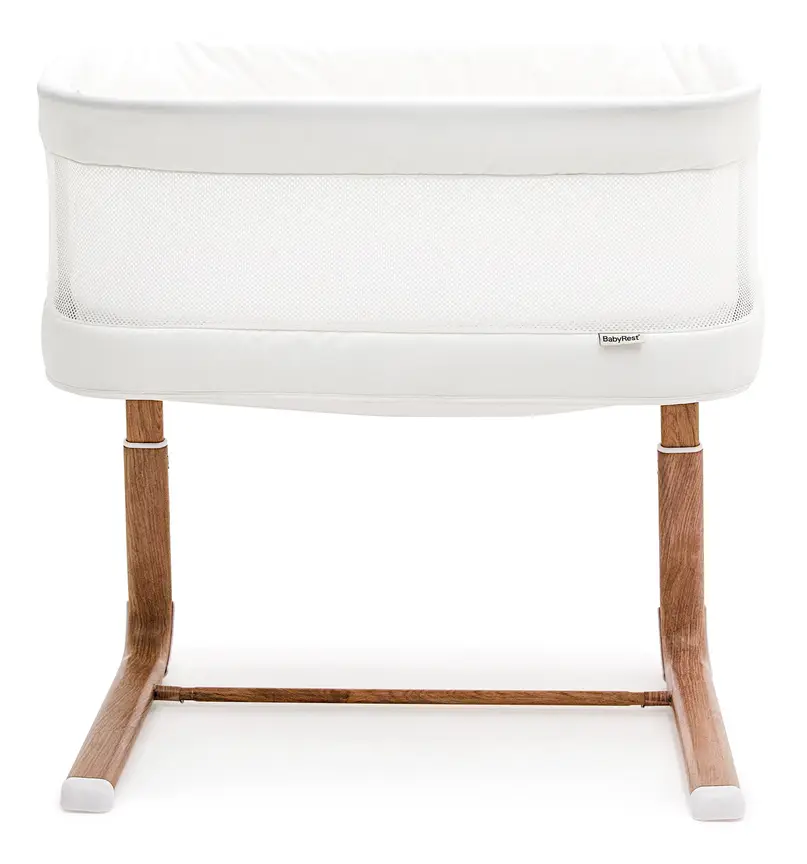


BabyRest Swan Smart Bassinet
A bassinet that rocks by itself when baby stirs, with 3 rocking levels, lullabies and a remote.
Read our full review →
Boori Pocket Spring Mattress (standard cot)
A pocket spring cot mattress that comes rolled. Let it expand for up to 24 hours.
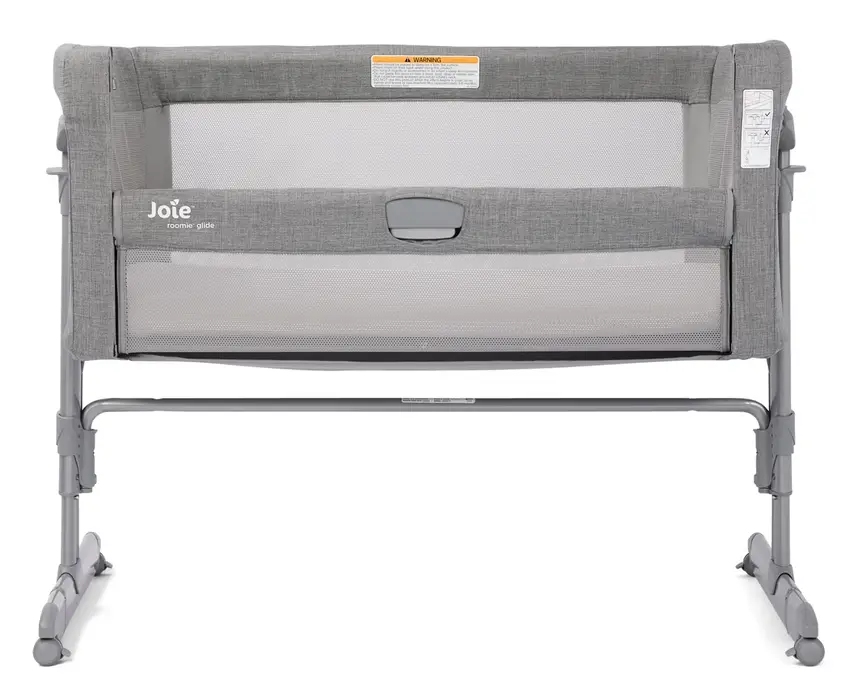
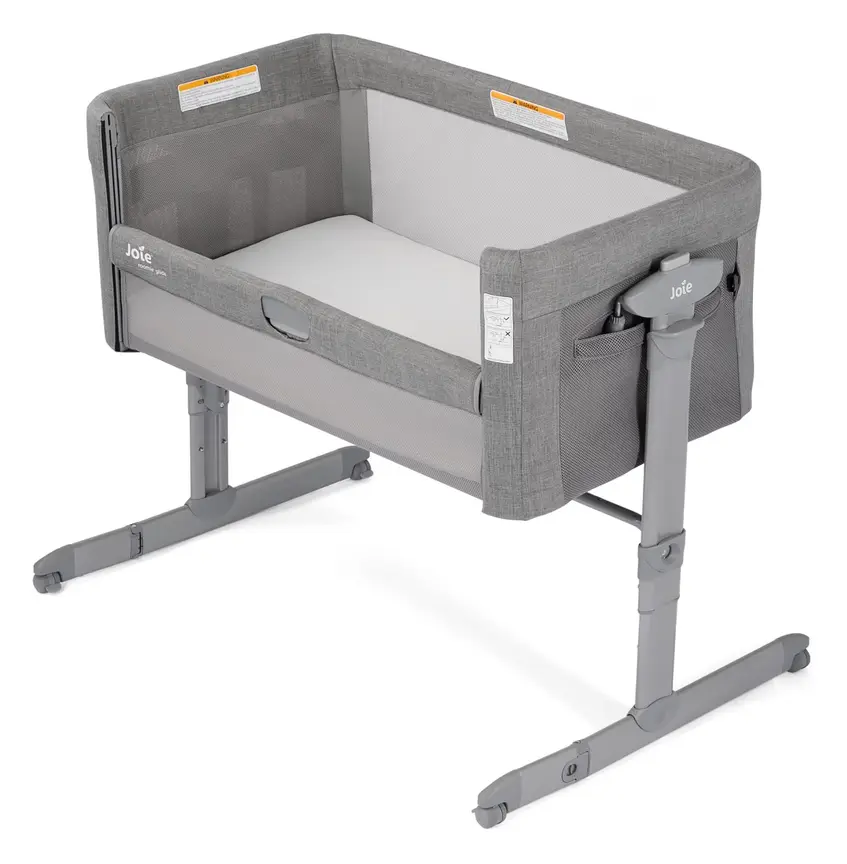
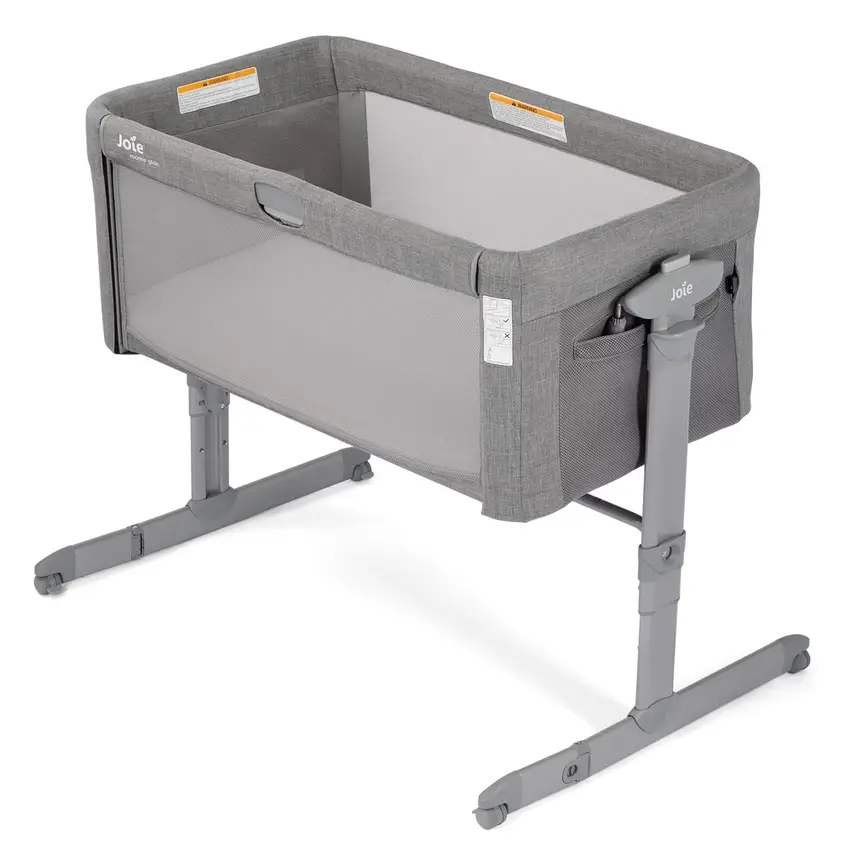
Joie Roomie Glide
A bedside sleeper that glides with one hand and has a gentle tilt.
Read our full review →

Compare all cots, bassinets & bedside sleepers in our reviews →
Common mistakes to avoid
- Adding a soft topper "just for the holiday".
- Using a hotel's or friend's travel cot without checking it is complete and every rail is locked.
- Using a cot without its original mattress because it was lost.
- Using a sheet that is too big. Loose fabric can bunch up near a baby's face.
- Putting the mattress on the raised bassinet level for an older baby who can roll or sit.
- Leaving one side of a playpen down while baby is inside. Health Canada warns babies can roll into the gap between the mattress and the mesh.
- Using a cot that has been recalled. Check your regulator's recall list before using a second-hand cot.
Travel tips for safe sleep away from home
- Practise setting up the cot at home before your trip.
- Check every lock clicks into place. Push down on the middle of each top rail.
- Pack two fitted sheets in the right size.
- Bring your baby's own sleeping bag so you don't need blankets.
- Keep the cot away from blind cords, heaters, windows and balcony doors.
- If a hotel gives you a cot, ask for one with its original mattress, and look for gaps before using it.
- Room temperature matters. Dress your baby for the room, not for how cold you feel.
Cleaning and caring for a travel cot mattress
A travel cot mattress gets folded, packed and used in many places. A little care keeps it safe for longer.
- Wipe, don't soak. Most travel cot pads have a board inside. Soaking can warp the board or make the foam break down. Wipe the cover with a damp cloth and mild soap, then let it dry fully.
- Dry it before packing. Folding a damp mattress into a bag can cause mould and a bad smell. Leave it open in the air for a few hours first.
- Follow the care label. Some covers zip off and can be washed. Many can't. Check the label or manual before you try.
- Store it flat or folded as designed. Don't jam heavy bags on top of it in the car boot. Crushing can dent the foam.
- Wash sheets often. Bring spares so you can change a wet sheet straight away at night.
Signs a travel cot mattress needs replacing
Even a good mattress wears out. Replace it (with one made for your cot model) if you see any of these:
- A dip or soft spot where the baby usually lies.
- Foam that has gone crumbly, flat or uneven.
- A board that is cracked, bent or split.
- A cover that is torn, so foam is exposed. Babies can bite and choke on foam pieces.
- Mould or a smell that won't go away after cleaning and airing.
- It no longer fits snugly, leaving gaps at the edges.
If you can't get a matching mattress for an older cot, it may be time to replace the whole cot. A cot with the wrong mattress is not a safe cot.
Buying a second-hand travel cot: what to check
Travel cots are often passed between families. That can be fine, but check carefully. Health Canada says used children's products must still meet current safety rules, have the maker's instructions and have readable labels. Look for:
- The original mattress. If it's missing, don't use the cot until you get the right one.
- The instructions. If they're missing, many makers have manuals on their website. Search the model name.
- The safety label. It shows the brand, model and the standard it meets.
- All the locks. Set it up and check every top rail locks firmly. A rail that folds in can trap a baby's neck.
- The mesh. No holes, rips or loose threads. Small holes can catch fingers or buttons.
- Recalls. Search the brand and model on your regulator's recall site: Product Safety Australia, the UK's Office for Product Safety and Standards, the US CPSC, or Health Canada's recalls site.
More options, from budget to premium
Real products from our catalogue. We don't show star ratings or review counts; check the current price, stock and reviews on Amazon before you buy.
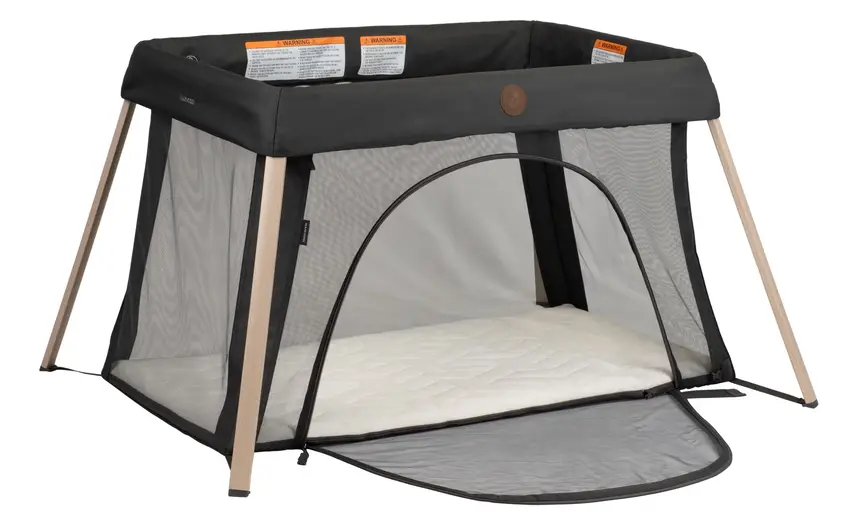


Maxi-Cosi Calao Light Travel Cot
A light travel cot with a newborn level and a toddler level, a side zip and a travel bag.
Read our full review →
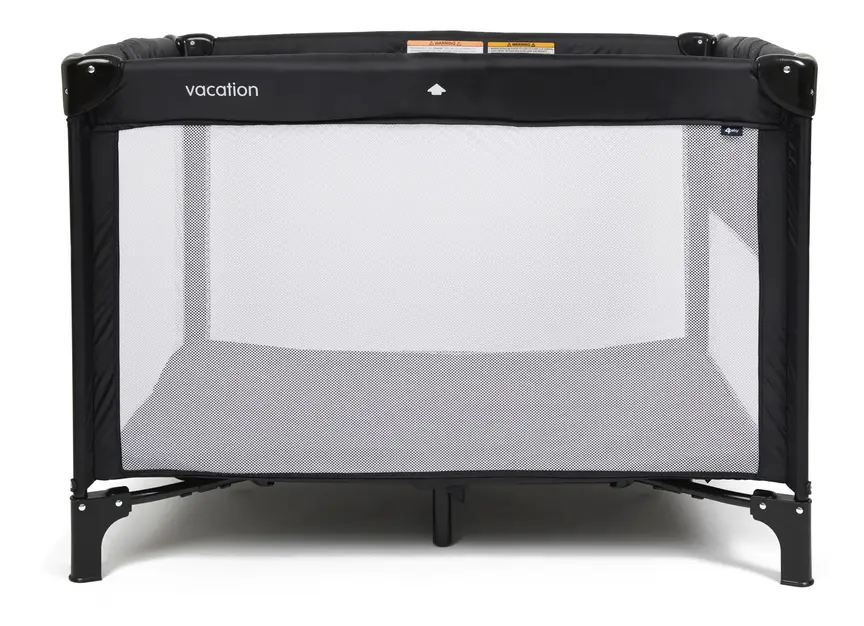
4baby Vacation Portacot
A low-cost portacot with a padded mattress and mesh sides.
Compare all cots, bassinets & bedside sleepers in our reviews →
FAQ
Is a travel cot mattress safe for every night?
Red Nose Australia describes portable cots as for occasional or short-term use, like travel. If your baby sleeps in one every night, check it often for wear, and think about a full-size cot.
Can I put a thicker mattress in a travel cot?
Only if it is made for your exact cot model, replaces the original, and is no thicker than the maker allows. Never add it on top of the original.
My baby seems uncomfortable on the hard mattress. What can I do?
Babies sleep safely on firm surfaces. Make sure they are not too hot or cold, that the sheet is smooth and that the room is quiet and dark. Don't add padding.
Are foldable mattresses with panels safe?
Yes, if they came with the cot. Make sure the panels lie flat with the hard side down as the manual shows.
Can I buy a second-hand travel cot mattress?
The Lullaby Trust suggests a new mattress for each baby where possible. If you use a second-hand one, it should be firm, flat, fit well with no gaps, and have a fully waterproof cover in good condition.
Do I need a mattress protector?
A thin, fitted, waterproof protector made for that mattress size is fine. Avoid thick, quilted protectors that add softness.
Is a travel cot safe for a newborn?
Yes, if it meets your country's rules, is fully set up with every lock engaged, and has only its own firm mattress and a fitted sheet. Put your newborn on their back, feet near the bottom, with nothing else in the cot. If your cot has a bassinet level, use it only within the maker's age and weight limits.
Can twins share a travel cot?
Safe sleep groups advise that each baby has their own safe sleep space. If you are travelling with twins, plan for two cots, or ask your child health nurse for advice.
What sheet should I use?
A fitted sheet made for that mattress size. It should be tight, with no loose fabric.
Sources
- Product Safety Australia (ACCC) – Folding cots mandatory standard
- Product Safety Australia (ACCC) – Infant sleep products mandatory standards
- Red Nose Australia – Portable and folding cots
- Red Nose Australia – What is a safe mattress?
- The Lullaby Trust (UK) – Mattresses and bedding
- US CPSC – Crib mattresses business guidance (16 CFR 1241)
- US CPSC – Play yards business guidance (16 CFR 1221)
- Health Canada – Is Your Child Safe? (playpens, cribs, cradles and bassinets)
- Caring for Kids (Canadian Paediatric Society) – Safe sleep for babies
Related guides
More Sleep & Nursery →
Bedside Co-Sleepers With Drop-Down Sides: Flat Surfaces, Safe Sleep Rules and Firm Mattresses

Bassinet Rainshields: How to Keep Your Baby Dry, Cool, and Safe

How to Set Up a Safe Sleep Environment with a Bedside Bassinet