














Separation Anxiety at Daycare Drop-Off: Simple Ways to Help Your Child Settle
Simple, practical ways to ease daycare drop-off tears for babies and toddlers, build trust with short goodbye rituals, and help your child settle.

On this page
- Key points
- What separation anxiety is and why it happens
- How separation anxiety changes by age
- How to prepare before daycare starts
- A simple step-by-step drop-off routine
- Comparing drop-off habits: what helps and what makes it harder
- Working with your child's educators
- Safe comfort items and official guidance across four countries
- Pick-up time and evenings after daycare
- Common mistakes to avoid
- Frequently asked questions
- Sources
Short answer: Separation anxiety at daycare drop-off is normal. Your baby or toddler cries because they love you and know you are leaving. A short, warm, predictable goodbye helps most children settle faster. Never sneak out without saying goodbye. Stay calm, hand your child to a trusted educator, say one clear goodbye phrase, and leave right away.
Health and parenting bodies across Australia (Pregnancy, Birth and Baby; Healthdirect Australia), the UK (NHS), the US (American Academy of Pediatrics) and Canada (Canadian Paediatric Society) all agree on the basics. Children feel safer when goodbyes are honest, brief and the same each day.
Key points
- It is healthy: crying at drop-off shows your child has a strong bond with you.
- Keep goodbyes short: long goodbyes make worry grow for both of you.
- Never sneak away: slipping out unseen breaks trust and makes future drop-offs harder.
- Use one simple ritual: one hug, one kiss, and the same short words every morning.
- Trust the educators: most children calm down within minutes once you are out of sight.
- Safe sleep comes first: babies under 12 months still need a clear cot with no loose toys at nap time.
What separation anxiety is and why it happens
Separation anxiety is the fear or distress a child feels when a parent leaves. At daycare, it often shows up as clinging, crying, reaching out or hiding behind your legs.
It can feel awful to walk away while your child cries. Many parents sit in the car and worry they are hurting their child. You are not hurting them. You are seeing a normal step in how a young brain grows.
How your child's brain sees goodbyes
In the first few months of life, babies live mostly in the moment. If someone else holds them, they may settle easily as long as they feel warm and fed.
Around 6 to 9 months, babies learn something big. Experts call it object permanence. In plain words, your baby now knows that things and people still exist when they cannot see them.
Your baby knows you are still somewhere in the world when you walk out the door. What they do not know yet is time. They cannot picture when you will come back. To a baby or young toddler, five minutes and five hours feel the same.
Why it is a sign of a strong bond
Healthy attachment means your child sees you as their safe base. When they feel unsure in a busy room, they want their safe base close by. Crying is their way of calling you back.
With your help and kind educators, your child learns a new lesson. They learn that you always come back. They also learn that other caring adults can keep them safe while you are away.
How separation anxiety changes by age
Separation anxiety does not happen just once. It often comes in waves as your child grows, starts a new room, or notices big changes at home.
6 to 12 months
Many babies first show fear of strangers around 6 to 8 months. They may cry when a new educator reaches out, even if they were happy last week.
At this age, your baby cannot understand long explanations. Calm voices, gentle touch and familiar routines help most. A baby watches your face closely. If you smile and look relaxed with the educator, your baby feels safer too.
12 to 24 months
Toddlers often have a strong wave of separation anxiety between 12 and 18 months. They can walk, run and say a few words, so they can cling tightly to your legs or run after you.
Toddlers also start to want control over their day. They may say "no" to shoes, the car seat or the daycare door. Simple choices at home, like picking which shirt to wear, can help them feel calmer before you arrive.
2 to 3 years and older
Older toddlers understand more words, so they can ask why you are going. They may also stall with extra requests. "One more hug." "I need water." "Look at this toy."
Some children seem fine for weeks and then start crying again. A new sibling, moving house, being sick, or moving up to the next daycare room can bring the tears back. This is normal and usually passes with steady routines.
| Age stage | What your child understands | Common drop-off signs | What helps most |
|---|---|---|---|
| 6 to 12 months | Knows you exist when unseen, but has no sense of time. | Crying when held by new people, reaching for you, turning away. | Calm handover, warm smile, familiar sleep and feed notes for staff. |
| 12 to 24 months | Knows you are leaving and wants to stay close. | Clinging to legs, arching back, loud crying at the door. | Short goodbye ritual, helping them start one toy, leaving promptly. |
| 2 to 3+ years | Understands simple routines and sequences like "after lunch". | Stalling, asking for one more kiss, saying "don't go". | Talking about pick-up time using events, clear limit on one hug, steady routine. |
How to prepare before daycare starts
Good drop-offs start days or weeks before your first full day. Small steps at home and at the centre make the big day feel less strange.
Do short practice visits
Most childcare centres offer short orientation visits. Go together for an hour while you stay in the room. Let your child look at the toys, hear the noise and see you chat with the educators.
Next, try leaving for 15 or 30 minutes while your child stays with their main educator. Come back when you said you would. Each short visit teaches your child that you go and you return.
Practise short goodbyes at home
You can build trust during normal play at home:
- Play peekaboo: hiding your face and popping back shows babies that people return.
- Say when you leave a room: tell your toddler "I am going to the toilet, I will be right back" instead of slipping away.
- Try short time with family: let a grandparent or trusted friend watch your child for 20 minutes while you step outside.
- Read picture books: simple stories about starting daycare help toddlers know what to expect.
Use a bridge from home
Many toddlers feel braver when they carry a small piece of home into the room. This is often called a comfort item or transitional object.
Examples include a soft toy, a small blanket, a family photo in their bag, or a shirt that smells like you. Always ask your centre what items are allowed. Label everything clearly with your child's name.
If your baby is under 12 months, remember safe sleep rules. Comfort toys and loose blankets must stay out of the cot when your baby sleeps. Educators will take the toy out once your baby is put down for a nap.
Check sleep and food before you leave
A tired or hungry child has a much harder time coping with change. Try to keep bedtime steady the night before daycare. Give your child a good breakfast or a calm feed before you walk in.
Rushed mornings raise stress for everyone. Pack the daycare bag, spare clothes and labelled bottles the night before. Lay out clothes so you have ten extra minutes in the morning.
A simple step-by-step drop-off routine
Children feel safe when they know what happens next. A short, repeatable routine takes the guesswork out of mornings. Follow these seven steps each day.
- Check your own mood first. Take two slow breaths in the car. Young children read your face and voice. If you look worried, they think the room is unsafe.
- Arrive on time, not rushed. Walking in breathless makes your child feel tense. Give yourself five calm minutes inside the room.
- Greet the educator warmly. Say good morning by name and smile. When your child sees you like and trust the educator, they start to trust them too.
- Settle your child into one spot. Hand your child to the educator or sit them beside a puzzle, book or breakfast table. A clear starting point helps them shift focus.
- Do your goodbye ritual. Keep it short and always the same. For example: one hug, one kiss, a high-five, and "I love you. I will be back after afternoon tea."
- Hand over and leave right away. Once you say goodbye, walk out the door. Do not linger by the window or peek back inside.
- Keep your promise at pick-up. Come back when you said you would, and greet your child warmly.
Why sneaking out backfires
It is tempting to slip out while your child is distracted by a toy. You might think it avoids tears. In fact, it often makes anxiety worse.
When your child turns around and finds you gone, they feel shocked. The next morning, they may cling even tighter because they are watching to make sure you do not vanish again. Always say goodbye, even if it brings tears.
Why lingering makes it harder
Staying for "just five more minutes" or coming back for "one more hug" sends a mixed message. Your child learns that crying keeps you in the room longer. That makes them cry louder and longer the next day.
A loving, firm exit shows confidence. It tells your child, "You are safe here, and I know you can handle this."
When you feel upset in the car
It is completely normal to tear up once you step outside. Parents have separation feelings too. Sit in the car for a minute, have a sip of water, and call the centre later if you want to check in. Most educators are happy to tell you how quickly your child settled.
Comparing drop-off habits: what helps and what makes it harder
Small changes in what you say and do at the door can change how your morning goes. Here is how common habits compare.
| Drop-off habit | What usually happens | What to do instead |
|---|---|---|
| Sneaking out while they play | Child feels tricked when they notice you are gone, and clings harder tomorrow. | Say a quick, clear goodbye every single time, even if they cry. |
| Staying 20 minutes to calm them | Child learns crying keeps you there, so tears last longer each day. | Keep drop-off under 5 minutes and let the educator comfort them. |
| Coming back for one more hug | Re-starts the goodbye pain and confuses your child about when you leave. | Leave once after your goodbye ritual and do not turn back. |
| Saying "Don't cry, be a big kid" | Child feels shame for normal feelings and still feels scared. | Say "It is okay to feel sad. Sarah will look after you, and I will be back." |
| Promising treats for no tears | Adds pressure, and can make a child hide feelings or panic more. | Praise their bravery simply, and keep pick-up warm no matter how drop-off went. |
| Using clock times like "3:30" | Toddlers cannot tell time, so numbers mean nothing to them. | Link pick-up to a daily event, like "right after afternoon snack". |
Working with your child's educators
Your child's educators are your partners. They see drop-off tears every week and know gentle ways to help children settle.
Share your child's comfort cues
Before your child starts, or during the first week, share a short note with the room team. Helpful details include:
- Home words: what your child calls water, milk, toilet, nappy (diaper), dummy (pacifier) or sleep.
- Soothing tricks: whether they like gentle back rubs, a song, looking out a window, or holding a soft toy.
- Tired signs: rubbing eyes, pulling ears, or going quiet before a nap.
- Favourite activities: trucks, water play, drawing, books or music they love.
Pick one main handover person
Ask if the same educator can greet your child each morning for the first few weeks. Seeing one familiar face helps a baby or toddler form a second safe bond. When that person holds out their arms, your child starts to know what to expect.
Ask for a quick update
If your child cried hard when you left, ask the centre if they can send a short message or photo 20 minutes later. Seeing your child eating fruit or playing with blocks takes a huge weight off your mind.
Keep morning chats short
If you need to talk about sleep, teething, medicine or a rough night, message the centre ahead of time or write a quick note. Long adult chats at the door keep you in the room longer while your child gets more restless.
Safe comfort items and official guidance across four countries
Parenting advice on separation anxiety is very similar across Australia, the UK, the US and Canada. Where rules differ slightly is on childcare safety and safe sleep for babies.
Always check your centre's policy before packing comfort items, food or sleepwear from home. Official health and child safety bodies in all four countries stress clear rules for babies under 12 months.
| Country | Main health and parenting bodies | Guidance on separation and daycare safety |
|---|---|---|
| Australia | Pregnancy, Birth and Baby; Healthdirect Australia; Raising Children Network; Red Nose | Use short, honest goodbyes and steady routines. Red Nose advises keeping cots clear of soft toys, pillows and loose blankets for babies under 12 months. |
| United Kingdom | NHS; The Lullaby Trust; Ofsted and national care regulators | NHS advises brief, calm farewells and familiar comfort items when safe. The Lullaby Trust advises a clear cot with baby on their back for every sleep. |
| United States | American Academy of Pediatrics (AAP / HealthyChildren.org); CDC | AAP advises simple goodbye rituals, never sneaking away, and pairing children with a trusted caregiver. Babies sleep on their back in a bare crib with no toys. |
| Canada | Canadian Paediatric Society (Caring for Kids); Health Canada | Caring for Kids stresses warm, responsive care and consistent routines. Health Canada advises a firm, flat sleep surface free of soft toys and loose bedding. |
Safe comfort items for babies vs toddlers
For babies under 12 months, safety during sleep comes first. Your baby can hold a small soft toy or cloth during awake play or drop-off cuddles. Once they are ready to sleep in their cot (crib), educators must remove soft toys, pillows and loose blankets.
If your baby uses a dummy (pacifier), ask your centre about their dummy rule. Do not clip a dummy to your baby's clothes for sleep, because cords and clips can be a strangulation or choking risk.
For toddlers over 12 months, many centres allow a small named soft toy or blanket for rest time on a mat. Check that any toy has no loose buttons, eyes, ribbons or small parts that could come off.
Screens before drop-off
It can be tempting to hand a toddler a phone or tablet in the car or at the daycare door to stop tears. Health bodies such as the Canadian Paediatric Society and the Australian Raising Children Network advise limiting screen time for under-twos and keeping screens away from transition routines.
Taking a screen away at the daycare door often triggers a second meltdown. Singing a song in the car or looking for birds and trucks on the drive works much better to keep your child calm.
Pick-up time and evenings after daycare
Many parents are surprised when a child who had a great day at daycare bursts into tears the second they see Mum or Dad at pick-up.
Why pick-up meltdowns happen
All day long, your child works hard. They follow group routines, share toys, listen to new voices and hold their big feelings together. When they finally see you, their safe base, they let all that effort go.
It does not mean daycare was bad. It means your child feels safe enough with you to fall apart a little.
Making evenings easier
- Bring water and a simple snack: hunger and thirst make every small problem feel huge.
- Give a big hug first: hold them for a minute before asking lots of questions.
- Keep questions simple: toddlers feel overwhelmed by "What did you do today?" Try "Did you play outside?" later at dinner.
- Protect quiet time: skip busy errands after daycare during the first few weeks.
- Watch bedtime: daycare is tiring, so an earlier bedtime often helps the next morning go better.
Common mistakes to avoid
Even loving parents fall into habits that accidentally keep drop-off tears going. Watching out for these common traps can save weeks of stress.
- Trying a new goodbye trick every day: changing the plan makes your child feel unsure. Stick to one simple ritual for at least two to three weeks.
- Starting on a rushed Monday with no warm-up: if you can, do short visits first so the room is not brand new on a full work day.
- Asking your child if they want to go: avoid "Are you ready to say goodbye now?" A toddler will almost always say no. Give warm, clear guidance instead.
- Comparing your child to others: every child settles at their own pace. Some settle in three days, while others take four to six weeks.
- Blaming yourself: feeling sad does not mean you made the wrong choice. Working, studying and needing support are normal parts of family life.
Frequently asked questions
How long does daycare separation anxiety usually last?
Most children start to settle better within two to four weeks of regular attendance. Children who go only one or two days a week can sometimes take a little longer, because there are more days at home between visits. Steady routines at home and at the door help the phase pass faster.
Should I sneak away while my child is playing?
No. Sneaking out may stop tears for one morning, but it breaks your child's trust. When they look up and cannot find you, they can feel panicked. Next time, they may watch you closely and cling even harder. Always give a quick hug, say goodbye, and leave calmly.
My child cries at drop-off every day. Are they unhappy all day?
Usually no. Many children cry hard for five or ten minutes after a parent leaves, then eat, play and nap happily. Ask your child's educators how long the tears last and what your child enjoys once you leave. A quick photo or update mid-morning can help you feel sure.
Can my baby take a dummy or soft toy to daycare?
Most centres allow a named dummy (pacifier) or comfort toy, though each centre has its own rules. For babies under 12 months, soft toys, pillows and loose blankets must be kept out of the cot during sleep. Never attach a dummy clip when a baby is sleeping.
What if my child has been settled for months and suddenly starts crying again?
This is very common. Big leaps in language or walking, a new baby at home, moving to an older room, a change of educator, or coming back after illness or holidays can all trigger fresh tears. Treat it like the first week again: keep your goodbye short, warm and predictable.
When should I ask for extra help?
Talk with the room leader or centre director if your child cries inconsolably for hours every day after four to six weeks, refuses food or sleep all day, or seems withdrawn. You can also speak with your GP, paediatrician, or child and family health nurse. They can check for illness, tiredness, or other needs and support your family.
Sources
Related guides
More Parental Tips →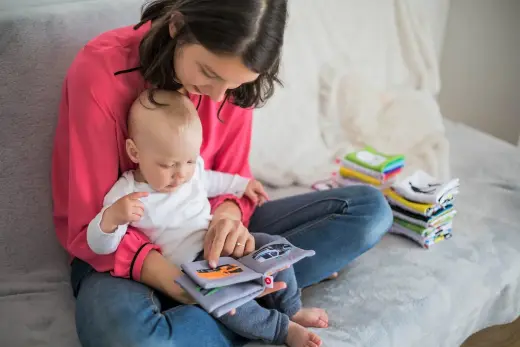
Preparing Your Toddler for a New Baby: Simple Ways to Help Them Adjust

Easing Separation Anxiety at Daycare and Preschool Drop-Off: The 60-Second Goodbye Ritual and Transitional Pocket Tokens

Preparing Your Toddler for a New Baby: Simple Ways to Help
