














Baby Bath Towels and Washcloths: Choosing Soft, Practical Options
Learn how to choose baby bath towels and washcloths by size, feel, absorbency and care, with simple skin care tips and safe bathing guidance.
On this page
- What makes a baby towel useful?
- How to choose a towel
- What GSM means, and what it cannot tell you
- Bamboo, cotton and other fabric labels
- Do ear pockets help?
- Bathing and drying safely
- Gentle care for dry or eczema-prone skin
- Comparing towel and washcloth choices
- Choosing by age and stage
- Washing, drying and replacing towels
- Common mistakes to avoid
- Official guidance across four countries
- Frequently asked questions
- Sources
Short answer: Choose a towel that feels soft, absorbs water and is large enough to wrap around your child. A hood can help cover a wet head, but it is optional. You do not need bamboo fabric, a special GSM number or shaped ears. Use a soft washcloth, rinse away soap and pat dry. Keep one hand on your baby during every bath. A towel is for drying after the bath. It does not make bathing safer.
Australia's health guidance includes Pregnancy, Birth and Baby and Healthdirect. In the UK, families can use the NHS. In the US, the American Academy of Pediatrics shares advice through HealthyChildren.org. In Canada, the Canadian Paediatric Society provides guidance through Caring for Kids. Their bathing advice puts close supervision first. Fabric choice comes after safety.
What makes a baby towel useful?
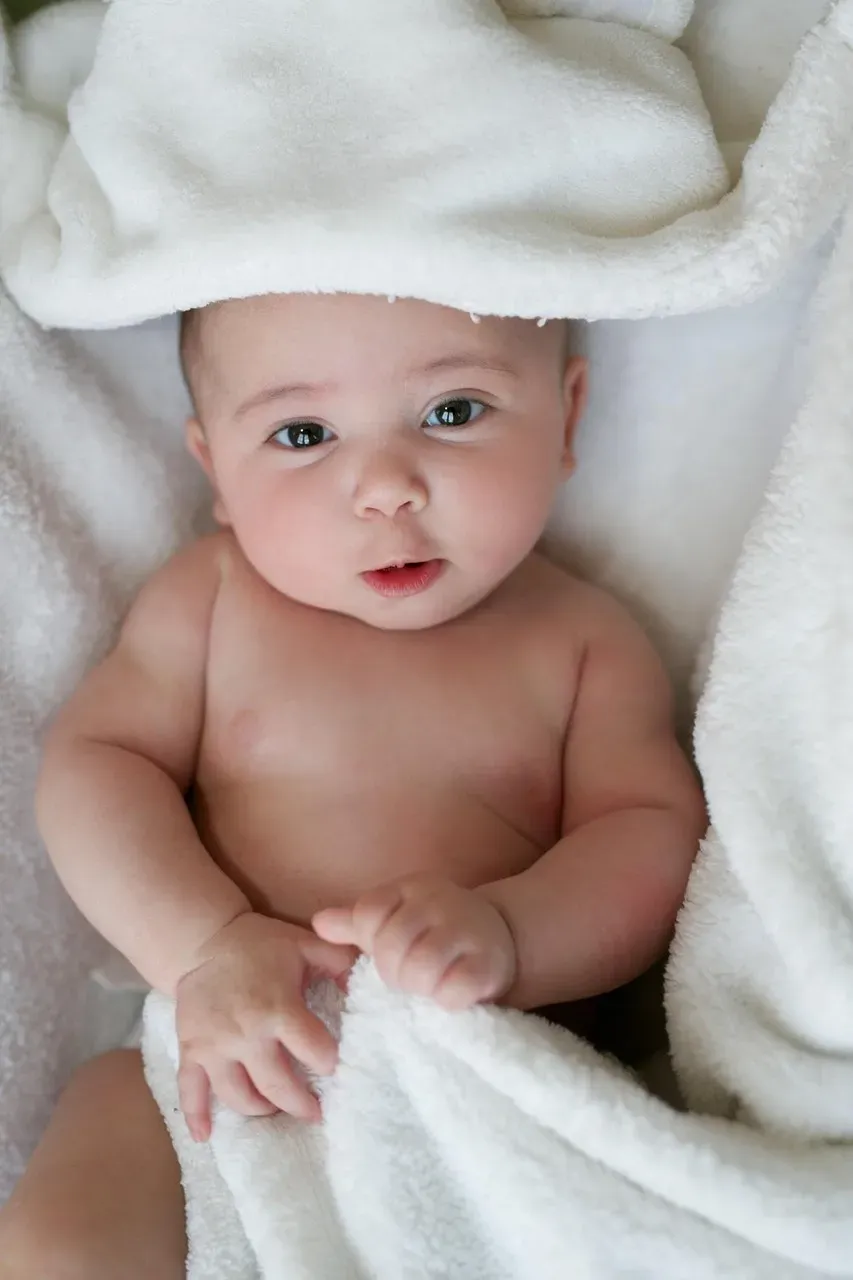
A baby towel has one main job: drying wet skin. Some towels have a hood sewn into one corner. You can place that corner over your child's head while wrapping the rest around their body. This may make it easier to keep a small child covered while you dry them.
A hood is not a safety feature. It does not keep a baby safe in water or prevent heat loss in every situation. It must not cover the face. Remove the towel once your child is dry. Never leave a towel, cloth or other loose item with a baby in a cot for sleep.
Some towels are sold as bamboo towels. The word “bamboo” often describes the source of the plant used to make a processed fibre. The finished cloth may feel smooth, but the word alone does not prove it is softer, safer or better for sensitive skin. Read the fibre label and care instructions. Touch the fabric if you can.
Washcloths are small cloths used to wash or wipe the body. They are handy for gentle cleaning around skin folds. Use a clean area of the cloth for each part of the body. Rinse it often during the bath. After use, wash it and let it dry fully.
How to choose a towel
Start with the way you will use it. A newborn needs a towel that can wrap around a small body without dragging across the floor. An older baby or toddler may need a larger towel. Check the finished size on the label. Product names such as “baby”, “hooded” or “extra large” do not tell you the actual measurements.
- Feel: Pick fabric that feels soft against your own skin. Skip rough edges or scratchy seams.
- Absorbency: A useful towel takes up water without repeated rubbing. If possible, feel a washed sample.
- Size: The towel should cover the body when wrapped, without pooling around the feet.
- Hood: Choose one only if you find it helpful. Check that it sits away from the eyes and nose.
- Care: Look for clear washing and drying directions that fit your household routine.
- Construction: Check seams, hems and the hood attachment. Avoid loose threads or damaged stitching.
- Labelling: Read the fibre content and the maker's instructions. Do not rely on a front-of-pack claim alone.
There is no need to buy a full matching set. One or two towels and several washcloths may suit your routine. The right number depends on how often you do laundry, how often your child bathes and whether you use cloths for spills too.
What GSM means, and what it cannot tell you
GSM means grams per square metre. It describes the weight of a square metre of fabric. A higher GSM often means a heavier cloth, but it does not tell you everything about a towel.
GSM does not prove how quickly a towel absorbs water. It does not show how soft the towel will feel after many washes. It does not tell you how long the towel will take to dry. Weave, fibre, finishing and care all affect how a towel feels and works.
Brands may list a GSM figure, but there is no single number that every family needs. Compare the towel's size, feel, care label and construction. A very thick towel can feel cosy, yet take longer to dry between uses. A lighter towel may dry faster, but could feel less plush. Your preference and laundry setup matter more than a number by itself.
Do not use GSM as a health or safety rating. It is not a measure of skin protection. It does not show that a towel is hypoallergenic, free of every chemical or suitable for eczema. Those claims need clear evidence. A parent cannot confirm them from fabric weight alone.
Bamboo, cotton and other fabric labels
Baby towels may be made from cotton, bamboo-derived fibre, or a blend. The label should state the fibre content. Use that information to compare products, then consider how the cloth feels and how it must be washed.
“Bamboo” can refer to the plant source, while the fabric is made through processing. It is not a guarantee that the finished towel is untreated or that it has special health benefits. Avoid assuming that a natural-sounding name means the product cannot irritate skin. Any cloth can bother a child if it feels rough, holds detergent or rubs sore skin.
Cotton towels are common and come in many weights and weaves. Bamboo-derived towels may feel smooth to some people. Blends can combine different qualities. There is no fabric that works best for every child. Choose a well-made cloth that you can wash as directed and that feels comfortable for your family.
Some products carry textile or environmental certificates. If a claim matters to you, check the certifier and what the label covers. A certificate for one part of production does not necessarily mean the item has every quality a seller suggests. Do not treat a badge as medical advice.
Do ear pockets help?
“Ear pockets” is not a standard feature with one agreed meaning. Some sellers use it to describe a hood with stitched corners or small shapes near the top. These details may make the hood look like animal ears. They do not dry the ears better by themselves.
Look at how the hood is sewn. The inside should feel smooth. There should be no loose parts, long ties or hard decorations. A hood should fit loosely over the head without being pulled down over the face. You can dry around the ears with a clean corner of a washcloth.
If your baby dislikes a hood, leave it off or choose a plain towel. The towel's appearance matters less than gentle drying and close supervision. Do not keep a wet towel on a child longer than needed.
Bathing and drying safely
Have the towel, washcloth and clean clothes ready before you begin. Set them within reach. Check the room is warm enough for your child, without making the bath water hot. Follow health guidance on safe water temperature. Test the water before placing your baby in it.
Stay within arm's reach and keep a hand on your baby in the bath. Babies can drown quickly and quietly in a small amount of water. Never leave a baby alone in the bath, even for a moment. Do not step away to fetch a towel or answer a call. Take your baby with you if you must leave.
Lift your baby out carefully and place them on a safe, flat surface. Keep one hand on them while drying. Pat the skin gently instead of rubbing. Dry folds of skin, including the neck, armpits and groin. Do not poke inside the ears. Put the towel aside once the bath is over.
For a toddler, stay close around water too. A child who can sit or stand still needs constant supervision. An adult should be focused on the child, not a phone or another task. Empty the bath when finished.
Gentle care for dry or eczema-prone skin
A towel cannot treat eczema. It can help avoid extra rubbing after a bath. Use a soft cloth and pat skin dry. If your child's skin is sore, follow advice from a health professional about bathing and moisturiser.
Choose a detergent that your child tolerates. Use the amount shown on its label. Too much detergent can leave residue in fabric. If a towel feels stiff or has a strong smell after washing, rinse it again and check the care instructions.
Avoid fabric softener if it seems to irritate your child's skin or leaves a coating. There is no need to use scented products to make a towel smell clean. Wash new towels before first use, following the maker's instructions. This can remove dust or residue from packing and handling.
If your baby has a rash that is worsening, painful or not improving, ask a doctor or nurse for advice. Do not assume that a bamboo label or an “eczema-safe” claim will solve the problem. Bring the product label if you think a fabric or laundry product may be linked to irritation.
Comparing towel and washcloth choices
| Choice | What it offers | Things to check | May suit |
|---|---|---|---|
| Hooded towel | A corner can cover the head while you wrap the body. | Hood stitching, size, smooth seams and care label. | Families who find a hood useful after baths. |
| Plain baby towel | A simple shape with no hood or extra decoration. | Finished size, absorbency, softness and drying time. | Families who prefer a basic towel or already have one. |
| Large bath towel | More room as a child grows. | It should not drag on the floor or bunch around the child. | Older babies and toddlers, if easy to handle. |
| Small washcloth | Useful for gentle washing and wiping. | Keep it clean, rinse it often and wash it after use. | Bath washing and small clean-ups. |
| Thick, heavy towel | May feel plush and substantial. | It can take longer to dry. GSM alone says little about performance. | Homes with space and time to dry it fully. |
| Lightweight towel | Often easier to fold and may dry faster. | Check that it still absorbs water and feels comfortable. | Travel, small laundry spaces or warm climates. |
| Bamboo-derived fabric | May feel smooth to some families. | Read the fibre label and care directions. Claims are not medical proof. | Anyone who likes its feel and can care for it as directed. |
| Cotton fabric | A familiar option with many styles and weights. | Check weave, seams, size and how it feels after washing. | Families who prefer a common, easy-to-compare fibre. |
No row is best for every home. Pick the option that is easy to use, wash and dry. Replace a towel if seams open, fabric becomes rough or decorations come loose.
Choosing by age and stage
Newborns: A smaller, soft towel can be easier to manage. Keep the bath brief and have everything ready first. Support your baby throughout the bath and while lifting them out. A hood is optional.
Young babies: Babies may wriggle more as they grow. Keep a firm, safe hold during bathing and drying. A larger towel can help cover the body, but it should not get underfoot or cover the face.
Older babies: Babies who can sit still remain at risk near water. Never leave them alone in the bath. Use a towel that you can manage while keeping your attention on your child.
Toddlers: A larger towel may last longer as your child grows. Your toddler may want to help dry themselves. Let them try while you stay close and finish drying skin folds. Keep all towels away from the bath until you are ready to use them.
Age labels are a rough guide. Children grow at different rates. Check the actual size and how the towel works with your child's height and movement. Do not buy a towel based only on a suggested age range.
Washing, drying and replacing towels
Follow the washing instructions on the product. Wash towels before first use. Use a suitable detergent and avoid overloading the washing machine. A crowded load may not rinse well.
Dry towels fully between uses. A damp towel can develop an unpleasant smell. Hang it where air can move around it. Do not leave a wet towel folded in a basket for long periods.
Wash washcloths after each bath or when they become soiled. Do not share a cloth between children if one has a skin infection or another condition where a clinician advised separate items. Wash towels more often when visibly dirty or when your child is unwell.
Check towels from time to time. Repair is not suitable if a seam near the hood is coming apart or decoration is loose. Remove damaged items from use. Do not let a baby chew loose threads or fabric pieces.
Common mistakes to avoid
- Choosing by GSM alone: Fabric weight does not prove absorbency, comfort or safety.
- Believing every “eczema-safe” claim: A marketing phrase is not a diagnosis or treatment.
- Thinking bamboo is always better: Fibre names do not guarantee a particular feel or benefit.
- Pulling a hood over the face: Keep the face clear while drying.
- Rubbing hard: Pat skin gently, especially when it is dry or sore.
- Leaving a baby alone to fetch a towel: Prepare supplies before bath time and keep a hand on your baby.
- Using a towel as a bath safety aid: A towel does not prevent drowning. Close supervision does.
- Leaving wet cloths in a pile: Let them dry or put them straight into the wash.
- Keeping damaged towels: Loose threads and open seams can worsen over time.
- Using a towel for sleep: Keep loose towels and bedding out of an infant's sleep space.
Official guidance across four countries
Bathing advice is similar across these countries: prepare first, supervise closely and dry gently. For Australia, Pregnancy, Birth and Baby is a government health service, and Healthdirect offers health information. In the UK, the NHS explains washing and bathing a baby. In the US, the American Academy of Pediatrics provides newborn bathing advice through HealthyChildren.org. In Canada, the Canadian Paediatric Society shares child health guidance through Caring for Kids.
These sources can help with bathing and skin care. They do not set a special GSM level for baby towels. Nor do they say that bamboo or ear-shaped hoods are required. Choose a towel for practical use, and ask a health professional about ongoing skin problems.
Country guidance can differ in details. Follow local advice and product instructions where they apply. A towel is a textile, not a cot, bath seat or safety device. Do not use a towel to replace adult supervision or safe bathing practices.
Frequently asked questions
Is bamboo better than cotton for a baby towel?
Not for every family. Bamboo-derived fabric may feel smooth to some people. Cotton also comes in many soft and absorbent styles. Compare the fibre label, feel, seams and care instructions. Choose what works for your child and household.
What GSM should a baby towel be?
There is no one required GSM number. GSM describes fabric weight per area. It does not prove that a towel is soft, absorbent or safe. Consider size, feel, care and drying time instead.
Do hooded towels keep babies warmer?
A hood can cover the head while you dry your child. It does not replace prompt drying or suitable clothing. Keep the face clear and remove the towel when drying is finished.
What are ear pockets on a towel?
The phrase is used by some sellers for shaped or stitched hood details. It is not a standard safety or health feature. Check for smooth stitching and avoid loose decorations.
Are bamboo towels safe for eczema?
A bamboo label does not prove a towel is safe for every child with eczema. Choose a cloth that feels soft, wash it well and pat skin dry. Ask a clinician about persistent or painful symptoms.
How many towels and washcloths do I need?
It depends on your laundry routine and how often you bathe your child. Start with a small number. Add more if you run short between washes. You do not need a matching set.
Should I wash a new towel before using it?
Yes. Follow its care label and wash it before first use. This also lets you check how it feels and absorbs after washing.
Can a baby sleep with a hooded towel?
No. A towel is for drying after a bath. Keep loose items out of an infant's sleep space. Use the safe sleep guidance from your local health authority.
How should I dry my baby after a bath?
Wrap your baby in a clean towel and pat the skin dry. Dry skin folds gently. Keep one hand on your baby while they are on a safe surface.
Can I leave my baby while I get a towel?
No. Get the towel and clothes ready before bathing. Never leave a baby alone in or near water, even briefly. Take your child with you if you must leave.
This article gives general information. It does not replace advice from a doctor, nurse or other qualified health professional. Product details can change, so check the maker's label. Some links may be affiliate links. If you buy through them, BabyGearFinder may earn a commission at no extra cost to you.
Sources
Related guides
More Health & Safety Gear →
Choosing a Warm Baby Sleeping Bag: 2.5 or 3.5 TOG, Sleeves or Armholes?
Foldable Baby Bathtubs vs Sink Bath Inserts: Drain Plugs, Mould and Storage

Baby Bath Tubs with Thermometers and Newborn Slings: A Safe Bath Time Guide
