Bath Thermometers for Babies: Spout Covers, Floating Sensors, and Safe Water Temperatures
How to choose and use a baby bath thermometer. Compare spout covers and floating sensors, check safe water heat, and avoid scald and battery risks.

On this page
- Key points
- What bath thermometers and spout covers do
- Why safe bath water temperature matters for babies
- Spout cover thermometers vs floating water sensors
- How to choose a safe bath thermometer
- Step-by-step: how to run a safe baby bath
- Bath safety by age and stage
- Official guidance in Australia, the UK, the US and Canada
- Common mistakes parents make with bath thermometers
- Cleaning, storage and when to replace your sensor
- Frequently asked questions
- Sources
Short answer: A baby bath should be warm, not hot. Aim for 37°C to 38°C (98.6°F to 100.4°F). Digital spout covers read water as it flows from the tap. Floating water sensors read water already in the tub. Many flash a red warning light above 38.9°C or 39°C (102°F). Always stir the water and test it with your wrist or elbow before your baby goes in. Never leave your baby alone in the bath, even for one second.
Health groups in Australia, the UK, the US and Canada all give this same core advice. A thermometer is a helpful backup, not a replacement for your own hand check and close watch.
Key points
- Safe water heat: Keep baby bath water at 37°C to 38°C. That is close to normal body heat.
- High-heat LED alerts: Most digital sensors flash red when water reaches about 39°C (102°F).
- Spout cover sensors: Fit over the bath tap. They pad the hard spout and show the heat of running water.
- Floating water sensors: Sit on the water surface. They show the heat of the pooled bath water.
- Elbow or wrist check: Always swirl the water first. Then dip your elbow or inner wrist in before lifting your baby in.
- Battery safety: Small button batteries are deadly if swallowed. Pick a sealed unit or one with a screw-shut battery door.
- Constant supervision: Stay within arm's reach for the whole bath. Babies can drown in a few centimetres of water in seconds.
What bath thermometers and spout covers do
Bath thermometers measure how warm or hot your baby's bath water is. They take the guesswork out of running a bath, especially when you are tired.
Two common styles have built-in digital screens and coloured lights. One is a digital spout cover. The other is a floating water sensor.
How a digital spout cover works
A spout cover is a soft sleeve made of silicone or rubbery plastic. It slips over the metal bath tap. A small sensor sits inside the cover where the water flows out.
As you fill the tub, water passes over the sensor. A screen on top shows the exact temperature in Celsius or Fahrenheit. Many models also light up in different colours. Green or blue usually means cool or warm. Red means the water is too hot.
Spout covers do two jobs at once. They check the water heat, and they cover the hard tap. That soft padding helps stop head bumps when older babies and toddlers move around in the tub.
How a floating water sensor works
A floating water sensor looks like a small bath toy, duck, whale, or smooth disc. It floats on top of the water in a baby bath, sink, or big tub.
A metal probe under the toy touches the water. It sends the reading to a digital screen on the back or top. Many floating sensors turn on when they touch water. They turn off a few minutes after you take them out.
What high-temperature LED warnings mean
Many digital bath thermometers have a high-heat warning light. Most set this red light to turn on at about 38.9°C to 39°C (102°F). Some also beep or flash a "HOT" word on the screen.
Why that cut-off? Water at 39°C is already warmer than a safe baby bath. A flashing red light tells you right away to add cold water and stir. You do not even need to read small numbers in a steamy room.
Some models also show a blue light when the water drops below about 35°C or 36°C. That tells you the bath is getting too cool for a newborn.
Health & Safety Gates worth a look
Real products from our catalogue. We don't show star ratings or review counts; check the current price, stock and reviews on Amazon before you buy.

Dreambaby Home Safety Essentials Kit (46 pieces)
A 46-piece starter kit of latches, socket covers and corner guards for baby-proofing a home.
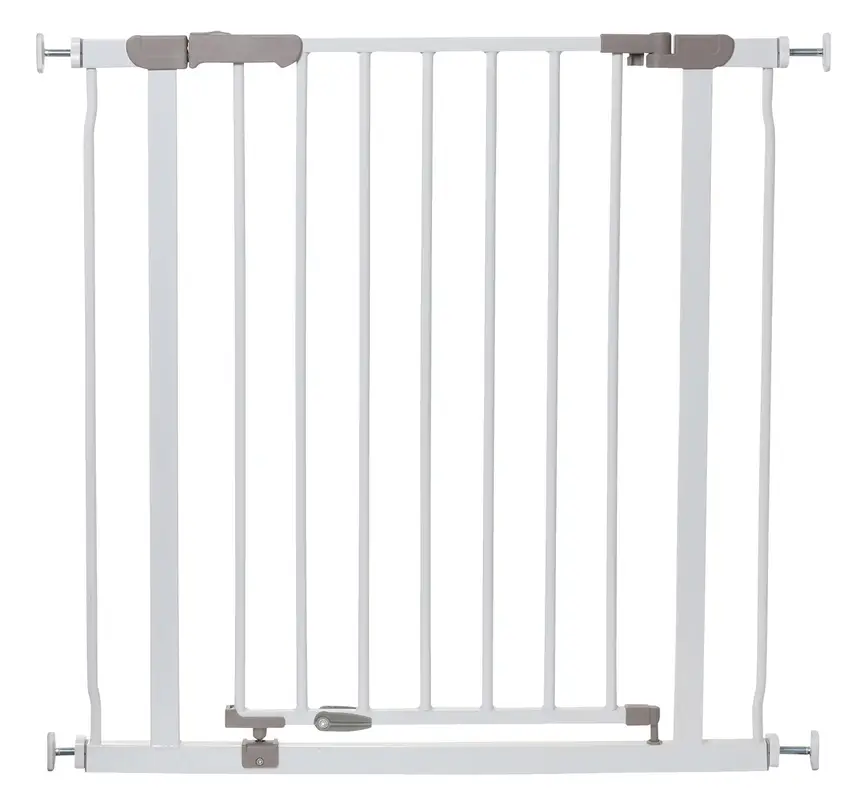
4baby Safety Gate
A low-cost pressure-mounted gate with a double lock. It opens both ways with one hand.

Dreambaby Cosmopolitan Security Gate
A metal-and-timber pressure-fit gate that opens both ways and can stay open.
 Reviewed
Dreambaby Freedom Security Gate
A low-cost metal gate that opens both ways. A stopper can make it open one way only, for stairs.
Read our full review →Why safe bath water temperature matters for babies
A baby's skin is much thinner than an adult's skin. It burns faster and deeper at lower temperatures. A scald is a burn caused by hot liquid or steam.
Hot water that feels merely cosy on your hand can scald a baby in just a few seconds. Your hands are used to washing dishes and handling warm mugs. They are poor judges of safe bath heat.
Your inner wrist and elbow have thinner skin. They feel heat much better than your fingertips. That is why nurses and midwives teach parents to use an elbow or wrist test every time.
Cold water is a problem too, especially for newborns. Young babies lose body heat quickly. Wet skin in a chilly room makes a newborn cold fast. Keeping the water at 37°C to 38°C keeps your baby comfortable without overheating or chilling them.
Room warmth helps as well. Close bathroom doors and windows to stop cold draughts. Have a warm towel ready right beside the tub so you can dry your baby straight away.
Spout cover thermometers vs floating water sensors
Both styles measure water heat, but they work in very different ways. Knowing where each one shines helps you pick the right tool for your tub.
A digital spout cover only reads the water coming out of the tap. Once you turn the tap off, the screen cannot tell you if the bath cools down ten minutes later. Also, a spout cover will not fit every tap. Flat waterfall taps, wide square spouts, and taps with pull-out shower heads often do not fit standard sleeves.
A floating sensor works in any tub, sink, or portable baby bath. It tells you the heat of the water your baby is actually sitting in. You can leave it floating during the bath to watch if the water cools down.
However, floating sensors have a blind spot too. If you run hot water without stirring, hot water can pool at one end of the tub. A floating sensor at the cool end will show a safe number while the tap end is still scalding hot.
Some parents also look at simple colour-changing bath cards or strips. These have no batteries and no screens. They work, though they are harder to read in dim light and give less exact numbers.
| Feature | Digital spout cover | Floating water sensor | Colour bath strip or card |
|---|---|---|---|
| Where it reads heat | Water flowing from the tap | Pooled water in the tub | Pooled water in the tub |
| Tracks cooling over time? | No, only while tap runs | Yes, while floating | Yes, while in water |
| Pads the hard tap? | Yes, softens bumps | No | No |
| Fits all tubs and sinks? | No, needs a standard spout | Yes, works in any tub | Yes, works in any tub |
| Battery inside? | Yes, check for screw door | Yes, check for sealed unit | No battery needed |
| Common downside | May slip off odd tap shapes | Babies grab and chew it | Less exact, harder to read |
How to choose a safe bath thermometer
Do not buy a bath thermometer based on cute animal shapes alone. Check these five safety and design points first.
1. Check battery safety
Many small bath gadgets run on round, flat coin batteries called button batteries. If a child swallows a button battery, it can burn through their throat in two hours. This can cause life-changing injury or death.
Look for a thermometer with a sealed, non-replaceable battery or a standard AAA battery. If it uses a button battery, the battery cover must be held shut by a screw. Never buy a bath toy or thermometer with a clip-on battery door that pops open if dropped.
2. Check waterproof sealing
Bath sensors live in wet, steamy places. Poorly sealed units let water seep behind the screen. That causes fogging, wrong numbers, and dead electronics.
Read the packaging to confirm the sensor is fully waterproof, not just splash-proof. A spout cover faces running water every day. A floating sensor gets dunked by kicking feet and splashing hands.
3. Look for clear numbers and an easy light alert
Pick a large, high-contrast screen that you can read without leaning far over the tub. Make sure you can switch between Celsius (°C) and Fahrenheit (°F) if you prefer one scale. A bright red LED warning above 38.9°C or 39°C is a great extra safety cue.
4. Check the fit on your tap or tub
If you want a spout cover, look at your bathroom tap before you buy. Measure the width and height of the spout. Check where the shower diverter knob sits. Most spout covers use an adjustable strap underneath, but very wide or flat taps may still not fit.
If you use a small newborn tub or wash your baby in a clean sink, a spout cover may not sit near the water well. In that case, a small floating sensor is easier to use.
5. Check materials and mould risk
Babies love to put floating bath items straight into their mouths. Pick a floating sensor made from smooth, sturdy plastic or silicone with no small loose parts. In Australia, the UK and the US, bath toys sold for babies should meet local toy safety rules (such as AS/NZS ISO 8124, BS EN 71, or ASTM F963).
Avoid floating toys with tiny squeeze holes on the bottom. Water gets trapped inside and grows dark mould that you cannot clean out. Look for a solid, sealed unit with smooth edges.
Step-by-step: how to run a safe baby bath
A calm routine makes bath time safer. Follow these steps every time you wash your baby.
- Get everything ready first. Put the towel, clean nappy, clothes, and washcloth within arm's reach before turning on a tap.
- Run cold water first, or mix cold and hot together. Never fill a bath with hot water first and add cold later. A toddler could climb in before you add the cold water.
- Watch the spout sensor as you fill. If you use a digital spout cover, adjust the taps until the screen shows about 37°C to 38°C.
- Turn off the taps tightly. Make sure hot water is not still dripping onto your baby's skin.
- Swirl the water well. Move your hand back and forth through the whole tub. This mixes any hot and cold layers.
- Check the floating sensor. Wait a few seconds for the reading to settle. Check that it sits at 37°C to 38°C and no red warning light is on.
- Do the wrist or elbow test. Dip your inner wrist or elbow into the water. It should feel pleasantly warm, never hot.
- Keep the water shallow. For a newborn, a few centimetres of water is plenty. For an older baby who sits up, keep water below belly-button height.
- Stay right beside the tub. Keep one hand on a young baby, and stay within arm's reach of older babies and toddlers until the bath is over.
- Pull the plug straight after. Empty the tub as soon as you lift your baby out.
Side by side: more health & safety gates to compare
Real products from our catalogue. We don't show star ratings or review counts; check the current price, stock and reviews on Amazon before you buy.

Dreambaby Freedom Xtra-Wide Hallway Gate
A wide metal gate for hallways. It opens both ways and can stay open.
 Reviewed
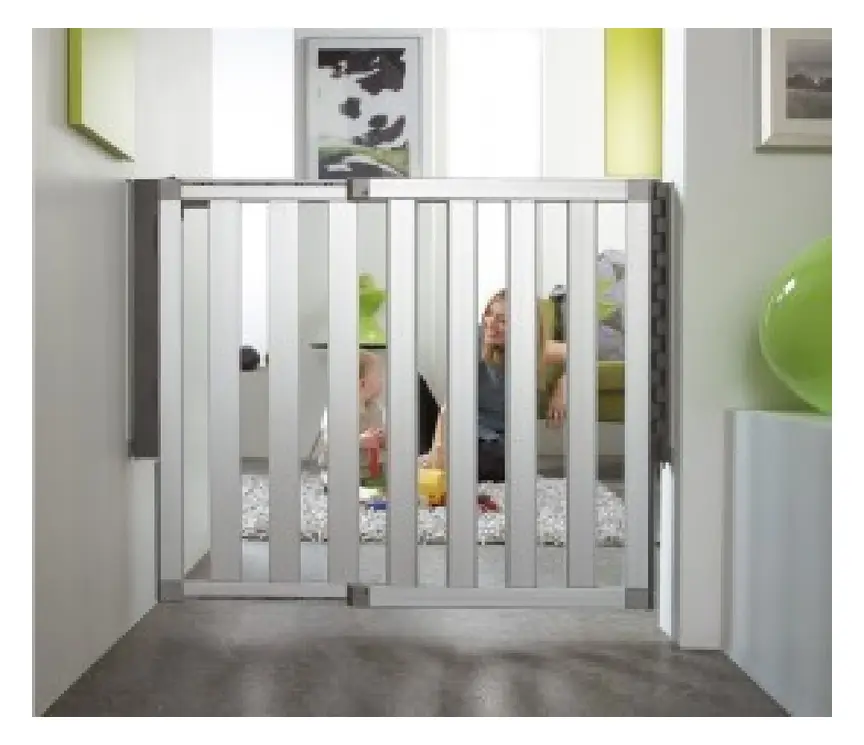
Lindam Numi Aluminium Gate
A screw-fixed aluminium gate with locks at the top and bottom and a hinge that keeps fingers safe.
Read our full review → Reviewed
Lindam Orto Sure Shut Gate
A pressure-fit gate that needs no screws. Extensions make it wider.
Read our full review → Reviewed
Lindam Sure Shut Deco Safety Gate
A wood-and-metal pressure-fit gate with a push-to-shut lock.
Read our full review →Bath safety by age and stage
Your baby's needs change fast in the first two years. A sensor that works well for a newborn may need extra backup once your baby starts sitting and grabbing.
| Age stage | What your baby can do | Best thermometer and safety setup |
|---|---|---|
| Newborn (0 to 3 months) | Cannot hold head up. Gets cold fast. | Floating sensor in a small baby bath or sink. Warm room. Always support head and neck. |
| 3 to 6 months | Kicks and splashes. May roll over. | Floating sensor. Shallow water. Never rely on a bath seat or ring to hold baby alone. |
| 6 to 12 months | Sits up. Grabs toys and taps. | Spout cover pads the metal tap. Keep floating sensor free of small parts. Watch hands near taps. |
| Toddler (1 to 3 years) | Stands up, slips, turns tap handles. | Spout cover plus non-slip mat. Teach sitting in the tub. Never leave alone, even for a second. |
Many parents think a plastic bath seat or ring keeps a baby safe when they step away. Safety groups in all four countries warn strongly against this. Bath seats can tip over or trap a baby under water. They are never a substitute for adult hands and eyes.
Official guidance in Australia, the UK, the US and Canada
Advice on baby bath safety is very consistent across Australia, the UK, the US and Canada. Official health and safety bodies focus on three main risks: burns from hot water, drowning, and button batteries.
| Country | Key official bodies | Main bath and water safety advice |
|---|---|---|
| Australia | ACCC (Product Safety Australia), Kidsafe Australia, Royal Life Saving Australia, Pregnancy, Birth and Baby | Bath water 37°C to 38°C. Test with wrist or elbow. Stay within arm's reach. Strict rules on secure button battery doors. |
| UK | Office for Product Safety and Standards (OPSS), NHS, RoSPA, Royal Life Saving Society UK | NHS recommends 37°C to 38°C and elbow check. Run cold water first. Never leave a baby alone in the bath. |
| US | U.S. Consumer Product Safety Commission (CPSC), American Academy of Pediatrics (AAP), CDC | AAP advises warm water tested with wrist or elbow, shallow depth, and constant touch supervision. Set home hot water heater lower to reduce scald risk. |
| Canada | Health Canada, Canadian Paediatric Society (Caring for Kids), Lifesaving Society Canada | Keep children within arm's reach in water. Check water heat before placing child in tub. Check Health Canada recalls for bath products. |
Many plumbers and national safety groups also suggest lowering your home hot-water delivery temperature to bathroom taps. A licensed plumber can fit a mixing valve (a device that blends hot and cold water before it reaches the tap) so bath tap water cannot come out at boiling-hot levels. Check local building and plumbing rules in your area.
Common mistakes parents make with bath thermometers
Even careful parents can slip into habits that make a bath thermometer less reliable. Watch out for these common traps.
- Reading the screen without stirring the water. Water near the tap can be much hotter than water at the far end of the tub. Always swirl the water well before checking the number.
- Skipping the elbow or wrist check. Electronics can break, lose calibration, or show a stale number when a battery runs low. Your own skin is your final safety check.
- Trusting a spout cover for the whole bath. A spout cover only reads running water. Once the tap is off, it does not tell you if the bath has gone cold.
- Letting babies chew on battery-powered sensors. Drool and biting can crack a weak seam or loosen a battery door. Give your baby a simple, solid rubber or plastic cup to chew instead.
- Thinking a spout cover locks the tap. Soft silicone covers pad bumps, but a strong toddler can still reach under or turn a lever tap. Turn taps off firmly and watch little hands.
- Using a broken or foggy sensor. If you see water drops inside the screen, the sensor may read wrong. Replace it straight away.
- Leaving an older child to watch the baby. A four-year-old or six-year-old cannot rescue a slipping baby. An adult must stay right by the bath.
Cleaning, storage and when to replace your sensor
Bathrooms are warm and damp, which makes mould grow fast. A quick clean after bath time keeps your thermometer working longer and stops germs building up.
After every bath
- Take the floating sensor out of the water and shake off drops.
- Wipe it dry with a clean towel.
- Stand it up or place it in a mesh basket where air can reach all sides.
- If you use a spout cover, slide it off once a week to dry the inside and wipe the metal tap.
Once a week
Wash the outside of the sensor and spout cover with warm, mild soapy water. Rinse well with clean water and let them air dry completely. Do not boil a digital thermometer or put it in a dishwasher, as high heat will ruin the sensor and battery seal.
When to throw it out
Replace your bath thermometer if you notice any of these signs:
- Mist, fog, or water drops trapped inside the display window.
- Cracks in the plastic case or silicone sleeve.
- A loose battery door that does not screw shut tightly.
- Black mould inside a seam that will not wash away.
- Readings that jump up and down or clearly disagree with your wrist test.
More options, from budget to premium
Real products from our catalogue. We don't show star ratings or review counts; check the current price, stock and reviews on Amazon before you buy.
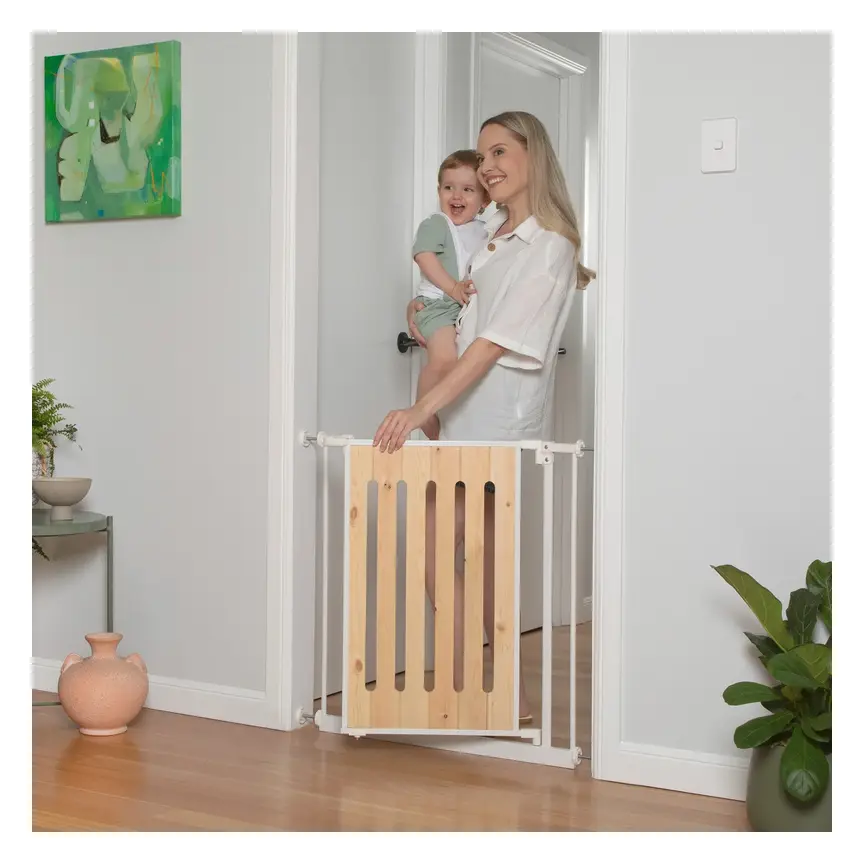
Perma Child Safety Easy Fit Timber Baby Gate
Wall-mounted safety gate
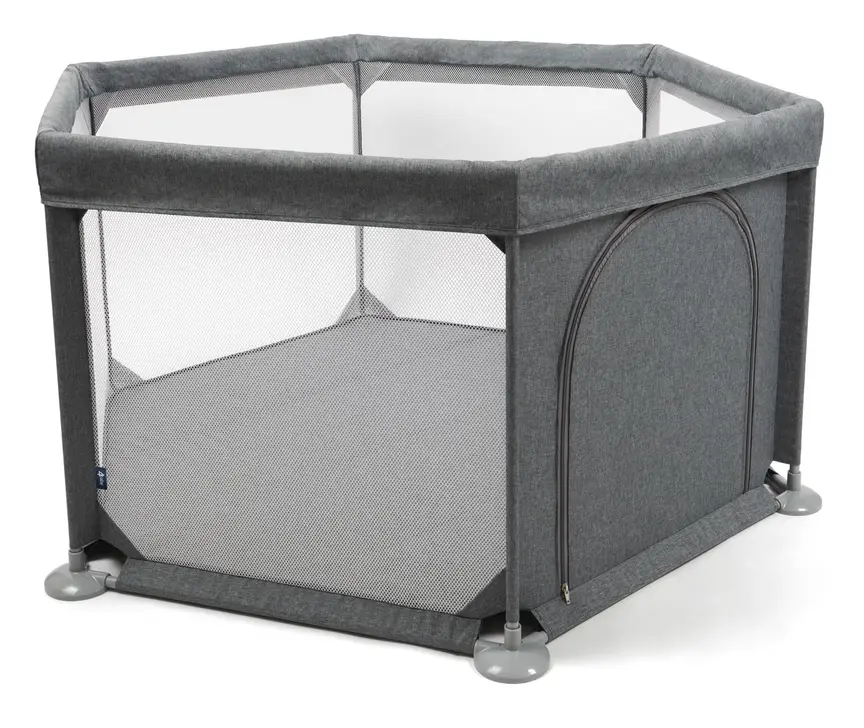
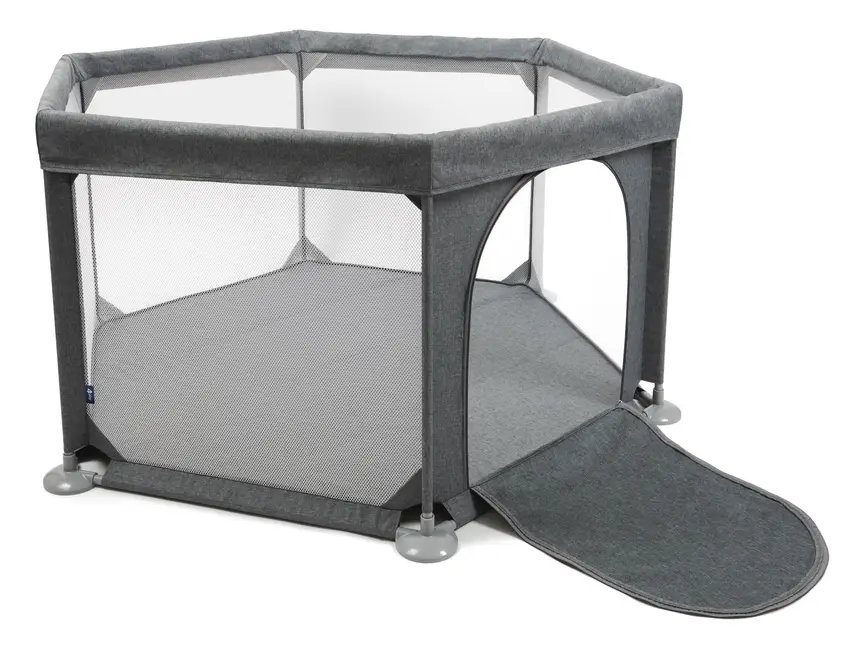
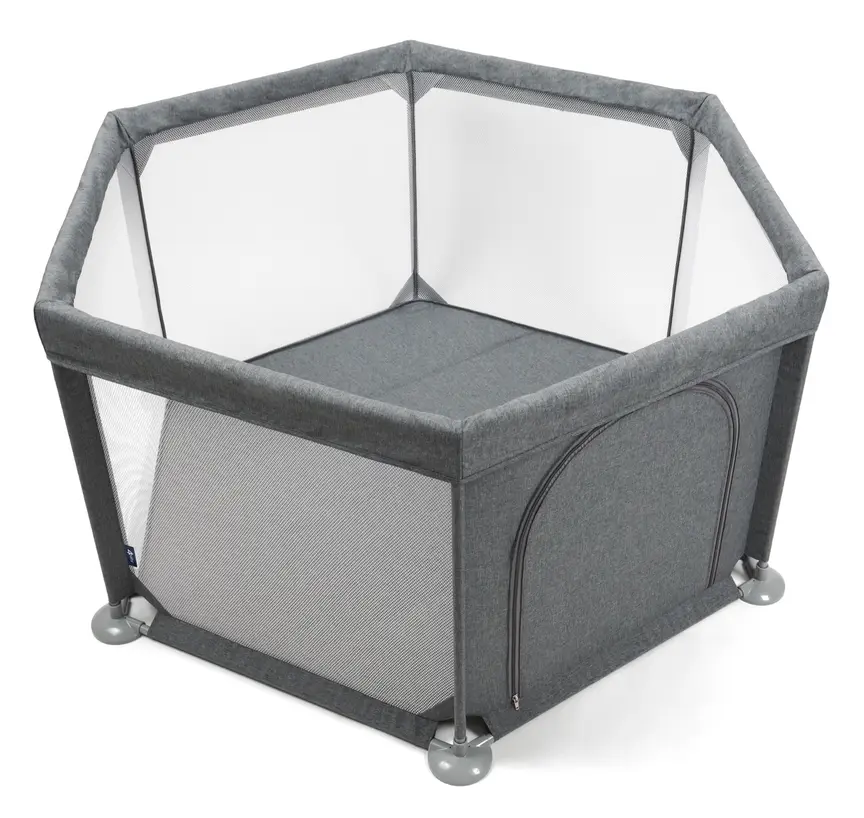
4baby Hex Playpen
A six-sided mesh playpen with a zip door. It packs into a carry bag.
Read our full review →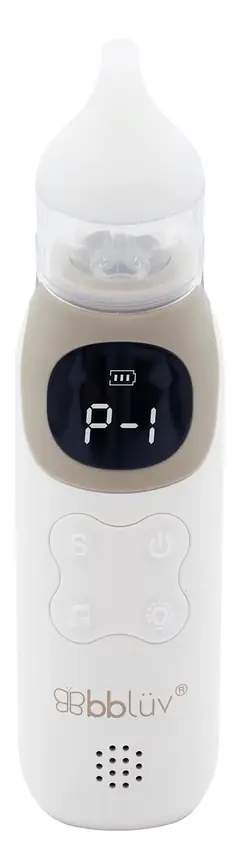


bbluv Rino Pro Nasal Aspirator
An electric nasal aspirator with 5 suction levels, soft silicone tips and a screen.
Read our full review →Frequently asked questions
What temperature should baby bath water be?
Most health services, including the NHS and Australian child health groups, recommend 37°C to 38°C (98.6°F to 100.4°F). That is about normal body temperature. It feels pleasantly warm on your inner wrist or elbow, never hot.
Why do some bath thermometers flash red at 38.9°C or 39°C?
Many digital sensors use 38.9°C or 39°C (about 102°F) as a high-temperature alert threshold. Water at or above this point is warmer than the recommended 37°C to 38°C range. The red LED warning gives you a fast visual cue to add cold water and stir before putting your baby in.
Are digital spout covers safe for newborns?
A spout cover is safe to keep on the tap, and its soft shape helps protect older babies from bumps. However, for a newborn in a small baby bath or sink, a floating sensor is often more practical. It sits right in the water your newborn will lie in.
Do I still need a thermometer if I test the water with my elbow?
You do not strictly need a thermometer if you always stir the water and test it with your wrist or elbow. Many parents still like having one for peace of mind, especially in the early weeks. Just remember that the thermometer is a helper, and your elbow check is still essential.
Are floating bath thermometers safe if my baby puts them in their mouth?
Only if the sensor is well made, smooth, free of small loose parts, and has a sealed battery or a screw-secured battery cover. Always check the unit before each bath for cracks or loose seams. Never let a child play with any gadget that has a loose button battery door.
Why does my floating thermometer show a different temperature from my spout cover?
They measure water in two different spots. The spout cover reads fresh water coming straight out of the tap. The floating sensor reads water already sitting in the tub, which cools as it meets the air and the cold tub walls. Always stir the bath water well before reading a floating sensor.
Can a spout cover stop my toddler from turning on the hot tap?
No. A spout cover pads the metal tap spout to soften bumps. It does not lock the tap handles. Toddlers can still reach and turn tap levers if they are left unwatched, so always stay within arm's reach and empty the bath as soon as bath time ends.
Sources
- NHS – Washing and bathing your baby
- HealthyChildren.org (American Academy of Pediatrics) – Bathing your newborn
- Kidsafe Australia – Water safety
- Royal Life Saving – Water safety at home
- Caring for Kids (Canadian Paediatric Society) – Water safety
- Product Safety Australia – Button batteries guide
- RoSPA – Child safety at home
Related guides
More Health & Safety Gear →
Baby Bath Tubs with Thermometers and Newborn Slings: A Safe Bath Time Guide
Childproof Outlet Box Covers vs Sliding Outlet Plates: Keeping Nursery Plugs Safe

Electric Nasal Aspirators for Babies: Suction Levels, Cleaning, and Safe Use