







Long-Sleeve Feeding Smocks vs Silicone Catch-Pocket Bibs: Which Helps Most?
Compare long-sleeve feeding smocks and silicone bibs. Learn how to choose by fit, comfort, cleaning and food mess, while keeping meals safe.

On this page
- What these two kinds of bib do
- Quick comparison
- How to choose by coverage and comfort
- Fit checks before each meal
- Eating safely matters more than catching food
- Age stages and feeding readiness
- Cleaning and everyday use
- Travel, meals out and shared care
- Common mistakes
- Guidance in Australia, the UK, the US and Canada
- Frequently asked questions
- Sources and further guidance
- Sources
Short answer: A long-sleeve feeding smock covers more clothing. A silicone bib is quicker to put on and may catch some dropped food. Neither prevents choking or replaces close adult attention. Choose by your child's fit, comfort, meal and your cleaning routine. Some families keep both and use each for different meals.
A bib is optional. It can make clean-up easier, but it cannot keep every crumb off clothes or the floor. Your child still needs suitable food, a stable seat and an adult close by.
What these two kinds of bib do
A long-sleeve feeding smock is a garment worn over a child's clothes. It usually covers the chest and arms. Some styles also cover the shoulders or have a pocket. Fabric, fasteners and washing needs vary. Check the care label before buying.
A silicone catch-pocket bib sits around the neck. It covers the front of the chest. A shaped pocket hangs below the chin. Food may fall into that pocket, but it can also land on the lap, chair or floor. Silicone bibs do not cover sleeves.
Both styles protect some clothing during meals. They do not guide food into the mouth. They do not make a child eat more. A child can still drop, smear or throw food while wearing either style.
The word “waterproof” can mean different things on product labels. It may refer to a coated fabric or a water-resistant layer. It does not mean the whole smock stays clean or dry in every meal. Check the maker's details and care instructions.
Quick comparison
| Feature | Long-sleeve smock | Silicone catch-pocket bib |
|---|---|---|
| Clothing coverage | Usually covers the chest and arms. The cut and fit affect coverage. | Covers the front of the chest. Sleeves and sides stay uncovered. |
| Food catching | Some designs have a pocket. Others mainly protect clothing. | A shaped pocket may catch food that falls forward. |
| Getting it on | Needs sleeves and a body fit. Some children dislike putting on a garment. | Usually goes around the neck. The fit must feel comfortable. |
| Arm movement | Good fit lets the child reach and bend their arms. | Arms stay free. The bib should not press on the neck. |
| Cleaning | Follow the care label. Fabric can take time to dry. | Often rinsed or wiped after use. Follow the maker's advice. |
| Useful setting | Messy meals, uncovered sleeves or clothes that need more cover. | Quick meals when front coverage is enough. |
| Limits | May feel warm or restrict movement if poorly fitted. | Does not protect sleeves. Food can miss the pocket. |
| Storage | May need more space, especially before it dries. | Can be bulky or stiff. It still needs clean, dry storage. |
This is a comparison of common designs. A particular smock may have a pocket. A particular silicone bib may fit differently. Check the item itself instead of relying on a product name.
How to choose by coverage and comfort
Start with the food and the child's clothing. Foods held in both hands can spread across sleeves. A smock may cover more of that area. A bib may be enough when the meal is less messy or the child wears clothes that wash easily.
Think about how your child moves. They may reach forward, turn to look at you or lift their arms. The bib should not stop those movements. Sleeves should not pull across the shoulders or cover the hands. The neck area should not press or rub.
Try the item before a full meal. Let your child see and touch it first. Put it on calmly. Check that they can sit, reach and bring food to their mouth. Watch for pulling, distress or gagging. Take it off if it seems uncomfortable.
Do not choose a larger size so your child can “grow into it” if it affects safe fit. A bib that hangs too low can get in the way. A neck opening that is too small can feel tight. Use the maker's age and size guidance as a starting point.
Some children like having a choice. You can offer a smock or a bib, then respect their answer. If they refuse both, use washable clothes or change them after the meal. A bib is not worth turning mealtimes into a struggle.
Match the bib to the meal
Soft finger foods can leave marks on sleeves and the front of a shirt. A smock may help with this. A silicone bib may be easier when the child eats a small snack. Neither choice keeps hands, hair or the high chair clean.
Soups and wet foods can run under a bib or spill from a pocket. Check how the bib sits while your child is seated. Keep a cloth nearby for the child's hands and face. Do not leave food on the bib between meals.
Meals away from home add another question: where will the used bib go? A smock may be folded after food scraps are removed. A silicone bib may need a separate bag if it is still damp or dirty. Keep used items away from clean food and clean clothes.
Fit checks before each meal
Take a moment to check the bib each time. Children grow, and fasteners can wear out. A bib that fitted last month may now sit differently.
- Check that the neck area feels comfortable and does not press tightly.
- Make sure the child can turn their head and move their arms.
- Keep sleeves out of the child's eyes and hands.
- Check that the pocket does not press into the child's body while seated.
- Look for tears, loose parts, damaged fasteners or sharp edges.
- Check the care label and use the item as its maker describes.
- Remove the bib when the meal ends.
Do not tie a bib with a long cord. Do not add string, clips or toys. Do not use an improvised neck strap. If the bib uses a closure, fasten it only as directed. Stay with your child while they eat.
Eating safely matters more than catching food
A bib does not make food safe to swallow. Sit your child upright in a stable high chair or other suitable seat. Check that the seat is used as its maker describes. Keep your child within arm's reach. Watch them throughout the meal.
Offer foods prepared in a way your child can manage. Follow trusted feeding guidance for your child's age and skills. Cut or prepare food as recommended by a health service. Keep hard or round foods away unless they have been made safer for your child's stage.
Do not let your child walk, run, play or lie down with food in their mouth. Keep the meal calm. Avoid distractions that stop you watching. Learn choking first aid from a trusted service in your country. A bib pocket is not a place to store food for later.
If your child coughs often while eating, struggles to swallow or has a known feeding need, ask their doctor or feeding specialist for advice. Follow any plan they give you. A bib cannot address a feeding or swallowing problem.
Gagging and choking are different. Gagging can happen as a child learns to handle food. Choking can block breathing and needs urgent action. Learn the signs and the right first aid from a qualified source. Do not rely on a product label or online video alone.
Age stages and feeding readiness
A bib is useful when a child starts eating foods that can make a mess. A bib does not show whether a child is ready for solid food. Readiness depends on development and health, not on the bib or a birthday alone.
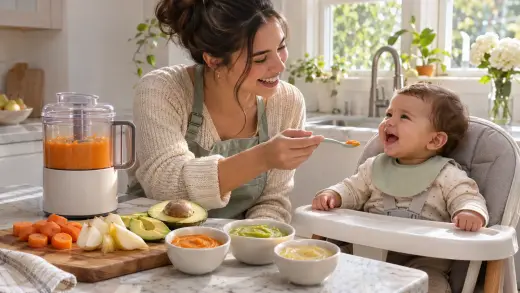
Health guidance often describes starting solid foods at around six months, when a baby is ready. Signs include being able to sit with support, hold their head steady and bring food to their mouth. Follow guidance in your country. Ask a health professional if your baby was born early or has feeding needs.
| Stage | What may help | What to check |
|---|---|---|
| Before solid foods | A bib is usually not needed for milk feeds. | Do not use a bib as a sleep garment. Remove it after feeding. |
| Early tastes | A soft, easy-to-clean option may be enough. | Keep the face clear and let the child move freely. |
| Self-feeding practice | A smock may protect sleeves. A pocket bib may catch some food. | Check fit while seated and keep supervising. |
| Older toddler | Let the child help choose a comfortable style. | Recheck size, fasteners and condition as they grow. |
Children develop at different speeds. Some are keen to wear a bib. Others push it away. You can protect clothes in another way. Keep offering suitable foods without forcing a bib onto your child.
As children become more independent, they may want to put the bib on themselves. Help them with fasteners and check the fit. Do not leave a young child alone with a bib, even if they can put it on without help.
Cleaning and everyday use
Remove food soon after the meal. Scrape scraps into the bin. Clean the bib before food dries into folds or pockets. Wash it using the method on its care label. Do not assume every waterproof smock can go in a washing machine or dryer.
Silicone can often be rinsed soon after use. Check around the fasteners and inside the pocket. Food can stick in corners. Wash it as the maker directs, then let it dry fully before putting it away.
Use clean hands when handling a bib after a meal. Keep the dirty side folded inward when carrying it. A separate washable bag can hold a used bib until you get home. Wash that bag as needed too.
Do not use bleach, harsh cleaners or high heat unless the maker says they are suitable. These may damage a surface or fastener. If the bib smells after washing, check whether food is trapped in a seam or pocket. Stop using it if you cannot clean it properly.
A spare bib can help while the first one dries. Store clean bibs away from dirty dishes and used cloths. Do not put a damp bib into a closed bag for long periods. Let it dry before storage to reduce odour.
What to check on a smock
Look over the seams, sleeves and closures. Check for peeling coating, holes or split stitching. Make sure cuffs do not squeeze the wrists. Food can collect where the sleeve meets the body, so clean those areas well.
Some smocks have a front pocket. Check if it is open or closed at the sides. A pocket may collect food, but it can also trap crumbs. Turn it inside out if the care instructions allow this.
What to check on a silicone bib
Look at the neck fastener and the edges. Check for cracks, tears or pieces that have come away. Clean the pocket and any raised seams. Do not keep using it if a part is loose or the neck fit has changed.
Silicone bibs can be stiff. A child may find the edge presses against their chest or tray. Check the bib while the child is seated. If it pushes their body forward or catches on the chair, choose another option.
Travel, meals out and shared care
For travel, choose a bib that fits your routine. A smock may protect more clothing, but it can take longer to dry. A silicone bib may rinse quickly, but it can take up more space than expected. A washable cloth is another option.
Pack one clean bib and a separate bag for used items. Do not place a dirty bib on a clean table or beside ready-to-eat food. At a restaurant, check that your child has a stable seat and can sit upright. Keep watching them as you would at home.
If someone else feeds your child, show them how the bib fastens and how to clean it. Explain any fit concern or feeding advice from your child's clinician. Make clear that the bib comes off after eating.
When more than one child uses a bib, wash it between children. Check the name label if items can be mixed up. Do not share a bib that is dirty or damp. Keep each child's feeding equipment clean.
Common mistakes
- Choosing by appearance alone. Check fit, comfort, washing steps and condition.
- Expecting a pocket to catch everything. Food can miss it or spill out.
- Using a bib instead of watching. Stay close and watch every meal.
- Leaving a bib on after eating. Remove it when the meal ends.
- Buying a poor fit. Recheck size as your child grows.
- Ignoring care instructions. Heat or strong cleaners may damage some items.
- Keeping damaged gear in use. Replace an item with tears or loose parts.
- Making the bib too tight. The child needs a comfortable fit and free movement.
- Using a long tie or added cord. Do not improvise a neck fastening.
- Putting the bib on for sleep. Remove it after the meal and before sleep.
- Forcing a reluctant child. Try another option or use washable clothes.
- Assuming “waterproof” means easy care. Read the label and check drying needs.
Guidance in Australia, the UK, the US and Canada
These official sources offer feeding, choking and product safety guidance. They do not endorse one bib style over another. In Australia, consult the Australian Department of Health, Pregnancy, Birth and Baby, Product Safety Australia and the ACCC. In the UK, consult the NHS and the Office for Product Safety and Standards. In the US, consult the American Academy of Pediatrics and the U.S. Consumer Product Safety Commission. In Canada, consult the Canadian Paediatric Society and Health Canada.
Across these countries, the useful steps are much the same. Offer food that suits the child's stage. Seat the child upright. Stay close and watch. Ask a health professional about feeding concerns. A bib helps with clothing and clean-up only.
| Place | Official bodies | Useful guidance |
|---|---|---|
| Australia | Australian Department of Health; Pregnancy, Birth and Baby; Product Safety Australia (ACCC) | Introducing solids, safe feeding, product recalls |
| United Kingdom | NHS; Office for Product Safety and Standards | First foods, choking response, consumer product safety |
| United States | American Academy of Pediatrics; U.S. Consumer Product Safety Commission | Starting solids, choking prevention, recalls |
| Canada | Canadian Paediatric Society; Health Canada | Feeding in the first year, recalls and safety alerts |
Check your local recall service if a bib seems unsafe or has a detachable part. Stop using a product if it is damaged. Contact the maker or your local product safety body if you cannot find clear safety information.
Frequently asked questions
Which catches more food?
It depends on the design and your child's movements. A silicone pocket may catch food that drops forward. A smock covers more clothing, and some smocks have a pocket too. Neither catches every spill.
Can my baby wear a bib all day?
Use a bib for meals, then remove it. This keeps it away from your child's face during play or sleep. Follow the maker's instructions.
Are silicone bibs safe for babies?
Choose a bib made for your child's age and size. Check it for damage and a comfortable fit. Stay close while your child eats. Stop using it if a part comes loose or the fit is no longer right.
Can a feeding smock make my child too warm?
A long-sleeve layer may feel warm in a hot room. Use light clothing underneath and watch your child's comfort. Remove the smock if your child seems hot or distressed.
Should I use a bib when starting solids?
You can, but it is not required. Pick a comfortable option that is easy to clean. Safe seating, suitable food and close supervision matter more.
How do I clean a waterproof smock?
Follow its care label. Remove food soon after the meal. Some fabrics need hand washing or air drying. Do not guess about heat settings.
What if my child refuses a bib?
Do not force it. Try another comfortable style or protect clothes with an old shirt. You can also change clothes after the meal.
When should I replace a bib?
Replace it if it is torn, has a loose part, no longer fits or cannot be cleaned well. Check the maker's recall information if needed.
Can my child eat while walking if they wear a bib?
No. A bib does not make walking and eating safe. Have your child sit upright while eating. Stay close and watch them.
Can a silicone bib go in the dishwasher?
Some can, but care differs between products. Check the maker's label or instructions. If it does not say, wash it by hand using the stated method.
Does a bib help prevent choking?
No. A bib only covers clothing or catches some food. Use age-suitable food, sit your child upright and stay with them. Learn choking first aid from a trusted service.
Which is better for a messy meal?
A smock may cover more of your child's clothing. A pocket bib may catch some food that falls forward. Consider the fit, your child's comfort and how you will clean it.
Sources and further guidance
- Pregnancy, Birth and Baby: Introducing solid food
- NHS: Your baby's first solid foods
- American Academy of Pediatrics: Starting solid foods
- Canadian Paediatric Society: Feeding your baby in the first year
- Product Safety Australia: High chairs guide
- UK Office for Product Safety and Standards
- Health Canada: Recalls and safety alerts
Disclaimer: This article is general information, not medical advice. Ask your child's doctor, nurse or feeding specialist about your child's needs. BabyGearFinder may earn a commission from some links. This does not change the price you pay.
Sources
- Pregnancy, Birth and Baby – Introducing solid food
- NHS – Your baby's first solid foods
- American Academy of Pediatrics (US) – Starting solid foods
- Caring for Kids (Canadian Paediatric Society) – Feeding your baby in the first year
- Product Safety Australia – High chairs guide
- UK Office for Product Safety and Standards
- Health Canada – Recalls and safety alerts
Related guides
More Feeding & Baby Food →
Teething Bandana Bibs with Silicone Corners: What to Know Before Use

Silicone Bibs with Reinforced Buttonholes: How to Keep Your Toddler's Bib On

Food-Grade Silicone Bibs with Crumb Catchers: How to Choose, Use, and Clean Them
