











How to Choose a Baby Play Gym: Safety, Features and What to Look For
Choose a baby play gym with a stable frame, safe toys and easy cleaning. Learn what to check, how play changes with age, and when to supervise.
On this page
- What a baby play gym can offer
- How to choose one for your home
- Play gym features compared
- Safety checks before every play session
- Age stages and changing play
- Cleaning and checking the gym
- Making play useful without pressure
- Standards and official advice across four countries
- Common mistakes to avoid
- Frequently asked questions
- Sources and further guidance
- Sources
Short answer: A baby play gym is a floor mat with a frame or arch. Toys hang above or sit around the mat. It can give your baby things to look at, reach for and touch during awake play. You do not need one for healthy development. A clean blanket on a clear floor can also be a place to play. If you buy a gym, check its age guidance, frame, attachments, cleaning instructions and recall status. Stay close while your baby uses it. Keep sleep separate: if your baby becomes sleepy, move them to a safe sleep space.
Play gyms are not all the same. Some have a soft mat and hanging toys. Others add lights, music, mirrors or detachable parts. Pick features you will use. A simple, stable gym may suit your home better than one with many parts.
What a baby play gym can offer
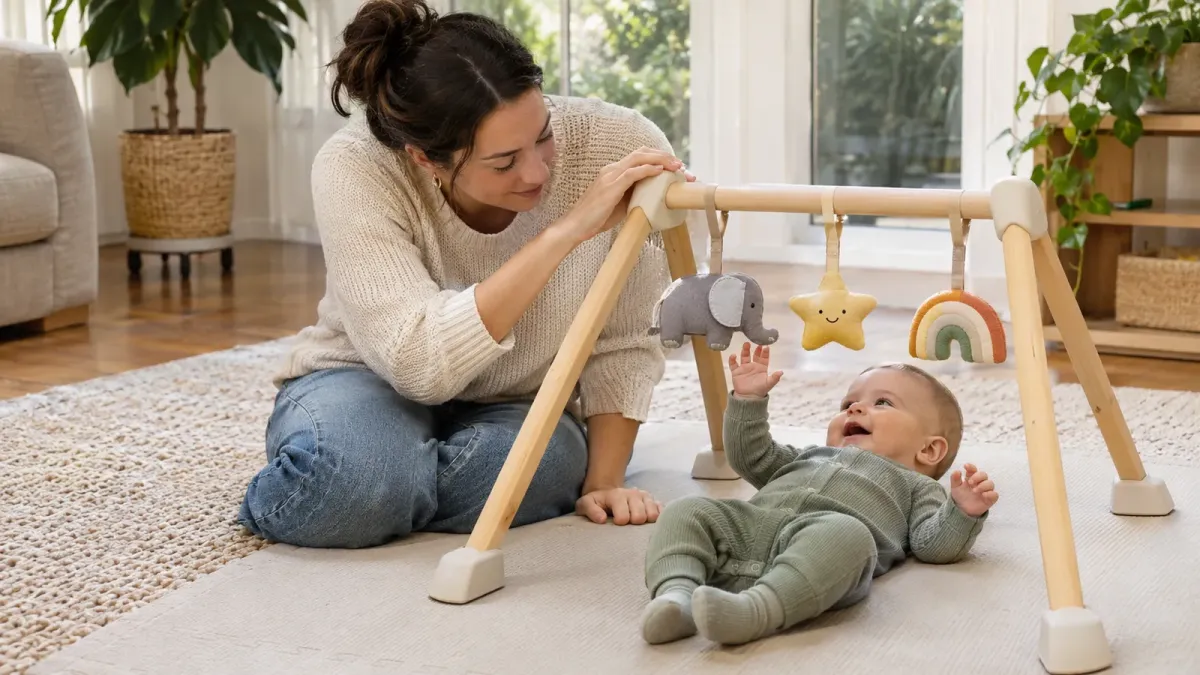
A play gym gives a baby a place for short periods of awake floor play. Your baby may look at a toy, turn towards a sound, stretch, kick or reach. You can lie nearby, talk, sing or show one toy at a time. These small moments let you respond to what your baby notices.
Play gyms do not teach a baby to sit, crawl or walk. They do not replace time with a parent or carer. They are also not a treatment for a health or movement concern. Babies develop at different speeds. A toy that interests one baby may not interest another.
Some gyms have a mat with a padded surface. Some use a thin mat or no mat at all. A frame may stand over the baby, or toys may attach to side loops. Products with music or lights need power. Others work without batteries. Each design brings different cleaning and storage needs.
You can use a play gym for tummy time if the maker permits it and the floor is firm and clear. Tummy time means awake time on the tummy with an adult watching closely. Place your baby on their back for sleep. A play gym is not a cot, bassinet or sleep product.
How to choose one for your home
Start with how you plan to use the gym. Think about your floor space, storage, washing routine and your baby's current interests. A gym that is easy to set up and clean may get used more often than one with features you rarely need.
Check the age and use instructions
Read the product label and manual before buying. Check the maker's stated age range and any limits on weight or use. Follow instructions about assembly, toy placement, cleaning and storage. If the product has missing instructions, unclear age guidance or parts that do not fit, choose another option.
Look at the frame and attachments
The frame should stand as shown in the manual. It should not have loose joints, sharp edges or gaps that could trap fingers. Check that each toy clips on securely. Pulling or tugging can loosen a toy over time, so inspect the frame and attachments often.
Do not add extra toys, ribbons, cords or homemade attachments. They can create loops or become loose. Use only parts supplied or approved by the maker. Remove a damaged toy or frame from use.
Choose toys that suit your baby
Simple toys can be enough. A baby may enjoy looking at a high-contrast shape, listening to a gentle sound or reaching for a soft toy. Toys should be within sight and reach only as the maker intended. Avoid small parts that could come loose or fit in a baby's mouth.
Some babies dislike music, flashing lights or several toys at once. You can remove optional toys if the instructions allow it. A calmer set-up may help your baby focus on one thing. Watch your baby's cues. Looking away, fussing or becoming tired can mean it is time for a break.
Think about the mat and its care
Check whether the mat is washable, wipe-clean or both. Look at the care label before using detergent or putting it in a machine. A cover that cannot be removed may take longer to clean. Dry every part fully before putting it back together, if the instructions require that.
Choose a surface that lies flat on the floor. If the mat slides or bunches, stop using it until you can make the area safe. Do not add pillows or loose blankets to make it softer. Those items can cover a baby's face or become a hazard.
Consider size, folding and storage
Measure the floor area where you expect to use the gym. Leave room for you to sit beside your baby and move around the frame. Check how it folds and whether the parts can be stored safely. A large gym may not suit a small room, even if it has many features.
If you plan to travel with it, check its packed size and weight. Carrying a gym is optional. A clean blanket on a clear floor can be easier when visiting family.
Montessori & Sensory Toys worth a look
Real products from our catalogue. We don't show star ratings or review counts; check the current price, stock and reviews on Amazon before you buy.

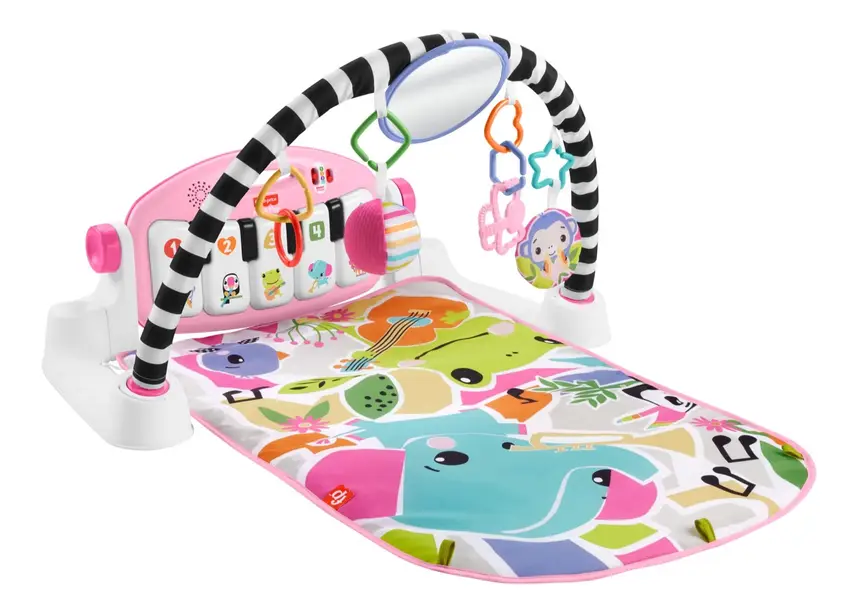

Fisher-Price Kick & Play Gym
A low-cost play gym with a small piano at the feet that plays when baby kicks.
Read our full review →
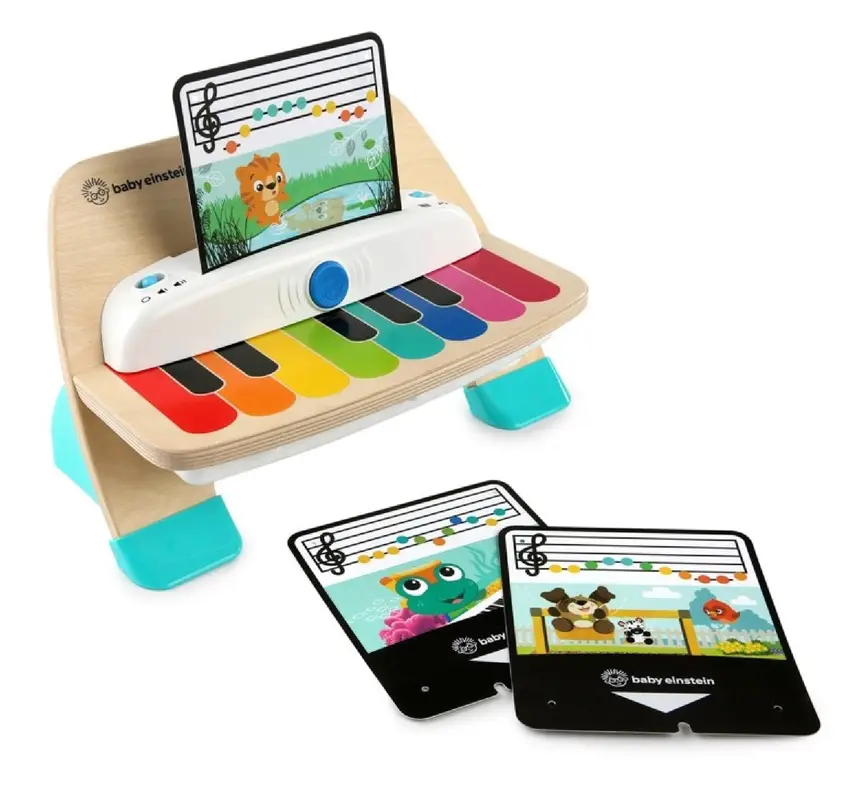
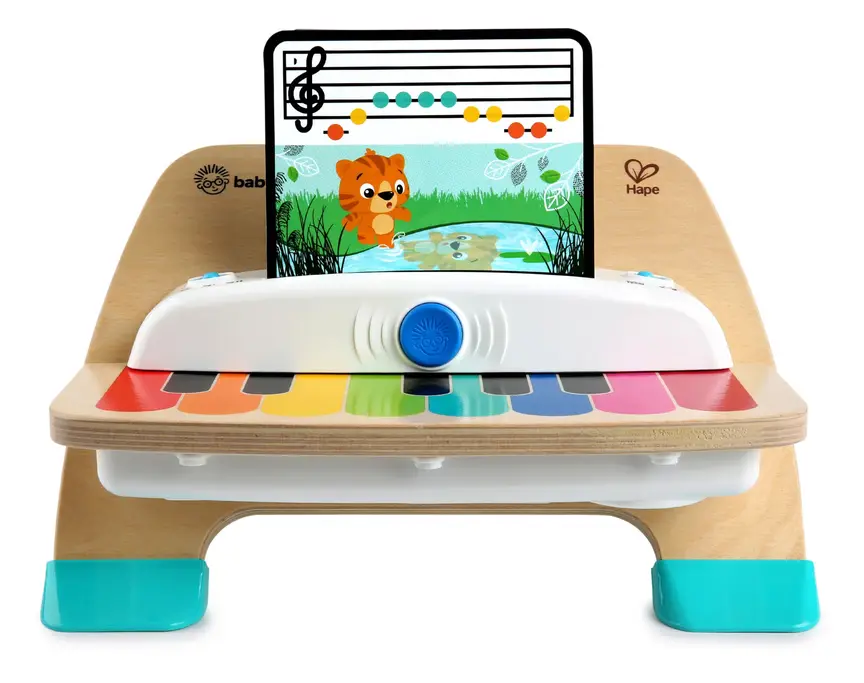
Baby Einstein × Hape Magic Touch Piano
A wooden toy piano you play by touching the wood. There are no buttons to press.
Read our full review → Reviewed
Lovevery The Play Gym
A play gym with 5 play zones, detachable toys and picture cards for the first year. A cover turns it into a play fort for toddlers.
Read our full review →
Play gym features compared
This table compares common designs. It does not rank products. The best choice depends on your space, budget and baby's interests.
| Type | What it usually includes | May suit | What to check |
|---|---|---|---|
| Basic mat and arch | A floor mat, frame and a few hanging toys | Families who want a simple play space | Frame stability, secure clips and washable parts |
| Foldable gym | A mat and frame that fold or come apart | Homes with limited storage or families who travel | Clear folding steps and no loose joints when set up |
| Gym with sound or lights | Toys with music, lights or electronic features | Babies who enjoy those features and carers who can supervise | Battery access, volume, cleaning and safe wiring |
| Gym with detachable toys | Clips or loops for moving toys around | Families who want to change the play set-up | That toys stay attached and no small parts can come loose |
| Simple floor blanket | A clean blanket on a firm, clear floor | Families who do not want another piece of gear | Keep it flat, clear of loose items and within adult reach |
Safety checks before every play session
Set the gym up on a flat floor. Keep it away from stairs, heaters, fireplaces, cords, blind chains, pets and furniture that could tip. Do not place it on a bed, sofa, table or raised surface. A baby can move or roll unexpectedly.
- Assemble the frame exactly as the manual shows.
- Check clips, seams, stitching and joints for damage.
- Make sure toys are attached as directed.
- Remove loose packaging, plastic wrap and spare parts.
- Keep small objects, food and drink away from the mat.
- Stay close enough to see and reach your baby.
- Stop if the frame tips, a part breaks or a toy comes loose.
Do not leave a baby alone on a play gym. A gym is for supervised play, not a safe place to step away. If you need to leave the room, take your baby with you or put them in a suitable safe place.
Keep cords and battery compartments out of reach. If a toy uses button batteries, check that the battery cover is secure and cannot be opened by a child. Stop using the toy if the cover is loose, broken or missing. Follow the maker's battery instructions.
Age stages and changing play
Age ranges are only a guide. Your baby may show interest sooner or later. Follow the manual and your baby's abilities. Keep the play area clear as your baby learns new movements.
Newborn days
A newborn may spend only a short time looking at a toy. Keep the gym calm and simple. Lie close, speak softly and give your baby time to rest. Follow your baby's cues, and do not place toys in a position that blocks breathing or vision.
For tummy time, place your baby on their tummy only while awake and watched. You can begin with a short period on your chest or lap if that feels easier. Ask a health professional if you are unsure how to start.
Looking and reaching
As your baby becomes more alert, they may watch a toy move or reach towards it. Keep the gym on the floor and stay nearby. Do not force a toy into your baby's hand. Let them explore at their own pace.
Change one toy at a time if your baby loses interest. You can also use your face and voice. A play gym should support shared play, not keep your baby busy without you.
Rolling, sitting and moving
When your baby starts rolling or moving across the floor, check that the area around the gym stays open. A baby can reach the frame or pull at hanging toys. Follow the product's age and use limits. Stop using the gym when your baby outgrows those limits or the maker says to stop.
Do not let a baby pull up on a frame unless it is designed for that use. A play gym arch can tip if a child uses it for support. Put the gym away when your baby no longer uses it as intended.
Cleaning and checking the gym
Babies drool, spit up and put toys in their mouths. Clean the gym as often as needed, following the maker's instructions. Do not soak electrical parts. Do not use a cleaner unless the manual says it is suitable.
Check the whole gym after cleaning. Look for frayed fabric, torn seams, cracked plastic, rust, exposed wires and loose fasteners. Check that the frame still locks into place. Replace parts only through the maker or an approved supplier.
If you buy a second-hand gym, ask for the manual and check that all parts are present. Look for damage and signs of repair. Search the official recall service in your country. Do not use a product with an unknown safety history or missing parts that affect how it stands.
Side by side: more montessori & sensory toys to compare
Real products from our catalogue. We don't show star ratings or review counts; check the current price, stock and reviews on Amazon before you buy.

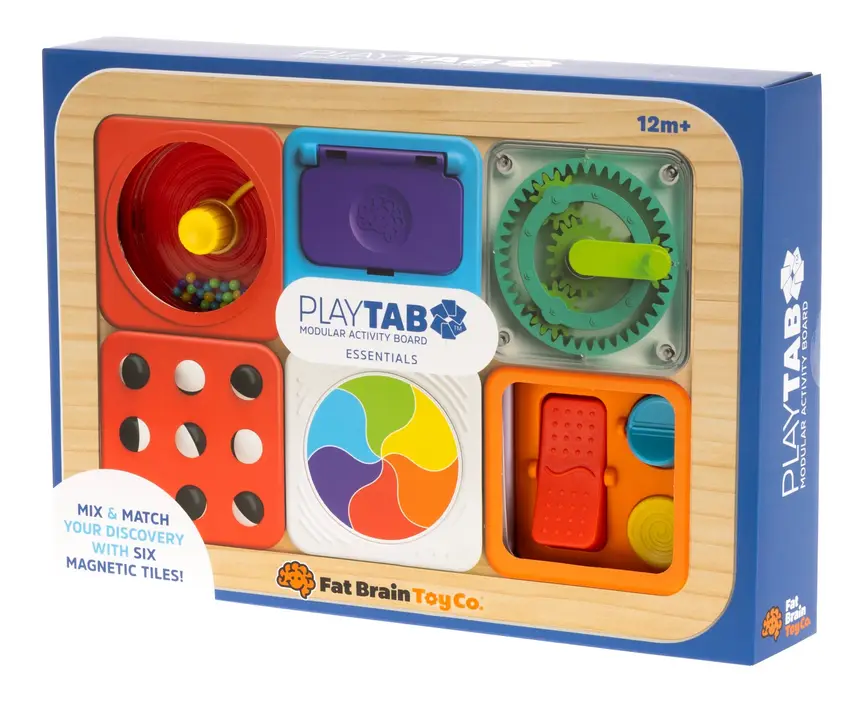
Fat Brain Playtab Essential Set
A set of activity tabs that click together into a busy board with things to spin, slide and press.
Read our full review →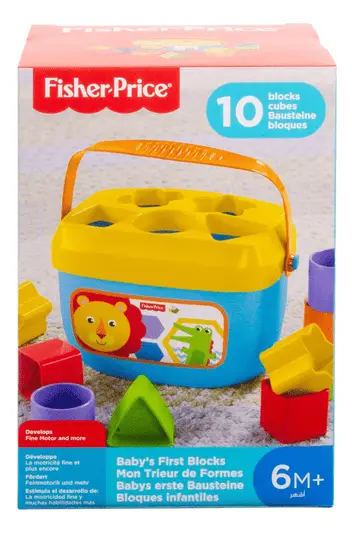
 Reviewed
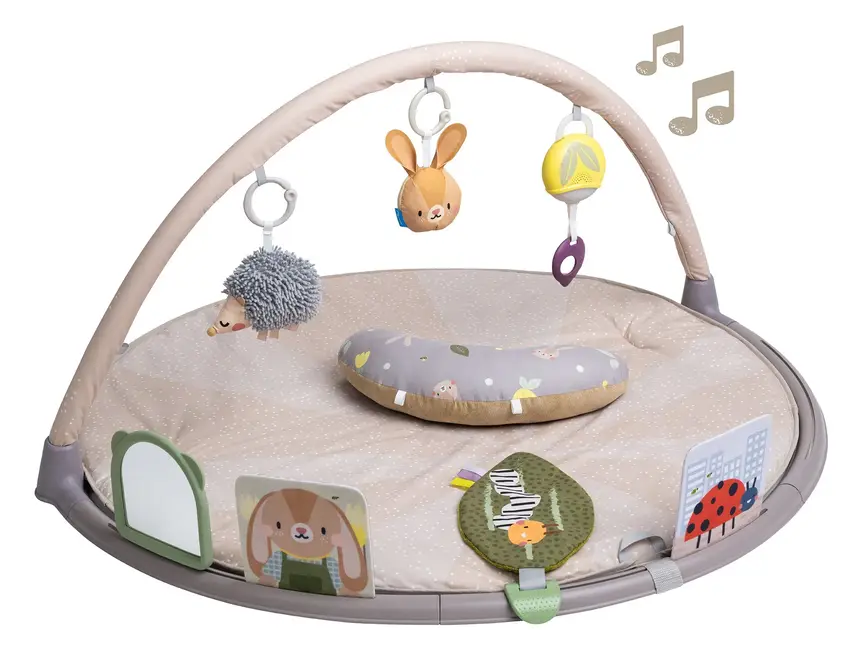
Taf Toys Tummy Time Activity Gym
A play gym with a half-hoop for tummy time that holds cards, a mirror and a crinkly leaf.
Read our full review →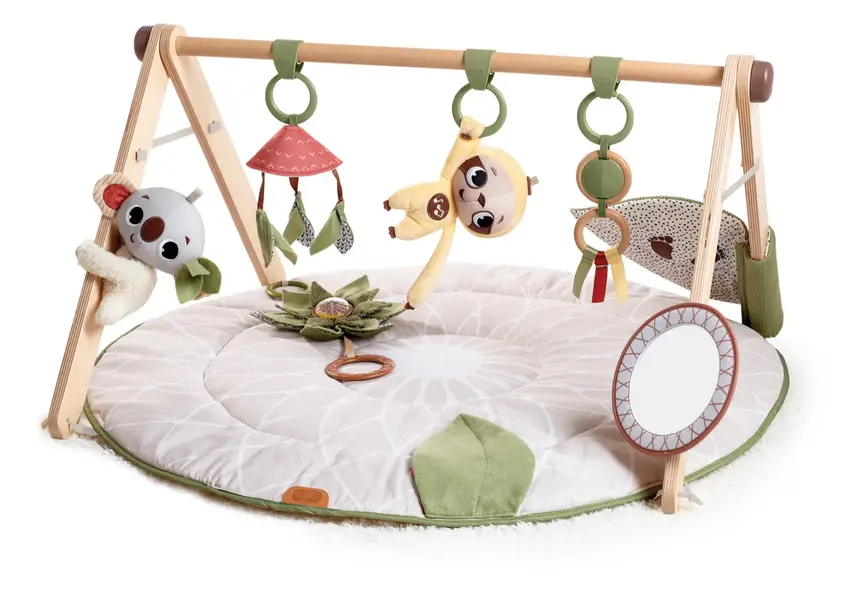
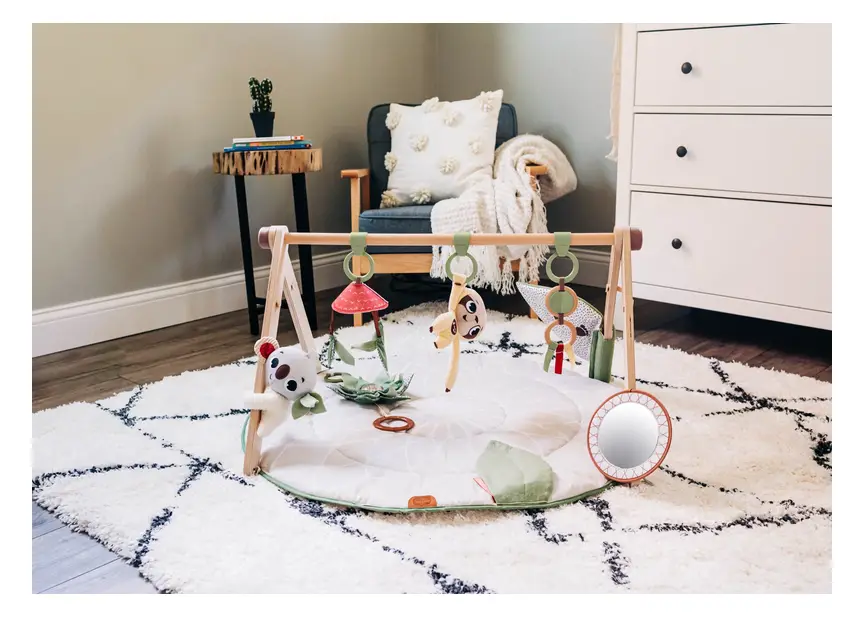
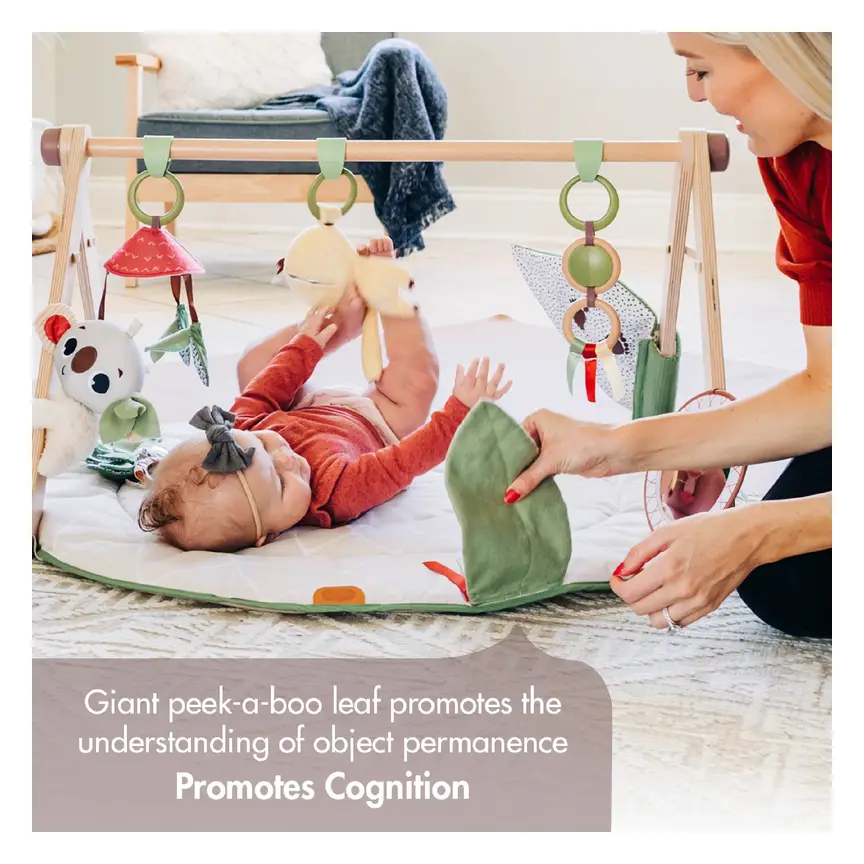
Tiny Love Boho Chic Luxe Gymini
A play gym with a wooden arch, a padded round mat and 20 activities.
Read our full review →Making play useful without pressure
A play gym is one possible place for floor play. It does not need to hold your baby's attention for long. Babies often prefer a face, voice or familiar song. You can sit beside the mat and respond when your baby looks, kicks or makes a sound.
Try offering one toy at a time. Place it where your baby can see it without turning their head for a long time. Give your baby time to look and respond. If they turn away, pause. They may need quiet or a rest.
Use the gym as one part of a varied day. Your baby can also spend time in your arms, on a blanket, or looking around during everyday care. Follow health guidance for awake movement and sleep. A gym cannot replace feeding, cuddling, talking or care.
Some families use a play gym while preparing a meal or folding laundry nearby. Stay where you can see and reach your baby. Do not treat the gym as a substitute for supervision. If you need both hands for a task, choose a safe option that suits your baby's age and abilities.
Standards and official advice across four countries
Baby play gyms may be sold as toys, baby products or activity products. The rules can depend on the product's design and the country where it is sold. A label or claim alone does not prove that every part is safe. Read the instructions, check recalls and contact the maker if something is unclear.
| Country | Official bodies to know | What parents can do |
|---|---|---|
| Australia | Product Safety Australia and the ACCC share consumer product safety information. Kidsafe Australia offers injury prevention advice. | Check Product Safety Australia's recalls and safety advice. Follow the product label and manual. |
| United Kingdom | The Office for Product Safety and Standards (OPSS) oversees product safety. RoSPA shares home safety advice. | Check the UK government's product safety advice and recall information. Use the toy as instructed. |
| United States | The Consumer Product Safety Commission (CPSC) handles consumer product safety. The American Academy of Pediatrics (AAP) gives child health guidance. | Check CPSC recalls and follow the product instructions. Ask your child's clinician about play concerns. |
| Canada | Health Canada handles consumer product safety. The Canadian Paediatric Society shares child health information. | Check Health Canada's recalls and safety alerts. Stop using a product that is broken or recalled. |
For play gyms, general toy safety advice is more useful than cot or pram rules. Do not assume that a standard for another product applies to a gym. If a maker names a standard, check that it matches the product and market. A professional label does not replace careful use and supervision.
Common mistakes to avoid
- Choosing by the number of features: More toys do not mean more useful play. Pick features your baby enjoys and you can clean.
- Leaving the baby alone: Stay nearby for every session. A baby can move or become upset quickly.
- Using the gym for sleep: Move a sleepy baby to a safe sleep space. Do not let a baby nap under hanging toys.
- Adding extra cords or toys: Extra parts can create loops, loose pieces or tipping risk. Use only approved attachments.
- Putting it on raised furniture: Use the gym on the floor. A raised surface can lead to a fall.
- Ignoring damage: Stop using broken, loose or unstable parts. Repairs with tape or string may create new hazards.
- Forgetting recalls: Check official recall listings, especially for second-hand items.
- Expecting a gym to replace interaction: Talk, smile and respond to your baby. The toys are only part of play.
Frequently asked questions
Do I need to buy a baby play gym?
No. A gym is optional. A clean blanket on a clear floor can also give your baby room to look, stretch and move while you stay close.
When can my baby start using a play gym?
Check the maker's age guidance. Many products are meant for young babies, but designs differ. Use the gym only as directed, and supervise every session.
Can my baby nap in a play gym?
No. A play gym is for awake play. If your baby falls asleep, move them to a safe sleep space that follows local safe sleep advice.
Can I use a play gym for tummy time?
Yes, if the product instructions allow it and the floor is firm and clear. Tummy time is only for an awake baby who is watched closely.
How long should my baby use the gym each day?
There is no set time that suits every baby. Offer short play periods and watch your baby's cues. Stop when they seem tired, upset or ready for a change.
Are lights and music necessary?
No. They are optional features. Your voice, face and a simple toy can also interest your baby. Turn off features your baby dislikes.
How often should I clean the play gym?
Clean it when it is dirty and follow the maker's care instructions. Clean toys that go in your baby's mouth as directed. Let parts dry fully before use.
What should I do if a toy comes loose?
Stop using the gym and remove the loose toy. Check the attachment and follow the maker's repair or replacement advice. Do not tie it back with string.
Is a second-hand play gym safe?
It may be usable if it is complete, stable, clean and not recalled. Get the manual, inspect every part and avoid items with damage or unknown repairs.
What if my baby does not like the gym?
That is fine. Try a different toy, a shorter session or a blanket on the floor. Your baby does not need to enjoy a particular product.
More options, from budget to premium
Real products from our catalogue. We don't show star ratings or review counts; check the current price, stock and reviews on Amazon before you buy.


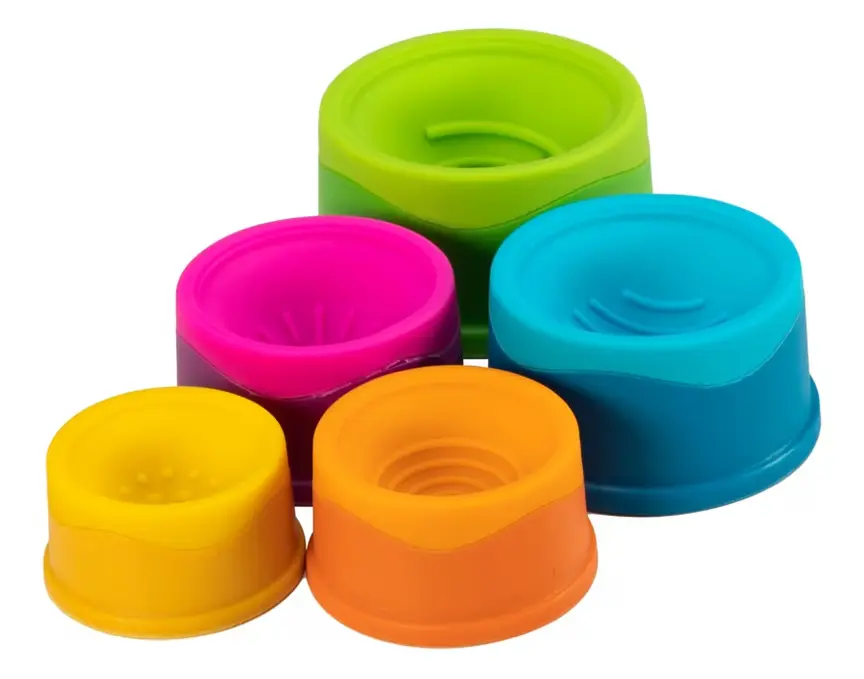
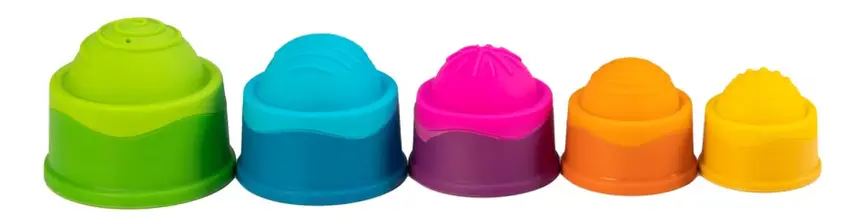
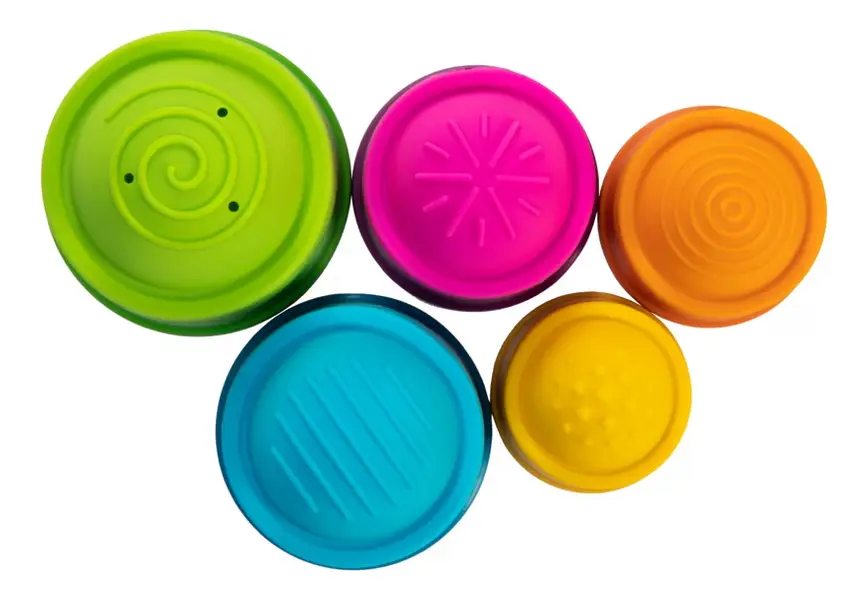
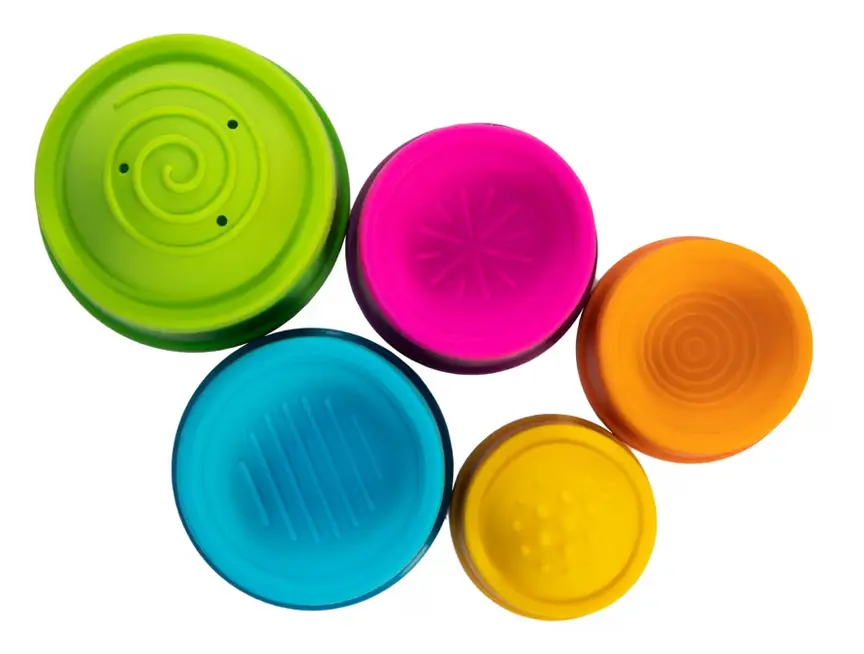
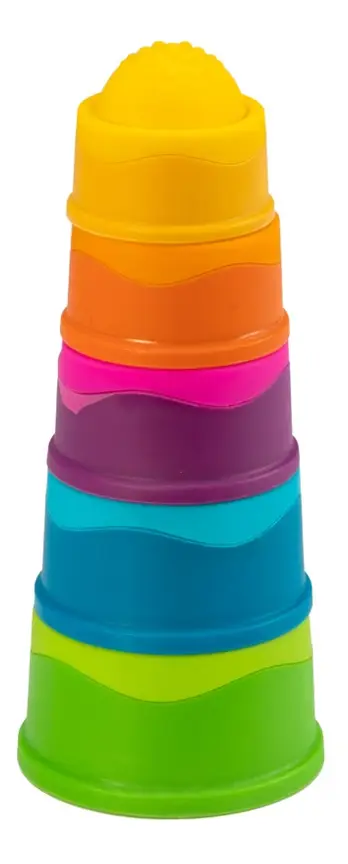
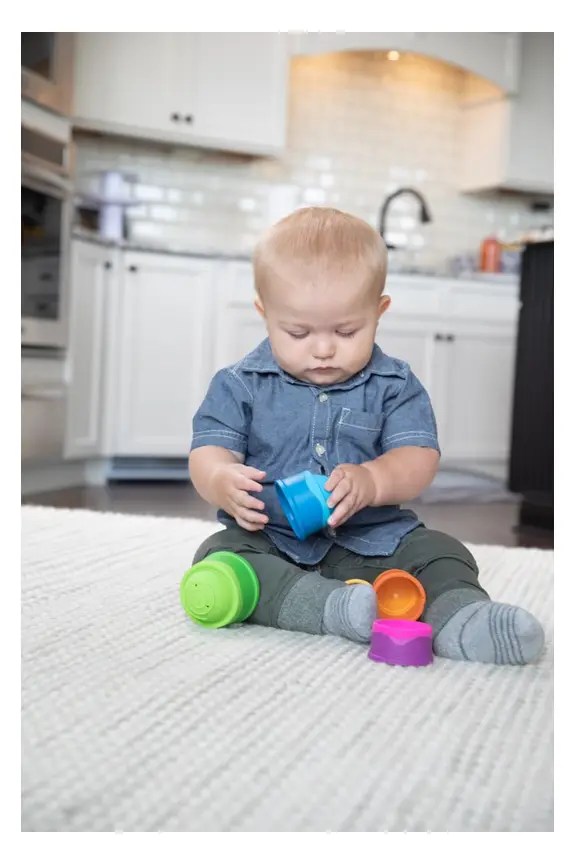
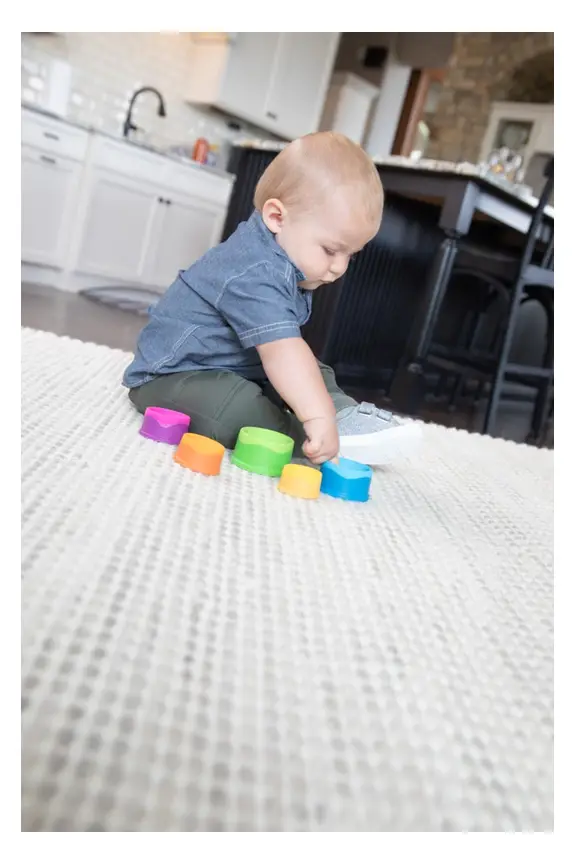
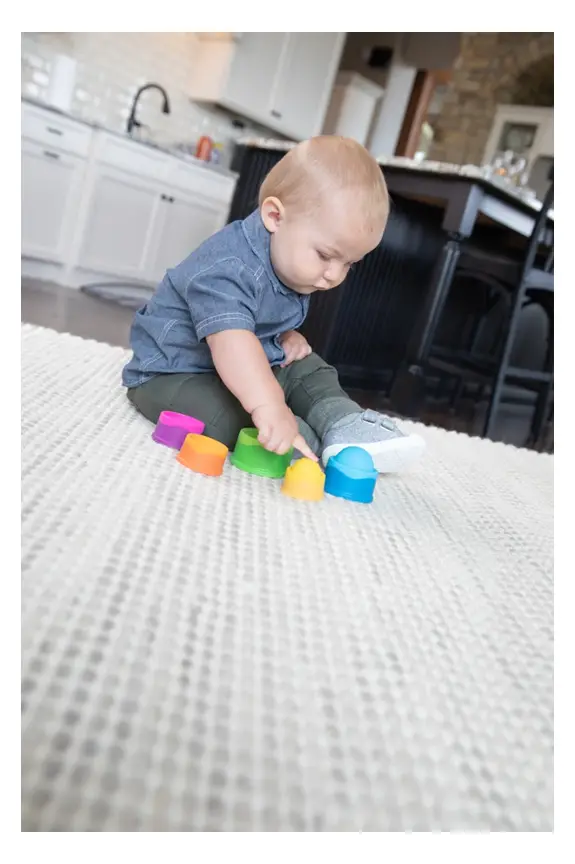
Fat Brain Dimpl Stack
Soft silicone stacking cups with poppable bubbles to push and feel.
Read our full review →Sources and further guidance
- Product Safety Australia – Toys that have magnets guide
- Product Safety Australia – Recalls
- UK Office for Product Safety and Standards
- RoSPA – Child safety at home
- U.S. CPSC – Safe sleep: cribs and infant products
- Health Canada – Recalls and safety alerts
This article is general information, not medical advice. Ask a qualified health professional about your baby's health or development. BabyGearFinder may earn a commission from links to retailers. This does not change the price you pay.
Sources
Related guides
More Toys & Play →
Baby Balance Bikes: Why Parents Choose Them, How to Pick One, and Safety Rules

Baby and Toddler Play Mats: How to Choose a Safe Mat for Floor Time

AI-Powered Baby Toys: Benefits, Safety Risks, and What Parents Should Know
