












Baby Toothbrushes: How to Clean Your Baby’s Teeth and Choose a Brush
Learn when to start brushing baby teeth, how to choose and clean a toothbrush, and when to ask a dentist for help with your child’s teeth.

On this page
- Why baby teeth need care
- When to start brushing
- Choosing a baby toothbrush
- Silicone, bristle and finger brushes compared
- How to brush your baby’s teeth
- Toothpaste and fluoride advice
- Cleaning and storing the toothbrush
- How mouth care changes as your child grows
- Food, drinks and daily habits
- Dental guidance in Australia, the UK, the US and Canada
- Common mistakes to avoid
- When to contact a dentist or health professional
- Frequently asked questions
- Sources and further guidance
- Sources
Short answer: You can gently wipe your baby’s gums with a clean, damp cloth. Start brushing when the first tooth appears. Choose a small brush with soft bristles. A silicone brush may feel gentle, but it may not clean every tooth surface as well. A suction base can help a brush stand on a smooth surface. It does not make the brush safer or cleaner. Stay with your child during brushing. Follow local advice about toothpaste. Ask a dentist or health professional if you have concerns.
Tooth care advice is similar in Australia, the UK, the US and Canada. In Australia, families can ask Healthdirect and state or territory dental services. In the UK, families can ask the NHS and a dentist. In the US, the American Academy of Pediatric Dentistry and American Academy of Pediatrics offer guidance. In Canada, families can ask the Canadian Dental Association and provincial dental services.
Why baby teeth need care
Baby teeth help children chew food. They also help children learn to speak. Baby teeth hold space for adult teeth growing underneath. A baby tooth can still get tooth decay. Decay can cause pain. It can also make eating or sleeping harder.
Tooth decay starts when germs in the mouth use sugars from food and drinks. These germs make acids. The acids can weaken the hard outer part of a tooth. Frequent sweet drinks and snacks give germs more chances to make acid.
Brushing removes food and sticky plaque from teeth. Plaque is a thin film that contains germs. A soft brush can clean the tooth surfaces and the edge where teeth meet gums. Brushing also lets you notice changes. These may include marks, spots or sore gums.
Care can start before the first tooth. You can gently wipe your baby’s gums with clean, damp gauze or a soft cloth. This can help your baby get used to mouth care. It is not a substitute for brushing once teeth appear. Do not scrub the gums. Stop if your baby is upset, then try another time.
When to start brushing
Start brushing when the first tooth comes through the gum. Teeth often appear during the first year. The timing varies from child to child. You do not need to wait for a certain age or for several teeth. Even one tooth needs cleaning.
Brush twice each day after a tooth appears. Many families brush after breakfast and before bed. If twice daily feels hard at first, build toward that routine. Keep brushing calm and short. A steady routine can help your child learn what to expect.
Clean every tooth surface you can reach. Brush the front, back and chewing surface. Clean gently along the gum edge too. Use small movements and light pressure. You do not need to press hard.
Ask a dentist or local dental service about toothpaste. Guidance can differ by country and by a child’s age or needs. Follow their advice about the type and amount. Keep the tube out of reach. Young children may swallow toothpaste while learning to spit.
Choosing a baby toothbrush
Choose a brush with a small head and soft bristles. The head should fit comfortably inside your baby’s mouth. A short handle may be easier for an adult to guide. A wider handle may be easier for an older child to hold. Check the age guidance on the packaging.
Look at the brush before each use. The head should be secure. The bristles should not be loose or damaged. Replace the brush when the bristles bend, spread or wear out. Replace it sooner if it is torn or hard to clean.
Silicone brushes have soft bumps or bristles made from silicone. Some babies may like the feel. They may help a child get used to mouth care. A silicone finger brush can also help an adult gently clean gums. But it may be harder to guide around every tooth. Ask a dentist if you are unsure whether it suits your child.
A soft-bristle baby toothbrush is a practical choice once teeth appear. Its bristles can reach around the teeth. No brush prevents decay on its own. Brushing, toothpaste advice, food and drink habits all matter.
A suction base is a convenience feature. It may help a brush stand on a clean, smooth surface. It does not sterilise the brush. It may not stick to a wet or textured surface. Store the brush where it can dry. Keep it away from pets and the edge of a bench.
Silicone, bristle and finger brushes compared
These brush types have different uses. Choose one you can guide and clean. Follow the maker’s care directions. Ask a dentist which option suits your child’s teeth and mouth.
| Brush type | What it may help with | Points to check |
|---|---|---|
| Soft-bristle baby toothbrush | Can reach tooth surfaces and the gum edge. | Choose a small head and soft bristles. Replace it when worn. |
| Silicone baby toothbrush | The soft feel may help a baby get used to mouth care. | Check that it is easy to clean. Ask a dentist if it cleans teeth well enough. |
| Finger brush | Lets an adult guide gentle gum cleaning or early brushing. | It may be hard to reach all teeth. Watch for biting and keep it on your finger. |
| Brush with suction base | May stand upright on a smooth, clean surface. | The base is for storage. It does not clean the brush or replace supervision. |
If your baby bites the brush, stay calm and keep hold of it. Do not let your child walk, crawl or lie down with a toothbrush in their mouth. A brush can hurt the mouth if a child falls while holding it.
How to brush your baby’s teeth
Pick a position where you can see your baby’s mouth. Some parents sit their baby on their lap. Others stand behind an older child. Use a calm voice. Let your child know what you are doing.
- Wash your hands. Make sure they are clean before you touch your baby’s mouth.
- Get the brush ready. Use the toothpaste amount advised by your local dental service. Ask if you are unsure.
- Help your baby settle. Sit them where you can see their teeth. Never leave them alone with the brush.
- Lift the lip gently. This can help you see the front teeth and gum edge. Never force your baby’s mouth open.
- Brush lightly. Clean the front, back and chewing surfaces of each tooth. Use small movements.
- Keep the routine short. Young babies may not sit still for long. Do what you can, then keep practising each day.
- Rinse and store the brush. Rinse away toothpaste and food. Stand it where it can air dry.
Some children resist brushing. Try a short song, a mirror or taking turns with a clean brush. You can let your child hold another brush while you clean their teeth. Keep the routine kind and steady. If brushing stays very hard, ask a dentist or child health nurse for ideas.
Toothpaste and fluoride advice
Fluoride is a mineral that helps strengthen the hard outer layer of teeth. Toothpaste advice can differ by country. It can also depend on a child’s age and risk of decay. Follow current advice from your local dental service. Check the toothpaste label too.
Young children may swallow toothpaste because they are still learning to spit. Use only the amount advised for your child. Keep toothpaste out of reach. Do not let a child eat it or play with the tube.
If your child has a health condition, tooth decay or medicines that affect their mouth, ask a dentist for a personal plan. A dentist can advise on toothpaste, brushing help and how often to visit. Do not use adult mouthwash for a baby unless a dental professional advises it.
Do not put a baby to bed with a bottle of milk, formula, juice or sweet drink. Repeated contact with sweet liquids can harm teeth. If your baby still has night feeds, ask your health service how to care for teeth as they appear. Follow safe feeding advice for your baby’s age.
Cleaning and storing the toothbrush
Rinse the brush under clean running water after brushing. Remove visible toothpaste and food. Stand it upright so it can air dry. Store it away from dirty surfaces and the toilet. Keep brush heads from touching other brushes.
Give each person their own toothbrush. Do not share brushes. Do not boil a brush or put it in a dishwasher unless the maker says that method is safe. Heat can damage some materials. Do not use household cleaners or disinfectants on the brush.
Wash a silicone finger brush according to its care instructions. Check it for tears, sticky areas or trapped dirt. Replace it if damaged or hard to clean. Routine brushing does not usually need a sterile brush. Clean storage does not make a brush sterile.
Keep the brush out of reach when it is not in use. Babies may chew it or drop it. A suction base does not secure a brush against a pull or fall. Store it on a stable surface, away from the edge.
How mouth care changes as your child grows
Children develop at different speeds. A child may enjoy holding a brush before they can clean every tooth. Let them practise, but keep doing the proper brushing yourself. The goal is clean teeth, not a perfect performance from a young child.
| Stage | What to do | What to watch for |
|---|---|---|
| Before the first tooth | Gently wipe the gums with a clean, damp cloth if helpful. | Keep the cloth clean. Do not scrub or force mouth care. |
| When the first tooth appears | Begin brushing twice each day with a small, soft brush. | Use local advice for toothpaste. Clean the tooth and gum edge gently. |
| As more teeth appear | Brush every tooth surface. An adult should do the brushing. | Look for changes in colour, spots, swelling or pain. |
| Toddler years | Let your child practise, then brush for them or finish the job. | Young children may not yet clean every surface well. |
| Older child | Keep supervising until your child can brush carefully alone. | Ask a dentist when your child is ready to take over. |
Young children often want to copy adults. Let your child watch you brush your teeth. You can make brushing part of the same morning and bedtime routine. Praise trying, even when your child does not enjoy it. Avoid making brushing a punishment.
Food, drinks and daily habits
Brushing is one part of mouth care. Frequent sugary foods and drinks can raise the risk of tooth decay. Offer water as the usual drink between meals, following local advice for your child’s age. Do not put sweet drinks in a bottle for comfort.
Fruit juice and sweet drinks contain sugar or acid. Ask a dentist or health service how often they are suitable for your child. Avoid letting a child sip a sweet drink for a long time. Do not dip a dummy or pacifier in honey, syrup or sugar.
When your child starts solid foods, offer a range of suitable foods. Keep sugary snacks occasional. Avoid using sweets as a reward for brushing. A simple routine can be: brush, read a story, then bed. The routine does not need a special toothbrush or gadget.
Teething can make gums tender. A clean, cool teething ring may soothe some babies. Follow its directions and supervise your baby. Do not apply gels or medicines unless a health professional recommends them. Keep brushing gently, even if an area feels sensitive.
Dental guidance in Australia, the UK, the US and Canada
Local advice matters because rules for toothpaste and fluoride can differ. Each country has health and dental services that can help. Ask a dentist for advice about your child’s teeth. Seek advice sooner if you notice pain or a change.
| Country | Official or peak bodies | Where to ask for help |
|---|---|---|
| Australia | Healthdirect Australia, state and territory dental services, and the Australian Dental Association. | Ask about brushing, toothpaste, fluoride and public dental care. |
| United Kingdom | NHS and the British Society of Paediatric Dentistry. | Use NHS dental guidance and ask a dentist about your child’s teeth. |
| United States | American Academy of Pediatric Dentistry and American Academy of Pediatrics. | Ask a paediatric dentist or your child’s doctor for age-based advice. |
| Canada | Canadian Dental Association, provincial dental programmes and the Canadian Paediatric Society. | Check provincial services for local dental care and fluoride advice. |
The same basic steps apply in all four countries. Clean teeth daily. Use a suitable brush. Supervise young children. Seek dental care when needed. Follow current local advice about toothpaste and fluoride. Do not assume advice from another country applies to your child.
Common mistakes to avoid
- Waiting for several teeth. Start brushing when the first tooth appears.
- Choosing a brush that is too large. A small head is easier to guide inside a baby’s mouth.
- Pressing too hard. Gentle brushing is enough. Hard scrubbing can hurt tender gums.
- Relying only on silicone. Ask a dentist if the brush cleans all tooth surfaces well.
- Thinking suction means clean. A suction base helps the brush stand. It does not clean or sterilise it.
- Letting a child brush alone too soon. Young children need an adult to finish cleaning.
- Sharing brushes. Give every person their own brush.
- Keeping a damaged brush. Replace brushes with loose, bent or torn parts.
- Putting a baby to bed with a sweet drink. Ask your health service about night feeds and teeth.
- Ignoring pain. Contact a dentist if your child has tooth pain, swelling or a visible change.
When to contact a dentist or health professional
Arrange a dental check when your local service recommends one. Contact a dentist sooner if you have concerns. Ask for help if you see white or brown marks, a hole, bleeding gums, swelling or ongoing pain. A dentist can check what is happening and explain what to do next.
Seek prompt care if your child has facial swelling, severe pain or a tooth injury. Also seek help if mouth pain makes eating difficult. Contact a health professional if your child has a fever or seems very unwell. Use your local emergency service for breathing trouble or another emergency.
Ask for help choosing a brush if your baby often gags or bites hard. Ask if your child has a mouth or tooth condition. You can also ask if brushing causes great distress. A dentist can show you a comfortable position and a gentle way to brush. You do not need a special product to ask for help.
Frequently asked questions
Should I clean my baby’s gums before teeth appear?
You can wipe the gums gently with a clean, damp cloth. This may help your baby get used to mouth care. You do not need to scrub the gums. Start brushing when the first tooth appears.
Is a silicone toothbrush safe for a baby?
A suitable silicone brush may be used as directed. Check it before each use for tears or loose pieces. Stay with your baby. Ask a dentist whether its shape and texture clean your child’s teeth well.
Does a suction base make a toothbrush more hygienic?
No. It may help a brush stand upright on a smooth surface. Rinse the brush after use and let it air dry. Keep it away from dirty surfaces and other brush heads.
When should I start using a toothbrush?
Start when the first tooth appears. Choose a small brush with soft bristles, or another brush your dentist recommends. Brush gently twice each day. Follow local advice about toothpaste.
Can my baby chew on the toothbrush?
Stay close and keep hold of the brush. Do not let your baby crawl, walk or lie down with it in their mouth. Replace it if chewing damages the head, bristles or silicone.
How often should I replace a baby toothbrush?
Replace it when the bristles are worn, bent or damaged. Follow the maker’s care advice. Replace a brush that stays dirty or cannot be cleaned properly.
What if my baby cries during brushing?
Keep brushing short and calm. Try another position, a mirror or a song. Let your baby hold a second brush while you clean their teeth. Ask a dentist or child health professional if distress continues.
Do baby teeth matter if they fall out later?
Yes. Baby teeth help with chewing and speech. They also hold space for adult teeth. Pain or decay in a baby tooth still needs attention from a dentist.
Can I use adult toothpaste for my baby?
Ask a dentist or follow current guidance from your local dental service. Toothpaste advice depends on age and local recommendations. Use only the advised amount. Keep the tube out of reach.
Sources and further guidance
- Healthdirect Australia
- NHS – Children's food: safety and hygiene
- American Academy of Pediatrics – Bathing your newborn
- Caring for Kids, Canadian Paediatric Society – Feeding your baby in the first year
- NHMRC – Infant Feeding Guidelines
This article provides general information only. It is not medical advice and does not replace advice from a dentist or health professional. Seek care for your child’s individual needs.
Affiliate disclosure: This article may include affiliate links. If you buy through one, BabyGearFinder may earn a commission at no extra cost to you. Product links do not change the advice in this article.
Sources
Related guides
More Health & Safety Gear →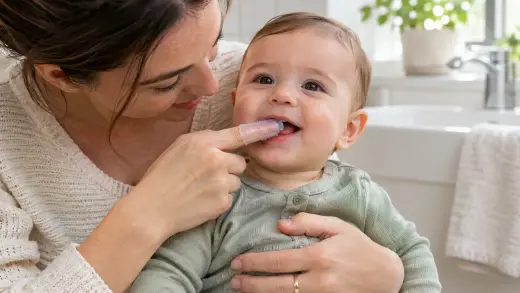
Baby Finger Toothbrushes: How to Use One and What to Choose

Baby Gear Safety Apps: What Helps, What Does Not, and How to Choose

Baby-Proofing Your Home: Practical Steps for a Safer Space
