









Choosing Baby Gear for Twins: Strollers, Sleep, Car Seats and More
Choose baby gear for twins with practical tips on strollers, car seats, sleep spaces and feeding, plus safety guidance for Australia, the UK, US and Canada.
On this page
- Start with your family's daily needs
- What to buy twice and what can be shared
- Choosing a twin stroller
- Car seats for two babies
- Sleep spaces for twins
- Carriers and babywearing
- Feeding gear and daily care
- High chairs and eating stages
- Age and development: check each baby
- Buying second-hand and checking recalls
- Common mistakes to avoid
- Frequently asked questions
- Sources and official guidance
- Sources
Short answer: Choose gear that fits both babies, your home, your car and your daily routine. Check each child's fit and the product's limits. Read the instructions before use. Buy two only when each child needs a separate item or space. A twin stroller is made to carry both babies. Each baby needs their own car seat and safe sleep space.
Check official advice in your country. In Australia, look to Product Safety Australia, Red Nose and Pregnancy, Birth and Baby. In the UK, look to the Office for Product Safety and Standards, the NHS and The Lullaby Trust. In the US, look to the Consumer Product Safety Commission and the American Academy of Pediatrics. In Canada, look to Health Canada and the Canadian Paediatric Society.
Start with your family's daily needs
Twins may differ in size, feeding patterns and sleep routines. Treat each baby as an individual. Check the fit of gear for each child. Do not assume one setting will suit both.
Before shopping, write down the jobs your gear must do. You may need to take both babies to daycare. You may need to fit two seats in your car. You may need to move a cot through a narrow doorway. These details help you avoid buying items that do not fit your life.
- Measure doorways, hallways, lifts and storage spaces.
- Measure your car's back seat and boot.
- Think about stairs, public transport and uneven paths.
- Consider whether one adult will often take both babies out alone.
- Set a budget for essentials before choosing extras.
- Ask your care team if either baby has needs that affect gear fit.
You do not need to buy every item before the babies arrive. You may find that a simple setup works better. Borrowing or buying second-hand can help with costs. Check the item's condition and recall status first. Do not use damaged gear or items with missing instructions.
What to buy twice and what can be shared
Some gear must be fitted or sized for each baby. Other items can serve both children in turn. Buying two of everything can take up space and money without helping your routine.
| Gear | What you may need | What to check |
|---|---|---|
| Car seats | One suitable seat for each child travelling in the car | Fit, local approval, space in the car and correct installation |
| Sleep spaces | A separate safe sleep space for each baby | Instructions, firm flat surface, mattress fit and product condition |
| Twin stroller | One stroller made to carry both babies | Doorway width, folded size, weight limits, brakes and steering |
| High chairs | Often two once both babies eat at the same time | Space, stability, harness and age or size guidance |
| Carriers | One or two, based on how you plan to carry the babies | Fit for each baby, clear breathing and maker's limits |
| Change area | One safe place may be enough | Keep a hand on the baby; never leave one alone on a raised surface |
| Feeding items | Depends on how each baby is fed | Follow health advice for making, storing and cleaning feeds |
| Monitors | One system may cover a room | Check its range, safe cord placement and privacy settings |
This table is a starting point, not a shopping rule. Ask your midwife, doctor or child health nurse about each baby's needs. Some babies need special equipment. A clinician can help you choose and use it.
Choosing a twin stroller
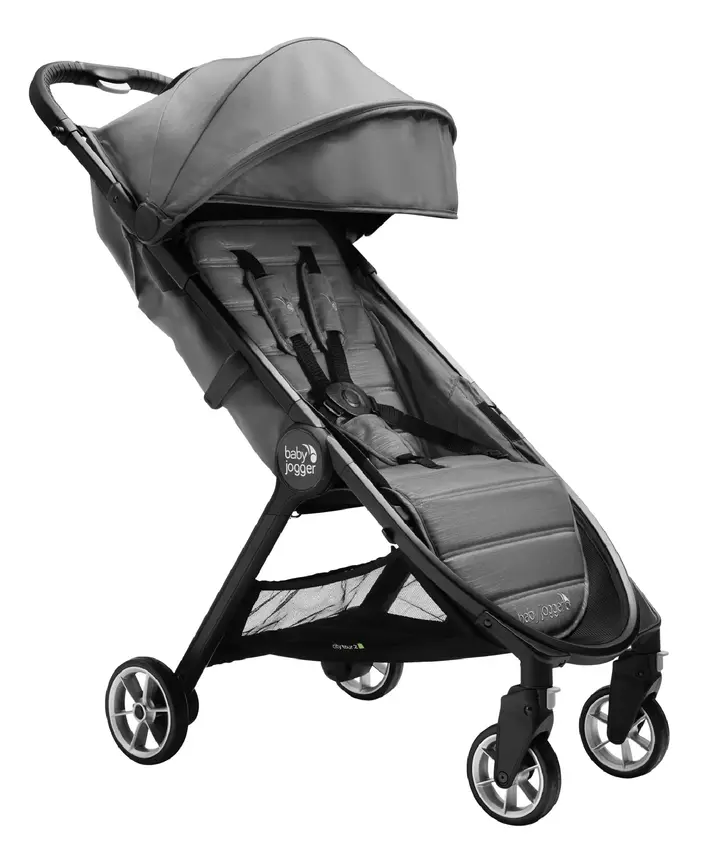
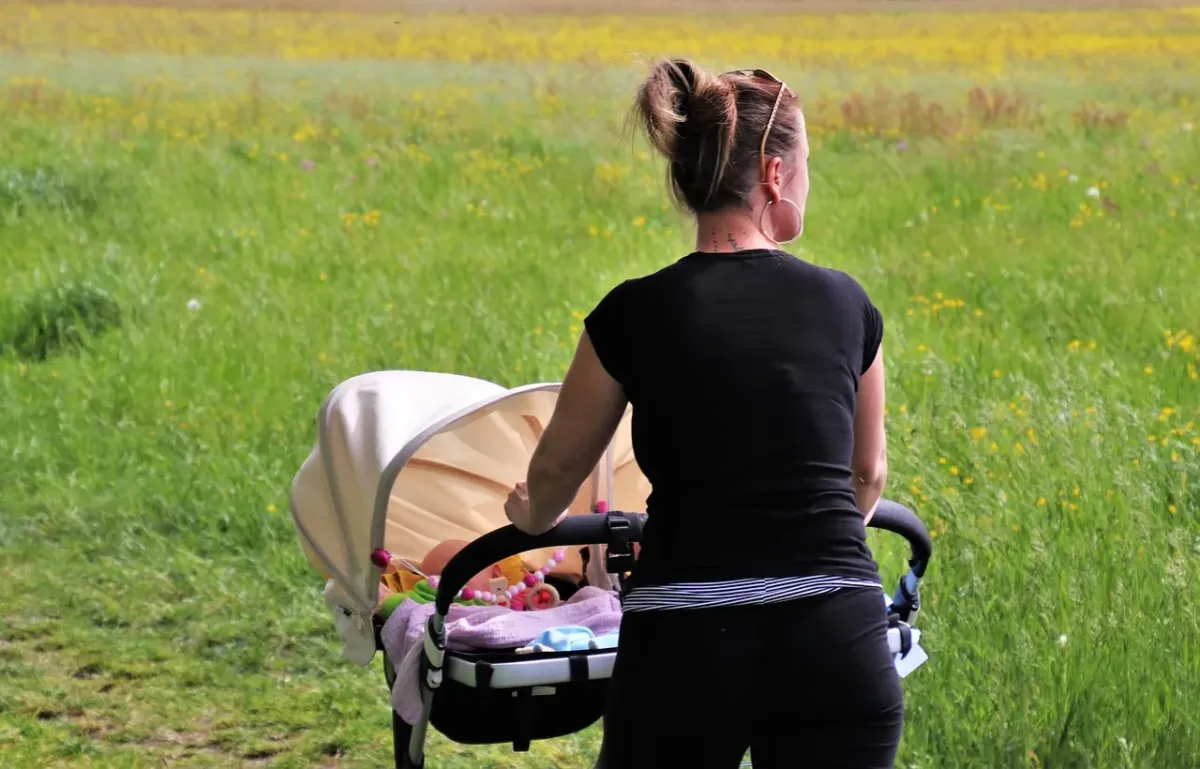
A twin stroller can make outings easier. The right layout depends on where you go. The two common layouts are side-by-side and tandem. Side-by-side strollers seat the babies next to each other. Tandem strollers place one seat ahead of the other.
| Feature | Side-by-side | Tandem |
|---|---|---|
| Width and length | Often wider; measure doors and lifts | Often narrower, but may be longer |
| View and contact | Both babies sit beside each other | One baby may sit behind the other |
| Turning and parking | Depends on width and wheel design | Depends on length and front-seat design |
| Folding and storage | Check the folded shape and weight | Check the folded shape and weight |
| Seat positions | Check that each seat suits each baby's stage | Check that both seats suit each baby's stage |
Do not choose by layout alone. Think about the routes you use most. If possible, try pushing, turning, braking and folding the stroller. Check whether it fits in your car boot. Look at the maker's weight limits for each seat and for the whole stroller.
Newborns need a position and support suited to their age and development. Do not assume every stroller seat is suitable from birth. Use a carrycot or approved seat only as the maker directs. If you attach a car seat to a stroller, follow both products' instructions. A car seat is for travel. It is not a routine sleep space.
Check each harness every time. Secure both babies separately. Keep hands, straps and clothing away from wheels and moving parts. Use the brake whenever you stop. Do not hang heavy bags on the handles. A heavy bag can make a stroller tip. Check the babies' sizes against the maker's limits as they grow.
In Australia, Product Safety Australia provides guidance on prams and strollers. The Australian mandatory standard is based on AS/NZS 2088. Check local requirements when buying across borders. A product sold in another country may not meet your country's rules.
Car Seats & Capsules worth a look
Real products from our catalogue. We don't show star ratings or review counts; check the current price, stock and reviews on Amazon before you buy.

Babylove ezymove Booster
A very light, low-cost booster for about 4 to 8 years. It folds flat for storage.

Babylove ezyone2
A very low-cost convertible seat. Rear-facing to about 12 months, then forward-facing to about 4 years.

Car seats for two babies
Each baby needs their own suitable car seat. The seat must fit the child and be installed as its maker directs. Check local rules before buying. Seat designs and rules differ between countries.
Measure the space in your car before purchasing two seats. Some seats may not fit side by side. Check which seating positions the car maker allows. Do not force a seat into place or change its parts. Get help from a trained fitting service where available.
- Use a seat that is legal in your country and suitable for each baby.
- Follow the seat and car manuals for installation.
- Use the harness as instructed. Do not put bulky clothing under it.
- Keep babies rear-facing for as long as the seat and local advice allow.
- Never place a rear-facing seat in front of an active airbag.
- For a used seat, check its history, parts, instructions and recall status.
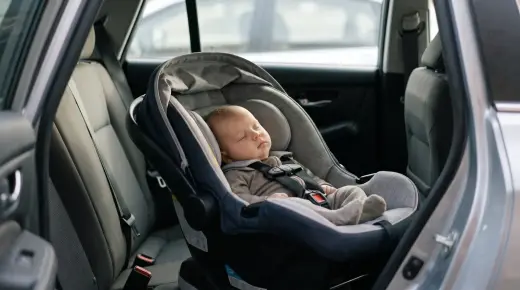
Newborns can fall asleep in a car seat during travel. When you reach your destination, move a sleeping baby to a safe, flat sleep space as soon as you can. Red Nose advises taking a sleeping baby out of the car seat when you get home. Use the seat for travel as directed.
For country-specific advice, Australia's Product Safety Australia and Pregnancy, Birth and Baby explain car seat safety. GOV.UK explains child seat rules in the UK. In the US, the National Highway Traffic Safety Administration gives car seat advice. In Canada, Transport Canada explains seat choice and use.
Sleep spaces for twins
Plan a separate safe sleep space for each baby. Follow local safe sleep advice and the product instructions. Keep each space clear. Use a firm, flat mattress that fits the cot or bassinet. Place the baby on their back to sleep. Keep soft items, pillows and loose bedding out of the space.
Do not assume two babies can safely share one cot or bassinet. Ask your health professional about sleep arrangements. This matters especially if either baby was born early or has health needs. Follow the advice given for your babies.
Before using a cot or bassinet, check its condition and local safety requirements. Make sure it has all its parts and instructions. Do not use a cot with broken parts, missing fasteners or an uncertain history. Check for recalls. Do not add padding or a second mattress.
In Australia, Product Safety Australia has guidance on household cots and bassinets. Red Nose explains safe sleep spaces and mattresses. In the UK, The Lullaby Trust provides safer sleep advice. In the US, the American Academy of Pediatrics and the Consumer Product Safety Commission provide infant sleep guidance. In Canada, the Canadian Paediatric Society offers safe sleep information.
Carriers and babywearing
A carrier may help when you need your hands free. Carrying two babies can be tiring. It can also affect your balance. If you are new to a carrier, practise with one baby first. Ask another adult to help until you feel steady.
Choose a carrier that fits each baby and the adult using it. Read its instructions. Check its age, weight and position limits. Keep each baby's face visible. Their chin should not press down onto their chest. Keep their nose and mouth clear. Check each baby often, especially when they are small or asleep.
Some carriers are made for one baby. Do not add a second baby unless the maker allows that setup. Never alter straps or add loose attachments. If carrying both babies makes it hard to see, breathe freely or move safely, use a stroller or ask another adult to help.
Product Safety Australia, Raising Children Network and Red Nose offer Australian carrier advice. The Lullaby Trust has UK guidance. The US Consumer Product Safety Commission warns about safe sling use. Follow the instructions for the exact carrier you own.
Feeding gear and daily care
Feeding needs can differ between twins. One baby may feed more often or need a different position. Follow advice from your midwife, doctor or child health nurse. They can help with breastfeeding, expressed milk or formula feeding.
If you use bottles, keep enough clean bottles and teats for your routine. Clean and prepare them using health advice where you live. Follow the instructions for sterilising equipment. Never guess how to mix formula. Follow the exact directions on the product and from your health service.
Label expressed milk or prepared feeds clearly. Make each baby's feeding plan clear to anyone helping you. Do not share teats between babies without cleaning them as advised. If one baby has a health concern, ask your care team whether extra steps are needed.
A change mat or table can help. It does not make a raised surface safe by itself. Keep one hand on the baby at all times. Gather nappies and wipes before you begin. If both babies need changing, place one in a safe cot or on the floor while you care for the other. Never leave a baby alone on a bed, sofa or change table.
Side by side: more car seats & capsules to compare
Real products from our catalogue. We don't show star ratings or review counts; check the current price, stock and reviews on Amazon before you buy.

 Reviewed
Nuna Rylo 360
A premium seat that spins 360° to help you lift baby in and out. Rear-facing up to about 30 months.
Read our full review →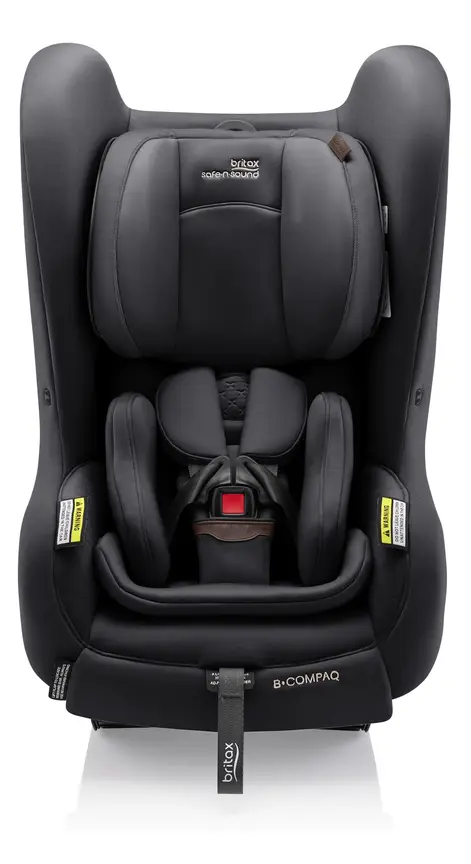 Reviewed
Britax Safe-n-Sound B-Compaq Lux
A convertible seat made for small cars with little room in the back.
Read our full review →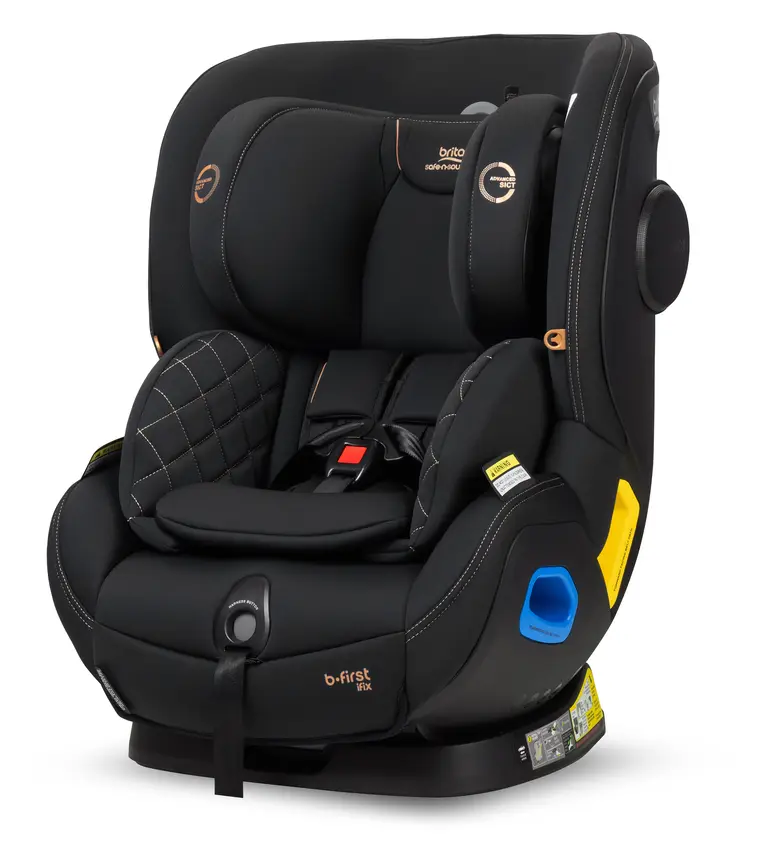
Britax Safe-n-Sound b-first+
Convertible seat from Britax's Australian Safe-n-Sound range with SICT deployable side-impact protection.
High chairs and eating stages
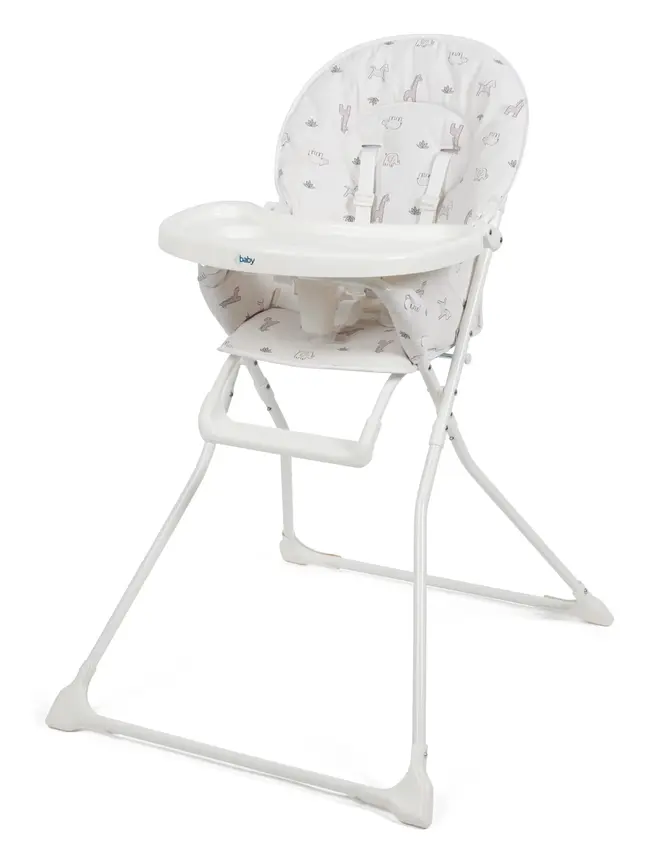
When your babies are ready for solid food, choose a stable high chair for each child. Follow health advice on when to begin solids. Check that each baby can sit safely. Use the chair as its maker directs.
Look for a sturdy chair with a working restraint. Use the restraint every time. Keep the chair away from tables, counters and walls that a baby could push against. Do not let babies stand in the chair. Stay with each baby while they eat.
Two chairs take up space. Measure the eating area before buying them. If you use one chair at a time, keep the other baby in a safe place nearby. An adult's lap is not a replacement for a secure seat during feeding.
Product Safety Australia's high chair guide explains safe use in Australia. HealthLink BC has guidance on safe chairs for babies in Canada. Check the instructions and local advice for any chair you use.
Age and development: check each baby
Age labels can help, but they do not tell the whole story. Twins may reach skills at different times. Use each item only when that baby meets its stated size and development limits. Ask a health professional if you are unsure.
| Stage | What to review | Useful gear checks |
|---|---|---|
| Before birth | Home, car and support plans | Measure spaces; choose sleep spaces and car seats; read manuals |
| Newborn weeks | Small size, feeding and frequent care | Check fit, harnesses, safe sleep setup and easy access |
| Growing infants | Changing size and new movement | Recheck weight limits, straps, cot setup and stroller positions |
| Starting solids | Readiness and safe sitting | Check chair stability, restraint and feeding guidance |
| Mobile babies | Rolling, reaching and crawling | Secure furniture; check gates and remove hazards |
| Toddlers | Climbing and growing independence | Review gear limits; store small parts and cords safely |
Recheck gear when either baby grows or learns a new skill. Do not wait for a calendar reminder if a strap looks loose or a child has outgrown a limit. A good fit for one twin does not prove a good fit for the other.
Buying second-hand and checking recalls
Second-hand gear can lower costs, but some items need careful checks. Ask for the full model name and instructions. Ask how old the item is, if you can. Look for damage, missing parts, broken locks, worn straps and signs of a crash or fall. Do not use an item if its safety history is unclear.
Check official recall pages before use. Australia's Product Safety Australia lists product recalls. Canada's Health Canada posts recalls and safety alerts. In the UK and US, check the relevant product safety body or maker's recall page. A product that looks fine may still have a safety notice.
Do not repair gear with improvised parts. Do not use a product in a way the maker does not allow. Avoid old or homemade sleep products if you cannot confirm their safety and instructions. Keep manuals where carers can find them.
Common mistakes to avoid
- Buying two of everything: decide what must be separate and what can be shared.
- Choosing by age alone: check each baby's size and development.
- Skipping measurements: check doors, car seats, storage and folded size first.
- Using a car seat as a sleep place: move a sleeping baby to a safe sleep space.
- Leaving a baby on a raised surface: keep a hand on the baby during changes.
- Ignoring instructions: use each item only as its maker directs.
- Assuming popular gear is safe: check recalls and local rules.
- Using one twin's settings for the other: check each child's fit and limits.
- Adding bags to stroller handles: heavy loads can affect balance.
- Buying extras before testing your routine: start with essentials and add items when a real need appears.
Frequently asked questions
Do twins need separate cots?
Plan a separate safe sleep space for each baby. Follow local safe sleep advice. Ask your health professional if you have questions about your babies' needs.
Should I buy a side-by-side or tandem stroller?
Choose based on your routes and storage. Side-by-side models are wider. Tandem models are often longer. Measure your doorways, lift and car boot. Try the stroller if possible.
Can I use one car seat for both twins?
No. Each baby travelling in the car needs their own suitable seat. Install and use each seat according to its instructions and your local rules.
Can I carry both babies in one carrier?
Only if the carrier maker allows that setup. Check the limits and instructions. If you feel unstable or cannot keep both faces visible, use another option.
Do I need two high chairs?
Not always. Two chairs can help when both babies eat at once. Measure your space and choose stable chairs with working restraints. Stay with each baby while they eat.
Is a car seat safe for a nap at home?
Car seats are for travel. When you arrive, move a sleeping baby to a safe, flat sleep space as soon as you can.
What should I check before using second-hand gear?
Check the model, instructions, condition, parts and recall status. Avoid items with an unclear history, damage or missing parts. Do not make repairs the maker does not approve.
Where can I get country-specific safety advice?
In Australia, check Product Safety Australia and Red Nose. In the UK, check the Office for Product Safety and Standards, NHS and The Lullaby Trust. In the US, check the Consumer Product Safety Commission and the American Academy of Pediatrics. In Canada, check Health Canada and the Canadian Paediatric Society.
More options, from budget to premium
Real products from our catalogue. We don't show star ratings or review counts; check the current price, stock and reviews on Amazon before you buy.
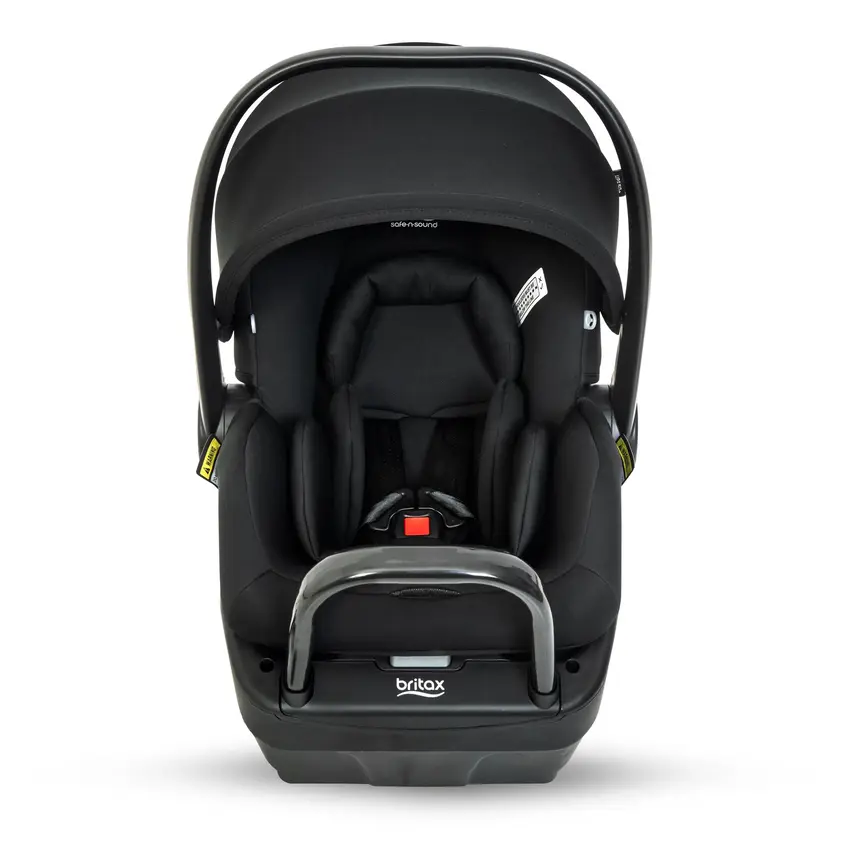


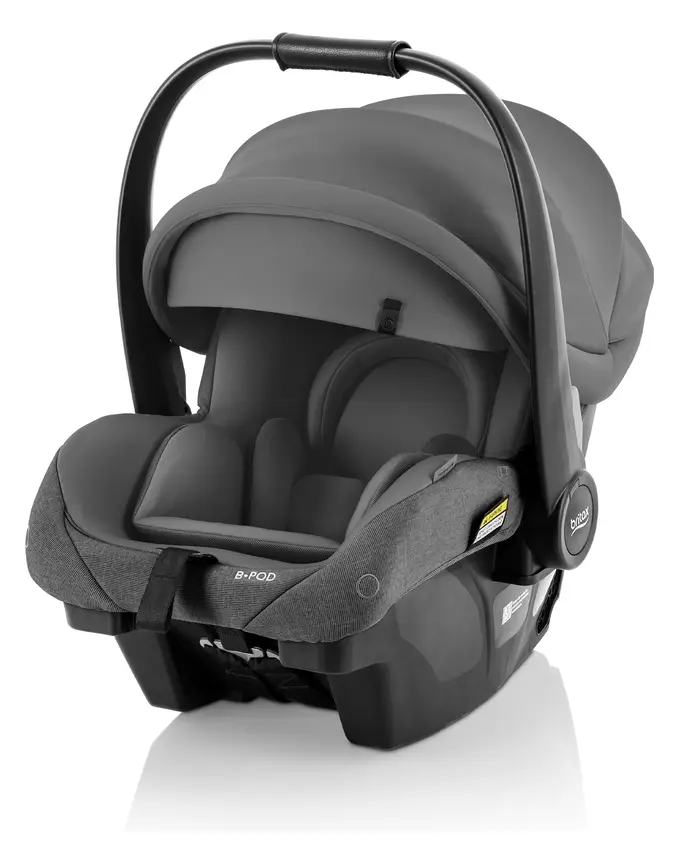
Britax B-Pod Lite
A newborn capsule with a ClickTight base, which makes a firm install simpler.
Read our full review →
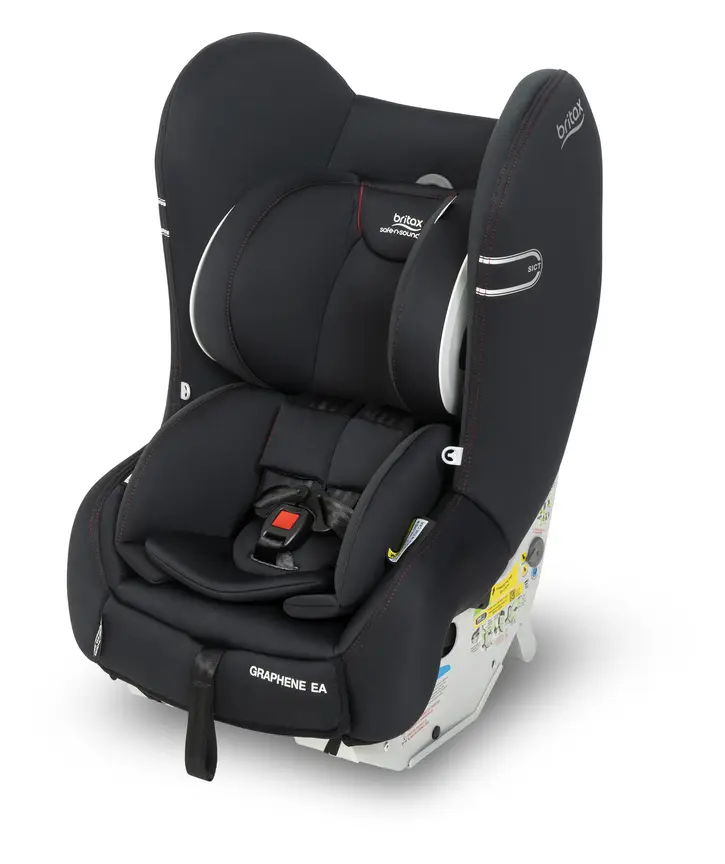
Britax Safe-n-Sound Graphene EA
Britax's Australian convertible seat with SICT side-impact technology, designed to reduce crash energy reaching your child's chest.
Sources and official guidance
- Product Safety Australia – Prams and strollers guide
- Product Safety Australia – Car seats guide
- Red Nose Australia – What is a safe sleeping environment
- GOV.UK – Child car seats: the rules
- The Lullaby Trust – Safer sleep advice
- U.S. CPSC – Safe sleep: cribs and infant products
- Transport Canada – Child car seat safety
- Canadian Paediatric Society – Safe sleep for babies
Disclaimer: This article provides general information only. It is not medical advice. Ask your doctor, midwife or child health nurse about your babies' needs. Follow local safety guidance and each product's instructions. Some links may be affiliate links. BabyGearFinder may earn a commission if you buy through them, at no extra cost to you.
Sources
- Product Safety Australia – Prams and strollers guide
- Product Safety Australia (ACCC) – Car seats guide
- GOV.UK – Child car seats: the rules
- The Lullaby Trust (UK) – Safer sleep advice
- CPSC (US) – Safe sleep: cribs and infant products
- Transport Canada – Child car seat safety
- Caring for Kids (Canadian Paediatric Society) – Safe sleep for babies
Related guides
More Baby Gear Guides →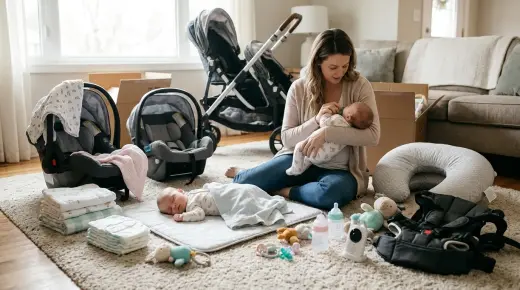
Baby Gear for Twins: What You Need, How to Choose, and What Can Wait

Allergy-Friendly Baby Gear: Choosing Products for Sensitive Skin
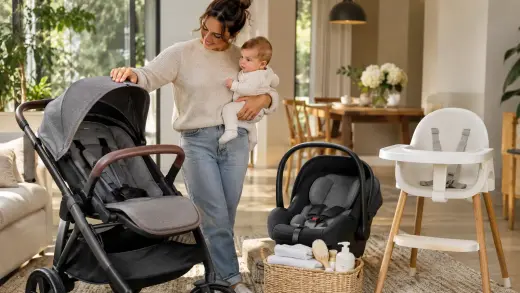
How to Choose Baby Gear That Is Safe, Useful and Good Value